
Compare electrically operated butterfly valve manufacturers by asking them to demonstrate how the proposed assembly meets your actual process duty. A broad product range says little about a particular seat, drive or control function. Give each candidate the same technical questions, then compare drawings, selection inputs and test commitments before approving a manufacturer.
1. What do electrically operated butterfly valve manufacturers offer?
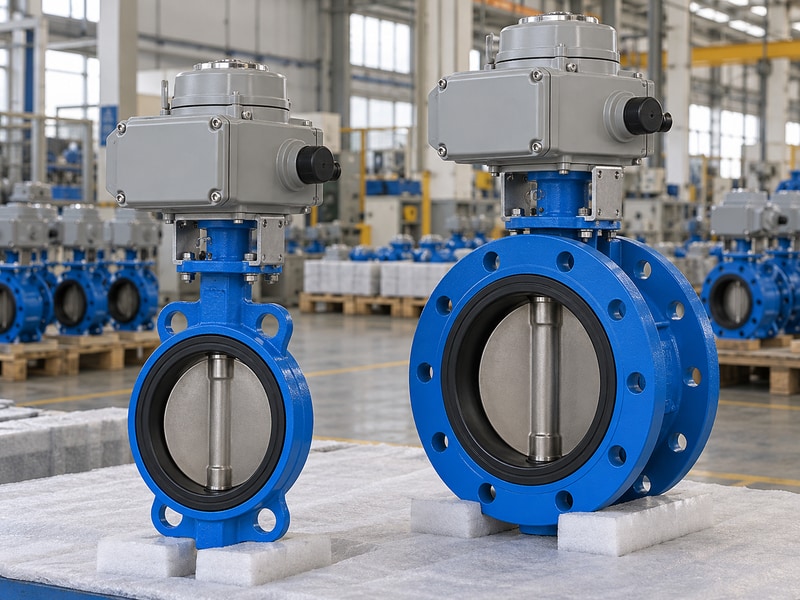
Qualified electrically operated butterfly valve manufacturers offer a defined valve and drive arrangement, supported by evidence for the intended service. A company experienced with small concentric water valves needs different evidence for a lined chemical valve or a large double-offset unit. Start with the required construction and operating task before comparing company size.
Ask for a construction-specific response
Have the manufacturer identify the body, seat, wetted materials and actuation function proposed for the enquiry. Separate established configurations from features needing additional engineering or verification. The response should state its limits. Combining one product’s maximum diameter with another’s temperature rating and a third’s materials does not define a supplyable assembly.
RUITO offers wafer, lug, double-flanged, U-type, grooved and lined constructions within their own operating ranges. Use the butterfly valve range to identify candidate options, then request the exact proposed configuration. Keep general capability statements separate from the final approved operating data, drawings and inspection requirements that define the ordered product.
- Identify the proposed construction and duty.
- Separate established and new engineering work.
- Request the evidence for the actual assembly.
| Capability | Question | Useful response |
|---|---|---|
| Construction | Which design meets the duty? | Specific configuration |
| Engineering | What remains to be verified? | Defined assumptions and limits |
| Acceptance | How will compliance be shown? | Drawings, data and tests |
2. Can the manufacturer explain the operating limits?
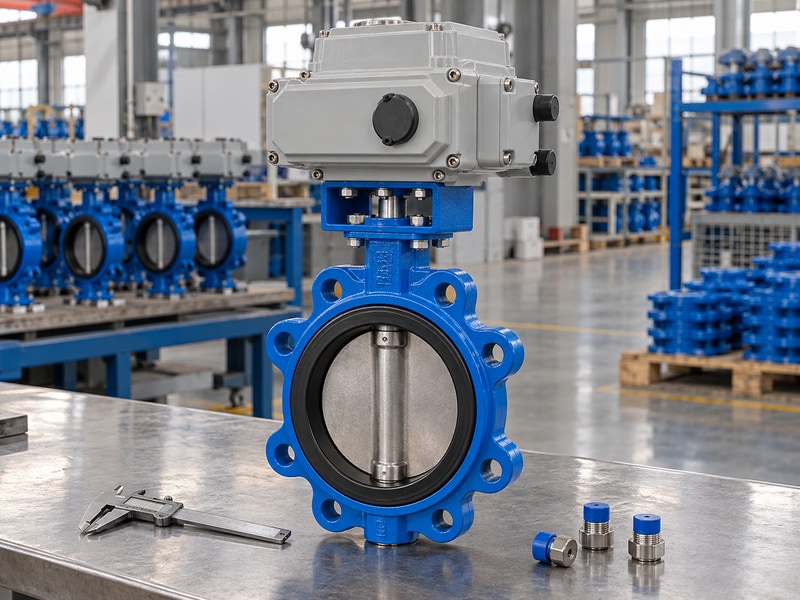
Ask electrically operated butterfly valve manufacturers for pressure, temperature, closing differential and direction together for the offered configuration. A pressure class does not settle the complete operating envelope. The response should identify the body, seat, connection or other feature that governs the limits relevant to your application.
Keep the rating basis visible
Provide normal, limiting and relevant transient conditions. Ask which values can occur together and which fall outside the proposal. Obtain any direction-specific closure limits for an offset design. For a lined valve, include backing, liner retention and the stated process conditions. A high-temperature seat description does not qualify every part of the valve assembly.
Review inspection conditions separately from service limits. Shell and closure tests follow the selected method and defined test conditions. Their test pressures must stay in the inspection records rather than becoming advertised working limits. Ask the manufacturer to keep this distinction consistent across the data sheet, instructions and reports used by installation and maintenance teams.
- Define combined pressure and temperature conditions.
- Check closing differential and direction.
- Separate test conditions from service ratings.
| Limit | State | Supporting evidence |
|---|---|---|
| Operating envelope | Allowed combined conditions | Configuration-specific data |
| Closure load | Differential pressure and direction | Seat and torque review |
| Test conditions | Method and acceptance criterion | Procedure and report |
3. How is wetted-material suitability demonstrated?
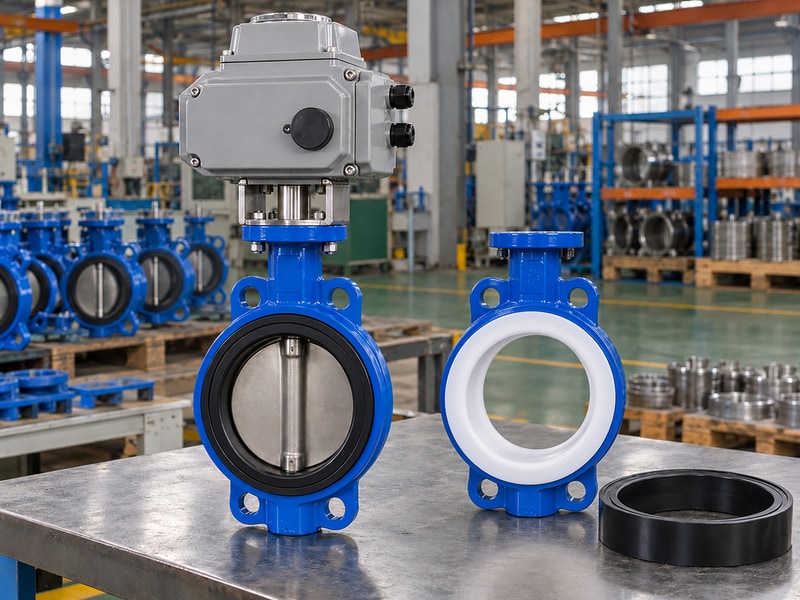
Require electrically operated butterfly valve manufacturers to review every wetted part against the complete fluid description. A resistant disc cannot qualify an incompatible seal or exposed shaft. Chemical composition, concentration, contaminants, cleaning fluids and operating temperature belong in the assessment before a material arrangement is accepted.
Review the entire fluid boundary
Request the body, disc, shaft, seat and auxiliary seal materials together with the exposure arrangement. For lined constructions, check the continuous fluid boundary, backing and seals as a complete system. A covered disc paired with another seat material differs from a fully lined configuration. The manufacturer should describe the offered construction accurately rather than using an imprecise corrosion-resistance label.
Ask what supports a material alternative and which conditions need additional verification. RUITO’s PTFE lined valve information provides product context for an enquiry. Supply the actual medium and cleaning conditions; an industry label such as chemical service leaves too much of the fluid boundary undefined for a configuration-specific decision.
- Give the complete fluid composition.
- Identify exposed metals, polymers and seals.
- Review liners and backing together.
| Material issue | Review | Evidence |
|---|---|---|
| Wetted parts | Compatibility and exposure | Complete material list |
| Lined boundary | Continuity and retention | Construction and inspection details |
| Service conditions | Concentration and temperature | Specific assessment |
4. Can the manufacturer justify actuator selection?
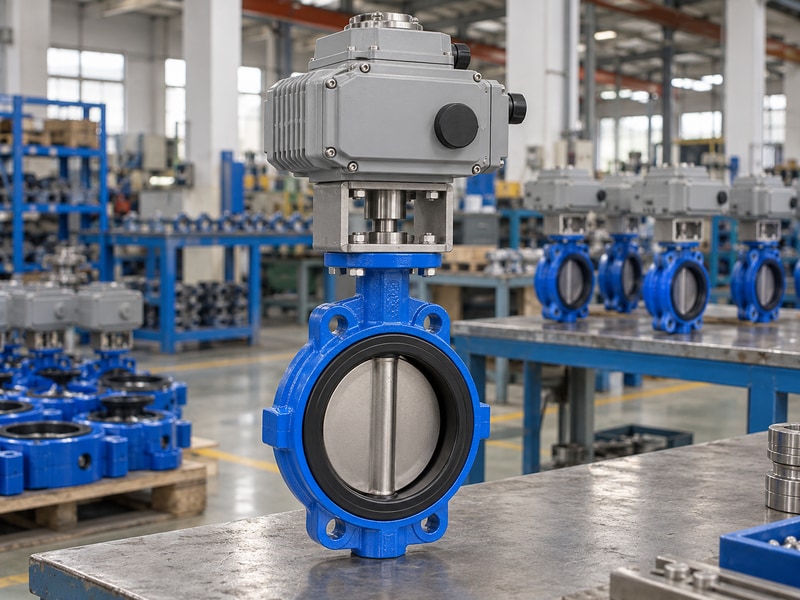
Ask electrically operated butterfly valve manufacturers to explain actuator selection through valve torque, service conditions and assembly strength. A claim that a drive fits leaves its operating load unresolved. The response should connect required torque, usable output, maximum permitted input and the settings that protect the assembled valve.
Check the complete stroke and load path
Breakaway, running and seating loads may differ. Use the valve’s duty-specific information and an agreed allowance rather than inventing a universal multiplier. Actuator output needs its stated conditions, while shaft, coupling and bracket limits define what the assembly can accept. Ask who combines these inputs and approves the final selection.
Review duty, movement frequency and travel time as well as torque. Adequate output for an occasional stroke does not establish suitability for frequent positioning. Check coupling shape, engagement and the specified ISO 5211 interface, with the support-to-valve attachment assessed separately. Require integrated travel and indication checks after assembly, with the approved actuator option and protection settings retained in the final document pack.
- Request duty-specific valve torque.
- Check available and permitted output.
- Review fit, duty and protection together.
| Input | Question | Record |
|---|---|---|
| Valve load | What torque is needed? | Selected valve data |
| Drive capability | What output is usable? | Actuator option data |
| Assembly limits | What input is permitted? | Mechanical limits and settings |
5. What flow data should the manufacturer provide?
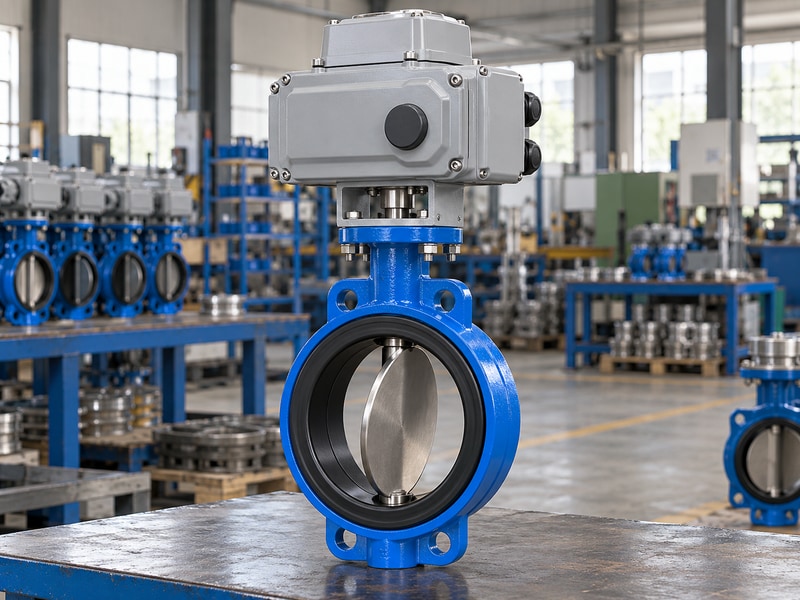
For throttling, ask electrically operated butterfly valve manufacturers for capacity information for the exact valve and opening range. Disc position alone cannot establish flow rate. Fluid properties and system pressure conditions affect the result, so a control-performance claim needs a defined process and a suitable measurement and control arrangement.
Separate capacity and process control
Provide the required flow range, fluid properties and available differential pressure. Request the selected valve’s capacity curve and any restrictions for the intended opening range. Liquid and gas assessments use different inputs. A calculation based on water should not be transferred to compressed gas merely by changing the medium’s name on the data sheet.
An actuator positioning function commands travel. Controlling a process variable also requires appropriate measurement and a suitable loop. Ask how drive duty and response fit that loop. For isolation-only service, state that requirement directly. The technical response should distinguish what the valve data establish from what the installed system must verify during its own commissioning.
- Provide flow and pressure conditions.
- Request selected-model capacity data.
- Separate position and process feedback.
| Information | Use | Limit |
|---|---|---|
| Capacity curve | Valve flow assessment | Does not prove the complete loop |
| Travel feedback | Actual valve position | Does not measure flow |
| Process measurement | Loop feedback | Does not qualify materials |
6. How should controls and environment be assessed?
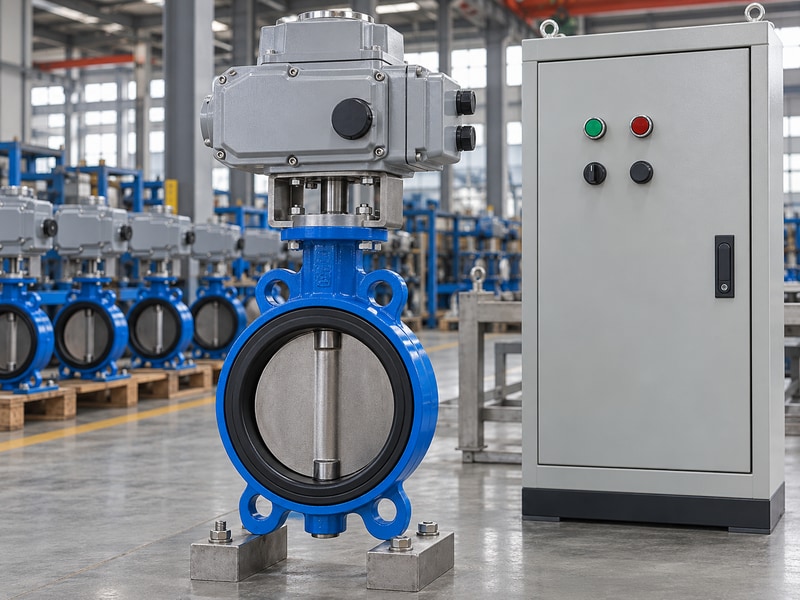
Compare electrically operated butterfly valve manufacturers on their response to the actual electrical interface and installation environment. Power, commands, feedback and enclosure conditions must suit the selected actuator. A statement such as remote control does not identify the signals that your controller can send or receive.
Request the exact actuator option and behavior
Specify whether commands use dry contacts, switched power, analogue signals or another agreed interface. Define returned position and fault outputs, local functions and control priority. Review cable entries, ambient conditions, moisture and condensation. Weather protection and hazardous-area suitability are different questions; ask for the applicable configuration and evidence where the project requires it.
Define loss of power, signal loss and communications failure separately, with the required final state. Ask the supplier what the offered package can deliver and how the response will be tested. Include restoration and reset behavior. Keep the terminal drawing, selected actuator identification and final settings together so the installed package has a consistent control baseline.
- Define each supply and signal interface.
- Describe actual environmental conditions.
- Verify required fault and restart responses.
| Requirement | Project defines | Maker confirms |
|---|---|---|
| Interface | Supply, commands and outputs | Compatible selected option |
| Environment | Ambient and exposure conditions | Applicable enclosure and accessories |
| Fault response | Event and required state | Capability and test scope |
7. Which tests demonstrate the proposed performance?
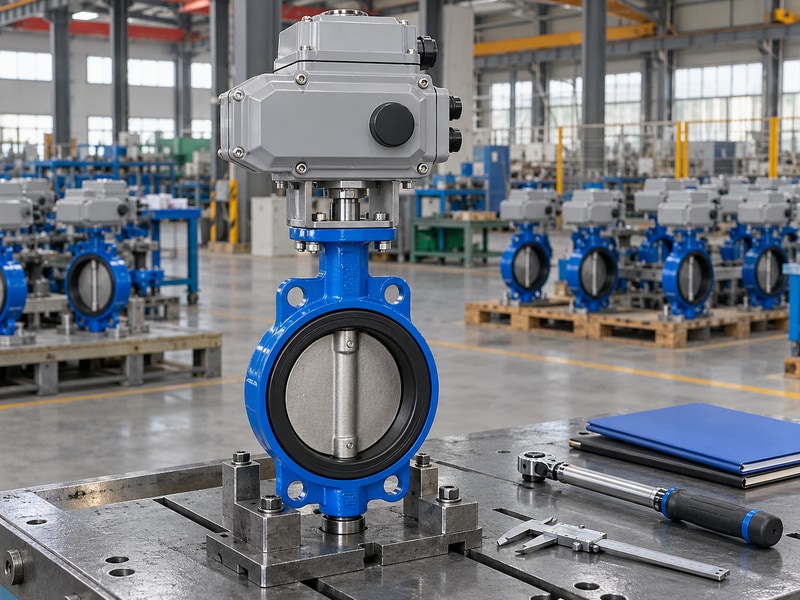
Ask electrically operated butterfly valve manufacturers for an inspection plan that addresses the actual claims in the proposal. Materials, dimensions, pressure performance and integrated functions establish different parts of acceptance. Identify methods, criteria, records and responsibility for the supplied configuration before the manufacturing order begins.
Map each claim to an observable check
For pressure acceptance, state the selected method, direction and seat criterion for the valve construction. For the integrated drive, specify travel, commands, indication and other agreed functions. Distinguish dry bench observations from performance under process load. If a claim depends on type qualification, identify the evidence and its configuration coverage rather than assuming all family members inherit it.
Review instrument suitability, calibration and record identification. Ask how failed parts are held and how repair and retesting are approved. A report from a similar product can show the format; your order needs the agreed acceptance evidence. Set witness notice and shipment-release authority before production reaches the testing stage.
- Match claims to specific acceptance checks.
- Define methods, criteria and records.
- Preserve repair and retest history.
| Claim | Verification | Record |
|---|---|---|
| Material and fit | Specified identity and dimensions | Order-linked inspection |
| Pressure performance | Approved shell and closure tests | Identified test results |
| Drive operation | Required integrated functions | Travel and control record |
8. How does the manufacturer control changes?
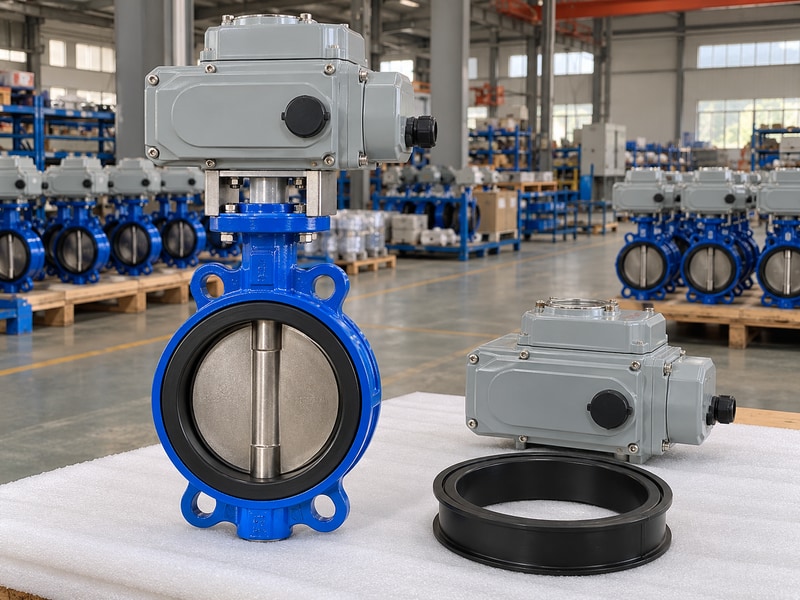
Require electrically operated butterfly valve manufacturers to assess changes against the accepted duty and configuration. A replacement seat, actuator or coupling can affect more than availability and price. The process should identify altered documents, affected units and the verification needed before the changed assembly is supplied.
Keep the approved product reproducible
Request the reason for the change and a comparison with the accepted design. Review fluid compatibility, fit, torque, controls and required failure response. A replacement drive may change enclosure clearance or signal inputs even when nominal torque matches. A new seat compound may alter operating load or fluid suitability despite an unchanged appearance.
Record approval, revised documents and the effective batch. Include spare parts so maintenance does not unknowingly mix configurations. RUITO uses controlled drawings and material lists to manage changes. Preserve the final accepted baseline with future releases rather than relying on a product name that can describe several assemblies with different limits.
- Assess each substitution’s technical effects.
- Approve revised drawings and verification.
- Identify affected production and spares.
| Change | Possible effect | Review |
|---|---|---|
| Seat or seal | Compatibility and torque | Material and function assessment |
| Actuator | Supply, controls and output | Integration assessment |
| Drive hardware | Engagement and capacity | Mechanical drawing and checks |
9. What supports the final manufacturer decision?
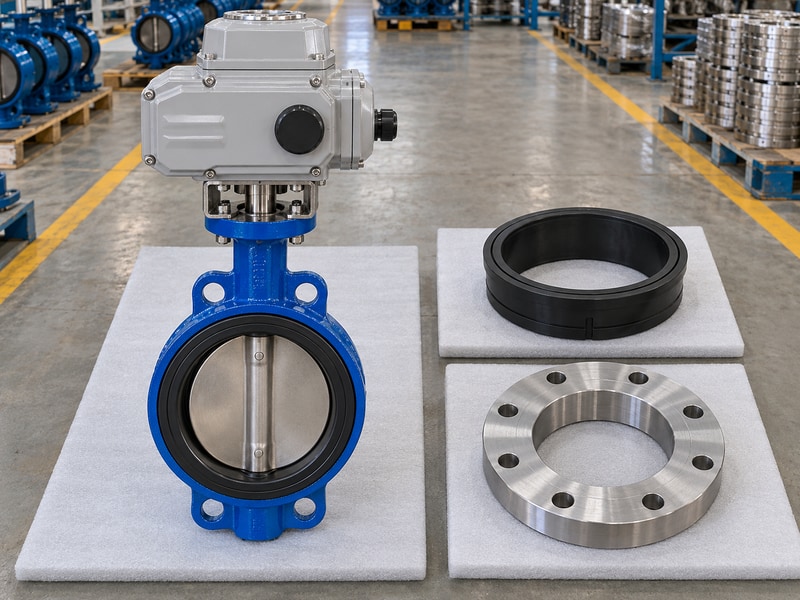
Choose among electrically operated butterfly valve manufacturers using a closed technical response, agreed inspection scope and a reproducible configuration. Company background supplies context, while the approval should explain why the actual assembly meets the project. Keep unresolved items and their owners visible before purchasing treats the review as complete.
Give purchasing a stable technical baseline
Preserve the accepted duty sheet, material list, drawings, actuator data and deviation response together. Attach inspection and document requirements and state what needs approval before manufacture or release. If a candidate proposes another construction, record its engineering basis and installation effects. That gives price comparison a consistent technical foundation and reduces scope loss after award.
RUITO can review these inputs within its documented product scope and propose order-linked records. Use the technical enquiry route to request a configuration review. Approve the exact assembly and verification plan before releasing a production order, particularly when its service or interfaces differ from an earlier purchase.
- Close technical responses and deviations.
- Preserve the accepted configuration.
- Attach inspection and document scope.
| Decision input | Keep | Use |
|---|---|---|
| Technical response | Configuration and deviations | Engineering approval |
| Verification plan | Methods and witness points | Quality acceptance |
| Final baseline | Drawings, materials and drive option | Repeatable production release |
RUITO can review your fluid and operating data and identify a proposed construction, interface and inspection scope. Send the duty sheet and required records. Contact us to discuss the evidence needed to approve the actual assembly rather than a general product family.
10. What else should you check before ordering?
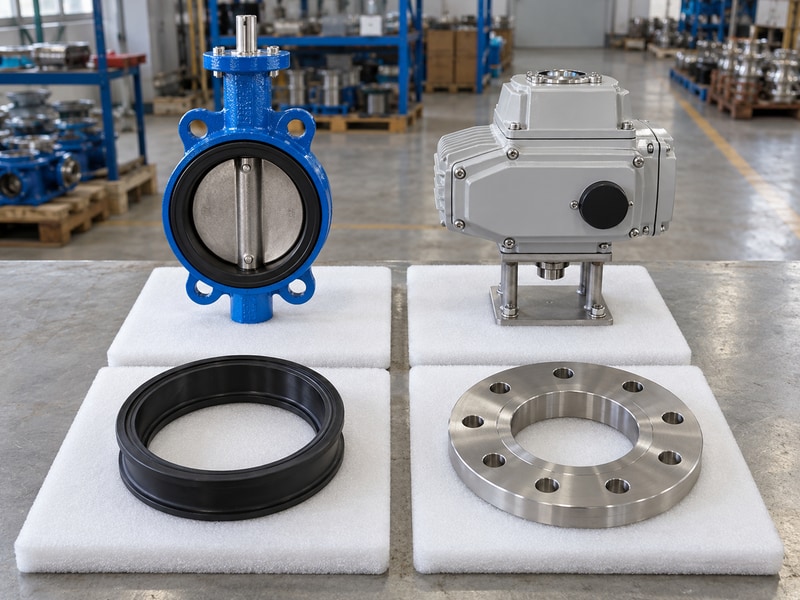
For electrically operated butterfly valve manufacturers, resolve these remaining questions against the approved package and site conditions.
Q1. Can a product range alone qualify a manufacturer?
No. Request evidence for the actual construction and duty. Catalog breadth does not establish the materials, drive, interfaces or tests needed for the proposed assembly.
Q2. What's the best actuator-sizing question?
Ask how required valve torque, usable drive output and maximum permitted assembly input were compared. Then review duty, coupling engagement and approved protection settings.
Q3. How do I know if a modulating package will control flow?
Review selected-model capacity data, process measurement and the control loop, as well as actuator duty. Positioning capability alone does not establish installed flow-control performance.
Q4. Can a similar valve's report support approval?
It can illustrate a format or relevant qualification within its scope. Order acceptance still needs unit-linked results or another explicitly agreed verification basis.
Q5. What must be approved before production?
Approve duty, materials, assembly drawings, actuator option, controls, deviations and the inspection plan. Identify remaining approvals and their owners before manufacturing release.