
Compare electrically operated butterfly valve suppliers using one enquiry baseline and a bid table that keeps technical deviations beside price and delivery. Similar product names can hide different seats, drive functions or test scope. Close those differences in writing before ranking offers, then preserve the accepted configuration as the purchasing and inspection baseline.
1. How do electrically operated butterfly valve suppliers compare?
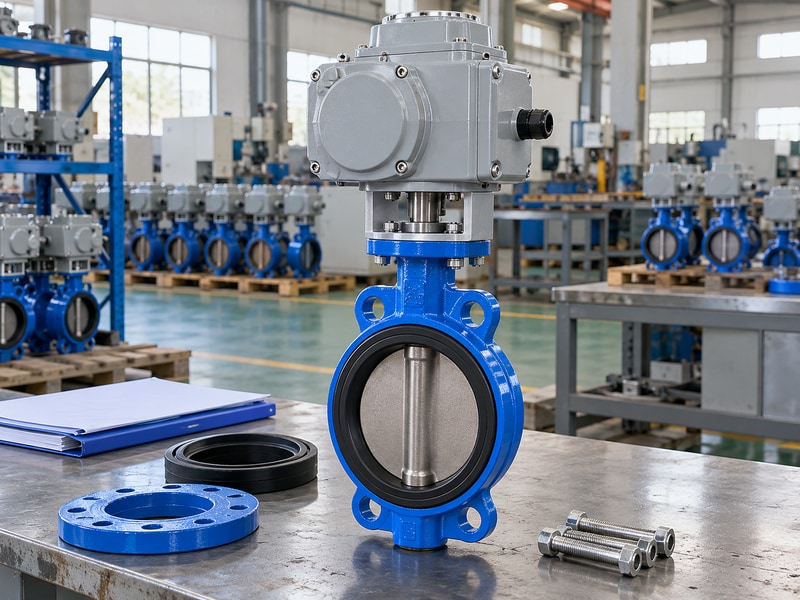
Compare electrically operated butterfly valve suppliers against one enquiry revision with the same duty, interfaces and deliverables. Use a row for each requirement and a separate response from each bidder. Keep a missing response visible rather than treating an empty cell as compliance or assuming the supplier’s standard configuration covers it.
Make the comparison a working approval record
Begin with the required valve construction, fluid, combined pressure-temperature conditions and control function. Add connections, actuator requirements, inspection and document scope. Ask bidders to identify offered configurations and deviations explicitly. The table should show what each supplier proposes, not merely repeat the requirement under several company names.
Assign engineering, quality and purchasing review to the fields they can approve. If a response is unclear, send a specific clarification and preserve the answer with the bid revision. RUITO’s butterfly valve product information can help identify available constructions; the supplier’s order-specific response belongs in the comparison.
- Issue the same enquiry revision.
- Record the offered configuration and deviations.
- Keep missing answers open for clarification.
| Comparison field | Record | Review owner |
|---|---|---|
| Technical requirement | Actual offered response | Engineering |
| Inspection and records | Included scope and exclusions | Quality |
| Price and delivery | Defined commercial boundary | Purchasing |
2. How do you compare materials and valve construction?
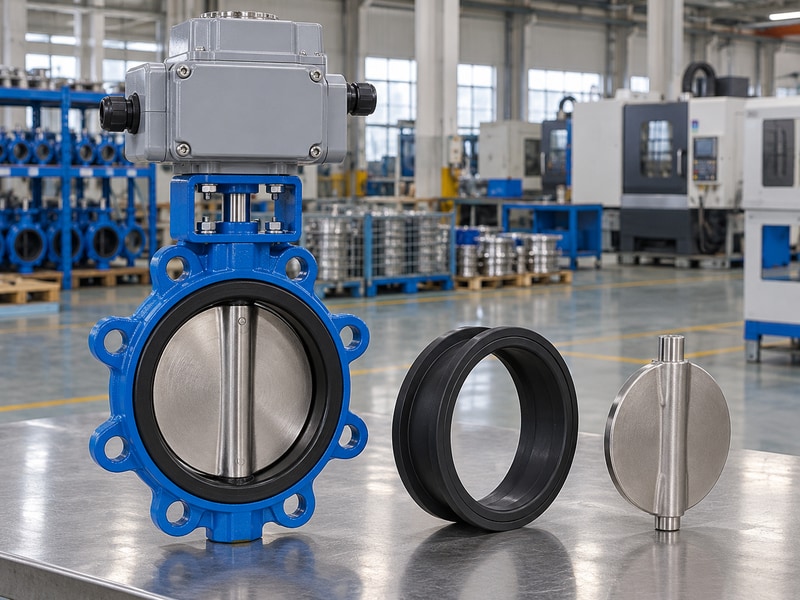
Ask electrically operated butterfly valve suppliers to identify the exact body, disc, shaft, seat and auxiliary seals in each offer. A shared nominal size and pressure class can conceal different constructions. Compare each material arrangement with the actual fluid and operating envelope before treating the offers as technical equivalents.
Keep material alternatives separate from compliance
List the required construction and each bidder’s proposal side by side. Record whether the offer is compliant, an approved alternative or unresolved. A change from an elastomer seat to a lined arrangement can affect more than compatibility; it may also change torque, dimensions, inspection and maintenance. Review the complete configuration instead of comparing a single material name.
Provide concentration, additives and cleaning conditions where relevant. For water and oil, confirm the selected elastomer rather than relying on a generic soft-seat description. If an offer proposes a lined option, compare the lined valve construction with its full wetted barrier and the supplied material list. Document the engineering decision on every proposed substitution.
- List all wetted materials and seals.
- Separate compliance from alternatives.
- Record approval of material substitutions.
| Requirement | Supplier response | Comparison status |
|---|---|---|
| Body and wetted metals | Exact grades and exposure | Accepted or clarify |
| Seat and seals | Compound and configuration | Accepted or review alternative |
| Operating envelope | Combined limits | Within duty or unresolved |
3. Which mechanical differences need a deviation?
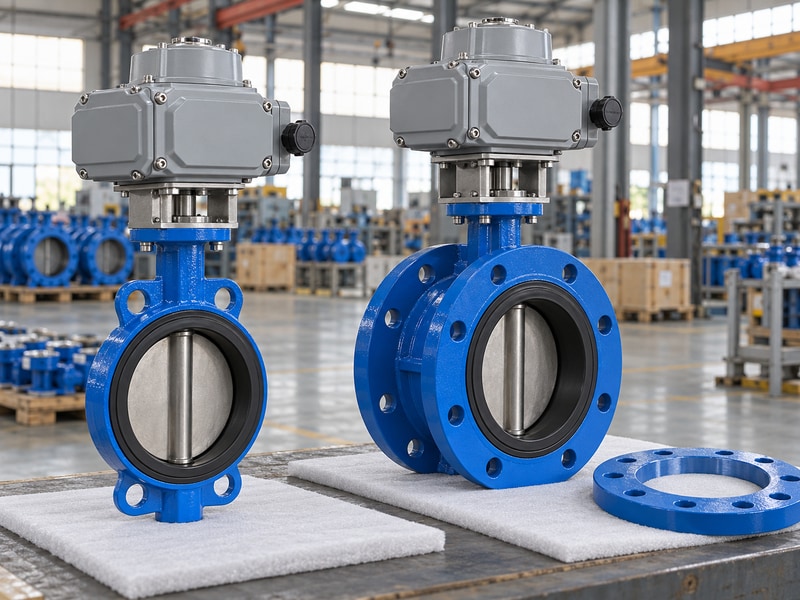
Require electrically operated butterfly valve suppliers to declare differences in connection standard, face-to-face length, disc envelope, actuator clearance and support requirements. These differences can create installation work even when the main valve description looks identical. A bid should not be marked equivalent until the project reviews the actual drawings.
Compare the installed assembly envelope
Check flange drilling, bore, face arrangement and any required gasket or bolting scope. Compare the offered body style with the piping specification. A compact wafer valve and a double-flanged alternative may perform the same isolation task while needing different installed space. Record any modification, its approval owner and its effect on the project schedule.
Include access to the actuator enclosure and any approved manual operating arrangement. Review lifting and support requirements for the complete assembly. Use the double-flanged body information to understand an alternative arrangement, then retain the offered drawing as the basis for the fit decision. A catalog image cannot establish the relevant dimensions.
- Compare connection and installed dimensions.
- Check disc and enclosure clearances.
- Assign approval for required site modifications.
| Mechanical difference | Possible project effect | Record |
|---|---|---|
| Connection or length | Pipework modification | Drawing deviation |
| Disc envelope | Bore interference | Clearance review |
| Actuator envelope | Access or support changes | Assembly-layout approval |
4. How should actuator offers be compared?
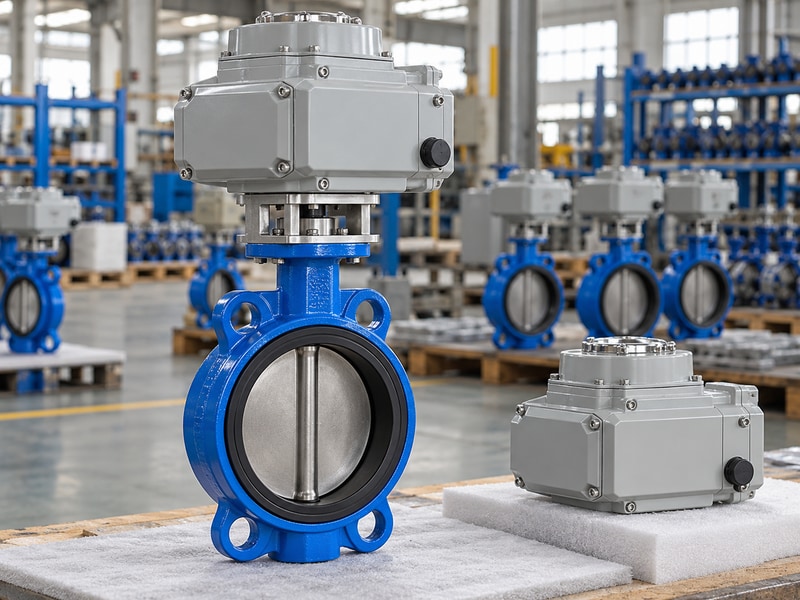
Compare electrically operated butterfly valve suppliers actuator offers using required valve torque, usable drive output and maximum permitted assembly input. Keep duty, travel time and mechanical fit in the same review. A higher catalog torque does not automatically make one supplier’s package a better match for the process.
Request the assumptions behind the selection
Ask each bidder for the selected actuator option and the basis of its torque assessment. Check the valve’s load conditions, agreed allowance, output conditions and protection settings. Record the coupling and bracket arrangement on the assembly drawing. If one offer excludes integration engineering, identify who will complete it and which evidence will support approval.
Compare operating frequency and modulation capability against the required sequence. A drive offered for occasional isolation may not suit frequent positioning. Confirm the specified ISO 5211 interface and assess the support-to-valve attachment separately, including when the buyer names the actuator. Treat substitutions as deviations requiring review of supply, controls, output limits, dimensions and tests rather than accepting a nominal torque match.
- Compare the same valve load assumptions.
- Review duty and maximum permitted output.
- Check actual coupling and bracket fit.
| Actuator field | Compare | Required response |
|---|---|---|
| Torque assessment | Load, allowance and usable output | Documented selection basis |
| Operating duty | Movement frequency and function | Selected drive capability |
| Integration | Coupling, bracket and limits | Approved assembly details |
5. How do you compare controls and loss responses?
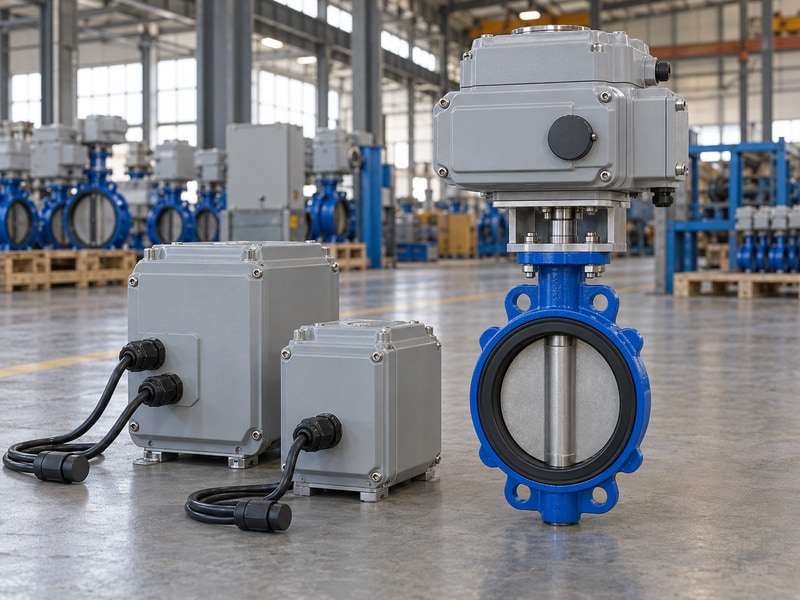
Ask electrically operated butterfly valve suppliers to answer each power, command, feedback and failure-response requirement separately. A common phrase such as ‘electric control’ can hide incompatible signals or different fault behavior. Record the actual actuator option and the observable function offered for each interface.
Turn broad descriptions into specific bid fields
List motor supply, command type, returned position and fault outputs. Include local and remote priority and any modulating signal range. Check that a receiving controller can use the proposed outputs. Do not infer motor voltage from the control signal, or treat a screen’s commanded position as proof that the valve provides actual feedback.
Define loss of power, loss of signal and communication failure as separate events, with required final states and restoration behavior. One bidder may include reserve energy while another offers a unit that holds position. Those proposals need different scope and test entries. Review enclosure and environmental requirements independently of the control function, using the actual site conditions.
- Separate supply and signal fields.
- Record actual feedback type and compatibility.
- Compare each fault and restart event.
| Control field | Required detail | Bid difference to resolve |
|---|---|---|
| Normal commands | Type, range and priority | Interface mismatch |
| Feedback | Output and receiving conditions | Indication scope |
| Loss response | Event, final state and restoration | Included energy and tests |
6. Which inspection exclusions affect bid equivalence?
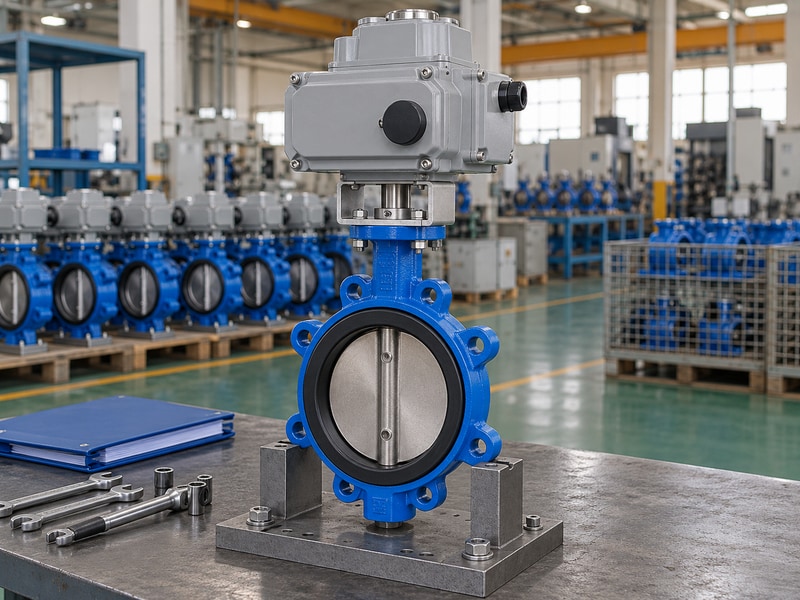
Compare electrically operated butterfly valve suppliers inspection offers against the same test methods, acceptance criteria, witness points and final records. A lower price may exclude work another bidder includes. Identify that difference before commercial ranking so the project can decide whether the omitted inspection is acceptable or must be added.
Keep the verification basis consistent
Specify the selected pressure-test method and the relevant seat criterion for the construction. Add the required integrated checks for the complete drive package. If the supplier offers a different test basis, ask for a technical deviation response. The comparison should distinguish routine production records, project-specific tests and any relevant qualification evidence.
Set document language, final revision requirements and identification links to the goods. Ask each bidder to state witness notice, hold points and release responsibility. A generic sample report shows a format; it cannot be entered as a completed test for the new order. Preserve the accepted inspection list with the selected offer so it survives the transition from bidding to manufacture.
- Compare methods and acceptance criteria.
- List excluded tests and documents.
- Carry the accepted plan into the order.
| Inspection field | Compare | Decision |
|---|---|---|
| Valve performance | Method, direction and criterion | Same basis or approved deviation |
| Integrated function | Actual assembly checks | Included or added scope |
| Final records | Index, identification and revisions | Accepted handover requirement |
7. How should price and delivery be normalized?
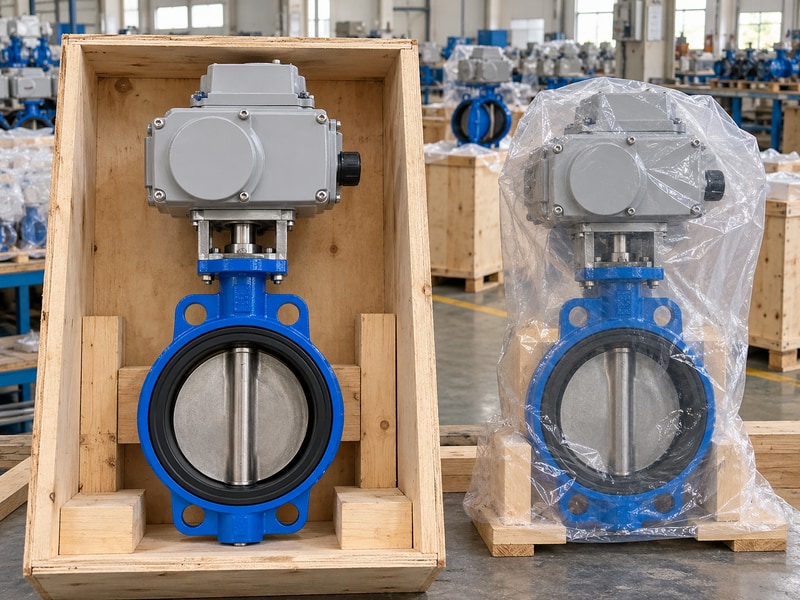
For electrically operated butterfly valve suppliers comparison, normalize the commercial offers only after the technical scope and delivery boundaries are defined. Use the same quantity, currency basis and named destination or delivery point. Keep costs for excluded work visible instead of hiding them inside an assumed adjustment percentage.
Show what remains outside each offer
List included goods, assembly work, packing, inspection and agreed services. Obtain verified costs for work the buyer must still procure. Keep uncertain items open for clarification rather than entering zero. If an alternative requires pipework changes or additional testing, record its approved project effect alongside the quoted amount so purchasing can see the complete decision.
Compare schedule milestones as well as a single lead-time number. Ask when the quoted period starts, which approvals are required and which components control assembly. Factory release and site arrival are separate events. Confirm quotation validity and the conditions for price revision using the actual offer, while keeping the technical baseline unchanged through the commercial review.
- Use the same quantity and delivery boundary.
- Identify costs outside each quoted scope.
- Compare schedule start points and dependencies.
| Commercial field | Normalize | Keep visible |
|---|---|---|
| Price basis | Quantity, currency and validity | Different assumptions |
| Delivery scope | Named boundary and place | Buyer-procured services |
| Schedule | Common starting milestone | Approvals and long-lead items |
8. How do you manage clarifications and substitutions?
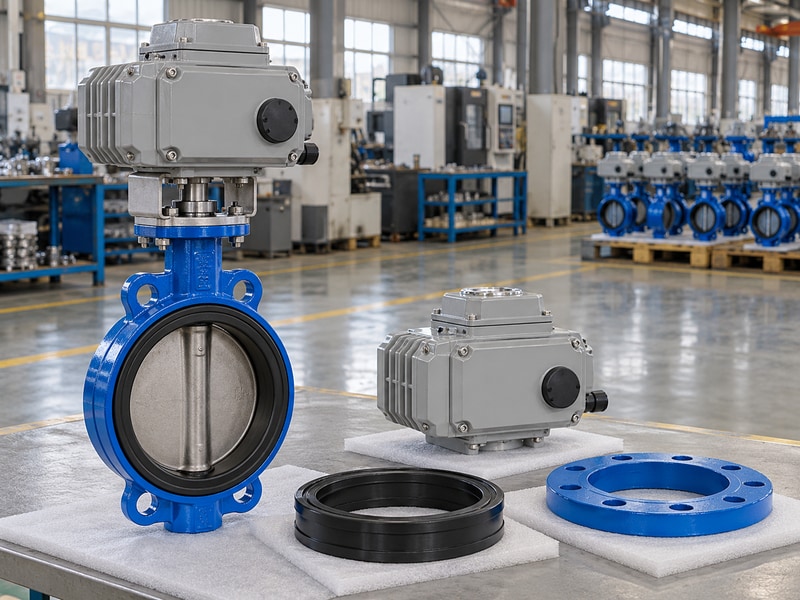
Ask electrically operated butterfly valve suppliers to respond to clarifications against the bid revision and requirement concerned. A technical agreement made in an email can be lost if the final offer still describes an older configuration. Keep the accepted response, revised documents and commercial effect linked in the comparison record.
Give every change an approval trail
When a supplier proposes another seat, actuator or connection, record the reason and the affected requirements. Review compatibility, torque, fit, controls and tests as applicable. Ask whether the change affects lead time, price or existing approval evidence. A substitute that solves availability can still require engineering work before it becomes acceptable for the project.
Separate accepted deviations from open questions and rejected alternatives. Do not overwrite the original requirement without preserving the decision. After award, use the same change process for production and spare parts. The approved material list, drawings and actuator option should identify which version is authorized and the batch where a later approved version takes effect.
- Reference the affected requirement and revision.
- Review all technical effects of a substitution.
- Preserve approval and effective-batch records.
| Change status | Meaning | Next action |
|---|---|---|
| Open clarification | Response not yet accepted | Obtain and review evidence |
| Approved deviation | Alternative accepted for this order | Update final baseline |
| Rejected proposal | Does not meet agreed requirement | Retain required configuration |
9. What should the final award record contain?
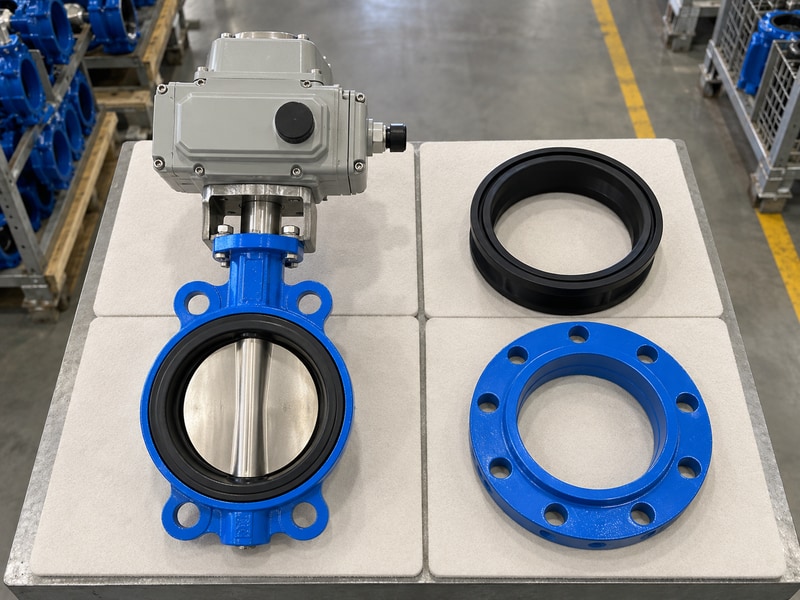
Select among electrically operated butterfly valve suppliers using an award record that identifies the accepted configuration, closed deviations, price basis and delivery obligations. The purchasing order should preserve those decisions. A supplier name and product description alone leave the engineering and quality teams without a stable acceptance baseline.
Carry the bid decision into production control
Attach the accepted data sheet, material list, assembly and connection drawings, actuator details and inspection plan. Identify documents still due for approval and the authority needed before manufacture or shipment. Keep any buyer-supplied work and accessories explicit. Confirm that the final commercial offer refers to the same accepted scope as the technical comparison.
RUITO can respond to this baseline through the technical enquiry route with configuration-specific information. After award, review production changes against the accepted record and require final documents to match the delivered units. That gives receiving and maintenance teams a practical reference when they inspect, install or replace the package.
- Attach the accepted technical and inspection scope.
- Name remaining approval milestones.
- Preserve the baseline for production and support.
| Award record | Include | Used by |
|---|---|---|
| Technical baseline | Configuration and closed deviations | Engineering and production |
| Inspection basis | Tests, records and release points | Quality and receiving |
| Commercial agreement | Price scope and delivery obligations | Purchasing and logistics |
RUITO can respond to a defined enquiry with an offered configuration and explicit technical deviations. Send your duty sheet, interface requirements and inspection list. Contact us for a proposal that your engineering, purchasing and quality teams can compare against the same baseline.
10. What else should you check before ordering?
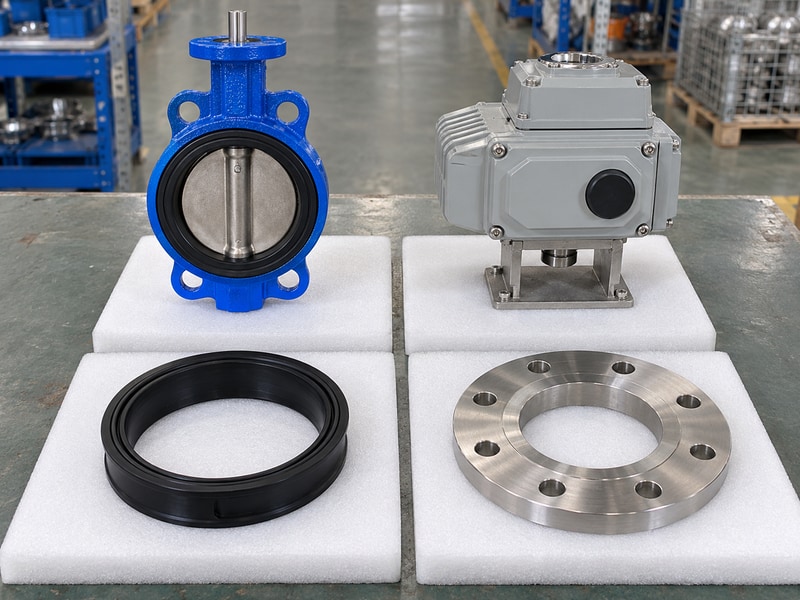
For electrically operated butterfly valve suppliers, resolve these remaining questions against the approved package and site conditions.
Q1. Can I rank suppliers before closing technical questions?
Keep any ranking provisional. An unresolved seat, actuator or test requirement can change the scope and price. Close the material technical differences before making a final award comparison.
Q2. What's the best way to record a missing response?
Mark the requirement as awaiting clarification and assign an owner. Do not use a blank or zero where it could imply compliance, included cost or a completed review.
Q3. How do I know whether two actuator offers are equivalent?
Compare torque assumptions, permitted input, duty, mounting, supply, commands, feedback and fault response. The same nominal torque and voltage do not establish complete equivalence.
Q4. Can an approved bid alternative be changed during production?
Only through the agreed change process. Review the new version’s technical effects, price, schedule and tests, then record approval and the affected batch before release.
Q5. What should stay with the purchase order?
Keep the accepted configuration, drawings, material list, actuator option, closed deviations, inspection plan and commercial scope. Identify documents still due and the approval required at each remaining milestone.