
Audit electric operated butterfly valve factories by tracing an identified assembly through materials, manufacture, testing and release. A tidy workshop can still ship the wrong seat compound or coupling. Start with your approved configuration, choose a sample to trace and check the records behind the finished valve before releasing a batch.
1. How do you audit electric operated butterfly valve factories?
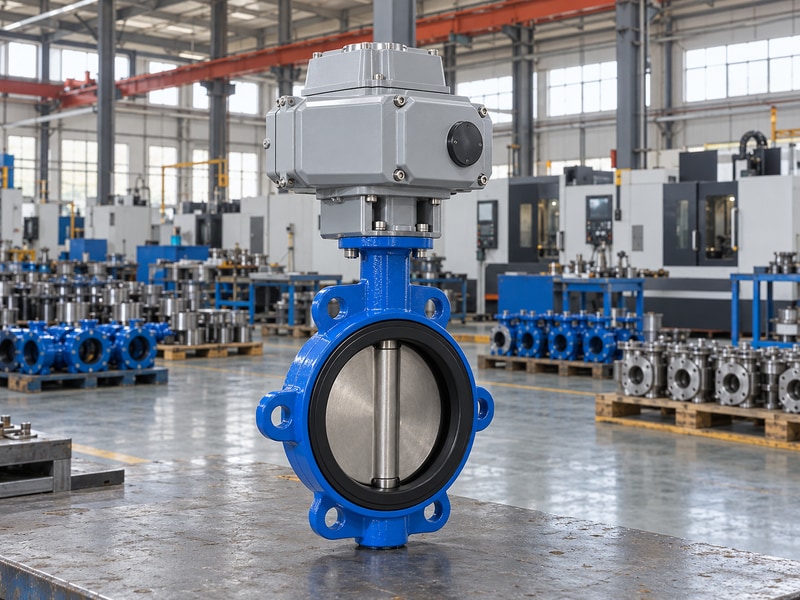
Audit electric operated butterfly valve factories by tracing one selected product from the approved material list to shipment release. Use that trace to check how the factory controls changes and inspection. A tour covering unrelated machines may show capacity, but it does not establish how your particular order will be made.
Choose evidence around a real configuration
Start with the proposed body style, seat, actuator and duty. List the processes that can change pressure integrity, sealing, dimensions or drive behavior. Identify which happen at the reviewed site and which use outside suppliers. Ask how incoming parts are accepted and how an identified nonconformance is prevented from entering assembly or the final packing area.
The audit should connect observations with controlled records. Record the drawing revision, work order and sample identification for each selected check. RUITO’s company information describes its manufacturing and project responsibilities; use the order-specific process and inspection plan to decide what must be observed for the proposed purchase.
- Trace an identified product and revision.
- Include controlled outside processes.
- Connect each observation with an order requirement.
| Audit step | Question | Evidence |
|---|---|---|
| Scope | Which processes affect this assembly? | Process and supplier map |
| Trace | Which records belong to this unit? | Work order and identification |
| Release | Who closes deviations? | Authorized inspection status |
2. How are incoming materials kept traceable?
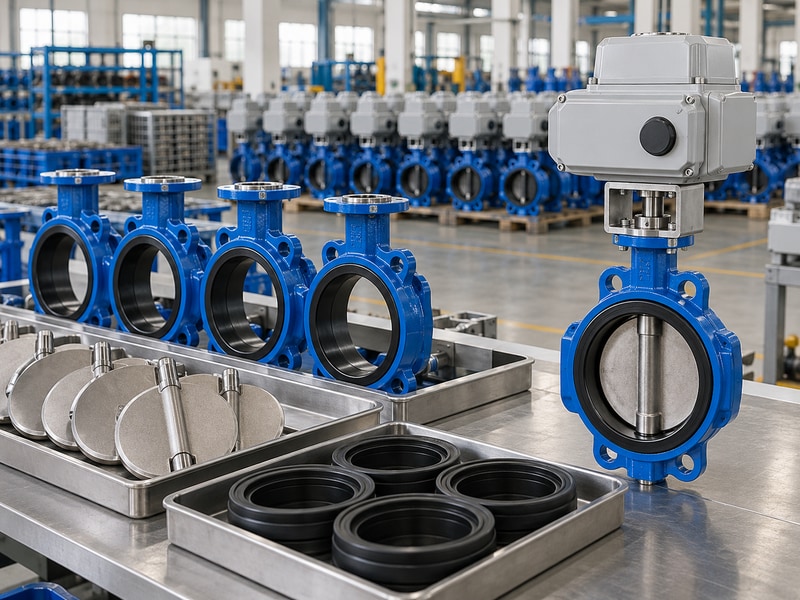
Ask electric operated butterfly valve factories how body, disc, shaft, seat and purchased actuator records remain linked to the assembled unit. Material traceability should survive receiving, storage and assembly. A certificate in a separate folder becomes difficult to use if no controlled identifier connects it to the part being inspected.
Trace metals and nonmetals separately
Check the specified material and relevant receiving evidence for each component. Metal heat or batch records, elastomer formulation and batch information, coating records and purchased actuator identification address different questions. A metal certificate cannot establish the seat compound. Review how the factory prevents similar-looking EPDM and NBR parts from being mixed when they serve different fluids.
Ask how stock is segregated and how replacement parts inherit the correct configuration. If a part is re-identified during machining or coating, follow the approved transfer method. For chemical service, the liner, backing and auxiliary seals deserve their own checks. Compare those requirements with the lined valve construction rather than treating all soft-seated valves alike.
- Check metals, elastomers and purchased drives.
- Follow identification transfers between operations.
- Verify segregation of similar-looking materials.
| Component | Trace information | Risk controlled |
|---|---|---|
| Body and disc | Specified metal and batch | Wrong material entering assembly |
| Seat | Approved compound and batch | Fluid incompatibility |
| Actuator | Manufacturer and selected option | Wrong supply or controls |
3. Which machining checks affect installation?
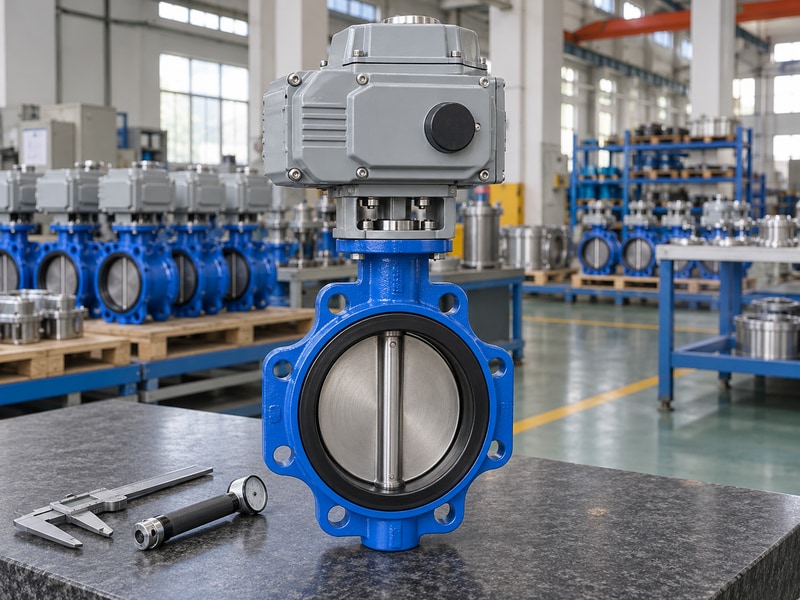
For electric operated butterfly valve factories, inspect the dimensions that control pipe fit, disc clearance, sealing and actuator alignment. The drawing should identify these features and their acceptance limits. A smooth painted exterior does not establish the accuracy of flange faces, shaft bores or the drive interface hidden inside the assembly.
Check a measured feature against its drawing
Select dimensions relevant to the offered body arrangement. Face-to-face length, flange drilling, bore geometry and shaft alignment may determine whether the valve fits the project. Review first-piece and in-process checks, then verify how a measuring instrument is chosen and used. The record should identify what was measured and the drawing revision that defined the requirement.
For wafer and lug bodies, verify the approved interface instead of assuming a shared diameter means identical fit. A coupling with poor concentricity can impose additional load even if it can be assembled. Review how out-of-tolerance parts are segregated and corrected. Use the wafer valve arrangement as product context while retaining the exact order drawing as the acceptance basis.
- Select dimensions tied to real interfaces.
- Check measuring method and instrument suitability.
- Review segregation of rejected parts.
| Feature | Influences | Record |
|---|---|---|
| Connection dimensions | Pipe installation | Drawing-specific inspection |
| Shaft alignment | Disc and drive movement | Machining and assembly checks |
| Mounting face | Actuator fit | Interface dimensions |
4. How should seat and disc assembly be controlled?
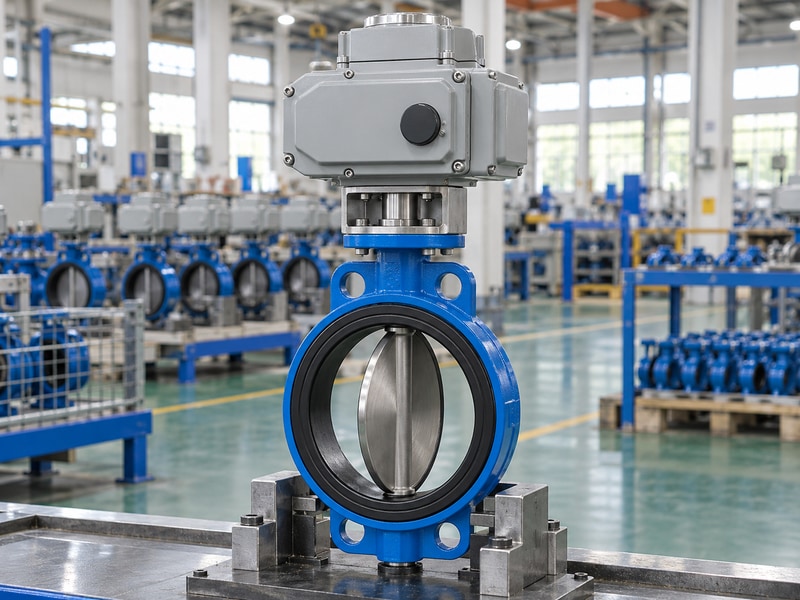
Ask electric operated butterfly valve factories how the correct seat, disc and shaft are assembled without damaging sealing surfaces. Assembly needs a controlled material version and method. A seat that looks intact can still be the wrong compound, incorrectly positioned or distorted by an unsuitable installation practice.
Inspect the surfaces before they disappear inside the valve
Check cleanliness, seat seating and the condition of the disc edge using the approved procedure. Confirm any permitted assembly aids or lubricants against the fluid and material requirements. Do not assume a general workshop lubricant is suitable for every configuration. Review how the factory handles scratches, debris or other defects found during assembly instead of allowing them into final testing.
The assembled disc must move through the intended travel without interference. Shaft retention and engagement need the approved hardware and inspection. A leak-free result at one test condition does not erase an incorrect material identity. Keep material, visual, dimensional and functional checks connected so each answers the part of the acceptance requirement it can actually establish.
- Confirm the exact seat material version.
- Inspect cleanliness and sealing surfaces.
- Check shaft retention and free travel.
| Assembly check | Question | Evidence |
|---|---|---|
| Material identity | Is this the approved seat? | Controlled batch and part record |
| Surface condition | Are sealing areas acceptable? | Assembly inspection |
| Travel and retention | Does the disc move and remain secured? | Approved functional checks |
5. What must actuator mounting verification cover?
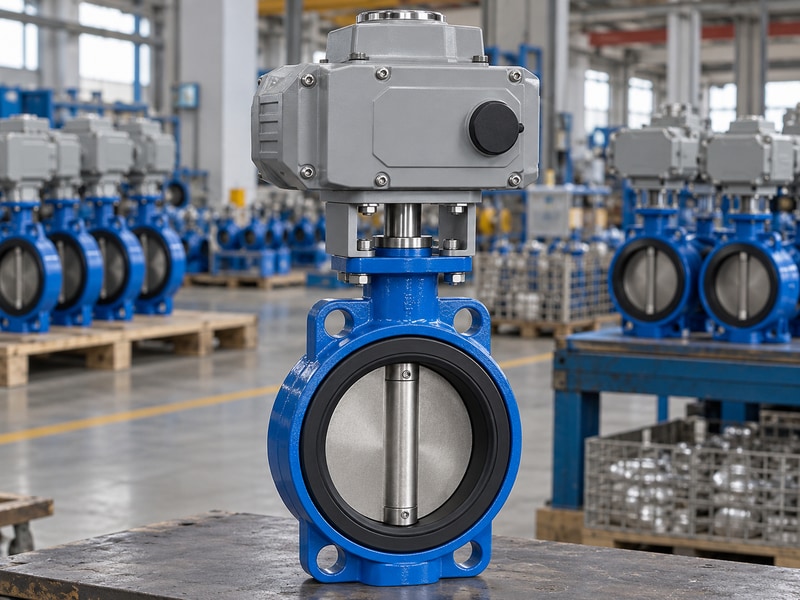
Actuator mounting at electric operated butterfly valve factories should verify engagement, alignment, fastening and load capacity for the approved combination. Bolting an actuator onto a matching pattern does not complete the integration assessment. The coupling and bracket must transfer the required torque without exceeding the valve’s permitted input.
Check the assembled load path
Review the drive drawing and identify the shaft shape, coupling dimensions and engagement requirements. Check bracket alignment and specified fasteners. Ask how torque settings are established and recorded. A substituted actuator with different maximum output or stop behavior needs review even if its mounting holes match the original unit.
Observe the completed assembly’s travel and indication using a safe test setup. The disc, output drive and indicator should agree through the required movement. If a coupling slips or the bracket moves, the test needs investigation. Keep the actual actuator option, settings and specified ISO 5211 interface with the order record; assess the support-to-valve connection separately.
- Verify coupling engagement and alignment.
- Check approved fastening and torque limits.
- Observe actual disc travel with the drive fitted.
| Drive feature | Check | Why it matters |
|---|---|---|
| Coupling | Shape and engagement | Transfers torque |
| Bracket | Alignment and fastening | Keeps the load path stable |
| Actuator settings | Approved limits and travel | Protects and positions the assembly |
6. How do you judge the pressure-testing process?
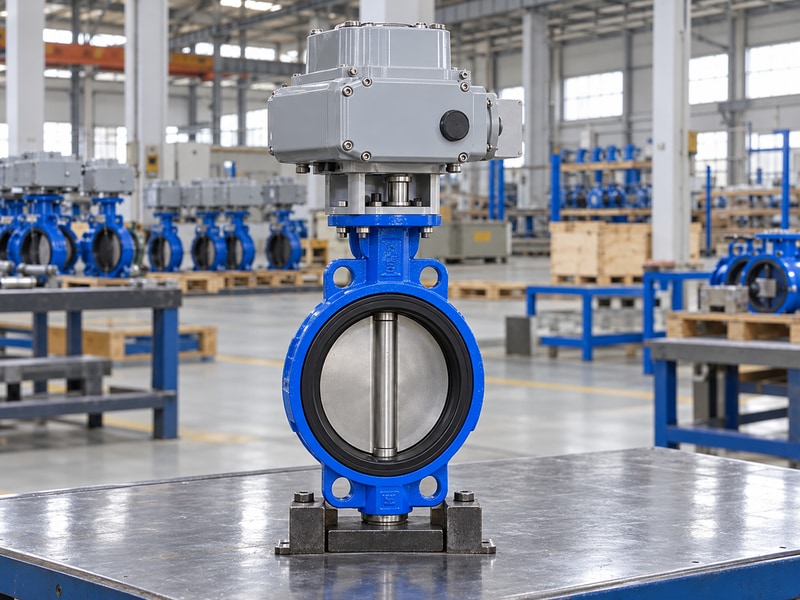
Review pressure testing at electric operated butterfly valve factories against the selected standard, configuration and approved procedure. The test fixture, medium, pressure, direction and acceptance criterion all affect what a result means. A photograph of a gauge cannot establish the complete method or the identity of the tested valve.
Follow the report back to the test setup
Ask for the required shell and closure tests and their records. Confirm the applicable seat leakage criterion for the selected construction. Metal and resilient seats may use different acceptance requirements. Test pressure remains a test condition; it must not be advertised as an operating limit. Check how the factory identifies the unit, instruments, test direction and result.
Review the test area’s approved safeguards and equipment suitability without inventing a pressure procedure. Ask how failures are recorded, corrected and retested. A valve passing after repair should retain the relevant repair and retest history. If the project requires witnessing, settle notice and hold points before the unit enters the test station.
- Use the approved method and acceptance criterion.
- Match report, unit and instruments.
- Retain repair and retest records.
| Test record | Specify | Verify |
|---|---|---|
| Method | Selected standard and procedure | Correct configuration |
| Conditions | Medium, pressure and direction | Recorded actual test |
| Result | Defined acceptance criterion | Authorized inspection decision |
7. How should functional and electrical checks be recorded?
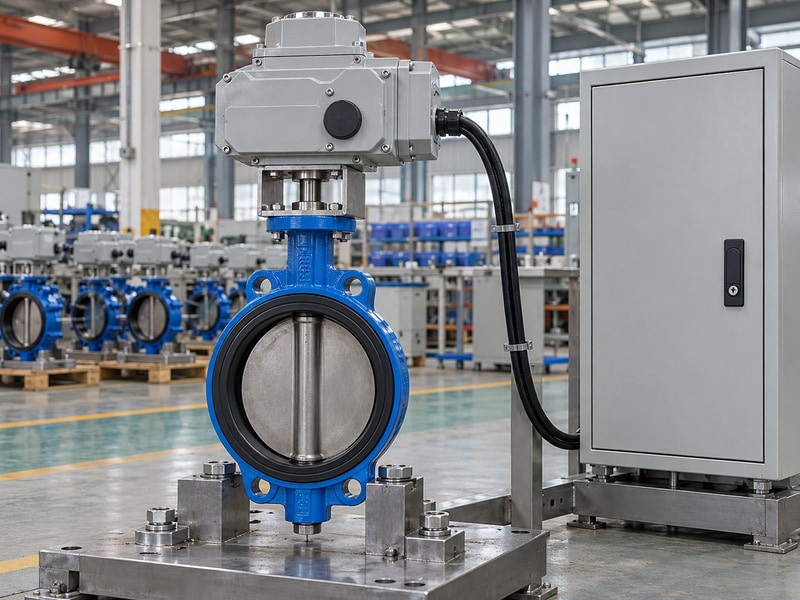
Ask electric operated butterfly valve factories to record integrated functions on the actual supplied assembly. Pressure acceptance does not prove actuator direction, remote commands or position feedback. The factory test should cover the control functions agreed for the order and distinguish a preliminary dry check from performance under process load.
Use the exact delivered actuator option
Check the applicable electrical inspection and functional procedure with qualified personnel. Confirm supply option, wiring revision and enclosure requirements. Observe local and remote movement where specified, then compare endpoint and intermediate indication with actual travel. On-off and modulating units need different acceptance observations; a shared checkbox for ‘operation good’ may conceal those differences.
Include required loss-event and restoration behavior under the agreed safe test plan. Record the configured response rather than assuming every electric actuator closes when power fails. Keep the settings and test results linked to the actuator identification. If the unit is changed afterward, determine which interface checks and tests must be repeated before release.
- Test the delivered valve-actuator combination.
- Record actual movement and returned indication.
- Define which changes require retesting.
| Function | Observe | Keep |
|---|---|---|
| Endpoint travel | Actual open and closed condition | Travel and indication record |
| Modulation | Requested intermediate positions | Configured range and response |
| Loss response | Agreed event and restoration | Actual observed state |
8. What shows that measuring equipment is suitable?
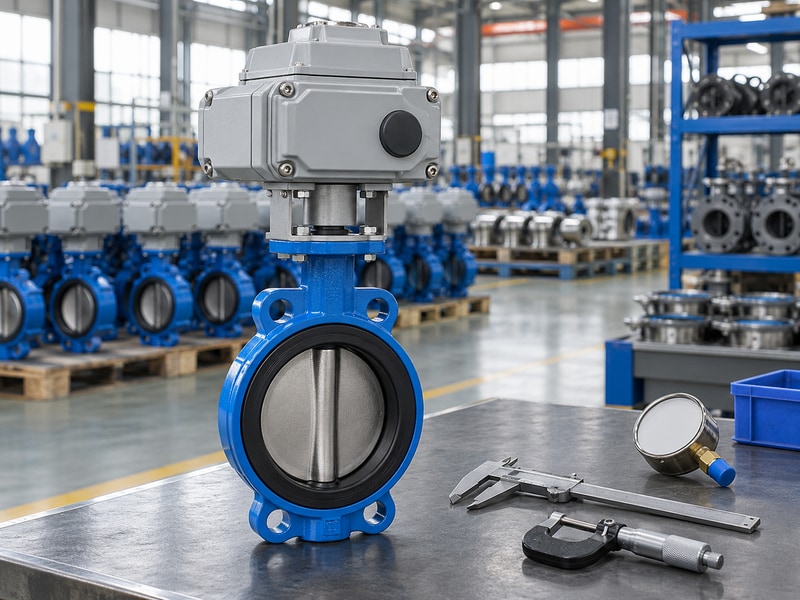
Measuring equipment at electric operated butterfly valve factories should have the range, accuracy and valid status needed for the selected inspection. A calibration sticker alone does not prove that an instrument can resolve the required feature or pressure. Check how instrument selection follows the inspection requirement.
Review suitability as well as calibration status
Select a few instruments from the order’s inspection records and compare their identification with the equipment register. Review calibration status and any relevant limitations. Ask how the factory handles an instrument found outside tolerance and how it reviews products accepted with that instrument. The answer should connect the equipment issue with the potentially affected inspection records.
Check how gauges and dimensional tools are stored, protected and checked before use. A damaged instrument should not remain available simply because its calendar date is still valid. Keep the audit focused on measurements that influence your purchase, such as connection dimensions, required test pressure and recorded travel observations, instead of collecting an unrelated list of equipment.
- Match instrument range to the measurement.
- Trace equipment identification and status.
- Review the impact of out-of-tolerance findings.
| Equipment question | Evidence | Acceptance use |
|---|---|---|
| Suitable range and resolution | Inspection method and instrument data | Can it measure the requirement? |
| Current status | Equipment register and calibration record | Is use authorized? |
| Abnormal result | Impact review and containment | Which inspections need review? |
9. How is a batch released after the audit?
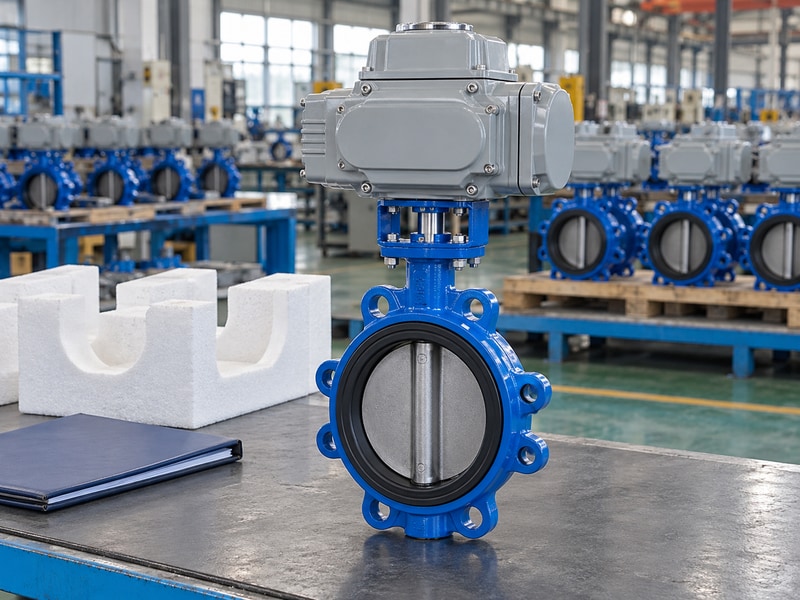
Batch release at electric operated butterfly valve factories should follow completed inspections, resolved deviations and approved final records. An audit finding is useful only if its required action has an owner and a closeout basis. Keep factory capability observations separate from the acceptance decision for a particular shipment.
Close findings against observable evidence
List the findings that affect the order and specify the evidence needed for closure. A process correction may require updated instructions, training or reinspection, depending on the issue. Confirm which units are affected and how they are held until the action is complete. Do not accept a general assurance where the agreed requirement needs a measured or tested result.
Review the final document index, identification and packing plan before release. RUITO can align order-level records with the agreed inspection plan. Use the technical contact route to define witness and record requirements before purchase. Release the shipment only through the authority agreed in the contract and inspection plan.
- Assign each finding and closure requirement.
- Identify affected units and containment.
- Match release to the agreed document pack.
| Release item | Needed evidence | Decision |
|---|---|---|
| Inspection completion | Required results available | Accept or hold |
| Finding closure | Approved correction and verification | Close or continue containment |
| Shipment readiness | Final records and packing status | Authorized release |
RUITO can agree an inspection plan tied to the proposed valve configuration, process records and final tests. Send the duty sheet and your audit priorities. Contact us to define which observations, records and witness points your order needs before production starts.
10. What else should you check before ordering?
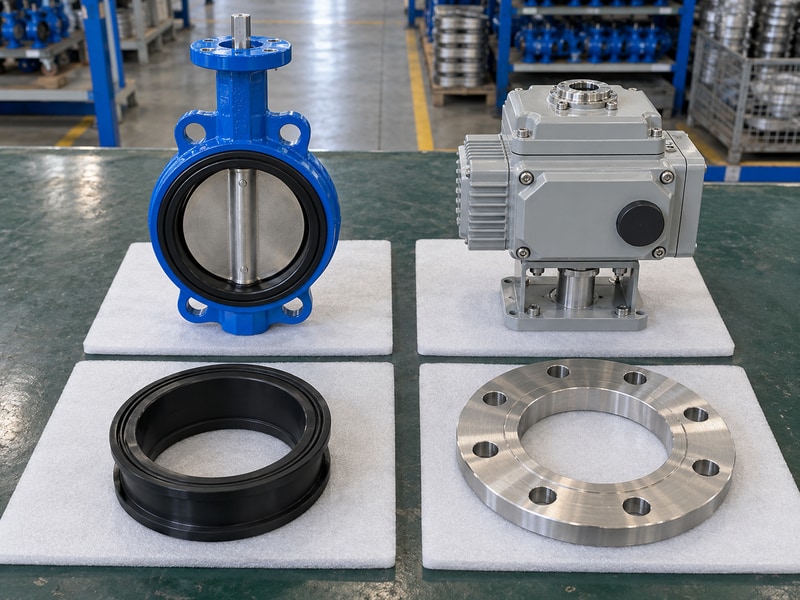
For electric operated butterfly valve factories, resolve these remaining questions against the approved package and site conditions.
Q1. Can a remote factory audit be useful?
Yes, when it follows an identified configuration and agreed evidence. Request live observations and records that answer specific order questions. A collection of general workshop photos offers a weaker basis for approval.
Q2. How do I know whether a seat batch is traceable?
Follow its approved material definition and batch identification from receiving through assembly records. Confirm how the supplier keeps similar-looking compounds separate and identifies replacement parts.
Q3. What's the best sample to trace during an audit?
Choose a product close to your ordered construction and integration scope. Follow its real drawing revision, materials, processes and tests rather than selecting unrelated examples from several product families.
Q4. Does a pressure-test pass prove the electric package works?
No. It establishes the specified pressure-test result. The assembled drive, controls, indication and required loss responses need their own agreed functional checks.
Q5. Can production continue with an open audit finding?
Only under the agreed containment and approval process. Identify affected units, permitted activities and closure evidence. A finding that changes product acceptance should remain visible in the release decision.