
How to Avoid Gear Operated Butterfly Valve Buying Mistakes
Choose a gear operated metal to metal seated butterfly valve manufacturer that takes charge of the valve and gear as one set. Ask how the maker checked the closing load, drive limits, stop settings, and shutoff result. If two firms supply the parts, name who checks the final pair before you order. A valve data sheet and a gear data sheet still need that link.
1. Who is responsible for matching the valve and gear?
The package seller should own the choice of valve, gear, and drive parts. A gear operated metal to metal seated butterfly valve manufacturer must show how those parts work as a set. When the gear comes from another firm, keep the same clear duty to check the match. Name who signs off that work in the order.
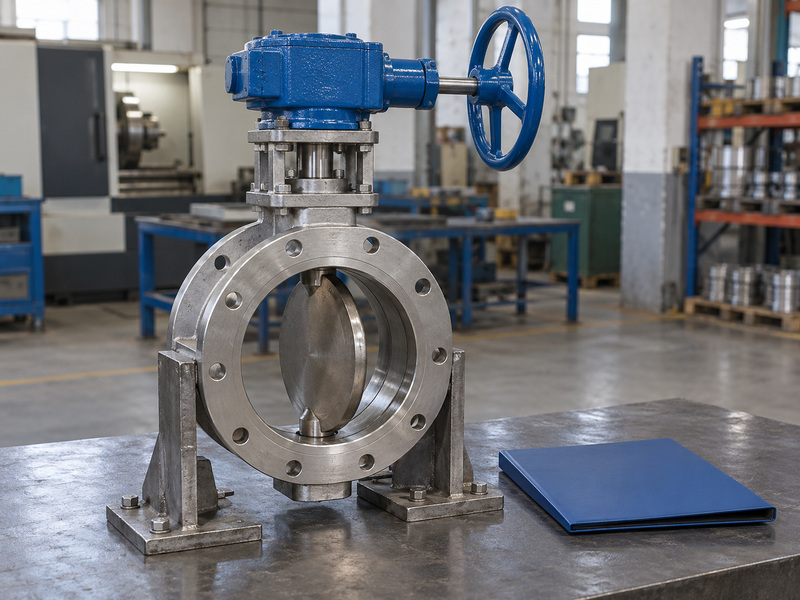
Name the firm that signs off the complete set
Ask the seller to list the valve model, seat design, gear, handwheel, coupling, and mount. Then check that the list agrees with the quote and drawing. One firm can buy parts from another and still take charge of the final set. Put that duty in writing, so a failed shutoff does not leave you chasing two suppliers.
RUITO’s butterfly valve range shows its listed product types. Its published product pages mainly describe soft-seat and lined designs. Before you assume it covers this metal-seat set, ask the team to confirm the exact build and supporting records. The range page alone does not prove a tested valve-and-gear match.
- List the valve, gear, wheel, coupling, and mount.
- Name who checks the match before the order.
- Keep the seller’s agreed duties with the quote.
| Task | Who or what to name |
|---|---|
| Define valve demand | Valve maker and its load data |
| Choose the drive | Seller who checks the full load path |
| Release the set | Firm that signs off the built package |
2. What proves the load needed to close the valve?
Use the valve maker’s validated curve or table for the exact valve and duty. A gear operated metal to metal seated butterfly valve manufacturer should state the load needed to close, open, and move the disc. Also ask which pressure difference, direction, and temperature the data cover. The bore size alone cannot give you that load.
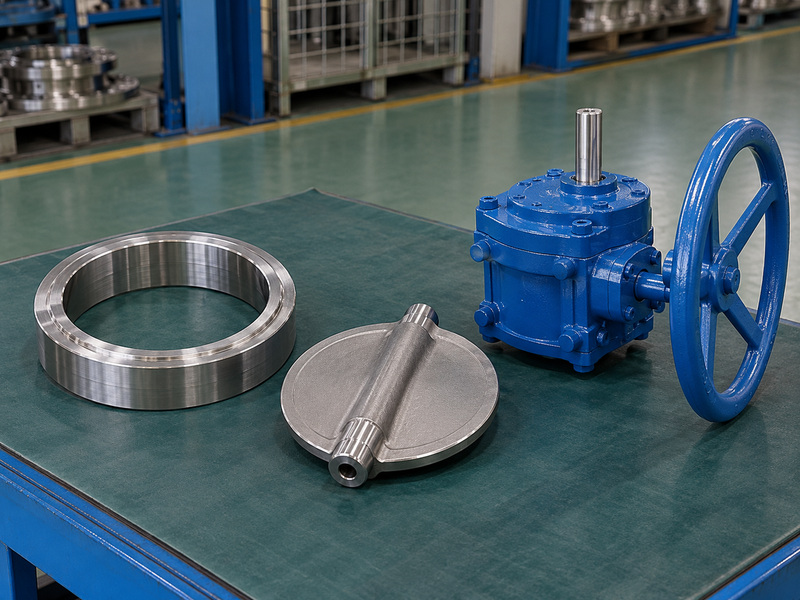
Use load data for the exact seat and duty
A maker’s valve torque bulletin gives closing loads for named builds and shutoff cases. Ask for the data that fit your order, because another model’s value may not apply. Keep the data revision and stated limits. Then ask the seller to show any added project allowance as a separate part of the choice.
RUITO’s PTFE-lined butterfly valve has a different seal design and needs its own load check. Do not borrow its data for metal contact. Before the seller picks a gear, resolve any duty case that lacks support. Keep the agreed closing load and shutoff rule together, so later changes can return to the same basis.
- Match the load data to the valve and seat.
- Keep the stated pressure, direction, temperature, and test case.
- Resolve gaps before choosing the gear.
| Load data | What to check |
|---|---|
| Closing load | Curve or table for the exact build |
| Duty case | Pressure difference, direction, and temperature |
| Added allowance | Separate value and agreed project basis |
3. How do gear output and shaft limits fit together?
The drive must meet valve demand and stay within the limits of the parts it turns. A gear operated metal to metal seated butterfly valve manufacturer should check gear output against the valve’s maximum allowable shaft torque. Also include the coupling, keys, inserts, and mount. A larger gear can still be the wrong choice.
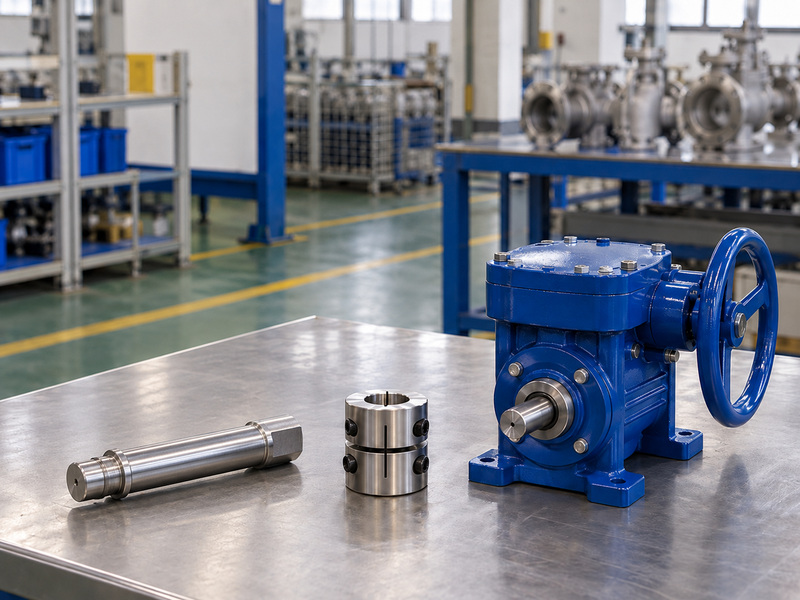
Check both the required load and the allowed load
The maker’s manual-gear instructions list input and output torque limits separately. Ask for both limits on the chosen gear, then check the duty each rating covers. The handwheel input must suit the full drive path. Otherwise, a gear that can meet closing demand may allow a load above the valve shaft limit.
A RUITO flanged butterfly valve arrangement shows a pipe connection type. It does not give the shaft limit for an unconfirmed metal-seat model. Before build release, ask the seller to close any gap between the load check and coupling drawing. Bolts that fit the holes do not prove the drive can carry its stated load.
- List the load needed and the limits of each part.
- Check gear input and output ratings separately.
- Approve the full drive path before assembly.
| Check | Record needed |
|---|---|
| Load to move the valve | Maker’s data and agreed allowance |
| Gear capacity | Input and output limits for the duty |
| Parts in the drive path | Shaft, coupling, key, insert, and mount limits |
4. Why are ratio and efficiency not enough?
They leave the valve load, allowed input, and rated output to be checked. A gear operated metal to metal seated butterfly valve manufacturer needs more than a ratio printed in a list. The ratio describes part of the drive. It does not prove that the full set can close the valve under the required pressure difference.
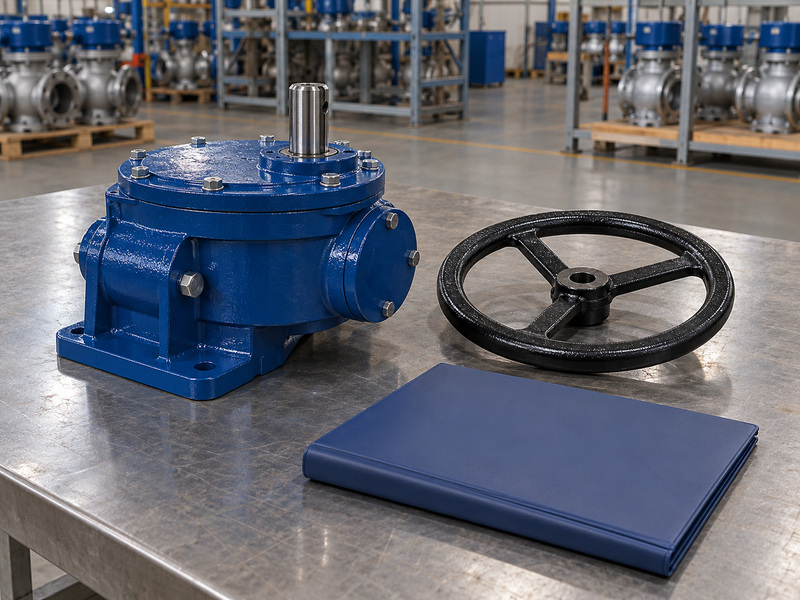
Ask what the gear can deliver in the stated case
Ask which gear data support the chosen model and wheel. If the seller uses an efficiency value, ask why it fits this duty. Keep that reason with the load check, because an assumed value can change the claimed output. The seller should also state input limits and any duty limits that apply to the gear.
Before you accept the choice, connect the calculation to the maker’s data and the valve’s allowed loads. Then retain it with the build record. A desk calculation helps explain a choice, but the finished set still needs the agreed checks. Ask who will test it and which result will support release.
- Keep the chosen gear data and stated assumptions.
- Ask how input limits affect claimed output.
- Agree on finished-set checks before build release.
| Item shown | What is still needed |
|---|---|
| Gear ratio | Valve load and chosen wheel |
| Efficiency value | Reason it fits the duty |
| Calculated output | Rated limits and a check of the built set |
5. Who owns the seat and stop settings?
Name the firm or authorized person who sets and checks the finished set. A gear operated metal to metal seated butterfly valve manufacturer should give the correct valve and gear instructions for that work. Then keep the final settings with the test result. A pointer at closed does not prove that the seat meets the shutoff rule.
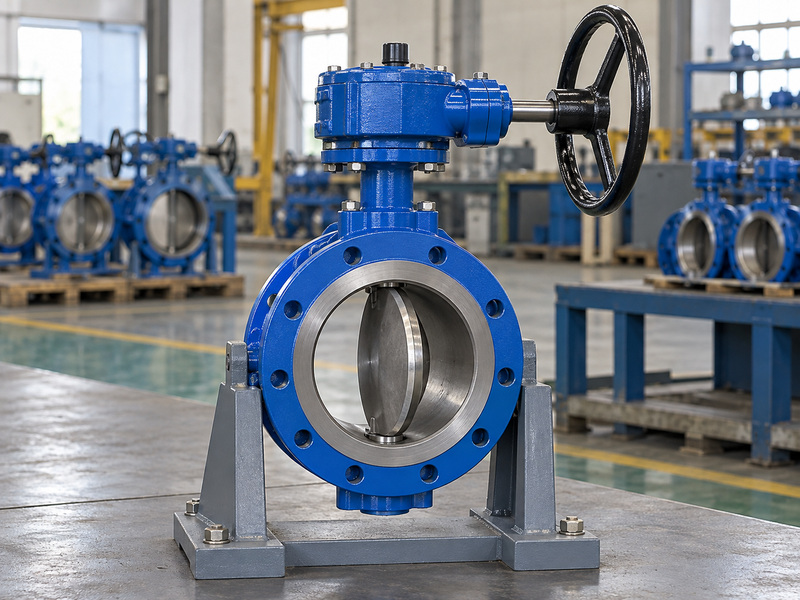
Keep the approved settings and name who can change them
A gear maker’s assembly instructions distinguish factory-built sets from parts joined later. Ask which case your supply follows, so the setting duty has a clear owner. If the parts ship apart, name who checks them after assembly. Also state which tests must follow that work.
Do not add a longer handle or change a stop to force closure. When the valve fails to reach its required state, keep the settings and ask for a diagnosis. A change needs the right approval before work starts. After an agreed change, retain the new settings and repeat the required checks.
- Name the valve and gear instructions used.
- Keep settings with the built-set test record.
- Repeat the agreed checks after an approved change.
| Stage | Record to keep |
|---|---|
| Build | Instructions and person in charge |
| Final setting | Approved state and test result |
| Later change | Reason, approval, new settings, and checks |
6. What should the factory test prove for the full set?
It should prove the agreed movement and shutoff of the actual valve-and-gear set under stated test conditions. A gear operated metal to metal seated butterfly valve manufacturer should link the valve and gear IDs with the settings and results. Also record pressure direction and differential. A gear output rating alone leaves the seat’s tested shutoff unknown.
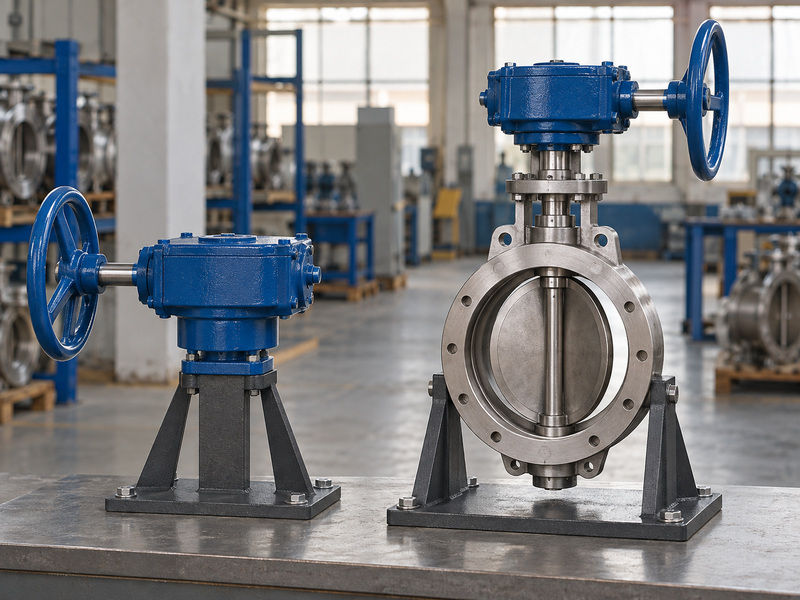
Tie the shutoff result to the valve, gear, and settings
Agree on tests before the factory builds the set. State the medium, temperature, pressure difference, direction, time, method, and pass rule. ISO 5208:2015 covers metallic-valve pressure-boundary and closure tests within its scope. Use the contract’s test basis, then define any extra checks the project needs for this drive package.
Keep a baseline, meaning the record of the accepted set as supplied. Include the agreed effort, movement, settings, and results, so later checks have a point of reference. Record changes made during the test as well. If shipping or site work splits the set, agree on checks after it is joined again.
- Link valve, gear, coupling, and final settings.
- State direction and pressure difference with the result.
- Keep repeat-check duties clear before shipment.
| Test record | What it shows |
|---|---|
| Parts and settings | Which full set was checked |
| Movement and shutoff | Conditions, method, and pass result |
| Work after shipment | Checks due when parts are joined again |
7. Which hand effort, turns, and lock details need approval?
Agree on allowed input, hand effort, turns, indication, and any holding or lock function. A gear operated metal to metal seated butterfly valve manufacturer should check them for the chosen valve duty. Then make sure the delivered set matches that choice. A wheel photo or self-locking label does not settle those points.
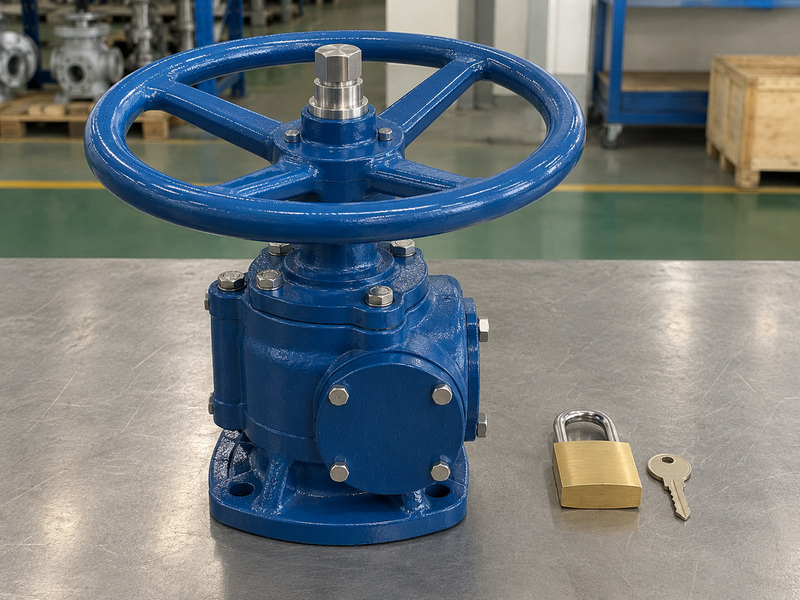
Approve the supplied wheel and input limits
Ask for the allowed wheel and input arrangement before you order. Keep the expected turns and pointer position with the baseline, because both help explain a later change in travel. If a lock is needed, state what it holds and where it fits. A lock on a wheel does not replace the site’s flow-isolation procedure.
Check that the supplied wheel and input parts match the approved list. When effort or turns differ from the baseline, ask for a check instead of a larger wheel. Keep the maker’s input limits with the user instructions. Also name who receives a fault report and who approves any change to the set.
- State allowed input and required hand effort.
- Keep turns and indication with the test record.
- Review wheel or input changes before use.
| Manual-use item | What to agree |
|---|---|
| Wheel and input | Approved parts and limits |
| Turns and pointer | Expected travel and baseline |
| Holding or lock | Required function and supplied parts |
8. What must a replacement gear keep compatible?
Check the new gear against the valve load, drive limits, fit, settings, and manual-use needs. A gear operated metal to metal seated butterfly valve manufacturer should use the accepted package record when proposing a spare. Then list each change. A matching bore or bolt pattern alone cannot prove the same closing performance.
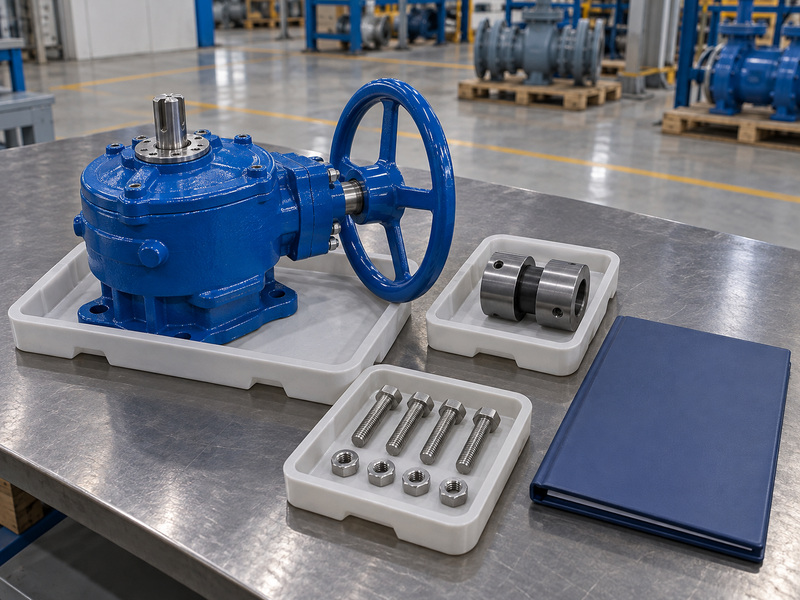
Check the new gear against the same valve duty and limits
List the old and new gear IDs, wheel, coupling, ratings, and instruction revisions. If a ratio or output limit changes, ask the package seller to review that change. Also agree on who sets the new gear and tests the result. Keep the decision with the spare record, so the next order uses the right parts.
RUITO’s wafer butterfly valve and lug butterfly valve pages describe pipe connection forms. They do not name a gear kit for an unrelated metal-seat valve. Use that valve’s own parts record instead. After replacement, retain the agreed tests and update the baseline for the set now in service.
- List old and new gear parts and ratings.
- Approve changed loads, fit, input, and settings.
- Keep test results after the new gear is fitted.
| Spare item | What to compare |
|---|---|
| Gear and wheel | Load, ratings, input, and turns |
| Coupling and mount | Fit and allowed drive loads |
| Finished set | Approved settings and repeat-test result |
9. What should the supplier hand over with the set?
Hand over the load check, exact parts list, approved settings, and test record for the supplied set. A gear operated metal to metal seated butterfly valve manufacturer should show how the chosen drive meets the stated duty. Also name who owns spare and setting changes. These records let the buyer trace the match after delivery.
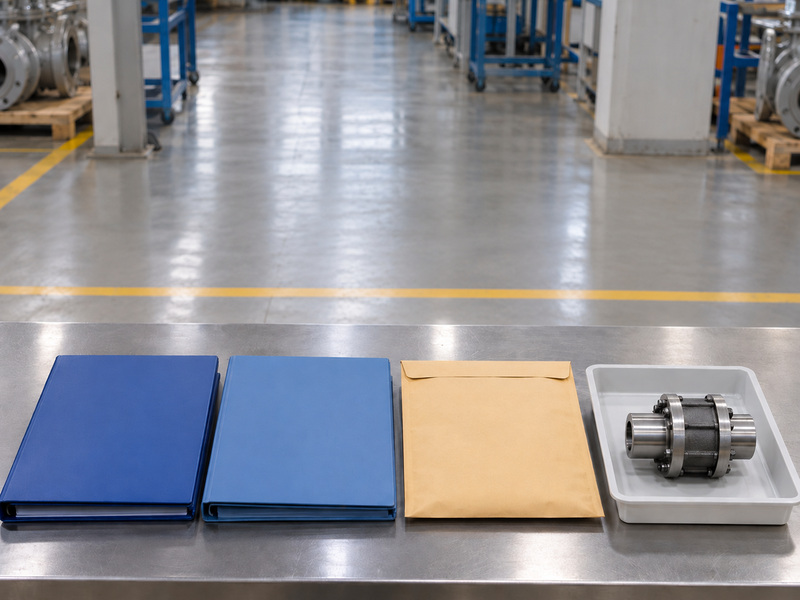
Keep one file linking load, limits, build, and tests
Include the valve load curve, shaft torque limit, gear ratings, and coupling drawing. Then add the approved wheel, setting instructions, baseline, test details, and spare list. Keep revision dates and agreed exceptions with the file. Separate manuals help, but the package seller still needs to show how their data support the complete set.
Contact us with the seat design, duty, closing-load data, drive limits, and required tests for a scoped RUITO review. Those pages do not establish a universal metal-to-metal gear-operated range or tested match. Before release, ask the team to confirm the exact build, who checks the set, and which records it can supply.
- Keep the approved load data and drawing revisions.
- Link settings and results to the supplied set.
- Name who approves later changes and spare parts.
| File item | Why you need it |
|---|---|
| Load and limit check | Explain the chosen drive |
| Build and test record | Identify the accepted set and settings |
| Spare and change record | Keep the match clear after delivery |
10. What else should buyers check about the gear package?
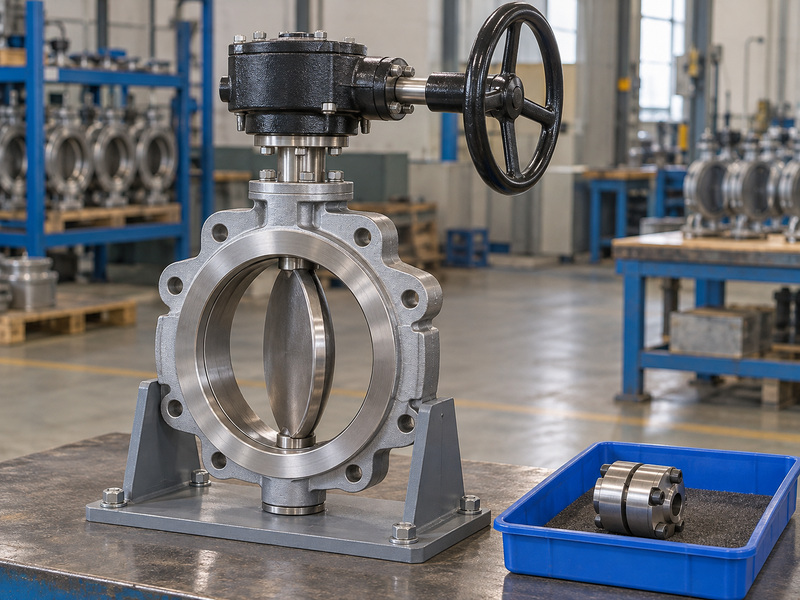
Check the valve and gear as one set before you accept the offer. A gear operated metal to metal seated butterfly valve manufacturer enquiry needs closing-load data, drive limits, settings, and full-set tests. Then keep those records for later checks and spare orders.
Q1. Is a larger-output gear always a better choice?
No. The drive must meet valve demand and stay within shaft, coupling, and mount limits. Ask for the full load check before accepting a larger gear.
Q2. Can ratio and efficiency prove the valve will shut off?
No. You also need the right load data, gear ratings, part limits, and settings. Then check the built set against the agreed shutoff rule.
Q3. Can I use a longer handle to force a hard closure?
No. Keep the approved input parts and settings. When the effort changes, ask for a diagnosis, because a longer handle can exceed the drive limits.
Q4. Does a matching bolt pattern prove the new gear will fit?
No. Check the full coupling, mount, ratings, input, and settings. A bolt pattern is only one part of that check, so it cannot prove the complete match.
Q5. What comes after an approved gear replacement?
Have the authorized team set and check the new gear under the agreed plan. Then keep the results and update the parts list, settings, and baseline.