
You avoid costly quality mistakes with a high quality viton seat butterfly valve by approving traceable material, controlled geometry and assembly-specific test evidence before shipment. A smooth coating and a clean pressure-test photograph cannot establish the compound inside the valve or its suitability for your process.
For an OEM or project buyer, the difficult failure often appears after an accepted sample: a later batch uses an undocumented compound, a changed disc profile or incomplete test records. Define the evidence for each purchase and keep the approved configuration linked to delivered valve identities.
1. What makes a Viton seat butterfly valve high quality?
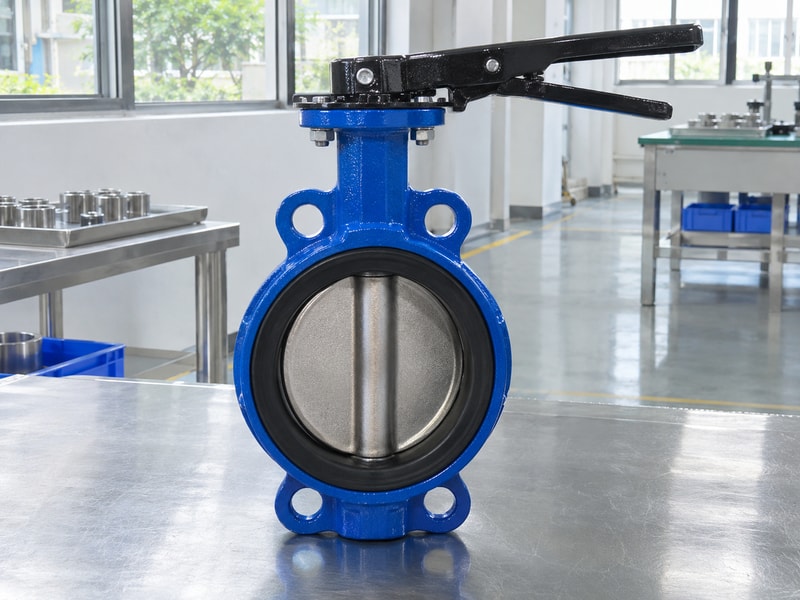
A high-quality assembly meets the approved specification consistently and has records that demonstrate its material, fit and performance. The required evidence depends on the actual service and design. Viton is a fluoroelastomer brand; the word alone does not identify the molded compound, pressure rating or certification scope.
How do you verify a high quality viton seat butterfly valve?
Define measurable acceptance criteria before comparing quotations. Identify the complete fluid, operating conditions, shutoff differential pressure and inspection obligations. RUITO’s wafer butterfly valve page describes component interfaces and inspection topics, but a proposed FKM configuration needs its own written technical response and supporting evidence.
- Specify the approved drawing, material list and compound reference.
- State test methods, acceptance limits and documentation required for release.
- Define who approves deviations and how changed parts become traceable.
Which evidence supports the claim?
| Quality question | Evidence needed |
|---|---|
| Was the correct material used? | Compound and batch traceability |
| Was the assembly made correctly? | Dimensional and process records |
| Does it meet the order? | Identified inspection and test results |
Use these records to approve the delivered configuration. General factory claims and unrelated product reports leave the purchase-specific questions unanswered.
2. How should the compound and batch be traced?
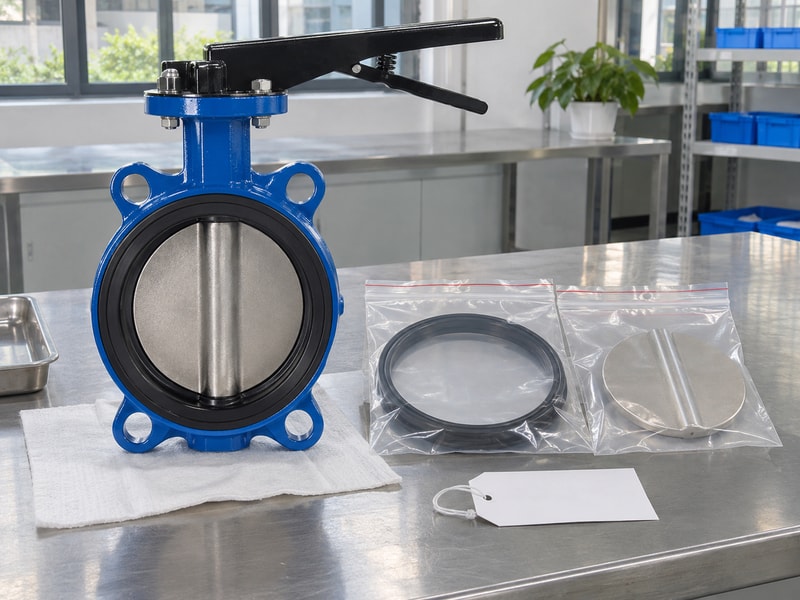
Trace the molded seat from its approved compound specification through production lot, inspection and final valve identity. The link must survive assembly and packaging, when individual seats may no longer show a readable mark. Purchasing should request evidence of the link rather than require a marking that could damage a sealing surface.
What should the traceability chain contain?
Identify the compound supplier, approved specification and batch records required under the quality agreement. Where branded Viton material is specified, request appropriate supplier documentation supporting that description. The official Viton product selection guide distinguishes material families; procurement must still establish which compound was molded into the delivered seats.
- Link incoming compound lot with molding work order and seat batch.
- Link accepted seat batches with assembly travelers or equivalent records.
- Link each delivered valve or defined batch with packing and test records.
How can a buyer check the link?
| Starting point | Traceability check |
|---|---|
| Finished valve identity | Retrieve installed seat lot |
| Seat lot | Retrieve compound and molding records |
| Compound batch | Identify affected delivered valves |
Ask the supplier to demonstrate both directions during review. A certificate stating only “FKM” or a photograph of dark rubber cannot prove formulation, branded polymer identity or the affected population if a material issue emerges.
3. Which molding defects can damage sealing?
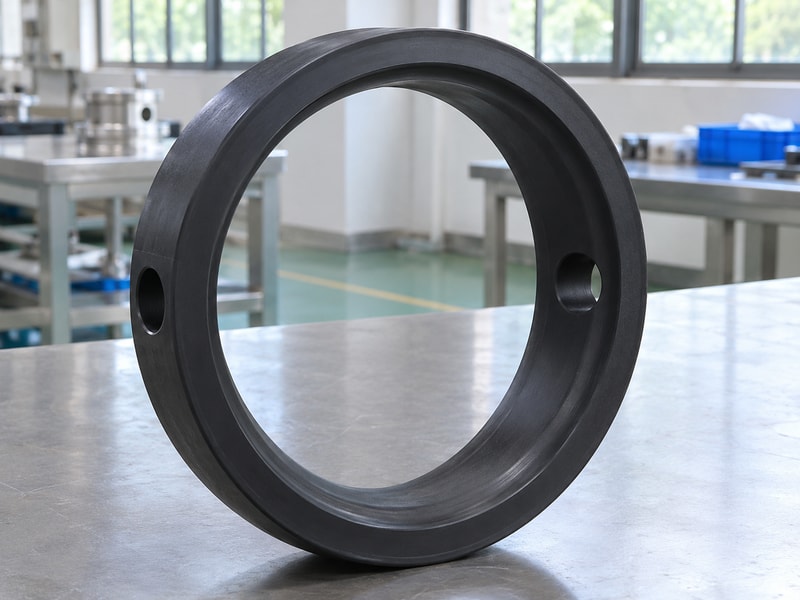
Cuts, tears, voids, contamination and unacceptable flash can damage sealing when they affect the disc contact band, stem openings or flange faces. Appearance criteria must identify the functional zones and permitted limits. A uniform surface finish alone cannot establish that cure or material properties meet the compound specification.
Which process records should you review?
Ask how the manufacturer controls mold identification, process settings, trimming and any required post-cure under its approved procedure. Review actual records for the offered seat batch, including nonconforming material disposition. Hardness, dimensions or other specified checks should use agreed methods because flexible geometry and measurement pressure can affect readings.
- Inspect the disc contact surface and both shaft sealing regions.
- Check functional dimensions against the approved drawing and sampling plan.
- Record defects by location, extent and affected batch quantity.
How should defects be dispositioned?
| Finding | Required control |
|---|---|
| Flash outside approved limit | Hold for authorized rework or rejection |
| Cut or void in sealing zone | Record nonconformance and technical disposition |
| Missing process evidence | Resolve before the affected lot is released |
Do not permit workshop trimming merely because a seat appears to fit afterward. Any approved rework must preserve the specified geometry, identify the affected parts and include the inspection needed to verify the result.
4. How do disc finish and seat fit affect quality?
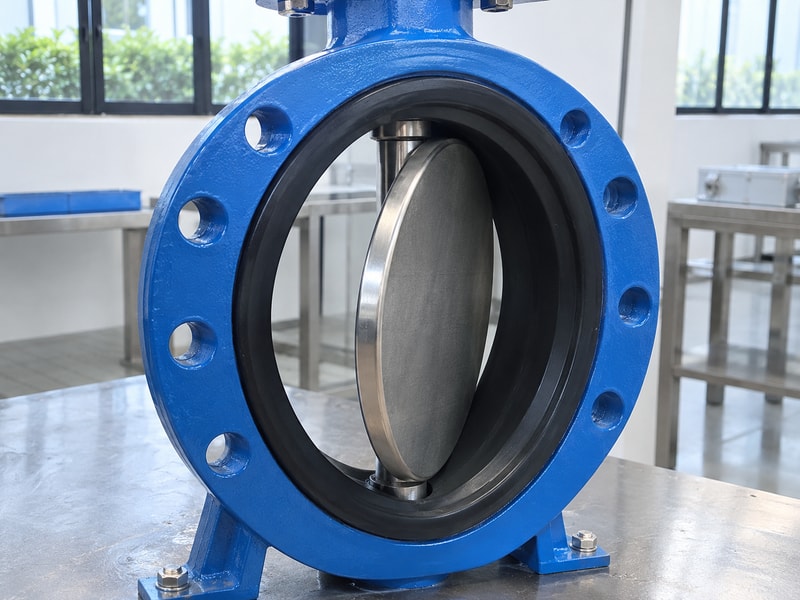
Disc finish and seat fit affect contact pressure, leakage and operating torque as the disc enters and leaves the sealing band. A burr or damaged edge can cut a sound liner. Incorrect seat compression can create excessive friction or incomplete contact even when the compound itself meets specification.
What should the assembly inspection measure?
Inspect disc profile, sealing edge condition, stem alignment and seat location against controlled limits. Review surface finish where the drawing specifies it rather than substituting a vague “polished” requirement. For a lug butterfly valve, include flange and bolt engagement conditions because the installed assembly also depends on the mating interface.
- Confirm the accepted disc and seat revisions belong in the same assembly.
- Check full travel and look for localized catching or uneven contact.
- Compare recorded torque with the approved measurement conditions and limits.
Which observations require investigation?
| Observation | Possible area to investigate |
|---|---|
| Sharp torque increase | Seat location, alignment or interference |
| Repeated local seat damage | Disc edge, debris or contact profile |
| Leakage after flange tightening | Compression, centering and mating faces |
These observations guide investigation rather than prove a single cause. Retain the failed parts and installation details so the supplier can distinguish dimensional mismatch, assembly damage and service effects before changing the design.
5. What should pressure test records contain?
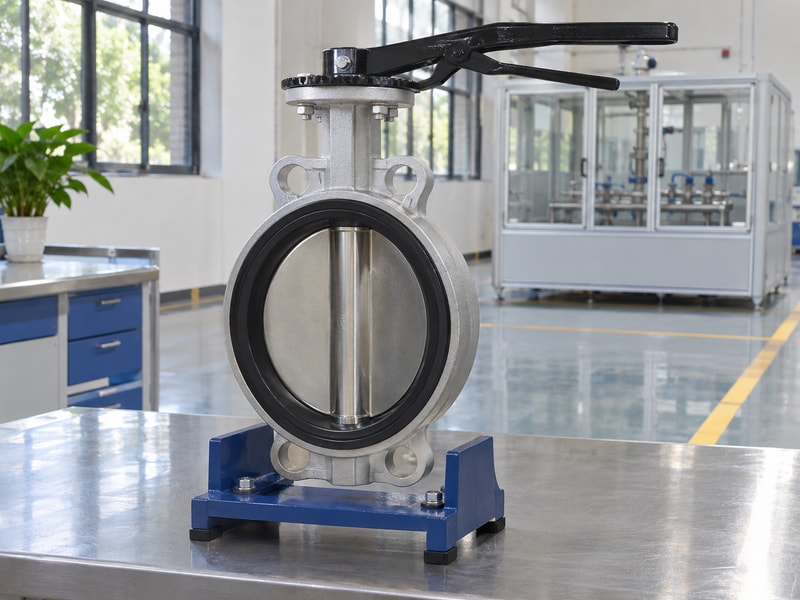
Pressure test records should identify the valve, procedure, conditions, instruments, observations and acceptance decision. Shell and closure tests answer different questions and should remain distinguishable. Test pressure is an inspection condition; it cannot be copied into the datasheet as an allowable working pressure.
How should you define the test scope?
Select the applicable contract standard and confirm its requirements against the exact assembly and seat differential-pressure rating. Record the medium, temperature, pressure, duration and test direction. If gas tightness is required, define a separate approved method and acceptance criterion rather than calling a liquid test a gas-service qualification.
- Link results to the valve identity and installed configuration revision.
- Record actual observations and the applicable leakage acceptance criterion.
- Identify calibrated instruments, inspector and any required witness approval.
What makes a report reviewable?
| Report element | Buyer verification |
|---|---|
| Identity and scope | Correct valve and approved procedure |
| Conditions and instruments | Required test performed with suitable equipment |
| Result and disposition | Recorded outcome meets the specified limit |
A photograph of a gauge cannot show the entire hold period, leakage observation or valve identity by itself. Request the original test record and retain failed results, repairs and retests in the same quality file.
6. Which checks support chemical and thermal service?
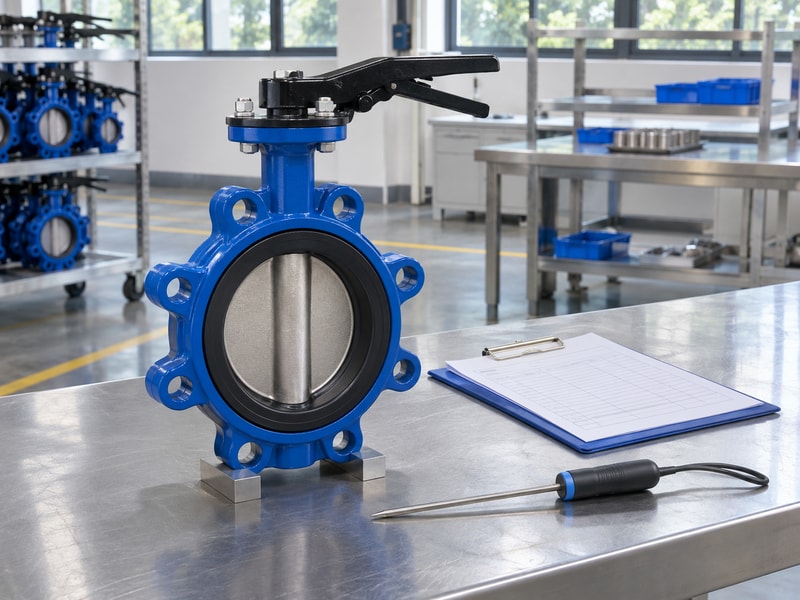
Chemical and thermal service need evidence for the selected compound and complete wetted assembly under defined exposure conditions. A cold pressure test cannot establish resistance to cleaning chemicals or repeated heating. Include the liner, secondary seals, disc, stem and any coating exposed to the fluid.
How do you define a useful validation plan?
Provide concentrations, contaminants, normal and upset temperatures, exposure times and cleaning cycles. Ask what existing evidence applies and where a project-specific trial remains necessary. For a duty requiring a continuous barrier, RUITO’s PTFE lined butterfly valve information describes a separate construction; its qualification cannot be transferred to an FKM-seat assembly.
- Agree exposure conditions and acceptance limits before any material trial.
- Identify dimensional, property and functional checks appropriate to the risk.
- Document the assembly configuration and limitations of each test report.
What does each evidence type support?
| Evidence | What it can establish |
|---|---|
| Compound compatibility information | Material screening within stated conditions |
| Defined exposure trial | Sample response to the tested exposure |
| Assembly thermal or functional test | Performance of the tested valve configuration |
Keep the operating envelope tied to this evidence. A high quality viton seat butterfly valve purchase needs a declared pressure-temperature boundary for its actual configuration, including any restrictions imposed by the fluid and exposure sequence.
7. How should actuator and valve quality be checked?
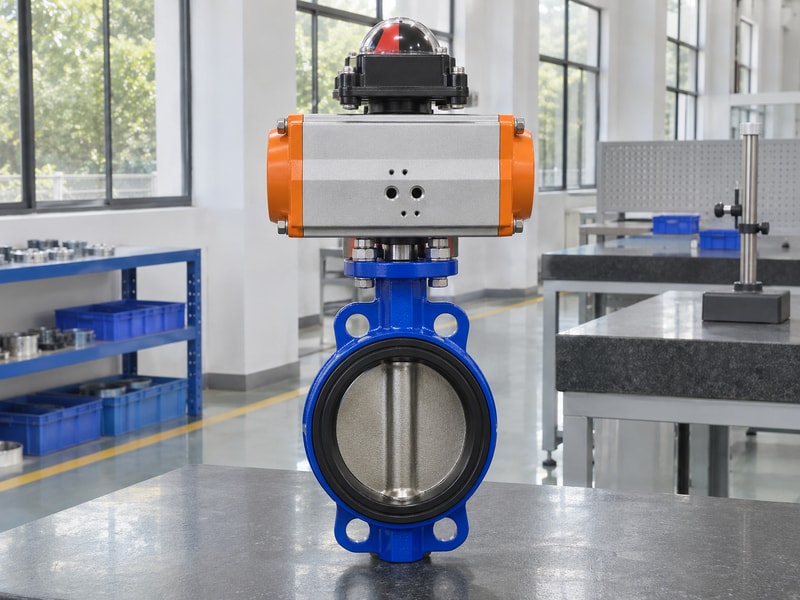
Check the actuator and valve as an assembled operating package against the required torque, travel and failure behavior. An actuator model number or mounting flange match cannot establish sufficient output under the site’s minimum energy supply. The valve’s maximum allowable stem torque also limits the package.
Which operating conditions should the review include?
Obtain valve torque information for the specified differential pressure, fluid, temperature and operating sequence. Compare that requirement with actuator output throughout travel, including spring-end output where applicable. Verify brackets, couplings and stops against the assembly drawing so excessive actuator travel cannot drive the disc beyond its accepted seating position.
- Check minimum air pressure or electrical supply conditions stated by the project.
- Verify local indication, remote feedback and the required failure position.
- Record stroke times and any limits needed to manage process transients.
Which checks belong in final assembly inspection?
| Check | Acceptance reference |
|---|---|
| Mechanical travel | Approved closed and open positions |
| Output and stem loading | Torque calculation and component limits |
| Controls and feedback | Wiring or pneumatic diagram and cause-and-effect |
Use a controlled functional test with recorded results. If a new liner raises torque beyond the approved range, investigate the seat, disc and installation conditions before accepting a larger actuator as the correction.
8. What can a buyer verify during a factory review?
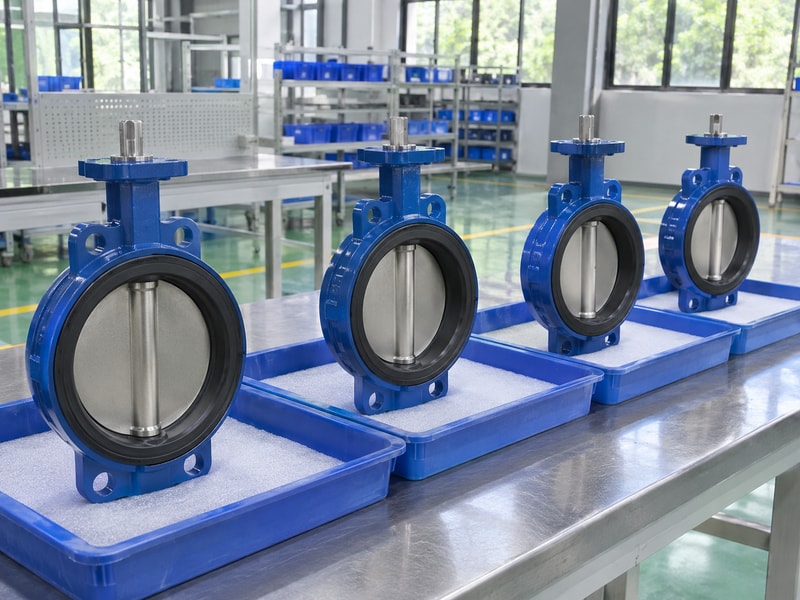
A buyer can verify whether the supplier’s actual records and working controls support the proposed order. Select an identified valve or seat batch and follow it through material receipt, manufacture, assembly and testing. A tour becomes useful when the reviewed item connects to documents that the buyer can retrieve afterward.
How should the inspection plan organize the review?
Use an inspection and test plan, or ITP, to list checks, acceptance references and responsibilities. Distinguish document review, witness and hold points so production knows when buyer approval is required. Request order-specific evidence of controlled specifications and documentation, then resolve any difference against the agreed purchase requirements.
- Check document revision control at the molding and assembly workstations.
- Review instrument calibration status and one original test record.
- Ask how rejected seats, rework and approved changes are segregated.
Which review findings need closure?
| Finding | Evidence needed before release |
|---|---|
| Missing material link | Reconciled batch traceability |
| Uncontrolled drawing | Approved revision and affected-part review |
| Open nonconformance | Accepted corrective action or formal disposition |
Avoid accepting a generic certificate as proof of a particular FKM product qualification. Confirm the issuing body, scope, validity and covered configuration whenever a contractual approval or certification is required.
9. How do you approve a repeat order?
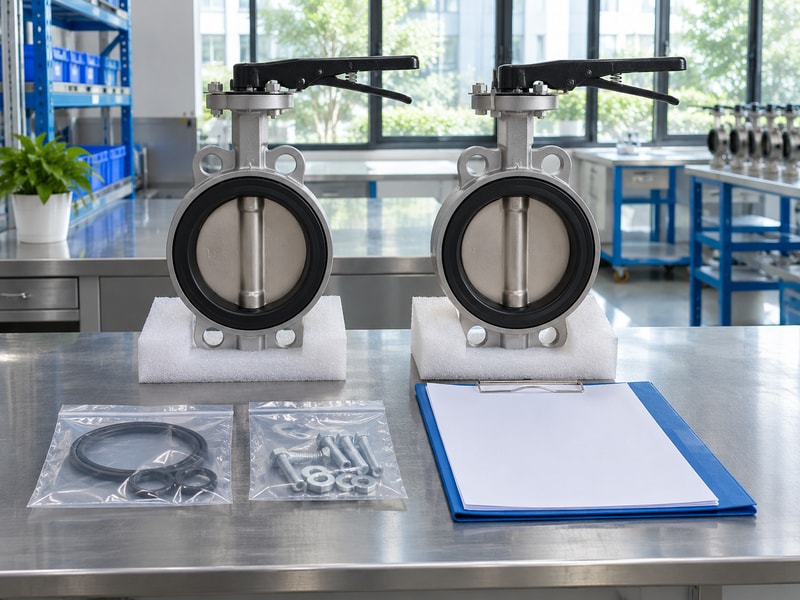
Approve a repeat order against the frozen drawing, bill of materials, compound specification and inspection requirements. Check for changes since the accepted batch before treating the new purchase as identical. A repeated commercial description can hide a changed compound source, mold revision, disc supplier or actuator accessory.
What should trigger renewed review?
Require written change notification for features that affect fit, material performance, rating or acceptance evidence. Ask engineering and quality to decide which changes need samples, additional tests or customer approval. Use receiving and service records to check repeat consistency, while keeping actual failures separate from unverified reports or assumptions.
- Compare current and previously approved drawing and material revisions.
- Confirm compound source, manufacturing site and special process changes.
- Close prior nonconformances before releasing affected repeat quantities.
Which documents should the order preserve?
| Order control | Purpose |
|---|---|
| Frozen configuration | Maintain the accepted technical baseline |
| Approved change record | Identify what changed and from which batch |
| Delivery quality file | Link supplied valves with accepted evidence |
Ask RUITO to confirm the proposed FKM configuration and the test evidence available for your stated duty. Send your service datasheet, evidence requirements and proposed order scope when you contact us for a written feasibility and inspection review.
10. What do buyers ask about valve quality evidence?
Buyers should request evidence that matches the valve they intend to install. These answers help separate material identification, factory controls and product performance when reviewing a quotation or release package.
Which evidence questions belong in the enquiry?
Q1: Can I judge an FKM seat by its color?
No. Color cannot establish polymer identity, compound properties or branded material content. Request the approved compound description and a traceable link between its batch, the molded seat and the delivered valve.
Q2: How do I know if a pressure report covers my valve?
Match its product identity and configuration to your order. Then check the procedure, test medium, pressure, duration, direction and acceptance criterion. A report for a similar size or a different seat material leaves a coverage gap.
Q3: Does an ISO 9001 certificate prove chemical compatibility?
No. A management-system certificate does not establish the performance of a particular compound in your process. Chemical compatibility requires evidence for the complete fluid, exposure conditions and selected wetted materials.
Q4: What’s the best way to approve a new supplier?
Approve a defined configuration through technical review, traceability checks and an agreed sample or initial-order validation plan. Set the acceptance criteria before testing and keep deviations open until the responsible reviewer accepts their disposition.
Q5: Can an accepted sample cover every repeat batch?
It establishes a reference configuration within its validation scope. Repeat orders still need material, process and test controls, plus approved change notification. Request the delivery records that connect each new batch with the accepted specification.