
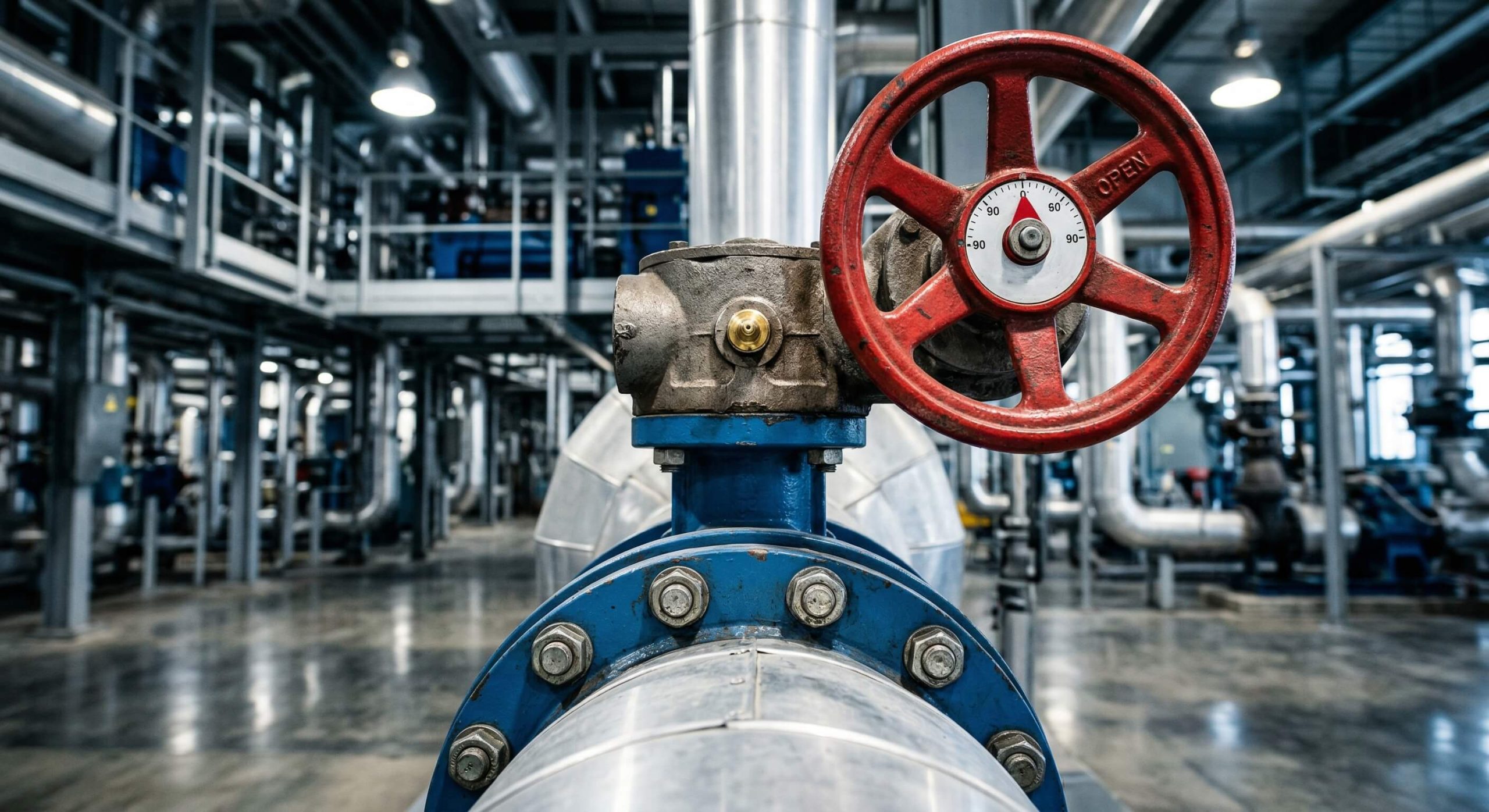
A complete guide covers mechanics, sizing, and practical benefits of gear-driven flow control systems. Operators often struggle with heavy manual levers on large industrial pipes daily. Stiff handles cause severe operator fatigue or dangerous sudden line hammers. A butterfly valve with gearbox solves this completely by multiplying torque for effortless fluid management.
What Is A Butterfly Valve With Gearbox?
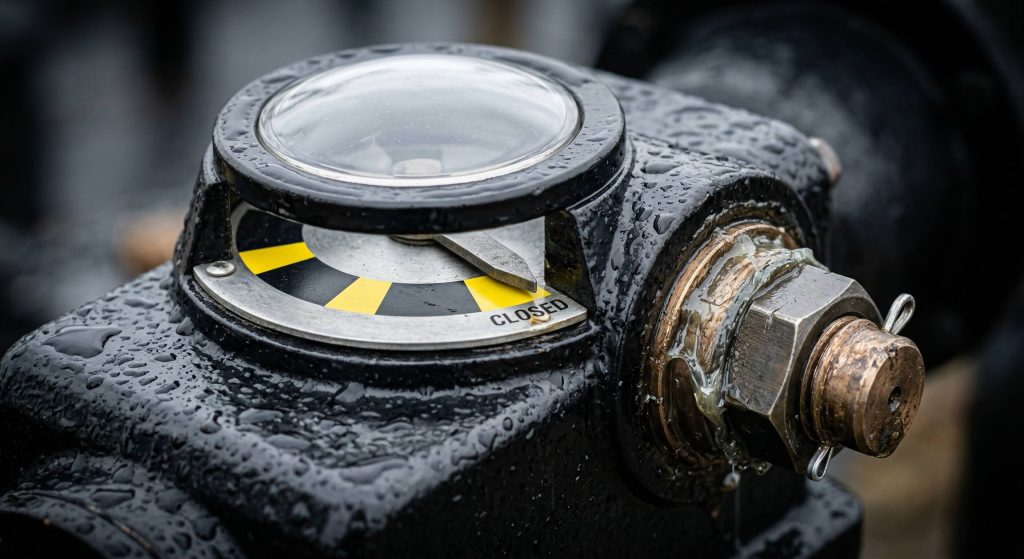
A butterfly valve with gearbox operates as a quarter-turn mechanism utilizing worm gears for precise flow modulation. It replaces standard hand levers perfectly. This design adds massive mechanical advantage during daily operation. Large internal metal discs rotate smoothly without causing excessive manual strain. Field data shows gear mechanisms reduce operator injuries by ninety percent annually. Plant managers report faster opening times during critical fluid transfers.
Understanding Basic Gear Mechanics
Here’s the deal: standard handles become impossible on massive steel pipes. High pressure pushes against that metal disc continuously. Operators need serious torque multiplication immediately.
- Worm drives offer excellent self-locking properties against pressure.
- Rotary motion converts smoothly inside cast iron housings.
- Back-driving from intense line pressure stops immediately. Case studies demonstrate how municipal water facilities save thousands utilizing gears. Chemical plants avoid toxic spills using self-locking worm mechanisms. Power stations require zero back-driving during high-pressure steam operations.
Key Takeaway: Gearing systems prevent unwanted sudden movements, keeping your pipeline entirely stable and operators completely safe.
| Component | Function | Material |
|---|---|---|
| Handwheel | Accepts user input torque | Steel |
| Worm Shaft | Transfers rotational force | Bronze |
| Indicator | Shows current open position | Plastic |
Data reveals precise internal mechanics improve facility safety margins considerably.
How Does A Butterfly Valve With Gearbox Work?
A butterfly valve with gearbox translates multiple handwheel turns into a single 90-degree disc rotation. You turn that top wheel several times smoothly. An internal worm engages a larger gear attached securely onto your valve stem. Fluid passage opens or closes gradually over several seconds. Industrial HVAC systems experience zero water hammer using this exact method. Marine shipbuilders install these units preventing sudden pipe bursts continuously. Oil refineries depend on slow actuation preventing catastrophic line ruptures.
Step-by-Step Actuation Process
What’s the real story? Turning speed drops drastically while torque output skyrockets. This ratio creates massive mechanical advantage effortlessly.
- Users spin that circular wheel clockwise steadily.
- Internal steel shafts spin rapidly inside grease.
- Valve stem rotates very slowly beneath.
- Disc blocks flow completely upon reaching 90 degrees. Engineers calculate exact closing times preventing sudden pressure spikes completely. Facility operators trust these mechanisms handling dangerous chemicals daily. Plumbers prefer geared actuation avoiding physical exhaustion during long shifts.
Key Takeaway: Slowing down closure speed prevents catastrophic water hammer effects inside heavy-duty piping systems.
| Action | Internal Result | Pipeline Impact |
|---|---|---|
| Turn clockwise | Disc moves shut | Flow decreases |
| Turn counterclockwise | Disc opens passage | Flow increases |
| Stop turning | Gears lock automatically | Pressure holds |
Analyzing gear ratios helps engineers predict exact actuation times correctly.
Why Pick A Butterfly Valve With Gearbox Over Levers?
You choose a butterfly valve with gearbox over levers because high-pressure environments demand multiplied force. Handles work fine on tiny residential pipes. Huge commercial diameters require superhuman strength otherwise. Gearing makes daily operation effortless for anyone. Maintenance crews avoid shoulder injuries turning massive wheels easily. Factory safety audits praise geared units lowering worker compensation claims. Heavy chemical lines demand smooth handling avoiding dangerous splashback incidents.
Will Levers Snap Under Pressure?
This is where it gets interesting… pushing against 150 PSI feels like hitting solid concrete walls. A lever might bend or snap completely without warning. Sudden release causes severe worker injuries instantly. Handwheels eliminate these dangerous physical risks entirely.
- Gearing eliminates sudden kickback forces totally.
- Fine-tuned positioning becomes highly accurate instantly.
- Operator fatigue drops significantly during shifts. Case studies show levers failing dangerously under sudden water surges. Modern power plants banned direct levers exceeding eight inches entirely. Water authorities specify gearboxes protecting their aging underground infrastructure.
Key Takeaway: Choosing mechanical advantage guarantees worker safety alongside much better flow precision during daily operations.
| Feature | Hand Lever | Gearbox |
|---|---|---|
| Effort Required | Very High | Extremely Low |
| Precision Level | Very Poor | Highly Accurate |
| Safety Risk | Very High | Nearly Zero |
Comparing exertion levels proves gears reduce severe workplace injuries substantially.
Where Should You Install A Butterfly Valve With Gearbox?
Install a butterfly valve with gearbox anywhere fluid control requires high torque or precise throttling. Water treatment plants use them constantly handling massive volumes. HVAC systems rely on them heavily balancing chiller lines. Industrial chemical lines need secure shutoffs continuously preventing toxic leaks. Food processing facilities maintain strict hygiene utilizing stainless geared units. Mining operations control abrasive slurry lines depending on geared strength. Pharmaceutical plants demand precise flow modulation using specialized gearboxes daily.
Best Locations For Gear Systems
Ready for the good part? You can mount these devices outdoors or indoors easily. Weatherproof housings protect delicate internal mechanisms from harsh rain.
- Place them on main pump discharges safely.
- Install near heavy cooling tower intakes.
- Mount directly onto critical chiller lines. Outdoor agricultural systems survive brutal winters utilizing weatherproof cast iron gearboxes. Deep underground mining shafts rely on self-locking gears preventing flood disasters. Coastal desalination plants fight saltwater corrosion using heavy epoxy coatings.
Key Takeaway: Strategic placement near critical fluid junctions allows precise facility management without breaking a sweat.
| Industry | Typical Application | Environment |
|---|---|---|
| Water Treatment | Main supply lines | Indoors |
| HVAC Systems | Chiller water loops | Basements |
| Chemical Plants | Toxic fluid isolation | Outdoors |
Evaluating typical installation zones highlights their extreme versatility across sectors.
What Types Of Gearboxes Fit A Butterfly Valve With Gearbox?
A butterfly valve with gearbox typically utilizes worm gears or planetary gear sets depending on required torque. Worm drives dominate standard municipal applications today. Planetary configurations handle extreme industrial pressures effortlessly. You must match types against specific pipe conditions carefully. Engineers specify planetary models conquering incredibly stubborn high-pressure lines. Simple HVAC cooling loops function perfectly utilizing cheap worm drives. Automated factories prefer actuator-ready housings allowing future robotic upgrades.
Can Planetary Gears Outperform Worm Drives?
Here’s the deal: planetary models cost significantly more money initially. They deliver massive power inside incredibly compact spaces though. Standard worm drives remain incredibly reliable for most normal commercial tasks.
- Worm drives provide cheap self-locking features permanently.
- Planetary gears survive brutal heavy-duty cycles easily.
- Actuator-compatible models accept electric motors later. Municipal engineers save thousands deploying worm units across city grids. Offshore oil rigs demand planetary strength fighting brutal deep-sea pressures. Automation specialists love ISO mounting pads facilitating rapid motor installations.
Key Takeaway: Matching specific torque requirements against available gear types prevents premature equipment failure later.
| Gear Type | Best Use Case | Torque Output |
|---|---|---|
| Worm Drive | Standard water systems | Moderate |
| Planetary | Extreme high pressure | Massive |
| Actuator-Ready | Future automated systems | Variable |
Reviewing budget constraints usually dictates choosing reliable worm drives instantly.
How To Size A Butterfly Valve With Gearbox Correctly?
You size a butterfly valve with gearbox correctly by matching pipe inner diameter and calculating maximum operating pressure. Undersized units restrict heavy fluid flow heavily. Oversized ones cost unnecessary project money. Precise calculations guarantee long-term plumbing system stability. Flow dynamics change drastically depending on exact disc shapes. Engineers measure fluid velocity preventing internal cavitation damage completely. Proper dimensioning stops dangerous vibrations shaking entire factory floors.
Calculating Your Torque Requirements
What’s the real story? Pressure drops across that metal disc create massive resistance. Engineers must compute exact differential pressures beforehand. This number dictates physical actuator size accurately.
- Measure pipeline internal diameter accurately today.
- Calculate maximum fluid velocity expected tomorrow.
- Determine worst-case differential pressure scenarios clearly. Case studies prove undersized actuators fail during peak summer demand. Oversized gearboxes strain mounting bolts causing premature mechanical fatigue. Specialized software helps contractors calculate exact torque figures perfectly.
Key Takeaway: Accurate sizing prevents catastrophic failures during unexpected peak flow events within your facility.
| Parameter | Measurement Unit | Impact on Size |
|---|---|---|
| Pipe Diameter | Inches or DN | Determines body frame |
| Max Pressure | PSI or Bar | Dictates gear ratio |
| Fluid Velocity | Feet per second | Affects disc thickness |
Proper dimension matching guarantees perfect fluid dynamics throughout entire piping networks.
Can A Butterfly Valve With Gearbox Handle High Pressure?
A butterfly valve with gearbox handles high pressure exceptionally well when built with double or triple offset designs. Concentric models manage lower municipal pressures perfectly. Metal seats survive brutal superheated steam applications. High-performance models withstand serious industrial abuse effortlessly. Chemical plants pump aggressive acids utilizing double offset geometries safely. Power generation facilities control boiling steam using triple offset technology. Refineries block volatile hydrocarbons relying on tight metal-to-metal seals.
Do Offsets Improve Pressure Ratings?
This is where it gets interesting… shifting that central stem away from center changes everything entirely. Internal friction drops immediately upon opening. Delicate rubber seals last much longer under extreme physical stress.
- Double offsets handle moderate chemical lines easily.
- Triple offsets conquer high-temperature steam pipelines.
- Metal-to-metal seating survives abrasive media beautifully. Nuclear plants require triple offsets preventing radioactive steam leaks completely. Petrochemical plants save millions avoiding unexpected shutdown maintenance. Food factories prefer concentric types handling low-pressure sanitary lines safely.
Key Takeaway: Upgrading internal geometry allows standard valves conquering punishing industrial environments effortlessly.
| Design Type | Pressure Rating | Best Flow Media |
|---|---|---|
| Concentric Rubber | Low to Moderate | Clean Cold Water |
| Double Offset PTFE | High | Aggressive Chemicals |
| Triple Offset Metal | Extreme | Superheated Steam |
Analyzing geometric designs confirms triple offsets rule extreme pressure scenarios completely.
What Materials Suit A Butterfly Valve With Gearbox Best?
Cast iron and stainless steel suit a butterfly valve with gearbox best for most common industrial applications today. Ductile iron provides excellent pipeline strength cheaply. Stainless steel prevents aggressive external rust forming. Elastomer seats dictate exact chemical compatibility perfectly. Coastal facilities specify stainless bodies fighting corrosive salt spray continuously. Inland water treatment plants deploy ductile iron saving massive budgets. Specialized pharmaceutical lines demand ultra-pure sanitary stainless components exclusively.
Choosing The Right Seat Material
Ready for the good part? Your internal rubber seal matters more than exterior metal. EPDM handles clean drinking water flawlessly. PTFE resists harsh acidic chemicals completely.
- EPDM works wonderfully for HVAC cooling loops.
- NBR seals survive petroleum engine oils perfectly.
- PTFE seats block aggressive acidic corrosion permanently. Oil refineries destroy EPDM seals within hours requiring NBR replacements. Municipal water authorities depend on FDA-approved EPDM compounds continuously. Chemical processing plants mandate pure PTFE resisting melting completely.
Key Takeaway: Selecting correct internal soft parts guarantees leak-free performance across decades of continuous daily usage.
| Material | Primary Application | Max Temperature |
|---|---|---|
| EPDM Rubber | Clean HVAC Water | 130 Degrees Celsius |
| NBR Rubber | Petroleum Fuel Oil | 80 Degrees Celsius |
| PTFE Teflon | Strong Corrosive Acids | 200 Degrees Celsius |
Matching seal chemistry against your fluid prevents rapid internal degradation entirely.
How To Maintain Your Butterfly Valve With Gearbox?
You maintain your butterfly valve with gearbox by greasing internal fittings regularly and inspecting seals annually. Lack of lubrication destroys metal gear teeth quickly. Water ingress ruins bare steel drive shafts. Preventive care extends operational lifespans dramatically. Maintenance teams log daily checks preventing unexpected mechanical lockups. Heavy grease repels external moisture protecting sensitive internal bearings. Replacing damaged rubber seats early prevents catastrophic pipeline blowouts.
Easy Lubrication Routines
Here’s the deal: dry metal grinding against dry metal generates massive internal heat. Bearings fail rapidly without proper grease. A simple maintenance schedule saves thousands later.
- Inject fresh grease through designated zerk fittings.
- Check external cast housing for hairline cracks.
- Verify plastic indicator dials align correctly. Case studies show neglected gearboxes freezing solid during winter storms. Well-maintained units survive thirty years without requiring major factory overhauls. Technicians praise standardized zerk fittings making routine greasing incredibly easy.
Key Takeaway: Consistent basic maintenance keeps your equipment running smoothly past its expected operational lifespan.
| Maintenance Task | Frequency | Primary Benefit |
|---|---|---|
| Visual Inspection | Every Month | Catches surface leaks |
| Gear Greasing | Semi-Annually | Prevents metal wear |
| Full Actuation | Every Quarter | Stops internal scale |
Scheduling routine inspections minimizes unexpected costly downtime across manufacturing facilities.
What Does A Butterfly Valve With Gearbox Cost Today?
A butterfly valve with gearbox costs anywhere from fifty dollars up to several thousand depending on size. Small cast iron models remain incredibly cheap everywhere. Massive high-performance stainless steel units require larger project budgets. Prices fluctuate based upon exact material selections primarily. Contractors save money buying bulk iron units for basic water projects. Specialist engineers spend premiums acquiring triple offset titanium valves. Market conditions dictate exact pricing regarding raw steel availability continuously.
Are Premium Materials Worth Extra Cash?
What’s the real story? Cheap rubber degrades fast under harsh chemical exposure. Spending more upfront prevents disastrous toxic leaks tomorrow. Value lies within long-term reliability rather than low initial purchase prices.
- Standard cast water valves remain highly affordable everywhere.
- Specialized chemical units demand premium pricing structures.
- Actuator-ready models add slight upfront capital expenses. Financial reports show cheap valves costing triple during unexpected replacements. Premium stainless steel bodies return investments through zero maintenance requirements. Plant managers authorize larger budgets securing total peace of mind.
Key Takeaway: Investing heavily upfront pays massive dividends through reduced maintenance costs later.
| Component Quality | Initial Cost | Lifespan Expectancy |
|---|---|---|
| Basic Cast Iron | Very Low | Five to Ten Years |
| Stainless Steel | Moderate | Fifteen to Twenty Years |
| High-Performance | Very High | Twenty Five Plus Years |
Evaluating total lifecycle costs proves premium materials save massive cash long-term.
Final Thoughts
You have seen how these robust mechanical devices make heavy-duty fluid control safe. A reliable gear system solves severe operator fatigue associated with manual levers. We build long-lasting industrial solutions keeping your pipelines flowing smoothly. Please contact us today for expert sizing assistance. Our engineering team designs premium flow control mechanisms for every harsh environment imaginable.
Frequently Asked Questions
Q1: Can I use this type on high-speed pipelines?
No, you should use alternative pneumatic models. Gears turn too slowly for applications requiring rapid emergency shutoffs.
Q2: What’s the best way to prevent water hammer?
A gear mechanism prevents it automatically. Handwheels force operators closing pipelines gradually instead of slamming them abruptly.
Q3: How do I know if my system needs gearing?
You need gearing if pipe diameters exceed six inches. High pressure drops also make standard lever operation physically impossible.
Q4: Can I add an electric motor later?
Yes, you can upgrade actuator-ready models easily. Standard ISO mounting pads accept various electric drives without replacing entire bodies.
Q5: What’s the best material for outdoor installations?
Stainless steel housings offer superior external protection. Cast iron requires heavy epoxy coatings surviving harsh rain or salt spray.