
Fix export documentation mistakes by requiring your soft seated butterfly valves exporter to connect the approved configuration, inspection records and packing list with the valves shipped. Agree the document scope before manufacture. Your receiving team should be able to identify each product and locate its accepted drawing and release evidence without reconstructing the order.
If a crate arrives with mixed sizes, an unmatched test report or an exposed liner lip, your installer may have to hold the batch while the project schedule continues. Correct quantity alone cannot resolve those problems. Define configuration, document, packing and receiving checks together, then assign a responsible person to each release decision.
1. What must a soft seated butterfly valves exporter define?
A soft seated butterfly valves exporter must define the actual valve construction, materials, size, connection and operating duty before preparing shipment documents. Keep the product description consistent with the approved drawing and material list. A soft-seat label alone cannot distinguish a water-use elastomer configuration from an oil, clean-gas or polymer-lined chemical valve.
Which order details should you freeze?
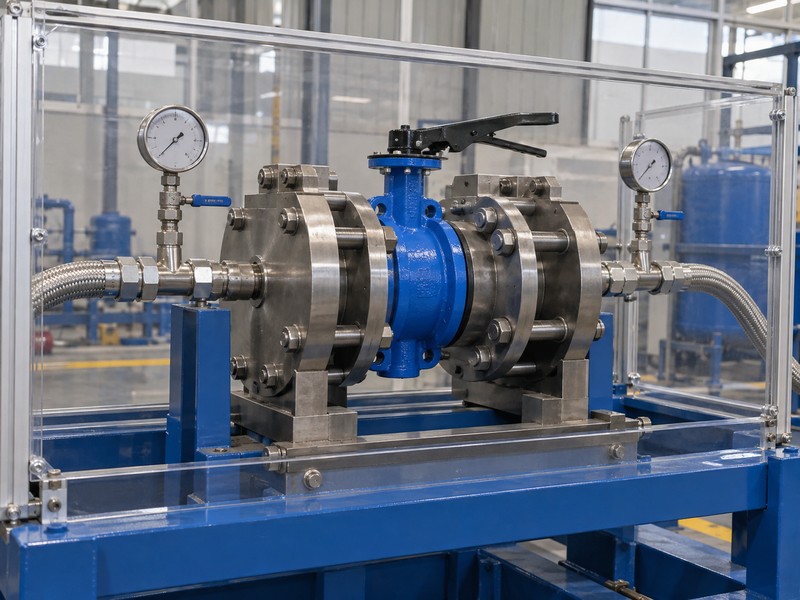
RUITO reviews the complete fluid, temperature, pressure and installation requirements before confirming a configuration. Start with one accepted service sheet. State the pressure-temperature limits, maximum closing differential pressure and drive arrangement alongside the materials. If several configurations share the same nominal size, give them separate order lines and identities so packing staff cannot substitute one for another.
- Freeze the service and complete material schedule.
- Identify each construction as its own order line.
- Record accepted deviations and unresolved technical inputs.
Key takeaway: An export document can identify the correct valve only after your team has agreed the actual supplied configuration.
| Check | What you should confirm |
|---|---|
| Service | Fluid and operating limits match the selection |
| Product | Construction, materials and connection are identified |
| Order | Distinct configurations retain separate line identities |
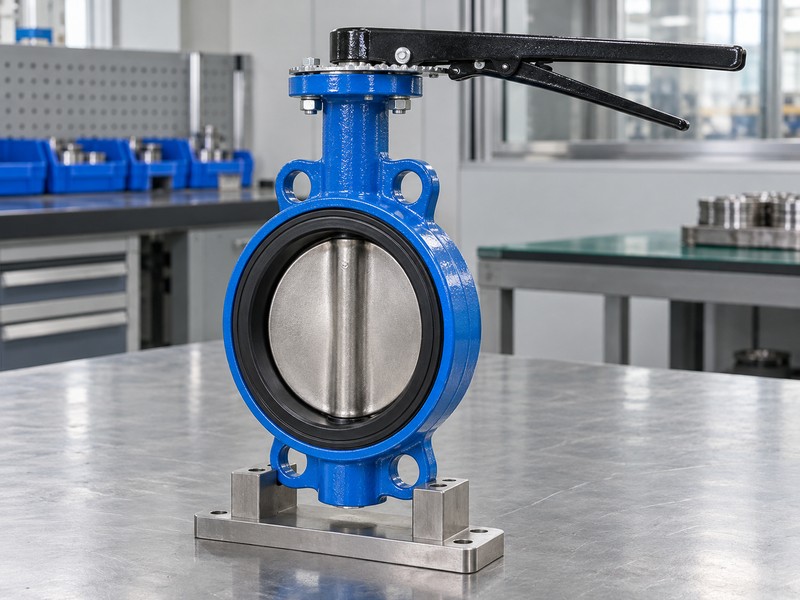
2. How does a soft seated butterfly valves exporter check fit?
A soft seated butterfly valves exporter checks fit against the approved installation and drive drawings for the complete assembly. Confirm drilling, face-to-face length, pipe-bore clearance and available access. Nominal size cannot establish these interfaces, and an actuator’s mounting holes cannot prove its torque output, coupling or control arrangement suits the valve.
What belongs on the assembly acceptance list?
Review the disc’s full opening envelope against the real mating flanges, reducers or lined pipe. Check the assembled drive next. Freeze the bracket, coupling, travel stops, minimum supply and required feedback or fail action, with the corresponding sizing basis. For lug constructions, establish bolt engagement and any proposed end-of-line duty separately rather than inferring it from the connection name.
- Match flange and disc-clearance requirements with drawings.
- Approve the complete valve and drive assembly.
- Check torque and function at the stated supply.
Key takeaway: Approve the complete installation and operating interface before packing makes its components harder to inspect.
| Check | What you should confirm |
|---|---|
| Interface | Drilling, length and opening clearance accepted |
| Drive | Bracket, coupling and torque basis match |
| Function | Travel, feedback and fail action are specified |
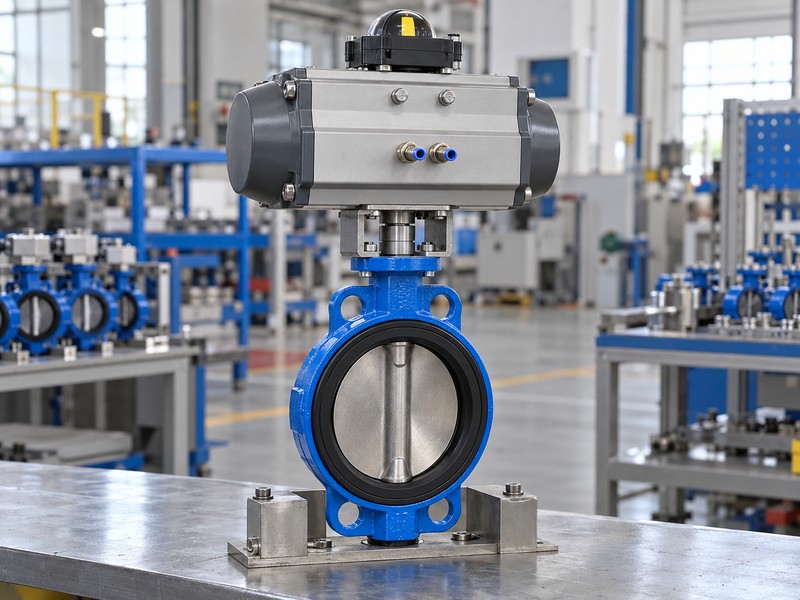
3. What docs must a soft seated butterfly valves exporter agree?
Agree with your soft seated butterfly valves exporter which technical, quality, approval and transport documents the order requires. Name each deliverable, revision, language, review owner and due point. Separate management certificates from product approvals and shipment records; one category cannot establish the scope or results that belong to another.
How should destination requirements enter the order?
RUITO coordinates sales, engineering, quality and export roles around the product configuration and project requirements. Build a document index before manufacture. Verify any required product approval against the exact model, materials, covered sizes and destination; earlier exports to a country cannot establish approval of every offered configuration. The buyer’s project team should resolve the applicable requirements rather than accept a blanket compliance promise.
- Agree deliverables and reviewers before production starts.
- Check the exact scope of required product approvals.
- Keep system certificates and shipment reports distinct.
Key takeaway: A written document scope lets both teams detect missing evidence before the packing and transport deadlines.
| Check | What you should confirm |
|---|---|
| Document index | Required files, revisions and due points agreed |
| Product approval | Model, materials, sizes and destination match |
| Responsibility | Review and release owners are identified |
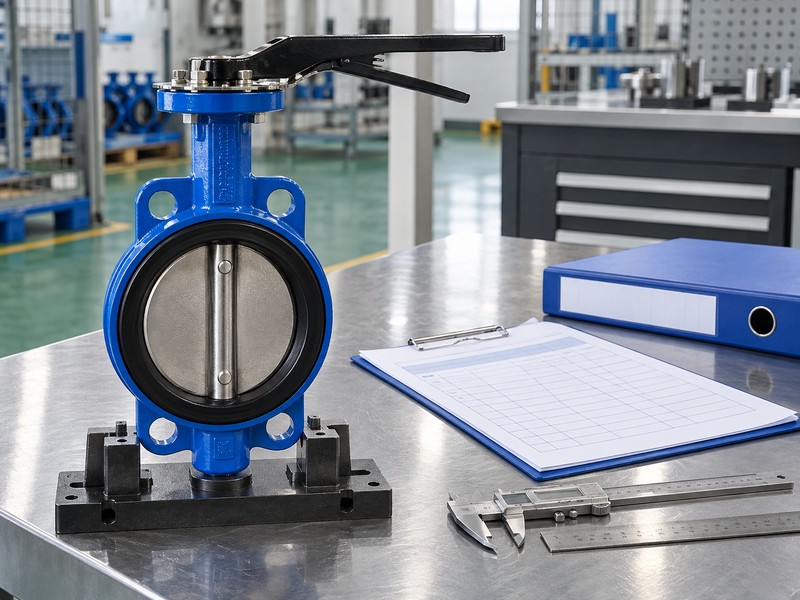
4. How does a soft seated butterfly valves exporter verify flow?
A soft seated butterfly valves exporter verifies the sizing basis with model-specific Kv and pressure-drop information for your operating conditions. Identify the size, opening, fluid properties and data revision. A full-open water value cannot guarantee the same pressure loss for a viscous liquid, a different opening or gas service.
Which performance files should accompany the valve?
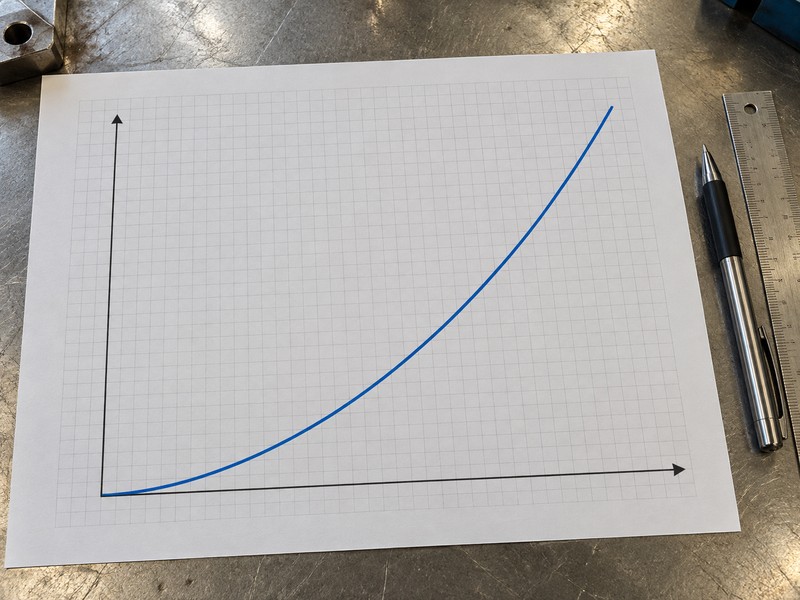
RUITO can provide configuration-specific flow and applicable pressure-drop data alongside the installation and maintenance documents. Review the data basis. Distinguish measured values from calculation or initial selection estimates, and preserve the fluid density, viscosity and pressure budget used for the decision. The conceptual curve shown here is an illustration; your equipment team needs the approved model data and its stated limits.
- Link flow data with the supplied model revision.
- State fluid properties and the intended opening.
- Keep estimates distinct from measured performance results.
Key takeaway: Preserve the sizing inputs with the delivered performance files so later commissioning questions have an identifiable basis.
| Check | What you should confirm |
|---|---|
| Identity | Data matches the valve size and revision |
| Conditions | Fluid, opening and operating inputs are stated |
| Use | Pressure budget and data limits remain available |
5. How does a soft seated butterfly valves exporter prove tests?
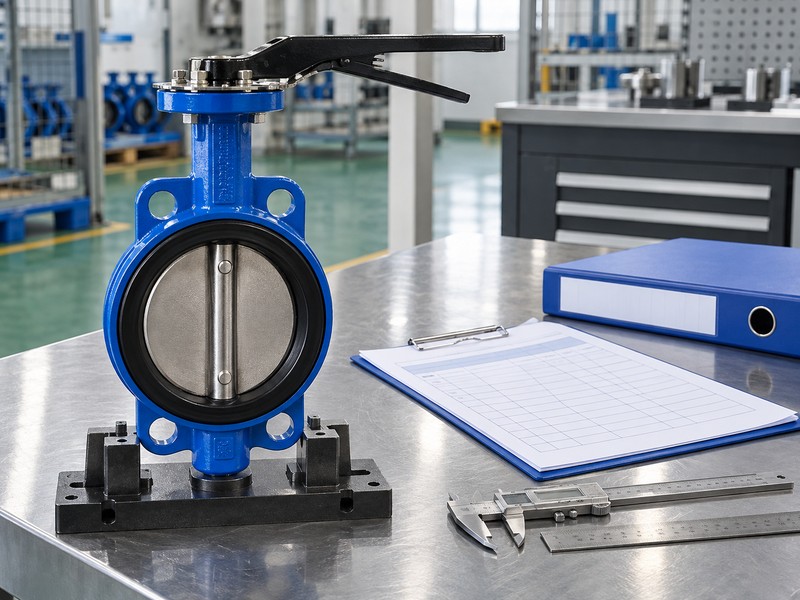
A soft seated butterfly valves exporter proves shipment testing with records linked to the supplied valve IDs and agreed inspection plan. Review shell integrity, external leakage, seat closure and function as applicable. Each report should state the method, medium, pressure, direction, duration and acceptance criterion, including any configuration-specific additional checks.
What should the release reviewer compare?
Confirm the selected method, such as ISO 5208, against the contract and product procedure. Follow each reported result. RUITO separately checks clean-gas configurations and lined constructions where specified, so a general water report cannot stand in for their required evidence. Keep test pressure separate from allowable working pressure, and resolve missing witness signatures or retest records before authorizing shipment.
- Match valve IDs with the signed inspection results.
- Verify conditions and the agreed leakage criterion.
- Close required witness points and retest records.
Key takeaway: The document package should show what happened to the shipped products under their agreed inspection conditions.
| Check | What you should confirm |
|---|---|
| Pressure | Shell and closure conditions follow the plan |
| Special checks | Gas or lining evidence matches the construction |
| Release | Required signatures and unresolved findings are checked |
6. How does a soft seated butterfly valves exporter protect valves?
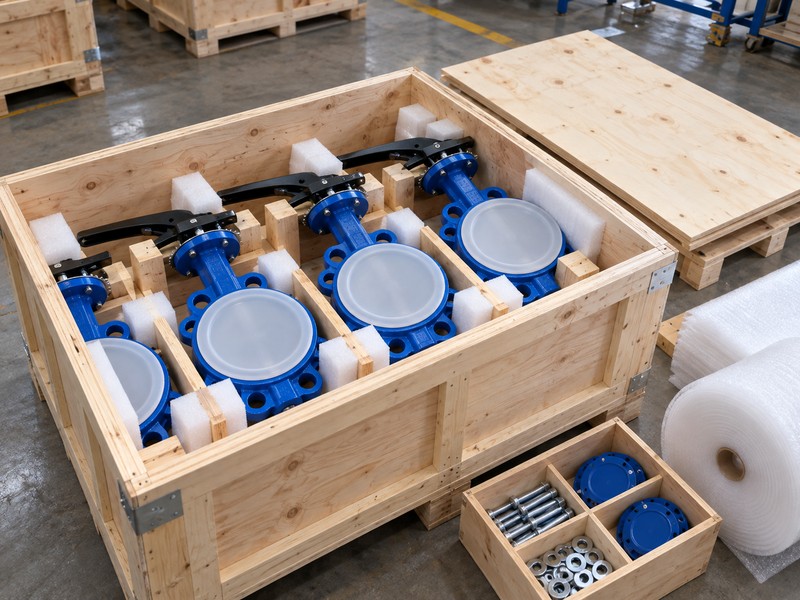
A soft seated butterfly valves exporter protects valves with packing suited to the construction, transport route and agreed storage conditions. Protect sealing faces, exposed lining lips and the drive assembly from contact and movement. Your packing specification should identify the prescribed disc position and support arrangement instead of treating every valve as the same load.
Which surfaces need a packing inspection?
Check protective covers, internal restraint and moisture protection before closing the crate. Follow the product’s instructions. A lined valve needs its flange lips protected around their full perimeter, while actuator and gearbox arrangements need support that avoids loading vulnerable components. Drain and dry the product as specified after testing, then photograph the identified assembly and its protection before the packing hides those surfaces.
- Protect sealing faces and exposed lining edges.
- Restrain the assembly using the agreed support points.
- Check dryness, covers and the specified disc position.
Key takeaway: Packing should preserve the inspected valve’s condition through handling and storage until your receiving team can check it.
| Check | What you should confirm |
|---|---|
| Surfaces | Faces and lining lips retain their protection |
| Support | Restraint suits the assembly and transport loads |
| Condition | Dryness and storage protection match the instructions |
7. How does a soft seated butterfly valves exporter label boxes?
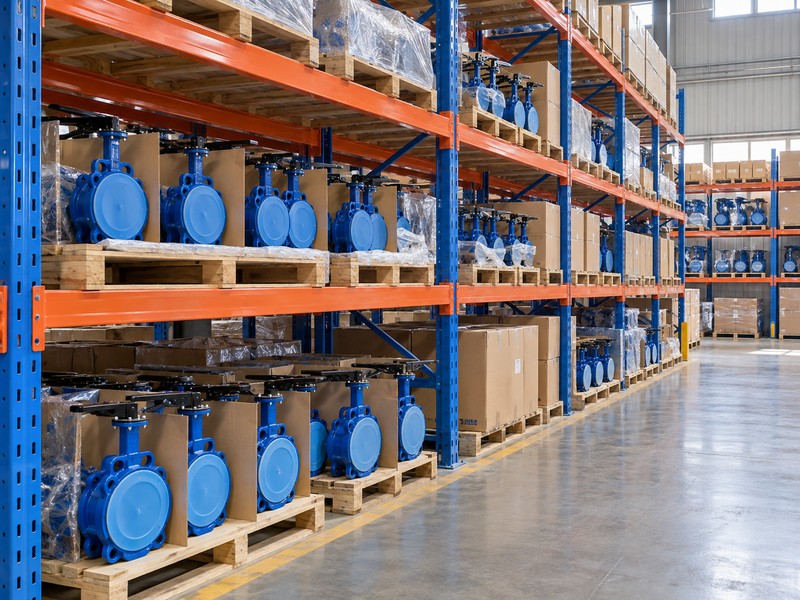
A soft seated butterfly valves exporter labels boxes so each package connects with its contents, order lines and inspection records. Use a packing list that maps box numbers to product IDs, quantities and the applicable configuration. Mixed-size or project shipments also need the agreed equipment, area or installation tags where your team uses them.
How can receiving staff find the right item?
RUITO’s document process connects product IDs and box numbers with inspection and transport files. Test that connection before dispatch. Select a packing-list line and locate the physical valve, its approved drawing and its release record. Keep spare parts and loose accessories identified by their accepted references, and list which package contains them rather than relying on a total accessory count.
- Map each box to its listed product IDs.
- Separate sizes, configurations and installation tags clearly.
- Identify spare parts and accessories by package.
Key takeaway: A usable packing list lets your warehouse identify the valve and its evidence without opening every crate.
| Check | What you should confirm |
|---|---|
| Box | Package number matches the final packing list |
| Product | ID, order line and configuration connect |
| Accessories | Correct references and package locations are listed |
8. What dates must a soft seated butterfly valves exporter separate?
Your soft seated butterfly valves exporter must separate factory release, carrier handover, transport and destination receiving dates. Factory release depends on completed technical, commercial and inspection conditions. It does not include international transit or clearance, and a planned departure cannot establish when your installation crew will receive an accepted valve.
What should a shipment milestone plan contain?
List drawing approval, material readiness, production, witness points, packing and release before the transport milestones. Assign each date an owner. Confirm whether an item is inspected finished stock or still in production, and distinguish planned dates from confirmed events as the order progresses. If a witness point or document approval slips, update the affected downstream dates with the responsible teams.
- Separate production release from the transport schedule.
- Identify dependencies and owners for each milestone.
- Update arrival planning when upstream conditions change.
Key takeaway: A dated milestone plan shows which event has occurred and which dependencies still affect arrival.
| Check | What you should confirm |
|---|---|
| Factory | Technical and inspection release conditions completed |
| Transport | Handover and movement milestones tracked separately |
| Destination | Clearance, receiving and installation timing coordinated |
9. How does a soft seated butterfly valves exporter check shipping?
A soft seated butterfly valves exporter checks shipping files by comparing the final product and package information across the agreed documents. Match descriptions, quantities, package counts and recorded weights or dimensions where required. Confirm the consignee and delivery details with the buyer’s appointed team before issuing documents that are difficult to correct after handover.
Which mismatches should you close before dispatch?
Review the invoice, packing list and agreed transport-document draft against the released order. Check the package totals next. Engineering files may use project tags while shipping files use commercial order lines, so preserve a clear mapping between them. Resolve the buyer’s specified origin, import or other documentary requirements with the responsible parties; do not assume a previous shipment establishes the requirements for this destination and product.
- Compare final descriptions, quantities and package totals.
- Confirm consignee and delivery details with the buyer.
- Close required document exceptions before carrier handover.
Key takeaway: Shipping-file review should use the released batch and final packing information rather than an early quotation or draft list.
| Check | What you should confirm |
|---|---|
| Consistency | Product and package data agree across files |
| Destination | Buyer-confirmed delivery details are recorded |
| Requirements | Agreed document scope and exceptions are closed |
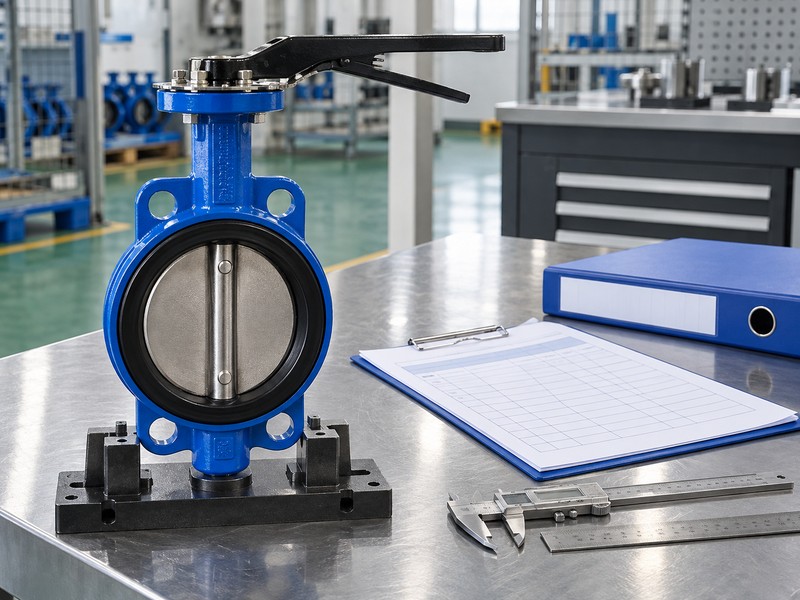
10. How does a soft seated butterfly valves exporter aid receiving?
A soft seated butterfly valves exporter supports receiving with identifiable products, agreed inspection instructions and a clear process for reporting discrepancies. Compare the crate condition, quantities, IDs and accessible product surfaces with the packing list. Record damage or mismatches before installation, and keep affected items identified while the responsible teams decide the next step.
What should a discrepancy report contain?
Photograph the package marking, product ID and affected area together where possible. Preserve the records. Send the order line, inspection finding and relevant storage or handling details so RUITO can connect the issue with the original configuration and release evidence. Follow the agreed receiving plan for functional or dimensional checks; any additional pressure test needs its own approved procedure and suitable equipment.
- Record crate condition and product identity on arrival.
- Hold affected items separately pending an agreed decision.
- Connect discrepancy photos with the order and box number.
Key takeaway: Receiving records connect a delivery problem with the supplied valve and give both teams a practical basis for resolution.
| Check | What you should confirm |
|---|---|
| Receipt | Condition, quantity and identity match the list |
| Issue | Affected products and evidence remain identifiable |
| Disposition | Repair, replacement or acceptance is authorized |
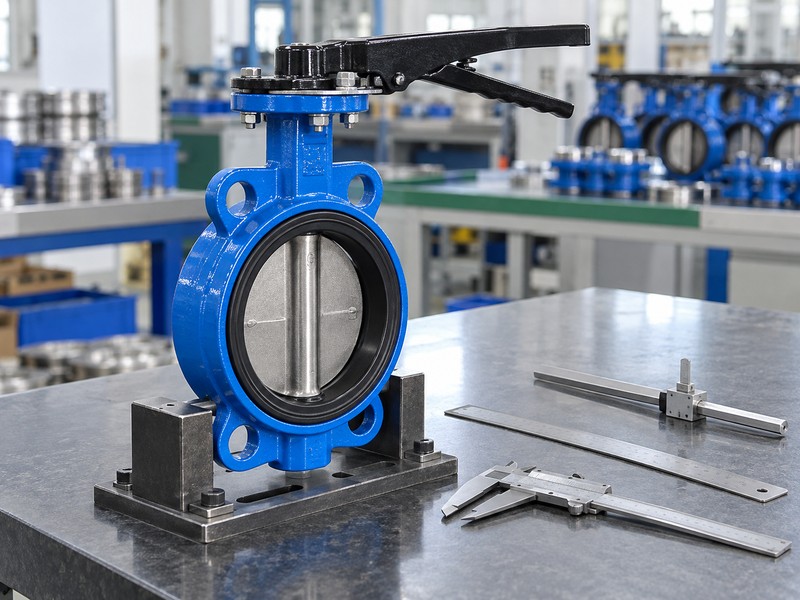
Send RUITO your valve schedule, destination, installation requirements and document checklist. We can review configuration, inspection scope, packing identification and factory release conditions with your team. Contact us to agree those controls before the order enters production and your receiving plan depends on them.
FAQ
Q1: Can I receive one generic test certificate for the whole order?
Only if it preserves the required traceability. The agreed records must identify the relevant products, procedures, conditions and results for each supplied configuration.
Q2: What’s the best way to avoid mixed valves in crates?
Use a box-to-product map. Separate order lines by configuration, identify every valve and verify the final packing list against the physical contents.
Q3: How do I know if an approval covers my destination?
Check its exact scope. Match the model, materials, sizes and intended use with the destination requirements your project team has confirmed.
Q4: Can I plan installation from the factory release date?
Use a separate arrival plan. Factory release precedes transport, clearance and your receiving inspection, which each need their own assumptions and milestones.
Q5: What should I send if a valve arrives damaged?
Send identifiable evidence. Include the product ID, box number, order line and photos of the package and damage before the affected valve enters service.