
Fix China soft seat butterfly valve factory audit mistakes by tracing an identified valve through the processes and records needed for your order. Factory size, catalogue breadth and sales photographs give you starting points. Approval needs evidence for the proposed construction, materials, size and service.
If your team approves a supplier after a polished video tour, you may still discover that the quoted seat, flange interface or test procedure differs from the sample. That gap can delay installation and leave you unable to identify the affected batch. Build the audit around one selected product and follow its drawing, materials, work order and release decision.
1. How do I verify a China soft seat butterfly valve factory?
Verify a China soft seat butterfly valve factory by matching its business identity and manufacturing site with an identified valve’s production records. Ask which processes it performs and which it purchases or subcontracts. You need a named party responsible for the approved configuration, inspection results and delivery, even when several facilities contribute components.
What should the first audit request cover?
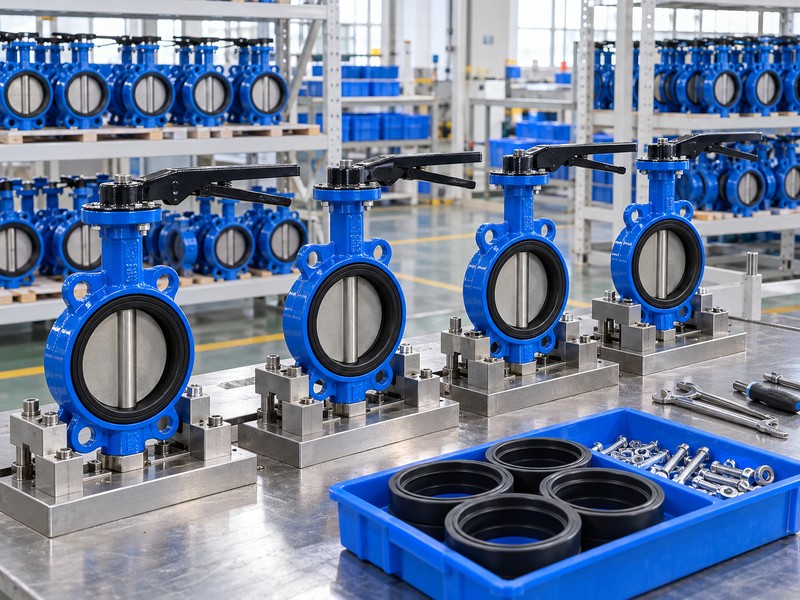
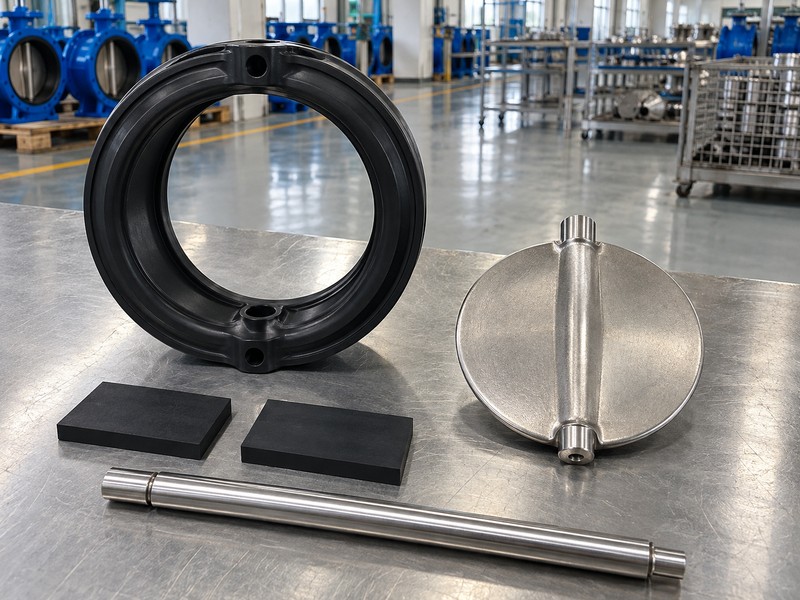
RUITO operates an integrated manufacturing and trading business in Shijiazhuang, China, with controlled design, machining, assembly and inspection responsibilities. Start with that process boundary. Ask the team to show a selected product ID beside its work order and corresponding drawing during a live review. The illustrations in this guide explain checks; they cannot establish a site’s identity or an inspection result.
- Match the business entity and stated site.
- Identify internal and purchased manufacturing processes.
- Select one traceable product for the audit.
Key takeaway: A factory audit starts with a verifiable identity and process boundary for the product you intend to purchase.
| Check | What you should confirm |
|---|---|
| Identity | Business entity and site match the order |
| Responsibility | Each process has an identified accountable party |
| Evidence | Product ID connects with its work order |
2. What scope must a China soft seat butterfly valve factory prove?
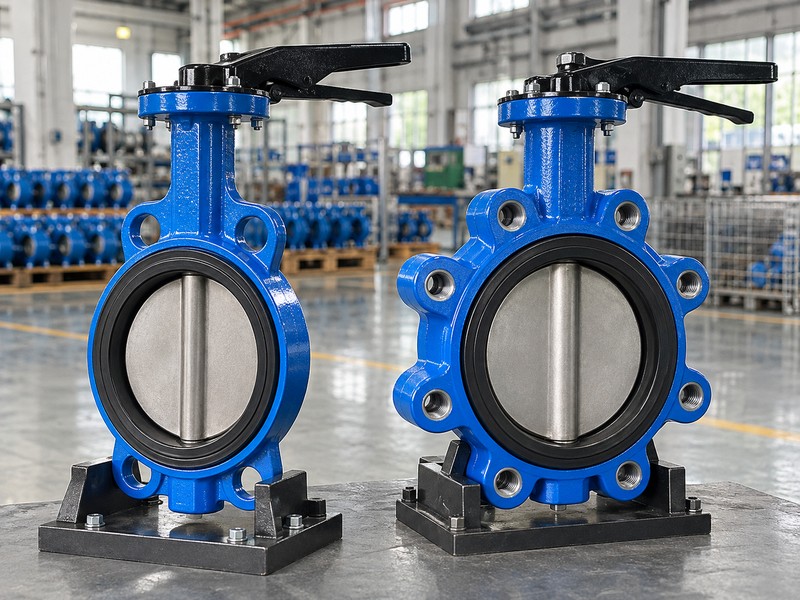
A China soft seat butterfly valve factory must prove capability for the exact connection, size, materials and service in your enquiry. Separate wafer, lug and flanged interfaces, and distinguish elastomer seats from polymer-lined constructions. A factory that produces a standard water valve needs additional evidence before you approve a chemical or clean-gas configuration.
Which differences change the audit route?
RUITO manages water, mineral-oil, clean-gas and lined chemical duties through separate material definitions and inspection requirements. Check the installation first. Your drawing review should include flange drilling, face-to-face length and disc clearance against the actual pipe bore. Lug-body threads also need size-specific bolt engagement and load checks; a lug shape alone cannot establish suitability for end-of-line isolation.
- Freeze the service conditions and material schedule.
- Identify the exact connection and installation envelope.
- Review special-duty evidence as a separate requirement.
Key takeaway: Limit factory approval to the configuration and duty that the reviewed evidence can support.
| Check | What you should confirm |
|---|---|
| Duty | Fluid composition and operating envelope accepted |
| Interface | Drilling, length and disc clearance checked |
| Construction | Seat, lining and shaft details identified |
3. What docs must a China soft seat butterfly valve factory show?
Ask a China soft seat butterfly valve factory for management certificates, required product approvals and shipment records as distinct evidence sets. Check the holder, site, scope and validity of each certificate. A management-system certificate describes the covered organization; it does not establish approval of every valve, material, size or destination market.
How do you prevent a certificate mismatch?
Compare the certificate’s covered product with the proposed material schedule and your destination requirements. Follow the stated verification route. For drinking-water or other approved applications, confirm the exact model, contact materials, covered sizes and temperature conditions. Keep a batch inspection report in its own category: it records the specified shipment checks and cannot extend a product approval’s scope.
- Verify the certificate holder and covered site.
- Match product approvals with the supplied configuration.
- Separate shipment reports from product approval documents.
Key takeaway: Each document should answer a defined approval question without borrowing authority from a different type of certificate.
| Check | What you should confirm |
|---|---|
| Management | Organization, site and certified system scope |
| Product | Exact model, materials, sizes and destination |
| Shipment | Identified valves and recorded inspection conditions |
4. How does a China soft seat butterfly valve factory prove machining?
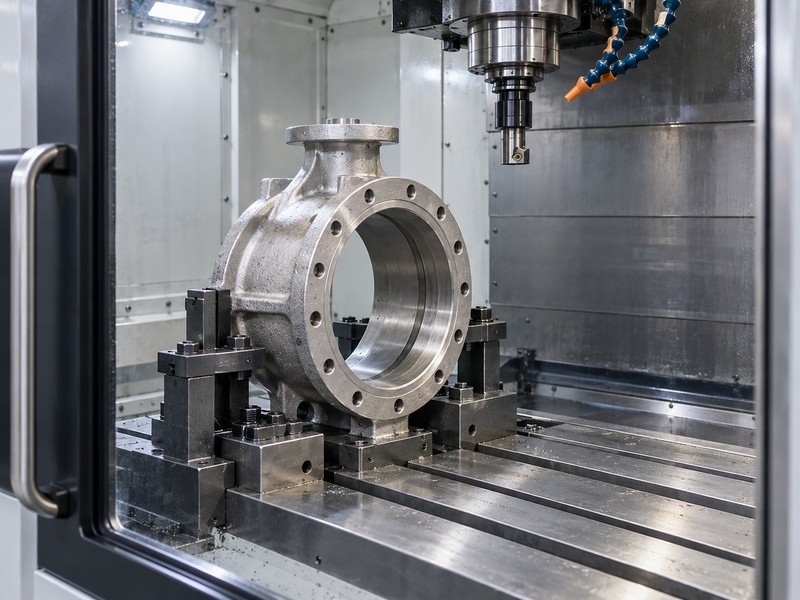
A China soft seat butterfly valve factory proves machining capability with the route, tooling and measured results for the construction you plan to buy. Follow body faces, shaft bores and other critical dimensions through their actual operations. A large machine visible during a tour establishes little about the accuracy or scheduling of your valve.
What should you examine at the machine?
Ask to see the workpiece identity, approved drawing, machining instruction and first-piece report together. Follow the part through inspection. Check how the operator references the specified datums and controls the features that affect alignment or sealing. If a purchased component or external operation enters the route, review its acceptance record and the factory’s responsibility for resolving a dimensional rejection.
- Trace the part to its machining instruction.
- Review first-piece results against the drawing datums.
- Check acceptance controls for purchased machining operations.
Key takeaway: Machining capability rests on a repeatable, inspected process for your valve rather than a list of equipment.
| Check | What you should confirm |
|---|---|
| Route | Operations fit the actual construction and size |
| Tooling | Workholding and datums match the inspection basis |
| Result | Measured values connect with the identified part |
5. How does a China soft seat butterfly valve factory control seats?
A China soft seat butterfly valve factory controls seats by identifying the compound or resin, batch, profile and approved assembly method. Trace those details alongside the body, disc and shaft materials. Water-use EPDM, oil-use NBR and a continuous PTFE lining require their own compatibility and inspection evidence; a common colour cannot identify the material.
Where should material evidence connect?
RUITO links elastomer formulations and lining resin batches with controlled material definitions and production records. Examine the sealing components together. Check how the factory prevents mixed seats, retains rejected parts and approves substitutions before assembly. For a lined valve, include the backing and shaft seals, then review the specified thickness, pinhole and flange-lip checks for that construction.
- Match the seat material and profile revision.
- Connect the material batch with the work order.
- Review segregation and written substitution approval.
Key takeaway: Seat traceability must preserve the complete sealing configuration, including components that a body material certificate cannot identify.
| Check | What you should confirm |
|---|---|
| Material | Approved compound or resin and batch identified |
| Assembly | Seat, disc and shaft components match |
| Lining | Required thickness and integrity records available |
6. How does a China soft seat butterfly valve factory inspect parts?
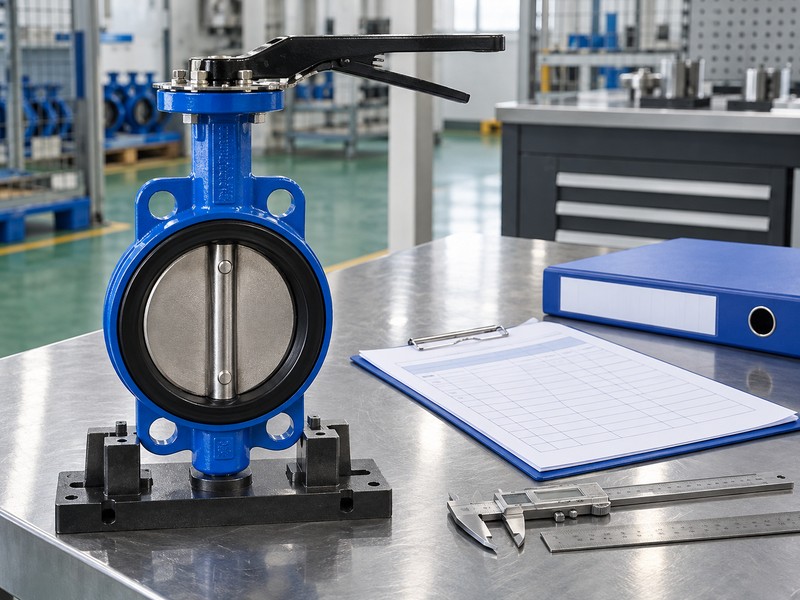
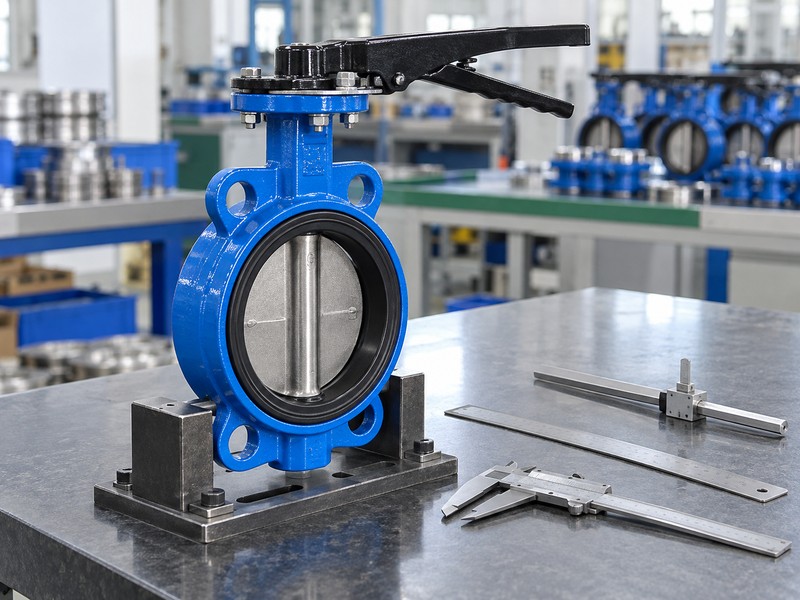
A China soft seat butterfly valve factory should inspect parts against an agreed drawing revision with suitable instruments and traceable results. Ask for measured dimensions, acceptance limits and the identity of the inspected product. A checked box marked satisfactory cannot tell you whether the flange, disc envelope or actuator interface matches your installation.
What can a live dimensional check establish?
Choose a characteristic from your approved installation drawing and ask the inspector to demonstrate its measurement. Compare the value with the record. Review instrument identification and relevant calibration, part support and the stated tolerance. A remote demonstration can resolve a selected interface question, while your acceptance plan still determines the remaining characteristics and coverage needed for shipment release.
- Select dimensions that control installation fit.
- Check the instrument and accepted measurement method.
- Link values and decisions with product identity.
Key takeaway: Review measurements that close your installation risks, with enough information to reproduce the inspector’s decision.
| Check | What you should confirm |
|---|---|
| Basis | Approved drawing revision and stated tolerance |
| Method | Suitable instrument and stable part support |
| Record | Measured value, product ID and acceptance decision |
7. How does a China soft seat butterfly valve factory prove sealing?
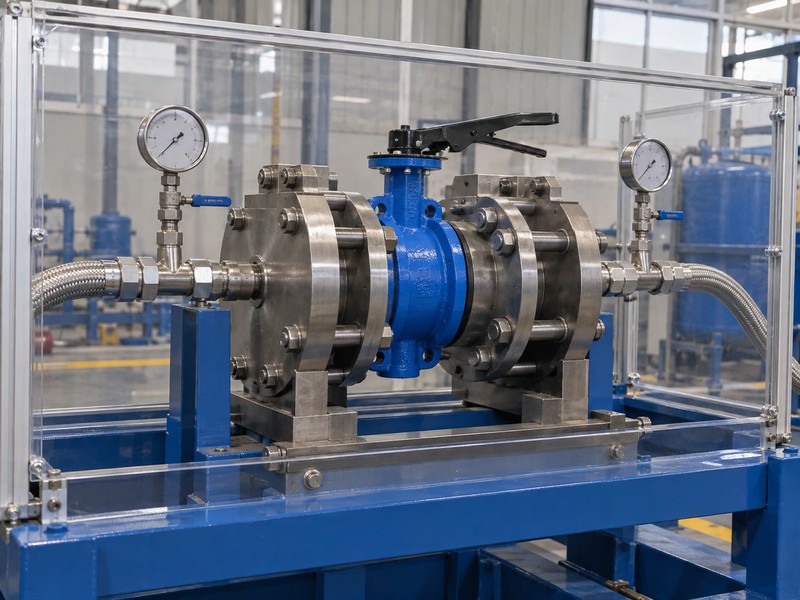
A China soft seat butterfly valve factory proves sealing through the agreed shell, external-leakage and closed-seat tests for the supplied model. Confirm the medium, pressure, direction, duration and acceptance criterion before witnessing the procedure. Test pressure is an inspection condition; it does not increase the valve’s permitted working pressure or reverse-direction rating.
Which records should a witness follow?
Use the contract’s pressure-test method, such as ISO 5208, with the configuration-specific requirements. Read the conditions before the result. Match the valve ID, instrument and original readings with the signed report, including any retest after repair. RUITO adds clean-gas leak checks and lined-valve integrity procedures where required, rather than extending a water-test result across those duties.
- Agree test conditions and acceptance before witnessing.
- Observe product identity, readings and pressure direction.
- Review rejected results and the authorized retest.
Key takeaway: A witnessed result supports the conditions recorded for the identified valve and the specified test method.
| Check | What you should confirm |
|---|---|
| Shell | Boundary test follows the agreed model procedure |
| Seat | Direction and leakage criterion are recorded |
| Special duty | Required gas or lining evidence is separate |
8. How does a China soft seat butterfly valve factory verify flow?
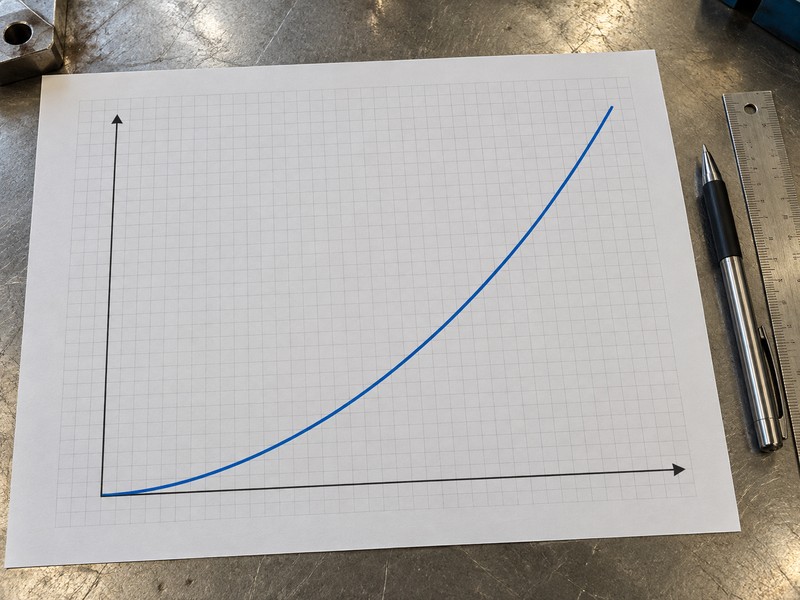
A China soft seat butterfly valve factory verifies flow suitability with approved data for the actual size, opening, medium and operating conditions. Request the model’s Kv or pressure-drop information and its calculation or test basis. Nominal size and a freely turning sample cannot establish whether your required flow fits the available pressure budget.
What should the engineering calculation identify?
RUITO reviews single-phase liquids using their actual density and viscosity; gas calculations also require absolute pressure and stated flow conditions. Inspect the inputs and data revision. Keep estimated, calculated and measured results identified, and check the intended opening range rather than assuming a full-open value covers throttling. The illustrative curve explains the relationship only; your order needs approved model data.
- Provide the required flow and available pressure drop.
- Request model, opening and fluid-specific data.
- Identify the calculation basis and remaining verification.
Key takeaway: Engineering capability includes explaining the source and limits of the data used to approve your duty.
| Check | What you should confirm |
|---|---|
| Inputs | Actual fluid properties and operating conditions |
| Data | Size, opening and model revision identified |
| Decision | Pressure budget and operating range checked |
9. How does a China soft seat butterfly valve factory prove capacity?
A China soft seat butterfly valve factory proves available capacity with an order-specific resource and milestone plan. Review materials, machining, assembly, inspection and any witness hold points. Annual output across several products cannot establish an available slot for your size or construction, particularly when those products share equipment and test resources.
Which dates belong in the audit?
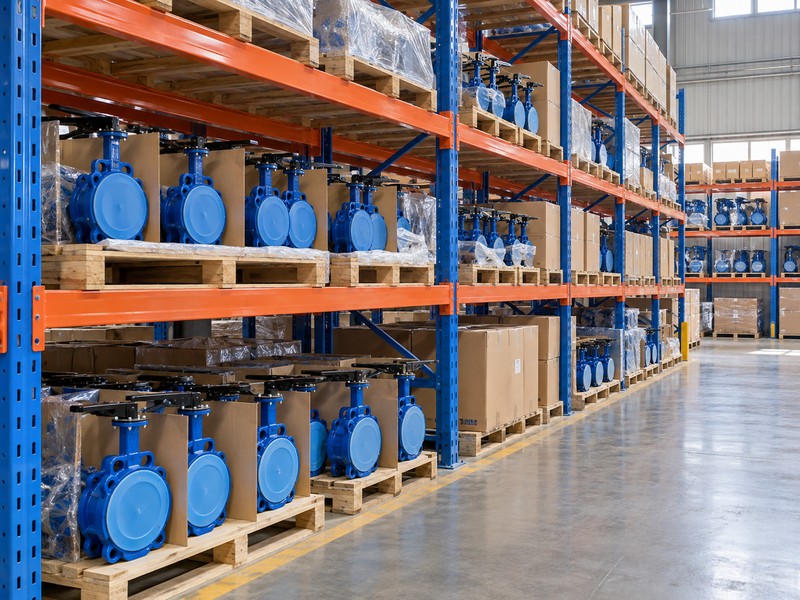
RUITO schedules mature valve families through shared resources and plans large or lined constructions against their own process needs. Ask for the current route. Separate available finished stock from material on hand and work in progress, then check the relevant configuration and reinspection status. Factory release starts from fulfilled technical, commercial and inspection conditions; international transport and clearance need a separate schedule.
- Review the order’s material and resource allocation.
- Separate finished stock from incomplete production.
- Identify approvals, witness points and release conditions.
Key takeaway: Capacity evidence should explain when your accepted configuration can complete its actual manufacturing and inspection route.
| Check | What you should confirm |
|---|---|
| Resources | Relevant equipment and inspection slots available |
| Stock | Exact configuration and release status identified |
| Milestones | Approvals, production and factory release separated |
10. How do I approve a China soft seat butterfly valve factory?
Approve a China soft seat butterfly valve factory after closing the findings that affect your configuration, acceptance plan and repeat supply. Record the evidence reviewed, remaining conditions and authorized scope. If a sample or first batch needs further verification, make that condition explicit before purchasing releases the next production quantity.
What should survive beyond the audit visit?
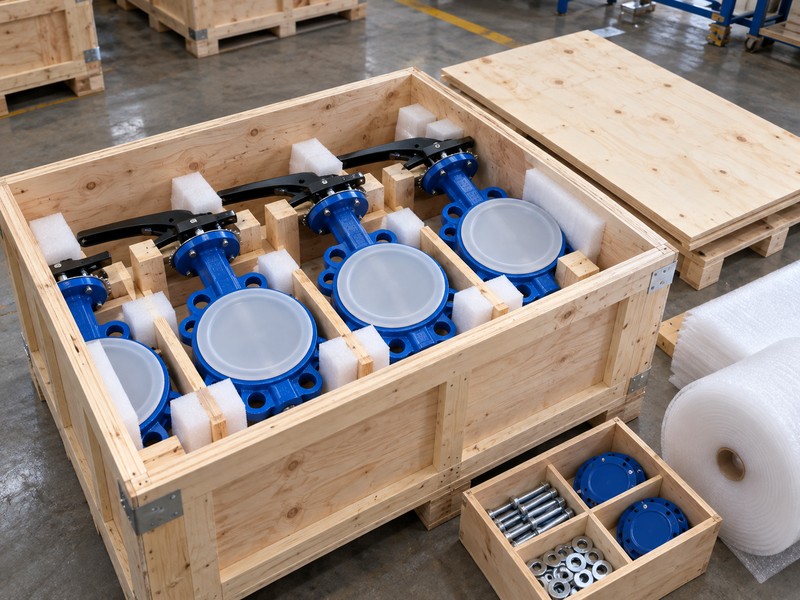
Retain the accepted drawings, material list, inspection plan and corrective-action decisions with your supplier record. Check the release connection. Product IDs should link with inspection reports and box numbers, so receiving staff can identify the same accepted batch. Require advance approval of changes affecting materials, interfaces or performance, and identify the effective production scope in each change notice.
- Close findings with verifiable corrective evidence.
- Freeze the accepted configuration and inspection revision.
- Link release records with products and packing IDs.
Key takeaway: A useful audit leaves purchasing and receiving teams with a defined product scope and an enforceable acceptance basis.
| Check | What you should confirm |
|---|---|
| Approval | Accepted scope and open conditions documented |
| Changes | Required authorization and effective batches identified |
| Handover | Product IDs match inspection and packing records |
Send RUITO your service sheet, installation drawing and proposed audit checklist. We can identify the manufacturing route, required records and configuration questions for review. Contact us to agree the sample, inspection and release scope before you approve a production order.
FAQ
Q1: Can I audit a factory remotely?
Yes. Select an identified product and request live process and record checks. Agree which findings still require a sample, physical visit or witnessed inspection.
Q2: What’s the best evidence of genuine manufacturing?
A traceable process record. Follow the selected valve through its work order, materials, relevant operations and original inspection results.
Q3: Can I approve all valves from one system certificate?
No. Verify the required product approval against its exact model, materials, sizes and destination, alongside the management certificate’s separate scope.
Q4: How do I know if a flow curve applies?
Match the model and conditions. Check size, opening, medium, data revision and whether the result is calculated or measured.
Q5: Can I use factory release as my arrival date?
No. Add the agreed transport, clearance and receiving plan separately; release depends on the order’s technical and inspection conditions.