
You avoid costly mistakes with a 3 viton seat for butterfly valve 20269 search by treating 20269 as an unconfirmed reference until original records establish its identity. The available search evidence does not verify it as an OEM model or spare part number. It establishes no universal dimensions, interchangeability or available stock.
A buyer facing a shutdown may find the same number repeated across enquiries and assume the identity is settled. Stop that assumption at the quotation stage: collect the original valve records, define the required seat and obtain written confirmation before releasing an order or installation.
1. What does the 20269 search string establish?
The search string establishes what someone searched for, while the identity of 20269 remains unverified. The number might have come from a supplier catalogue, an internal stock system or another record, but none of those origins is confirmed here. It must remain an unresolved reference in the purchasing file.
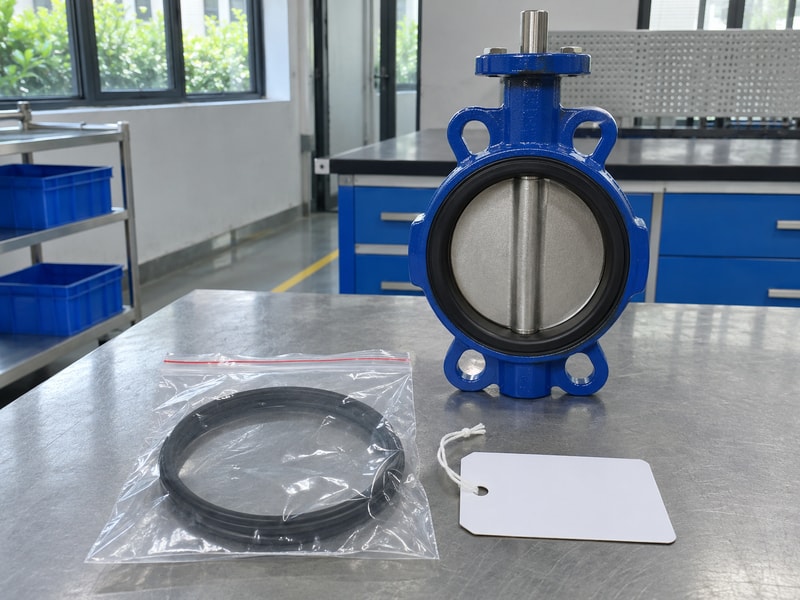
How do you check 3 viton seat for butterfly valve 20269?
Write “unverified search or catalogue reference” beside 20269 on the enquiry. Keep the original wording so you can trace where it appeared without promoting it into a manufacturer part number. Use RUITO’s wafer butterfly valve information to describe the valve structure while you recover its actual model and parts list.
- Preserve the source document or screenshot with its date and owner.
- Keep valve identity, seat identity and internal stock code in separate fields.
- Ask the supplier what the number identifies and request the supporting record.
What can you safely infer?
| Information present | What it establishes |
|---|---|
| Search wording only | An enquiry topic |
| Number without issuer | An unresolved identifier |
| Nominal three inch description | A size clue needing confirmation |
Do not print an OEM name, size table or replacement claim against this number unless new verifiable records support that association.
2. Which original records identify the spare part?
Original assembly drawings, parts lists and purchase records identify the required spare when they can be linked to the installed valve. The strongest identification connects the nameplate or serial number with an approved seat drawing and material specification. A loose packaging label needs that connection too.
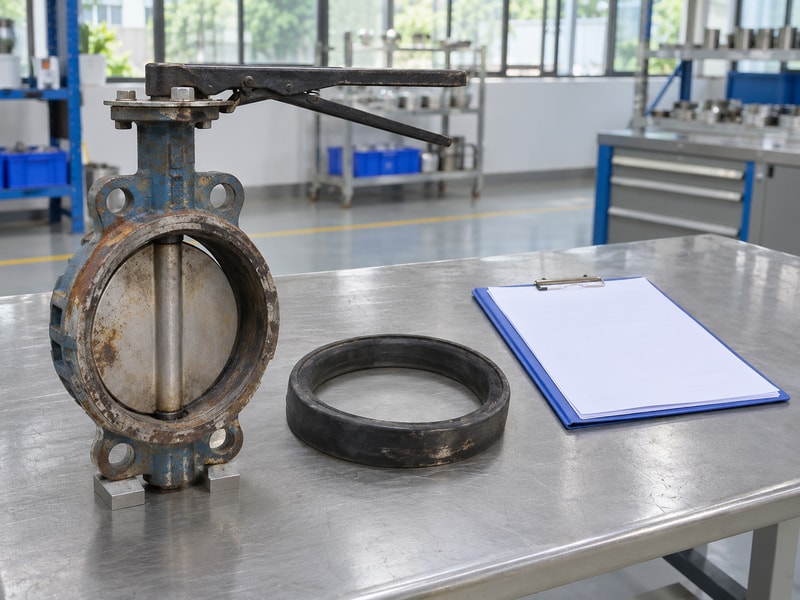
Who should reconcile conflicting records?
Assign one engineering or maintenance owner to resolve the identification before purchasing compares offers. Ask the original manufacturer or responsible supplier to confirm which record applies to the serial number. If the valve has been modified, retrieve the approved modification because the original factory parts list may no longer describe the installed assembly.
- Obtain complete photographs of nameplate, casting marks and both valve faces.
- Collect the purchase order, maintenance manual and drawing revision history.
- Record previous repair kits and any approved material or operator changes.
How should you rank the documents?
| Record | What still needs checking |
|---|---|
| Serial-linked parts list | Current revision and modification status |
| Original purchase order | Whether supplied configuration changed |
| Store bin label | Link to the approved spare description |
A stock system entry can repeat an old typing error for years. Resolve disagreement against controlled technical records rather than choosing the description that produces the fastest quotation.
3. How do you compare the removed seat and drawing?
Compare the removed seat with a controlled drawing using documented measurement locations, conditions and tolerances. Treat the used seat as evidence of installed geometry and damage, not an exact mold master. Fluid swelling, compression and wear can change the dimensions that a supplier would otherwise copy.
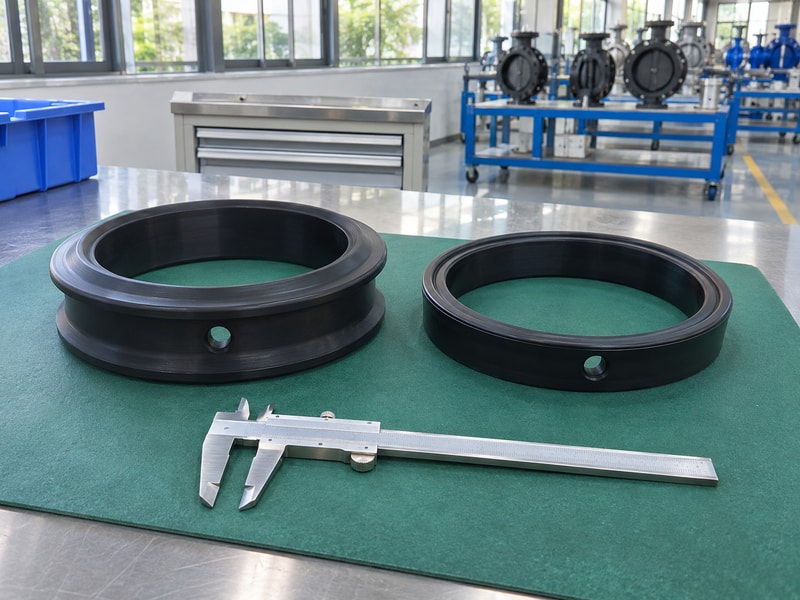
Which features deserve individual measurements?
Measure the body retention profile, face thickness, sealing bore and upper and lower stem openings. Photograph each feature with a reference scale and preserve orientation. A lug butterfly valve description helps identify the connection, but its tapped lugs provide no evidence that another valve’s seat matches these internal features.
- Use a measurement method that limits rubber compression from the instrument.
- Record free-state or supported condition with actual readings.
- Mark torn, swollen or permanently flattened regions as damaged evidence.
How should you report disagreements?
| Comparison result | Next action |
|---|---|
| Drawing and sample agree | Continue the material and assembly review |
| Sample differs in damaged areas | Obtain an unused reference or supplier interpretation |
| Functional profile differs | Hold the proposed replacement |
For a 3 viton seat for butterfly valve 20269 enquiry, send the comparison report with the unverified number clearly marked. The supplier must answer the geometry questions independently of the search reference.
4. Why must the compound specification be separate?
The compound specification must remain separate because a part number cannot prove polymer identity, cure system or service compatibility. Even a correctly identified geometric part can have several material versions. Viton is a fluoroelastomer brand, and an FKM family description does not identify a complete branded compound.
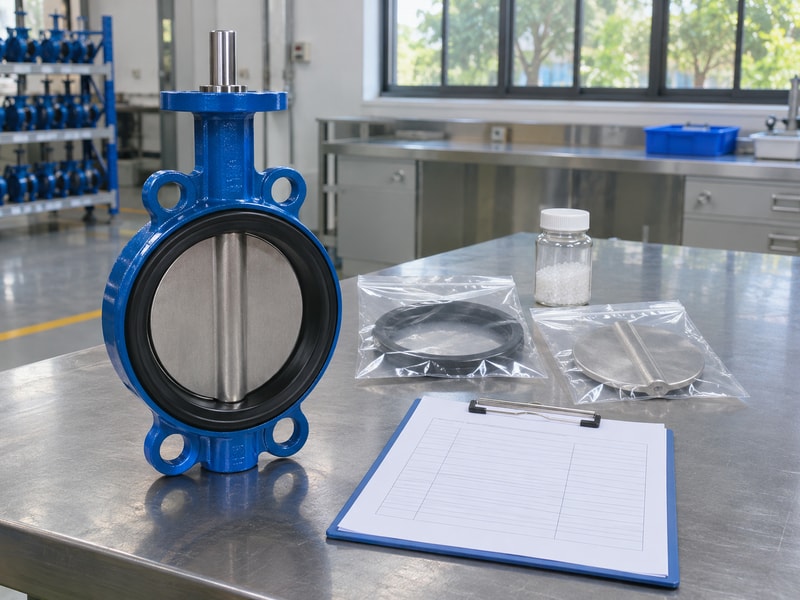
Which material details should you request?
Request the compound code, manufacturer identification, hardness limits and lot traceability appropriate to the contract. Describe the complete process fluid and cleaning sequence before asking for a compatibility decision. The official Viton product selection guide differentiates product families by resistance characteristics, so a bare brand name leaves material selection incomplete.
- List chemicals, concentrations, contaminants and exposure durations.
- Provide operating temperature, pressure and cleaning excursions together.
- Require written disposition of any proposed compound substitution.
What should the material record distinguish?
| Field | Purpose |
|---|---|
| Polymer family | Establish the broad material category |
| Compound specification | Define the approved molded material |
| Production batch | Connect delivered seats with manufacturing evidence |
A seat’s color cannot verify any of these fields. Keep the compound approval attached to the spare record so future buyers do not replace a defined material with a generic catalogue description.
5. What do you do when the supplier code is uncertain?
Hold technical release and ask the supplier to identify the code’s issuer, description and revision in writing. Purchasing can continue collecting evidence and prices while the part remains unapproved. An urgent delivery request does not resolve the missing association between the code and the installed valve.
How should you write the clarification request?
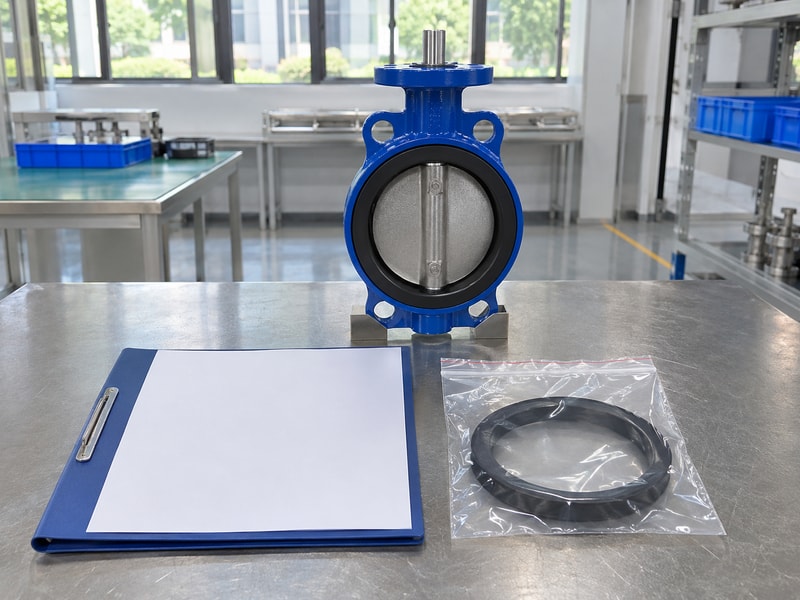
Ask whether the supplier treats 20269 as its own stock code, an OEM reference or a customer reference, then request the source document. Require a marked drawing and compound statement for the offered item. A response that repeats the enquiry wording leaves the question open and should remain recorded as such.
- Identify the exact unresolved field and the evidence required to close it.
- Keep supplier assumptions and deviations visible on the quotation.
- Set a named reviewer for technical closure before purchase approval.
Which responses support progress?
| Supplier response | Purchasing action |
|---|---|
| Controlled issuer record supplied | Check applicability to the installed valve |
| Drawing offered without code proof | Review as a proposed alternative |
| Verbal assurance or repeated search text | Keep the identity hold open |
Do not overwrite the original uncertainty when a plausible answer arrives. Retain the clarification trail, including who approved the eventual identity and which documents supported that decision.
6. Which sample checks can establish a usable match?
Sample checks can support a usable match when they cover dimensions, material traceability and performance in the intended assembly. A sample that looks similar or fits loosely in the body has passed only a preliminary observation. Establish the acceptance plan before ordering the sample so the trial answers defined questions.
What should the sample trial cover?
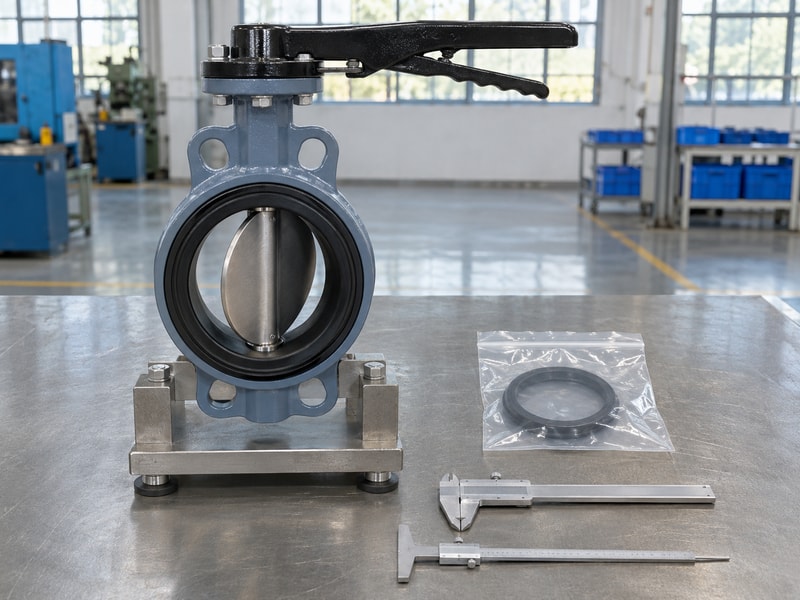
Use an identified valve or representative approved assembly, then record the sample seat lot and drawing revision. Check retention, shaft alignment, disc contact, full travel and operating torque under the agreed conditions. Where service requires chemical or thermal evidence, review that evidence separately and define any remaining validation before accepting a production batch.
- Record dimensions before assembly and inspect functional surfaces afterward.
- Use approved assembly aids and the valve-specific maintenance procedure.
- Complete the specified leakage tests with stated limits and test conditions.
How much does a successful trial prove?
| Trial evidence | Supported decision |
|---|---|
| Dimensions within approved limits | Accept sampled geometry |
| Assembly and leakage tests accepted | Accept tested assembly conditions |
| Required service evidence accepted | Approve the defined operating scope |
One successful sample does not establish every production unit or every fluid duty. Agree production controls and traceability before converting a trial acceptance into a repeat purchase description.
7. How should you control a proposed substitute?
Control a substitute through a written comparison, engineering approval and any required customer acceptance before supply or installation. Identify every difference from the original spare, including material and manufacturing changes that photographs cannot show. Record the alternative under its own approved identity rather than silently reusing the uncertain code.
Which differences belong in the comparison?
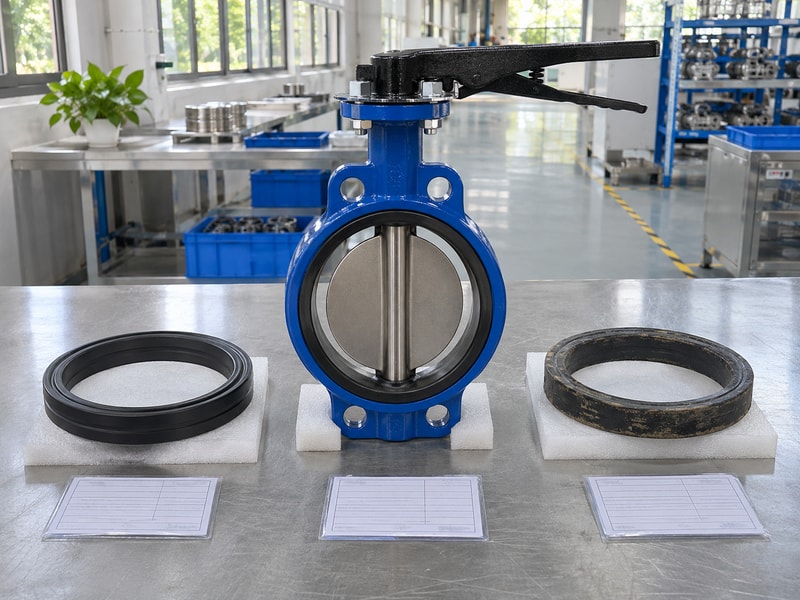
Compare retention geometry, sealing profile, stem features, compound, hardness and applicable assembly requirements. Include any effect on torque, pressure capability or service exposure. If chemical duty suggests a different valve design, RUITO’s PTFE lined butterfly valve page describes a separate construction that requires its own configuration review rather than a seat-only substitution.
- List each deviation with its technical consequence and supporting evidence.
- Identify the tests needed to validate changed features.
- Define the affected valve population and any restrictions on use.
How should substitution approval be recorded?
| Approval field | Required content |
|---|---|
| Alternative identity | Supplier, drawing, compound and revision |
| Validation scope | Tests, operating boundary and limitations |
| Implementation | Authorized valves, stock code and effective date |
Keep obsolete and approved alternatives separate in stores. An engineering-approved substitute for one valve revision should not become an undocumented universal replacement across the site’s three inch valves.
8. What should receiving inspection verify?
Receiving inspection should verify that delivered seats match the approved order, drawing, compound and traceability requirements. Compare the goods with the final approved description rather than the original unresolved search wording. A label carrying 20269 cannot close an identification gap that remained open during purchasing.
Which checks prevent an uncertain part reaching stores?
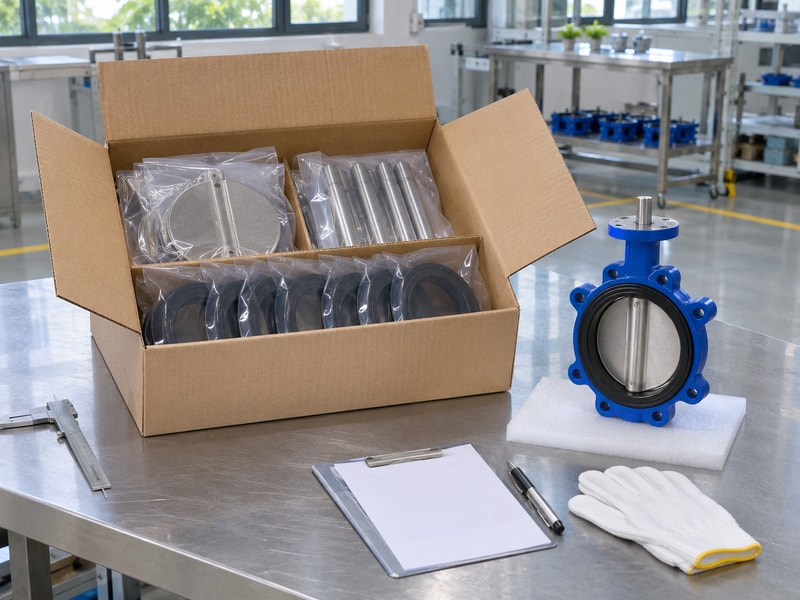
Confirm quantity, packaging condition, supplier identity and lot documents before releasing the shipment. Inspect sealing faces, shaft openings and retention features for damage or defects against agreed criteria. Keep accepted seats in labeled packaging so a correctly received item does not become an unidentified loose ring during storage.
- Match certificate and label references to the approved spare specification.
- Record dimensional results required by the inspection plan.
- Segregate unidentified, damaged or mixed-batch items pending disposition.
How should discrepancies affect stock status?
| Finding | Receiving disposition |
|---|---|
| Correct goods and evidence | Release to the approved stock location |
| Missing lot or compound link | Quarantine for document reconciliation |
| Dimensional or surface failure | Record nonconformance and hold |
Photographs should show the seat beside its label and inspection reference. This creates a retrievable receiving record without relying on a warehouse employee’s memory of which carton contained which batch.
9. When can you release the spare for installation?
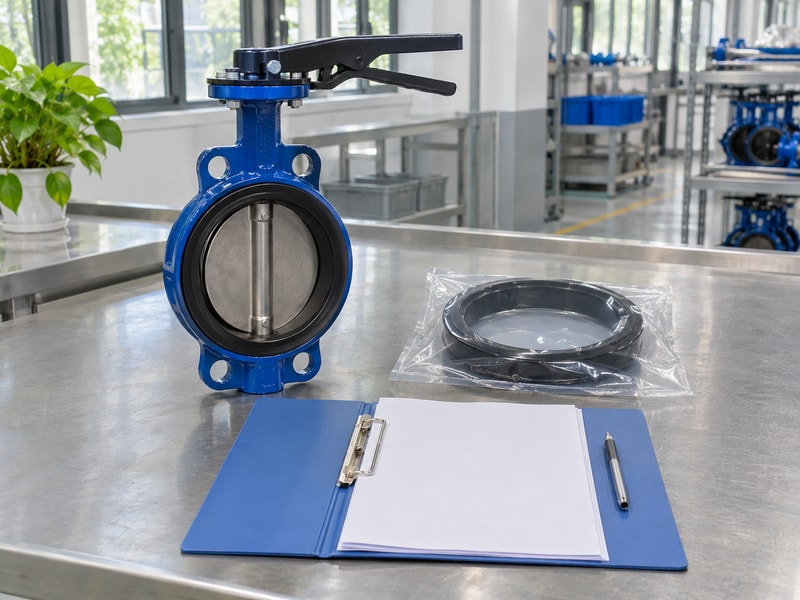
Release the spare when identity, geometry, material, receiving checks and the required repair plan have all been approved. The responsible reviewer should sign the release record and identify the valve or valve population covered. Any unresolved 20269 association must remain visible and cannot substitute for those approvals.
What should the installer receive?
Provide the approved spare identity, applicable maintenance instructions and repair test requirements with the work order. Include any permitted substitution and its restrictions. After installation, record the seat lot against the valve tag so a later leak investigation can trace which material and geometry were fitted during this repair.
- Confirm isolation, decontamination and stored-energy controls under site procedures.
- Identify acceptance tests and the person authorized to release the repaired valve.
- Return unused spares to their identified storage condition.
Which open issues stop release?
| Open issue | Required closure |
|---|---|
| Valve or seat identity uncertain | Approved technical identification |
| Compound suitability unresolved | Written service compatibility decision |
| Inspection or trial incomplete | Accepted results or authorized disposition |
Ask RUITO to verify the original part reference and assess whether a suitable FKM spare can be offered for the identified valve. Include the original records and unresolved questions when you contact us for a feasibility review; request a written configuration response before placing the spare into service.
10. What do buyers ask about unverified seat numbers?
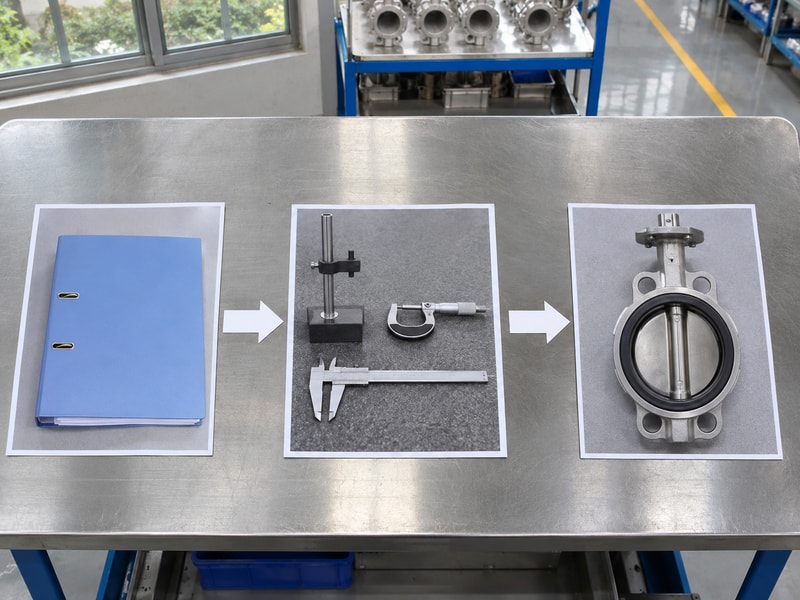
Buyers need a clear difference between a useful search clue and an approved spare identity. These answers address the decisions that most often arise while an unidentified number remains in the enquiry.
Which identity questions should you close?
Q1: Can I order 20269 as a confirmed OEM part?
No. The available evidence does not establish its issuer or identity. Ask for an original parts list or controlled catalogue record and verify that it applies to your valve before treating the number as an OEM reference.
Q2: How do I know if two supplier numbers are equivalent?
You need a documented cross-reference supported by drawings, material specifications and application scope. Two quotations using the same search phrase do not establish equivalence or common manufacturing origin.
Q3: Can a three inch sample prove interchangeability?
Only within an approved validation scope. Match functional dimensions, compound and assembly performance to the specific valve. A nominal size match or successful hand fit alone cannot support a general interchangeability claim.
Q4: What’s the best action if the original supplier is unavailable?
Open an engineering identification review. Collect records, measure functional features and define a sample validation plan. If reliable geometry or service suitability cannot be established, evaluate complete valve replacement through the site’s change process.
Q5: Can stores release a seat with a matching label?
Only when the label links to the approved technical specification and receiving evidence. Keep the spare quarantined when identity, material or inspection status remains unresolved, even if the carton repeats the requested number.