
Fix butterfly valve supplier mistakes by tying every quotation, shipment and spare part to one approved configuration. When a shutdown crew receives a valve with the wrong face-to-face dimension or gearbox orientation, a low purchase price offers little help. Give your gear operated high performance butterfly valve supplier a controlled RFQ, compare the same supply scope, and check the delivered identifiers before installation. The checks below follow that order from enquiry through fault reporting.
1. Which gear operated high performance butterfly valve supplier fits?
Choose a gear operated high performance butterfly valve supplier that can quote your approved duty and accept clear delivery responsibilities. Establish who issues the offer, supplies the assembly, provides its documents and handles shortages. A product catalogue starts the enquiry; acceptance depends on the offered configuration and written exceptions.
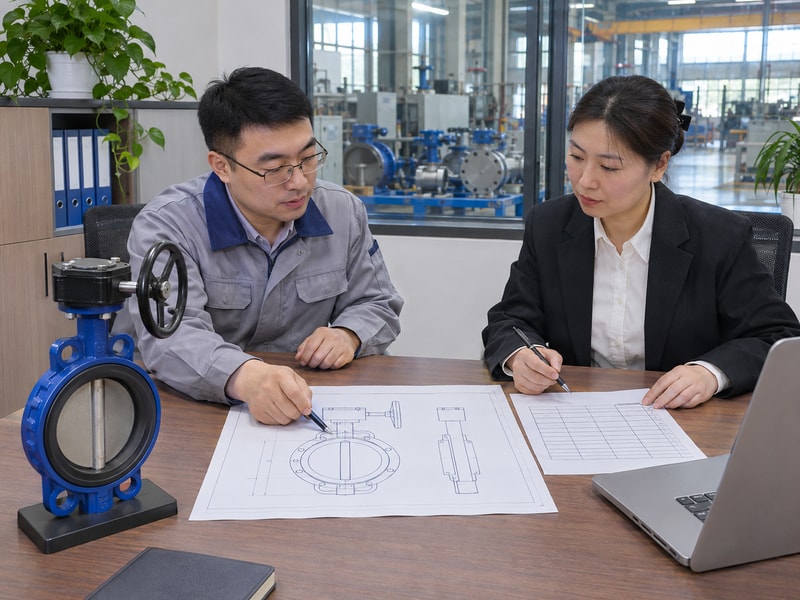
Who owns the quoted supply scope?
Ask for the contracting entity and the manufacturer of the offered valve assembly. If the gearbox comes from another source, identify that unit and who warrants the assembled package; a single commercial contact should coordinate answers without obscuring technical responsibility. For packages with several order lines, identify outsourced items and retain their own document references.
- Name the party responsible for valve and gearbox compatibility.
- Assign document submission, packing and shortage resolution to named contacts.
- List exclusions before you approve the supplier’s offer.
| Supply question | Evidence to request | Buyer decision |
|---|---|---|
| Who supplies the assembly? | Named entity and offer reference | Establish contractual ownership |
| What is included? | Itemised supply scope | Close accessory gaps |
| Who answers a fault report? | Agreed contact and procedure | Set an escalation route |
Resolve an unnamed responsibility before purchase; otherwise the buyer may have to coordinate several parties after delivery.
2. What information belongs in the RFQ?
Give your gear operated high performance butterfly valve supplier the medium, temperature, pressure, maximum closing differential pressure and installation interfaces in one RFQ. State whether each value is an operating condition, design limit or transient. Separate required performance from optional features so suppliers can identify deviations against the same baseline. Include document language and destination-specific acceptance requirements before suppliers price the scope.
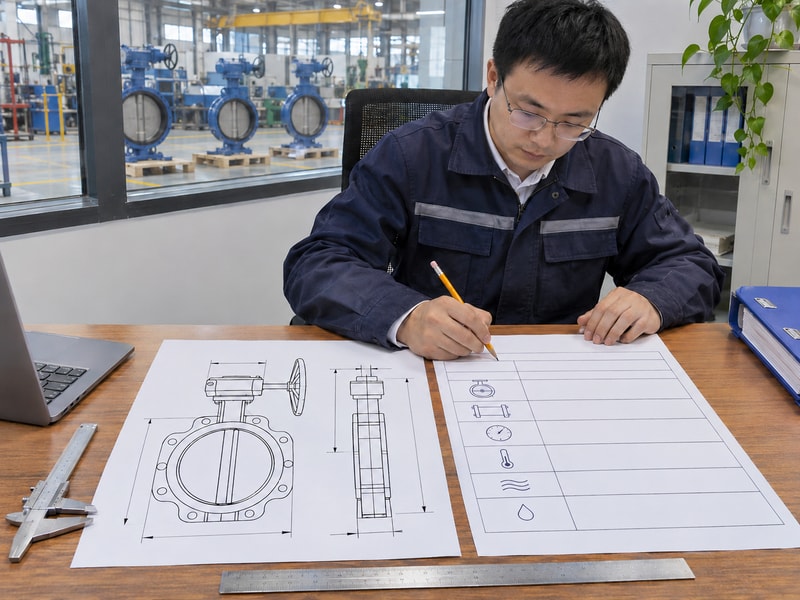
Freeze the duty before requesting a price
Specify body, disc, shaft, seat and auxiliary seals by the approved bill of materials, or ask engineering to resolve missing selections. A PTFE seat does not describe a fully PTFE-lined flow path, and gear operation does not qualify a valve for hotter or higher-pressure service.
- Give pressure and temperature that must apply together.
- State shutoff direction, leakage criterion and required product approvals.
- Include flange drilling, face-to-face dimension and handwheel access.
| RFQ field | Required detail | Unresolved risk |
|---|---|---|
| Service | Composition and simultaneous pressure/temperature | Unsuitable materials |
| Isolation duty | Maximum differential pressure by direction | Inadequate shutoff |
| Interface | Approved drawing and mating dimensions | Installation mismatch |
Use RUITO’s flanged butterfly valve range to discuss connection options, then obtain model-specific confirmation; the page alone does not establish the requested service rating.
3. How do you keep the delivered SKU identical?
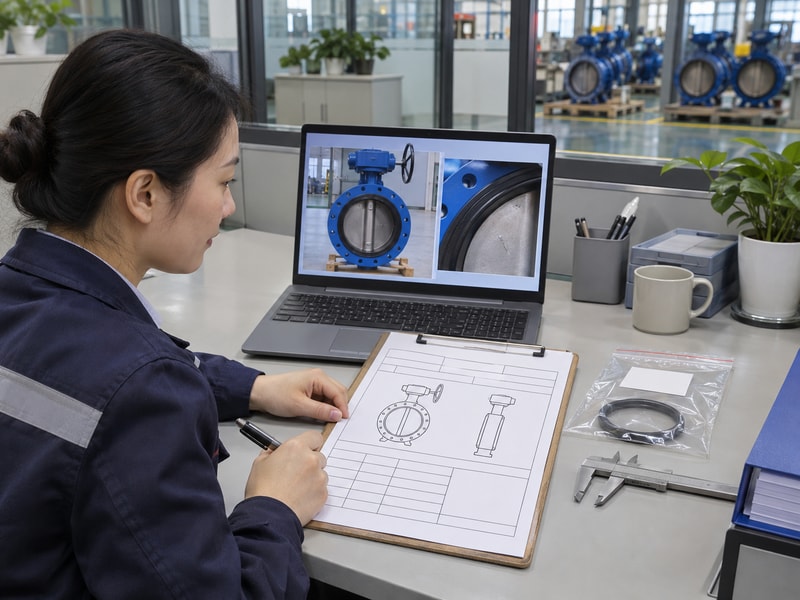
Require your gear operated high performance butterfly valve supplier to repeat the approved configuration on the order acknowledgement and delivery schedule. A size and pressure label leaves too much unspecified. Link the stock keeping unit, or SKU, to the drawing revision, materials, gearbox and accessories you accepted.
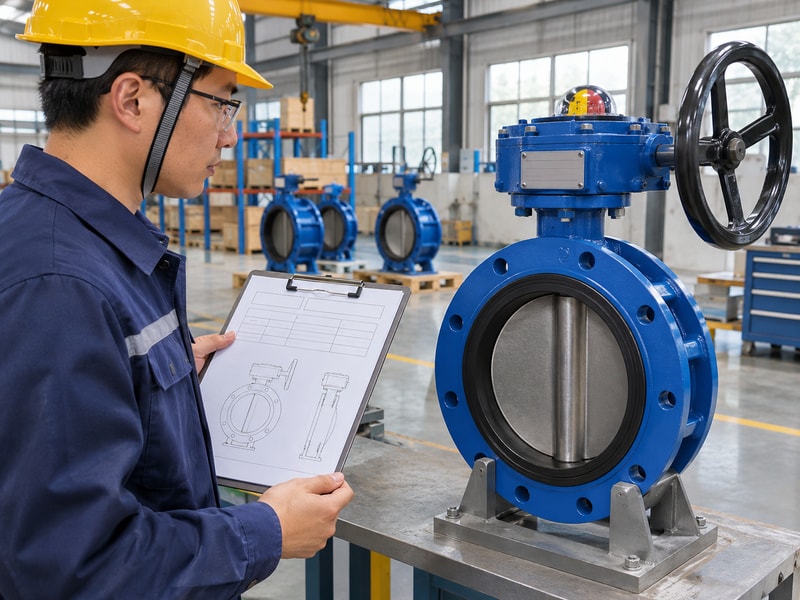
Match the valve, gearbox and documents
Ask for gearbox selection against the valve manufacturer’s starting, running and seating torque at maximum closing differential pressure. The check should cover rated output, allowable shaft torque, efficiency and handwheel input force; ISO 5211 mounting compatibility alone does not establish torque suitability. Ask for the approved input-force basis rather than judging capacity from wheel diameter or gear ratio.
- Record gearbox identification, orientation and position indicator arrangement.
- Lock seat material and auxiliary seals to the accepted revision.
- Require written approval before a proposed substitute enters the shipment.
| Identifier | Match against | Release condition |
|---|---|---|
| Valve SKU | Accepted material and interface schedule | Same configuration |
| Gearbox unit | Approved selection and assembly drawing | Same rated package |
| Document revision | Order acknowledgement | No unexplained changes |
For a wafer butterfly valve replacement, include mating-flange bore and disc clearance in that record; nominal size alone cannot confirm installation fit.
4. How can you compare quotations fairly?
Compare each gear operated high performance butterfly valve supplier on the same accepted technical scope and delivery basis. Put deviations beside the price rather than hiding them in correspondence. A cheaper offer may omit inspection, export packing, a gearbox accessory or documents that another offer includes.
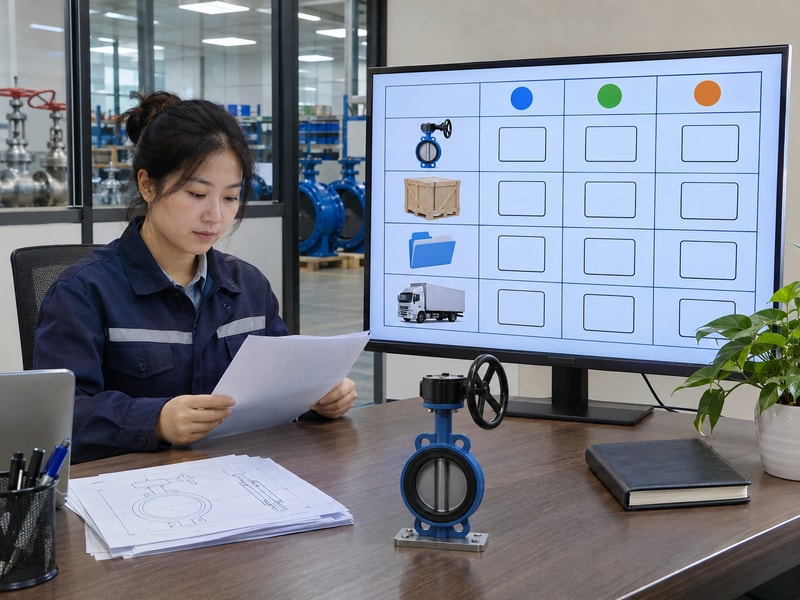
Build a quotation comparison with open items
Use one currency and quantity basis, and show freight assumptions separately. Ask suppliers to price required witnessing, special marking and spare parts before award; unresolved technical exceptions should remain visible to engineering instead of receiving a price allowance that implies acceptance. Record which offer revision closes each exception so an earlier price does not remain attached to a later scope.
- Compare unit price, minimum order quantity and quotation validity.
- List packing, inspection, freight and document charges separately.
- Agree payment milestones and the documents required for each release.
| Cost or condition | Comparison basis | Question to close |
|---|---|---|
| Valve assembly | Identical accepted scope | Are all accessories included? |
| Inspection | Same agreed programme | Who pays witness costs? |
| Transport | Same named destination and term | Which charges remain? |
Refer technical reviewers to the relevant valve guides for background, while keeping purchase acceptance tied to the specific offer and approved documents.
5. Is a gear operated high performance butterfly valve supplier late?
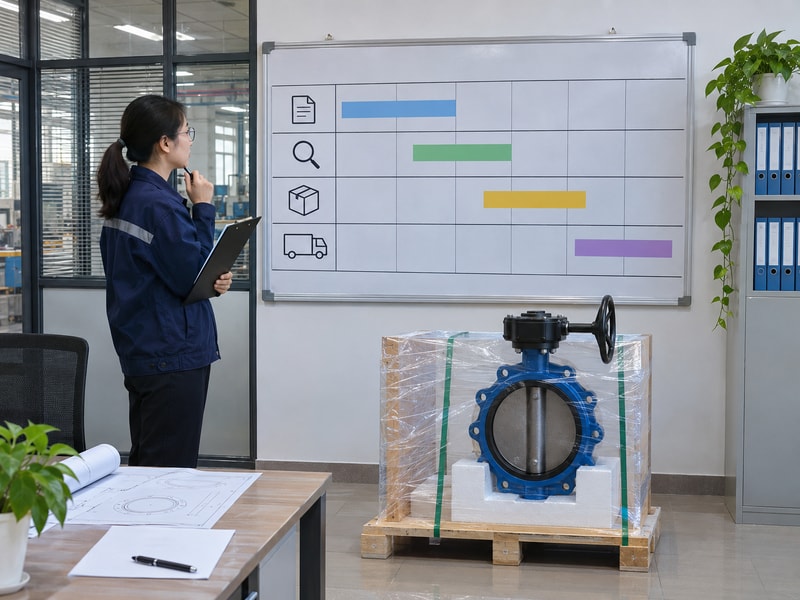
Your gear operated high performance butterfly valve supplier is late when an agreed milestone passes without the required deliverable. Define the start condition and finish point before comparing lead times. Factory release, vessel departure and arrival at your warehouse describe different events, each with its own dependencies.
Put dates against release conditions
Ask whether the quoted duration starts after deposit, drawing approval, material confirmation or all specified prerequisites. Separate calendar days from working days and identify buyer witness dates; an unapproved drawing or missed inspection appointment can change the release sequence. Assign an owner to each prerequisite, including buyer decisions that could stop the schedule.
- Obtain available quantity by exact SKU and batch, with reservation terms.
- Track document approval, inspection, packing and collection dates separately.
- Request a recovery plan when a milestone moves, including affected items.
| Milestone | Evidence | Boundary |
|---|---|---|
| Stock allocated | Dated SKU and quantity confirmation | Availability for this order |
| Ready for release | Inspection and document status | Factory completion |
| Delivered | Transport and receiving records | Agreed destination reached |
For RUITO enquiries, reconfirm the current schedule for the exact assembly; a listed product range establishes neither allocated stock nor a guaranteed arrival date.
6. What should packing and freight quotations include?
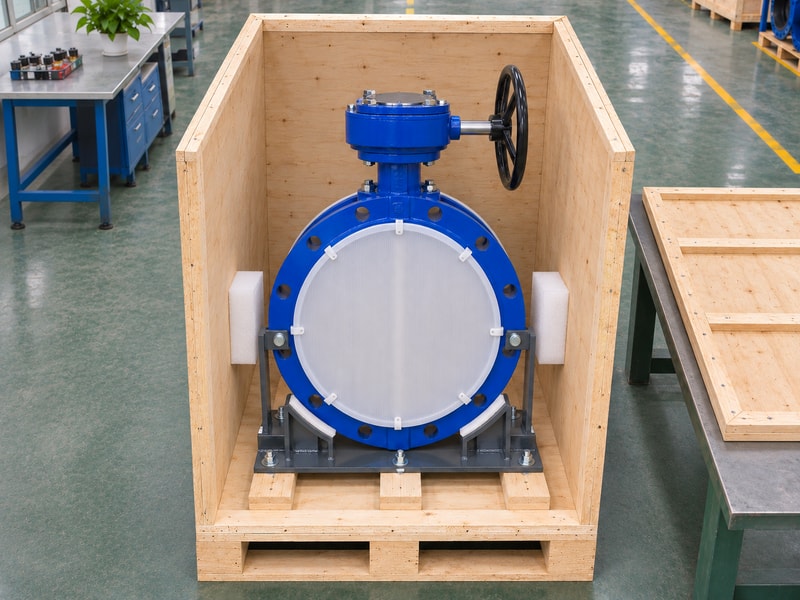
Ask your gear operated high performance butterfly valve supplier to quote protection, package dimensions, gross weight and the agreed transport scope. Include storage conditions and any handling restrictions from the installation and maintenance instructions. Gearboxes, indicators and exposed flange faces need protection against contact and movement inside the package.
Connect every crate to its contents
Require a packing list that maps order line, valve identification and accessories to each case number. For large valves, obtain the approved support and lifting information before arranging collection; lifting points and transport restraints belong to the actual assembly and should not be inferred from a similar valve. Confirm whether long storage requires additional preservation and who removes it before installation.
- Separate loose spare kits and label their intended valve identifiers.
- Request packing photographs before closure and after final marking.
- Confirm booking, collection and destination handling responsibilities in writing.
| Packing item | Evidence | Receiving use |
|---|---|---|
| Supports and protection | Packing plan and photographs | Check transport movement |
| Case dimensions and weight | Final packing list | Arrange handling equipment |
| Item-to-case mapping | Valve and accessory identifiers | Locate missing components |
Ask the forwarder to confirm its quotation against final packed dimensions; an estimate based on valve dimensions can miss gearbox clearance and crate volume.
7. What should you inspect when valves arrive?
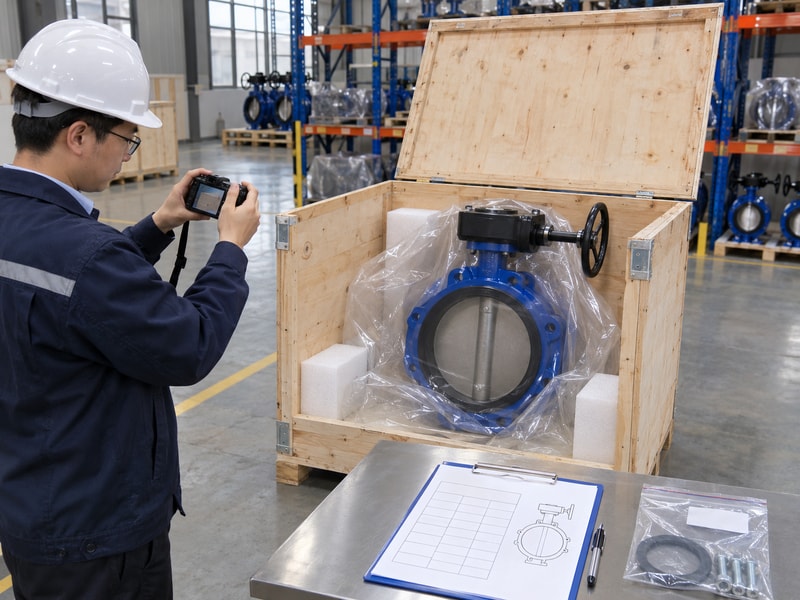
Check shipment condition, identity, quantity and accessible interfaces before accepting installation release from your gear operated high performance butterfly valve supplier. Record damage while packages and restraints remain visible. Separate receipt of goods from technical acceptance so an unopened crate does not become evidence that the contents match the order.
Use a receiving hold for unresolved mismatches
Compare valve plates and gearbox identifiers with the accepted schedule, then review the supplied inspection records. A shell test pressure is an inspection condition, not the working-pressure rating; the agreed test direction, duration and leakage criterion must also match the contract. If destination testing is required, agree the procedure and responsibility before collection.
- Count accessories, spare kits and document packages by case.
- Check visible flange faces, coating and gearbox impact damage.
- Perform permitted handling or functional checks only under the exact IOM.
| Receiving check | Evidence to retain | Disposition |
|---|---|---|
| Wrong identifier | Plate photograph and order line | Hold affected item |
| Visible damage | Crate and component photographs | Notify responsible parties |
| Missing record | Document index and missing reference | Resolve acceptance gap |
Keep packaging until damage questions close, and avoid changing stops or dismantling an assembly before the supplier reviews the recorded condition.
8. How do you order spare parts that fit later?
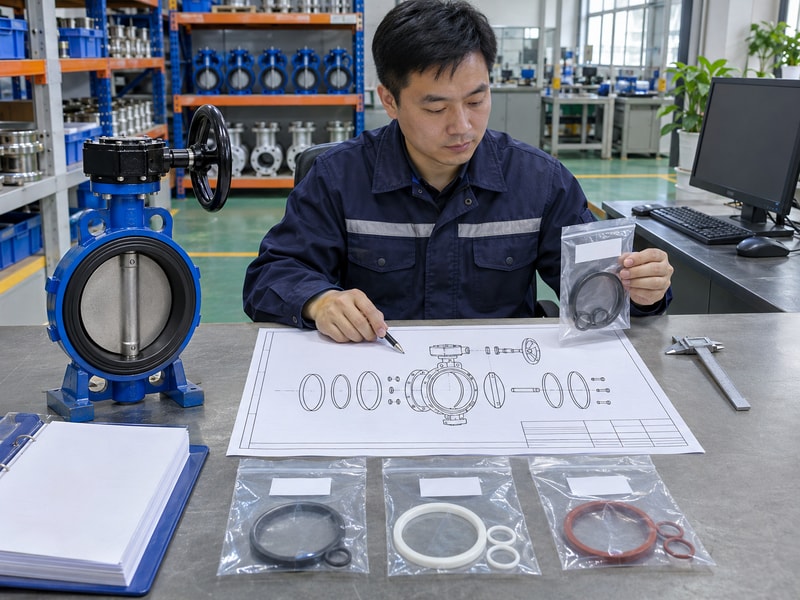
Order spares from your gear operated high performance butterfly valve supplier using the valve identification, approved configuration and parts list for its installed revision. A seat kit selected by nominal size can have the wrong profile or material. Keep the original supply record available even when procurement moves to another buyer or warehouse.
Define the maintenance kit at purchase
Request part descriptions, material specifications, quantities and any required replacement procedure with the initial order. Ask whether field replacement is permitted for the exact design and what inspection follows; a gearbox exchange may also require controlled assembly and position checks under its IOM. Keep kits linked to their installed valves when several revisions share a storeroom.
- Identify commissioning spares separately from long-term maintenance stock.
- Confirm kit storage conditions, shelf-life basis and replacement availability.
- Require notification of obsolete parts and proposed replacement revisions.
| Spare item | Ordering reference | Confirmation required |
|---|---|---|
| Seat or seal kit | Valve ID and approved parts list | Profile and material match |
| Gearbox | Assembly and gearbox identification | Interface and torque suitability |
| Loose accessories | Original order line | Complete matching set |
Set stock quantities from criticality and replenishment time; a universal spare percentage would ignore the consequences of losing a particular isolation point.
9. How should you resolve shortages and valve faults?
Send your gear operated high performance butterfly valve supplier a traceable report that identifies the affected item, observed problem and required response date. Separate an immediately visible shortage from a suspected operating fault. Record symptoms and conditions before assigning a cause, so supplier review starts with evidence both parties can examine.
Agree containment, review and commercial closure
For an installed valve, qualified site personnel must isolate, depressurise and decontaminate it before removal or intrusive inspection. Agree who authorises return, covers transport and evaluates the item; warranty coverage and response deadlines should follow the signed order, including any service exclusions. Retain removed parts and associated labels until both parties agree what evidence the investigation needs.
- Send valve ID, case number, photographs and the affected quantity.
- Add actual medium, temperature, pressure and installation or operating records.
- Ask for interim action, investigation ownership and a dated final disposition.
| Issue | Initial evidence | Requested disposition |
|---|---|---|
| Short delivery | Packing list and received count | Confirm missing-item shipment |
| Suspected fault | ID, symptoms and service records | Agree containment and investigation |
| Repeated mismatch | Affected batches and prior reports | Review linked stock and correction |
For a new quotation or replacement enquiry, contact us with the approved duty sheet, interface drawing and required delivery point, plus product identification for any existing assembly.
10. What should your supplier FAQ clarify?
Your gear operated high performance butterfly valve supplier should clarify substitutions, partial deliveries, approval evidence, service limits and urgent replacement options before order release.
Q1: Can I accept another gearbox with the same mounting pattern?
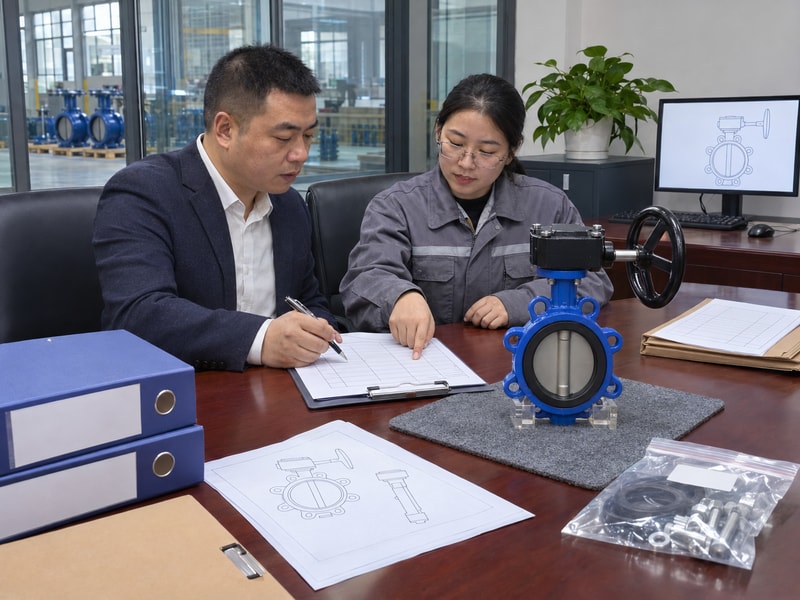
Only after the substitution is approved. Confirm output rating, valve torque requirements, allowable shaft torque, orientation and input force. Matching bolt holes do not complete the assembly check.
Q2: What’s the best way to manage partial shipments?
Agree the split before dispatch. List quantities, identifiers, documents and freight responsibility for each shipment, then confirm that the early batch includes everything needed for its intended installation.
Q3: How do I know if a certificate covers my order?
Match its scope to the requirement. Check the holder, product or material, size range, validity and destination acceptance as applicable. A supplier’s management-system certificate does not replace the required product approval.
Q4: Can I use the same quoted valve for hotter service?
Only after engineering confirms the changed duty. Obtain a simultaneous pressure-temperature rating for the same materials, seals and assembly, plus any additional validation required by the project. Gear reduction does not extend that rating.
Q5: Can a supplier guarantee an urgent replacement from stock?
Only a confirmed allocation and delivery agreement establish that commitment. Verify the exact SKU, revision, available quantity, reinspection needs and transport route. Keep an alternative plan until the required release conditions are satisfied.