
You fix a 3 viton seat for butterfly valve selection mistake by matching the original seat drawing, approved compound and repaired assembly requirements before ordering. A three inch label alone cannot establish interchangeability. During a shutdown, a replacement may slide into the body yet leave the disc too tight, the stem holes distorted or the flange faces uneven.
Build your replacement decision around recorded dimensions and the valve’s maintenance instructions. This gives purchasing a defined spare to request and gives maintenance a clear reason to stop when a proposed seat cannot be verified.
1. What does a 3 inch replacement seat need to match?
A replacement must match the valve series, seat retention, sealing profile, stem arrangement and approved material specification. NPS 3 describes a nominal connection size; it does not define the molded liner’s outside diameter or lip shape. Two valves with the same nominal size can use different discs, body recesses and seat compression.
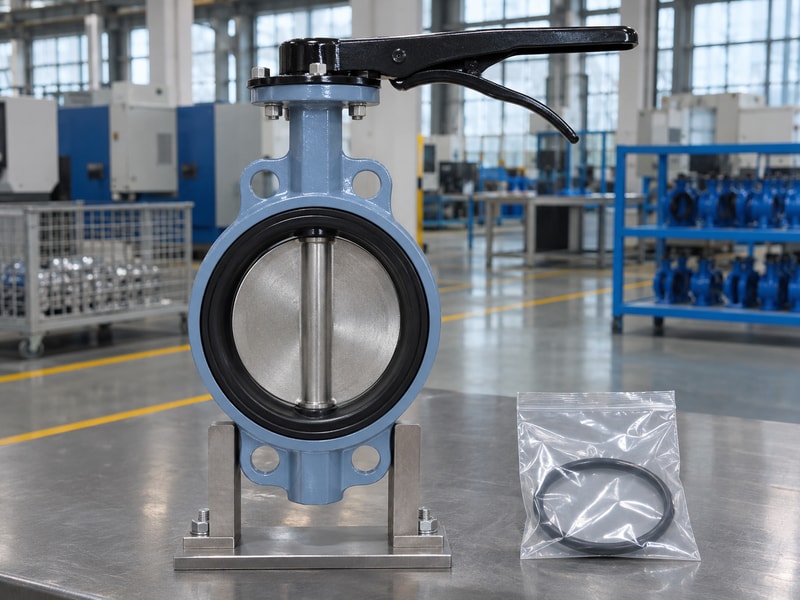
How do you specify a 3 viton seat for butterfly valve?
Treat the seat as one part of an assembled sealing system. A loose liner, a cartridge with backing and a bonded liner require different maintenance routes. RUITO’s wafer butterfly valve page describes the body, disc, seat and stem interface; use a model-specific drawing when requesting a spare for an existing unit.
- Identify whether the original seat is removable under its maintenance procedure.
- Confirm whether backing rings, shaft seals or bearings belong in the repair kit.
- Record any previous repair that changed the original assembly.
What evidence closes the fit decision?
| Item | Evidence to request | Release condition |
|---|---|---|
| Valve identity | Nameplate and assembly revision | Same approved configuration |
| Seat geometry | Controlled section drawing | All functional features matched |
| Repair scope | Parts list and maintenance method | Required kit components included |
Keep unresolved features on the enquiry rather than letting a supplier infer them from a photograph.
2. How do you identify the original valve series?
Identify the series through the nameplate, serial number, purchase records and original maintenance documents. A casting mark may identify a body family without establishing its seat compound or production revision. Preserve the complete nameplate before cleaning, repainting or removing the valve from service.
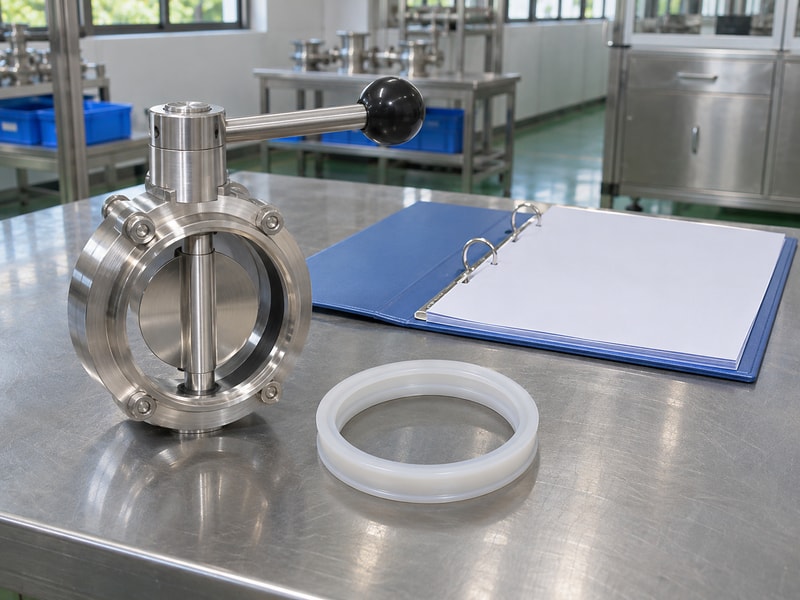
Which records should maintenance collect?
Create one identification sheet for the installed valve and attach photographs showing both faces, the operator mounting and stem retention. Include the process tag so engineering can retrieve operating conditions. If records disagree, ask the original supplier to reconcile the serial number with the supplied parts list before anyone orders the liner.
- Copy the manufacturer, series, nominal size and serial number exactly.
- Retrieve purchase order, approved drawing and previous spare descriptions.
- Note the disc material, connection style and any visible repair markings.
How do you handle missing identification?
| Available evidence | Practical next step |
|---|---|
| Serial number and drawing | Request the revision-specific spare |
| Nameplate without parts list | Obtain supplier identification in writing |
| Unmarked or modified valve | Arrange engineering measurement and review |
For a lug butterfly valve, document the lug and flange arrangement too. Connection identification helps recover the assembly record, although it does not prove that a seat from another lug valve will fit.
3. Which seat dimensions control the fit?
The controlling dimensions include the outer retention profile, installed width, sealing bore, flange face features and stem hole positions. Each dimension needs a drawing datum and tolerance. Measuring a removed liner without accounting for deformation can turn service damage into a false manufacturing requirement.
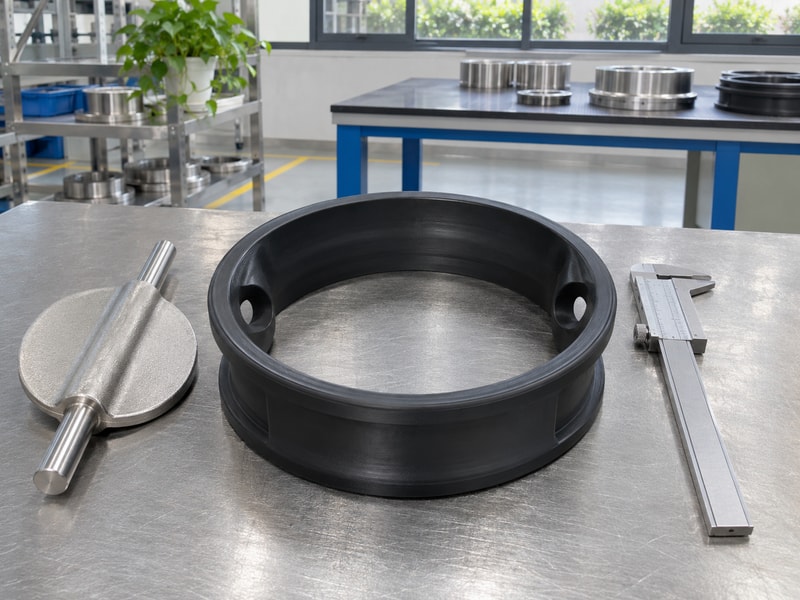
How do you measure a flexible seat?
Agree the measurement method with the seat manufacturer because caliper force can compress rubber. Record whether measurements come from a free seat, a supported fixture or an installed assembly. Compare a used sample with the drawing and, where available, an unused retained sample; identify swelling, permanent flattening and torn areas separately.
- Measure functional dimensions at documented locations using suitable low-force methods.
- Record units, instrument identity and measurement condition with each result.
- Photograph the profile and mark the exact measurement points.
Which dimensions need special attention?
| Feature | Why a mismatch matters |
|---|---|
| Retention bead or groove | Seat may move or fail to locate |
| Face thickness | Flange compression and disc clearance change |
| Sealing bore and profile | Contact pressure and operating torque change |
A dimensional report for a 3 viton seat for butterfly valve enquiry should show actual readings beside approved limits. A supplier’s statement that the seat is “three inch” leaves these fit questions unanswered.
4. How do stem holes and sealing lips differ?
Stem holes and sealing lips differ in diameter, shape, reinforcement and orientation between valve designs. Some seats have unequal upper and lower holes; others use separate shaft seals or molded sealing features. Reversing an asymmetric liner can damage it during assembly even when the outside profile appears correct.
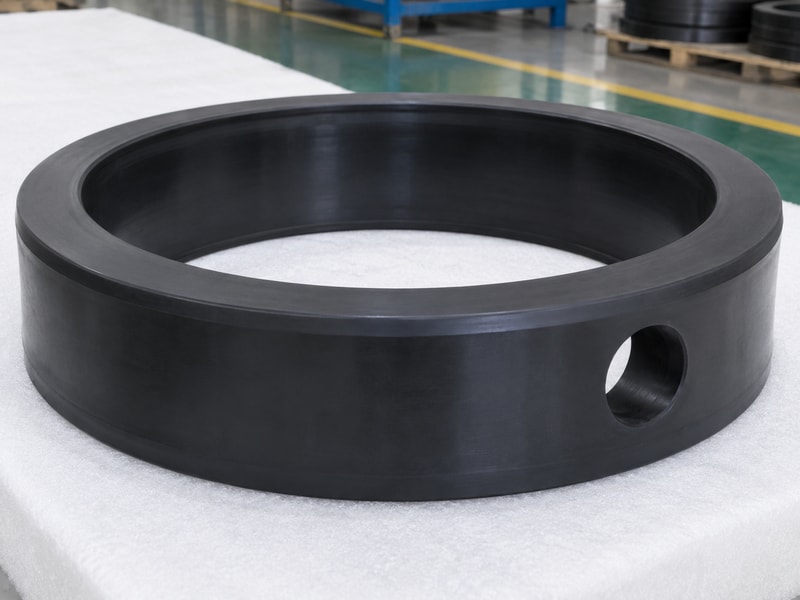
What should the section drawing show?
Ask for sections through both stem axes and the flange sealing face. These sections should identify which surfaces locate the seat and which surfaces seal around the shaft. Avoid trimming a hole or shaving a lip to force a fit, because that changes a functional feature without demonstrating the resulting seal or retention.
- Compare upper and lower hole geometry independently.
- Verify shaft diameter, bearing location and any separate seal interfaces.
- Check lip direction and alignment marks against assembly instructions.
How do you assess a close-looking alternative?
| Observation | Required response |
|---|---|
| Different hole diameter | Obtain a drawing-based compatibility decision |
| Lip reversed or missing | Hold the part for engineering disposition |
| Extra rubber around shaft | Check molding limits; do not field-cut |
Bray’s resilient seated valve maintenance manual separates repair instructions by series. That organization supports using the exact assembly procedure rather than transferring another valve’s repair sequence.
5. When is FKM suitable for the actual fluid?
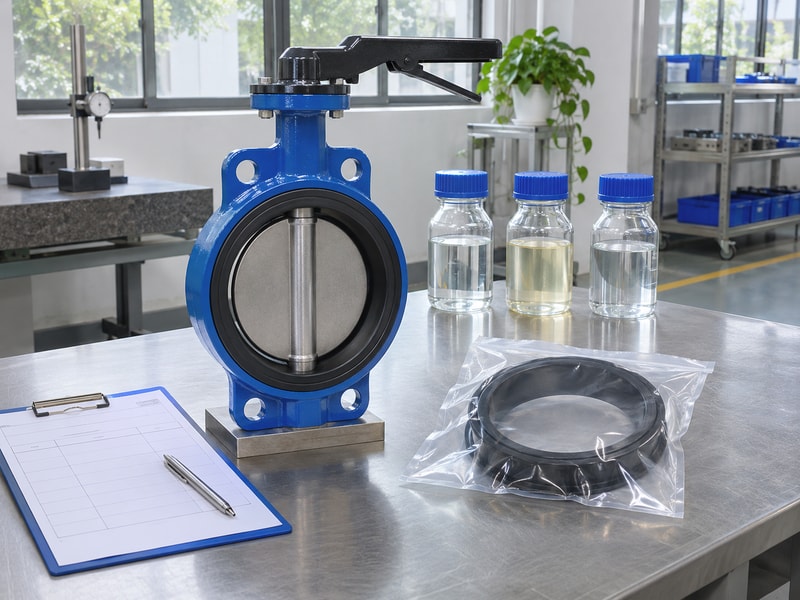
FKM is suitable only when the selected compound has acceptable performance in your complete fluid mixture at the required exposure conditions. Viton is a fluoroelastomer brand, while FKM identifies a material family. The enquiry must distinguish a confirmed branded compound from a generic FKM description.
Which service conditions belong in the review?
Provide normal fluid composition, concentration, contaminants and cleaning chemicals with their temperatures and exposure times. Intermittent flushing can introduce a chemical that the normal process description omits. The official Viton product selection guide distinguishes polymer families by fluid resistance; a family name cannot establish suitability for every mixture.
- List normal operation, startup, cleaning and shutdown exposure separately.
- Request the actual compound code, hardness specification and supporting data.
- Review disc, stem and secondary seals alongside the replacement liner.
What should the approval state?
| Review input | Written decision needed |
|---|---|
| Complete chemical mixture | Compound compatibility and limitations |
| Temperature and exposure | Approved operating envelope |
| Existing valve design | Suitability of the assembled repair |
For duties needing a continuous fluoropolymer barrier, discuss the separate PTFE lined butterfly valve design. A molded FKM liner and a PTFE-lined assembly should retain separate specifications and validation records.
6. How should you inspect a replacement seat?
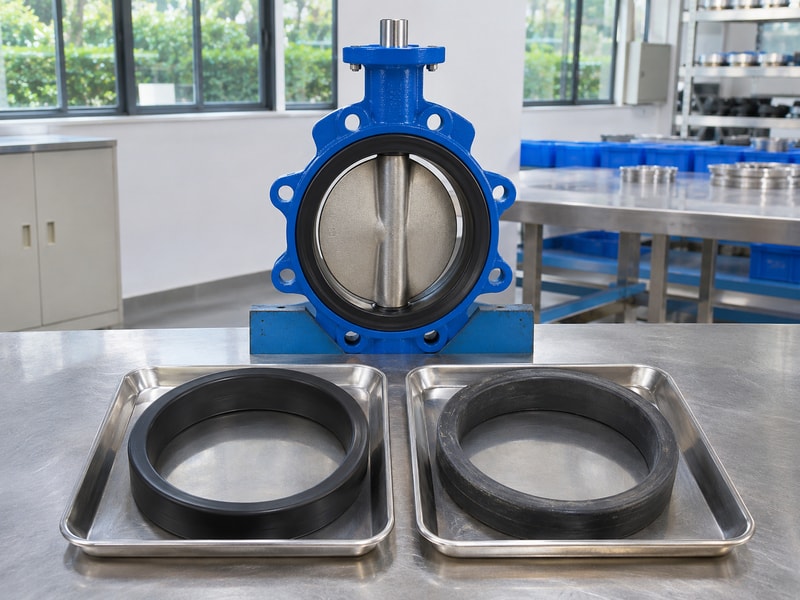
Inspect identity, dimensions, molded surfaces and packaging before accepting the replacement into usable stock. Match the label and compound batch to the purchase specification. Appearance can reveal damage, but color cannot establish FKM identity, branded polymer content or cure condition.
Which defects deserve a hold?
Examine the disc contact band, stem openings and flange sealing surfaces under suitable lighting. Look for cuts, tears, voids, embedded debris and flash outside approved limits. Record the location rather than writing only “visual rejected,” so the supplier can compare the defect with mold features and batch records.
- Check quantities and prevent seats from different batches becoming mixed.
- Compare dimensions using the agreed method and drawing revision.
- Review storage instructions, manufacture date and any stated shelf-life conditions.
How do you record acceptance?
| Inspection result | Stock disposition |
|---|---|
| Identity and checks accepted | Release under the assigned stock code |
| Label or certificate mismatch | Quarantine pending traceability review |
| Functional surface damaged | Reject or obtain approved disposition |
Keep an inspection photograph with its part and lot reference. A useful receiving record lets maintenance distinguish damage found at delivery from damage introduced during later handling, assembly or service.
7. How do you replace a seat without damaging it?
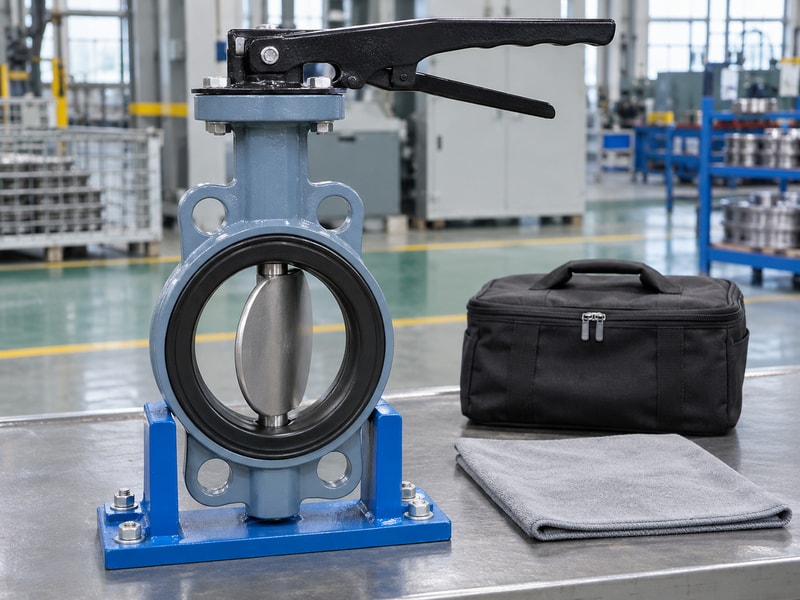
Replace the seat using the original valve’s approved maintenance procedure after isolation, depressurization, draining and decontamination. Secure the valve and control stored actuator energy before dismantling. The removal sequence and allowable assembly aids depend on the actual design and service requirements.
Which workshop actions protect the liner?
Inspect the body recess, disc edge, shaft and bearings before inserting a new seat. A burr, worn bearing or scored disc can damage a correct replacement. Use only an approved assembly lubricant compatible with the compound and process; do not copy a lubricant recommendation from an unrelated valve manual.
- Protect the disc contact edge from tools and bench impact.
- Align stem openings before inserting shafts or fastening retainers.
- Follow the specified fastener sequence and check movement without forcing travel.
When should the repair stop?
| Workshop finding | Action before continuing |
|---|---|
| Shaft cannot align freely | Recheck seat orientation and component fit |
| Disc catches or torque rises abruptly | Inspect interference and assembly position |
| Body recess or disc is damaged | Obtain a repair or replacement decision |
Do not solve unexpected friction with a larger actuator. Record the condition while the valve remains accessible, then correct the mechanical cause before pressure testing.
8. What tests confirm the repaired valve?
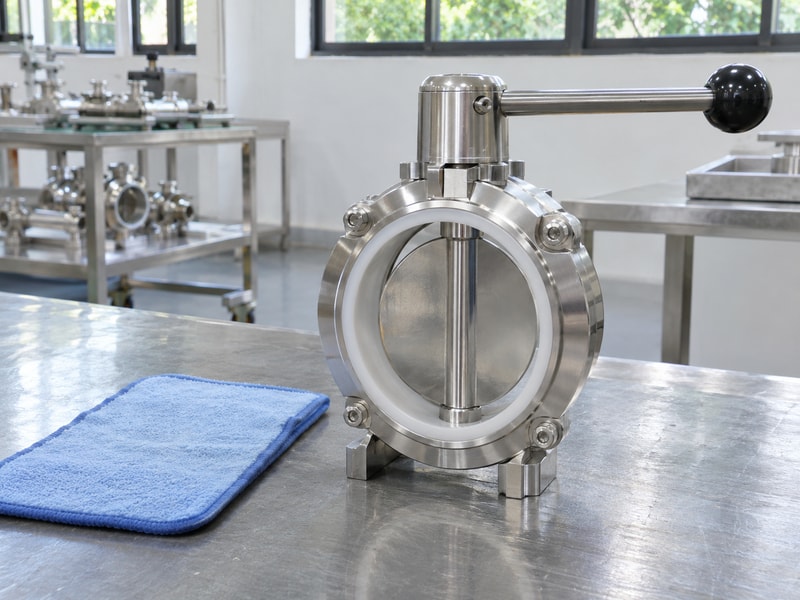
An approved repair inspection and test plan confirms assembly function, external sealing and shutoff against specified acceptance criteria. Test pressure, duration, medium and direction must suit the exact valve and its seat differential-pressure limits. A workshop pressure test does not establish a new service rating.
What should the repair record include?
Record the valve identity, installed seat batch, repair date and procedure revision before testing. Capture opening and closing behavior using the specified operator or test arrangement. If the service requires gas tightness, chemical exposure or temperature cycling evidence, define that scope separately rather than extending a cold water result.
- Verify full travel, stop positions and stem retention.
- Record shell or external leakage and seat leakage under the approved procedure.
- Compare measured torque with accepted limits and available actuator output.
What constitutes a usable test report?
| Test field | Required detail |
|---|---|
| Conditions | Medium, pressure, temperature, direction and hold |
| Measurement | Instrument identity and observed leakage or torque |
| Decision | Acceptance criterion, result and responsible sign-off |
Retain failed results and corrective work with the final report. This prevents an accepted retest from hiding a recurring fit problem and gives the next repair team an accurate starting point.
9. What should a spare seat order contain?
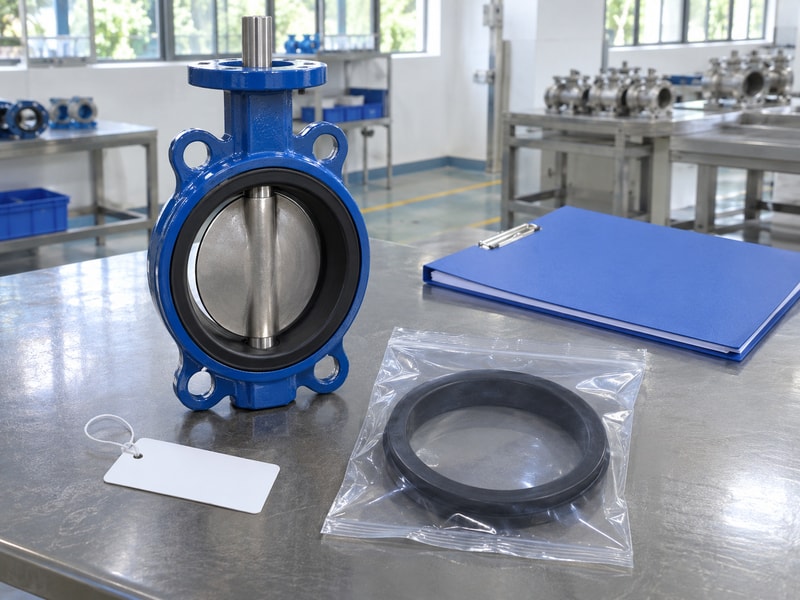
A spare order should identify the valve, seat drawing, compound, repair kit contents and acceptance documents. Use one approved description across the quotation, purchase order and receiving record. For a 3 viton seat for butterfly valve request, attach the evidence needed to convert the search wording into a controlled spare specification.
How should you write the purchase description?
Include the original valve manufacturer and series without claiming an unverified cross-brand equivalent. State which dimensions require a report and whether the supplier must provide a sample before batch manufacture. A replacement seat enquiry can also establish that a complete valve replacement is more practical when original identity or serviceable geometry cannot be recovered.
- Attach approved seat and assembly drawings with revision status.
- Specify compound identification, batch traceability and packaging labels.
- List required repair instructions, inspection records and change notification.
Which decisions belong before order release?
| Order question | Required agreement |
|---|---|
| Will it fit this valve? | Written drawing and series match |
| Will it suit this duty? | Compound and assembly approval |
| Can maintenance accept it? | Inspection, kit and test requirements |
Ask RUITO to confirm whether an FKM replacement can be offered for your exact valve and duty. Send the valve records, seat measurements and fluid conditions when you contact us for a configuration review and a written response on feasibility.
10. What do maintenance buyers ask about seat replacement?
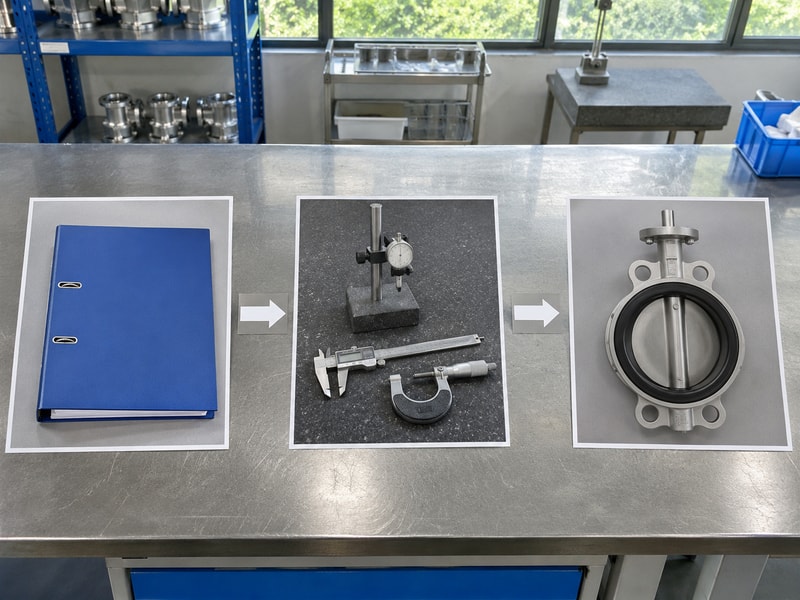
Maintenance buyers need clear limits on interchangeability, identification and repair acceptance. The following checks help you decide what evidence to request before scheduling the work.
Which replacement questions need a written answer?
Q1: Can I use any three inch FKM seat?
No. Nominal size and polymer family leave the retention profile, shaft openings and disc contact geometry undefined. Match the approved seat drawing and valve revision, then confirm compound suitability for your fluid.
Q2: How do I know if my valve has a removable seat?
Check its series-specific maintenance instructions. A removable liner and a bonded seat can look similar from the flange face. Obtain supplier confirmation before dismantling an assembly that may need factory repair.
Q3: Can I identify Viton from the seat color?
No. Request compound identification and traceability documents. Color varies with formulation and marking practices, so it cannot prove polymer type, branded material or chemical performance.
Q4: What’s the best sample to send for matching?
An unused, identified spare is preferable when available. Send the removed seat too if it helps explain failure, but label distortion and damage. Include the valve drawing because the used part may have swollen or taken a permanent set.
Q5: Can I reinstall the valve after a hand operation check?
Only after completing the approved repair acceptance plan. Hand operation can reveal binding but does not establish pressure retention or shutoff performance. Record the required leakage and functional tests before releasing the valve for installation.