
Choose an API 609 triple offset butterfly valve by specifying its construction, service limits, interfaces, and verification requirements on one data sheet. A quotation marked “API 609” can still leave the seal arrangement, face-to-face pattern, or required shutoff direction unclear. Settle those details before comparing prices or approving a drawing.
1. How do you specify an API 609 triple offset butterfly valve?
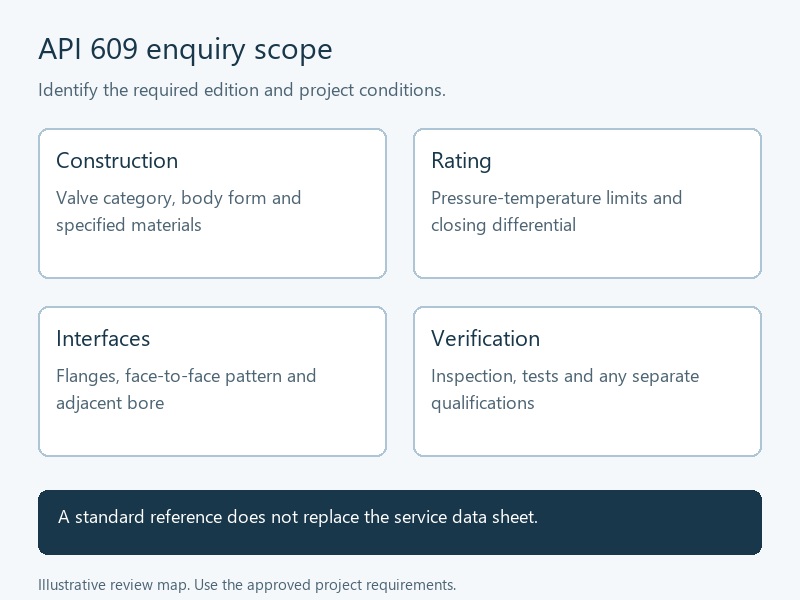
The enquiry should identify the valve and the actual duty that the supplier must satisfy. An API 609 triple offset butterfly valve needs more definition than a size and pressure-class label. Include the fluid, operating envelope, maximum closing differential, body form, materials, and operator requirements. State any project-specific inspection or documentation requirements alongside the standard reference.
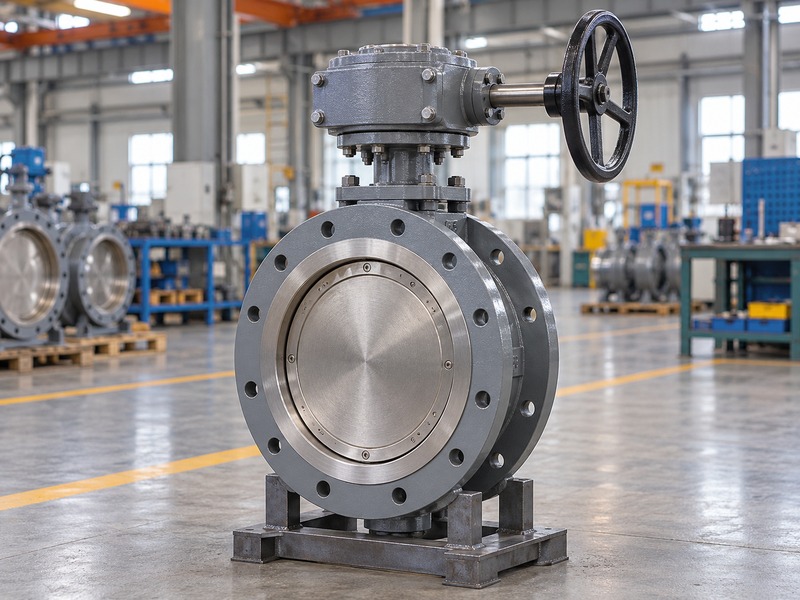
Make quotations comparable
Two suppliers can price different assemblies while repeating the same headline specification. One may include a particular leakage criterion or reverse-direction test while another assumes its normal catalogue scope. Ask each supplier to identify exceptions and assumptions explicitly.
Use a technical comparison sheet before commercial evaluation. Keep optional qualifications and document requirements visible so they do not appear later as unexpected additions. A lower quotation only becomes a useful comparison after the technical differences are understood. Resolve assumptions while the offer can still be revised.
- Define the normal duty and relevant upsets.
- Identify required options and separate qualifications.
- Request a written list of exceptions.
| Enquiry input | What it establishes |
|---|---|
| Fluid and operating envelope | Required service compatibility |
| Closing differential | Isolation and operator duty |
| Inspection scope | Evidence included in the quotation |
2. Which API 609 edition belongs on the purchase order?
Use the edition required by the contract and applicable project or certification arrangements. For an API 609 triple offset butterfly valve, a bare standard number leaves a preventable ambiguity. Record the edition, relevant addenda or errata, and any agreed deviations. Ask the supplier to confirm the same reference in its technical offer and inspection documents.

Distinguish publication from program transition
API's official tenth-edition notice states that the new edition was published in 2026 and becomes effective on December 1, 2026 for the stated Monogram transition. As of October 24, 2026, publication and that effective date are different milestones. The notice does not replace the contract's edition requirement.
If a project changes editions during procurement, review the effect on drawings, calculations, tests, and documents. Record the accepted basis instead of allowing each document to use whichever edition its author selected. Keep one agreed standards register for the order.
- Name the edition in the order.
- Confirm the supplier's response.
- Control any later change of basis.
| Document | Edition reference to check |
|---|---|
| Purchase order | Required contractual basis |
| Technical offer | Accepted basis and exceptions |
| Inspection plan | Matching verification requirements |
3. Does Category B alone prove triple-offset geometry?
No; confirm the actual offset construction separately from the valve category. An API 609 triple offset butterfly valve should have an identifiable design basis for its specified geometry. The category designation cannot substitute for the selected assembly drawing or construction description. Ask the supplier to state the offset type rather than inferring it from a catalogue family name.
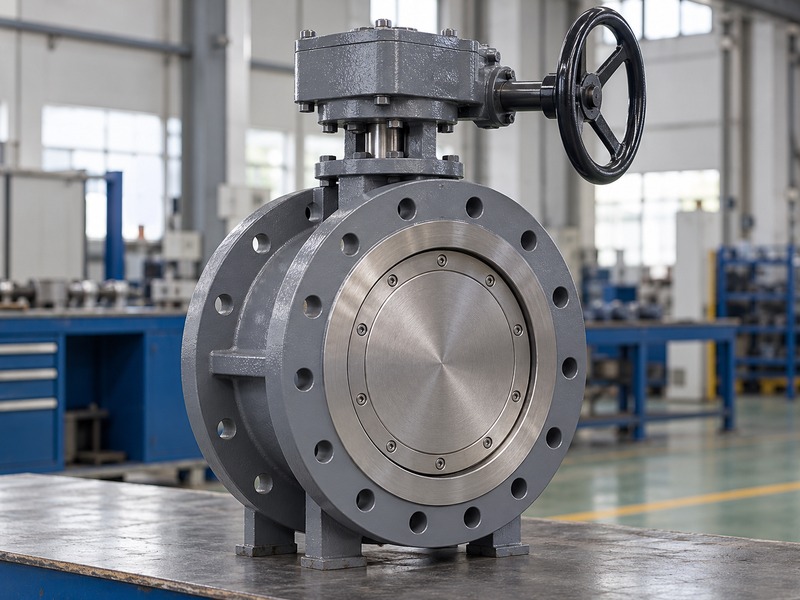
Review the supplied arrangement
Check the assembly description and appropriate sections for the selected valve. The review should identify the seat and seal-ring arrangement, shaft relationship, and operating method. Product photographs can help identify visible components but cannot establish internal geometry or manufacturing tolerances.
Keep body form separate from offset construction. A wafer, lug, or double-flanged connection describes an interface arrangement. It does not independently prove the number of offsets, the seal material, or the permitted service.
- Specify the required offset construction.
- Match the assembly with the offer.
- Identify any construction exceptions.
| Description | Separate question |
|---|---|
| Valve category | What requirements apply under the chosen edition? |
| Offset construction | What geometry is actually supplied? |
| Body form | How does the valve connect to the pipe? |
4. How should materials be specified for the service?
Specify materials by component and actual service conditions. An API 609 triple offset butterfly valve may combine different body, disc, shaft, seat, seal-ring, bearing, and packing materials. A body alloy alone cannot establish compatibility for the whole assembly. Include fluid composition, concentration, contaminants, and cleaning conditions where relevant.
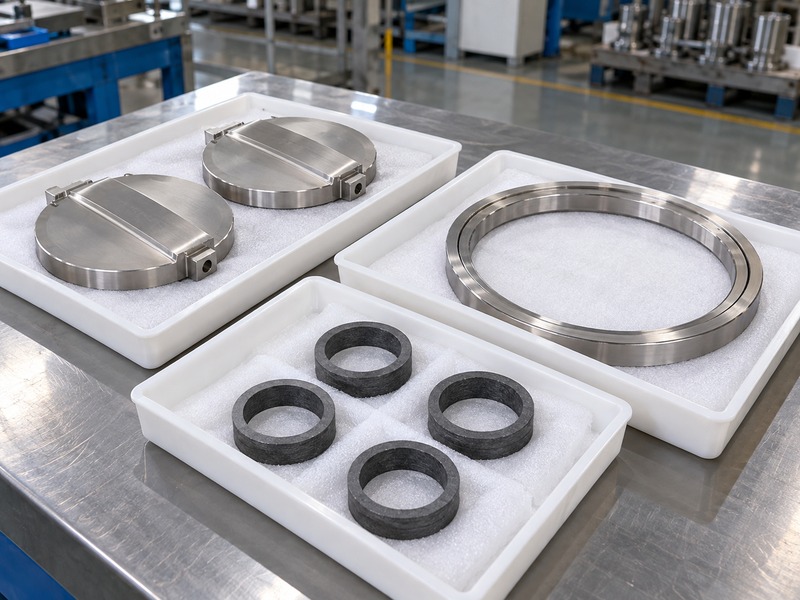
Review substitutions component by component
Ask for a clear material schedule and a controlled substitution process. Check the proposed contact pair and any surface treatment rather than accepting a broad phrase such as “stainless trim.” Where the project requires material certificates or supplementary examinations, identify their scope before manufacture.
The same discipline applies when considering PTFE-lined butterfly valve configurations for a chemically compatible alternative. A lining and a metal-seat arrangement have different construction and verification requirements; suitability follows the selected configuration and duty.
- Identify specified materials for each relevant component.
- Define the required traceability records.
- Require approval for substitutions.
| Material item | Procurement detail |
|---|---|
| Pressure-containing parts | Specified material and evidence |
| Seat and seal ring | Contact materials and construction |
| Packing and bearings | Duty limits and approved materials |
5. Why separate body rating from closing duty?
Pressure containment and required shutoff performance answer different questions. For an API 609 triple offset butterfly valve, review the applicable pressure-temperature limits and the required closing differential together. Confirm the permitted differential in each required direction for the selected configuration. A flange drilling pattern cannot establish those operating limits.
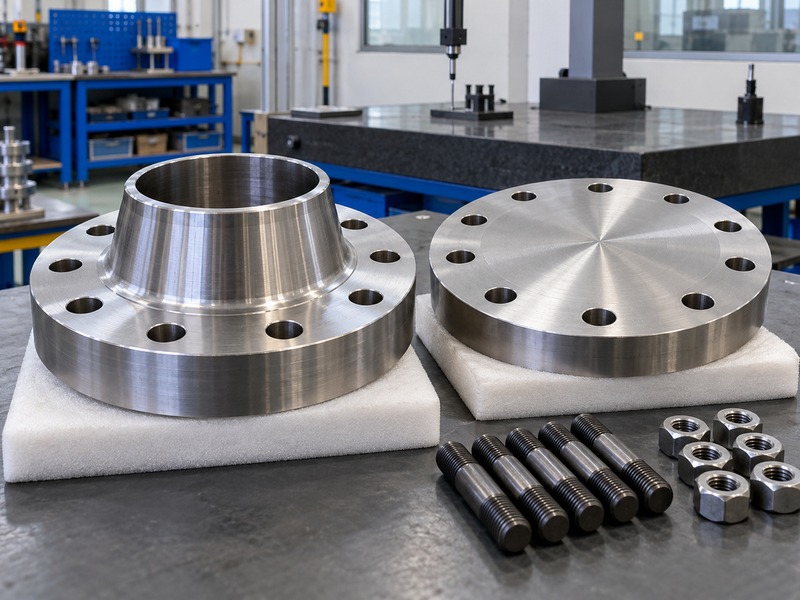
Define the governing cases
State normal operating conditions, relevant maximum conditions, and the differential that can exist during closure. A line may experience reverse pressure during a shutdown or pump transition even if normal flow always travels one way. Those cases belong in the data sheet and operator assessment.
Ask the supplier to identify the basis for its ratings and any limitations. Keep test pressures separate from permitted operating conditions. A production pressure test does not authorize operation at that test pressure or remove temperature-related limits. Use the lower applicable limit where configuration constraints differ.
- Record pressure and temperature as paired conditions.
- Identify maximum closing differential.
- State the required direction or directions.
| Parameter | What to confirm |
|---|---|
| Pressure-temperature limit | Selected materials and construction |
| Closing differential | Required isolation case |
| Direction | Applicable forward and reverse performance |
6. Which connection details need explicit agreement?
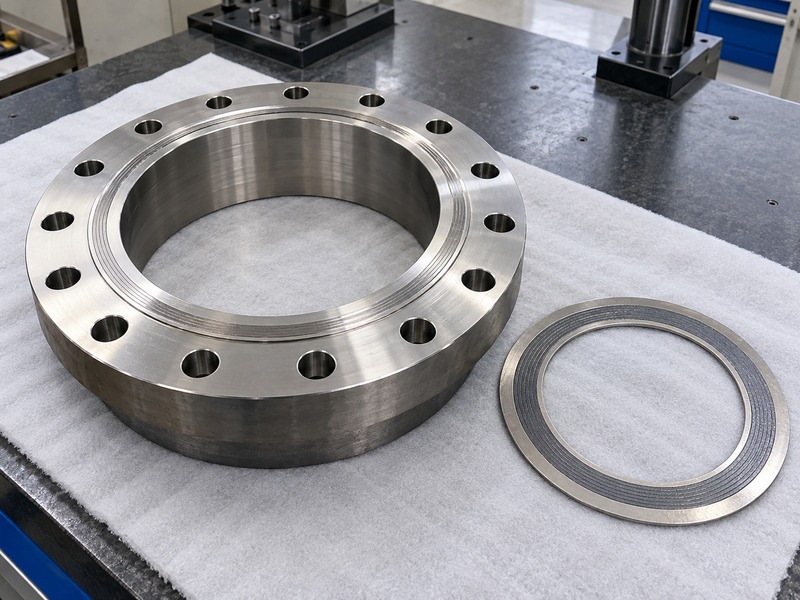
Agree on body form, face-to-face pattern, mating flange details, and disc clearance. An API 609 triple offset butterfly valve can fit the nominal line size yet clash with the adjacent bore or exceed the available installation gap. Use the approved drawing for the selected size and configuration. Do not transfer dimensions from another product range.
Compare the complete interface
Record the required flange standard, facing, drilling, gasket arrangement, and bolt access. Where a choice of face-to-face pattern exists under the agreed specification, name the required pattern. Include the operator and maintenance envelope in the drawing review.
RUITO's documented double-flanged butterfly valve arrangements provide connection information for their own configurations. Their dimensions or pressure limits should not be transferred to a proposed triple-offset valve without specific confirmation. Resolve dimensional differences before releasing the order.
- Compare the valve drawing with the actual pipe interface.
- Check the open disc envelope.
- Confirm space for operation and maintenance.
| Interface item | Evidence to compare |
|---|---|
| Face-to-face | Approved length and available gap |
| Flange connection | Actual facing, drilling, and bolting |
| Adjacent bore | Required moving-disc clearance |
7. How should pressure and leakage tests be defined?
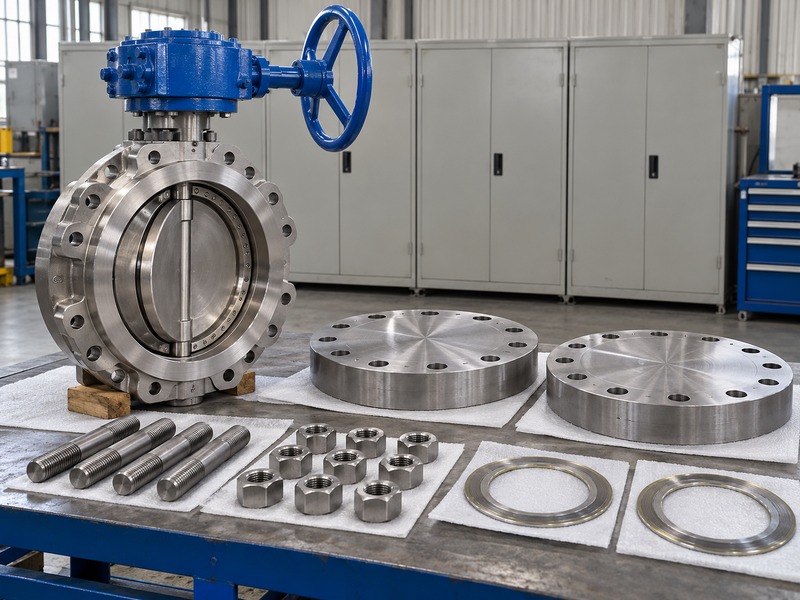
Define the procedure, conditions, and acceptance criteria for each required test. An API 609 triple offset butterfly valve needs a clear agreement on production inspection and any supplementary verification. Specify the test medium, pressure or differential, duration, direction, and leakage criterion where the contract requires them. Make the report identify the tested product and procedure revision.
Review the meaning of a pass
A shell test and a closure test serve different purposes. Keep their results distinct and compare each with its acceptance criterion. A general “hydrotested” statement does not show which examinations were performed or which leakage limit applied.
If the required valve is operated by an actuator, define whether testing covers the complete assembly and its final settings. Record repairs and retests without losing the original result. Witness requirements should be agreed early enough for the supplier to schedule them.
- Name each required test and its basis.
- Identify witness or hold points.
- Request complete results and retest history.
| Test record | Information to retain |
|---|---|
| Shell test | Procedure, conditions, and result |
| Closure test | Medium, differential, direction, and leakage |
| Assembly function | Operator arrangement and settings |
8. Which qualifications need separate evidence?
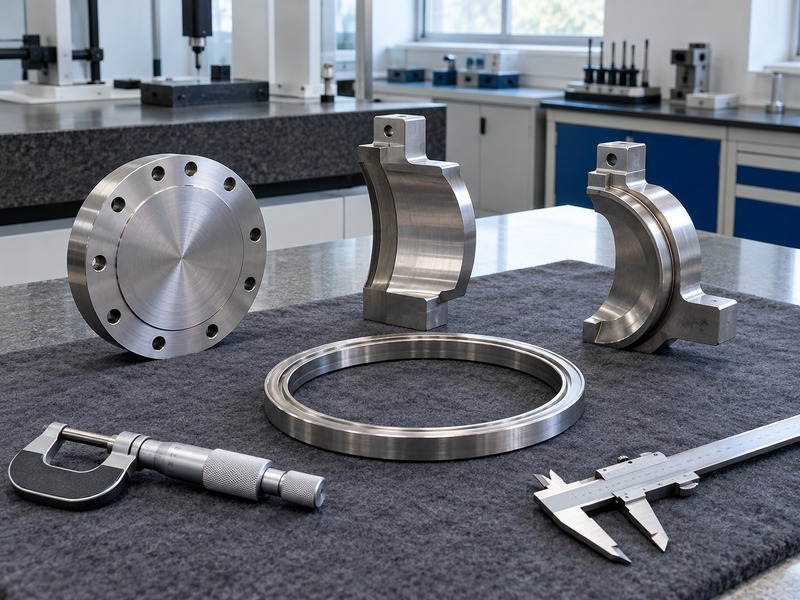
Fire testing, fugitive emissions, and safety-related functional requirements need their own applicable evidence when specified. An API 609 triple offset butterfly valve does not acquire every qualification through its design-standard reference. Identify the required test or assessment and check the coverage of the supplied configuration. Avoid treating a component certificate as proof for the complete assembly.
Check the scope before accepting the claim
Read the actual report or certificate scope. Relevant details can include construction, materials, size range, operator arrangement, and test conditions. Ask the supplier to explain any proposed extension of coverage and provide the required assessment.
Functional safety also involves the specified function and complete application. A certificate or capability statement for one device does not alone approve an entire shutdown loop. Keep project-specific functional requirements with the responsible engineering team.
- List qualifications required by the project.
- Match evidence with the supplied configuration.
- Close any coverage gaps before approval.
| Claimed qualification | Separate review |
|---|---|
| Fire-tested design | Applicable report and coverage |
| Fugitive emissions | Specified packing and test scope |
| Safety-related function | Required application and assembly assessment |
9. What belongs in the manufacturing record package?
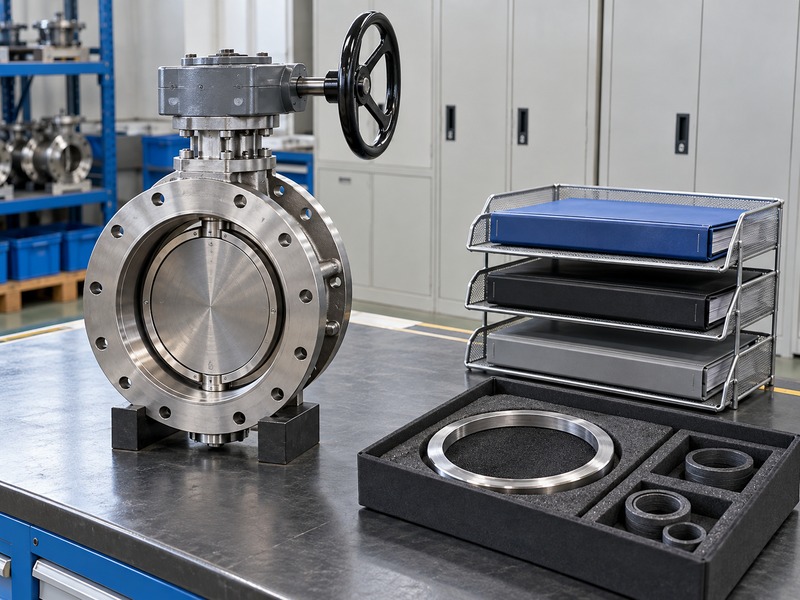
The package should connect the accepted order with the supplied valve and its verification records. For an API 609 triple offset butterfly valve, agree on the document register before manufacture. Identify required drawings, material records, inspection reports, operating instructions, and spare-part information. State which items need approval and which are submitted as records.
Keep identification consistent
Project tags, product identifiers, and drawing revisions should connect across the package. A set of individually plausible certificates can still fail to identify the supplied assembly. Sample the traceability chain rather than checking only that a folder contains the expected number of files.
Include approved deviations and the final disposition of nonconformances. Your receiving and maintenance teams also need the information necessary to identify the configuration after delivery. Clear records reduce the chance of ordering an incompatible spare later. Review the package alongside physical release.
- Agree on the document list and submission dates.
- Match identifiers across the records.
- Retain final approved revisions.
| Record group | Purpose |
|---|---|
| Technical documents | Accepted configuration and interfaces |
| Inspection records | Product-specific verification |
| Operating information | Correct identification and service instructions |
10. How do you compare and approve supplier offers?
Compare offers against the same data sheet, standards basis, and verification scope. An API 609 triple offset butterfly valve quotation should identify included construction, ratings, operator arrangement, documents, and exceptions. Close technical differences before ranking price and delivery. Record what the final order accepts rather than relying on earlier email assumptions.
Confirm the actual supply scope
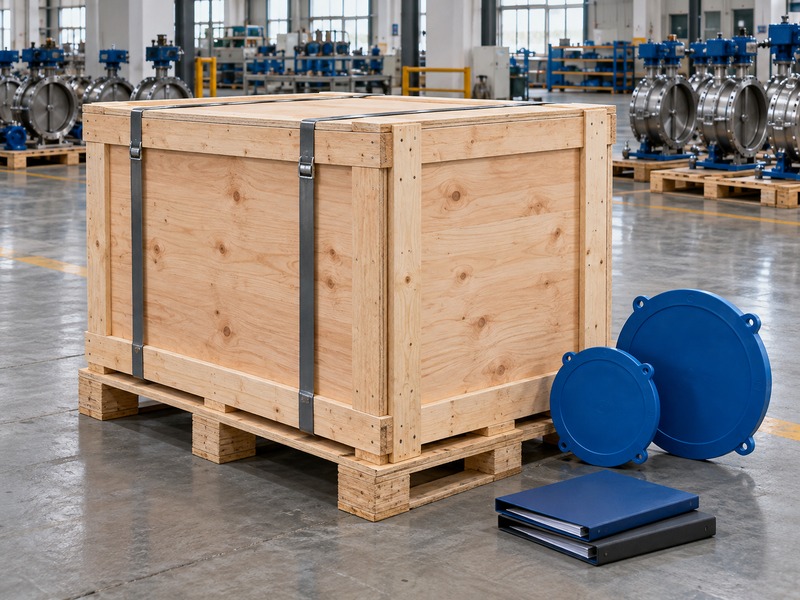
RUITO's manufacturing and inspection information can support a configuration-specific enquiry. Ask for written confirmation of the proposed construction, supply scope, and applicable evidence for your project.
- Resolve technical exceptions and document gaps.
- Confirm the accepted inspection and delivery plan.
- Freeze the final data sheet and drawing register.
| Offer comparison | Required agreement |
|---|---|
| Technical scope | Construction, materials, and duty |
| Evidence | Tests, qualifications, and records |
| Commercial scope | Included supply and delivery basis |
To review your API 609 triple offset butterfly valve requirements, contact us with the project data sheet and standards register.
Questions buyers ask about API 609 orders
Q1. Can I specify only “API 609” and the valve size?
No. Add the applicable edition, construction, service conditions, interfaces, operator, and verification requirements.
Q2. Does Category B automatically mean triple offset?
No. State and verify the required offset construction separately through the supplier's accepted description and drawings.
Q3. How do I know if a fire-test claim covers my order?
Review the applicable report or certificate scope against the supplied configuration. Request a documented assessment of any coverage extension.
Q4. Can I use the pressure-test value as operating pressure?
No. Operating limits follow the approved pressure-temperature and configuration ratings. A test value describes a verification condition.
Q5. What's the best way to prevent quotation gaps?
Use one data sheet and a written exception schedule. Compare technical scope and evidence before price.