
How to Avoid AWWA Cast Iron Butterfly Valve Mistakes
You specify AWWA cast iron butterfly valves by naming the applicable standard and edition, defining the valve configuration and operating duty, and agreeing the evidence required for approval. A quotation marked only “AWWA butterfly valve” leaves those decisions open. When reviewing AWWA cast iron butterfly valves, ask for a configuration-specific response to your project specification before comparing prices or approving a substitute.
1. Which Standard Applies to AWWA Cast Iron Butterfly Valves?
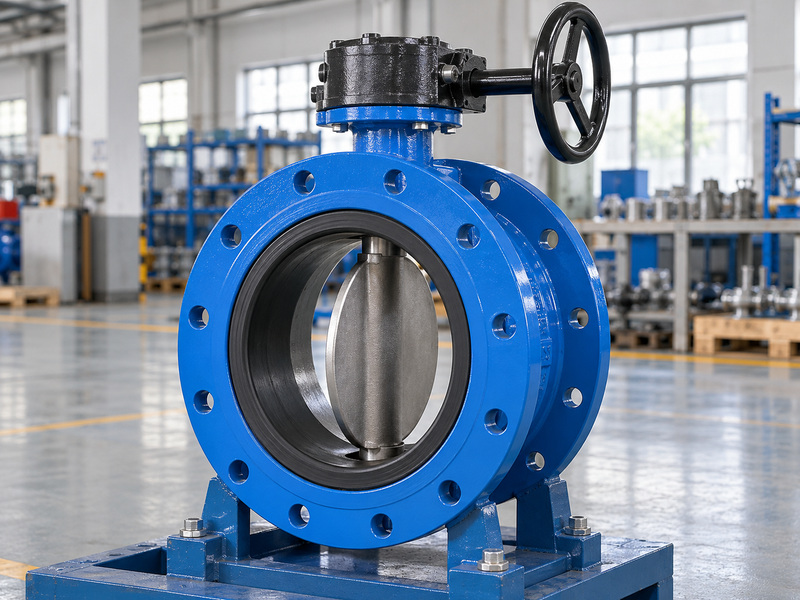
Select the standard that covers the proposed valve type and size when specifying AWWA cast iron butterfly valves. AWWA publishes several butterfly valve standards, so a reference to the association alone is incomplete. Its current standards list, checked on October 25, 2026, identifies the published references below; confirm the detailed scope in the selected standard before approving a product.
How Do You Narrow the Applicable Reference?
Begin with the required valve function, size, construction, and water-service conditions. Ask the supplier to identify which standard and edition its proposal addresses, then compare that response with the project documents. A title or size range helps you locate the relevant publication, but it does not establish that every material, body style, pressure duty, or operator within that range is covered.
- Record the proposed standard and edition together.
- Confirm the applicable scope for the actual configuration.
- Keep project-specific requirements with the standard reference.
- Resolve competing references before technical approval.
| Published reference | Listed subject |
|---|---|
| C504-23 | Rubber-seated butterfly valves |
| C516-26 | Large-diameter rubber-seated valves, 78 in. and larger |
| C519-25 | High-performance waterworks butterfly valves, 3–60 in. |
Use this list to select the publication for review, then evaluate compliance against its actual requirements and your contract.
2. How Do You Fix the Standard Edition in the Contract?
Fix the standard edition by recording the agreed publication and resolving any conflict with the project specification for AWWA cast iron butterfly valves. A contract may name a particular edition or use a defined revision rule. If the specified edition differs from the current publication, submit the difference for the project engineer’s decision instead of silently changing the basis of supply.
Which Documents Must Use the Same Basis?
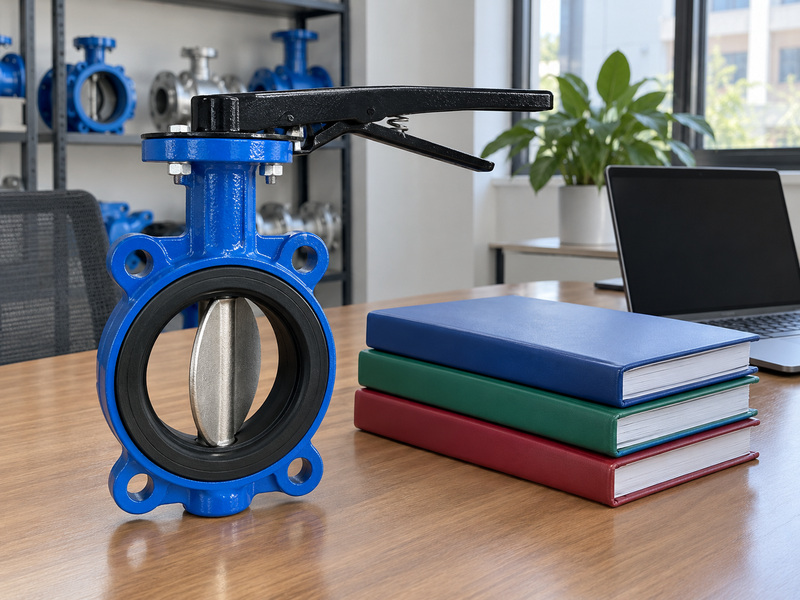
Align the enquiry, supplier response, technical submittal, inspection plan, and purchase order. An old catalogue may refer to an earlier edition while a quotation says only “latest standard.” Ask the supplier to state its proposed basis explicitly and identify any requirements that need clarification, additional evidence, or a design change before you approve the order.
- Name the standard edition on the technical schedule.
- Identify the governing project specification and revision.
- Record accepted deviations and authorised clarifications.
- Carry the agreed basis into drawings and inspection documents.
| Document | Check before approval |
|---|---|
| Project specification | Required edition and supplementary requirements |
| Supplier proposal | Exact reference and declared deviations |
| Purchase order | Approved technical basis and document list |
Close edition conflicts before manufacture so neither party relies on a different set of requirements when inspection begins.
3. Which Valve Configuration Must the Supplier Declare?
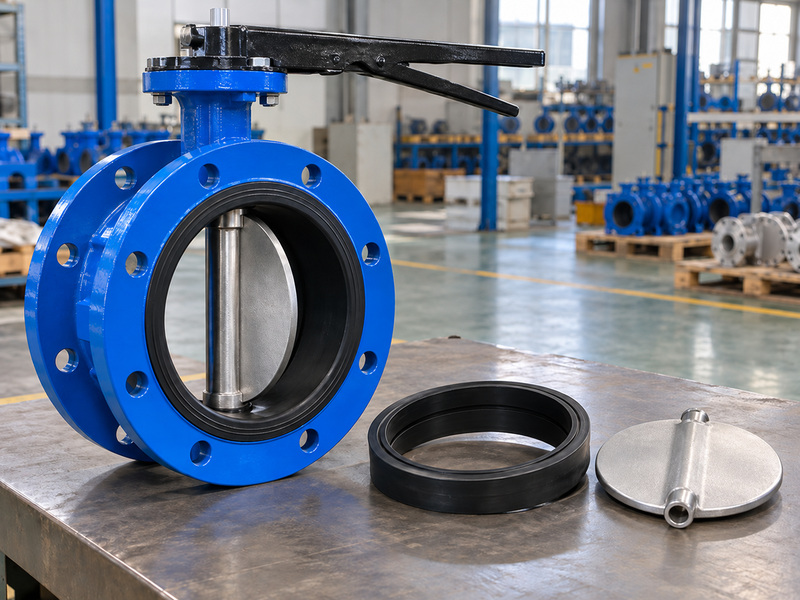
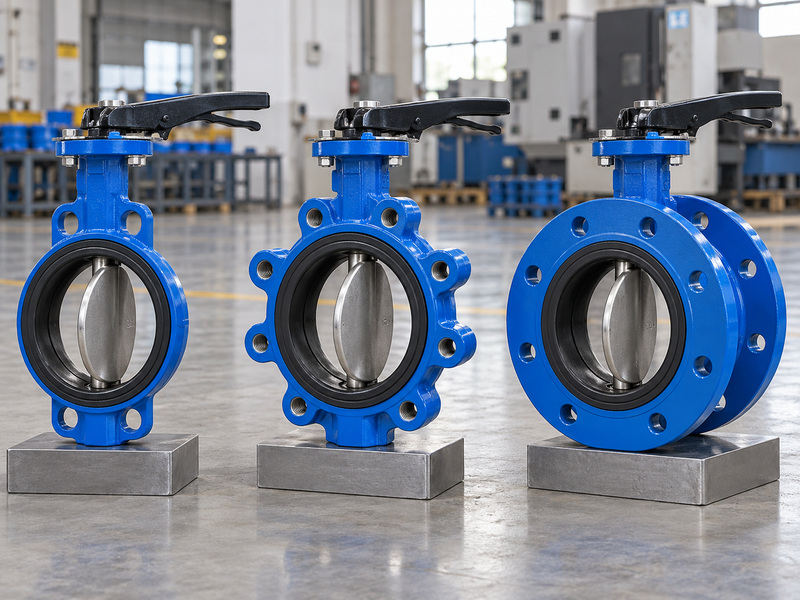
The supplier must declare the exact body, seat, disc, shaft, connection, and operator arrangement proposed for AWWA cast iron butterfly valves. “Cast iron” alone does not distinguish gray iron from ductile iron, and an AWWA reference does not fill in missing component descriptions. For a wafer butterfly valve, the proposed configuration also needs confirmation against the project’s permitted connection and installation arrangement.
How Do You Prevent an Undefined Material Substitution?
Request a component material schedule and sectional drawing tied to the proposed valve. RUITO’s standard water-service body material is EN-GJS-450-10 ductile iron; that material statement alone does not establish compliance with a selected AWWA standard. If the contract requires another material designation or acceptance basis, the supplier must address it explicitly through the project’s technical review.
- State the body material standard and grade.
- Identify seat construction and all wetted materials.
- Describe shaft, bearings, seals, and disc arrangement.
- Link the operator and valve to one approved configuration.
| Configuration detail | Approval question |
|---|---|
| Body grade | Does it satisfy the specified material requirement? |
| Seat and disc | Does this arrangement meet the stated duty? |
| Operator | Is it matched to this valve and service? |
Keep the approved component schedule with the order so a later substitution receives a technical review before supply.
4. How Should Working and Shutoff Pressures Be Specified?
Specify working pressure, shutoff differential pressure, temperature, and transient conditions separately for AWWA cast iron butterfly valves. These values describe different demands on the assembly. A valve in a pressurised main may close against a different differential from its normal operating pressure, while a pump trip or rapid closure can create a separate transient condition requiring system assessment.
Which Pressure Cases Need Supplier Confirmation?
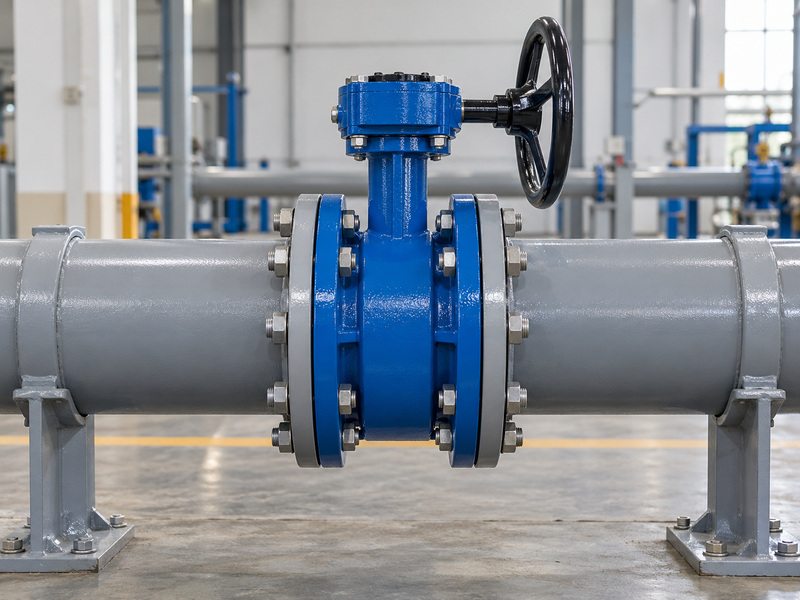
Give the supplier the direction and maximum differential for every required isolation case. If downstream removal is planned with a lug butterfly valve, request evidence for the actual end-of-line arrangement and fasteners. Keep test pressures in the inspection plan; a shell test result cannot replace the approved service limits or establish an untested closure direction.
- Identify normal and maximum steady operating pressures.
- State the required shutoff differential in each direction.
- Include surge, vacuum, and minimum temperature where applicable.
- Define any downstream removal or maintenance isolation case.
| Pressure condition | Required response |
|---|---|
| Steady operation | Approved working limits at stated temperature |
| Closed valve | Direction-specific differential and leakage requirement |
| Transient event | Project assessment and accepted valve limits |
Use the classification and definitions in the selected standard; matching pressure numbers alone does not establish equivalence between different rating systems.
5. What Operator and Closing Requirements Need Review?
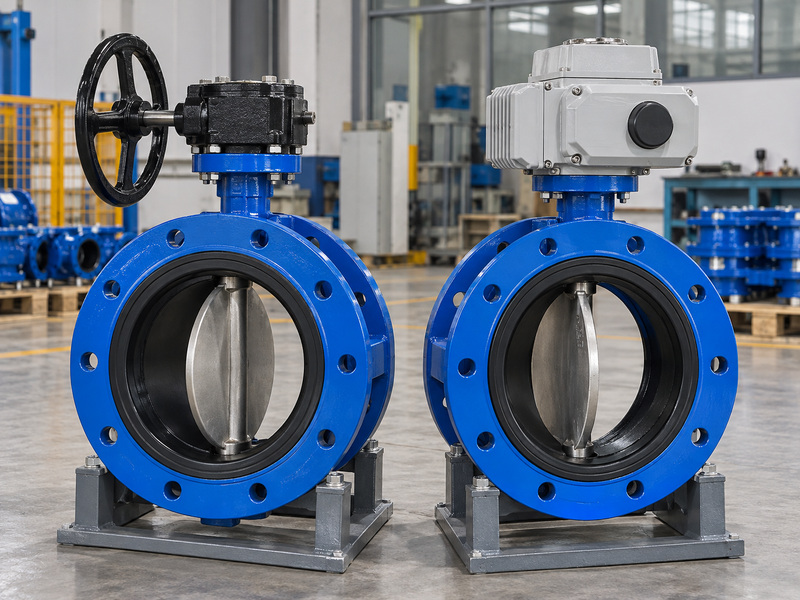
Review operating torque, available power, closing behaviour, accessibility, and required failure response when specifying operators for AWWA cast iron butterfly valves. The operator must suit the actual valve, flow conditions, and shutoff duty. A catalogue torque figure without its size, seat, pressure differential, and service basis cannot establish whether the proposed drive will operate the installed valve.
What Should Your Operator Schedule Include?
State whether the valve provides isolation, routine regulation, or a specified control function. Give the required operating sequence and closing-time constraints to the valve supplier and the system designer together, particularly where hydraulic transients affect the project. For powered operation, define the available supply, control signals, position feedback, manual override, and the required response when power or air supply is lost.
- Confirm duty frequency and the operating range.
- Specify handwheel or operating-nut access where required.
- Identify enclosure and environmental conditions.
- Agree travel limits, feedback, and functional checks.
| Operator detail | Review against |
|---|---|
| Torque capability | Exact valve and differential-pressure duty |
| Closing behaviour | Project operating sequence and transient assessment |
| Controls and feedback | Site power and control requirements |
Approve the operator as part of the valve package so an actuator change triggers review of the affected operating and control conditions.
6. Which Interface Drawings Need Approval?
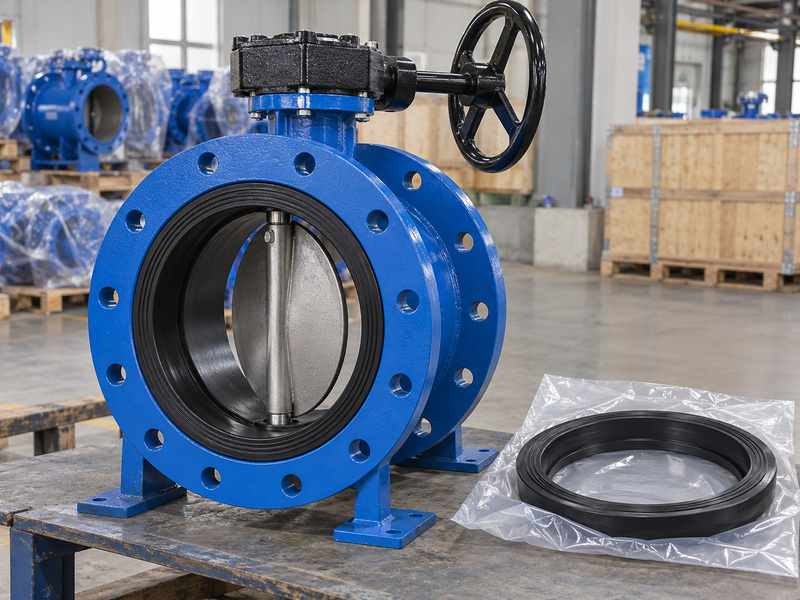
Approve drawings showing pipe connections, face-to-face dimensions, disc clearance, operator envelope, and support requirements for AWWA cast iron butterfly valves. A matching nominal size does not establish a replacement fit. If you consider a U-type butterfly valve, confirm its actual dimensions and the project’s acceptance of that arrangement rather than transferring dimensions from another double-flanged design.
How Do You Handle Grooved or Special Connections?
For a grooved-end butterfly valve, identify the pipe outside diameter, groove geometry, coupling, and seal arrangement. AWWA’s current list includes C606-22 for grooved and shouldered joints; a joint-standard reference does not replace the selected butterfly valve standard. Require the supplier to address both the connection requirements and the complete-valve specification where the contract calls for them.
- Confirm companion-flange or coupling details.
- Check bolt patterns, threads, and engagement where applicable.
- Verify disc sweep against adjacent pipe and fittings.
- Review installation space, lifting provisions, and support loads.
| Drawing interface | Approval focus |
|---|---|
| Pipe connection | Actual mating components and dimensions |
| Disc envelope | Clearance through the operating range |
| Operator envelope | Access, removal space, and obstructions |
Compare the approved drawing with the existing installation before ordering a replacement, especially where the available spool gap is fixed.
7. Which Coating and Drinking-Water Evidence Is Needed?
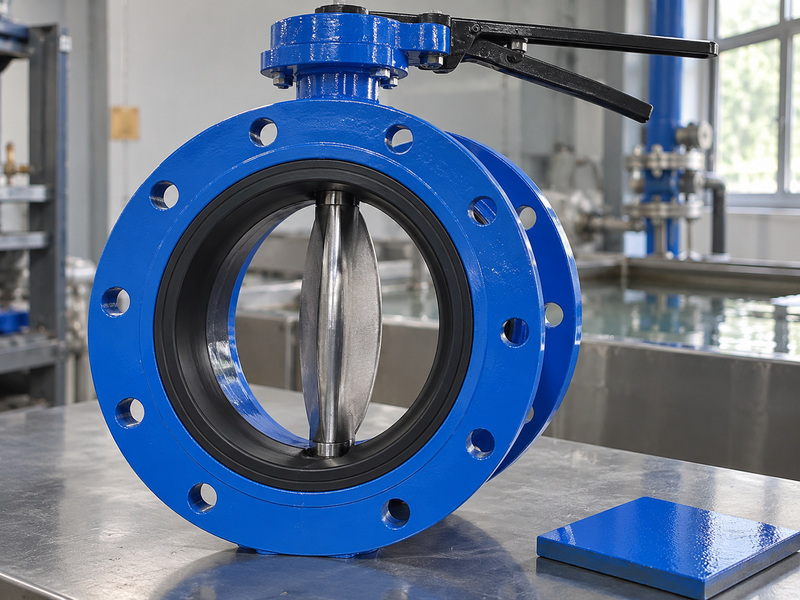
Request coating and drinking-water-contact evidence that applies to the exact AWWA cast iron butterfly valves proposed for your project. Coating performance and drinking-water health-effects assessment address different requirements. The current AWWA list identifies C550-24 for protective interior coatings for valves and hydrants; verify the contract’s coating requirements without treating that reference as a drinking-water product approval.
What Must the Drinking-Water Documents Cover?
Where your project requires it, review the applicable NSF/ANSI/CAN 61 evidence for materials and components contacting drinking water. Confirm the listed product, material arrangement, size coverage, and applicable use restrictions. RUITO’s source material also treats drinking-water configurations separately, so ordinary water-service coatings and elastomers cannot be assumed to carry the required project approval.
- Identify coating, lining, elastomer, and lubricant requirements.
- Check the scope of each submitted approval or listing.
- Match the supplied configuration with the documented arrangement.
- Include storage, handling, and coating repair requirements.
| Evidence category | What to verify |
|---|---|
| Interior protection | Contract coating system and acceptance requirements |
| Drinking-water contact | Applicable product and material coverage |
| Supplied assembly | Matches the approved configuration |
Resolve any change to wetted materials through the approval process before accepting a substitution, even when the replacement material has a similar name.
8. What Belongs in the Submittal and Inspection Plan?
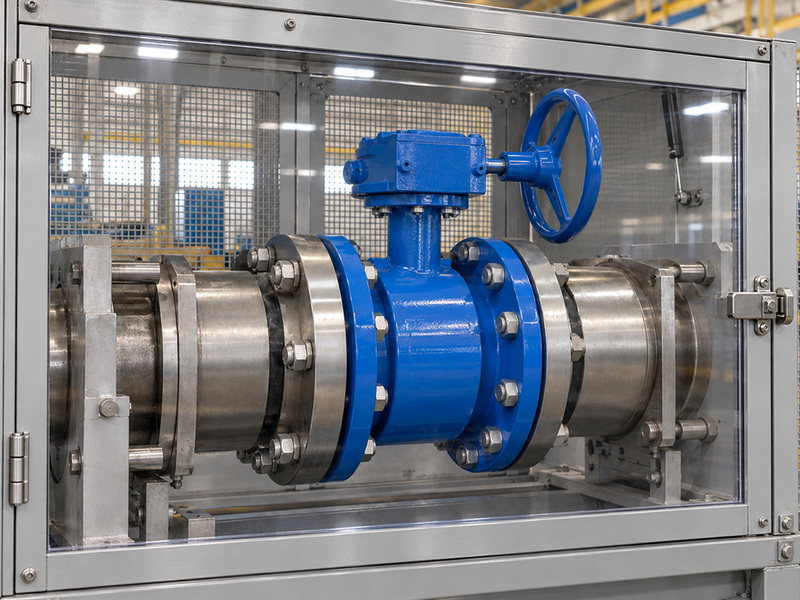
Include the compliance response, approved drawings, material schedule, performance evidence, and agreed inspection records in the submittal for AWWA cast iron butterfly valves. Define which documents require approval before production and which records accompany shipment. An undefined request for an “AWWA certificate” cannot tell the supplier or your inspector what evidence must be reviewed for the actual valve.
How Do You Turn Requirements Into Acceptance Points?
Build an inspection and test plan from the purchased standard, project specification, and approved deviations. Record the applicable examination or test, acceptance criterion, reporting requirement, and any purchaser witness or hold point. Use the actual agreed clauses for leakage limits, pressure tests, durations, and sampling; a catalogue summary or another valve standard’s test ratio cannot supply those requirements.
- Link each requirement with the relevant submitted evidence.
- Name the parties responsible for review and acceptance.
- Define how deviations and failed checks will be resolved.
- Connect final reports with the delivered valve identification.
| Approval stage | Typical submission |
|---|---|
| Technical review | Compliance response, drawings, and material schedule |
| Inspection planning | Agreed methods, criteria, and witness points |
| Shipment release | Required reports and accepted deviations |
Agree the acceptance plan before the order proceeds so a satisfactory test result is judged against the same criteria by every reviewer.
9. How Should an EN-Based Proposal Be Reviewed?
Review an EN-based proposal for AWWA cast iron butterfly valves through an explicit comparison with the contract’s selected AWWA standard and edition. An EN 593 reference, PN rating, or familiar body grade does not establish automatic AWWA compliance. RUITO’s supplied company information describes EN-based water configurations, so an AWWA-specified project requires a configuration-specific response and supporting evidence before approval.
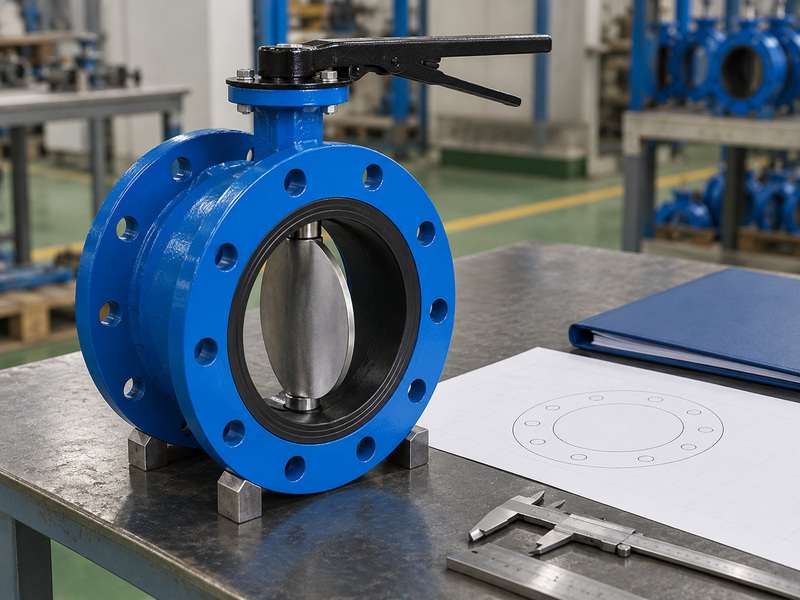
What Should a Deviation Schedule Show?
Ask the supplier to identify requirements it meets, requirements needing additional substantiation, and proposed deviations requiring the project engineer’s decision. Include interfaces, materials, design basis, operating duty, coatings, and inspection requirements in that review. AWWA’s product-origin guidance supports written confirmation of origins and manufacturer evidence; keep those confirmations tied to the proposed product and order.
- Require a response to each applicable contractual requirement.
- Review evidence for the exact size and configuration.
- Obtain written decisions on proposed substitutions.
- Carry accepted deviations into the final order documents.
| Supplier response | Buyer action |
|---|---|
| Supported compliance | Review the identified evidence |
| Evidence pending | Define what must be supplied before approval |
| Proposed deviation | Obtain the authorised project decision |
Approve only the documented scope so a general standard reference cannot expand the supplier’s accepted configuration or your project’s permitted duty.
10. What Do Buyers Ask About AWWA Butterfly Valve Orders?
Buyers ask which standard applies, what compliance evidence means, and how to approve AWWA cast iron butterfly valves for their actual installation. Confirm these points before accepting the technical offer.
Q1: Can I order using only “AWWA butterfly valve”?
No. Name the standard and edition, size, configuration, pressure duty, operator, connection, and required evidence. The association’s name alone leaves the scope of supply undefined.
Q2: How do I know which AWWA edition to use?
Check the contract and the current official publication list. If they differ, obtain the project engineer’s decision and record the agreed edition in the purchase documents.
Q3: Can I treat an AWWA reference as product certification?
No. Ask for the exact standard, supplier compliance statement, and supporting evidence required by your contract. Review drinking-water listings separately where applicable.
Q4: Can an EN 593 valve automatically meet my AWWA specification?
No. The supplier must address the selected AWWA requirements for the exact configuration. Submit any material, dimensional, rating, or inspection differences for project approval.
Q5: What’s the best time to agree leakage and pressure tests?
Before production approval. Use the selected standard and contract to define methods, criteria, reporting, and witness points so both parties accept the same test basis.
Send your selected standard and edition, project specification, valve size, medium, operating and shutoff conditions, connection drawings, and document requirements when you contact us. RUITO can review the proposed configuration and identify the evidence, clarifications, or deviations that require agreement before the order proceeds.