
Fix selection mistakes for buna n seat butterfly valves by defining the actual compound and full exposure before accepting service claims. Record fluid product, blend, additives, cleaning conditions and mechanical duty. Confirm fit and requested compliance through the selected model rather than the rubber family name.
An enquiry can describe the medium as oil while omitting the product grade, additive package or cleaning fluid that reaches the seat. A black replacement can then appear to match without any verified compound identity. Resolve the actual exposure and construction before a familiar Buna-N label becomes the basis for a service decision.
1. What defines buna n seat butterfly valves?
The description buna n seat butterfly valves identifies a nitrile-rubber seat family within the actual selected valve construction. Buna-N and NBR are common family descriptions, not complete compound specifications. Confirm the supplier-defined material and assembly before extending that label to operating capability or every other seal in the valve.
What should the family label leave for confirmation?
Identify the actual construction. Match model, size, body connection and seat assembly with the selected drawing and material record. Record whether the stated Buna-N description applies to the sealing element or an assembly containing other materials. A generic name or product photograph cannot establish the actual formulation, backing or complete wetted-material scope.
- Identify the actual valve and selected seat assembly.
- Connect Buna-N or NBR with a supplier-defined material reference.
- Keep other wetted and supporting materials separately identified.
Key takeaway: Treat the nitrile name as a starting point for identifying the actual compound and construction.
| Check | What you should confirm |
|---|---|
| Family | Buna-N or NBR description has a defined component scope |
| Construction | Actual valve and seat arrangement are identified |
| Boundary | Other materials and duties retain their own definitions |
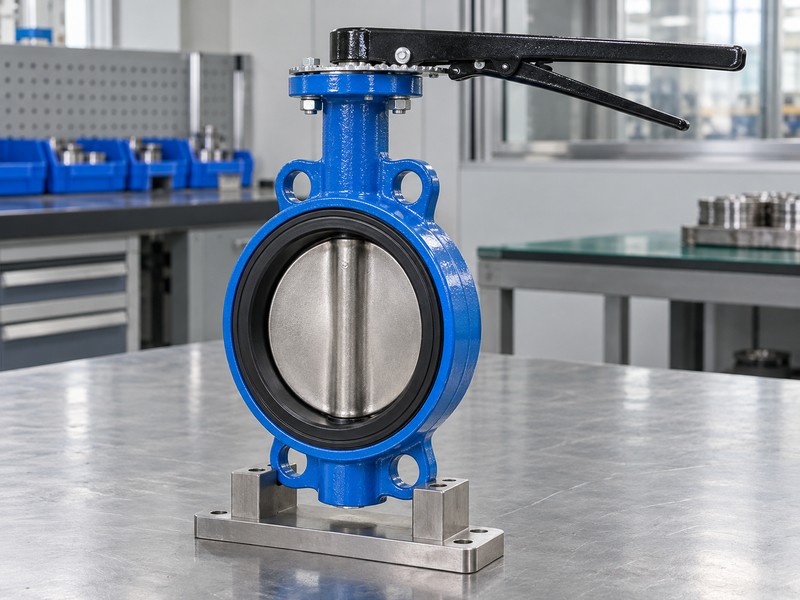
2. Which compound fits buna n seat butterfly valves?
The compound fitting buna n seat butterfly valves must match the actual supplier reference and accepted application definition. Request the formulation or grade identity and relevant cure, filler or other specified material details. Color, hardness appearance and a shared NBR label cannot establish equivalent compounds.
Which compound records should stay linked?
Retain the exact material reference. Link the seat with applicable supplier, batch and acceptance records. Preserve required formulation or processing restrictions and definitions of supporting components. Review a substitute against actual fluid, mechanical duty and requested compliance rather than accepting a shared nitrile label.
- Record the supplier-defined compound for the actual component.
- Retain applicable grade, processing and batch references.
- Review substitutions against the full application and acceptance scope.
Key takeaway: Use a traceable compound definition instead of visual similarity or a broad rubber-family name.
| Check | What you should confirm |
|---|---|
| Identity | Selected compound has an actual supplier or material reference |
| Trace | Component and applicable batch records remain connected |
| Change | Substitutions receive the required application and compliance review |
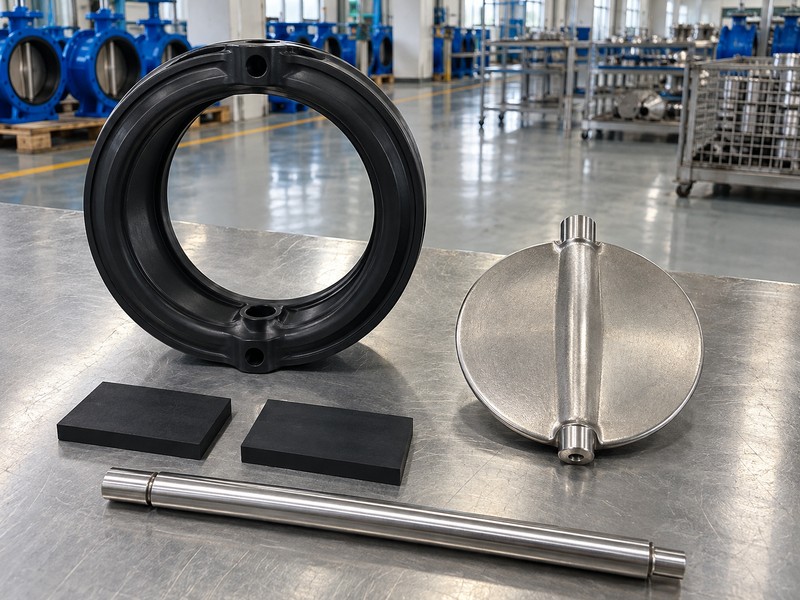
3. What fluids fit buna n seat butterfly valves?
Fluid suitability for buna n seat butterfly valves depends on the actual oil, fuel or other medium and its exposure conditions. Identify the product and composition available for review rather than relying on a broad service label. A generic oil or fuel description cannot establish compatibility for every blend or additive package.
What belongs in the oil or fuel exposure record?
Define the actual fluid blend. Retain product grade, relevant blend components, additives and known contaminants with operating conditions. Record relevant changes between normal service, startup, shutdown and storage. Missing composition belongs in application review; broad oil or fuel names cannot establish suitability for every blend.
- Identify the actual product and available composition information.
- Record relevant additives, mixture changes and contaminants.
- Retain unresolved exposure details for supplier application review.
Key takeaway: Evaluate the selected compound against the real fluid definition rather than the word oil or fuel.
| Check | What you should confirm |
|---|---|
| Product | Actual fluid grade or blend is identified |
| Composition | Relevant additives and mixture conditions are recorded |
| Uncertainty | Missing exposure information remains an explicit review item |
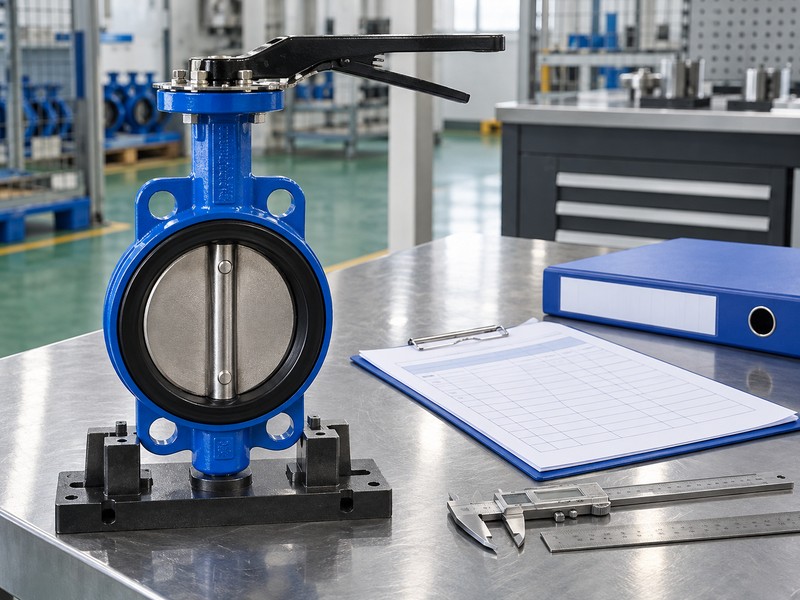
4. What conditions limit buna n seat butterfly valves?
The limits for buna n seat butterfly valves belong to the actual compound, supported seat and complete valve configuration. Review temperature, pressure or differential, exposure duration and operating cycles together. A general elastomer temperature value cannot establish a loaded valve’s pressure-temperature envelope or leakage capability.
Which conditions should the service schedule preserve?
Record the required operating states. Identify applicable normal, startup, shutdown and other specified exposures with their actual temperatures, loading and durations. Retain the selected model’s rated limits and relevant operating-demand basis. A chemical-screening result cannot establish mechanical performance under unreviewed pressure, motion or sustained contact loads, and test pressure remains separate from allowable service duty.
- Define actual temperature, loading, duration and operating cycles.
- Review the same conditions against the selected configuration limits.
- Keep chemical screening, mechanical duty and inspection conditions distinct.
Key takeaway: Accept the loaded assembly’s operating scope rather than an isolated material-family maximum.
| Check | What you should confirm |
|---|---|
| States | Required service conditions are explicitly defined |
| Limits | Actual compound and assembly data cover the stated duty |
| Separation | Screening or test conditions do not replace service ratings |
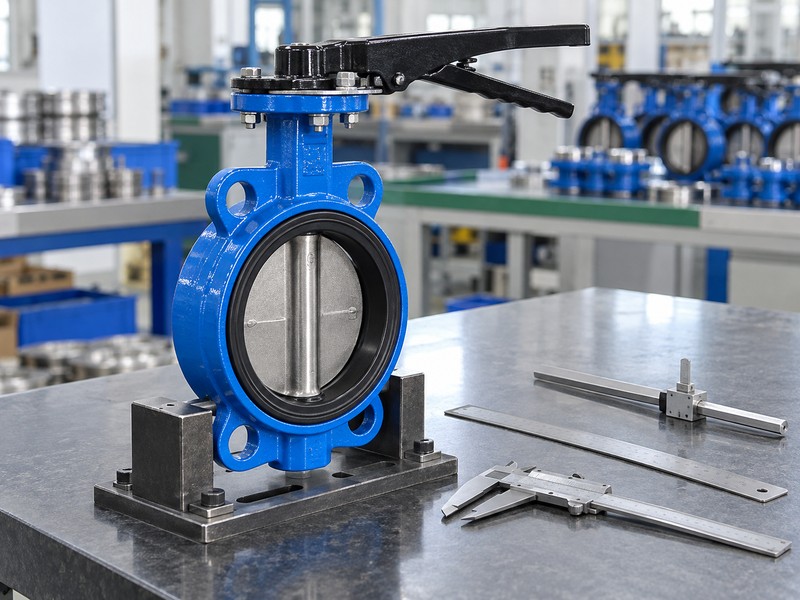
5. What cleaning affects buna n seat butterfly valves?
Cleaning exposure for buna n seat butterfly valves includes the actual cleaning products and conditions that can reach the seat or other relevant seals. Record it separately from the normal process fluid. An accepted oil exposure cannot establish suitability for an unspecified cleaner, rinse or alternating-media cycle.
What should the cleaning exposure record identify?
Include the complete exposure sequence. Identify the cleaner, concentration, temperature, duration and applicable cycles for application review. Retain relevant residues, mixtures and changes between media. This defines actual exposure without supplying a universal cleaning recipe, concentration limit or approval for every nitrile compound.
- Identify actual cleaning products and relevant exposure conditions.
- Record relevant rinses, residues and changes between media.
- Review the selected seat and other exposed components together.
Key takeaway: Include cleaning and changes between media in the compound review rather than approving only normal service.
| Check | What you should confirm |
|---|---|
| Cleaner | Actual product and applicable conditions are identified |
| Media changes | Relevant residues and alternating exposures remain in scope |
| Assembly | Review covers actual materials reached by the cleaning process |
6. What screening fits buna n seat butterfly valves?
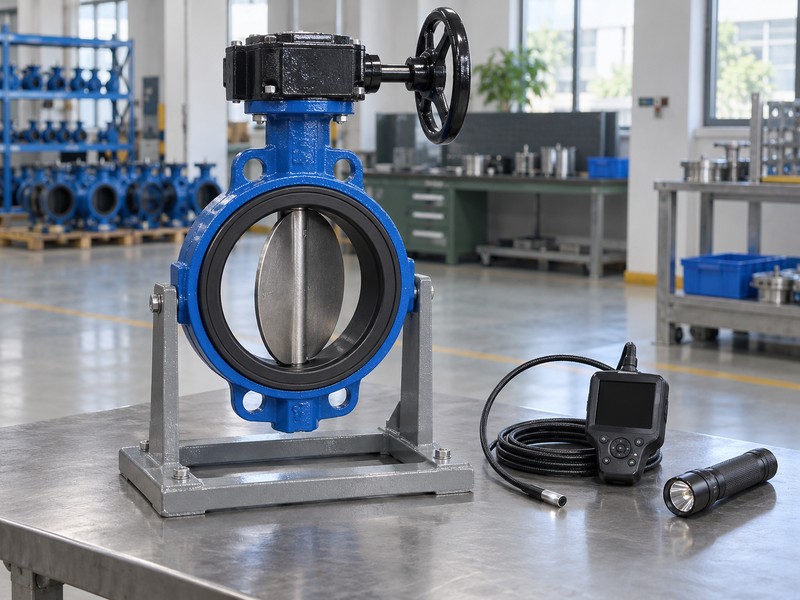
Screening for buna n seat butterfly valves must use the actual material reference, applicable fluid conditions and the source guide’s own definitions. A chart result is one review input. It cannot approve an unspecified compound, complete wetted assembly or operating condition absent from the supporting data.
How should a chart result remain bounded?
Keep the source conditions attached. Bray’s Materials Selection guide uses its own condition rows, material columns, legend and screening limits. Retain those references and leave missing information unresolved. Obtain supplier review of the actual compound, mixtures, contaminants, duration and loaded service without translating another chart’s letters or inventing a compatibility matrix.
- Match actual fluid and material references with the screening source.
- Preserve its applicable conditions and own legend.
- Refer missing or unlisted exposure to application review.
Key takeaway: Use chart screening within its stated scope and retain the actual application decision separately.
| Check | What you should confirm |
|---|---|
| Source | Applicable chart and material references are identified |
| Context | Condition rows and legend accompany the result |
| Review | Actual compound and full service scope receive separate acceptance |
7. What fit defines buna n seat butterfly valves?
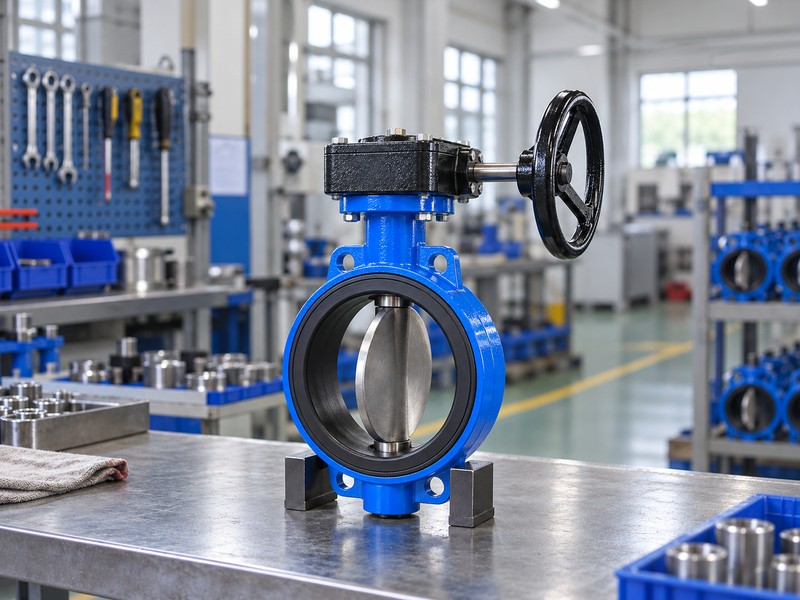
The fit defining buna n seat butterfly valves comes from the actual seat, disc, body and support construction. Review retention, backing, shaft interfaces and relevant pipe-face requirements through the selected drawing. A matching nominal size or black liner cannot establish accepted compression, contact or interchangeability.
Which installation and service details remain model-specific?
Match the selected assembly instructions. The Bray resilient-seat manual separates construction-specific component and service arrangements. Confirm actual gasket, retention, permitted consumable and access requirements before applying any procedure. Physical work needs qualified authorization and applicable isolation, depressurization, draining/decontamination and energy controls; the nitrile label supplies no generic installation or replacement sequence.
- Match the actual seat and supporting assembly definitions.
- Use selected instructions for interfaces, access and consumables.
- Keep physical work within its authorized model-specific scope.
Key takeaway: Accept material identity and mechanical fit as separate requirements within the same selected assembly.
| Check | What you should confirm |
|---|---|
| Contact | Actual disc and seat relationships have controlled definitions |
| Interfaces | Retention, shaft and pipe-face requirements match the construction |
| Service | Permitted work follows selected instructions and required controls |
8. What approval covers buna n seat butterfly valves?
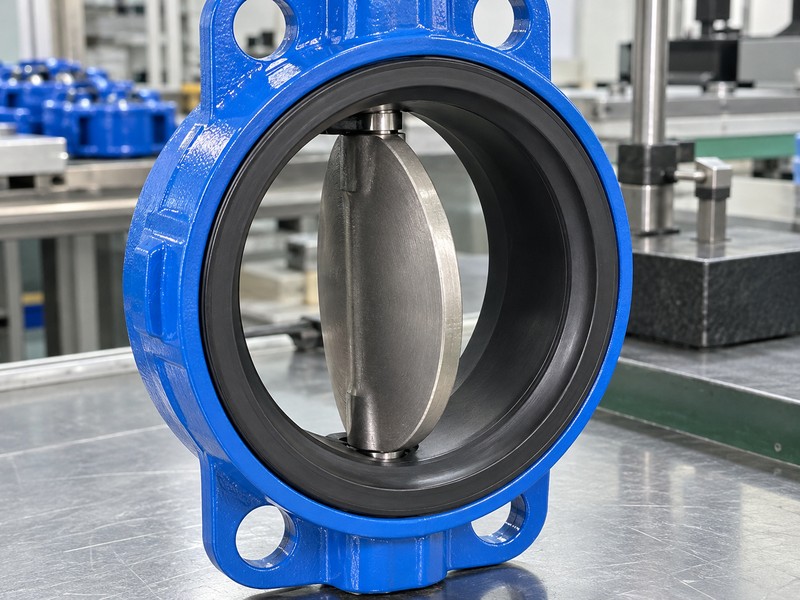
Approval for buna n seat butterfly valves must cover the actual requested product and application where the project requires it. A Buna-N or NBR name alone establishes no natural-gas, food-contact or drinking-water approval. Define the requested market and service requirements through the responsible project review.
What should the supporting compliance record identify?
Verify the actual coverage. Match any required material or product document with the supplier, selected compound, component and valve configuration it actually addresses. Read conditions and limitations before extending the document to the proposed service. A company quality-system certificate or evidence for another product cannot establish approval of the complete requested assembly.
- Identify the actual requested application and destination requirements.
- Match required evidence with its exact material or product scope.
- Retain applicable conditions and limitations in the acceptance record.
Key takeaway: Verify requested compliance through exact-scope evidence rather than a familiar seat-material name.
| Check | What you should confirm |
|---|---|
| Requirement | Responsible project parties identify the requested approval scope |
| Identity | Supporting records match the actual compound and construction |
| Coverage | Conditions and limitations support the proposed application |
9. What evidence accepts buna n seat butterfly valves?
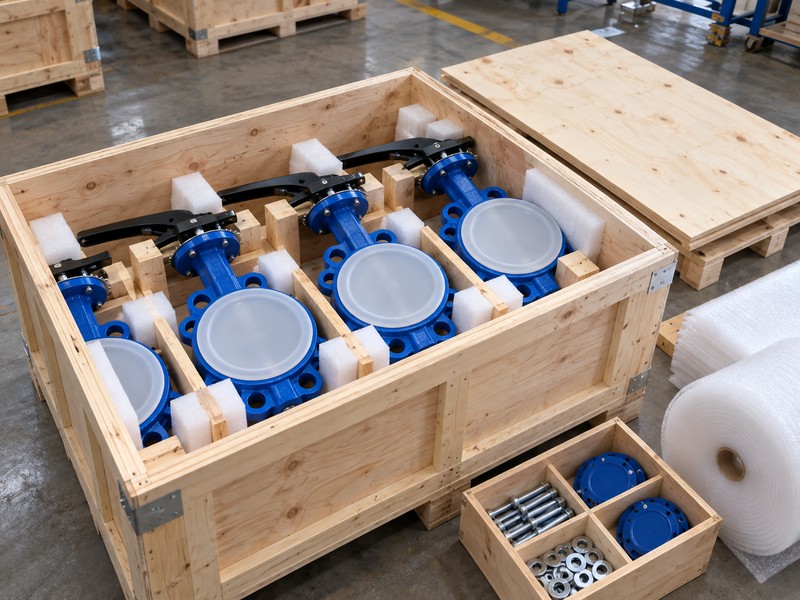
Acceptance evidence for buna n seat butterfly valves must address the actual material, assembled condition and required performance. A chart rating or apparent seat continuity cannot establish acceptable leakage, fit or long-term loaded behavior. Keep material assessment, condition observations and applicable test results separately identified.
Why should flow-loss data remain separate from sealing evidence?
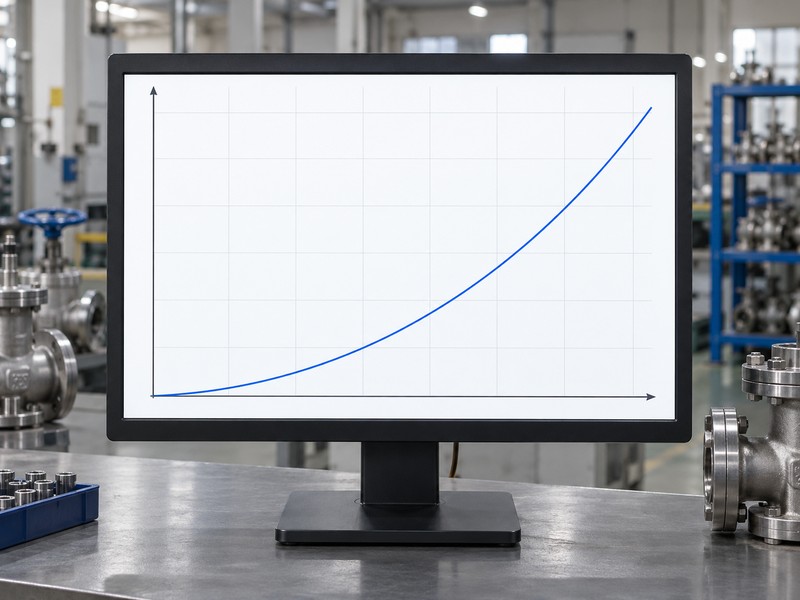
Match the evidence with its purpose. Retain required material or application decisions, authorized condition findings and relevant functional or leakage results for the actual configuration. Test criteria and conditions follow the selected acceptance plan. The conceptual chart concerns pressure loss versus flow at fixed opening, flow coefficient and liquid density; it supplies no leakage curve or measured model data.
- Retain actual compound and application acceptance records.
- Use selected criteria for observed condition and performance.
- Keep flow-loss concepts separate from material and shutoff verification.
Key takeaway: Accept the actual assembly through suitable evidence for material, condition and performance questions.
| Check | What you should confirm |
|---|---|
| Material | Actual compound and exposure have an accepted review basis |
| Assembly | Required fit and condition findings address the supplied construction |
| Performance | Applicable results support the selected acceptance requirements |
10. What records identify buna n seat butterfly valves?
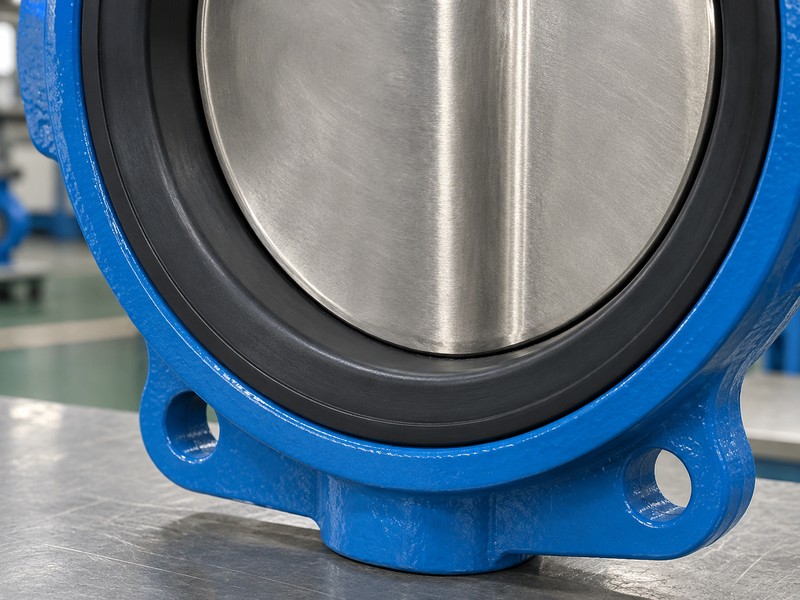
The records identifying buna n seat butterfly valves should connect exact compound, actual exposure and mechanical construction with the same supplied assembly. Retain the applicable material schedule, selected drawings and required acceptance results. A generic black-seat image cannot establish actual supplier stock, proprietary internals or a passed test.
What should remain resolved before a scope commitment?
Retain the selected application basis. Link component and applicable batch identity with the actual fluid blend, cleaning conditions, rated duty and requested compliance evidence. Record changes or missing information against that configuration. RUITO can review an identified request and available documents, with actual construction and supporting records confirmed for the proposed scope before any supply commitment.
- Link actual compound identity with the selected valve construction.
- Retain exposure, service and required compliance decisions together.
- Assign unresolved blend, fit and acceptance questions explicitly.
Key takeaway: Close the request through one traceable compound, construction and application definition.
| Check | What you should confirm |
|---|---|
| Identity | Actual component, material and assembly records remain connected |
| Application | Accepted exposure and service conditions describe the real request |
| Commitment | Proposed configuration and required supporting evidence are confirmed |
Send RUITO the identified valve request, actual oil or fuel product and blend information, additives, cleaning exposure and required service or compliance records. We can review the proposed scope and clarify which actual compound, construction and supporting documents would be needed for evaluation. Contact us before treating Buna-N as universal approval for an unspecified fluid or application.
FAQ
Q1: Can I identify an NBR compound from a black seat?
No. Use the actual material and component records; color cannot establish formulation or accepted service.
Q2: What’s the best fluid information to send for review?
Send the actual exposure definition. Include product or blend identity, relevant additives, contaminants, temperature, duration and cleaning conditions.
Q3: How do I know if the seat suits a fuel blend?
Request review of that actual blend. A broad fuel or oil label cannot establish suitability for every additive package or exposure condition.
Q4: Can a Buna-N name establish food or drinking-water approval?
No. Required compliance needs exact material and product coverage for the actual application and destination.
Q5: How do I know whether a substitute nitrile seat fits?
Confirm compound and construction separately. Actual formulation, retention, backing, disc and shaft interfaces must match the selected requirements.