
Confirm the compound, model fit and full exposure before accepting an EPDM butterfly valve seat. A water-service description cannot define every glycol formulation, cleaning cycle or required finished-product approval. Use the selected supplier’s actual material and application records to identify what the offered seat covers.
A specification that says EPDM for water can omit the inhibitor package, cleaning cycle or occasional contaminant present in a real loop. The supplier then reviews a simpler exposure than the seat will encounter. Record those conditions and the exact valve configuration before approving the material.
1. What identifies an epdm butterfly valve seat?
An epdm butterfly valve seat needs a traceable compound and component identity within the actual valve configuration. EPDM identifies a material family rather than every formulation, backing or finished seat arrangement. A black surface, familiar profile or generic elastomer label cannot establish the compound supplied for the order.
Which identity records should the enquiry retain?
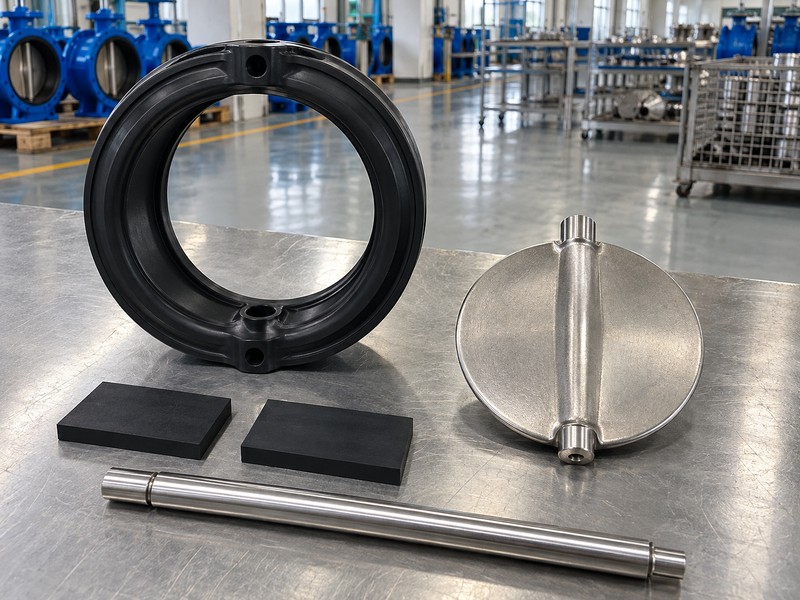
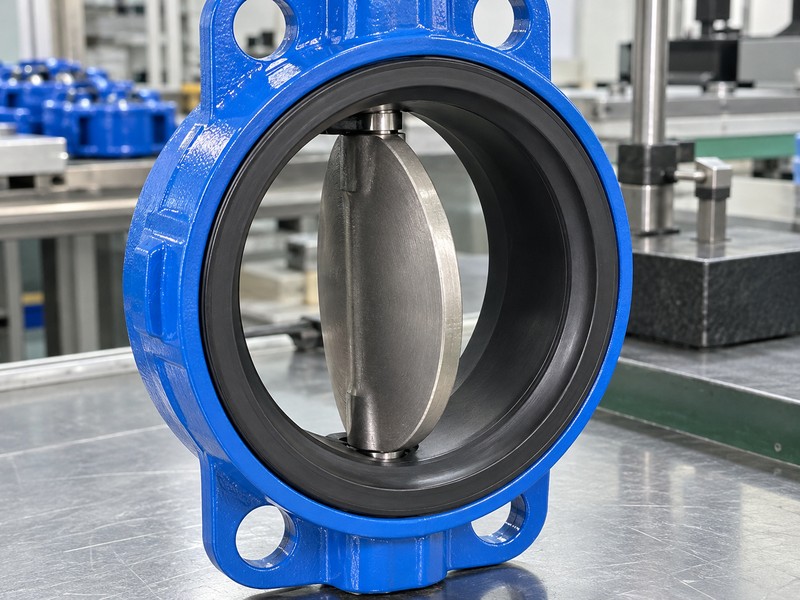
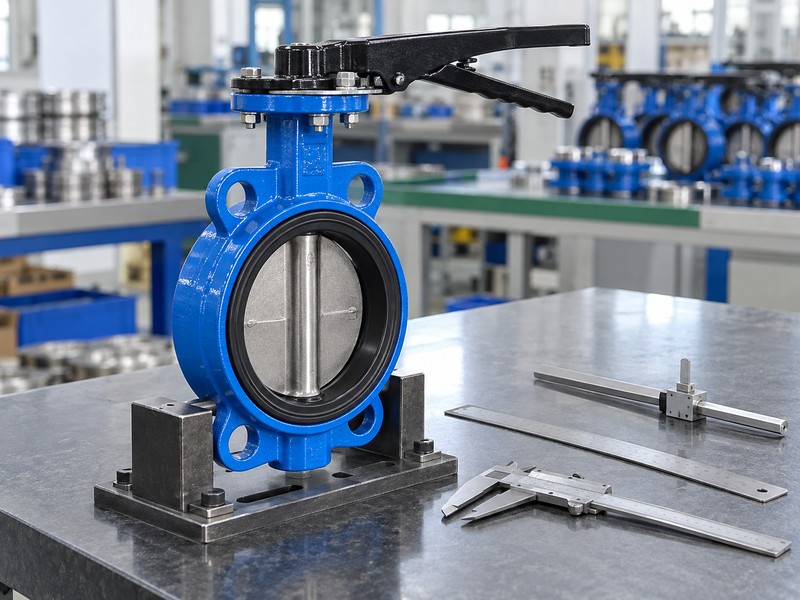
Identify the actual supplied seat. Record valve manufacturer, model, size and applicable parts definition alongside the supplier-confirmed compound or seat identity. Retain relevant order, batch or product references when available without inventing a proprietary material code. The component illustration is generic; its color and appearance prove neither EPDM identity nor suitability for the proposed service.
- Identify valve model and applicable seat definition.
- Request supplier-confirmed compound and component identities.
- Keep appearance separate from actual material evidence.
Key takeaway: Confirm the actual compound and seat identity before assigning service suitability.
| Check | What you should confirm |
|---|---|
| Valve | Model and construction identify the selected seat application |
| Compound | Supplier records define the actual material identity |
| Traceability | Order or product references connect supplied items with that identity |
2. What compound defines an epdm butterfly valve seat?
The compound used in an epdm butterfly valve seat can include formulation and construction details absent from a broad family name. Confirm the selected grade and any relevant cure, filler, backing or supporting arrangement through the supplier. A general material comparison cannot establish the finished component’s complete exposure limits.
How should a materials guide support the review?
Use screening within its scope. The Bray Materials Selection guide provides conditional material-screening information rather than approval of every compound or complete valve. Preserve the selected row, material heading, exposure conditions and legend, then request confirmation for the actual offered formulation. A generic soft-seat contact view cannot supply those material details or demonstrate accepted chemical behavior.
- Confirm the actual offered formulation and component construction.
- Retain the guide’s own conditions and screening qualifications.
- Request supplier review of the selected compound and exposure.
Key takeaway: Use chart information to support actual-compound confirmation rather than replace it.
| Check | What you should confirm |
|---|---|
| Family label | EPDM describes the broad material category |
| Compound definition | Supplier identifies the actual offered material arrangement |
| Application review | Confirmed exposure is assessed for that selected component |
3. What model fits an epdm butterfly valve seat?
An epdm butterfly valve seat must match the actual valve model and its selected sealing construction. Seat profile, backing, retention and shaft or hub interfaces can differ between families. The same nominal size or material name cannot establish fit, independent replaceability or an interchangeable seat assembly.
Which construction details should remain model-specific?
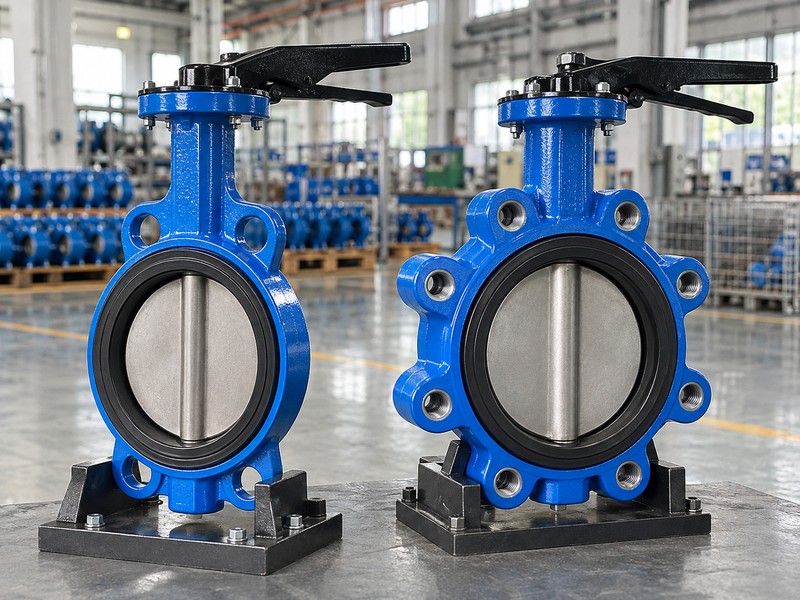
Match the selected parts and instructions. The Bray resilient-valve manual distinguishes component arrangements across its identified families, showing why one generic seat map is inadequate. Retain the actual seat and valve references, including applicable flange-face sealing and associated components. Do not infer a universal gasket rule, repair boundary or permitted replacement from the words wafer or EPDM.
- Match the actual model and applicable seat reference.
- Review backing, retention and shaft or hub interfaces.
- Retain selected interface-sealing and service instructions.
Key takeaway: Accept model fit through selected component records rather than nominal size or a polymer label.
| Check | What you should confirm |
|---|---|
| Fit | Selected seat definition matches the actual valve construction |
| Interfaces | Retention and sealing relationships have a documented basis |
| Service scope | Replaceability and permitted work follow selected instructions |
4. What water suits an epdm butterfly valve seat?
Water service for an epdm butterfly valve seat needs more description than the word water. Identify its source, intended use, treatment and relevant operating exposure. Drinking water, a treated HVAC loop and process water can require different application information and acceptance records even when each fluid appears clear.
Which water-quality information should the supplier receive?
Describe the actual water exposure. Provide known treatment chemicals, disinfectant formulation where relevant, contaminants and the temperature and duration conditions needed for review. Keep ordinary operating water and exceptional treatment or cleaning events separately identifiable. An interior picture cannot prove water chemistry, compound identity or suitability for a disinfectant concentration, and a general water recommendation cannot establish every treatment condition.
- Identify water source, intended use and treatment information.
- Describe actual operating and exceptional exposure conditions.
- Retain unresolved chemistry questions for application confirmation.
Key takeaway: Define the real water exposure before applying a general water-service description.
| Check | What you should confirm |
|---|---|
| Water definition | Source and intended use are identified |
| Treatment | Actual chemical or disinfectant information accompanies the enquiry |
| Exposure | Relevant temperature, duration and changing conditions remain visible |
5. What glycol suits an epdm butterfly valve seat?
For an epdm butterfly valve seat in HVAC or circulating-fluid service, identify the actual glycol formulation and its concentration. Include the inhibitor and additive package rather than treating all antifreeze mixtures as one fluid. The selected compound and complete valve must support the actual mixture and its operating conditions.
What blend information belongs in the application request?
Submit the actual fluid definition. Retain the glycol type, supplier formulation information, concentration and relevant maintenance or fluid-condition records. Ask for review of additives, changed concentration and any mixed or replacement fluid instead of combining separate favorable ingredient ratings. Include applicable low-temperature, operating and exposure conditions without importing another configuration’s material range or freeze-protection claim.
- Identify glycol formulation and actual concentration.
- Include inhibitor, additive and relevant fluid-condition information.
- Review changed or mixed fluids against the selected configuration.
Key takeaway: Review the specified HVAC fluid as a complete formulation under its actual duty.
| Check | What you should confirm |
|---|---|
| Blend | Actual glycol and concentration are stated |
| Treatment package | Relevant inhibitors and additives remain identifiable |
| Duty | Selected compound and valve cover the confirmed exposure |
6. What cleaning affects an epdm butterfly valve seat?
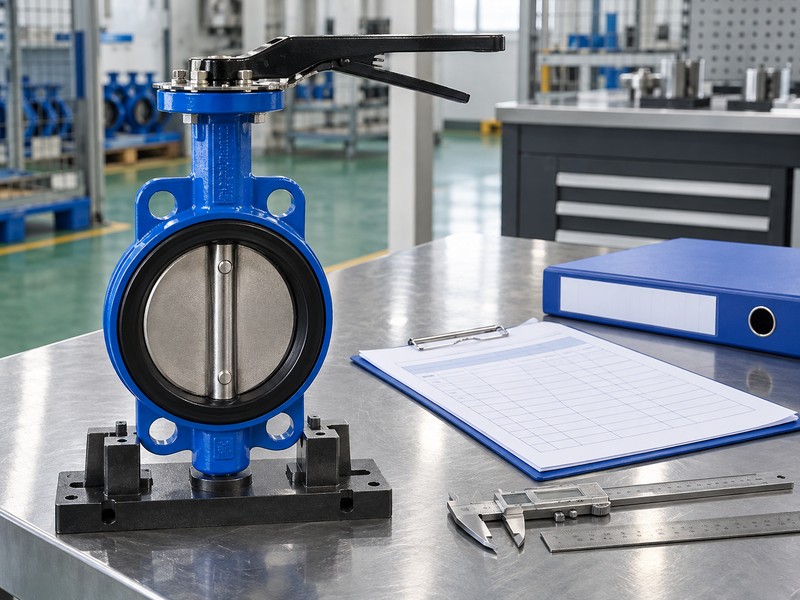
Cleaning exposure for an epdm butterfly valve seat can differ from the fluid present during normal operation. Identify cleaners, disinfectants, contact duration and temperature conditions in the review request. A material recommendation for the operating fluid cannot automatically cover every maintenance or cleaning sequence.
How should cleaning and cyclic exposure be documented?
Record the complete exposure sequence. Include actual cleaning products, concentrations, relevant rinsing or residual conditions and the sequence in which fluids contact the valve. Ask the supplier to confirm the selected compound and associated sealing materials for those conditions. Do not assume a generic EPDM designation establishes steam-cleaning capability or resistance to every disinfectant, and keep any required validation within the agreed project scope.
- Identify actual cleaning and disinfection formulations.
- Retain concentration, duration and temperature information.
- Include sequence, rinsing and relevant residual exposure.
Key takeaway: Confirm exceptional cleaning exposure alongside normal service for the actual compound.
| Check | What you should confirm |
|---|---|
| Cleaning medium | Actual product or formulation is identified |
| Exposure | Conditions and sequence are stated for review |
| Confirmation | Selected materials receive application-specific assessment |
7. What contamination affects an epdm butterfly valve seat?
An epdm butterfly valve seat enquiry should identify relevant contaminants or unintended media that the actual system can expose to the seat. Oil carryover, maintenance products, solids or changed fluid condition cannot be evaluated from a clean-water label. Record known exposure and uncertainty rather than assuming the original application description remains complete.
How should uncertain or intermittent exposure be handled?
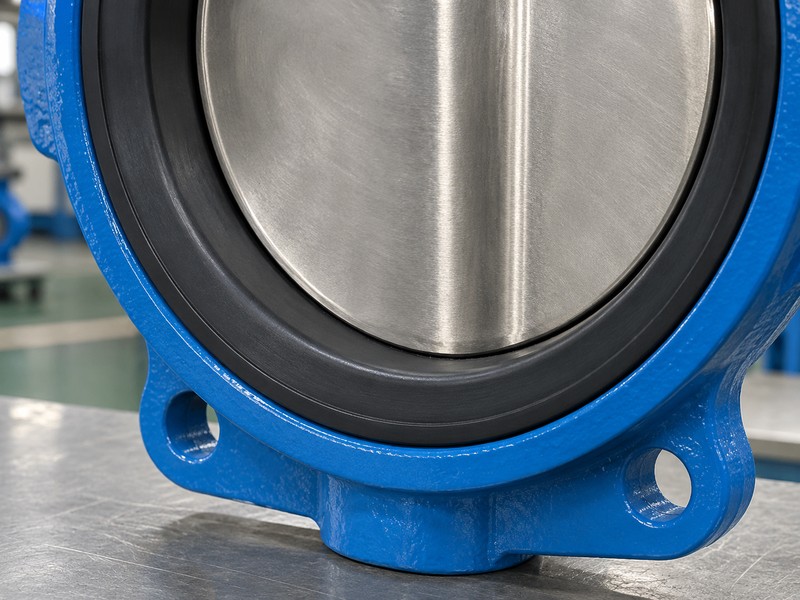
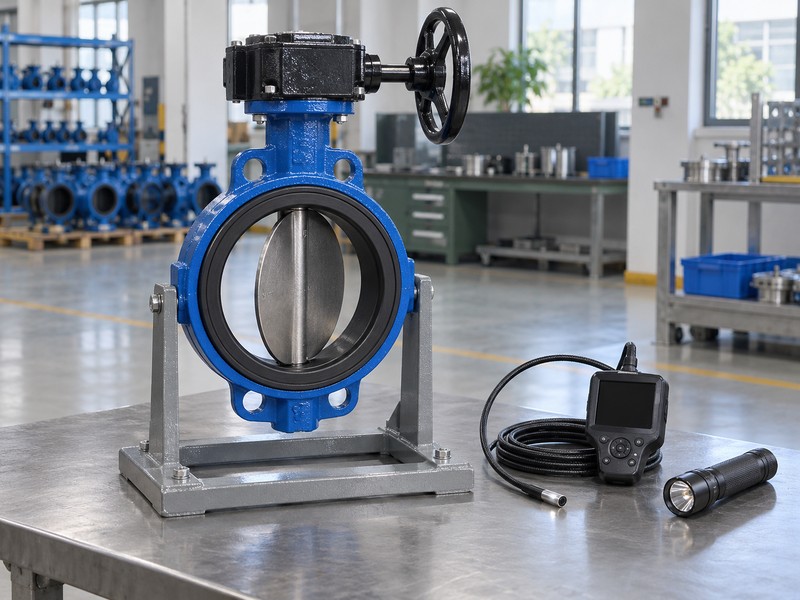
Keep contamination information explicit. Describe known substances, relevant amounts or available composition information, exposure duration and any uncertainty for supplier review. Separate chemical compatibility questions from particle contact or other mechanical effects that need selected-model criteria. A generic seat-contact illustration cannot prove compound identity, cleanliness or absence of contamination, and it cannot establish a universal wear limit or service life.
- Identify known contaminants and relevant exposure information.
- Record uncertain or intermittent conditions openly.
- Separate chemical review from particle and mechanical questions.
Key takeaway: Review the actual contamination exposure without turning incomplete information into a material guarantee.
| Check | What you should confirm |
|---|---|
| Known exposure | Actual contaminants and available information are recorded |
| Uncertainty | Missing composition or exposure details remain visible |
| Review scope | Chemical and mechanical effects receive their relevant checks |
8. What approval covers an epdm butterfly valve seat?
Where drinking-water approval is required, an epdm butterfly valve seat needs confirmation within the actual finished-product scope. A compound declaration and a finished-valve approval answer different questions. The polymer name or a material document alone cannot establish that the supplied valve meets the project’s specific approval requirement.
Which scope details must the approval review retain?
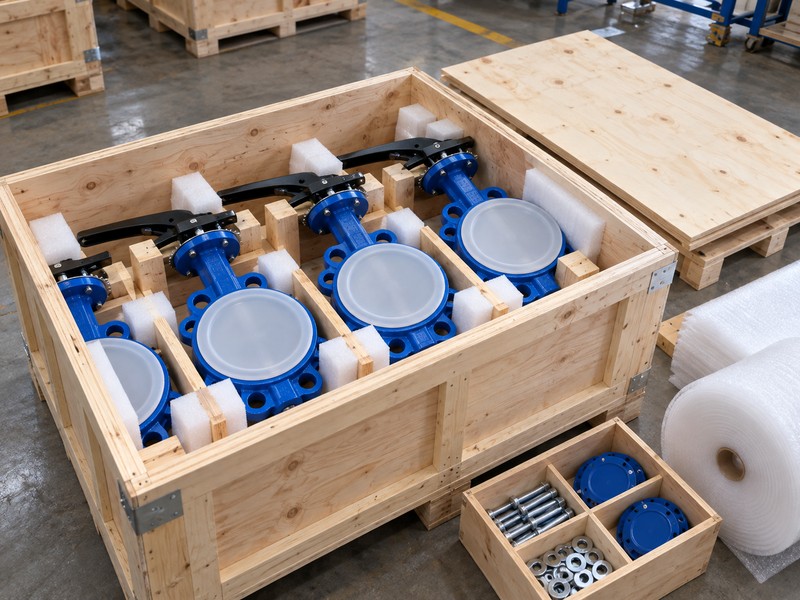
Check the actual product and issuer records. Match the required approval with the named manufacturer, model, relevant sizes, material configuration, temperature or use restrictions and destination requirements where applicable. Verify that the offered seat and other wetted components fall within the documented finished-product scope. Keep any gaps open for clarification rather than transferring approval from another compound, body style or supplier configuration.
- State the project’s actual drinking-water approval requirement.
- Match the supplied model and materials with documented scope.
- Retain applicable restrictions and issuer-verification information.
Key takeaway: Confirm required drinking-water approval for the actual finished valve and applicable scope.
| Check | What you should confirm |
|---|---|
| Compound record | Describes the actual material within its stated scope |
| Finished product | Approval evidence identifies the covered valve configuration |
| Project use | Applicable restrictions match the intended supplied application |
9. What duty suits an epdm butterfly valve seat?
The selected duty for an epdm butterfly valve seat includes pressure, temperature, shutoff differential and required operating movement. Material screening cannot establish all those valve limits or its accepted leakage criterion. Confirm the complete seat and valve arrangement for the same actual exposure and mechanical conditions.
Which hydraulic and sealing records remain separate?
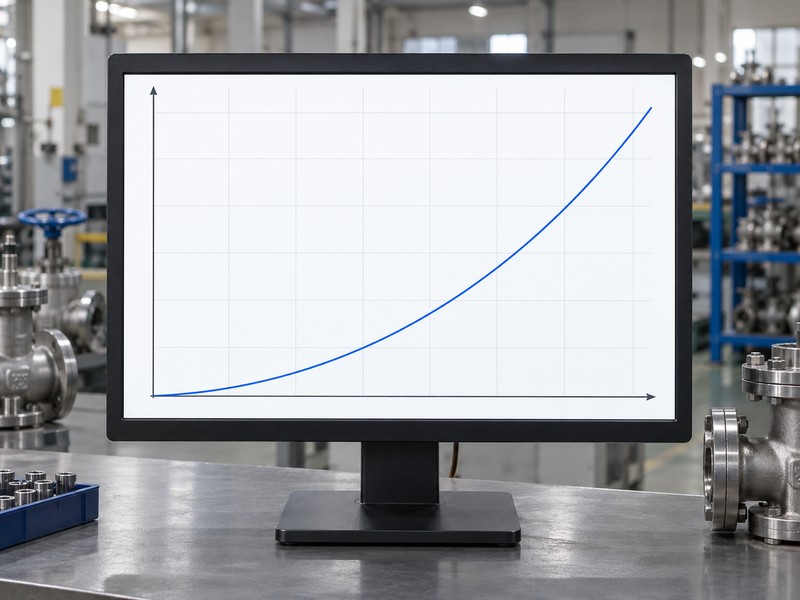
Complete the selected-valve duty review. Retain operating limits, torque or movement requirements and agreed leakage evidence with the actual compound and model identity. The disc and relevant shaft features remain in the flow passage; the conceptual chart shows pressure loss versus flow at fixed opening, flow coefficient (Cv) and liquid density. It supplies no leakage curve, chemical rating or actual model sizing data, so hydraulic performance needs its own selected records.
- Confirm configuration-specific pressure, temperature and differential limits.
- Retain required movement and sealing-acceptance information.
- Keep hydraulic sizing separate from material compatibility evidence.
Key takeaway: Combine actual-compound confirmation with the selected valve’s mechanical and performance records.
| Check | What you should confirm |
|---|---|
| Material | Confirmed compound supports the stated exposure |
| Mechanical duty | Selected configuration covers required loading and movement |
| Performance | Applicable hydraulic and leakage evidence retain separate scopes |
10. What records confirm an epdm butterfly valve seat?
Confirm an epdm butterfly valve seat through an application record connecting the compound, seat identity, actual exposure and selected valve duty. Keep supplier responses linked with the quotation and supplied product identification. A general elastomer description cannot communicate every accepted condition, approval restriction or unresolved question.
What should purchasing and handover records retain?
Release the identified material and application scope. Retain model and seat references, confirmed compound, water or glycol definition, cleaning and contamination information, operating limits and any required approval evidence. Record accepted exceptions and review changes to exposure or supplied materials against that baseline. RUITO can review the application information and proposed configuration, while actual availability, approval coverage and delivery scope require confirmation through the offer and supporting records.
- Link compound and seat identity with actual application conditions.
- Retain supplier confirmation and required approval-scope evidence.
- Control changes to materials, fluid, cleaning or duty definitions.
Key takeaway: Order an identified compound and configuration with a recorded, confirmed application scope.
| Check | What you should confirm |
|---|---|
| Enquiry | Actual seat, fluid and required service are identified |
| Confirmation | Supplier responses and accepted restrictions remain traceable |
| Supply record | Quoted and supplied identities match the accepted configuration |
Send RUITO the valve and seat identity, actual water or glycol formulation, cleaning conditions, known contaminants, operating duty and any drinking-water approval requirement. We can review the supplied application information and clarify the proposed material and configuration scope. Contact us for confirmation before treating a generic EPDM description as a complete selection.
FAQ
Q1: Can a black seat be identified as EPDM from a photograph?
No. Confirm the actual compound and seat identity through supplier and product records rather than color or appearance.
Q2: Does EPDM suitability for water cover every glycol blend?
No. Submit the actual glycol formulation, concentration, inhibitor package and operating conditions for selected-compound and valve review.
Q3: Does a water-service recommendation cover every cleaning cycle?
No. Identify actual products, concentration, temperature, duration and sequence, then obtain confirmation for the selected materials.
Q4: Does a compound declaration prove finished-valve drinking-water approval?
No. Check the actual finished-product evidence, covered model and material configuration, restrictions and applicable project requirement.
Q5: What changes should reopen the seat confirmation?
Review changes to compound, valve construction, fluid formulation, treatment, cleaning, contamination, operating duty or required approval scope.