
To define butterfly valve, name a rotary valve with a disc-shaped closure member positioned by a shaft in its body passage. The disc engages its designed sealing interface for closure. Geometry, seat construction, pipe connection, drive and accepted duty need separate descriptions.
A requisition can say butterfly valve while bidders offer different body connections, sealing arrangements and operators. The shared category name does not make those offers equivalent. Write a layered definition that identifies the closure type, separates its descriptive labels and leaves unconfirmed service claims for the selected product records.
1. How should you define butterfly valve in engineering?
To define butterfly valve in engineering, name a rotary valve whose shaft positions a disc-shaped closure member within its body passage. Record material, pressure rating, connection and operator as separate selected-product facts.
What belongs in the core glossary sentence?
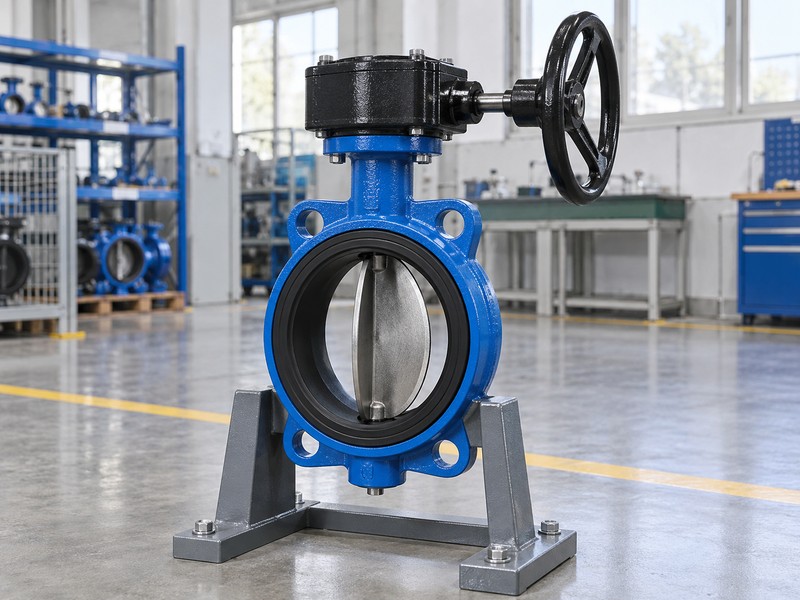
Name the closure form and motion. The Emerson Control Valve Handbook treats the butterfly disk as a flow closure member positioned through shaft rotation within its rotary-valve terminology. Use that relationship for the basic definition, then add selected descriptors separately. The complete manual-valve illustration identifies no actual material, service approval or supplied RUITO configuration.
- Identify the disc-shaped closure member and rotary positioning.
- Keep the shaft, body passage and sealing relationship explicit.
- Leave product-specific materials and ratings outside the core definition.
Key takeaway: Define the closure category before adding configuration or service claims.
| Check | What you should confirm |
|---|---|
| Category | Rotary valve with a disc-shaped closure member |
| Relationship | Shaft positions the disc within the body passage |
| Boundary | Selected configuration supplies actual service and construction facts |
2. Which closure facts help you define butterfly valve?
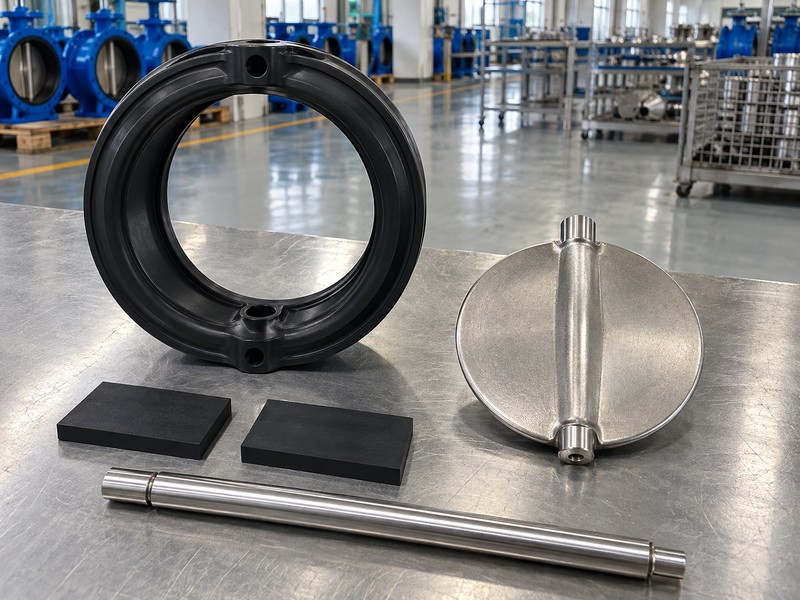
Closure form helps you define butterfly valve more precisely than the word rotary alone. Rotary describes a wider motion class, while the disc identifies this valve category. Disc and disk are spelling variants; stem or shaft terminology follows the selected manufacturer and does not establish a universal component arrangement.
What does quarter-turn mean in a definition?
Separate closure travel from operating input. Quarter-turn commonly describes movement between the disc’s closed and open endpoints, while a geared handwheel can require multiple input turns. Actual travel, stops and permitted intermediate operation follow the selected valve and operator documents. The term cannot authorize unrestricted rotation or establish how many physical shaft pieces, bearings or sealing components the assembly contains.
- Use disc or disk consistently within the glossary.
- Distinguish disc travel from gearbox or handwheel input.
- Keep actual endpoints and component arrangement model-specific.
Key takeaway: Use motion terms for their stated reference rather than a universal parts or travel rule.
| Check | What you should confirm |
|---|---|
| Closure form | Disc identifies the butterfly category within rotary valves |
| Travel term | Quarter-turn describes commonly stated endpoint movement |
| Actual assembly | Selected records define input turns, stops and components |
3. How do axis labels help you define butterfly valve?
Axis labels help you define butterfly valve by its selected internal geometry after the closure category is established. Concentric, double-offset and triple-offset describe designed geometric relationships. They do not count physical stems, name the pipe connection or establish every seat material and performance property.
What does an offset descriptor actually add?
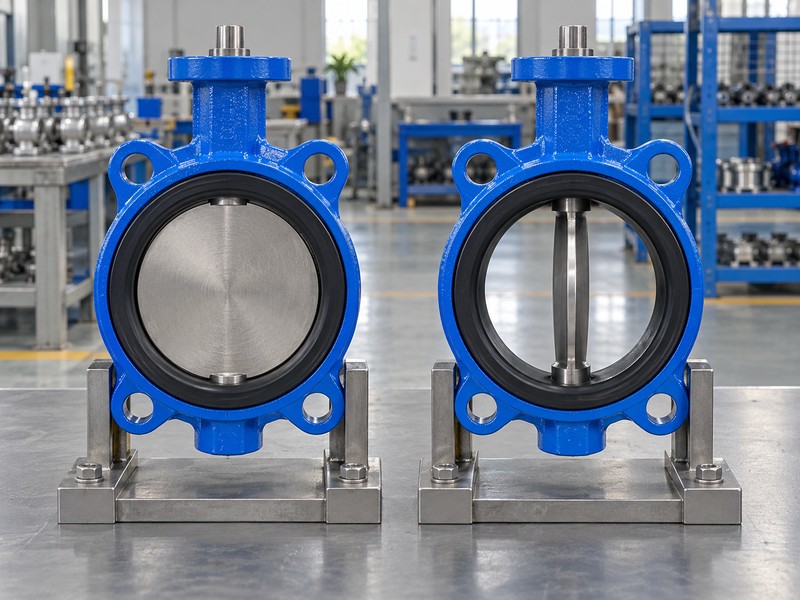
Keep geometry in its own field. The Bray Tri Lok-Cx technical manual provides a named triple-offset example with axis displacements and an inclined conical sealing axis. Read the selected manufacturer’s geometry definitions without transferring that product’s ratings or qualifications. Open-and-closed illustrations show positions, while concealed offset relationships require the actual section and component definition.
- Record concentric or identified offset geometry separately.
- Use selected section references for concealed axis relationships.
- Keep geometry labels independent of connection and service claims.
Key takeaway: Use offset terminology to describe geometry without treating it as a complete product specification.
| Check | What you should confirm |
|---|---|
| Geometry | Descriptor identifies the selected axis and sealing relationships |
| Evidence | Applicable sections establish concealed construction |
| Limits | Ratings and qualifications remain separate product facts |
4. How do seat labels help you define butterfly valve?
Seat labels help you define butterfly valve by its selected sealing and material arrangement. Resilient-seated, polymer-lined and metal-seated descriptions answer different construction questions from axis or connection terminology. None independently establishes a universal leakage result, temperature limit, chemical compatibility or offset count.
Which sealing boundaries should the glossary distinguish?
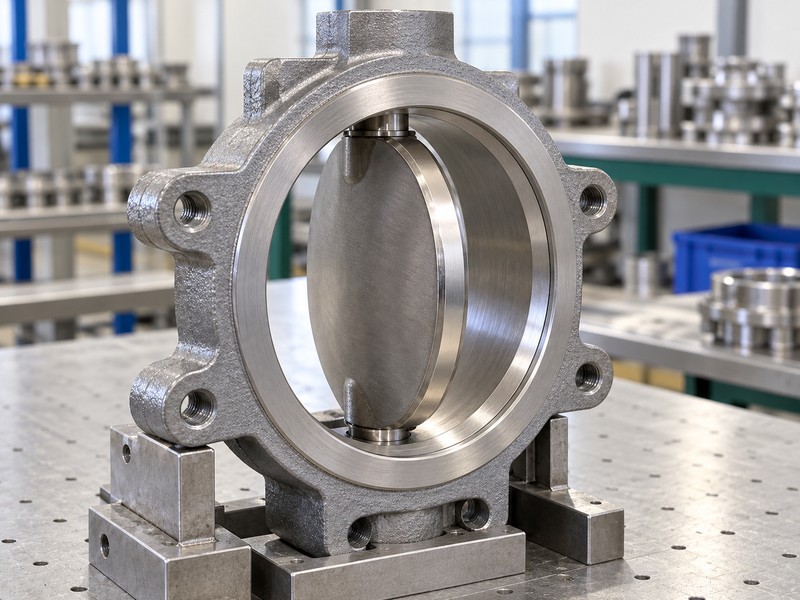
Name the sealing scope accurately. Closure at the disc-and-seat pair differs from external shaft sealing and body or pipe-interface sealing. A lining description also needs its actual coverage rather than an assumption that every wetted component shares one material. Keep those meanings concise in the glossary and refer compound, retention, gasket and acceptance details to the selected configuration records.
- Separate seating description from geometry and body connection.
- Distinguish shutoff, shaft and body-interface sealing functions.
- Retain actual material coverage and acceptance as selected-product facts.
Key takeaway: Use a seat descriptor for its actual sealing scope rather than every valve property.
| Check | What you should confirm |
|---|---|
| Seat description | Identifies the selected closure-sealing arrangement |
| Other seals | Shaft and body interfaces retain separate functions |
| Material coverage | Actual configuration defines which surfaces use each material |
5. How do connection terms help you define butterfly valve?
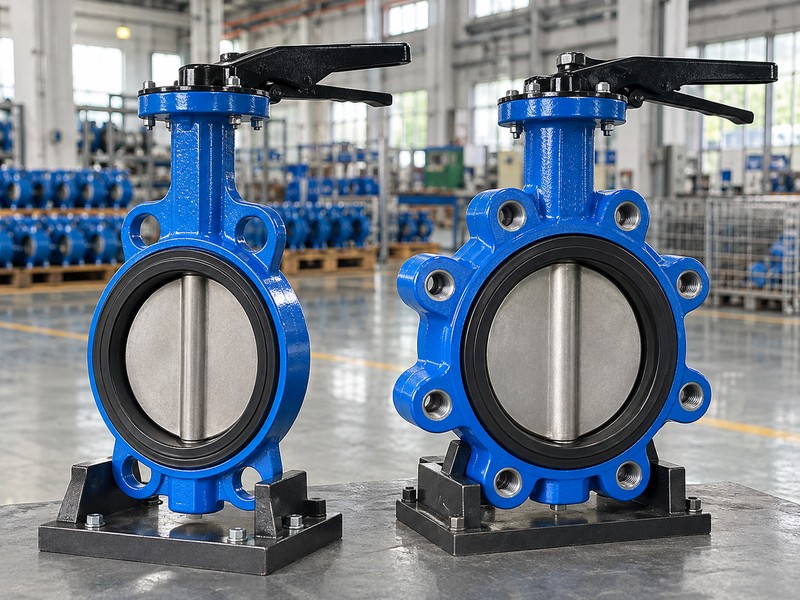
Connection terms help you define butterfly valve by the selected body’s pipe-interface arrangement. Wafer, lug, double-flanged and grooved descriptions do not replace the rotary-disc definition. A body-connection label also cannot establish hidden geometry, material grade or the permitted end condition for every valve using that label.
Why should connection and sealing descriptions stay separate?
Assign each descriptor its own meaning. The Bray resilient-valve manual treats identified constructions and their interface requirements within actual model instructions. Use connection wording to identify that interface category, then obtain selected dimensions, gaskets, restraint and end-condition information separately. A generic wafer-and-lug comparison cannot establish an interchangeable connection, universal gasket rule or end-of-line permission.
- Identify the actual pipe-connection category separately.
- Keep flange and mating details with selected model records.
- Confirm restraint and end conditions without inferring permission from a label.
Key takeaway: Keep the body-interface label separate from geometry, sealing and end-condition claims.
| Check | What you should confirm |
|---|---|
| Connection term | Identifies the selected pipe-interface arrangement |
| Selected detail | Defines actual mating dimensions and interface requirements |
| End condition | Needs its own construction and duty evidence |
6. How do drive terms help you define butterfly valve?
Drive terms help you define butterfly valve by how its shaft receives operating movement. Manual, electric and pneumatic identify different operating arrangements, rather than different closure categories. A pneumatic operator describes the drive and does not identify the fluid passing through the valve body.
Which operating facts remain outside the drive label?
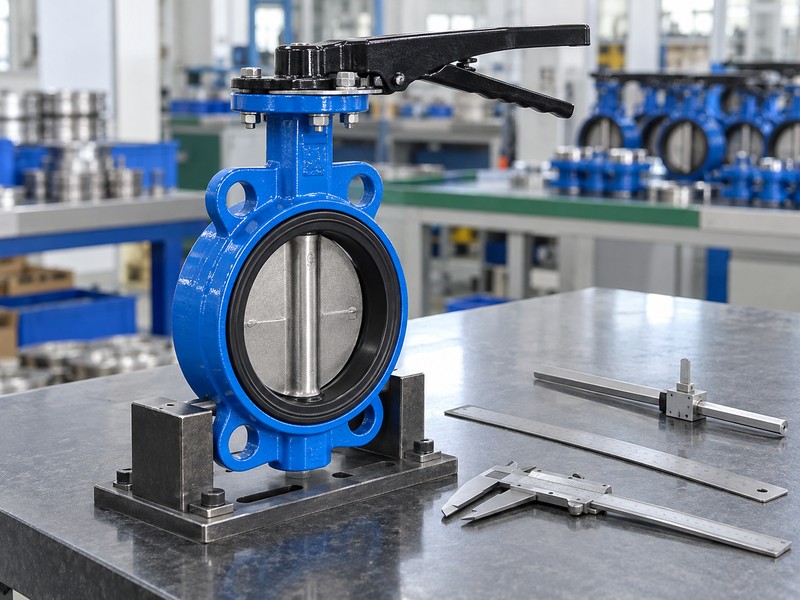
Separate the operator from the process medium. Record the selected drive method alongside the actual valve construction, then retain required effort, output, supply, controls and failure behavior as their own facts. Neither an actuator name nor mounting dimensions prove suitable torque or automatic safety action. A measuring-tool illustration provides no evidence that a particular operator or valve function has been accepted.
- Use manual or powered wording to identify the drive arrangement.
- State process medium independently of actuator energy source.
- Retain sizing, controls and failure behavior in selected records.
Key takeaway: Describe how the valve is operated without inferring its medium or safety function.
| Check | What you should confirm |
|---|---|
| Drive label | Names the selected source of operating movement |
| Process medium | Identifies what passes through the valve body |
| Actual capability | Selected operating data establishes output and required functions |
7. Can duty words define butterfly valve?
Duty words can help you define butterfly valve for an application, but isolation or regulation describes intended use rather than the whole category. The selected construction and operating data determine permitted movement and performance. A definition cannot establish precision control at every angle or an automatic non-return function.
Which flow claims need actual product data?
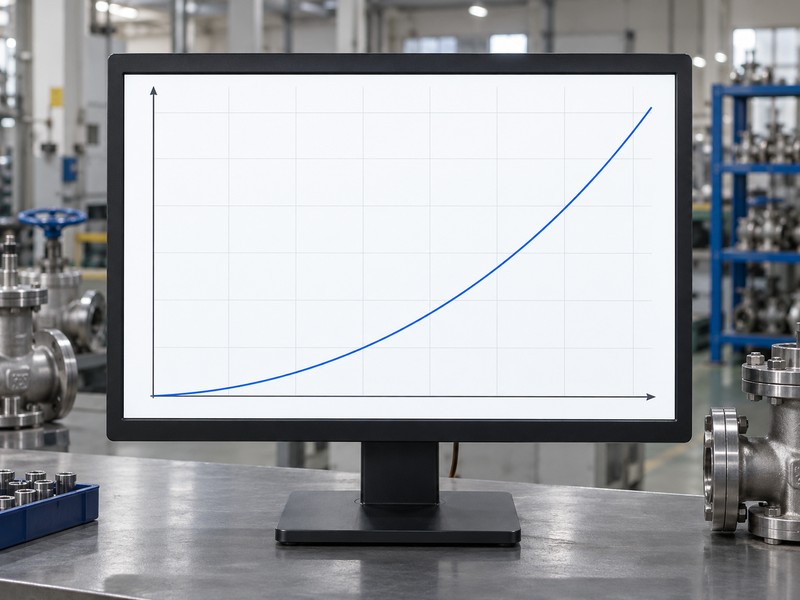
Keep intended function separate from guaranteed performance. The disc and relevant shaft features remain in the open flow passage, so open does not mean an empty pipe or zero resistance. The conceptual chart shows pressure loss versus flow at fixed opening, flow coefficient and liquid density; it provides no actual model data or leakage curve. Do not infer a universal linear angle-flow relationship or required automatic action from the category name.
- Identify isolation, regulation or another required duty explicitly.
- Use selected data for actual opening and flow behavior.
- Specify any required automatic function through its own design evidence.
Key takeaway: Treat duty as a selected application requirement whose performance still needs evidence.
| Check | What you should confirm |
|---|---|
| Intended duty | Application states what the valve must do |
| Flow behavior | Selected construction and data establish actual performance |
| Automatic function | Required action needs an identified arrangement and evidence |
8. Can fluid names help you define butterfly valve?
Fluid names help you define butterfly valve within an application only when the actual medium and selected configuration are identified. Water, gas and chemical service are broad descriptions rather than complete compatibility statements. Temperature, composition, relevant pressure states and acceptance requirements remain separate application facts.
Why does a gas description need its own scope?
Name the actual medium. Clean air or nitrogen, natural gas and other gases pose separate application questions; pneumatic operation cannot answer them. RUITO’s stated clean-gas butterfly configurations concern clean air or nitrogen, while its limited natural-gas scope belongs to identified ball-valve and pipe-component configurations. Do not transfer those offerings, or another manufacturer’s gas claims, into a generic butterfly-valve definition or supply promise.
- Identify actual medium and relevant composition information.
- Keep fluid duty separate from the operator description.
- Confirm the selected supplier configuration for the requested service.
Key takeaway: Use the actual medium and selected product evidence to qualify an application description.
| Check | What you should confirm |
|---|---|
| Fluid label | Names the broad application medium |
| Actual exposure | Composition and operating states define the review request |
| Selected scope | Product records establish the proposed service capability |
9. Can test terms help you define butterfly valve?
Test terms can qualify a request to define butterfly valve for a specification, but tested, rated and approved describe different facts. Rated duty concerns permitted service under selected conditions. Inspection results address a stated test scope, while approval claims require actual configuration and market or project coverage.
What evidence should accompany those words?
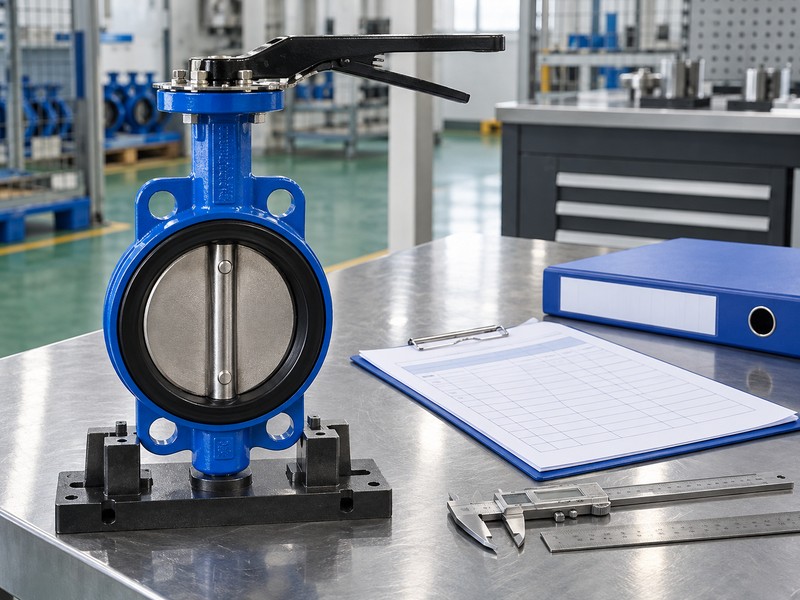
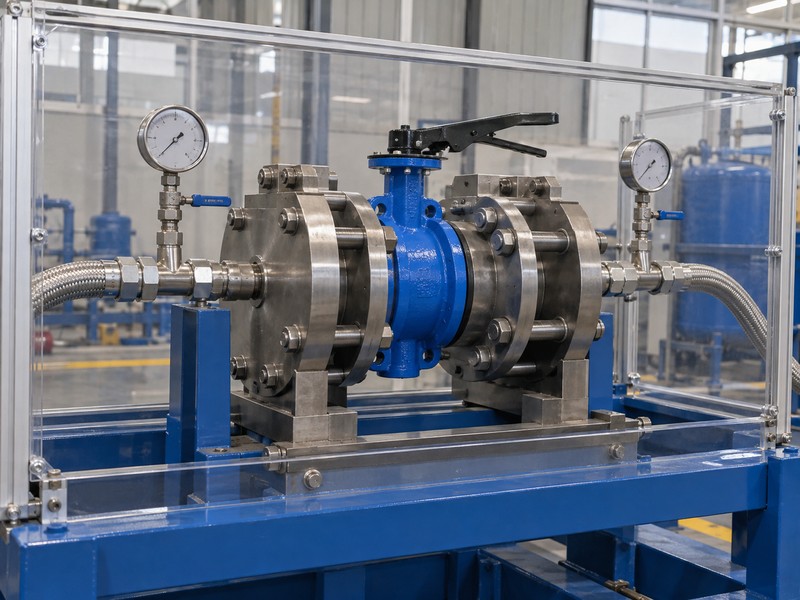
Read each claim within its scope. Retain selected operating limits, applicable inspection results and required qualification records as separate evidence linked with the supplied identity. A water-pressure test cannot establish every gas-leakage requirement, and a company certificate cannot establish complete-valve approval. The hydraulic fixture illustration proves no actual test condition, accepted leakage result or product rating.
- Separate allowable service limits from inspection conditions.
- Keep test results within their identified methods and scope.
- Match approval claims with actual product and application coverage.
Key takeaway: Attach evidence to service and acceptance words without folding them into the basic definition.
| Check | What you should confirm |
|---|---|
| Rated | Selected limits define allowable operating duty |
| Tested | Actual records identify inspection conditions and results |
| Approved | Applicable evidence covers the identified configuration and use |
10. How can a schedule define butterfly valve clearly?
A schedule can define butterfly valve clearly by separating the rotary-disc category from its selected descriptors and duty records. Give geometry, seating, connection and operator their own fields. Keep model identity and application evidence alongside them so the assembled description remains reviewable rather than a string of assumed capabilities.
What should follow the short glossary definition?
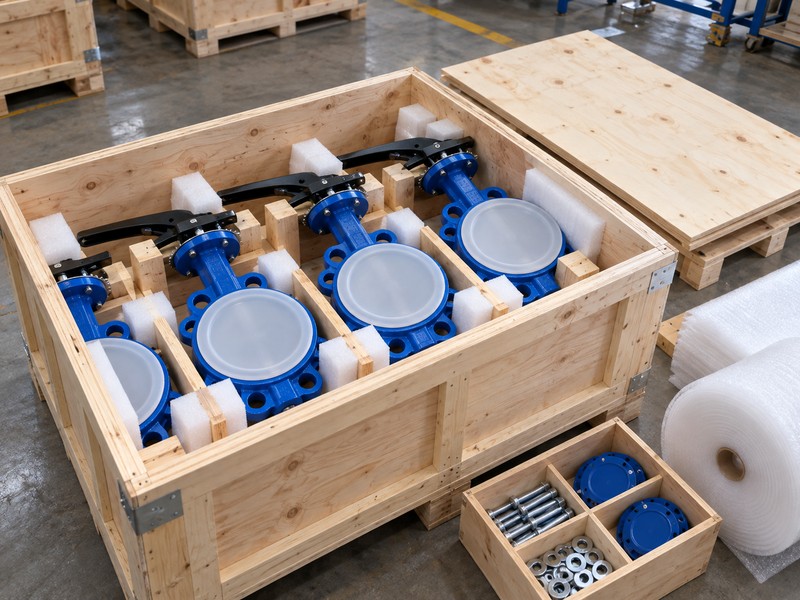
Build a layered description. Begin with the closure category, add the actual configuration descriptors and reference the selected service and acceptance documents. Record unresolved fields rather than borrowing values from another family or a generic image. At handover, retain that same identity across the accepted description, supplied item and applicable records without treating packing appearance as proof of conformity.
- Keep category and configuration descriptors in separate fields.
- Link actual model and service evidence with the description.
- Retain unresolved details and accepted changes explicitly.
Key takeaway: Use a short definition plus separate configuration and evidence fields for a usable specification.
| Check | What you should confirm |
|---|---|
| Definition | Rotary-disc category states what kind of valve it is |
| Descriptors | Actual geometry, sealing, connection and drive identify the construction |
| Evidence | Selected records establish duty and acceptance for the supplied identity |
Send RUITO the valve category, required connection, known geometry or seat description, operator needs and actual service information. We can review the proposed application and identify which configuration facts and supporting records remain unconfirmed. Contact us before turning a general definition into a supply or performance requirement.
FAQ
Q1: Can I identify a butterfly valve from a handwheel alone?
No. A handwheel describes an operating input. Identify the actual disc-shaped closure and selected valve construction.
Q2: Does wafer mean the valve is concentric?
No. Wafer describes a connection arrangement, while concentric or offset describes selected internal geometry.
Q3: Does a metal seat mean triple-offset construction?
No. Seating material and geometry are separate descriptors that need the actual selected configuration.
Q4: Does quarter-turn establish a linear relationship between angle and flow?
No. It describes commonly stated endpoint movement; actual flow behavior and permitted travel follow selected-product data.
Q5: What should I add after the basic definition?
Record actual geometry, sealing, connection, operator, model identity, service duty and the applicable operating and acceptance evidence.