
Butterfly valve disk material should match the fluid, temperature, pressure and complete wetted construction. A familiar alloy name does not settle that choice. If your water-service valve is moving into an oil or chemical line, review the disk, seat, shaft and protective layers together before approving the change. Start with a service data sheet and compare configurations against the same conditions.
1. What determines butterfly valve disk material selection?
Butterfly valve disk material selection starts with the actual fluid and operating envelope. Record composition, concentration, contaminants and cleaning conditions. Add normal operation, startup, shutdown and any specified upset conditions. The supplier then needs to identify a complete valve construction suitable for that envelope, including the parts around the disk.
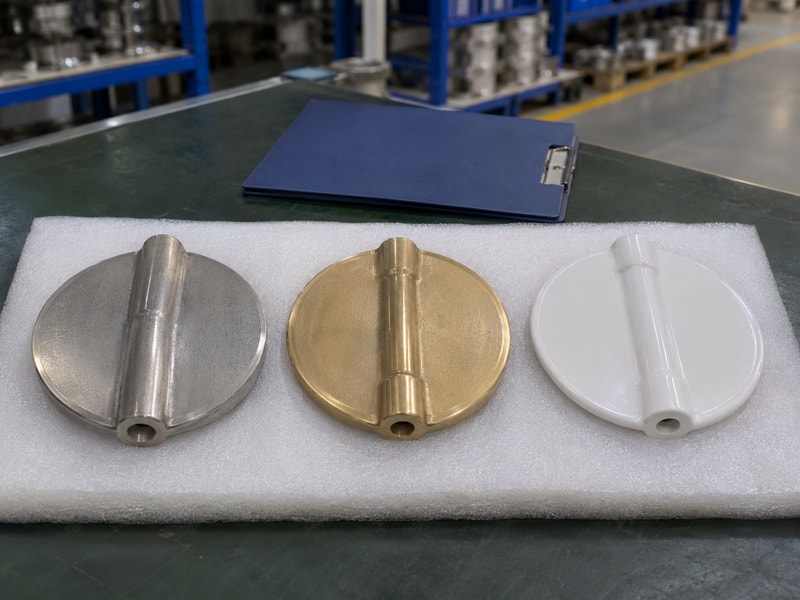
Give suppliers the same duty sheet
A useful comparison needs more detail than water, oil or chemical service. Identify dissolved salts, treatment additives and suspended solids where relevant. State minimum and maximum temperature, working pressure and maximum closing differential pressure separately.
For your wafer butterfly valve enquiry, include connection details and operating frequency as well. Ask each supplier to state its assumptions and exceptions in the quotation so differences remain visible.
- Name the fluid and its composition.
- Describe pressure, temperature and operating cycles.
- Identify cleaning fluids and possible contaminants.
| Duty input | Example of useful detail | Selection consequence |
|---|---|---|
| Fluid | Water with stated treatment additives | Compatibility review |
| Solids | Particle and fibre information | Wear and blockage review |
| Operation | Isolation or repeated modulation | Mechanical review |
Compare every offer against one agreed service description.
2. When is ferrous butterfly valve disk material suitable?
A ferrous butterfly valve disk material can be considered where the specified alloy, protective surface and valve construction suit the duty. Ductile iron and carbon steel are different material families. Neither name establishes corrosion resistance or a coating’s condition. Review the exposed construction and the consequences of damage before accepting a coated ferrous component.
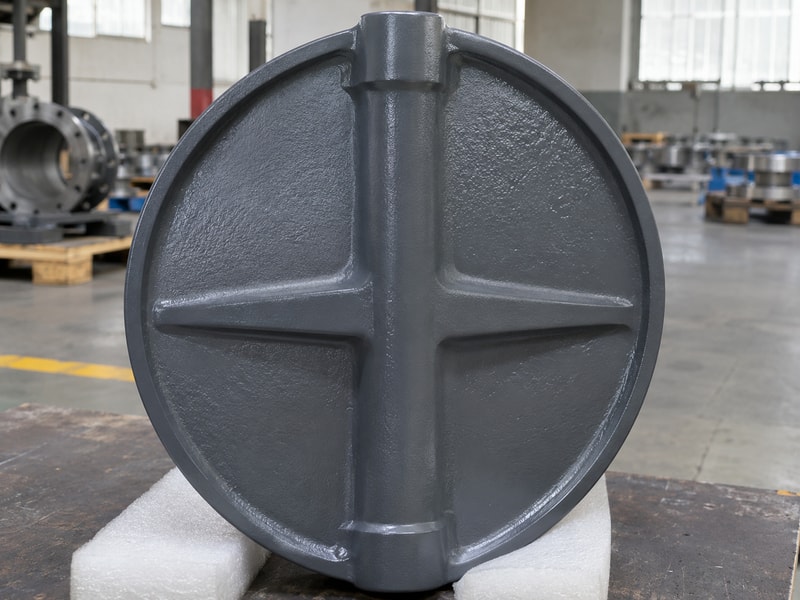
Specify the coating as a separate item
The metal substrate carries mechanical loads while the protective layer has its own specification. Identify surface preparation, coverage, thickness requirements and inspection criteria. The sealing edge and shaft junction need attention because the protective boundary must remain suitable there.
A coating used on the valve body’s exterior does not automatically qualify for the disk’s wetted surface. Avoid substituting a general paint description for a controlled product specification.
- Identify the exact substrate grade.
- Define the protective surface and its coverage.
- Agree on damage and repair acceptance rules.
| Item | Required definition | Weak substitute |
|---|---|---|
| Substrate | Alloy and condition | Iron disk |
| Protection | Named material and process | Corrosion resistant finish |
| Acceptance | Stated inspection criteria | Good appearance |
Judge the substrate and its protection together in the intended service.
3. Is stainless butterfly valve disk material always suitable?
Stainless steel butterfly valve disk material needs a grade-specific compatibility review. A bright surface alone cannot identify that grade or establish resistance to the actual fluid. Chlorides, temperature, crevices and cleaning chemicals can change the assessment. Specify the material and condition rather than asking only for a stainless disk.
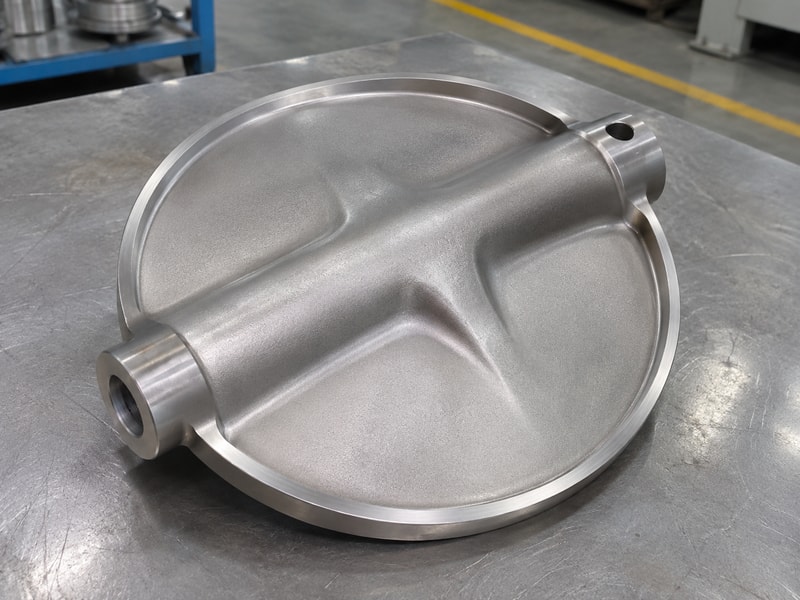
Keep grade identification traceable
RUITO’s documented conventional water-service construction uses a CF8M disk with the specified body, shaft and EPDM seat. That configuration does not establish a general acid or seawater rating. Review the applicable material record and any verification required by your purchase specification.
Cast grades and wrought grade descriptions should appear accurately in the documentation. If a supplier proposes a different grade, obtain a technical comparison and approval before production.
- Request the grade and material condition.
- Review the actual fluid and cleaning exposure.
- Control substitutions through written approval.
| Question | Evidence | Decision |
|---|---|---|
| Which stainless grade? | Traceable material record | Confirm specification |
| Which service? | Complete duty sheet | Review compatibility |
| Which substitute? | Documented technical proposal | Approve or reject |
Use the named material and service limits together when comparing quotations.
4. Which butterfly valve disk material suits seawater?
A bronze butterfly valve disk material should be reviewed as a named alloy within a complete seawater configuration. Bronze describes a broad family of copper alloys. The shaft, exposed connections and other wetted metals also affect the assessment. Seawater temperature, velocity, treatment and stagnant conditions belong in the service information.
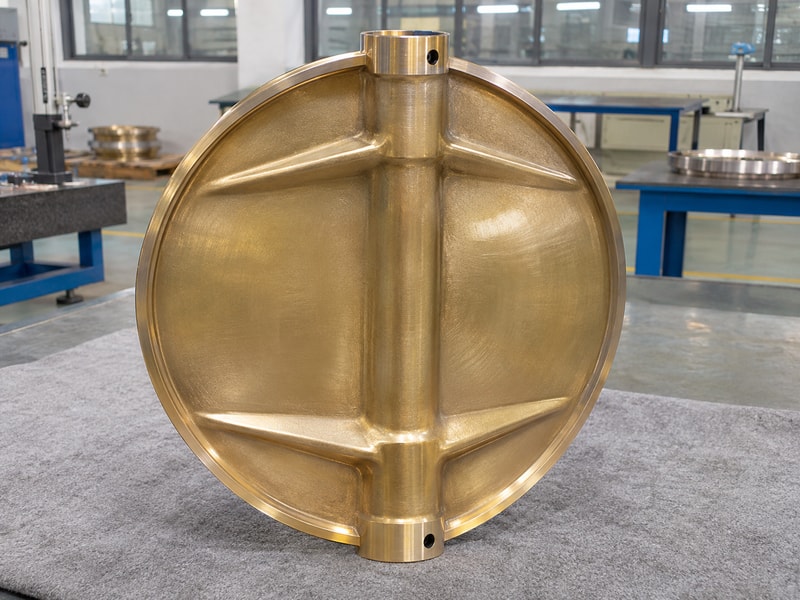
Review all exposed metals
RUITO’s seawater-specific wafer or lug configuration uses an isolated flow passage and C95800 aluminium bronze or another alloy approved through corrosion review. Its documented application covers DN50–300, 5–40°C and working pressure up to 10 barg, subject to the actual configuration. That scope covers low-pressure intake or pretreatment duty.
It does not establish suitability for a high-pressure reverse-osmosis membrane section. Confirm the exact disk and shaft materials on the offered lug butterfly valve.
- Identify the alloy rather than its colour.
- Review chlorination and other treatment conditions.
- Check the full wetted-metal combination.
| Seawater detail | Why it is needed | Supplier response |
|---|---|---|
| Temperature and treatment | Defines exposure | Compatibility assessment |
| Exposed shaft and joints | Defines wetted boundary | Material list |
| Pressure and application | Defines mechanical duty | Model-specific limits |
Keep the approval tied to the stated seawater duty and construction.
5. What is covered butterfly valve disk material?
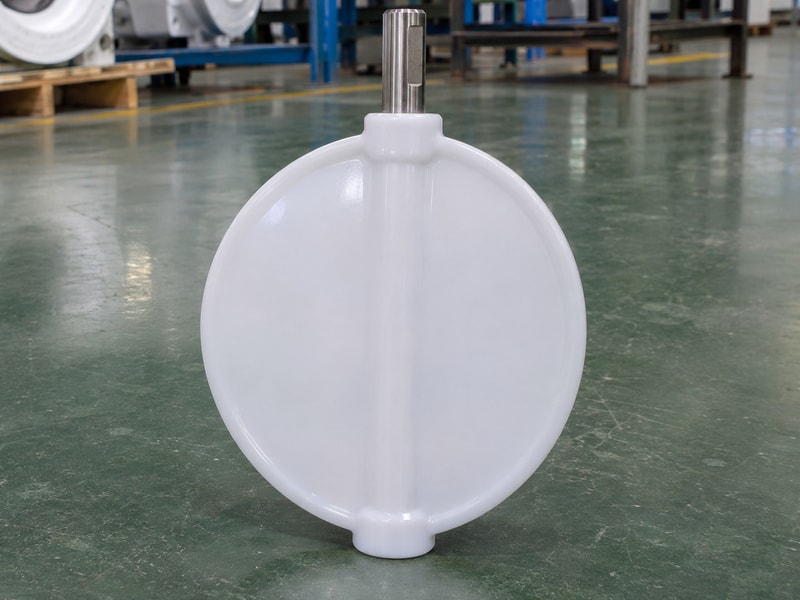
Fluoropolymer-covered butterfly valve disk material has a metal core and a protective wetted construction that must be specified separately. PTFE and PFA are distinct materials. A covered disk also needs suitable valve-body lining, backing and shaft seals. The resin name alone cannot establish the service range of the complete valve.
Identify the complete protective boundary
Review a controlled section showing the disk covering, body lining and shaft region. For a PTFE lined butterfly valve, request the relevant thickness, integrity and temperature requirements. A PFA lined butterfly valve needs its own material and construction definition.
A PFA-covered disk paired with a PTFE seat is a mixed-material assembly. List both materials explicitly rather than describing that assembly as fully PFA lined.
- Identify every wetted protective material.
- Review coverage at edges and shaft junctions.
- Confirm the required integrity inspections.
| Construction item | What to identify | What to verify |
|---|---|---|
| Disk covering | Resin and geometry | Continuous coverage |
| Body lining | Material and extent | Matching service scope |
| Backing and shaft seal | Exact materials | Complete compatibility |
Approve the assembly’s wetted boundary rather than the disk covering alone.
6. Why does the seat matter as much as the disk?
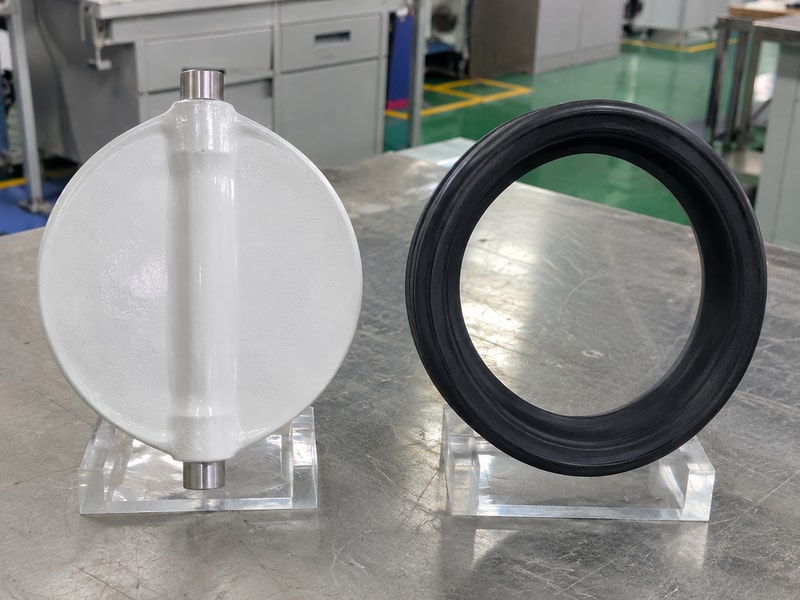
Butterfly valve disk material and seat material must both suit the fluid and work together mechanically. A compatible metal disk cannot compensate for an unsuitable elastomer seat. The shaft seals and any exposed backing need the same review. Keep the actual fluid formulation and temperature attached to each material decision.
Check service-specific configurations
RUITO uses separate material configurations for water and compatible mineral-oil duties. Its documented oil-service wafer and lug range uses NBR in the specified assembly, with DN50–300, 5–70°C and working pressure up to 10 barg. Oil additives and material swelling still require review.
Those limits cannot be transferred to an ordinary EPDM water-service valve. A change of seat can also affect fit and operating torque, so confirm assembly acceptance after an approved substitution.
- Review disk, seat and shaft seals together.
- Include additives and cleaning exposure.
- Check fit and torque after approved changes.
| Component | Review | Typical missing information |
|---|---|---|
| Disk | Wetted surface compatibility | Exact grade or covering |
| Seat | Formulation and operating envelope | Actual elastomer specification |
| Shaft seal | Exposure and retention | Material and arrangement |
Treat each proposed material change as a configuration change.
7. How do pressure and temperature constrain the choice?
Butterfly valve disk material selection must use pressure and temperature conditions that apply simultaneously to the offered configuration. A valve’s highest listed temperature and highest listed pressure may belong to different conditions. Check the model-specific pressure–temperature relationship and closing differential pressure. Include the seat, lining and connection limits in that comparison.
Keep working limits separate from test conditions
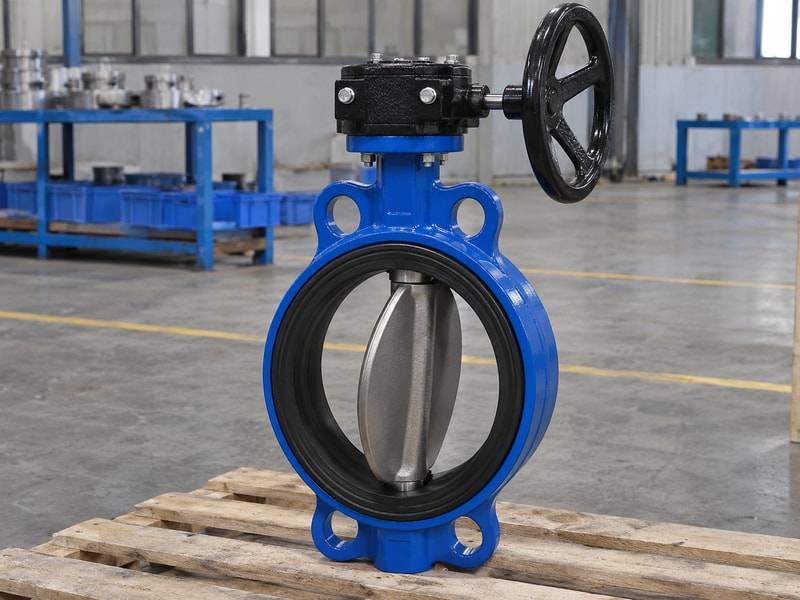
For RUITO’s conventional water-service wafer configuration, the documented working temperature is 5–60°C within its model-specific pressure limits. PN10 or PN16 identifies the nominal pressure class; it does not establish a universal hot-service rating. Shell and closure test pressures describe a test procedure.
They must not appear in an enquiry as permitted working pressures. State pressure in a clear unit and distinguish gauge pressure from absolute pressure where phase or vacuum conditions matter.
- Give simultaneous operating temperature and pressure.
- State maximum closing differential pressure.
- Request the applicable derating information.
| Value | Meaning | Use |
|---|---|---|
| Working pressure | Intended operating condition | Service selection |
| Closing differential | Load across the disk | Closure and drive review |
| Test pressure | Defined inspection condition | Acceptance procedure |
Compare the lowest applicable assembly limit with the complete operating envelope. Where ISO 5208 is specified, its pressure-boundary and closure tests need the applicable product requirements. Those tests provide no general approval for a chemical exposure.
8. What should you check when wear or corrosion appears?
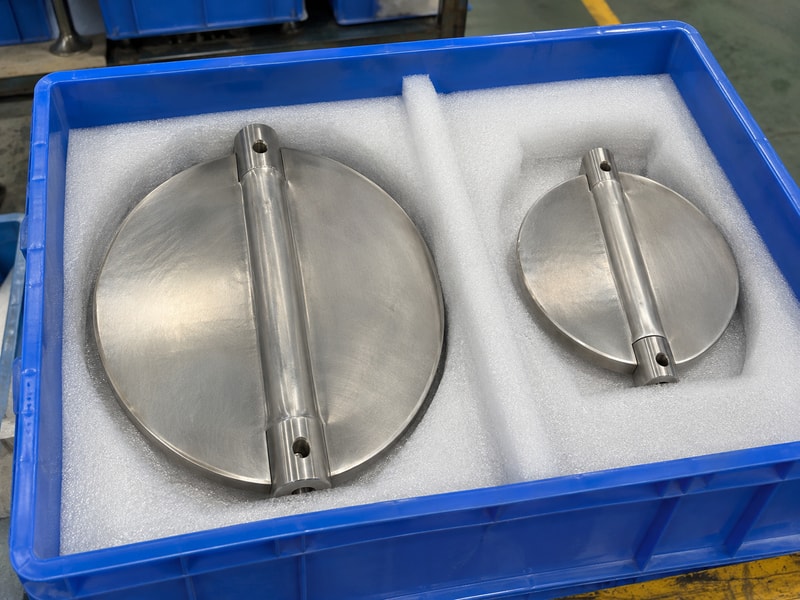
Damage to butterfly valve disk material requires a review of the damage location and the actual service history. Record fluid changes, operating position, solids and cleaning procedures. Protect the component from further damage during inspection. A photograph can document visible condition but cannot identify every failure mechanism or establish remaining strength.
Investigate before changing the alloy
Corrosion, mechanical contact and particle wear require different responses. A new alloy may leave the original installation problem unresolved. Check seat contact, rotational clearance and the condition of adjoining components alongside the material review.
RUITO’s documented low-solids treated-water configuration excludes strongly abrasive slurry and requires review of particles and fibres. Do not use that water-service scope as a general approval for solids handling or continuous throttling.
- Record where damage occurs and how it developed.
- Review operating and installation conditions.
- Obtain an approved repair or replacement decision.
| Observed condition | Review alongside material | Next evidence |
|---|---|---|
| Local edge damage | Contact and clearance | Assembly inspection |
| Surface attack | Fluid and cleaning history | Compatibility review |
| Protective-layer loss | Coverage and service exposure | Coating assessment |
Change the configuration after the cause and acceptance requirements are defined.
9. How do you specify butterfly valve disk material?
A butterfly valve disk material specification should identify the substrate, protective layers, mating materials and service limits. Include the required material records, drawings and inspection documents. State which changes need approval. Ask the supplier to list any assumptions, exclusions or proposed alternatives before you compare prices.
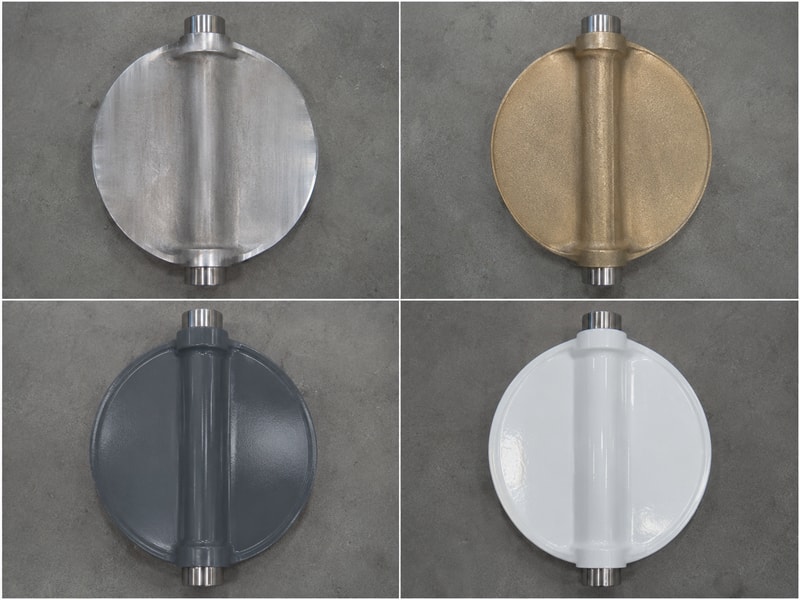
Compare complete offers
Request the same technical package for every proposed configuration. Include wetted-material identification, pressure–temperature limits, relevant inspection procedures and controlled drawings. For drinking-water or other regulated applications, verify documentation covering the actual offered model and contact materials.
Material names alone cannot prove that approval. Send RUITO your fluid composition, size, connection and operating envelope when you contact us for a material review.
- Freeze the complete duty sheet.
- List required records and inspection points.
- Require written approval of substitutions.
| RFQ field | Minimum useful detail | Supplier confirmation |
|---|---|---|
| Material | Exact grade and protective layers | Offered construction |
| Duty | Fluid and operating envelope | Applicable limits |
| Acceptance | Records and inspection requirements | Supply responsibility |
Select the offer whose documented configuration meets the stated duty.
10. Which material questions should you settle before ordering?
Settle butterfly valve disk material questions before the purchase order freezes the construction. Your engineering and procurement teams should use the same fluid description and approved material list. Record any outstanding compatibility questions in the quotation review. A supplier’s alternative needs a defined approval route, with updated drawings and records when the change affects the accepted configuration.
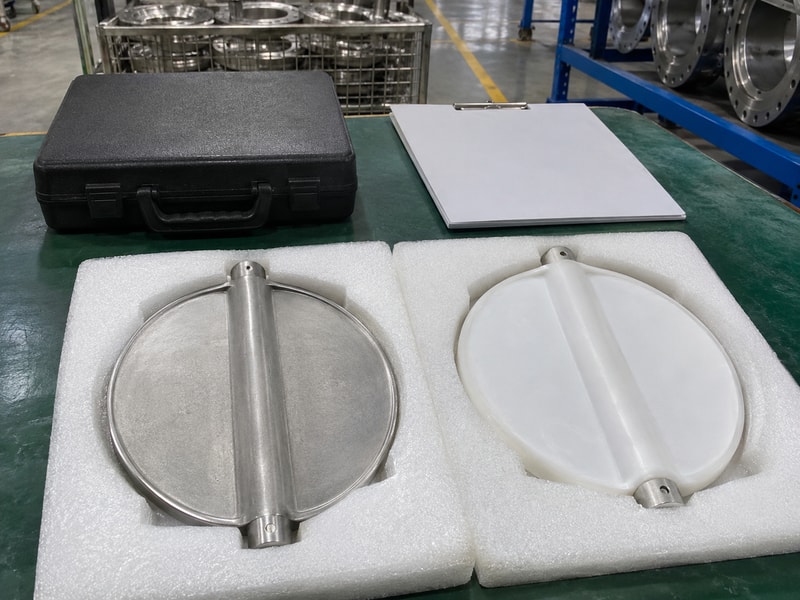
Q1: Can I identify the disk alloy from its colour?
No. Appearance can help describe a sample but cannot establish its alloy or condition. Use traceable documentation and any material verification required by the specification.
Q2: What’s the best material for every butterfly valve?
There is no universal selection. The fluid, temperature, mechanical duty and complete wetted assembly determine which configuration can be accepted for your application.
Q3: Can I change only the seat for oil service?
Only after an approved configuration review. The disk, shaft seals, exposed materials, fit and operating torque still need to suit the actual oil and temperature.
Q4: How do I know if a covered disk is suitable for chemicals?
Obtain the complete wetted-material definition and compatibility assessment. Include concentration, contaminants, cleaning exposure, pressure and temperature. Review the covering, backing and shaft region together.
Q5: Does a pressure test prove corrosion resistance?
No. A pressure test addresses its stated mechanical or leakage criteria. Chemical compatibility requires a separate review of materials and exposure conditions.