
Fix butterfly valve dn80 price comparison mistakes by putting technically accepted offers on the same delivered-cost basis and checking the costs that remain outside each quote. A low goods total can leave freight, inspection, destination charges, or receiving work with the buyer. Use current quotations and project-specific estimates rather than an assumed market price.
A buyer shortlists two accepted valve offers, but one includes protective packing and the other stops at a different delivery point. Comparing their invoice totals can send the order to a supplier with a higher total cost for the project. Build one cost sheet that follows the goods to acceptance and records the support needed for repeat orders.
1. How do you compare butterfly valve dn80 price offers?
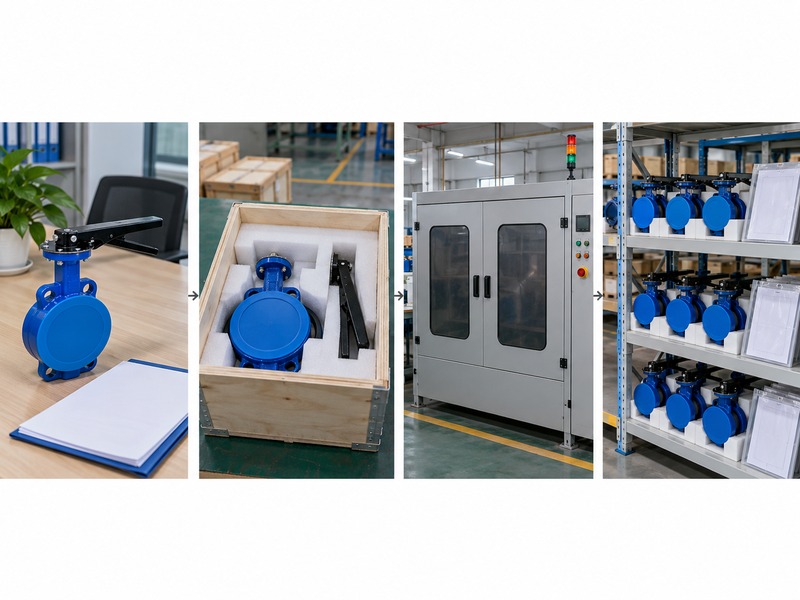
Compare butterfly valve dn80 price offers by adding only the excluded costs needed to reach the same agreed delivery and acceptance point. Start with technically accepted configurations and the same quantity basis. Keep the quoted goods amount intact, then show buyer-paid logistics, inspection, destination charges, receiving work, and selected spares as separate entries.
What belongs in the comparison formula?
Give every cost one home in C = G + L + I + D + R + S, the compared total. G represents quoted goods, L excluded logistics, I excluded inspection, D nonrecoverable destination charges, R receiving work, and S selected spares. Avoid repeating included costs, and name exclusions such as installation or operation. Use dated quotes or documented project estimates for each input; the formula supplies no market-price assumption.
Key takeaway: A common cost boundary makes different commercial offers comparable.
- Compare technically accepted offers at one defined destination.
- Label included, excluded, estimated, and unresolved costs.
| Item | Review |
|---|---|
| Quoted basis | Goods scope, quantity, and acceptance point |
| Added costs | Only excluded items needed for the same basis |
2. How do validity dates and currency change the comparison?
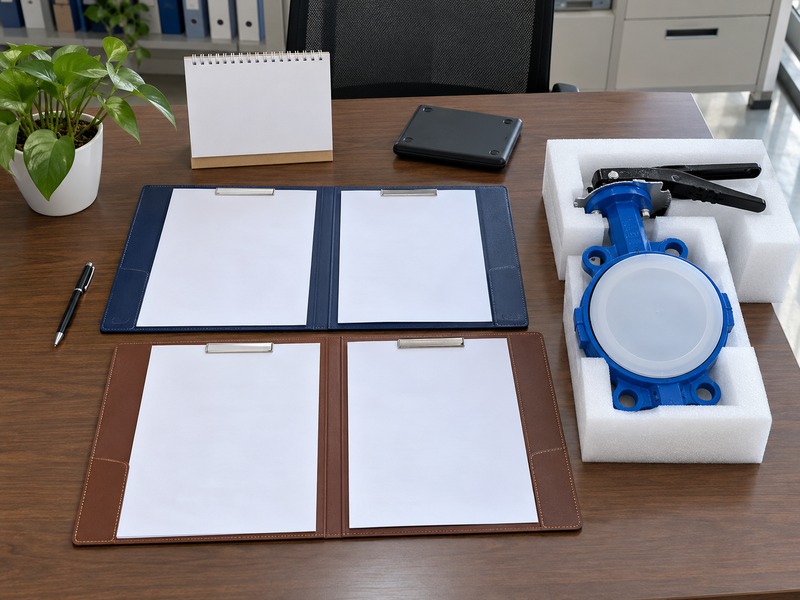
Validity dates and currency change a butterfly valve dn80 price comparison when offers use different exchange assumptions or expire before approval. Convert accepted offers using one documented comparison rate and date. Keep that budgeting calculation separate from the supplier’s invoicing currency, bank charges, payment schedule, and any conditions that permit a revised quotation.
Which commercial version should the buyer approve?
Compare live revisions by recording quotation number, date, expiry, currency, and payment terms beside the technical revision. RUITO’s stated quotation validity is 15 days, with uncommitted orders subject to requotation for relevant metal and exchange-rate changes; confirm the actual offer. Request written revalidation if approval extends beyond expiry. Finance should confirm the comparison rate and transfer-fee treatment so different payment routes remain visible in the comparison.
Key takeaway: A historical quote and a current quote need a common dated basis.
- Use one dated exchange basis for internal comparison.
- Revalidate expired offers and preserve the accepted revision.
| Item | Review |
|---|---|
| Supplier offer | Current revision, currency, validity, and terms |
| Buyer worksheet | Dated conversion basis and identified payment fees |
3. Why must the delivery term name an exact place?
The delivery term must name an exact place because a butterfly valve dn80 price offer needs a defined boundary for seller and buyer obligations. A port-only offer and a delivery-to-site offer can leave different costs outside the goods amount. Review the chosen rule, named point, edition, and quoted exclusions before deciding which offer reaches the project’s required destination.
How should you record Incoterms in the bid sheet?
Write the term with its named point and edition instead of a three-letter abbreviation alone. The ICC’s Incoterms guidance explains how the named place helps define delivery or carriage obligations and the rule allocates costs and risk. Check carriage payment and risk transfer separately because they need not occur at the same point. Confirm loading, unloading, insurance, clearance, and final-delivery scope for the flanged butterfly valve shipment in the commercial documents.
Key takeaway: A named delivery boundary prevents two different services sharing one comparison label.
- Record the chosen rule, precise point, and applicable edition.
- Identify buyer-paid services beyond the quoted delivery scope.
| Item | Review |
|---|---|
| Delivery entry | Rule, named point, and edition |
| Scope entry | Included services and remaining buyer obligations |
4. When does combining shipments reduce the delivered cost?
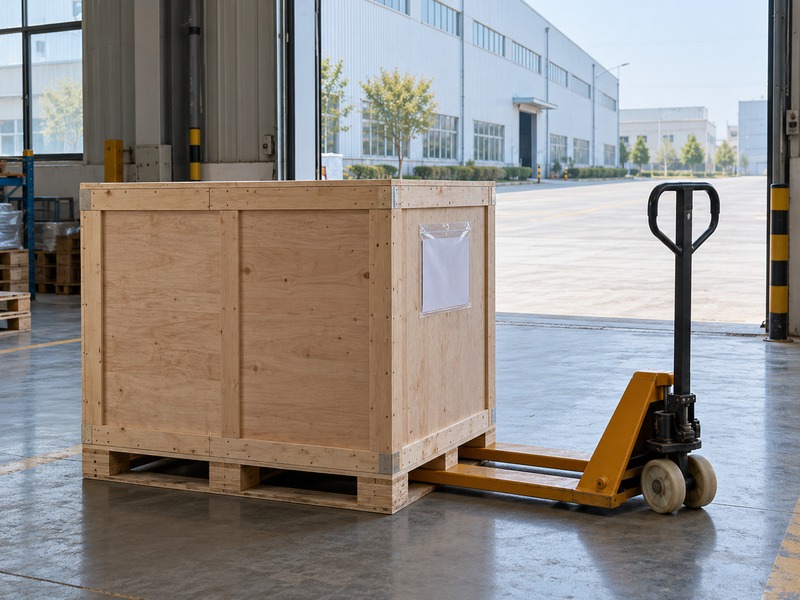
Combining shipments can reduce the logistics part of a butterfly valve dn80 price comparison when the confirmed combined freight and handling total is lower. Compare actual packed dimensions, gross weight, shipment dates, and destination services. Waiting for consolidation can also add storage or delay costs, so a lower freight amount alone does not establish the better delivery plan.
Which packing details should the forwarder receive?
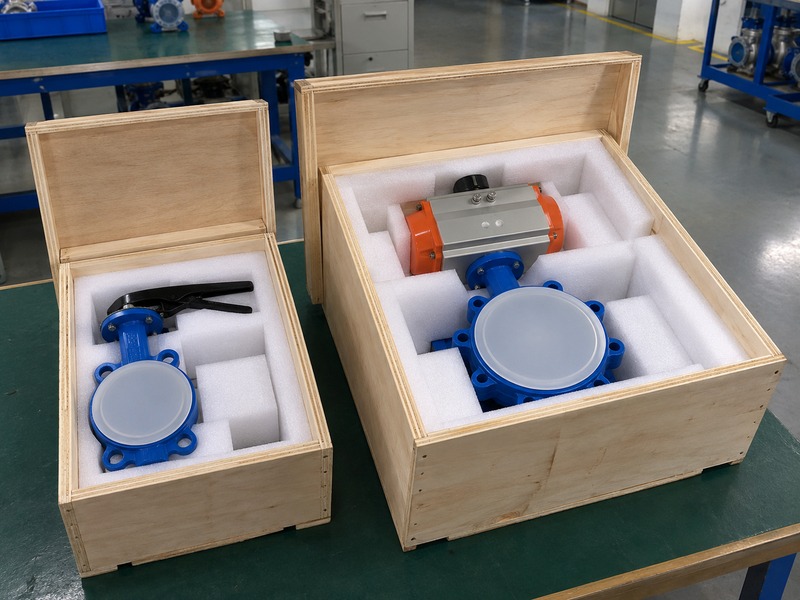
Price the packed shipment using confirmed crate or pallet details, protective supports, and permitted stacking. A wafer butterfly valve and an actuated double-flanged assembly can occupy different packed space despite sharing a DN80 designation. Obtain separate and combined freight scenarios covering the same services, then add relevant handling, storage, or schedule effects. Preserve sealing-face and operator protection during consolidation; removing necessary supports to shrink a package can create damage and replacement work.
Key takeaway: Consolidation saves money only when the full shipment plan supports the saving.
- Use confirmed packed weight, dimensions, and handling requirements.
- Compare separate and combined shipments against the required arrival date.
| Item | Review |
|---|---|
| Transport inputs | Packed size, weight, route, and service scope |
| Consolidation effects | Freight difference plus storage and schedule costs |
5. How should you handle duties, taxes, and clearance fees?
Handle duties, taxes, and clearance fees in a butterfly valve dn80 price comparison as destination-specific inputs requiring current confirmation. Give the responsible importer or broker the exact goods description, origin, value, and shipment details. Keep nonrecoverable costs in the economic comparison and show recoverable tax cash flow separately after finance confirms its treatment.
Who should confirm the destination-cost assumptions?
Get an itemized destination estimate rather than applying a remembered percentage. For US imports, CBP’s importer guidance identifies product description, origin, composition, use, and pricing information as inputs for review. The responsible importer and advisers should confirm classification, current charges, and documentation for the transaction. Record the estimate date, responsible party, and unresolved clearance or local-delivery items without presenting any tariff rate or tax treatment as universal.
Key takeaway: Use transaction-specific evidence instead of a generic duty or tax allowance.
- Obtain destination estimates for the actual origin and goods.
- Separate economic cost from finance-confirmed recoverable tax cash flow.
| Item | Review |
|---|---|
| Import inputs | Description, origin, value, and shipment basis |
| Cost evidence | Dated estimate and confirmed accounting treatment |

6. Which inspection costs should remain visible in the bid?
Inspection costs should remain visible in a butterfly valve dn80 price comparison when witnessing, additional examinations, documentation, or travel sit outside the goods offer. Agree the required acceptance scope before requesting a final total. Compare the same inspection outcome rather than treating a cheaper quote with missing acceptance work as an equivalent offer.
How do you prevent inspection additions after ordering?
Price the agreed inspection plan with its documents, hold points, witness arrangements, reporting language, and third-party attendance. A PTFE-lined butterfly valve can need lining-specific examinations beyond a generic pressure-test statement. Distinguish included acceptance from requested extras and clarify responsibility for attendance, repeated visits, or retesting. RUITO’s inspections and documents follow the configuration and contract; confirm scope in the accepted offer rather than assuming every certificate or witness service is included.
Key takeaway: An agreed inspection scope keeps acceptance work inside the cost comparison.
- Identify included inspections and separately quoted witness services.
- Agree document scope and responsibility for repeat attendance.
| Item | Review |
|---|---|
| Acceptance scope | Defined examinations, reports, and witness points |
| Commercial scope | Included work, extras, and repeat-visit responsibility |

7. How does receiving work affect the accepted-unit cost?
Receiving work affects a butterfly valve dn80 price comparison through unloading, unpacking, identification, inspection, storage, and release effort. Estimate these activities using your own site rates and agreed responsibilities. If the comparison uses cost per accepted valve, divide the defined total by the accepted quantity and keep unresolved shortages or damaged units visible.
Which arrival tasks belong in the estimate?
Count the work after the truck arrives, including unloading and matching identifiers with the packing list and inspection file. Mixed shipments may need sorting by project tag, operator, or approved configuration before entering usable stock. Use receiving records where available and identify estimates instead of inventing supplier labor savings. Track holds, replacement, and extra handling caused by damage or missing documents separately so a later review does not confuse ordered quantity with accepted stock.
Key takeaway: Accepted stock gives the buyer a clearer denominator than invoice quantity alone.
- Estimate unloading, checking, sorting, and storage with site data.
- Keep accepted quantity separate from ordered and received quantity.
| Item | Review |
|---|---|
| Receiving effort | Defined tasks using site rates or identified estimates |
| Quantity basis | Accepted usable units with open discrepancies shown |
8. When is a larger reorder worth the extra stock?
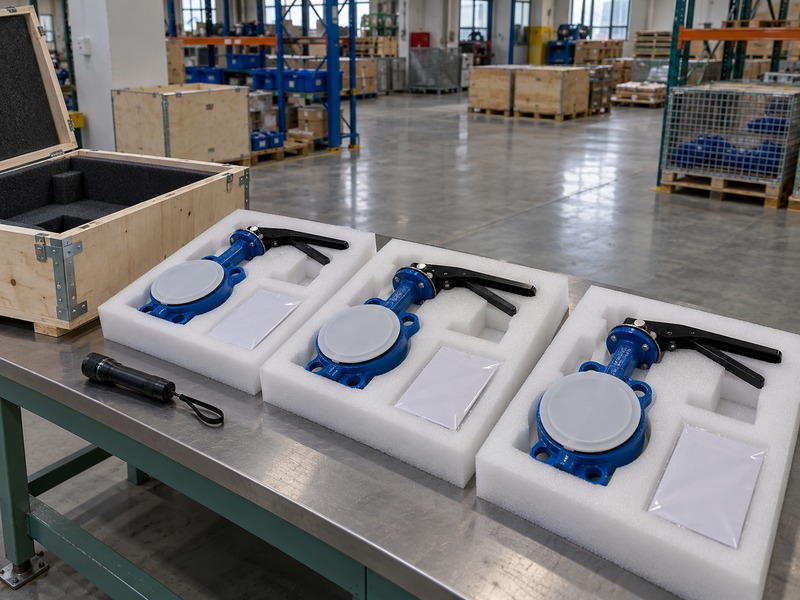
A larger reorder improves a butterfly valve dn80 price comparison only when its quoted purchasing and shipment savings justify extra inventory costs and exposure. Compare confirmed demand, replenishment time, storage, financing, and the risk of configuration changes. A quantity discount can lose its benefit if the buyer holds valves that the next approved equipment revision cannot use.
How do you compare bulk and staged releases?
Use a defined replenishment period to compare bulk delivery, staged releases, or agreed safety stock. Include administration, repeated shipment charges, carrying cost, and shortage consequences using documented buyer assumptions. RUITO supports agreed phased supply and framework arrangements, while vendor-managed or consignment stock requires clear ownership, counting, release, and inventory responsibilities. Confirm the configuration and revision for each release so a cheaper reorder does not introduce unusable variants into the same stock location.
Key takeaway: Reorder savings depend on usable stock and the buyer’s replenishment needs.
- Base reorder quantities on demand and confirmed replenishment conditions.
- Compare shipment savings with carrying cost and revision exposure.
| Item | Review |
|---|---|
| Reorder benefit | Quoted purchasing and shipment savings |
| Stock burden | Carrying cost, shortage exposure, and configuration risk |
9. How should spares enter the comparison and reorder plan?
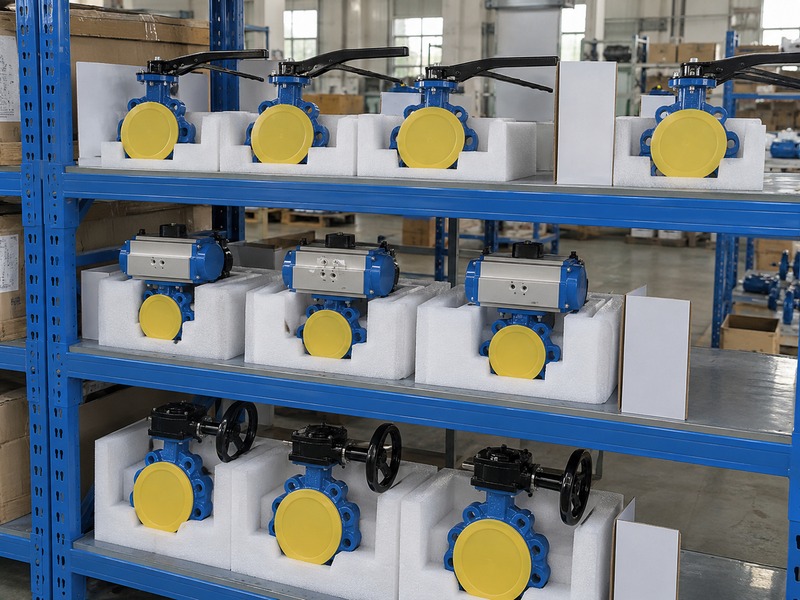
Spares should enter a butterfly valve dn80 price comparison as a defined package tied to the installed configuration and maintenance plan. Compare the same parts, quantities, documentation, and supply terms across offers. A low spare-kit amount has little value if its seat geometry, material, shaft interface, or operator parts do not match the valves in service.
What makes a spare package usable later?
Link each spare to the installed revision with its description, material, applicable valve identifiers, and storage or replacement instructions. A lug butterfly valve and a same-size double-flanged valve cannot be assumed to share every seat or fastener. Ask which parts are maintainable and which require supplier assessment or replacement of a larger assembly. Record availability, replenishment terms, packaging, and change notification instead of assuming today’s seat will fit all later orders.
Key takeaway: A traceable spare package supports maintenance without creating unidentified inventory.
- Compare named spare parts against actual installed configurations.
- Agree storage instructions, replenishment terms, and revision control.
| Item | Review |
|---|---|
| Spare identity | Part, material, revision, and applicable valve |
| Supply basis | Quantity, availability, storage, and change notification |
10. Which warranty responsibilities can change the final cost?
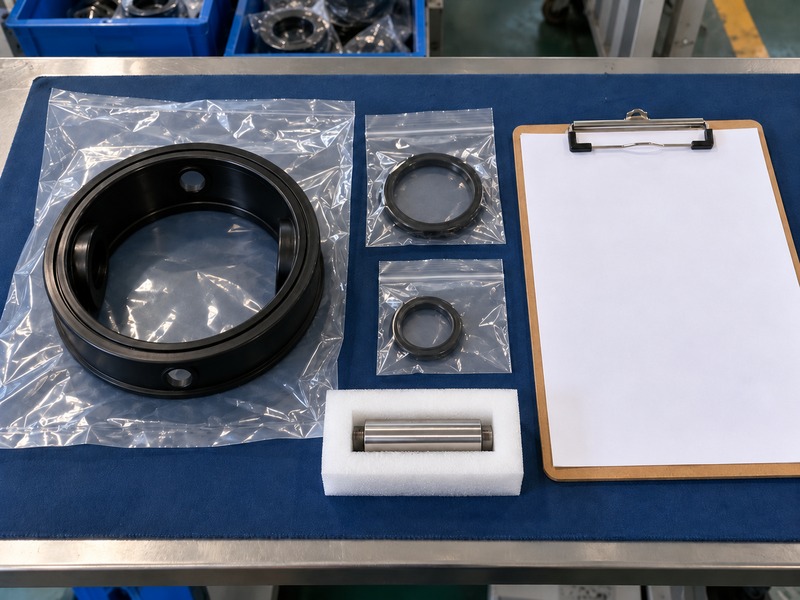
Warranty responsibilities change a butterfly valve dn80 price comparison when fault investigation, return transport, site labor, replacement shipment, or exclusions differ between offers. Read the actual contract and keep those responsibilities explicit. Warranty duration alone cannot tell the buyer which party pays each cost when a problem occurs or which evidence a claim will require.
What should you settle before approving the order?
Map the claim process to named responsibilities for evidence, review, safe return preparation, repair, replacement, and freight. RUITO’s stated standard term is 18 months after delivery or 12 months after entering service, whichever occurs first, covering specified defects and contractual performance deviations within approved conditions. Confirm the order’s terms and how site work, travel, replacement transport, and excluded causes will be handled. Keep accepted warranty and support scope with the cost sheet for future comparisons.
Key takeaway: Written responsibilities make warranty offers more useful than duration alone.
- Compare scope, evidence requirements, and cost responsibilities.
- Record the order’s accepted warranty and support arrangements.
| Item | Review |
|---|---|
| Coverage | Accepted conditions, period, defects, and exclusions |
| Responsibility | Investigation, return, site work, and replacement costs |
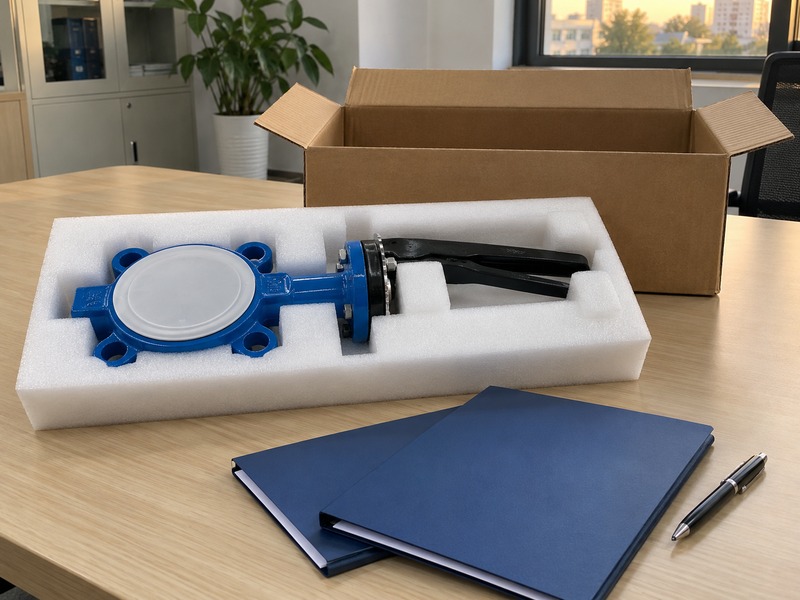
Send RUITO the accepted valve specification, quantity, required delivery point, shipment plan, inspection scope, and preferred spare package. We can prepare a configuration-specific offer with the commercial inclusions and exclusions identified for your comparison. Contact us with the cost boundary and reorder assumptions so the quotation addresses the supply arrangement your project will use.
FAQ
Q1: Can I compare valve offers using the invoice total alone?
Only when their technical and commercial scope matches. Add excluded costs needed to reach the same delivery and acceptance point, without counting included charges twice.
Q2: What’s the best exchange rate for comparing quotations?
Use the dated basis approved by your finance team. Record the supplier’s actual currency and payment conditions separately from the internal conversion.
Q3: Can I use one duty percentage for every DN80 valve order?
No. Have the responsible importer or adviser confirm the transaction’s classification, origin, value, and current destination charges. Keep uncertain entries provisional.
Q4: How do I know whether a bulk reorder saves money?
Compare the full replenishment period. Include quoted purchasing and shipment savings alongside carrying cost, demand, shortages, and the risk of unusable revisions.
Q5: Can I assume warranty covers all replacement expenses?
No. Check the accepted contract for investigation, returns, freight, site labor, exclusions, and evidence requirements. Duration alone does not establish those responsibilities.