
Avoid good quality butterfly valve dn80 purchasing mistakes by linking the accepted specification to material records, measured results, functional checks, and shipment identifiers. A polished valve and a general certificate cannot show whether the supplied batch matches your approved configuration. Define the evidence you will accept before the supplier starts production.
An approved sample can turn freely and seal correctly while a later batch arrives with a different seat compound or an undocumented operator change. The sample result then tells you little about those delivered units. Audit how the supplier keeps the configuration controlled, identifies materials, records inspections, and resolves deviations throughout the order.
1. How do you verify a good quality butterfly valve DN80?
Verify a good quality butterfly valve dn80 by checking documented conformity to an accepted duty and configuration. Turn fluid, temperature, pressure, closing differential, connection, materials, operator, and inspection requirements into an approved specification so the audit has a defined acceptance basis.
What separates an audit result from a sales claim?
Ask for evidence tied to the order. A supplier’s statements about durability, tight shutoff, or manufacturing capability need support from the identified product configuration and the checks required by your contract. Start with the approved drawing and material list, then follow their revision numbers through the production order, inspection plan, finished-unit identification, and release file. If a requirement has no acceptance criterion, responsible reviewer, or record, settle that gap before production rather than assigning a quality score to catalogue descriptions or photographs.
Key takeaway: Quality becomes verifiable when the requirement and its evidence stay connected.
- Define acceptance criteria before asking for inspection results.
- Connect every reviewed record with the accepted configuration.
| Item | Review |
|---|---|
| Audit basis | Approved duty, drawing, and material list |
| Audit evidence | Identified records against acceptance criteria |
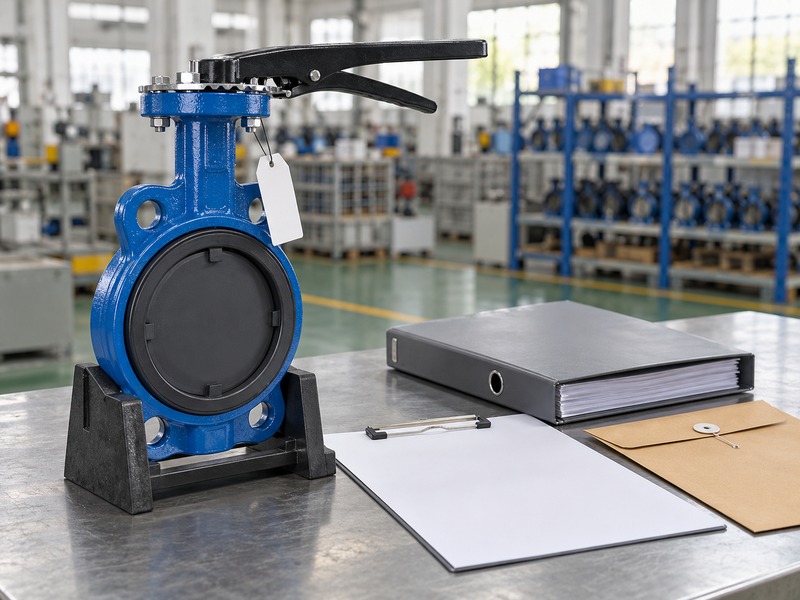
2. Which material records establish traceability?
Material traceability for a good quality butterfly valve dn80 connects each controlled component with its specified grade, relevant batch, and accepted records. A generic stainless steel certificate or an unidentified rubber test sheet leaves that connection incomplete, even when the stated material looks suitable.
How do you follow a component through the records?
Trace one delivered unit back to its inputs. Ask the supplier to demonstrate how the body, disc, shaft, seat compound, and coating records connect to a selected finished valve through part, heat, batch, or work-order identifiers. Review the properties required by the actual material specification; chemistry alone does not establish every mechanical property, and a certificate from another batch does not document yours. RUITO’s stated traceability system connects controlled materials, production versions, inspections, and packing identifiers; audit those actual links for your shipment.
Key takeaway: A certificate supports acceptance only when its scope and identity match.
- Check the material grade and the record’s actual batch identity.
- Follow traceability through any subcontracted or replaced component.
| Item | Review |
|---|---|
| Component identity | Specified grade and production identifier |
| Record link | Applicable material evidence and finished unit |
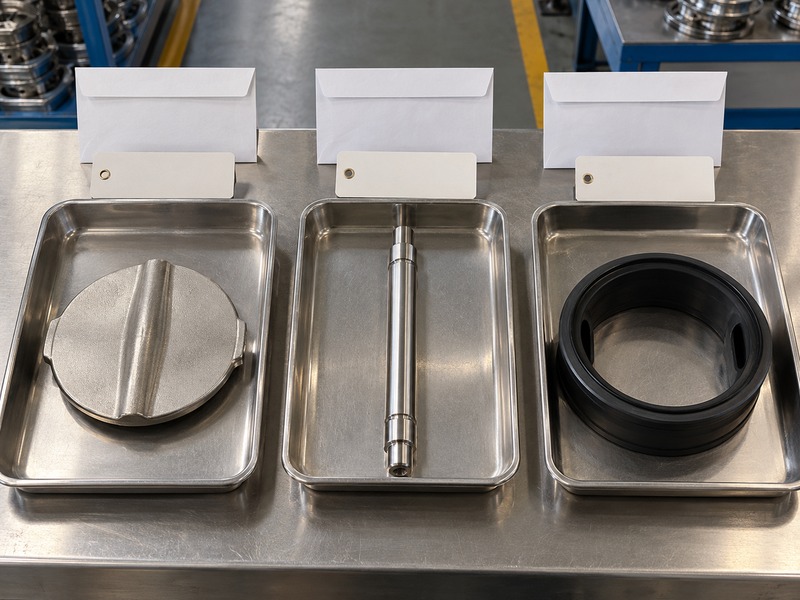
3. How do you audit the seat and wetted construction?
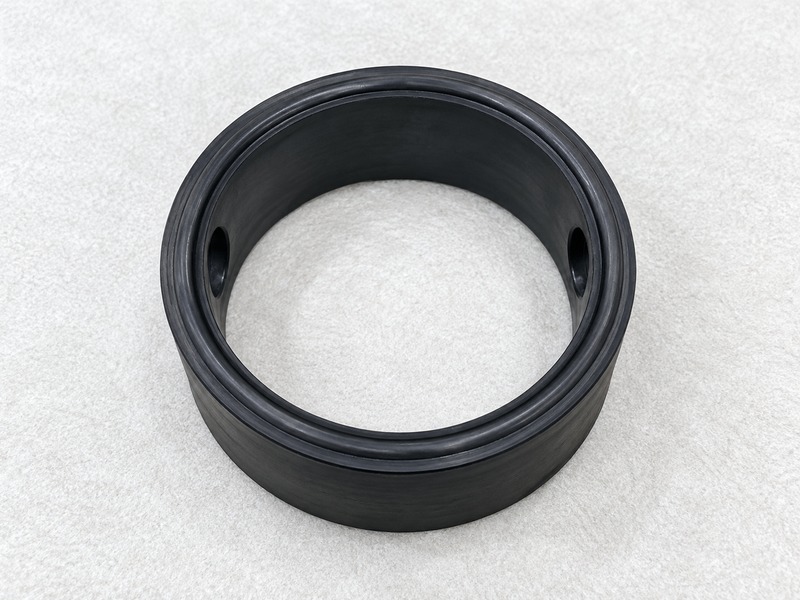
Audit the seat of a good quality butterfly valve dn80 through material identity, construction, condition, and fit within the approved assembly. Include auxiliary seals and exposed surfaces because a correct seat label alone cannot establish compatibility or finished sealing performance.
Which seat checks need more than a visual inspection?
Follow the approved sealing construction. Check compound or resin identity, relevant batch records, backing and retention details, shaft openings, contact surfaces, and the specified dimensional or integrity inspections before the parts become concealed in assembly. EPDM water-service material should not inherit oil suitability, while a PTFE seat does not establish continuous PTFE protection of the body, disc, and shaft area. For a lined configuration, request the inspections required by its approved design, including applicable coverage, thickness, and integrity records, and confirm that any changed resin, backing, auxiliary seal, or assembly lubricant went through the agreed approval process.
Key takeaway: Seat quality combines controlled materials with the accepted sealing geometry.
- Verify material identity and construction before final assembly.
- Inspect specified sealing surfaces for damage and incorrect fit.
| Item | Review |
|---|---|
| Material control | Accepted compound, resin, and batch evidence |
| Construction control | Fit, condition, coverage, and required integrity checks |
4. Which dimensions should the inspection record show?
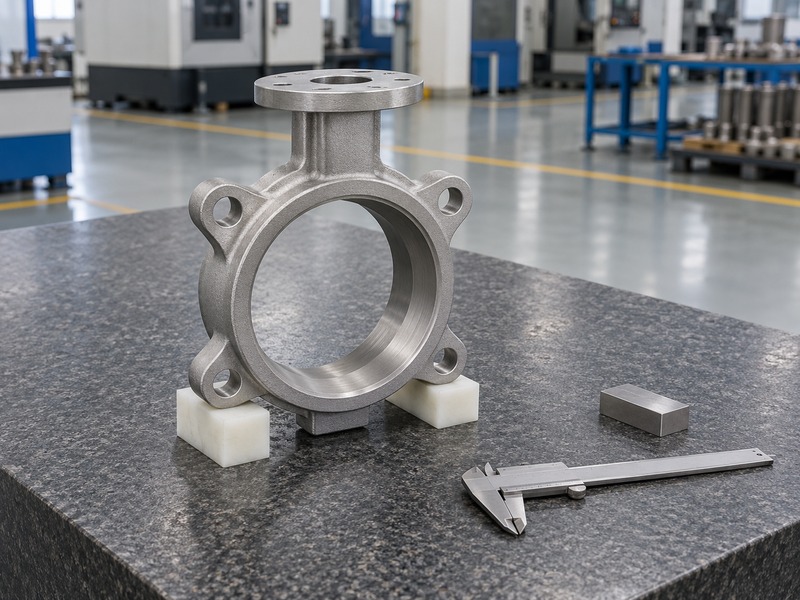
A dimensional record for a good quality butterfly valve dn80 should show the drawing features that control installation, sealing, and drive fit. DN80 is a nominal designation, so an assumed 80 mm bore or a matching label cannot replace measured results against the approved drawing.
How do you make dimensional evidence auditable?
Record the feature, limit, and measured result. Select dimensions from the drawing and inspection plan, including face-to-face length, connection pattern, seat-support geometry, shaft interfaces, and operator mounting where the contract requires them. Identify the drawing revision, measurement method, instrument status, and inspected component or finished-unit reference. For a lug body, include the specified thread and engagement checks; for a wafer or flanged body, verify the applicable interface and disc-opening envelope without assuming that PN and ASME Class routes or different connection styles share the same acceptance dimensions.
Key takeaway: Useful dimensional records show how the actual part met its drawing.
- Use drawing tolerances and identified measurement references.
- Separate first-piece results from the required batch inspection.
| Item | Review |
|---|---|
| Requirement | Drawing feature, tolerance, and revision |
| Result | Measured value, method, and inspected identity |
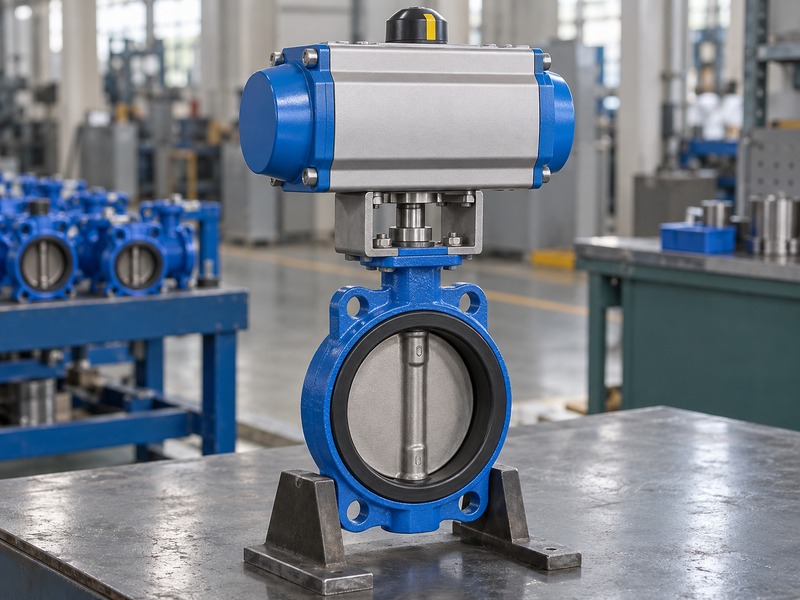
5. Which operating checks expose assembly problems?
Operating checks for a good quality butterfly valve dn80 verify travel, position indication, retention, and the specified operating effort or actuator performance. A completed movement from open to closed leaves questions if the disc position, drive connection, or acceptance limits were never checked.
What should the inspector observe and record?
Check the complete mounted assembly. Review the defined disc positions, coupling engagement, stops, indicator alignment, shaft retention, and any specified torque or functional results using the approved configuration and inspection method. Unexpected binding or a changed operating effort needs investigation before the supplier adjusts the actuator or changes a stop to obtain a passing result. For automated units, identify the minimum supply conditions, accessories, feedback, and required fail response on the functional record, and connect any replaced component or corrective adjustment with a subsequent check rather than accepting a record from the earlier assembly state.
Key takeaway: Functional evidence belongs to the finished assembly in its accepted state.
- Confirm actual disc position against the operator indication.
- Record accepted function after adjustments or component replacement.
| Item | Review |
|---|---|
| Mechanical function | Travel, drive fit, retention, and effort |
| Automated function | Specified supply, feedback, and fail response |
6. How should you evaluate pressure-test evidence?
Evaluate pressure-test evidence for a good quality butterfly valve dn80 against the agreed procedure, applicable acceptance criteria, and identified test article. Distinguish shell integrity, closure leakage, external leakage, and additional service checks; a test pressure is an inspection condition rather than an allowable working rating.
Which report details let you verify the result?
Read the result together with its test conditions. Check the applicable standard, medium, direction, duration, acceptance criterion, instrument identification, operator or inspector sign-off, and connection to the supplied valve or agreed production record. A general statement of zero leakage needs the relevant method and criterion, while water inspection alone cannot document the additional leakage evidence required for a clean-gas configuration. RUITO uses configuration-specific inspection routes, so the reviewer should request the required reports for the actual materials, sealing design, and service and verify that any failed test was followed by an approved disposition and traceable retest.
Key takeaway: A test report supports only the duty and conditions it documents.
- Distinguish the different pressure and leakage acceptance checks.
- Check failures, corrective work, and the final accepted result.
| Item | Review |
|---|---|
| Test basis | Procedure, conditions, and acceptance criterion |
| Test result | Identified article, recorded outcome, and sign-off |

7. How do you connect an approved sample with the batch?
Connect an approved sample with a good quality butterfly valve dn80 batch through the accepted drawing, material list, production version, and verification plan. Sample approval establishes a reference configuration; it does not prove that every later unit contains the same approved construction.
What should change control cover between releases?
Retain the approved sample’s configuration record. Record what was evaluated, the sample identity, accepted results, open limitations, and the drawing and material revisions that production must follow for the order. Subsequent material batches can differ in identity while still meeting the same specification, but changes to grades, compounds, geometry, operators, or manufacturing arrangements need review under the agreed change process. Ask how the supplier communicates a proposed change, identifies its first affected batch, determines whether repeat validation is required, and separates old and new versions so your receiving team can recognize exactly which approved configuration arrived.
Key takeaway: Sample approval stays useful when production changes remain visible and controlled.
- Define what sample approval covers and which limitations remain.
- Require approved changes and an identified effective batch.
| Item | Review |
|---|---|
| Sample reference | Accepted configuration and validation scope |
| Batch conformity | Controlled version and required production checks |
8. What should an inspection plan and quality file contain?
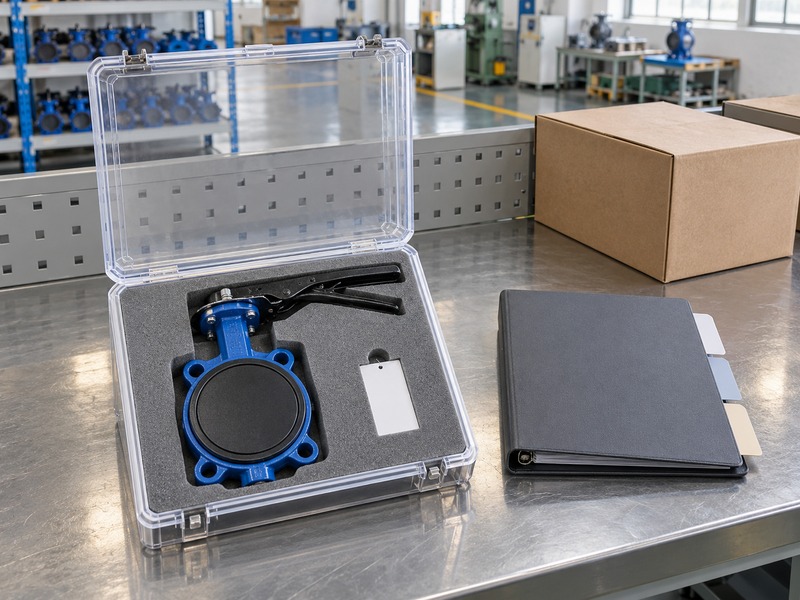
An inspection plan for a good quality butterfly valve dn80 defines required checks, acceptance criteria, responsibilities, and review points before production. The finished quality file then contains the applicable completed records, so an approved plan should never be mistaken for evidence that the checks actually occurred.
How do you compare the ITP with the final records?
Check the plan against the document index. The inspection and test plan, or ITP, should identify required stages, methods, criteria, records, and any hold or witness points, including who may release each stage. Compare those obligations with the manufacturing record package, checking revisions, product identifiers, inspector authorization, instrument status where required, and the closure of outstanding deviations. RUITO can provide order-specific material, dimensional, pressure, coating, lining, or other applicable records according to the agreed scope; check the completed records behind each document title before closing the obligation.
Key takeaway: The plan defines the obligation and the records establish its completion.
- Link every required inspection stage with its accepted record.
- Identify missing documents before the planned shipment date.
| Item | Review |
|---|---|
| ITP | What must be checked and accepted |
| Quality file | What was checked, recorded, and released |
9. How do you verify application approval claims?
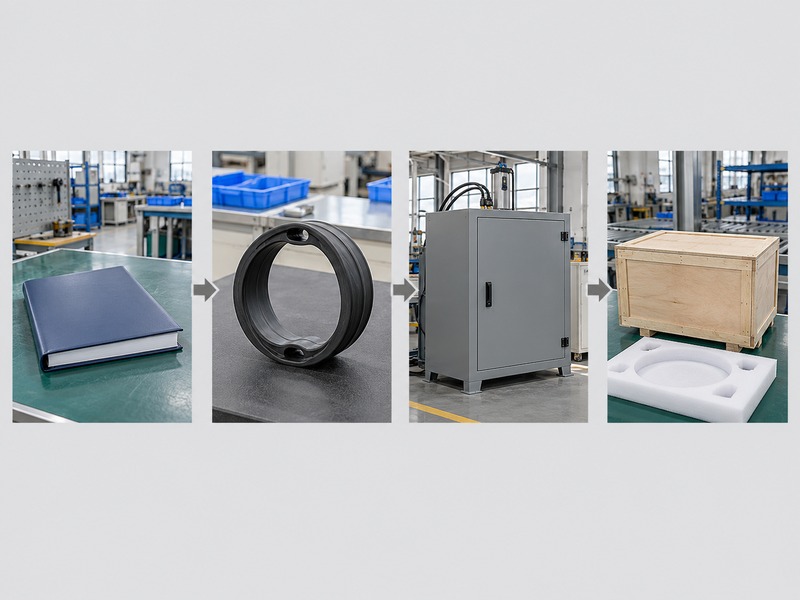
Verify approval claims for a good quality butterfly valve dn80 by checking the exact product, materials, size, use, and limitations covered by the applicable documents. A supplier’s management-system certificate does not establish that a particular valve has drinking-water, fire, gas, or sanitary approval.
Which mismatches should the reviewer investigate?
Match approval scope to the delivered configuration. Check the product identity, size coverage, wetted materials, compounds, temperature limits, manufacturing location where relevant, and document status against the project requirement and actual order. A changed seat, coating, accessory, or operator can require a fresh scope review even when the valve retains the same nominal size and commercial name. RUITO separates management systems from product and destination documents; request the actual evidence for your configuration and have the responsible project reviewer resolve uncertain coverage before accepting the claim.
Key takeaway: Approval evidence must cover the product you will receive and use.
- Check product scope separately from factory management systems.
- Review approved materials and limitations against the actual order.
| Item | Review |
|---|---|
| Claim | Named approval and required application |
| Evidence | Covered configuration, limits, and applicable document |
10. How should you close quality defects before shipment?
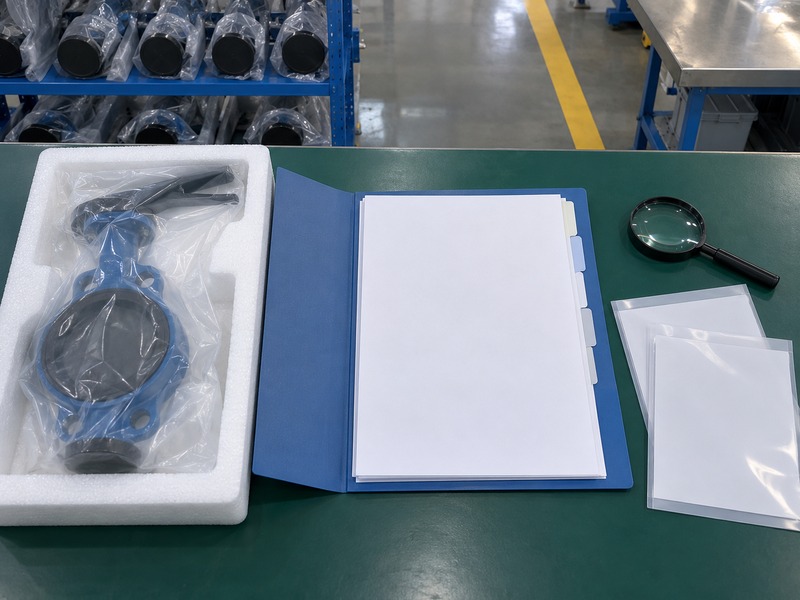
Close defects on a good quality butterfly valve dn80 order through an approved disposition, documented corrective work, and the required reinspection. Keep affected units identified and on hold until the reviewer has accepted the result, including any decision about other units that may share the same cause.
What belongs in the final release decision?
Follow the defect through to accepted evidence. Record the nonconformity, affected products, containment, technical disposition, responsible approval, and reinspection results, then confirm whether the cause requires wider batch checks or a process correction. A repaired surface, replaced seal, or adjusted operator changes the inspected state and must be assessed under the agreed plan before release. Finish by checking product identification, protective packaging, document completeness, packing-list links, and any accepted concessions, and retain the information needed for later service or repeat orders so your receiving team can distinguish an accepted disposition from an unresolved defect hidden by shipment paperwork.
Key takeaway: A closed quality file lets the receiver verify the delivered order.
- Identify affected units and control their release status.
- Keep repair, reinspection, and concession approvals together.
| Item | Review |
|---|---|
| Defect closure | Approved disposition and accepted reinspection |
| Shipment release | Identified units, protection, and complete records |
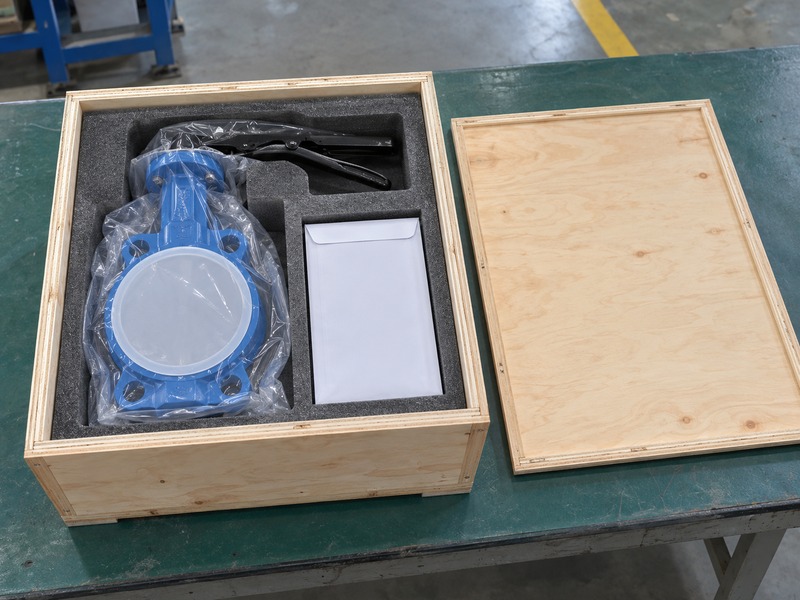
Send RUITO your accepted specification, drawing, inspection plan, and required quality-file index. We can review which material, inspection, validation, and release records apply to the proposed configuration. Contact us with the audit questions you need closed before sample or batch approval.
FAQ
Q1: Can I judge DN80 valve quality from its appearance?
Only partly. Appearance can reveal visible damage, but material identity, internal construction, dimensional conformity, and accepted test results need their own evidence.
Q2: How do I know if a material certificate covers my batch?
Follow its identifiers. The supplier should connect the relevant material record through component or production records to the finished units on your order.
Q3: Does an approved sample guarantee the next batch?
No. Keep the approved configuration controlled, review changes, and require the agreed production checks and traceability for every later release.
Q4: What is the best way to review a passed pressure test?
Check its conditions and identity. The report should document the agreed procedure, acceptance criterion, tested article, result, and any required corrective work or retest.
Q5: Can ISO 9001 establish drinking-water product approval?
No. A management-system certificate and product-specific drinking-water acceptance cover different requirements; review the actual model, materials, limits, and applicable approval documents.