
Fix internal-inspection mistakes by matching a butterfly valve inside view with the identified model, section drawing and inspection conditions. Label visible disc, seat and stem features before judging condition. Concealed details, dimensional acceptance and sealing performance need their own evidence beyond appearance.
A smooth disc and unbroken-looking seat can make an interior photograph appear acceptable while valve identity, pressure state or leakage remains unverified. A dark bore band can also receive the wrong component label. Establish the view, configuration and evidence limits before making an inspection decision.
1. What can a butterfly valve inside view show?
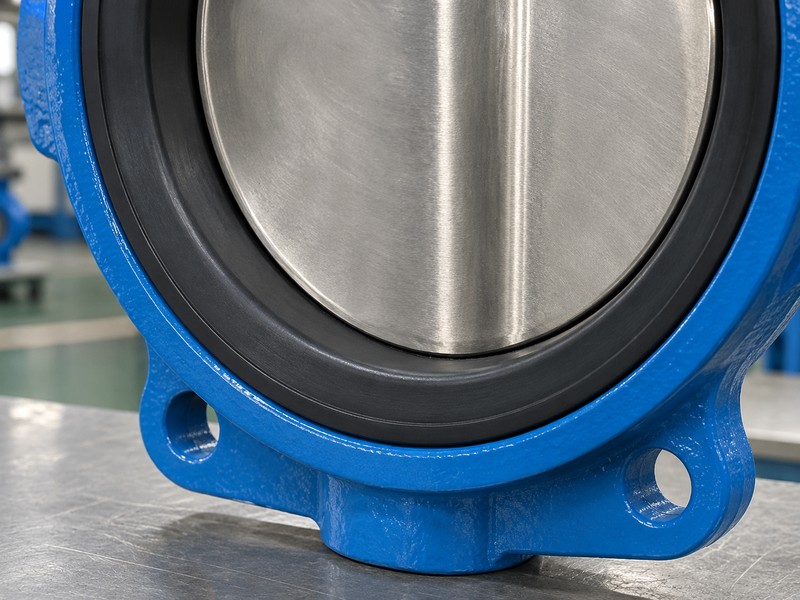
A butterfly valve inside view can show the accessible disc, seat region, bore and portions of the stem or hubs, depending on position and camera angle. It records one visible condition. Concealed supports, material identity and accepted sealing performance need the matched documents or applicable inspection and test evidence.
How should the reviewer label the visible features?
Start with the view boundaries. Record the photographed face, orientation and observed disc position. Use the selected drawing to distinguish disc, seat region and visible stem connection. Leave uncertain features unconfirmed; color, shape or a generic illustration alone cannot establish component identity.
- Identify the photographed face and observed disc position.
- Label visible features through the selected drawing.
- Keep concealed or uncertain details explicitly unconfirmed.
Key takeaway: Use the interior image as a bounded observation linked to the actual valve design.
| Check | What you should confirm |
|---|---|
| View | Camera angle and accessible region are identified |
| Labels | Visible components match the selected construction |
| Limits | Hidden features and unverified condition remain separate |
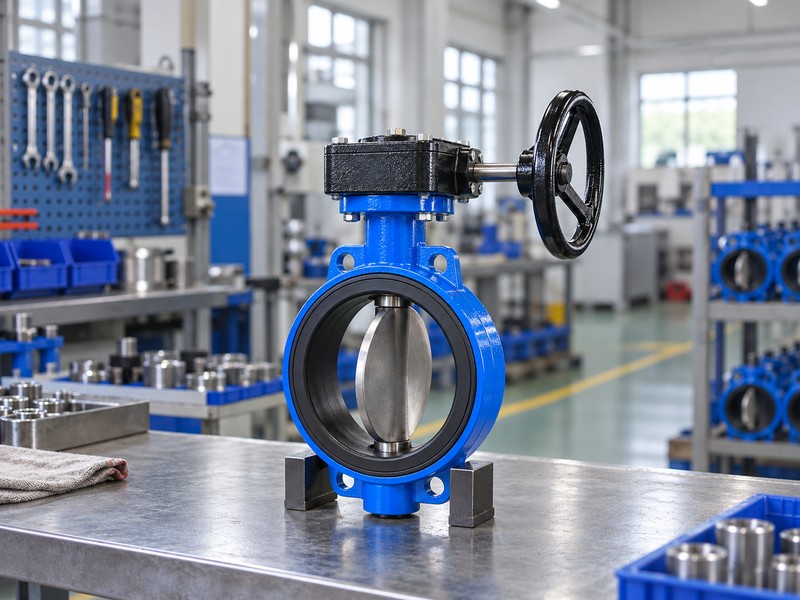
2. How do you identify a butterfly valve inside view?
Identify a butterfly valve inside view by connecting the image with the valve tag, actual model, configuration and document revision. Record whether it shows an installed assembly, an authorized inspection setup or an illustration. A similar-looking valve from another order cannot define the construction or condition of the asset under review.
Which records should accompany the photograph?
Match the assembly identity. Retain markings, location or product identifier, service conditions and the selected section drawing. Record component or operator changes since the accepted baseline. Exterior body style can indicate connection features but cannot establish concealed geometry, materials, end-of-line capability or a pressure rating.
- Link actual photographs with the valve’s accepted identity.
- Record the image context and matching drawing revision.
- Retain relevant changes and known service conditions.
Key takeaway: Establish identity and context before comparing an interior photograph with a catalogue example.
| Check | What you should confirm |
|---|---|
| Identity | Image connects with the actual valve or identified illustration |
| Baseline | Selected drawing describes the configuration being reviewed |
| Context | Location, service and relevant changes accompany observations |
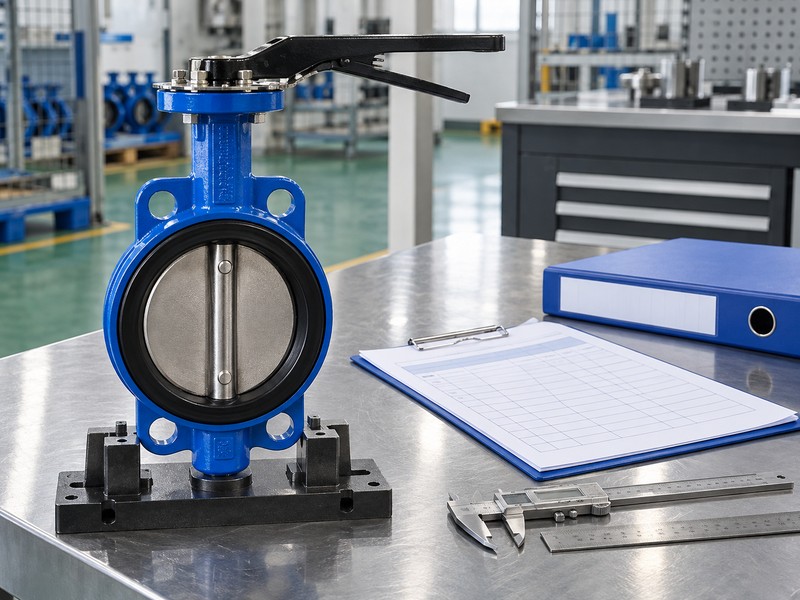
3. What is the disc in a butterfly valve inside view?
The disc in a butterfly valve inside view is the moving closure element identified by the selected drawing. The camera may show its broad face, edge or a partly obscured profile depending on position. Even in an open view, the disc and relevant shaft features can occupy part of the passage. Appearance alone cannot establish an exact angle or permitted travel.
Which disc features deserve separate observations?
Separate face, edge and hub. Locate the sealing region and stem connection through the component drawing. A bright face, coating or apparent closed position cannot establish material grade, surface integrity or accepted contact. Selected instructions govern movement and endpoints; an image cannot authorize unrestricted rotation or operator adjustment.
- Distinguish visible disc face, edge and hub regions.
- Record observed position without estimating unsupported travel limits.
- Use actual documents for sealing-surface and movement definitions.
Key takeaway: Identify the disc’s visible regions before judging movement, contact or surface acceptance.
| Check | What you should confirm |
|---|---|
| Face | Visible surface condition is recorded within the image limits |
| Edge | Selected drawing identifies the relevant sealing region |
| Position | Appearance remains separate from accepted travel verification |
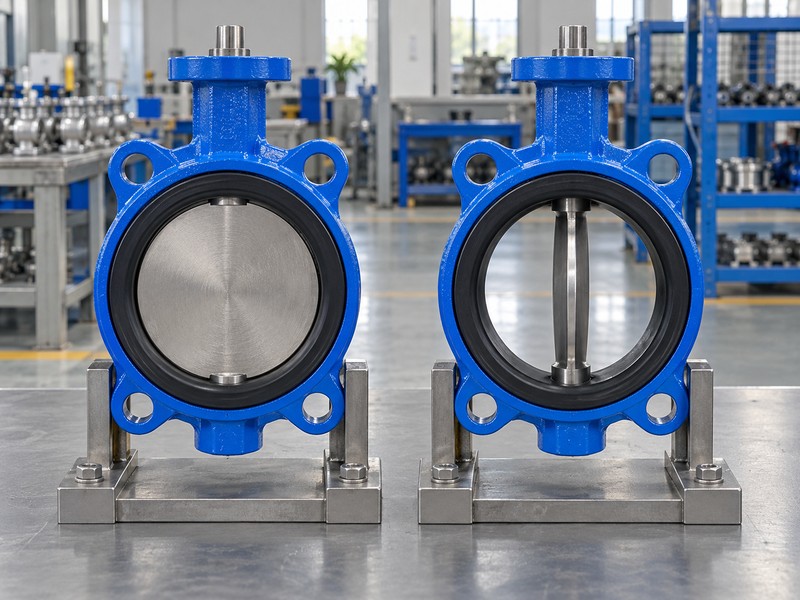
4. What is the seat in a butterfly valve inside view?
The seat in a butterfly valve inside view is the selected stationary sealing arrangement that meets the disc’s sealing region. In some constructions a resilient liner covers much of the visible bore; other designs use a different seat or ring arrangement. Identify the actual construction before calling every dark or metallic band the seat.
How should liner and sealing-region details be interpreted?
Read the selected seat definition. Distinguish seat, body lining, coating and any retainer through the actual section and material records. A continuous-looking band cannot establish compatibility, compression or leakage acceptance. Flange-sealing and gasket requirements remain construction-specific, regardless of visible liner coverage.
- Identify the actual seat and disc-contact region.
- Separate lining, coating and retention features where applicable.
- Retain material and installation requirements from selected documents.
Key takeaway: Interpret the visible seat region through its actual construction rather than its color or apparent continuity.
| Check | What you should confirm |
|---|---|
| Seat | Stationary sealing arrangement matches the actual design |
| Surface | Lining or coating labels have a confirmed component basis |
| Acceptance | Visible continuity remains separate from material and sealing evidence |
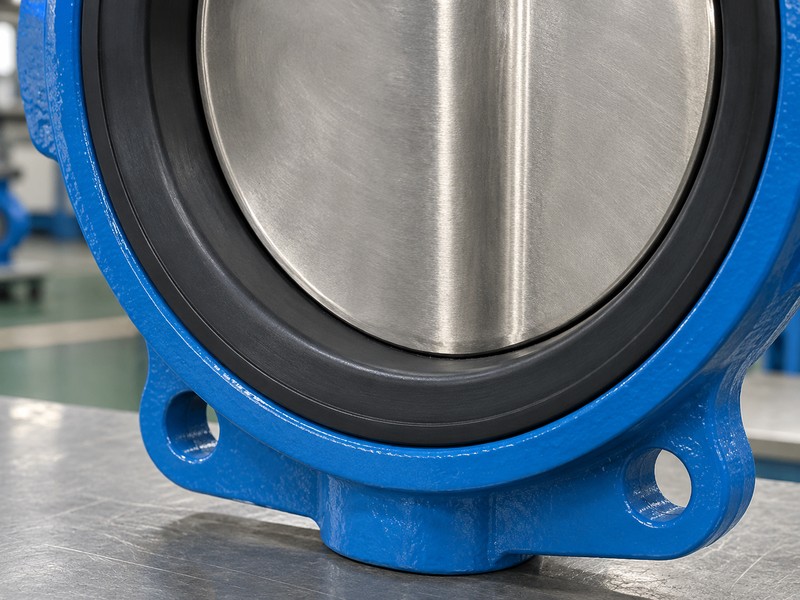
5. Where is the stem in a butterfly valve inside view?
The stem in a butterfly valve inside view may be visible at a hub or bore entry while much of its construction remains concealed. Read its relationship with the disc through the matched drawing. A visible upper shaft region cannot establish whether the design uses one continuous stem, separate sections or an integrated disc-stem arrangement.
Why should stem labels stay model-specific?
Confirm the disc-stem construction. Emerson’s isolation-valve portfolio identifies a one-piece disc-stem for its named Keystone Figure 990/920 family. Use the actual model’s parts drawing for sections, connections and retention. Concealed fit or looseness needs the required authorized inspection method rather than that family example.
- Identify visible stem or hub regions without inferring concealed length.
- Match stem and disc connections with actual component records.
- Keep retention and fit conclusions tied to applicable evidence.
Key takeaway: Identify the selected stem arrangement before assigning concealed connections or condition from a bore photograph.
| Check | What you should confirm |
|---|---|
| Visible region | Observed hub or shaft feature has a drawing reference |
| Construction | Actual stem arrangement is confirmed for the selected model |
| Connection | Fit and retention have separate inspection requirements |
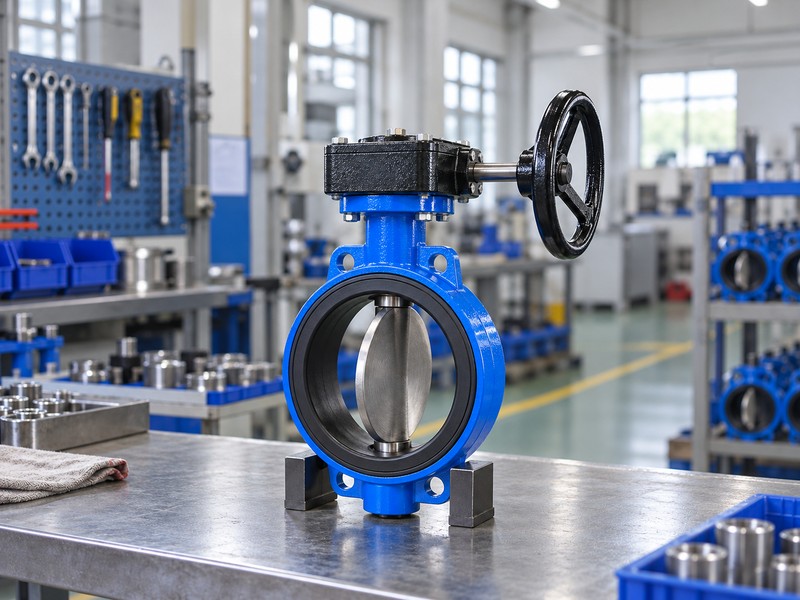
6. What stays hidden in a butterfly valve inside view?
A butterfly valve inside view can leave bearings, bushings, stem seals, packing and retention features partly or fully hidden. Which parts exist and where they sit depend on the selected construction. Their absence from the photograph cannot establish that the valve lacks support or an external sealing arrangement.
How should support and seal names follow the actual model?
Use the model’s component section. The Bray resilient-seat manual separates appendices with different stem, support and sealing details. Match the actual parts record with its assembled section; exploded spacing cannot define running clearance. Hidden wear, seal condition and accepted clearances require their selected verification methods.
- Identify applicable supports, seals and retainers through actual records.
- Distinguish concealed components from genuinely absent features.
- Use selected inspection methods for hidden condition and clearances.
Key takeaway: Let the model’s component definition govern hidden supports and seals instead of a universal parts list.
| Check | What you should confirm |
|---|---|
| Support | Selected construction defines applicable bearing or bushing features |
| Sealing | Actual stem-seal or packing arrangement is identified |
| Condition | Concealed wear and fit need their own accepted evidence |
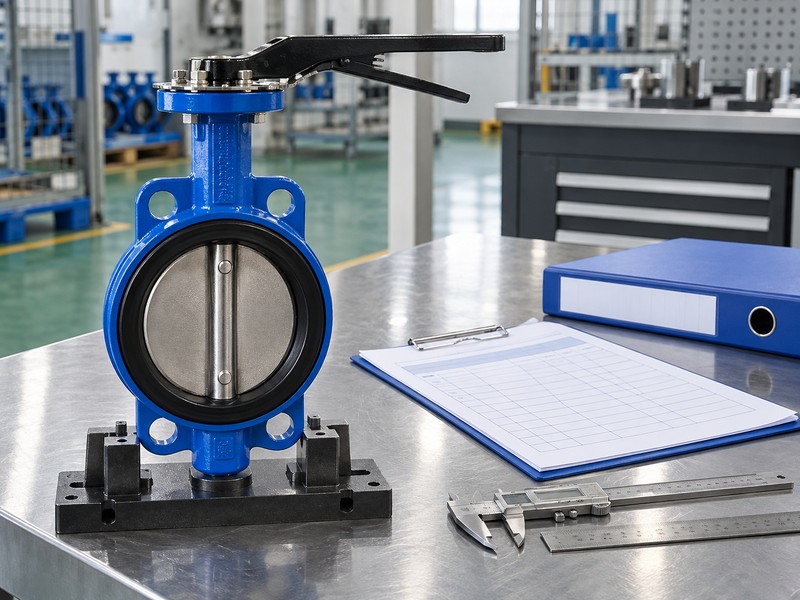
7. When is a butterfly valve inside review safe?
A butterfly valve inside review can examine existing records without changing the physical installation. Exposing the bore, moving the disc or opening an assembly requires the authorized work plan and selected instructions. A photograph showing an open valve or an empty-looking bore cannot establish isolation, depressurization or control of stored energy.
What must be established before physical exposure?
Separate document review from physical work. The Bray resilient-seat manual requires complete piping depressurization before maintenance within its stated scope. Responsible personnel must follow the applicable isolation, draining, depressurization and lockout requirements, including actuator energy and process hazards, before authorized exposure. This article provides no disassembly sequence or permission to inspect a live pressurized opening.
- Identify whether the task concerns records or physical access.
- Use the selected manual and authorized isolation arrangements.
- Confirm required process and actuator energy controls before exposure.
Key takeaway: Treat an interior image as observation evidence rather than proof that physical inspection is authorized.
| Check | What you should confirm |
|---|---|
| Scope | Records review and physical work are clearly distinguished |
| Authority | Actual access follows approved procedures and responsible personnel |
| Energy | Required isolation and stored-energy controls have their own evidence |
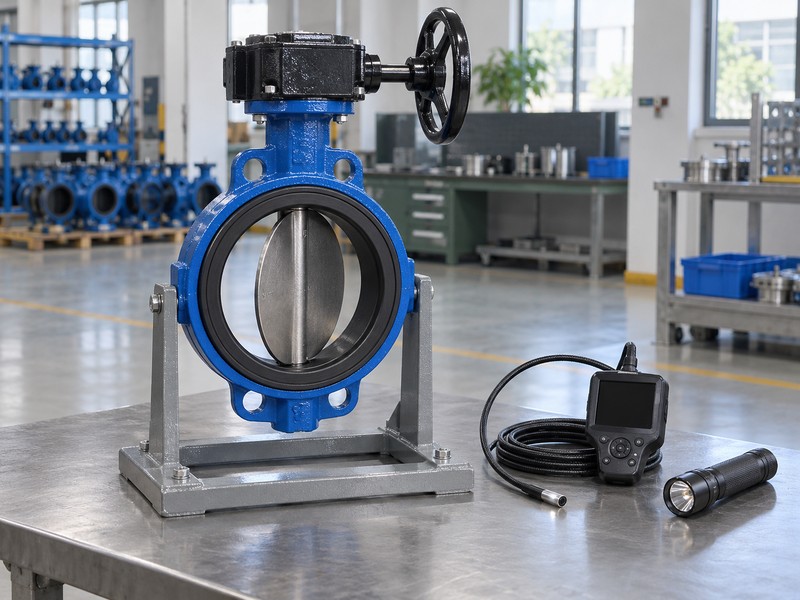
8. What damage can butterfly valve inside photos show?
The damage observations in butterfly valve inside photos are limited to visible marks, deposits, distortion or other accessible features. Record their location and appearance without assigning an unverified cause. Lighting, scale and incomplete visibility can prevent a photograph from distinguishing a harmless surface feature from an unacceptable defect.
What makes a condition report useful to the reviewer?
Describe the observed feature. Link a clear full view and relevant close view with actual valve identity and component reference. Retain known service and the approved basis for any measurement; unscaled images cannot supply dimensions. Acceptance, cause and corrective action follow selected criteria and authorized investigation.
- Record the visible feature and its component location.
- Retain full context and relevant close views.
- Separate observation, acceptance judgment and proposed cause.
Key takeaway: Produce a traceable condition record that helps the responsible reviewer decide what evidence is still needed.
| Check | What you should confirm |
|---|---|
| Observation | Location and appearance are recorded without an assumed cause |
| Context | Image identity, view and known service accompany the finding |
| Decision | Applicable criteria and further evidence govern acceptance |
9. Can a butterfly valve inside view prove sealing?
A butterfly valve inside view cannot prove accepted seat leakage, external tightness or operating capacity by appearance alone. Match those requirements with the applicable inspection or test records. An apparently closed disc and continuous seat region remain visual observations until the required verification establishes their relevant performance.
Why is a flow-loss chart different from sealing evidence?
Keep the evidence types separate. The conceptual chart relates pressure loss to flow at fixed opening, flow coefficient and liquid density; it supplies no leakage curve or model test data. Sealing acceptance needs selected test conditions and criteria with traceable results. Apparent open area cannot establish capacity or permitted duty.
- Use identified test records for required sealing acceptance.
- Keep flow-loss concepts separate from leakage criteria.
- Use actual model data for capacity and permitted operating duty.
Key takeaway: Match each judgment with the evidence that can establish it instead of treating a clear image as a test result.
| Check | What you should confirm |
|---|---|
| Visual | Interior appearance records an accessible condition |
| Sealing | Specified tests and criteria establish required leakage acceptance |
| Flow | Actual capacity data has its own opening and fluid basis |

10. What closes a butterfly valve inside review?
Close a butterfly valve inside review when visible findings, configuration references and unresolved questions have an accepted record. Distinguish appearance judgments from findings supported by drawings, measurements or tests. A completed photograph list cannot establish verification of every hidden component or service requirement.
What should the next technical decision receive?
Retain the evidence chain. Link valve identity, images, selected drawings, observations and required verification results with the same review. Assign unresolved items and the next authorized evidence request without presuming replacement. RUITO can review an identified request and available documents, with actual construction and supporting records confirmed for the proposed scope.
- Link findings and images with the accepted valve identity.
- Retain the document or test basis for each accepted judgment.
- Assign unresolved condition and configuration questions explicitly.
Key takeaway: Leave a review record that distinguishes visible observations, verified findings and work still required.
| Check | What you should confirm |
|---|---|
| Identity | Review concerns the actual identified construction |
| Evidence | Each accepted judgment has a suitable supporting record |
| Next step | Unresolved questions have an assigned authorized follow-up |
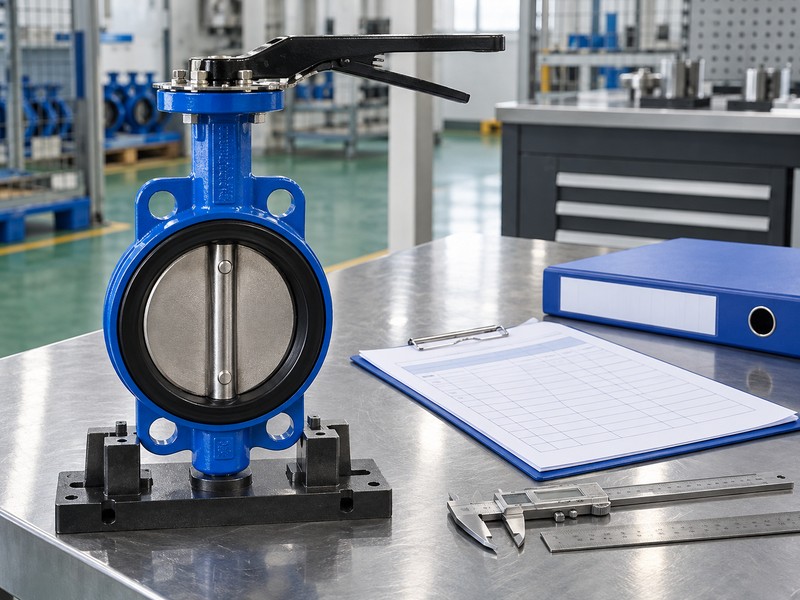
Send RUITO the identified valve request, relevant interior and exterior images, available section drawing and known service conditions. We can review the proposed scope and clarify which actual configuration and supporting records would be needed for evaluation. Contact us before treating an interior photograph as proof of component identity, accepted condition or sealing performance.
FAQ
Q1: Can I identify seat material from its color?
Not reliably from color alone. Match the actual seat with the selected component and material records before accepting a material identification.
Q2: What’s the best information to include with an interior photo?
Provide an identifiable view. Include valve identity, photographed face, observed disc position, relevant service conditions and the matching drawing reference.
Q3: How do I know if the valve has a separate packing gland?
Check the actual model. Stem sealing and support arrangements vary, and a concealed or absent-looking feature cannot be resolved from a bore photograph alone.
Q4: Can an open-looking bore prove the valve is depressurized?
No. Required isolation, depressurization, draining and energy control need their own authorized procedure and confirmation before physical exposure.
Q5: How do I know whether a visible mark makes the valve unacceptable?
Use the selected acceptance criteria. Record the mark accurately and obtain the required authorized inspection or test evidence before deciding its significance.