
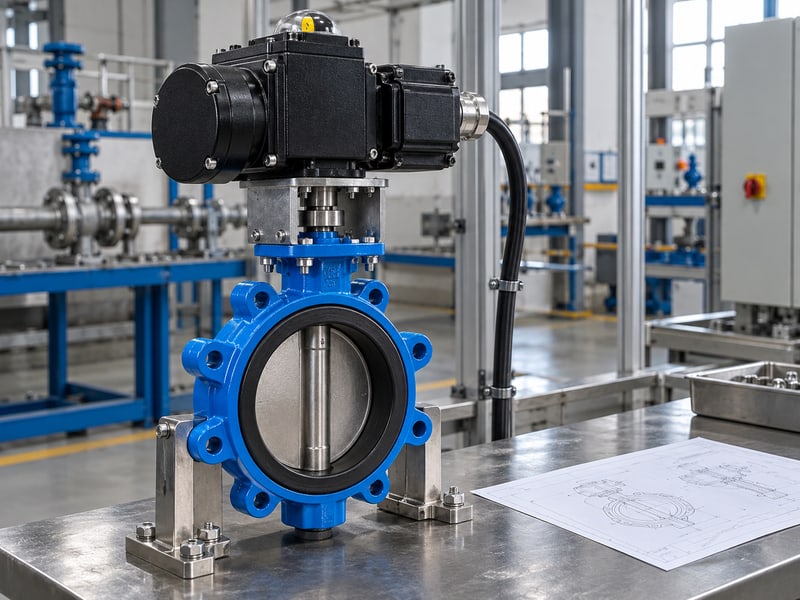
Fix butterfly valve motor mistakes by checking geared output torque, travel speed, cycling duty, protection, and exact replacement identification. A motor with familiar wattage can still stall, overheat, or drive the valve beyond its permitted load. Compare the motor, drive, and valve records before approving a replacement or changing settings.
1. What does a butterfly valve motor drive?
A butterfly valve motor drives the mechanism that turns the valve shaft, usually through reduction gearing within an electric operating package. The motor is one component of that package. Its rating cannot establish the complete drive's output, duty, travel control, or permitted valve load.
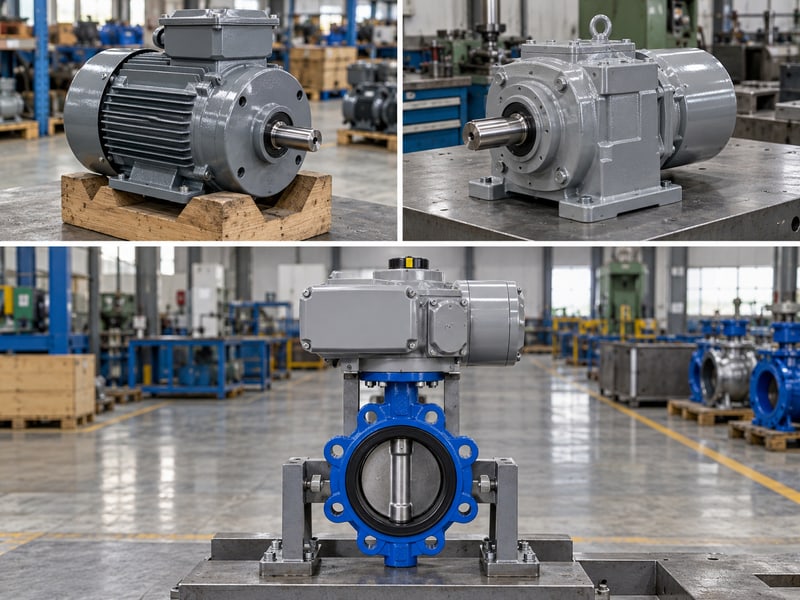
Which component are you specifying?
Identify whether the request concerns a bare motor, a motor-and-gear unit, or a complete electric actuator. These items carry different replacement and acceptance requirements. A purchase description saying only “valve motor” can conceal which gears, controls, protection devices, and accessories are included.
- Identify the requested component and supplied scope.
- Match its identification with the complete drive.
- Retain the associated valve tag and operating conditions.
Name the component before comparing ratings. A complete actuator's output-torque figure does not describe the bare motor shaft. Ask which output point and operating condition each quoted value refers to before comparing offers.
What should the equipment record separate?
Link separate valve, drive, and replaceable-motor identifiers through the equipment record. Key takeaway: a defined supply scope prevents a motor request from becoming an unintended actuator replacement.
| Requested item | Confirm |
|---|---|
| Bare motor | Approved component identity |
| Geared drive | Output and reduction details |
| Complete actuator | Controls and protection scope |
Clarify the requested component in the enquiry description.
2. What does butterfly valve motor power mean?
A butterfly valve motor's power rating describes a specified motor operating condition, rather than the complete valve's usable shaft torque. Confirm whether the listed wattage refers to electrical input or mechanical output. Comparing power figures without that distinction can produce an incorrect selection.
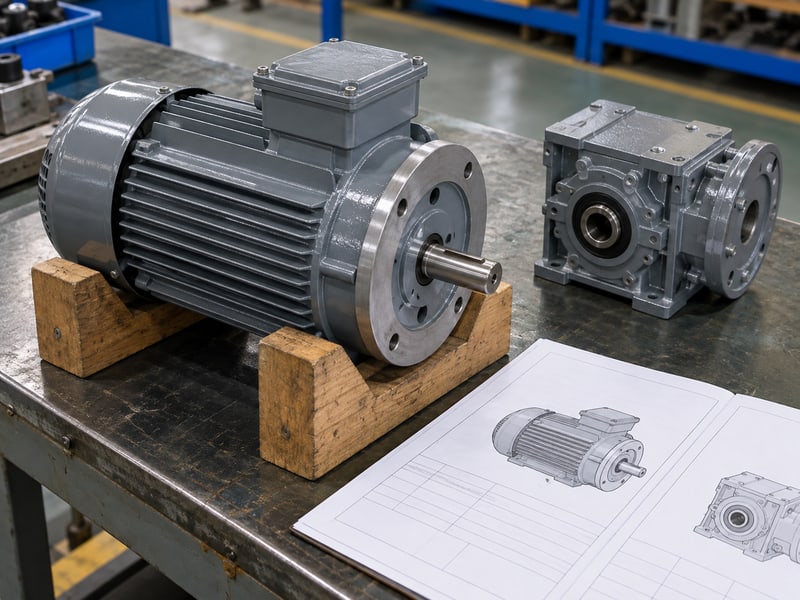
Why do watts and torque describe different things?
Mechanical power equals torque multiplied by angular speed. Reduction gearing changes output speed and torque, while losses reduce transmitted power. Similar listed motor power can produce different shaft torque, travel time, and thermal capability.
- Identify input or output power on the data sheet.
- Confirm the shaft and speed associated with that value.
- Obtain the complete drive's usable output rating.
Compare power with its stated operating condition. A short-duration motor rating does not authorize continuous running at that load. Read the associated duty, ambient limits, and drive instructions rather than treating the nameplate figure as an unrestricted capability.
What should procurement request?
Request supply, power definition, duty, and assembly output data together. Keep valve torque requirements separate. Key takeaway: power helps identify a motor, while geared output determines whether it can operate the valve.
| Quantity | Typical unit | Describes |
|---|---|---|
| Power | W or kW | Energy transfer rate |
| Torque | N·m | Turning effort |
| Speed | r/min | Shaft rotation rate |
Ask the supplier to identify the output point for every rating.
3. What torque must a butterfly valve motor supply?
A butterfly valve motor must produce sufficient geared shaft torque throughout the valve's required travel at the specified operating conditions. Breakaway, running, and seating requirements can differ. Normal circulation pressure alone does not describe the load encountered during isolation or reopening.
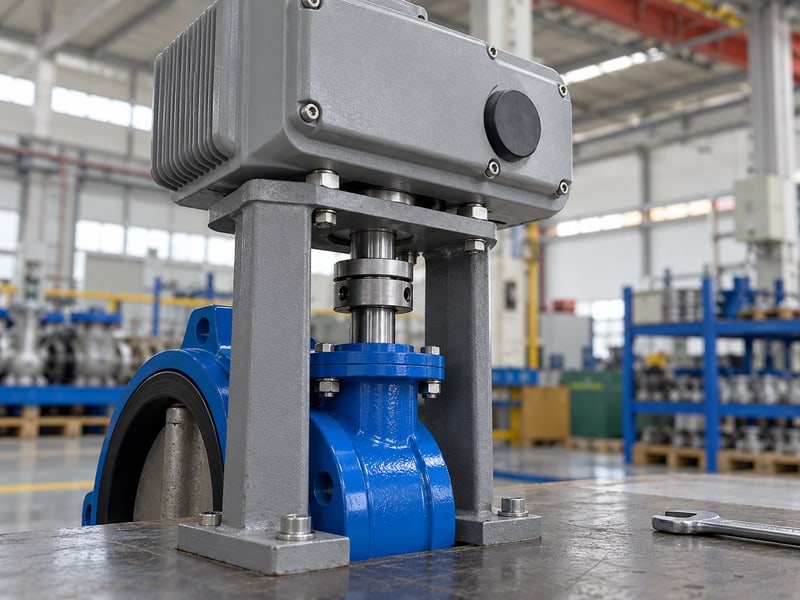
Which valve conditions belong in the calculation?
Provide size, seat construction, temperature, flow duty, pressure direction, and maximum closed differential. RUITO's flanged butterfly valve configurations include distinct concentric and double-eccentric arrangements. Their torque and directional shutoff requirements need the selected configuration's data rather than a common nominal-bore assumption.
- Obtain breakaway, running, and seating torque data.
- State forward and reverse differential conditions.
- Confirm available drive output and required sizing margin.
Size at the valve shaft under the limiting condition. Include the supplier's applicable output limits and the project's agreed selection margin. The shaft, gearing, and other loaded components must remain within their approved mechanical limits when the drive applies torque.
How should an apparent shortfall be handled?
Investigate stalling before increasing force or protection settings. Check interference, deposits, settings, and changed pressure. Key takeaway: compare required and available torque across travel within the valve's load limits.
| Valve stage | Required check |
|---|---|
| Initial movement | Breakaway torque |
| Through travel | Running torque |
| Final closure | Seating requirement and limit |
Request the torque selection record for the supplied drive.
4. How does gearing affect a butterfly valve motor?
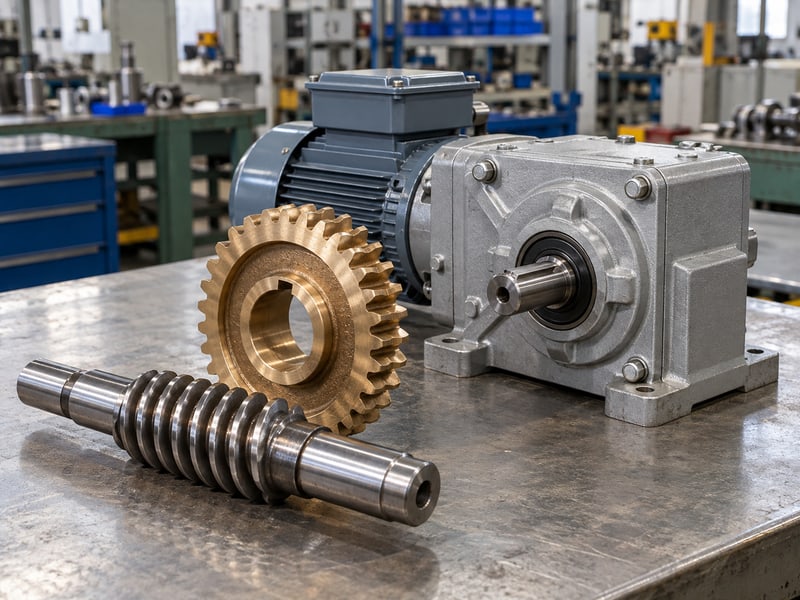
A butterfly valve motor's gearing changes the relationship between motor speed, output speed, and transmitted torque. The selected gear train also has its own mechanical and operating limits. A nominal reduction ratio cannot establish the usable output of the complete drive without its rated data.
What does a gear ratio leave unanswered?
You still need transmitted output, permitted loading, efficiency assumptions, and duty information. Use the actual assembly documentation instead of estimating output from motor power and an unverified ratio.
- Identify the complete gear arrangement.
- Request usable output torque and travel data.
- Check gear and drive maintenance requirements.
Keep the approved gearing with the motor selection. Changing a motor or gear unit can change travel speed and the loads available at the valve. A physically compatible component needs confirmation against the drive's approved configuration before substitution.
What should a service comparison include?
Compare the original and proposed motor speed, reduction arrangement, output limits, and stopping provisions. Verify any difference through the manufacturer's replacement or change procedure. Key takeaway: a gearing change requires review of output and travel behavior, even if the new motor fits.
| Gear-related detail | Verify |
|---|---|
| Reduction arrangement | Correct configuration |
| Output capability | Rated torque and duty |
| Service requirements | Approved maintenance method |
Close gearing differences before accepting a substitute drive component.
5. What speed suits a butterfly valve motor?
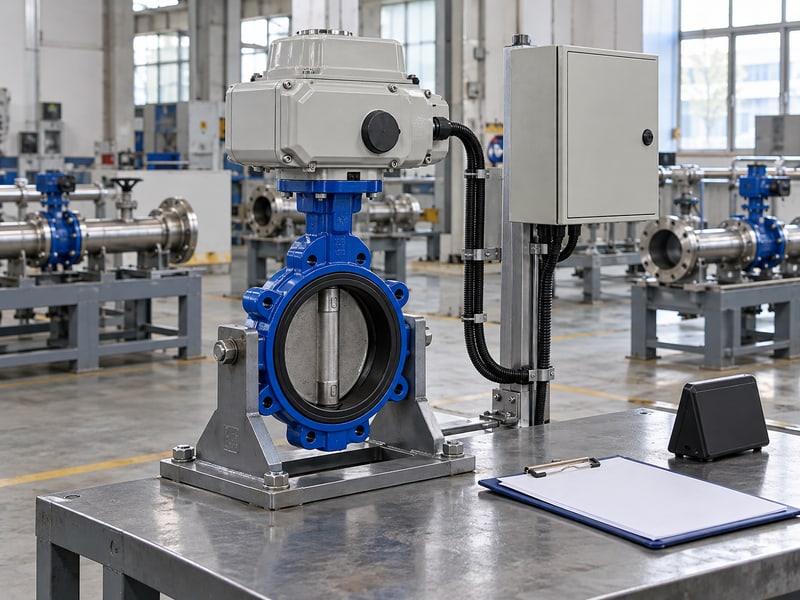
A butterfly valve motor needs a drive speed that delivers the system's approved valve travel time. Motor rotation speed and valve stroke time are different quantities. The complete mechanism and required disc travel determine how one becomes the other.
Which travel time should you specify?
Define required opening and closing behavior for the process and equipment sequence. A faster motor can shorten travel in a compatible drive, but rapid closure can increase hydraulic transients. The project must establish acceptable movement rather than selecting the shortest available time.
- Specify opening and closing travel requirements.
- Identify pump sequencing or other process constraints.
- Obtain travel data for the actual drive configuration.
Check system travel time before changing motor speed. A replacement that moves faster can alter commissioning assumptions even when torque remains sufficient. Review the required operating sequence and surge conditions before approving the change.
What should a functional check establish?
Verify direction, travel, stopping, and stroke time through the approved procedure. Compare results with agreed limits. Key takeaway: accept motor speed against the complete drive's valve travel requirements.
| Speed information | Use |
|---|---|
| Motor rotation | Component identification |
| Geared output speed | Drive comparison |
| Valve stroke time | Process acceptance |
Include approved travel times in the replacement specification.
6. What duty suits a butterfly valve motor?
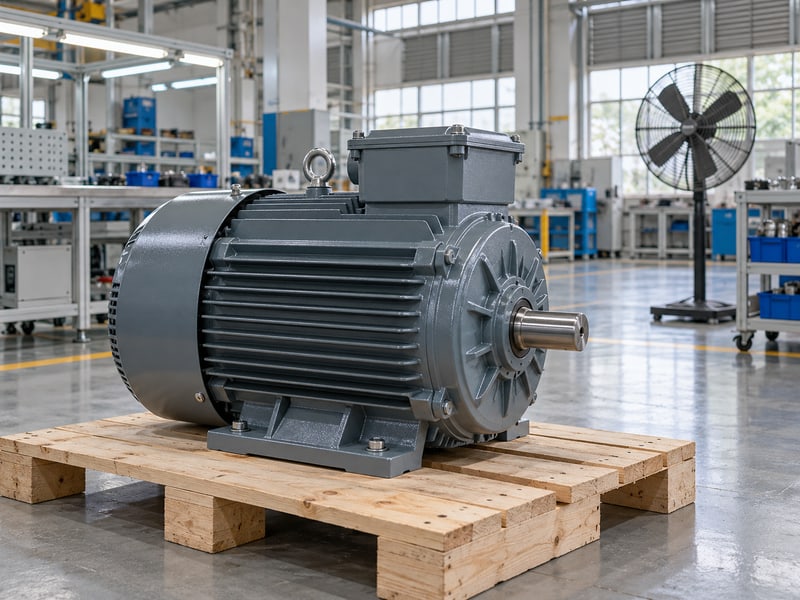
A butterfly valve motor needs a duty rating that covers its actual running periods, rest periods, starts, and reversals. Heat generation and cooling depend on load and installation conditions. No universal duty percentage establishes suitability for every electric valve drive.
What information describes the busiest period?
Provide the expected sequence during normal and demanding operating periods. Repeated short positioning corrections can create a different thermal pattern from occasional full strokes. Include ambient temperature and relevant exposure to process heat when requesting the drive review.
- Record starts and reversals over the specified period.
- Show running and rest intervals on a cycle diagram.
- Identify repeated positioning or retry commands.
Describe the cycle before assigning a duty label. The motor and complete drive instructions define the applicable rating and permitted conditions. A catalogue percentage without its reference period, loading, and start limits can hide a mismatch with the intended sequence.
What should thermal interruptions trigger?
Record protection events and preceding duty and load conditions. Follow model recovery instructions and investigate repeated interruptions. Key takeaway: approve the actual cycle and thermal conditions with a defined overload response.
| Duty input | Review purpose |
|---|---|
| Starts and reversals | Starting and control loading |
| Run/rest pattern | Rated duty comparison |
| Ambient and exposure | Thermal operating limits |
Send the cycle diagram with the motor or drive enquiry.
7. What protection does a butterfly valve motor need?
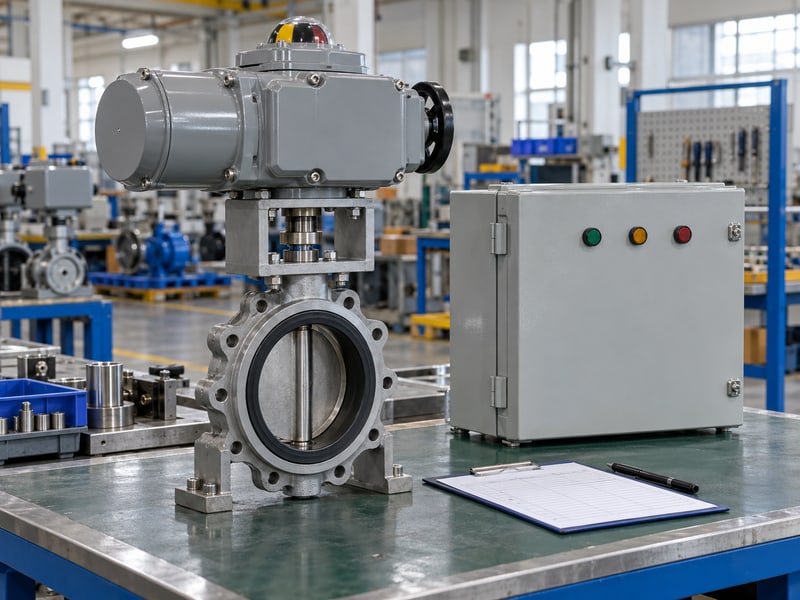
A butterfly valve motor needs the protective and stopping provisions specified for its complete drive and valve. Thermal, torque, current, and travel controls serve different functions where fitted. One protective event does not establish that the disc reached an approved end position.
Which limits should remain distinct?
Position limits address configured travel, while overload protection addresses its defined abnormal condition. The stopping method and settings depend on the supplied drive and valve design. Confirm those instructions before changing a setting after a stall or interrupted stroke.
- Identify the normal end-stopping method.
- List fitted overload and thermal protection.
- Define faults, alarms, and approved recovery actions.
Investigate the cause before raising a limit. Additional torque or current allowance can expose the valve and drive to excessive load. Check process differential, movement, gearing, and installed settings through qualified service procedures before approving a change.
Does protection establish failure behavior?
Interruption, supply loss, and stalling need documented responses. A motor alone establishes no fail-close behavior or certified protective function. Key takeaway: retain model settings and verify the response to each defined event.
| Provision | Verify separately |
|---|---|
| Travel stopping | Approved end positions |
| Overload protection | Trigger and resulting response |
| Thermal protection | Rated conditions and recovery |
Retain approved settings and fault-response records with the equipment tag.
8. How is a butterfly valve motor identified?
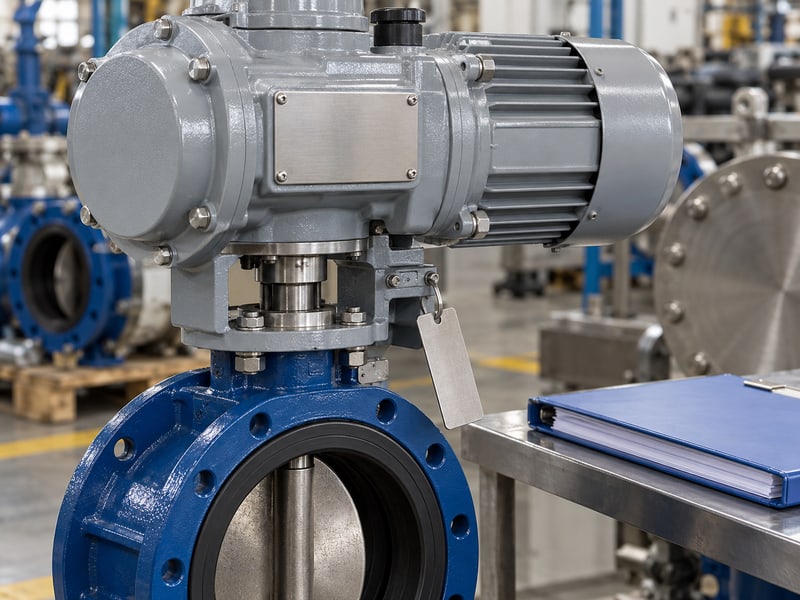
A butterfly valve motor is identified by its manufacturer and approved component details within the supplied drive configuration. Valve size and a matching external housing cannot establish motor equivalence. Preserve the motor, actuator, and valve identifiers so replacement enquiries refer to the correct equipment.
Which records should service staff collect?
Photograph accessible nameplates and record drive identification, serial information, and the valve tag. Use the approved parts list to locate the replaceable motor description. Avoid opening an energized or stored-energy assembly merely to find information that the supplier can provide from its records.
- Record motor and complete drive identification separately.
- Retain supply, speed, power, and duty data.
- Match the component to the approved service parts list.
Request the replacement against the complete drive identity. Similar motors can differ in windings, operating duty, protection, or mechanical details. An exact component reference and the supplied assembly record give the manufacturer a defined basis for confirming compatibility.
What should an incomplete nameplate trigger?
Send identification, photographs, and equipment history to the supplier. Request part confirmation instead of guessing from appearance. Key takeaway: traceable assembly identification supports replacement when the motor's label is incomplete.
| Identification | Purpose |
|---|---|
| Valve tag | Locate operating duty |
| Drive model and serial | Locate assembly record |
| Motor component reference | Confirm approved spare |
Create a linked identification record before ordering the spare.
9. When should a butterfly valve motor be replaced?
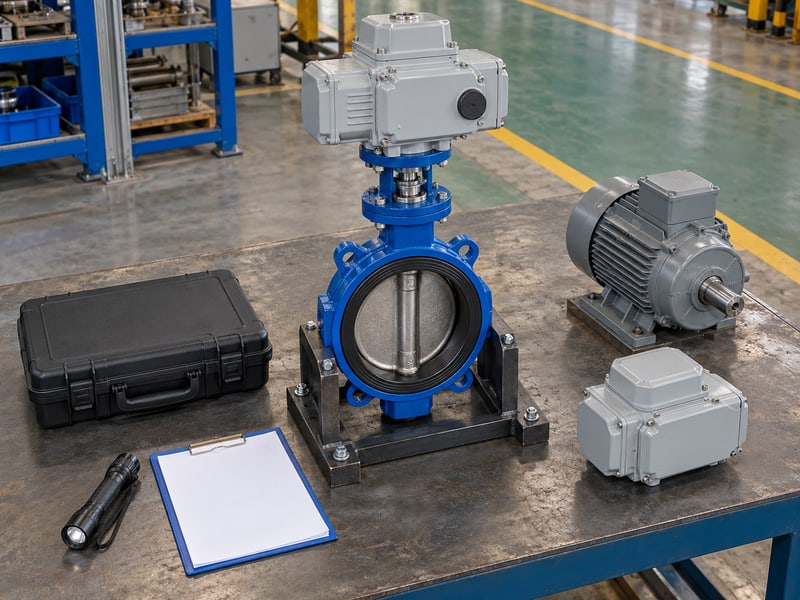
A butterfly valve motor should be replaced when diagnosis confirms a motor fault or an approved change requires a different component. A valve that stops moving can have other causes. Establish the fault and replacement scope before committing the shutdown to a motor exchange.
What else can cause loss of movement?
Controls, supply conditions, gearing, protective trips, and mechanical valve resistance can interrupt operation. Compare symptoms with the model's diagnostic instructions and operating history. Qualified personnel should inspect and test the assembly under the applicable isolation and service procedures.
- Record the command, reported state, and fault indication.
- Describe pressure, temperature, and recent cycling.
- Identify changes since the last successful operation.
Confirm the fault before exchanging parts. A new motor may encounter the same obstruction or duty problem if the cause remains unresolved. Keep findings and corrective actions linked so the repair addresses the observed failure mechanism.
What should post-replacement checks cover?
Follow the exact spare and drive's approved procedure. Verify direction, stopping, travel time, protection, and indication as required. Key takeaway: diagnose, confirm compatibility, and accept the repaired drive's behavior before service.
| Repair stage | Required record |
|---|---|
| Diagnosis | Fault and operating conditions |
| Part selection | Approved compatibility |
| Return to service | Functional acceptance |
Close the cause and acceptance records before restarting the equipment.
10. What spares suit a butterfly valve motor?
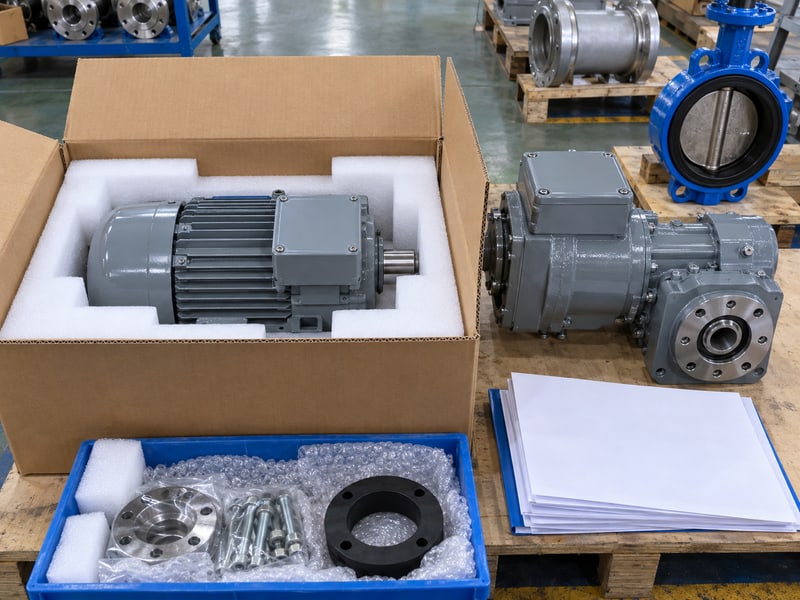
A butterfly valve motor spare must match the approved drive configuration or a documented replacement accepted through its change procedure. Specify component identity, supply, power definition, speed, duty, and relevant protection details. Include the valve's torque and travel requirements when a substitution affects the complete drive.
What should the spare-parts enquiry contain?
Provide drive and motor identification, the valve tag, operating conditions, cycle diagram, and required repair date. Ask which parts are service-replaceable and what inspection or adjustment follows replacement. Order a confirmed spare against its equipment record. Availability and delivery should be confirmed for that exact item rather than inferred from a generic motor listing.
- Request the approved part and any documented substitute.
- Retain service instructions and acceptance requirements.
- Confirm offered scope, availability, and applicable deviations.
What can RUITO review for the valve package?
RUITO's engineering and manufacturing capabilities support configuration review using valve conditions and the relevant supplied drive records. Send the valve datasheet, available identification, torque requirements, and replacement proposal for review. Key takeaway: select an identifiable spare that preserves approved drive behavior; contact us today with the equipment record.
| Spare requirement | Evidence |
|---|---|
| Identity | Approved component reference |
| Operating capability | Supply, speed, duty, output |
| Repair acceptance | Model service procedure |
Store the confirmed spare reference in the maintenance register.
Frequently asked questions
Q1: Can I choose a motor by wattage alone?
No. Confirm its power definition, speed, duty, and complete drive output against valve requirements.
Q2: Does more motor power guarantee more valve torque?
No. Gearing, speed, losses, and drive limits determine usable shaft output.
Q3: What's the best duty percentage?
Use the model's rating for your cycle pattern, starts, load, ambient conditions, and permitted rest periods.
Q4: Can I fit a motor that looks identical?
Only after approved compatibility is confirmed for the supplied drive and service conditions.
Q5: How do I know a motor caused a valve stall?
Follow the model's diagnostic procedure. Check controls, supply, protection, gearing, and valve resistance before replacing it.