
Avoid costly butterfly valve news mistakes by checking each claimed improvement against your operating duty and test records. A replacement may fit existing pipework yet still hunt, stall or leak. Check the operating cases, disc design and drive before treating a product announcement as a workable upgrade.
1. Which butterfly valve news claims help with control upgrades?
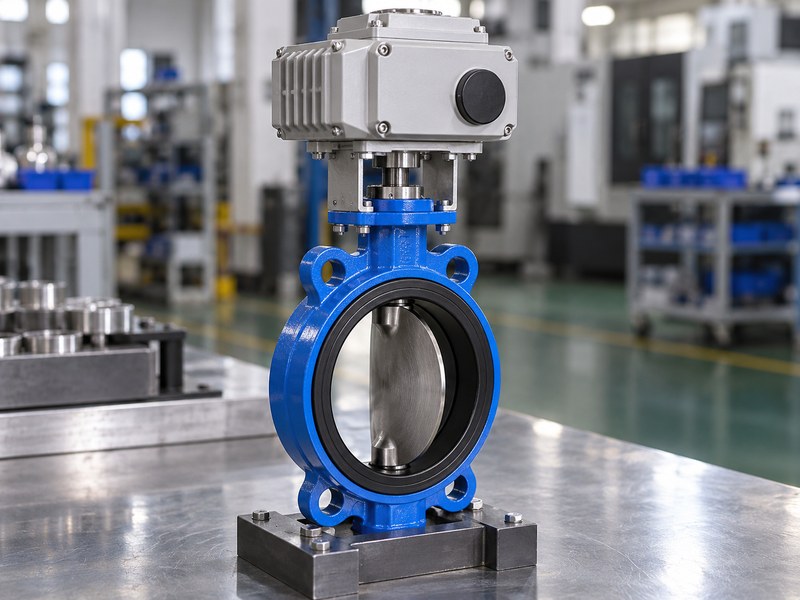
Useful butterfly valve news identifies what changed and provides evidence for the affected operating conditions. For control service, look for a revised disc, measured flow data, actuator changes or a documented field trial. A photograph and a higher pressure label cannot tell you how smoothly a valve will regulate your process.
What should you request with the announcement?
Ask for the previous and proposed configurations side by side. You need a drawing, wetted materials, seat details and a clear description of the claimed benefit. If the supplier reports less hunting, ask which process conditions and control settings produced that result. A changed controller setting can affect a trial alongside the hardware change.
Keep the review tied to your purchase:
- Identify the exact valve size and construction being discussed.
- Separate measured results from proposed benefits.
- Record the document revision and any stated limits.
| Published claim | Evidence to request | Purchasing decision |
|---|---|---|
| Better control | Flow curve and operating cases | Review sizing |
| Lower torque | Torque profile and test conditions | Review drive selection |
| Longer seat life | Cycle test and fluid conditions | Compare with actual duty |
Put the supported change on your technical query list before requesting a quotation.
2. How should butterfly valve news define the operating duty?
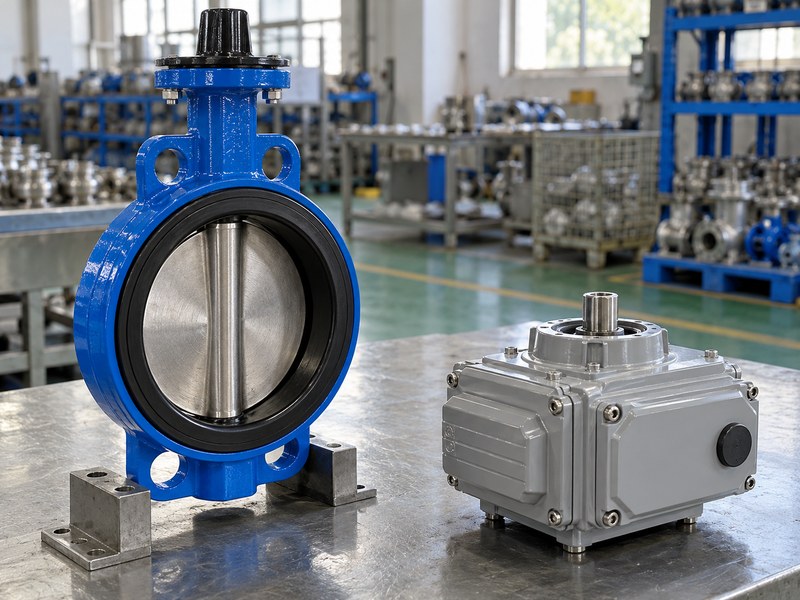
Butterfly valve news should be checked against minimum, normal and maximum operating cases before you compare designs. Each case needs flow, upstream pressure, downstream pressure, fluid temperature and composition. Line diameter alone leaves out the pressure drop that drives flow through a partly open disc.
Which conditions are easy to miss?
A cooling circuit may run well at its normal load but behave differently during startup or low demand. A pump change can alter available pressure. A cleaning cycle can expose the seat to a fluid or temperature absent from the normal process sheet. These are separate conditions for review, even when operators use the same pipe.
Send the supplier a short duty sheet:
- Give the full fluid mixture, including additives and solids.
- State required flow for each operating case.
- List the highest shutoff differential pressure separately.
| Duty case | Data needed | Reason for review |
|---|---|---|
| Low demand | Low flow and available pressure drop | Check controllability |
| Normal load | Expected continuous conditions | Check working position |
| Startup or upset | Defined temporary conditions | Check limits and response |
Keep unknown values marked as pending so they cannot become assumed design inputs.
3. What does butterfly valve news reveal about flow curves?
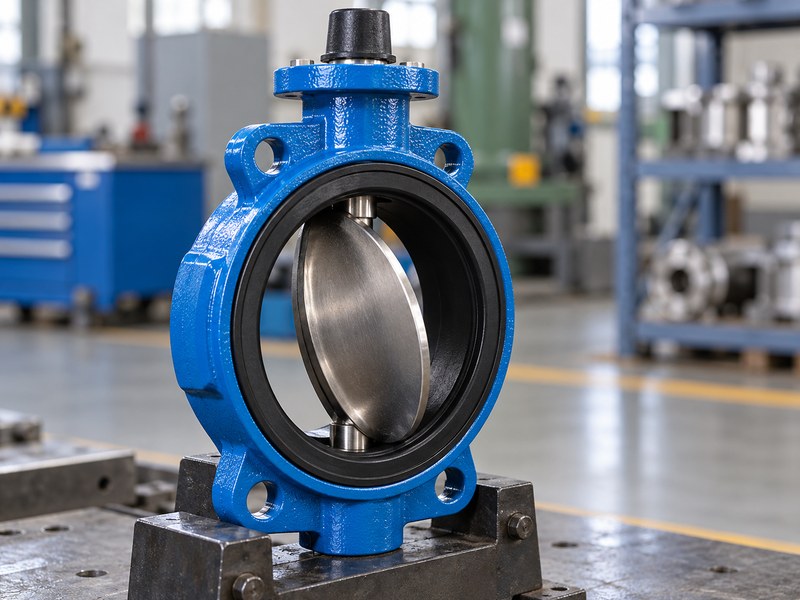
Butterfly valve news about a new disc needs a model-specific flow curve and an installed sizing review. Inherent flow data describes valve behavior under specified test conditions. Installed behavior also depends on the pump, pipe losses and changing pressure drop across the valve.
Can you use one opening range for every valve?
No single opening band applies to every butterfly valve and every process. Disc geometry, seat design and system conditions affect the usable range. A high full-open flow coefficient can leave a large valve operating close to its seat during low demand. That may give you little useful movement between two required flow rates.
Review the curve with three questions:
- Where will each required flow case sit on valve travel?
- How much flow changes with a small movement there?
- Has the supplier checked the valve within your system?
| Information | What it describes | What it cannot establish alone |
|---|---|---|
| Kv or Cv by travel | Flow capacity under defined conditions | Installed response |
| System pressure profile | Available pressure drop | Disc geometry |
| Installed calculation | Predicted operating positions | Verified field performance |
Request the calculation inputs as well as the final valve recommendation.
4. When should butterfly valve news trigger a cavitation check?
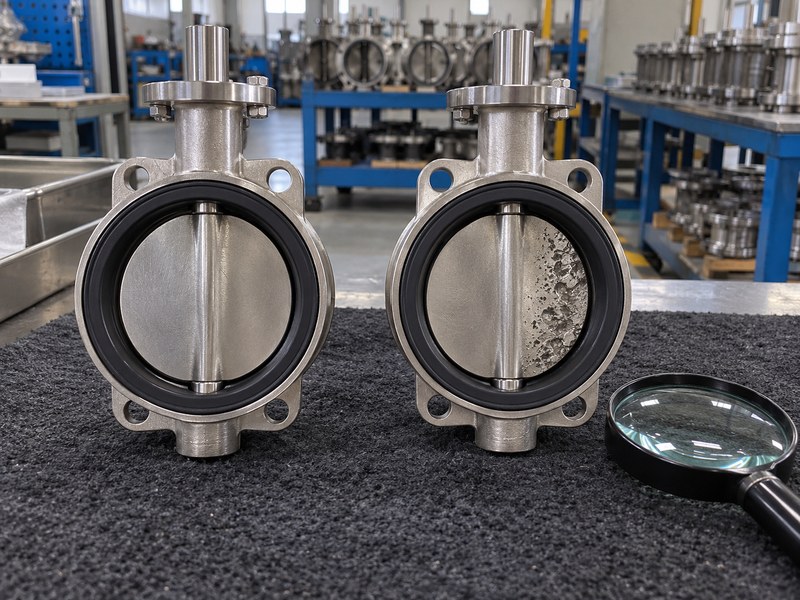
Butterfly valve news should trigger a cavitation review when a liquid application combines substantial pressure reduction with a low local pressure margin. Cavitation can occur when liquid forms vapor in a low-pressure region and those bubbles collapse after pressure recovers. Noise, vibration and surface damage warrant investigation.
Which pressure values belong in the review?
Give the supplier upstream and downstream absolute pressures, fluid temperature and vapor pressure data. Gauge pressure without a stated reference can confuse the calculation. Also describe duty duration and the valve positions where noise occurs. A cold-water test cannot establish suitability for a hotter liquid with a different vapor pressure.
For an existing installation, gather records safely:
- Log operating pressure and temperature trends.
- Record when noise starts and which loads are active.
- Share damage photographs taken during a controlled shutdown.
| Observation | Possible review area | Evidence needed |
|---|---|---|
| Noise during throttling | Cavitation or high velocity | Pressure and flow data |
| Vapor remains downstream | Flashing assessment | Downstream state |
| Vibration after changes | Hydraulic or mechanical causes | Trends and inspection |
Have the responsible engineer assess the complete operating case before approving replacement hardware.
5. How can butterfly valve news support actuator selection?
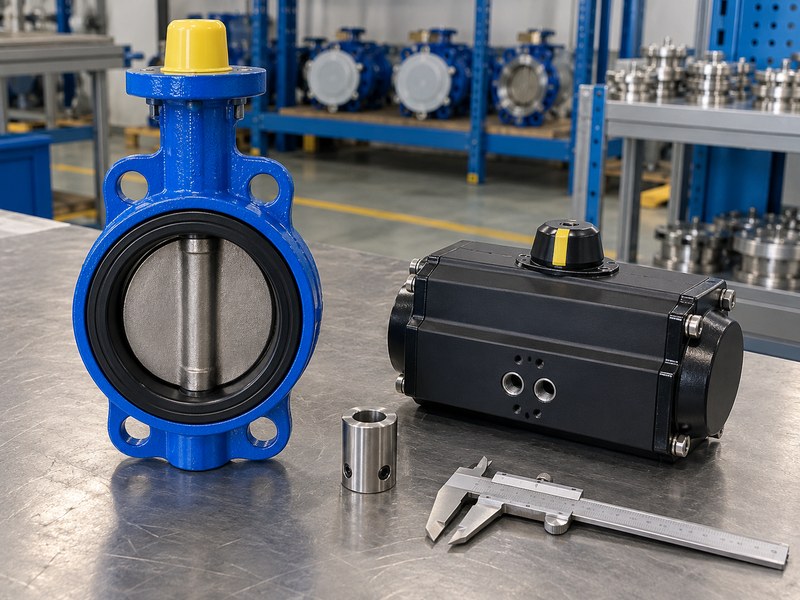
Butterfly valve news supports actuator selection only when output torque is compared with the valve's required torque throughout travel. Breakaway, running and seating loads can differ. Check those loads at the stated shutoff pressure, temperature and seat condition, then compare them with the drive's available output.
Does a matching mounting pattern prove compatibility?
A common mounting pattern addresses part of the mechanical interface. It does not establish shaft fit, bracket strength, output torque or duty rating. A replacement actuator can bolt into place while applying an unsuitable load to the stem. Review coupling engagement, travel stops and the valve's allowable drive torque together.
Check the complete assembly:
- For pneumatic drives, use the minimum available air pressure.
- For electric drives, check voltage, cycling duty and travel time.
- Confirm permitted torque limits and the selection margin.
| Check | Supplier input | Acceptance record |
|---|---|---|
| Valve load | Torque by travel and condition | Approved sizing sheet |
| Drive output | Output at minimum supply | Matched calculation |
| Mechanical fit | Shaft, bracket and coupling drawing | Assembly inspection |
Use the approved assembly drawing when reviewing the proposed valve and drive combination.
6. What should butterfly valve news say about positioners?
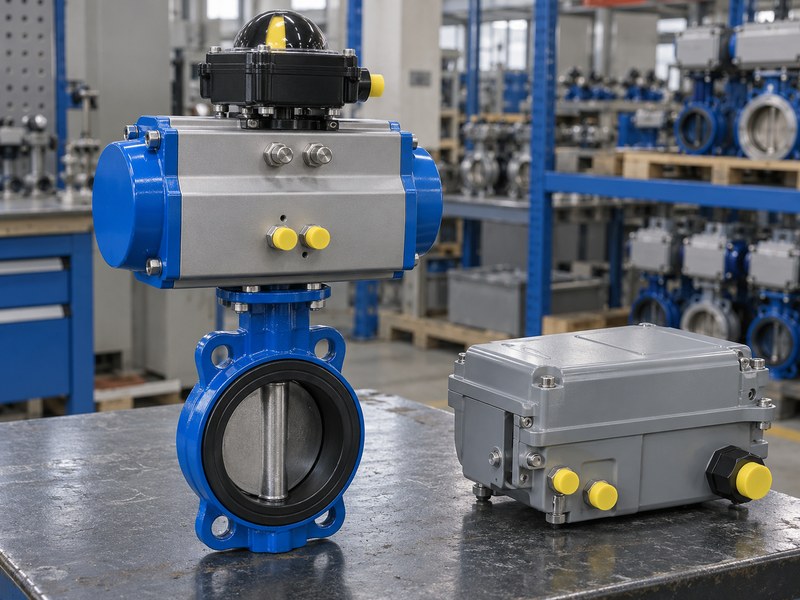
Butterfly valve news about a positioner should explain the measured control behavior, signal requirements and commissioning conditions. Position feedback helps you see where the drive reports its position. It cannot prove that the disc follows accurately if a loose coupling or mechanical problem separates the two.
Which signals help diagnose hunting?
Compare the controller command, measured valve position and actual process response on the same time scale. If the command remains steady while position changes, examine the drive and feedback. If position follows command but process flow oscillates, review process conditions, tuning and valve sizing as well.
Prepare a commissioning record:
- Define command and feedback signal ranges.
- Check repeatable travel from both directions.
- Record supply pressure or voltage during movement.
| Signal | What to compare | Follow-up |
|---|---|---|
| Command | Requested position over time | Review controller behavior |
| Position | Actual reported movement | Check drive and linkage |
| Process value | Flow, level or temperature | Review installed response |
Our guide to a butterfly valve with positioner covers the assembly checks behind those signals.
7. How should butterfly valve news qualify sealing claims?
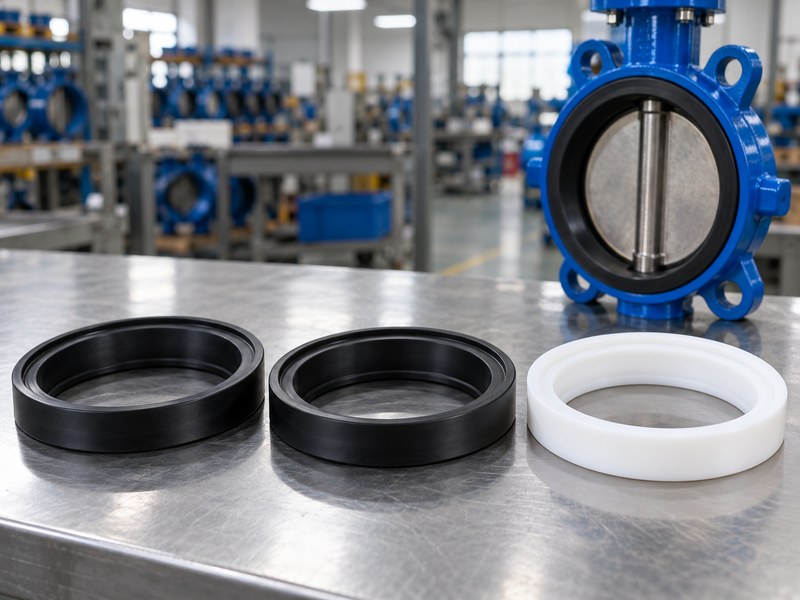
Butterfly valve news should qualify sealing claims by naming the test method, fluid, pressure, direction and acceptance criterion. A result described as no visible leakage applies to its defined test conditions. It cannot establish unlimited service life or identical performance with every fluid and temperature.
Can a pressure class replace a seat rating?
The body rating and permitted seat differential pressure answer different questions. For an offset design, the allowed closing differential may also depend on direction. Ask the supplier to state both limits on the approved data sheet. Review transient pressure separately from the normal operating value.
Material selection needs the same precision:
- Check elastomer compatibility with the full fluid mixture.
- Review the seat, stem seal and backing materials together.
- Keep drinking-water or fire approvals tied to their actual scope.
| Claim | Missing detail to resolve | Required record |
|---|---|---|
| Tight shutoff | Test conditions and criterion | Seat test report |
| Chemical resistance | Fluid concentration and temperature | Material review |
| Approved service | Exact model and listed scope | Current approval document |
For chemical duty, compare the construction described on our PTFE lined butterfly valve page with your process data.
8. Which butterfly valve news checks prevent fitting problems?
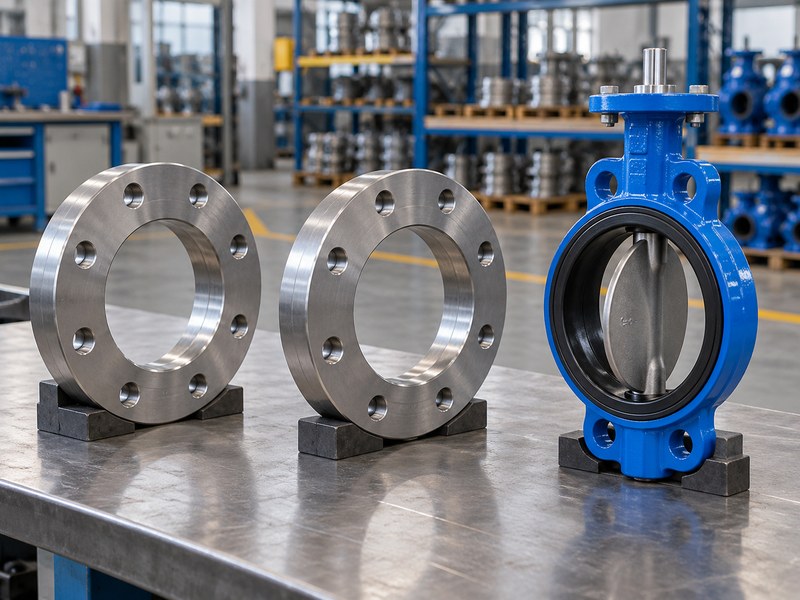
Butterfly valve news about a drop-in upgrade still needs a dimensional check against the installed pipework. Compare face-to-face length, flange drilling, pipe bore, disc sweep and actuator clearance. A valve can match the bolt pattern while its open disc strikes an adjacent flange or internal obstruction.
What should the installer confirm before work starts?
Use the current drawing and model-specific installation instructions. Check lifting points, access for fasteners and room for future maintenance. Keep the piping supported so its weight does not force the valve into alignment. Installation position, gaskets and flange tightening requirements depend on the actual seat and connection design.
Before installation, confirm:
- Isolation, depressurization and stored-energy controls are in place.
- Adjacent bores provide the specified disc clearance.
- The approved instructions cover the supplied assembly.
| Interface | Check against | Typical consequence of mismatch |
|---|---|---|
| Face-to-face | Installed gap and drawing | Pipe modification |
| Disc sweep | Adjacent flange and bore | Mechanical interference |
| Actuator envelope | Nearby structure and access | Restricted maintenance |
Use our wafer butterfly valve information as a starting point for an exact configuration review.
9. How do you test butterfly valve news claims on site?
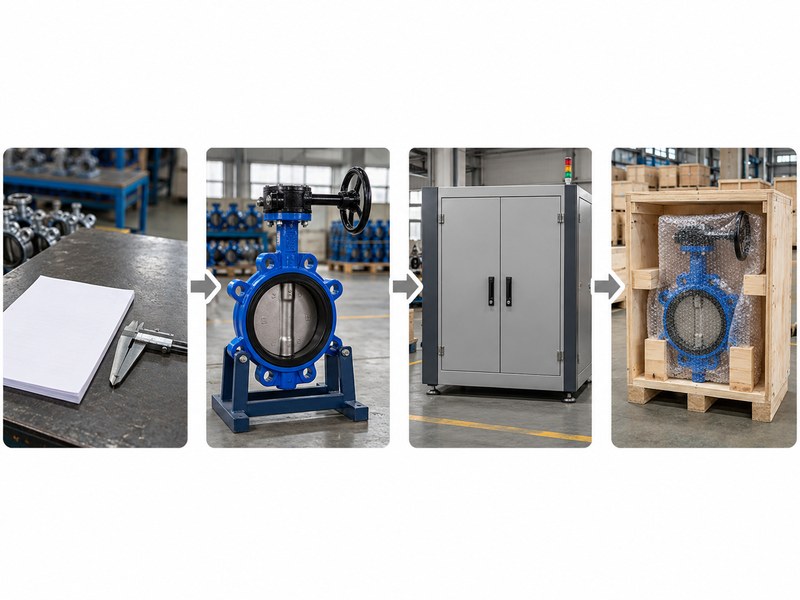
Butterfly valve news claims need a site test with agreed operating cases and acceptance limits before you release a broader replacement order. Define the measurements before installation. Otherwise, a quieter short trial can look successful while leaving low-load control, repeatability or shutoff performance untested.
What belongs in a useful acceptance plan?
Record the installed valve and actuator identities, document revisions, instruments and test conditions. Compare equivalent loads before and after the change. If process demand differs, keep that difference in the report. Do not call a simulation or a bench travel check a completed process trial.
Agree on the following:
- Stable operation at the required low and normal loads.
- Repeatable response within a defined test sequence.
- Shutoff and fail behavior under the approved safe procedure.
| Stage | Evidence | Release decision |
|---|---|---|
| Review | Approved duty and drawing | Order sample |
| Bench check | Identity, travel and inspection records | Permit installation |
| Site trial | Process trends and signed results | Release defined scope |
Keep an unresolved low-load result open even if the normal-load trial passes.
10. How do you turn butterfly valve news into an RFQ?
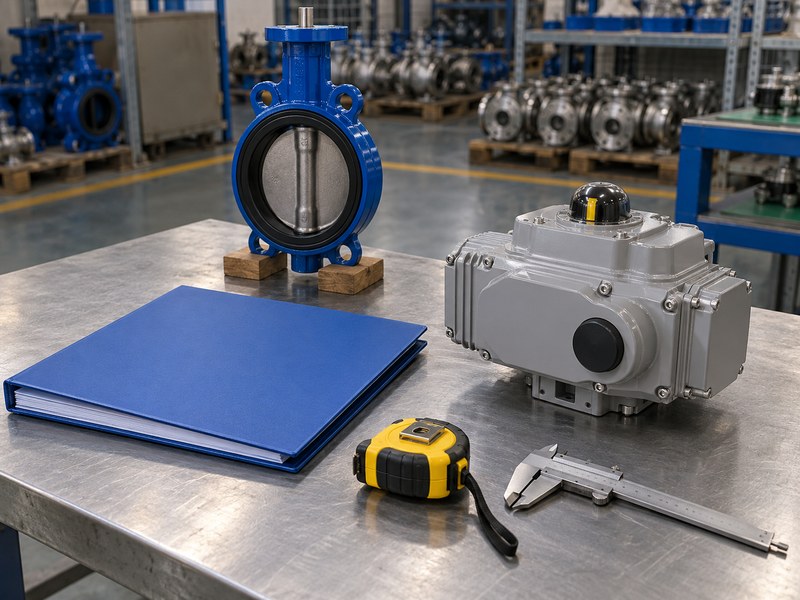
Turn butterfly valve news into a request for quotation by attaching the duty sheet, interface drawing and acceptance plan. Ask each supplier to identify deviations in writing. Comparable quotations need the same fluid, pressure, control duty, documents and delivery scope, rather than matching only size and price.
What should the supplier return?
Request a proposed construction, material list, pressure-temperature limits, flow data and actuator calculation. Add installation instructions, spare-parts scope and required test records. RUITO reviews these inputs against the proposed configuration; a news headline does not replace that engineering review.
Make the next action specific:
- Send minimum, normal and maximum process conditions.
- Include the installed gap, flange details and available utilities.
- State who approves deviations and signs the trial results.
| RFQ item | Supplier response | Buyer review |
|---|---|---|
| Process duty | Sizing and operating limits | Engineering |
| Installation | Approved assembly drawing | Site team |
| Verification | Test plan and records | Quality team |
To review a proposed control upgrade, contact us with your operating cases and existing valve drawing.
Frequently asked questions
Q1: Can I choose a control valve from its pipe size?
No. You also need flow, pressure drop and operating cases. Check the predicted working positions before approving the selected size.
Q2: What's the best evidence behind a new disc claim?
Request model-specific flow data and the conditions used for testing. Then ask for an installed calculation using your own process inputs.
Q3: How do I know if a larger actuator will fix hunting?
You need command, position and process trends. More torque will not resolve every sizing, tuning or hydraulic problem.
Q4: Can I keep my existing positioner during an upgrade?
Possibly. Check mechanical fit, signal compatibility, operating range and commissioning requirements with the suppliers before reusing it.
Q5: Can I approve the full order after a bench travel test?
A travel test proves only its defined checks. Use the agreed site acceptance plan to verify process performance before releasing wider replacement scope.