
Fix keystone dn80 butterfly valve ordering mistakes by identifying the exact series and configuration, then checking its OEM documents against the installed duty. Brand and nominal size leave too many details open for a parts order or replacement decision. Keep the original equipment identity, service requirements, and any proposed alternative’s documents together for engineering review.
A DN80 valve may resemble the installed unit while its seat, flange pattern, shaft connection, or operating limits differ. Finding the mismatch during a shutdown creates another purchasing task. Collect photographs, complete nameplate information, OEM instructions, and the installation drawing before choosing what to order.
1. What identifies a Keystone DN80 butterfly valve?
A keystone dn80 butterfly valve is identified by its series or figure, complete model information, nominal size, materials, connection, and operator configuration. Emerson’s Figure 320/322 model-code guide lists DN80/NPS 3 as size code 0080, while separate code fields define other configuration details.
Why should you record the full series information?
Keep the figure number with the size. Emerson’s Figure 320/322 information distinguishes wafer Figure 320 from lugged Figure 322, so an abbreviated Keystone DN80 request leaves the body style unresolved. Photograph the identification and transcribe the complete code without interpreting an unfamiliar suffix from another series. RUITO’s alternative configuration review uses the actual service and installation data for a proposed alternative; a common nominal size does not establish the OEM design or replacement acceptance.
Key takeaway: The complete identity gives the supplier a defined equipment configuration to review.
- Record the exact figure, model information, and nominal size.
- Keep OEM identification separate from any alternative’s identity.
| Item | Review |
|---|---|
| OEM identity | Series, model information, and size |
| Configuration | Connection, materials, and operator details |
2. Which nameplate and service details should you collect?
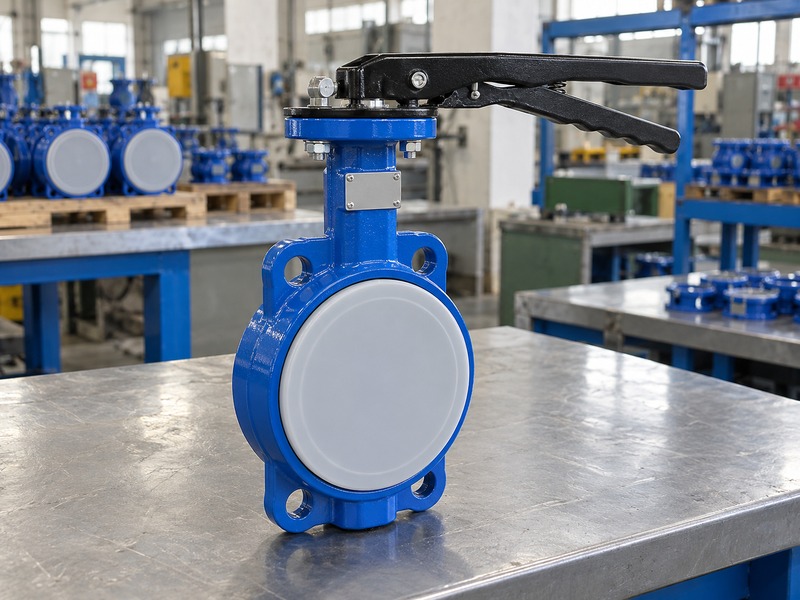
Collect the keystone dn80 butterfly valve nameplate, visible body markings, operator identification, and current service conditions. Record the original order or equipment tag when available, and keep photographs clear enough for the OEM support team to distinguish characters, material codes, and any stated operating limits.
How do you separate identity from operating history?
Build one equipment record from both sources. The manufacturer’s identification describes the supplied configuration, while your plant records describe the fluid, concentration or additives, operating temperature, line pressure, closing differential, cycling, and any changes made after installation. Keep the valve and actuator details separate because an actuator label cannot identify the valve’s seat or pressure capability. Emerson’s GRF installation and operation manual illustrates model-specific nameplate fields, including size, pressure, flange compatibility, temperature, and trim; use the applicable instructions to interpret your actual valve rather than transferring another series’ limits.
Key takeaway: Identity and operating history answer different questions in a replacement review.
- Photograph valve and actuator identification separately.
- Record service changes and previous repairs alongside OEM identity.
| Item | Review |
|---|---|
| Equipment identity | Valve markings, operator data, and order reference |
| Service history | Actual duty, modifications, and repair records |
3. How do you verify the correct OEM documents?
Verify keystone dn80 butterfly valve documents against the identified series, configuration, revision, and applicable market. Obtain the relevant data sheet, installation and operating instructions, drawing, and parts information from the manufacturer or an appropriate OEM support route before relying on a copied catalogue page.
What should you check when older documents remain online?
Read the document scope before its dimensions. Check the title, covered figures, issue or revision, regional notes, and limitations against the complete identification and original order information. The published Figure 320/322 model-code guide has a stated regional scope, so confirm that the document applies to your enquiry. For a RUITO wafer butterfly valve alternative, keep its own drawing and operating instructions alongside the OEM baseline so reviewers can identify differences without applying the original manual to a different product.
Key takeaway: The correct manual supplies limits and instructions for the identified product.
- Match the document’s covered series and revision to the equipment.
- Keep original and alternative documentation separately identified.
| Item | Review |
|---|---|
| Document match | Series, configuration, revision, and scope |
| Review record | Accepted baseline and identified differences |

4. Which materials and seals must match the duty?
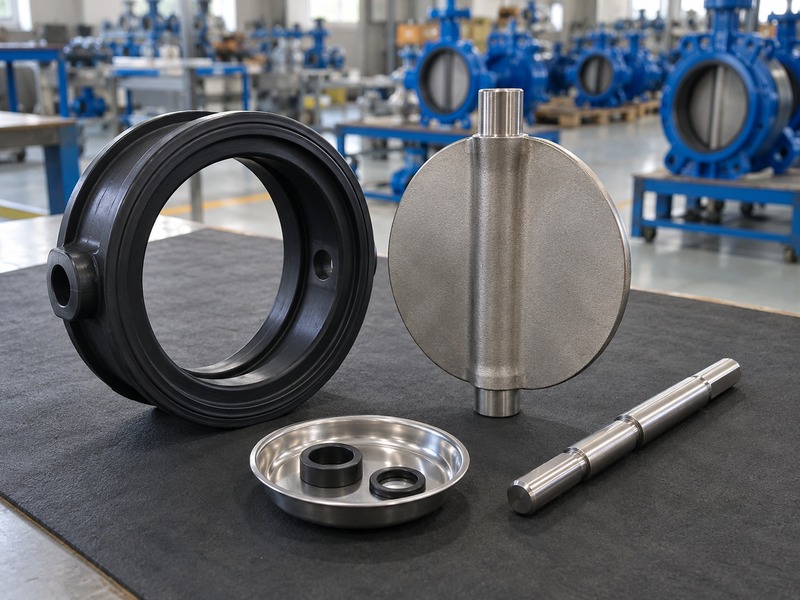
The body, disc, shaft, seat, and auxiliary seals of a keystone dn80 butterfly valve must match its identified configuration and actual service. Translate trim or material codes using the correct OEM literature, then compare the complete wetted construction with the fluid, contaminants, temperature, and cleaning conditions.
How should you review a proposed material change?
Treat each substitution as a configuration change. Ask the supplier to identify the proposed grade, compound, backing, exposed surfaces, and compatibility evidence instead of accepting descriptions such as stainless steel or chemical resistant. EPDM water-service suitability does not establish mineral-oil suitability, and a PTFE seat does not establish continuous polymer protection of the wetted path. For a PTFE-lined alternative construction, evaluate its own lining, disc coverage, shaft seals, backing, pressure–temperature limits, inspections, and applicable approvals.
Key takeaway: Matching the service requires the complete wetted construction and its evidence.
- Decode materials from the applicable series documentation.
- Review changed compounds, surfaces, and seals against the actual fluid.
| Item | Review |
|---|---|
| Original materials | Identified trim and OEM configuration |
| Proposed materials | Declared differences and application review |
5. How do you check the end pattern and installed fit?
Check a keystone dn80 butterfly valve installation against the correct face-to-face dimension, flange accommodation, disc-opening envelope, bolting, and mounting space. DN80 is a nominal designation, so a nominal-size match or similar exterior shape cannot confirm that the assembly will fit the existing pipework.
Which dimensions need a side-by-side comparison?
Compare drawings from the same reference faces. Record the installed gap, mating flange standard and internal clearance, connection pattern, valve envelope, shaft location, and operator access, then compare those requirements with the exact OEM drawing and any proposed alternative. A lug butterfly valve alternative also needs thread, bolt engagement, and end-condition review; the word lug alone does not establish an acceptable disconnection arrangement. Confirm the required gasket arrangement from each product’s own instructions because some resilient-seat designs provide flange sealing through the seat, while another construction can require a different interface and installation method.
Key takeaway: An approved dimension comparison establishes the fit of the proposed assembly.
- Compare face-to-face length, end pattern, and disc clearance.
- Verify bolting and sealing arrangements for the actual construction.
| Item | Review |
|---|---|
| Pipe interface | Face-to-face, flange accommodation, and clearance |
| Assembly space | Operator envelope, fasteners, and access |
6. Which pressure limits need separate comparison?
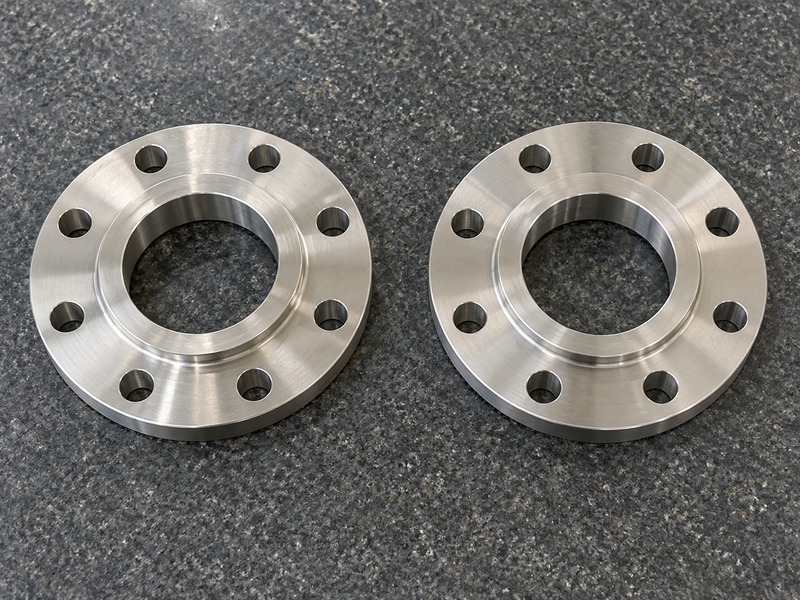
Compare working pressure at temperature, permitted closing differential, direction, and end conditions for a keystone dn80 butterfly valve. A flange designation or passed pressure test does not supply all those limits, and PN and ASME Class designations should not be treated as equivalent rating systems.
How do you avoid combining unrelated ratings?
Keep the model’s limits together. Read the applicable pressure–temperature information with the seat, disc, body, size, flow direction, and installation conditions to which it applies, then review every required operating case. A maximum temperature from one seat option cannot be combined with a pressure value from another configuration to create an accepted rating. For an alternative, require its own limits, closing-differential statement, connection requirements, and acceptance tests, and have the project reviewer decide whether they satisfy the duty.
Key takeaway: A rating comparison needs the complete configuration and its installation conditions.
- Separate working limits from inspection pressures and flange labels.
- Confirm direction and end conditions for the selected configuration.
| Item | Review |
|---|---|
| Working envelope | Pressure and temperature for one configuration |
| Isolation duty | Closing differential, direction, and end conditions |
7. Can the selected valve regulate water flow?
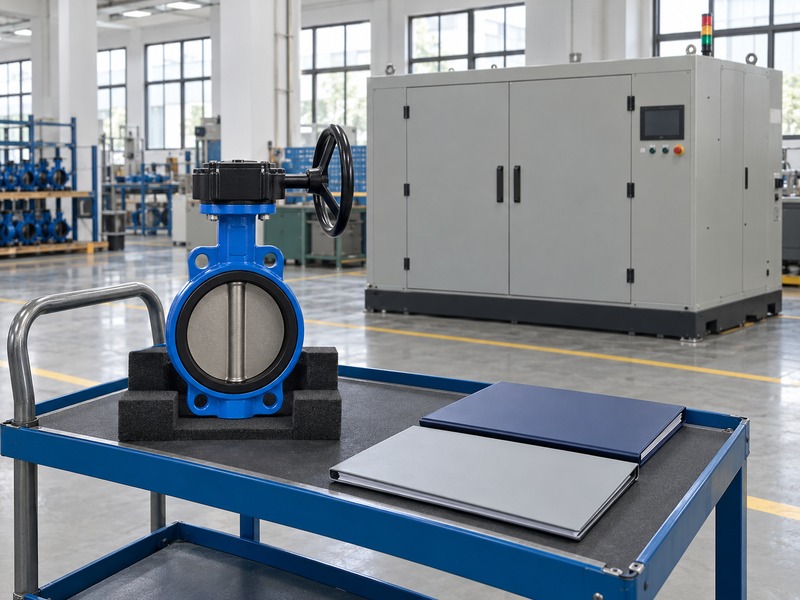
A keystone dn80 butterfly valve can regulate water only where the identified model and operating duty support that function. Emerson’s Figure 320/322 product description describes shut-off control; that wording alone does not qualify a modulating water duty. Obtain the exact series’ control-duty guidance before approving regulation.
What should a control-duty review establish?
Specify the required operating range. Give minimum, normal, and maximum flow, upstream and downstream pressures, temperature, fluid properties, intended travel range, and control frequency for the regulating-duty review. Request the appropriate capacity and operating information for the selected series and assess pressure loss, cavitation, noise, vibration, and available actuator control where relevant. A RUITO flanged butterfly valve alternative needs its own assessment and model data before control use, including investigation of any previous unstable response or repeated seat damage.
Key takeaway: The series and operating conditions determine whether regulation is suitable.
- Confirm control suitability for the identified series and duty.
- Review the operating range using the proposed valve’s data.
| Item | Review |
|---|---|
| Control requirement | Flow cases, pressures, and operating range |
| Technical review | Capacity, stability, wear, and actuator response |
8. Can you reuse the existing actuator?
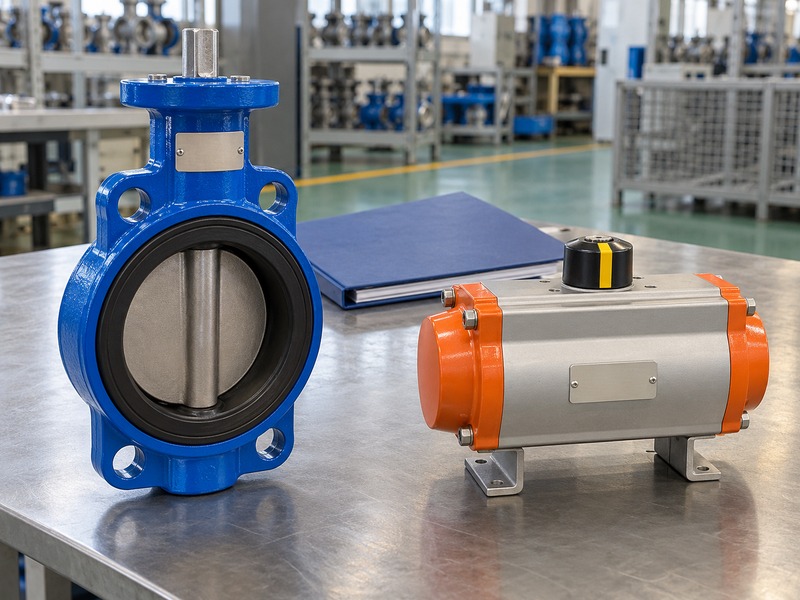
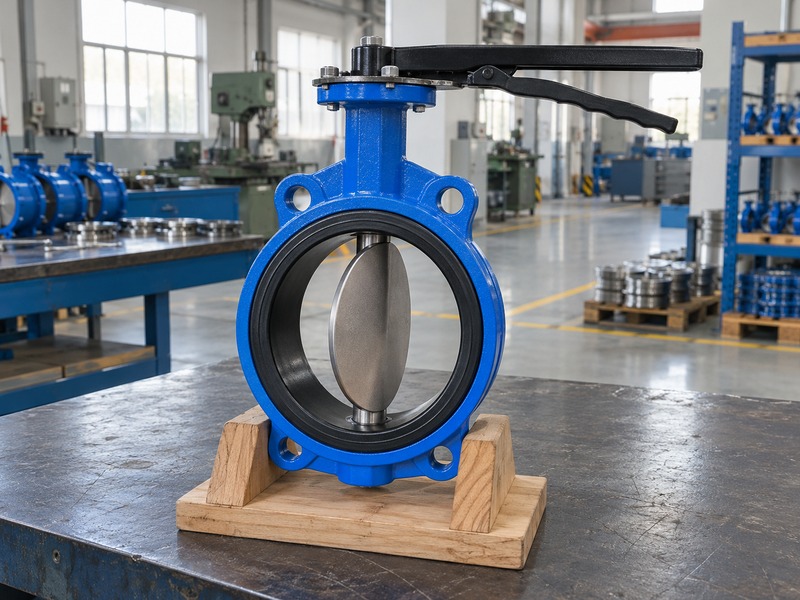
Reuse an actuator on a keystone dn80 butterfly valve or an approved alternative only after verifying mechanical fit and operating duty. A matching mounting pattern leaves shaft geometry, engagement, coupling, torque, travel stops, indication, and fail response to be checked against the proposed complete assembly.
Which details belong in the actuator review?
Check the drive connection below the mounting bolts. Record the actuator identity, drive shape, engagement dimensions, bracket and coupling arrangement, available supply, stroke time, position feedback, and required response to supply or signal loss. Compare available torque under minimum supply conditions with the proposed valve’s required torque across the duty, including permitted shaft loads and travel limits. Request a documented functional check after any change, and review applicable electrical or hazardous-area requirements for the actual mounted assembly.
Key takeaway: An actuator can be retained only when fit and function are both accepted.
- Verify shaft fit, engagement, torque, and permitted loads.
- Check travel, indication, controls, and required fail response together.
| Item | Review |
|---|---|
| Mechanical review | Mounting, drive fit, torque, and loads |
| Functional review | Supply, travel, feedback, and failure response |

9. How should you order seats and replacement parts?
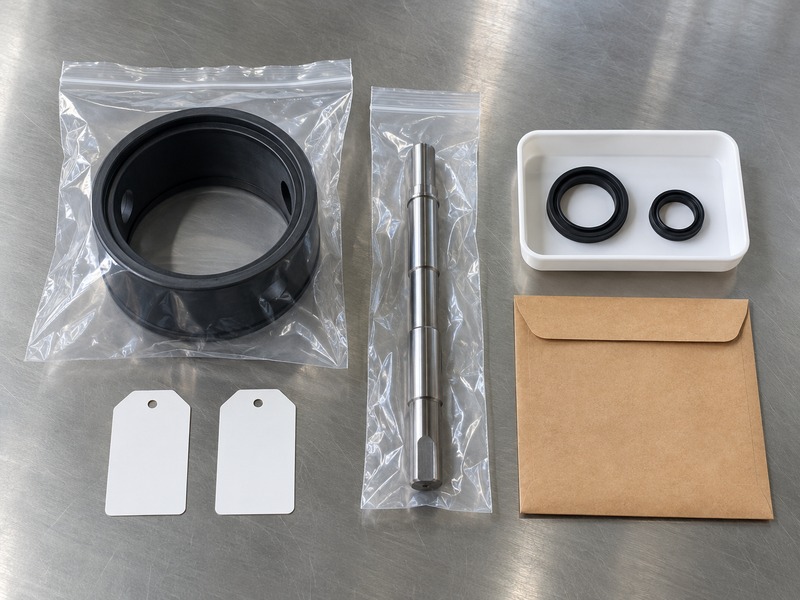
Order keystone dn80 butterfly valve parts using the exact series, complete equipment identity, required part description, materials, and applicable OEM instructions. Confirm the permitted repair route and available parts with OEM support; a visually similar seat or shaft cannot establish replacement-part compatibility.
What information helps prevent a wrong-part order?
Separate OEM repair from complete-valve replacement. Provide photographs, the original order or serial reference, relevant parts drawing, quantity, material requirements, and service conditions so OEM support can identify the item. Emerson’s K-LOK Series 38 safety instructions require OEM Keystone replacement parts for that series and nameplate references for enquiries. RUITO assesses a separately identified complete-valve alternative from engineering data; an alternative offer does not establish OEM parts authorization, seat interchangeability, or acceptance of a mixed-component assembly.
Key takeaway: A correct parts enquiry preserves the identified product’s repair requirements.
- Identify the part through the correct OEM drawing and equipment record.
- Confirm repair limitations before buying or fitting replacement components.
| Item | Review |
|---|---|
| OEM parts enquiry | Equipment identity, part reference, and material |
| Alternative enquiry | Complete proposed valve and separate approval review |
10. When should you approve an alternative valve?
Approve an alternative to a keystone dn80 butterfly valve after the responsible project reviewer accepts its documented service, interface, material, operating, inspection, and approval differences. Matching DN80 and one dimensional standard does not establish complete interchangeability, identical performance, or permission to use the original valve’s parts and instructions.
What should the final alternative review contain?
Close each difference against the required duty. Compare the OEM baseline and installation with the proposed valve’s drawing, material list, pressure–temperature information, flow and torque data, operator arrangement, inspection plan, and product documents. Identify changes to hardware, pipe fit, control settings, maintenance parts, or operating instructions, then decide whether a sample fit check or additional validation is needed. RUITO can assess these inputs and supply its own identified configuration and agreed records; retain the customer’s approval and both document sets for future equipment and parts identification.
Key takeaway: Documented approval defines the alternative your project has accepted.
- Resolve technical deviations and required validation before approval.
- Update drawings, equipment records, and maintenance information after acceptance.
| Item | Review |
|---|---|
| Comparison | OEM baseline and proposed configuration |
| Approval | Accepted deviations, validation, and updated records |
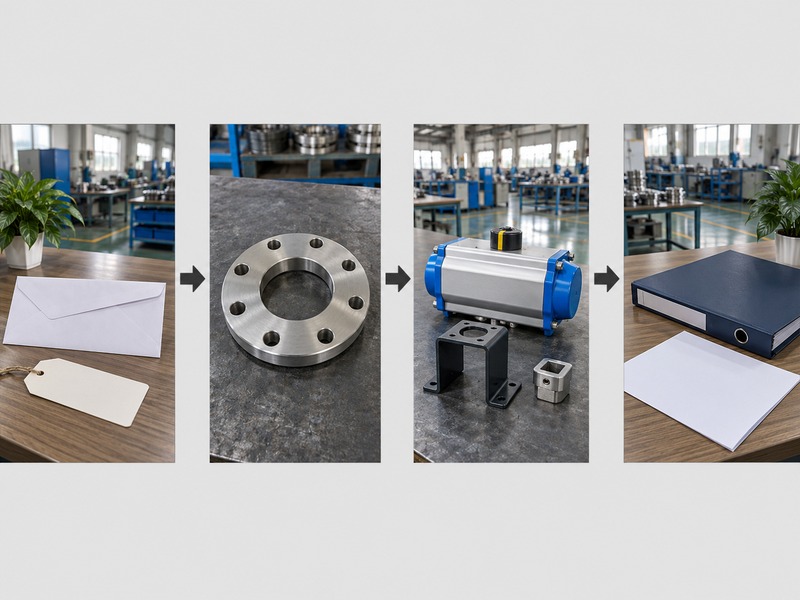
Send RUITO the identified OEM series, clear nameplate photographs, duty sheet, connection drawing, and actuator details for an alternative assessment. We can review a proposed RUITO configuration and identify technical differences for your approval. Contact us with the engineering records needed for that review.
FAQ
Q1: Can I identify a Keystone valve from DN80 alone?
No. Record the series or figure, complete model information, materials, connection, and operator details so the applicable OEM documentation can be identified.
Q2: How do I know which manual applies to my valve?
Match its scope. Check covered series, configuration, revision, and regional notes against the valve identification, and ask OEM support to resolve uncertain references.
Q3: Can every Keystone butterfly valve be used only for isolation?
No brand-wide conclusion is warranted. Obtain exact-series guidance for the required operating range and service; the words shut-off control alone do not qualify a modulating application.
Q4: Can I fit a RUITO seat into an existing Keystone valve?
Do not assume compatibility. Follow the actual OEM parts and repair requirements; RUITO’s complete-valve alternative review does not establish authorization or interchangeability for replacement seats.
Q5: Does a matching flange pattern prove an alternative will fit?
No. Compare face-to-face length, disc clearance, sealing arrangement, bolting, shaft and actuator interfaces, operating limits, and required approval evidence before accepting the alternative.