
Read the supplier’s legend, material column and exposure conditions before using a rating in a valve enquiry. A butterfly valve seat material compatibility chart provides conditional screening evidence. Confirm the actual compound, seat construction, complete material arrangement and selected-valve duty before accepting the application.
A favorable cell can lose its meaning when a screenshot omits the legend, concentration row or valve-family heading. Purchasing may then receive a material recommendation without knowing which conditions it covers. Preserve that context in a short screening record and give the supplier the unresolved application details for confirmation.
1. What is a butterfly valve seat material compatibility chart?
A butterfly valve seat material compatibility chart connects stated material choices with the supplier’s published exposure information and screening legend. It does not automatically rate a complete valve assembly. Identify its publisher, applicable scope and available revision or access date before transferring a result into purchasing records.
What can the screening result establish?
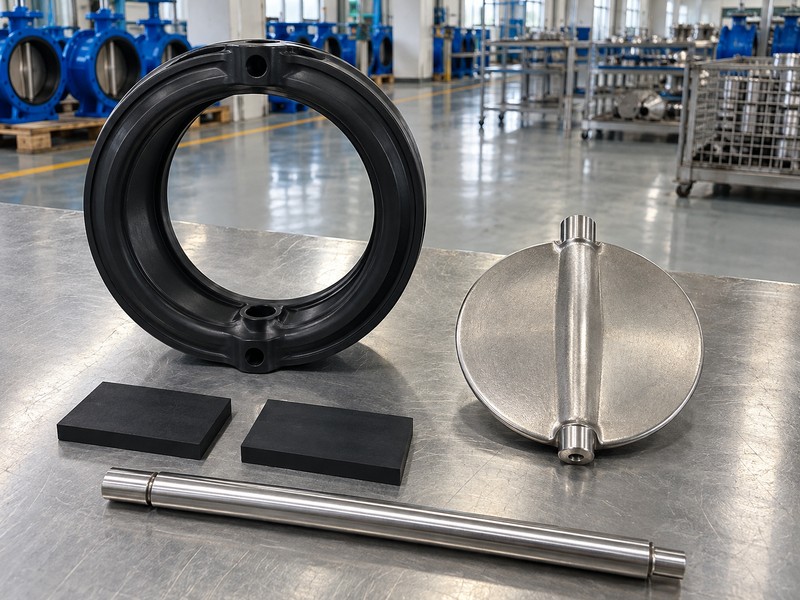
Identify the source and scope. Retain the exact guide, chemical row, material column and associated notes used for the enquiry. Record the result as conditional screening rather than a substitute for the selected supplier’s application review. A generic component illustration cannot establish chemical identity, compound formulation or compatibility with the proposed medium.
- Identify the guide and its stated material scope.
- Retain the exact row, column and associated notes.
- Keep screening separate from selected-valve confirmation.
Key takeaway: Use the chart as a traceable screening source within its published scope.
| Check | What you should confirm |
|---|---|
| Source | Publisher and applicable guide are identified |
| Scope | Selected material and exposure context remain visible |
| Result | Record preserves the conditional screening meaning |
2. How do I read a butterfly valve seat material compatibility chart?
Read a butterfly valve seat material compatibility chart using its own legend, including symbols, qualifications and missing-data definitions. Familiar letters can mean different things in another supplier’s guide. Keep the legend attached to the result instead of translating it into an unsupported universal rating.
What does an asterisk add to a rating?
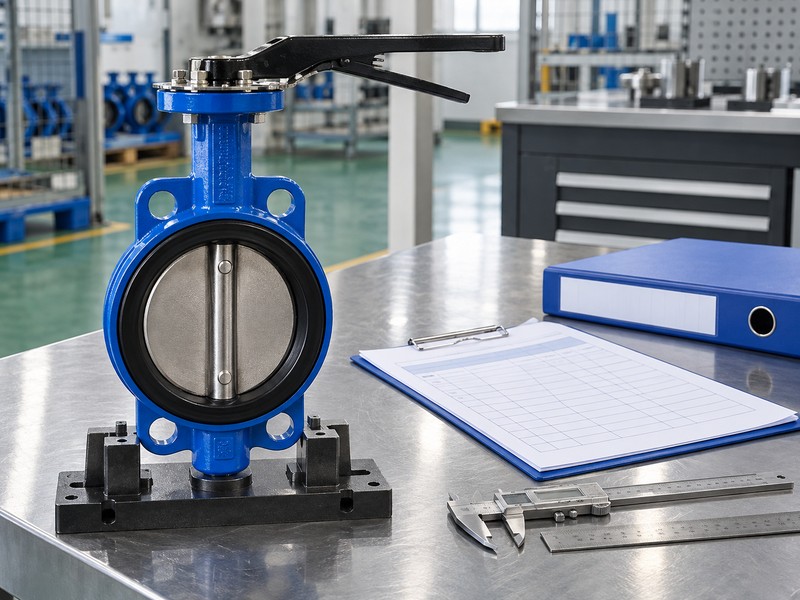
Preserve the complete legend entry. In the Bray Materials Selection guide, A* includes an economic preference, while other categories retain their published qualifications. That symbol cannot be rewritten as an unconditional technical guarantee for a complete valve. Copy the relevant qualification into the screening record and distinguish the supplier’s meaning from the project’s separate selection decision.
- Read symbols and letter meanings from that guide.
- Preserve asterisks and their actual qualifications.
- Keep project decisions separate from published screening categories.
Key takeaway: Retain the complete category meaning rather than a favorable letter alone.
| Check | What you should confirm |
|---|---|
| Legend | The guide’s own definitions govern its symbols |
| Qualification | Asterisks and notes remain with the selected result |
| Decision | Application acceptance needs separate selected-valve review |
3. Which butterfly valve seat material compatibility chart fits?
Choose a butterfly valve seat material compatibility chart column that actually covers the selected material and valve family. A common polymer name does not establish identical construction across every column. Check headings and footnotes before carrying a result from one family into another valve enquiry.
Why are separate PTFE columns significant?
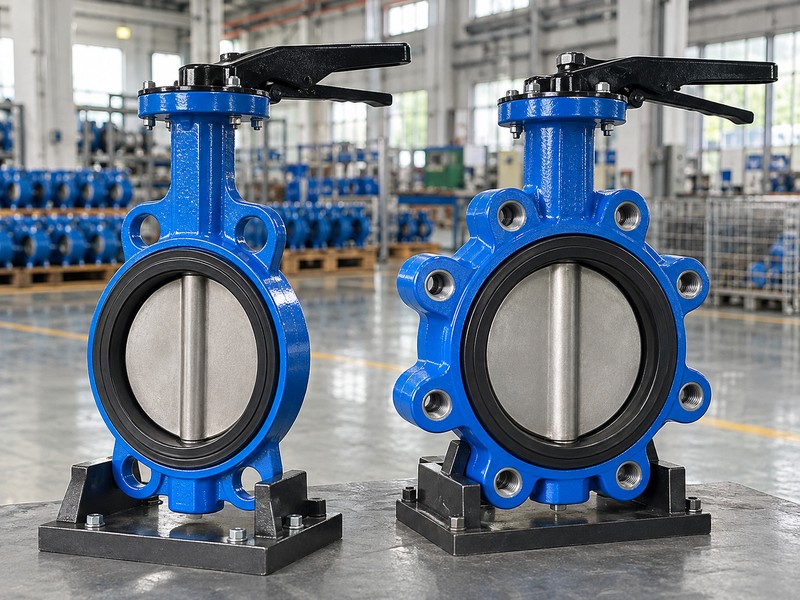
Match the exact column heading. Bray’s guide separates PTFE columns for Series 20/21 and Series 22/23, so their context cannot be discarded because the polymer label matches. Confirm the actual compound, filler, backing and construction through the selected supplier where those details matter. Body or connection similarity cannot establish that another valve uses the same material arrangement or screening basis.
- Match the material column and named valve family.
- Retain footnotes that distinguish similar polymer labels.
- Confirm the actual formulation and construction separately.
Key takeaway: Read family-specific material columns as separate screening references.
| Check | What you should confirm |
|---|---|
| Column | Heading matches the intended material and model scope |
| Construction | Actual compound and supporting arrangement are identified |
| Transfer | Another family receives its own application review |
4. What limits a butterfly valve seat material compatibility chart?
A butterfly valve seat material compatibility chart result applies within its published exposure conditions and limitations. Match the actual chemical identity, concentration and temperature with the relevant row and notes. An entry cannot establish suitability for a different exposure merely because the fluid name remains similar.
Which exposure details belong in the enquiry?
Describe the operating exposure. Supply concentration, temperature, exposure duration, phase, pressure, mechanical-stress conditions and any permeation concerns for application review. Include cleaning fluids and cyclic changes where applicable, and identify conditions the guide does not cover. Retain the supplier’s actual limits without inventing a material range, interpolating a screening category or combining unrelated entries into a new rating.
- Match chemical identity, concentration and temperature explicitly.
- State exposure duration and relevant operating conditions.
- Identify unlisted exposure and cleaning or cyclic-media changes.
Key takeaway: Carry the chart’s exposure limits into the application record.
| Check | What you should confirm |
|---|---|
| Published condition | Selected row and notes define the screening context |
| Actual exposure | Enquiry states the required operating conditions |
| Gap | Uncovered conditions remain open for supplier review |
5. Is a butterfly valve seat material compatibility chart complete?
A butterfly valve seat material compatibility chart may contain blank cells or omit the exposure needed for your application. In the reviewed Bray guide, a blank means insufficient information. Preserve that uncertainty instead of treating empty space as a favorable rating, a definite rejection or permission to copy a neighboring result.
How should missing or conflicting information be recorded?
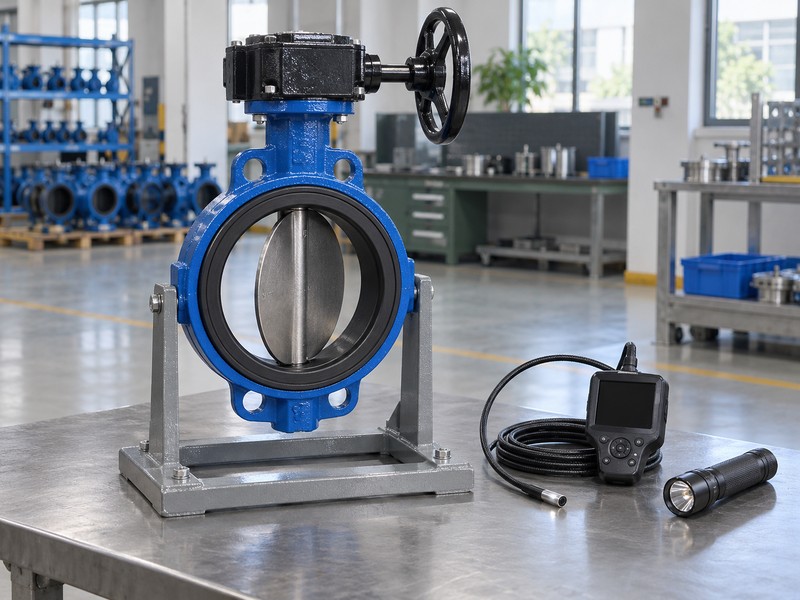
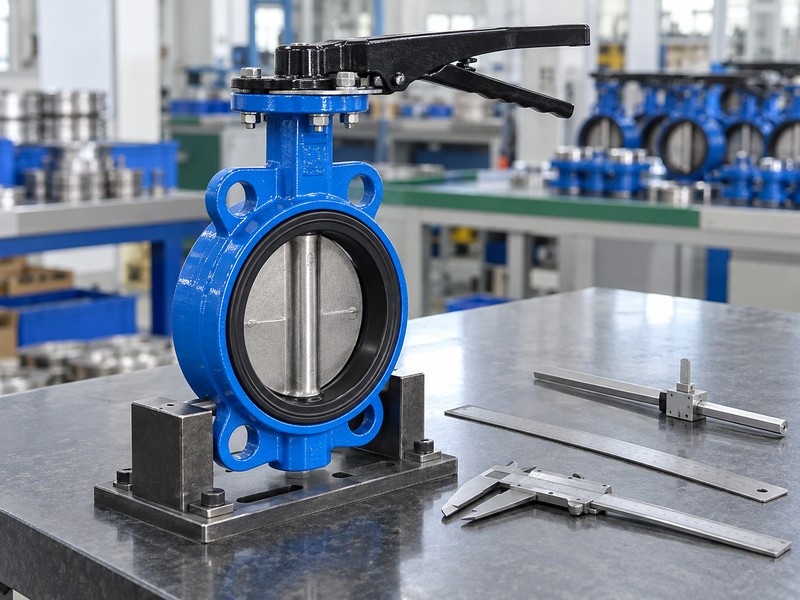
Keep the data gap explicit. Record which chemical, material and condition lacks support, then request application-specific information from the selected supplier. If another guide gives a different result, compare its definitions and conditions separately rather than averaging symbols or silently filling the blank. A measurement-preparation image supplies no missing chemical data or laboratory confirmation.
- Mark blank or unsupported entries as unresolved information.
- Identify the exact exposure and material requiring clarification.
- Compare conflicting sources without merging their legends.
Key takeaway: A documented uncertainty is more usable than an invented chart rating.
| Check | What you should confirm |
|---|---|
| Blank entry | Insufficient information remains an explicit gap |
| Other source | Its own legend and conditions stay identifiable |
| Resolution | Supplier review addresses the actual uncovered application |
6. Can a butterfly valve seat material compatibility chart rate mixes?
A butterfly valve seat material compatibility chart entry for one substance does not automatically establish compatibility with a process blend. List relevant constituents, concentrations and known contaminants in the application request. Cleaning sequences, additives and changing exposure can also differ from the published single-substance screening context.
What must be submitted for a blend review?
Submit the actual mixture description. Give the supplier the available formulation and operating sequence, including uncertainty about contaminants, cleaning or changing composition. Do not average individual ratings or assume favorable entries for separate ingredients establish the blend’s behavior. Request confirmation for the complete exposure and identify any additional evidence the responsible application reviewer requires.
- Identify relevant constituents and actual concentration information.
- Include contaminants, additives and changing or cleaning exposures.
- Request mixture review without constructing a new rating from separate cells.
Key takeaway: Submit the real blend and exposure sequence rather than combining single-substance ratings.
| Check | What you should confirm |
|---|---|
| Blend | Actual composition is described for supplier review |
| Sequence | Cleaning and cyclic-media exposures remain visible |
| Uncertainty | Unknown constituents or conditions are explicitly identified |
7. What follows a butterfly valve seat material compatibility chart?
After a butterfly valve seat material compatibility chart screen, identify the complete seat and sealing arrangement of the proposed valve. A PTFE face or named elastomer does not establish the energizer, backing or every associated seal. Bray’s guide specifically requires separate seat-energizer compatibility review.
Which concealed materials still need confirmation?
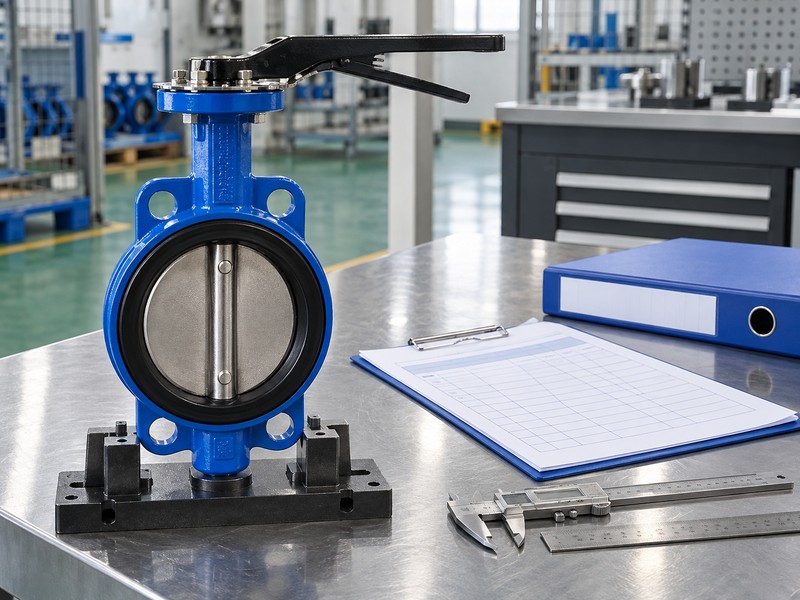
Confirm the actual sealing assembly. Obtain the selected seat construction, energizer identity and applicable exposure requirements, then review other wetted or sealing components in the same configuration. The Bray resilient-valve manual shows why component arrangements belong to identified models. RUITO’s lined and other configurations retain separate definitions; a coated disc and differently specified seat cannot establish a fully lined assembly.
- Identify seat, energizer and supporting material arrangements.
- Review other wetted and sealing components explicitly.
- Keep the selected model and complete material definition together.
Key takeaway: Confirm the actual sealing arrangement beyond the chart’s exposed material label.
| Check | What you should confirm |
|---|---|
| Seat | Actual compound and construction are identified |
| Energizer | Material and relevant compatibility requirements receive review |
| Assembly | Other wetted and sealing materials remain within the confirmation scope |
8. What backs a butterfly valve seat material compatibility chart?
A butterfly valve seat material compatibility chart screening result needs selected-valve engineering confirmation before it supports an application decision. Chemical compatibility alone cannot establish pressure-temperature capability, shutoff differential or leakage acceptance. Keep those duty records separate and connect them with the same valve and material configuration.
What separate performance evidence remains necessary?
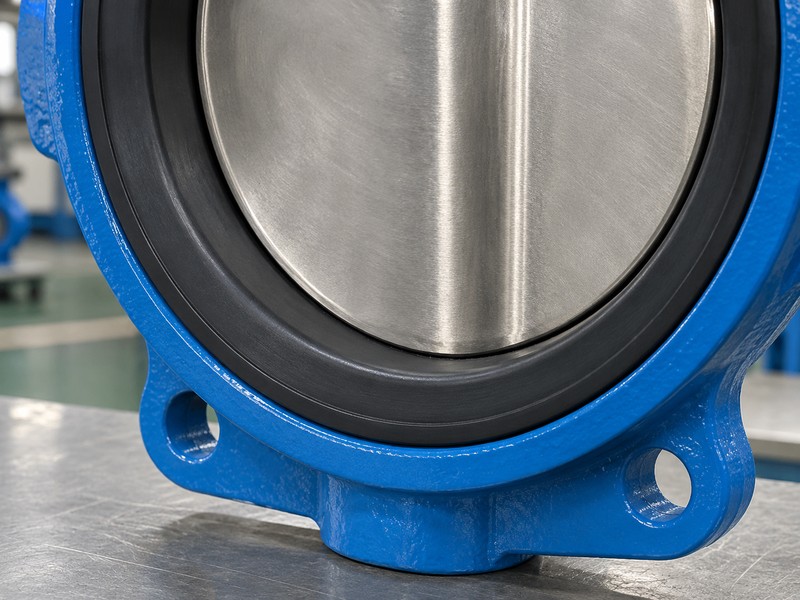
Complete the application review. Retain the selected operating limits, mechanical or cycling restrictions and agreed sealing evidence alongside the chemical review. The disc and shaft still affect the flow passage; the conceptual curve shows pressure loss versus flow at fixed opening, flow coefficient (Cv) and liquid density. It supplies no chemical rating, leakage curve or actual model data, so hydraulic sizing remains a separate record.
- Confirm selected-valve pressure, temperature and differential limits.
- Retain required mechanical, cycling and leakage evidence.
- Keep hydraulic sizing separate from chemical compatibility screening.
Key takeaway: Join chemical screening with selected-valve duty evidence without treating them as interchangeable proof.
| Check | What you should confirm |
|---|---|
| Chemical review | Actual material arrangement suits the confirmed exposure |
| Valve duty | Selected configuration covers operating and mechanical requirements |
| Hydraulics | Applicable model data supports its separate flow calculation |

9. Can a butterfly valve seat material compatibility chart change?
A butterfly valve seat material compatibility chart record can become inapplicable when the guide, material definition or actual service changes. Preserve the source version or access context used for screening. A later chart result cannot silently replace the accepted basis for a different compound or operating condition.
Which changes should reopen the confirmation?
Review changed assumptions. Identify changes in concentration, temperature, cleaning sequence, mixture, seat compound or associated sealing materials against the accepted application record. Check updated guide headings, legend and limitations before transferring an old interpretation. An interior illustration cannot show that a compound or exposure change has been evaluated, so retain the actual revised supplier and project decisions.
- Preserve the guide and material basis used for screening.
- Reopen affected review when exposure or construction changes.
- Record revised supplier confirmation and project decisions explicitly.
Key takeaway: Reassess the affected screening and confirmation when their underlying assumptions change.
| Check | What you should confirm |
|---|---|
| Source change | Revised legend, column or condition is reviewed |
| Application change | Affected exposure or materials receive renewed confirmation |
| Record change | Accepted decisions identify the revised applicable basis |
10. Who uses a butterfly valve seat material compatibility chart?
A butterfly valve seat material compatibility chart becomes useful when the process owner, supplier and purchasing team share the same conditional screening record. Assign responsibility for actual fluid information, selected construction confirmation and order identity. A chart attachment alone cannot communicate which unresolved questions remain or who must answer them.
What should the screening-to-confirmation record contain?
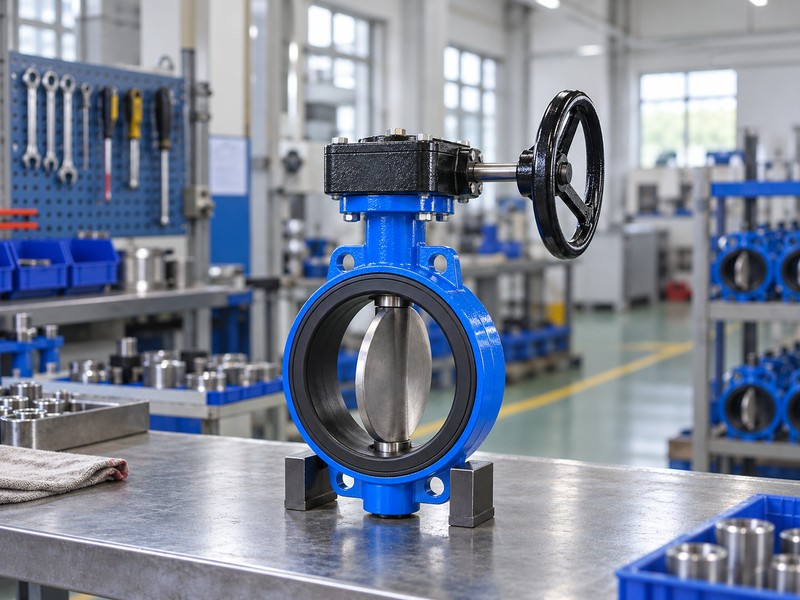
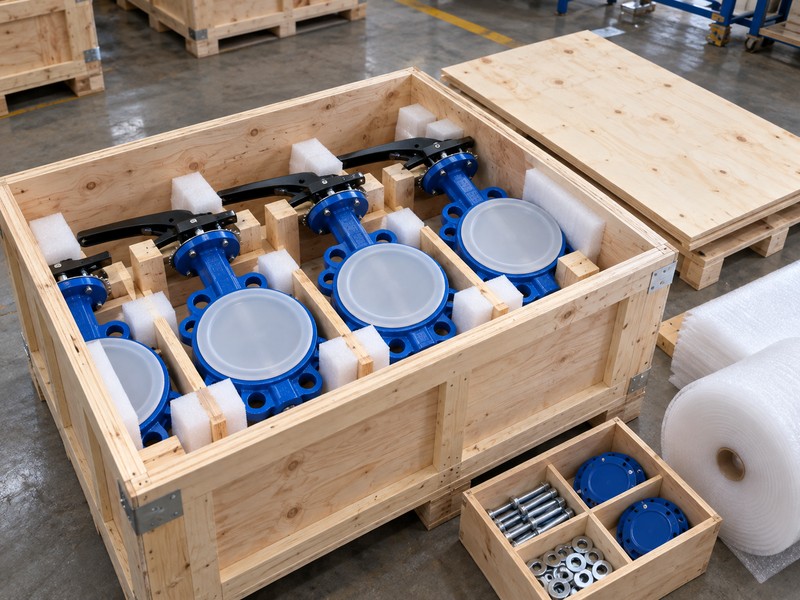
Release an identified application record. Retain source, legend, condition row, column, screening result, unresolved gaps and the supplier’s selected-valve response. Link the confirmed seat and associated materials with the actual quotation and applicable duty documents, then record the responsible project acceptance decision. Confirm availability and supply scope separately; neither a favorable cell nor a generic packing image establishes actual inventory or an approved RUITO configuration.
- Assign ownership of process data and material confirmation.
- Link the chart screen with selected-valve and quotation identities.
- Retain unresolved gaps, responses and accepted project decisions.
Key takeaway: Hand over the complete screening-to-confirmation record with clear responsibility for remaining questions.
| Check | What you should confirm |
|---|---|
| Process owner | Provides the actual exposure and mixture information |
| Supplier | Confirms identified construction within the stated application scope |
| Project record | Connects screening, response and accepted purchasing identity |
Send RUITO the chart source and selected row or column, actual fluid composition, exposure conditions and proposed valve construction. We can review the application information and identify which seat, energizer, duty or supply details still need confirmation. Contact us before treating a screening category as acceptance of the complete valve.
FAQ
Q1: Does A* mean every valve with that material is suitable?
No. Preserve the guide’s actual legend, including its economic preference and conditions, then confirm the selected construction and application.
Q2: Does a blank cell mean the material is resistant?
No. In the reviewed Bray guide, blank entries mean insufficient information and need application-specific clarification.
Q3: Can one PTFE column apply to every valve family?
No. Retain the guide’s family-specific headings and confirm the actual compound, construction, energizer and associated materials.
Q4: Can favorable ratings for ingredients establish a blend rating?
No. Submit actual composition, concentrations, contaminants and exposure sequence for the selected supplier’s mixture review.
Q5: What turns chart screening into a usable purchasing record?
Link the source and qualifications with actual exposure, identified valve materials, supplier confirmation, duty documents and the responsible project decision.