
Fix butterfly valve seat replacement mistakes by confirming the defect, actual model and permitted service scope before ordering parts or authorizing work. Qualified personnel need the selected manufacturer’s instructions for the physical procedure. Define installation readiness, required checks and acceptance records so a new seat is evaluated within the complete valve assembly.
A replacement can match nominal size while differing in retention, backing or shaft-interface details. If the reported leak originates at the stem or pipe joint, a seat-only work scope may also miss the actual problem. Resolve the defect route and exact construction before treating a replacement seat as a complete repair plan.
1. What authorizes butterfly valve seat replacement?
The responsible project process authorizes butterfly valve seat replacement through an accepted maintenance scope based on applicable model instructions. Identify qualified personnel, required permissions and the actual valve configuration. A generic guide or spare-part description cannot establish permission to expose or service an installed assembly.
What should the maintenance request define?
Identify the authorized scope. Record valve identity, reported condition, selected manual and responsible reviewers. Define the covered assessment, component work and verification, retaining unresolved questions. Parts availability cannot establish readiness for physical service without accepted technical scope and work authorization.
- Identify the actual valve and applicable service instructions.
- Assign qualified personnel and required project permissions.
- Define proposed work and required verification before authorization.
Key takeaway: Authorize an identified maintenance scope rather than treating a generic replacement description as permission to work.
| Check | What you should confirm |
|---|---|
| Identity | Maintenance concerns the actual identified assembly |
| Authority | Responsible parties accept the scope and work controls |
| Coverage | Assessment, component work and verification are explicitly defined |
2. What defect justifies butterfly valve seat replacement?
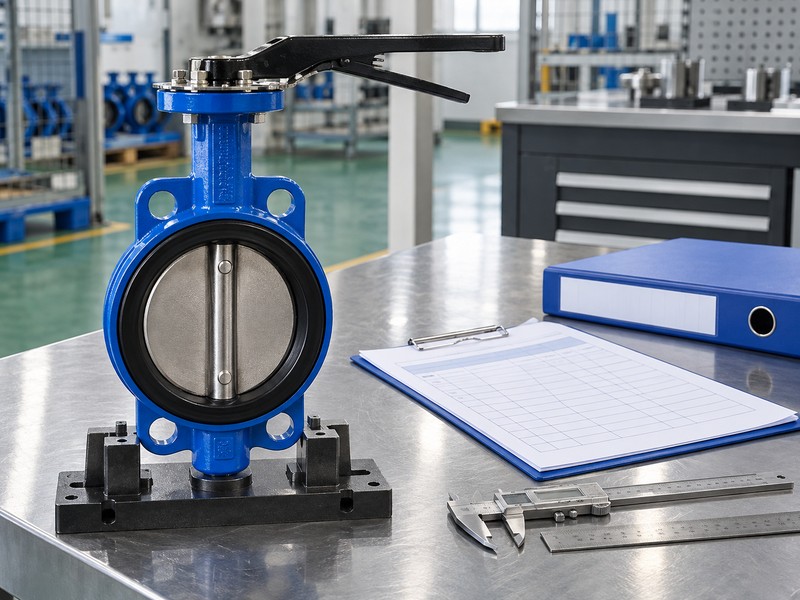
The defect supporting butterfly valve seat replacement must follow an actual condition assessment, rather than the word leakage alone. Internal shutoff leakage, external stem leakage and body or flange leakage concern different boundaries. Record the observed path and applicable evidence before assigning the seat as the failed component.
How should the reviewer decide whether the scope is seat-only?
Separate observation from diagnosis. Retain the leakage location, operating conditions, relevant test results and authorized inspection findings with the actual asset. Review the disc sealing region, seat retention, shaft/support relationships and adjoining interfaces where the selected assessment requires them. A visible mark or a closed-looking disc cannot establish that changing only the seat will correct the reported condition.
- Identify the observed leakage or condition boundary.
- Retain actual service and assessment evidence.
- Confirm whether seat-only work addresses the diagnosed scope.
Key takeaway: Define the defect route before deciding which component work can address it.
| Check | What you should confirm |
|---|---|
| Observation | Actual location and conditions are recorded accurately |
| Assessment | Applicable evidence supports the identified defect |
| Scope | Seat-only or broader work follows the accepted diagnosis |
3. What model permits butterfly valve seat replacement?
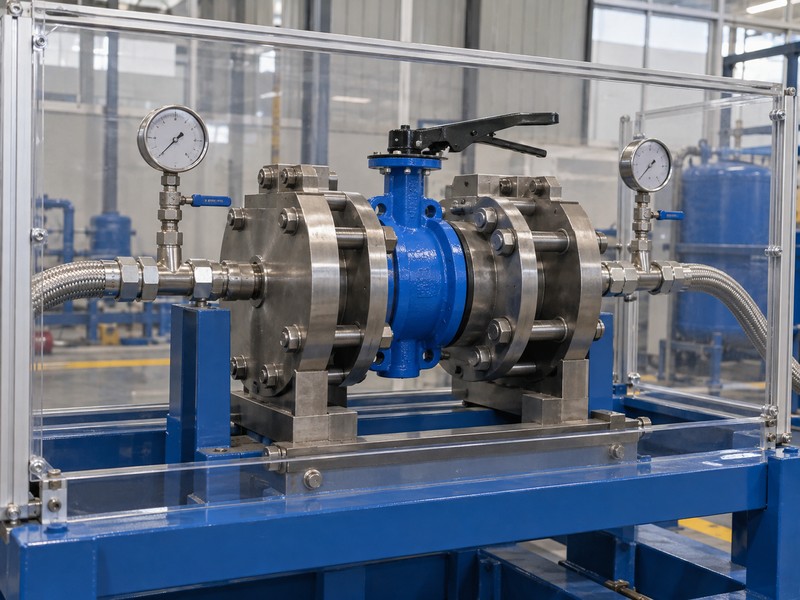
The model permitting butterfly valve seat replacement must have a service arrangement that covers its actual body, seat and retention construction. Confirm the applicable size, variant and instructions. A field-replaceable label cannot establish identical access or component scope across different families.
What does a replaceable-seat description leave unresolved?
Confirm the actual service construction. Emerson’s isolation-valve portfolio identifies a replaceable seat for its named Keystone Figure 990/920 family. That overview does not supply another model’s maintenance procedure. Obtain the selected manual’s applicable access, retention and replacement requirements, without declaring a bonded-looking construction irreparable or assuming removable-looking parts permit in-line work.
- Match replaceability statements with the actual model and variant.
- Confirm the permitted access and retention arrangement.
- Use selected instructions for the actual service scope.
Key takeaway: Treat replaceability as a model-specific service definition rather than a universal seat-category property.
| Check | What you should confirm |
|---|---|
| Model | Replacement statement covers the identified construction |
| Access | Permitted work arrangement follows the selected instructions |
| Limit | Appearance or a family label cannot extend the service scope |
4. What kit fits butterfly valve seat replacement?
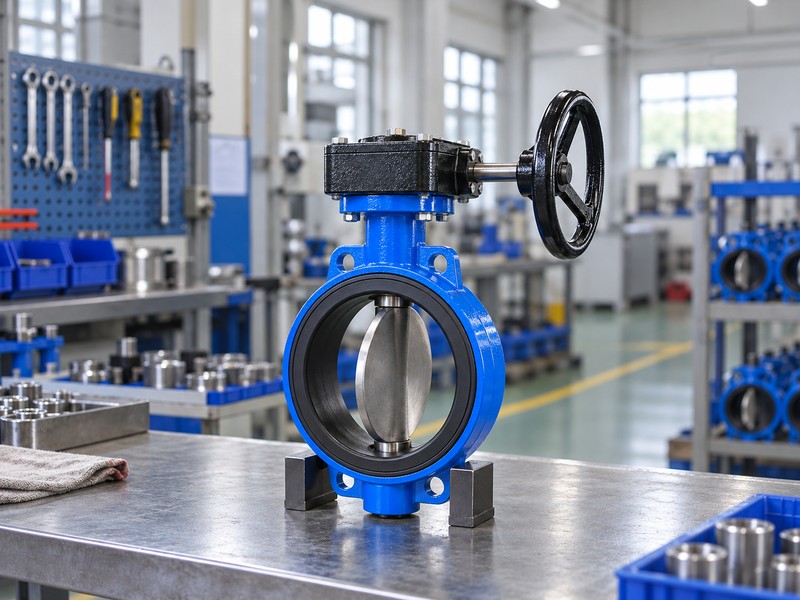
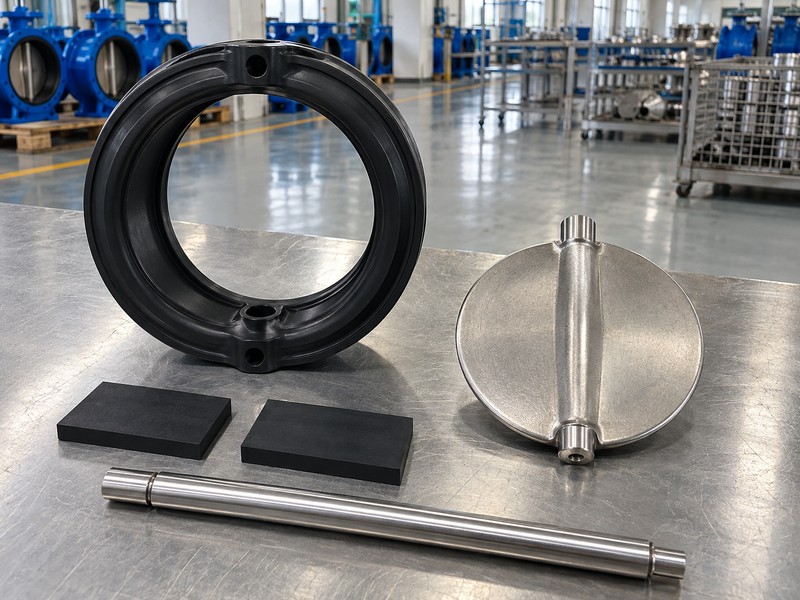
The kit fitting butterfly valve seat replacement needs an accepted identity for the actual supplied valve configuration. Confirm seat construction, material definition, backing and included components through the selected parts record. Nominal size, rubber color or a shared component name cannot establish interchangeability.
Which paired components and changes need confirmation?
Verify the selected replacement scope. Retain actual component references, required accompanying parts and pairing. The Bray McCannalok manual specifies a matched disc-and-stem set for its identified standard arrangement. Apply the actual model’s replacement rules and review material or configuration changes before acceptance.
- Match actual replacement references with the supplied construction.
- Confirm included components and any required pairing.
- Review proposed material or configuration changes explicitly.
Key takeaway: Confirm exact replacement identity and scope before treating a nominally matching seat as usable.
| Check | What you should confirm |
|---|---|
| Identity | Selected kit or component references match the actual assembly |
| Coverage | Required accompanying or paired parts are identified |
| Change | Proposed substitutions have an accepted technical basis |
5. What plan governs butterfly valve seat replacement?
The work plan governing butterfly valve seat replacement must establish the required isolation and access conditions for qualified personnel. Follow the selected instructions and authorized site process for depressurization, draining or decontamination, and energy control. An empty-looking bore or disconnected-looking operator cannot establish that those conditions exist.
Which controls must the responsible team settle before exposure?
Define the actual work boundaries. The Bray resilient-seat manual requires complete piping depressurization before maintenance within its stated scope. The authorized plan must also address applicable process hazards, actuator and stored energy, system responsibilities and restoration requirements. This article provides no under-pressure maintenance method, universal valve-removal permission or disassembly sequence.
- Identify required process isolation and access authorization.
- Control applicable actuator and other stored energy.
- Assign work boundaries and restoration responsibilities before service.
Key takeaway: Establish the selected work controls before any action that exposes or changes the assembly.
| Check | What you should confirm |
|---|---|
| Process | Required isolation, depressurization and fluid controls are established |
| Energy | Applicable actuator and stored-energy controls are accepted |
| Responsibility | Authorized personnel and restoration duties are defined |
6. What prepares butterfly valve seat replacement work?
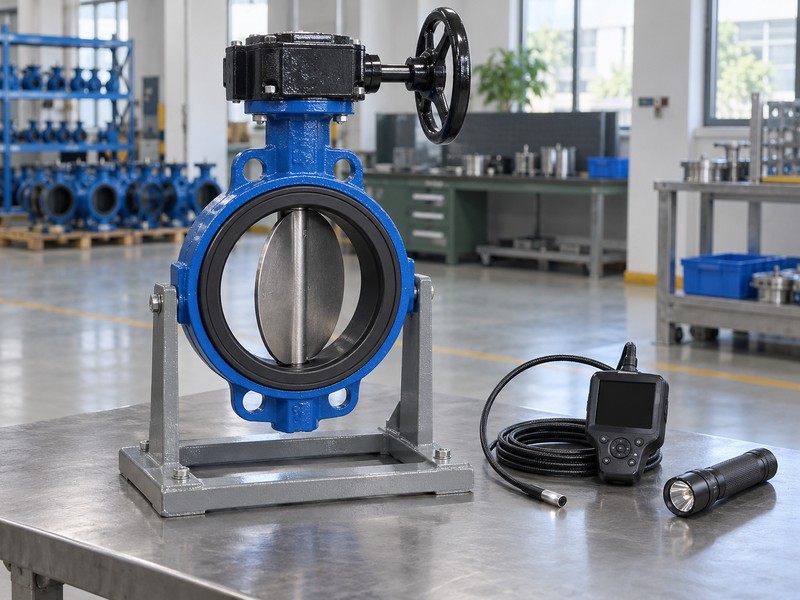
Readiness for butterfly valve seat replacement includes the correct parts, current procedure, suitable work setting and specified consumables. Identify required tools, handling and surface-protection provisions through the selected instructions. A generic grease or cleaning recommendation cannot establish compatibility with the actual seat, lining or service.
What should be resolved before the procedure is released?
Check the procedure inputs. Confirm the accepted replacement identity, component condition records and model-specific requirements for cleanliness, lubricants or other permitted materials. Retain required tools and handling arrangements without converting another family’s procedure into a substitute. Questions about an unspecified cleaner, lubricant or preparation method belong with the selected manufacturer and responsible technical reviewer before dependent work proceeds.
- Confirm actual parts and the applicable procedure revision.
- Identify specified tools, handling and surface protection.
- Resolve consumable and preparation requirements through selected documents.
Key takeaway: Make procedure inputs reviewable without replacing the selected instructions with generic preparation advice.
| Check | What you should confirm |
|---|---|
| Parts | Accepted items and relevant condition records are available |
| Work setting | Selected handling and preparation requirements are supported |
| Consumables | Permitted materials follow the actual model and service requirements |
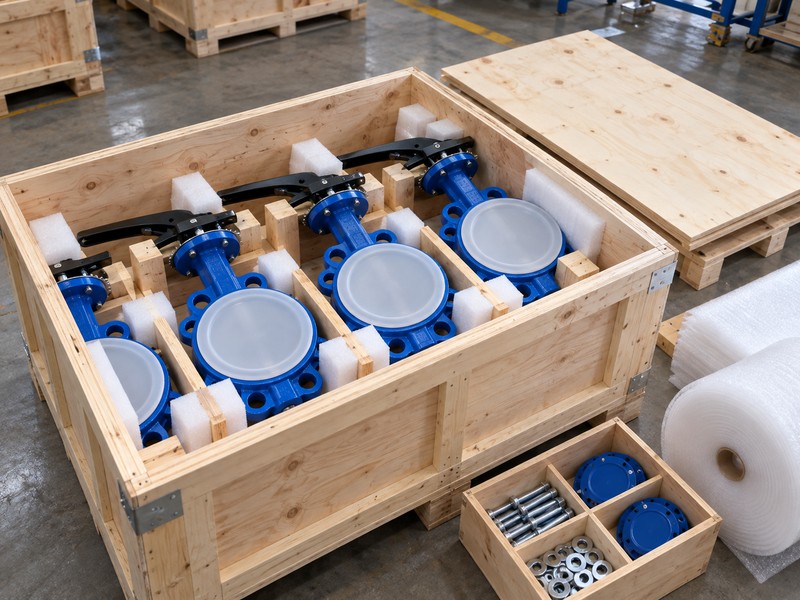
7. What interfaces affect butterfly valve seat replacement?
The interfaces affecting butterfly valve seat replacement include the actual disc sealing region, retention, shaft/support arrangement and pipe connection. Review the accepted condition and installation requirements relevant to the diagnosed scope. A new seat cannot correct every mismatch in the assembled valve or surrounding installation.
Which installation-readiness questions need their own evidence?
Review the affected mating features. Confirm applicable disc condition, seat retention and shaft relationship through the selected assessment and drawings. Keep actual flange faces, gasket requirements, alignment and swept-disc clearance in the installation-readiness review where relevant. Neither wafer construction nor a removable seat automatically permits servicing with one flange absent; the selected model defines any allowed end condition and restraint.
- Review affected disc, retention and shaft-interface findings.
- Confirm relevant flange, gasket and disc-clearance requirements.
- Keep proposed access and end conditions within documented scope.
Key takeaway: Prepare the complete affected interface set rather than treating the seat as independent of its assembly.
| Check | What you should confirm |
|---|---|
| Internal | Affected mating and retention features have accepted definitions |
| Pipe interface | Actual installation satisfies the selected connection requirements |
| Work condition | Proposed access and restraint have applicable support |
8. What verifies butterfly valve seat replacement assembly?
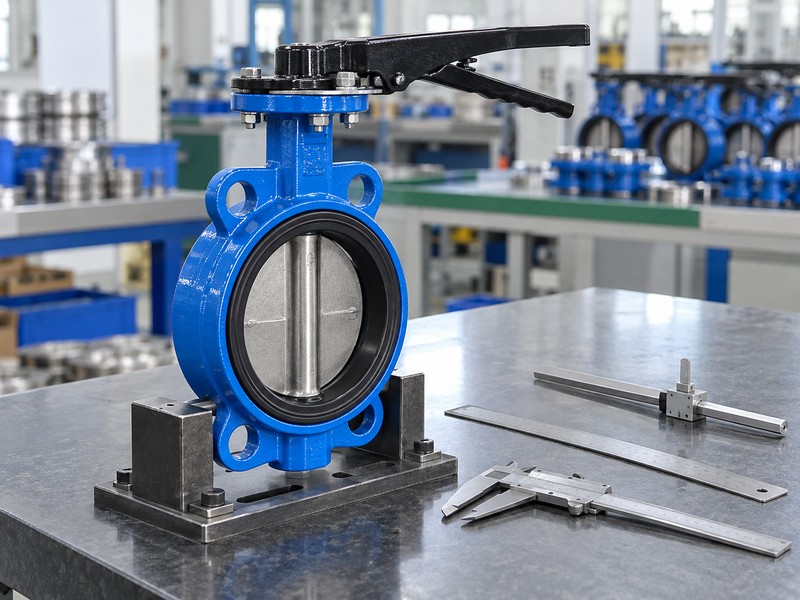
Verification after butterfly valve seat replacement must follow the selected assembly requirements and accepted maintenance scope. Define applicable component, movement, position and operator-interface checks before work begins. Apparent smooth motion or a pointer at closed cannot establish every required fit, endpoint or sealing condition.
What should the functional record distinguish?
Record the selected functional checks. Identify the actual test or inspection method, acceptance criteria and configuration covered by each result. Retain any required movement, travel or operating-demand basis without assigning a generic torque or endpoint setting. Binding or disagreement between position references needs the selected technical assessment; unplanned force or stop adjustment cannot substitute for accepted verification.
- Define required assembly and functional acceptance checks.
- Link actual results with the supplied maintenance configuration.
- Retain unresolved movement or position discrepancies for assessment.
Key takeaway: Verify the repaired assembly through defined checks before relying on an external position or movement impression.
| Check | What you should confirm |
|---|---|
| Assembly | Required component relationships and retention are verified |
| Movement | Selected checks address applicable travel and operating behavior |
| Record | Methods, criteria and unresolved findings remain traceable |
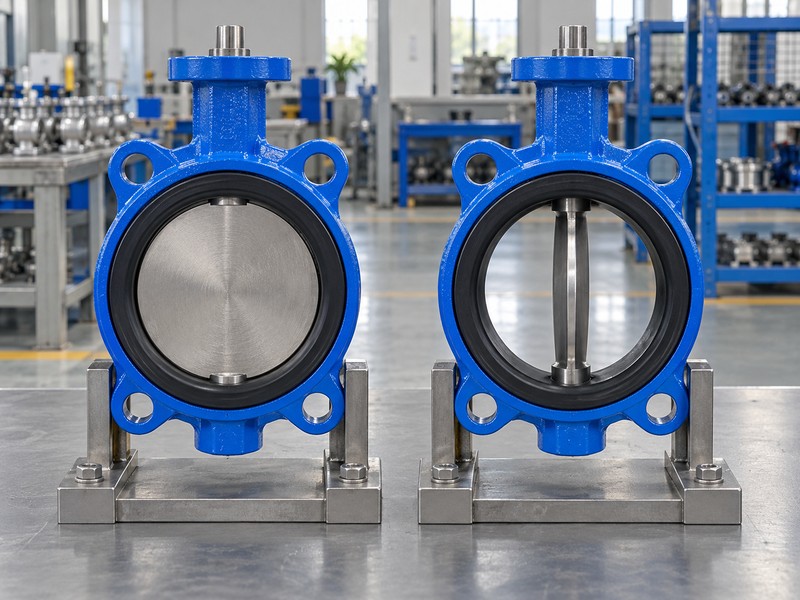
9. What tests accept butterfly valve seat replacement?
The tests accepting butterfly valve seat replacement depend on the actual model, maintenance scope and applicable project requirements. Define required shutoff, external-leakage or other verification through the selected plan. A generic zero-leakage statement cannot replace the required method, conditions and acceptance criterion.
How should sealing evidence stay separate from flow illustrations?
Match each result with its requirement. Retain applicable medium, pressure or differential, direction, temperature and criteria with the identified test record. An authorized pressure test follows its controlled procedure after work; it does not permit maintenance on a pressurized assembly. The conceptual chart concerns pressure loss versus flow at fixed opening, flow coefficient and liquid density, with no leakage curve or measured model data.
- Identify required tests and actual acceptance criteria.
- Record the conditions and results for each relevant leakage path.
- Keep flow-loss illustrations separate from sealing verification.
Key takeaway: Accept the required recorded results rather than a new-seat assumption or generic tight-shutoff claim.
| Check | What you should confirm |
|---|---|
| Requirement | Selected scope defines the applicable acceptance methods |
| Conditions | Actual test states and criteria accompany product identity |
| Result | Accepted evidence addresses the specified sealing or functional duty |

10. What records close butterfly valve seat replacement?
Close butterfly valve seat replacement records when the responsible parties accept the diagnosed scope, actual component work and required verification. Identify the restored configuration and any remaining limitation. A work order marked replaced cannot explain which defect was addressed, what changed or which acceptance conditions were met.
What should remain traceable for the next service decision?
Retain the completed maintenance basis. Link asset identity, approved parts, selected procedure, findings, actual work and required results with accepted deviations and restoration responsibilities. Assign unresolved questions before work-record closure. RUITO can review an identified request and available documents, with actual construction and supporting records confirmed for the proposed scope before any supply commitment.
- Link the diagnosed scope and actual components with the asset.
- Retain accepted functional and test results with relevant conditions.
- Record restored status, deviations and any assigned follow-up.
Key takeaway: Leave a maintenance record that explains the defect, accepted work and verified restoration basis.
| Check | What you should confirm |
|---|---|
| Work | Accepted scope and actual replacement identities are traceable |
| Acceptance | Required results and deviations have assigned approval |
| Restoration | Final status and unresolved follow-up are explicitly recorded |
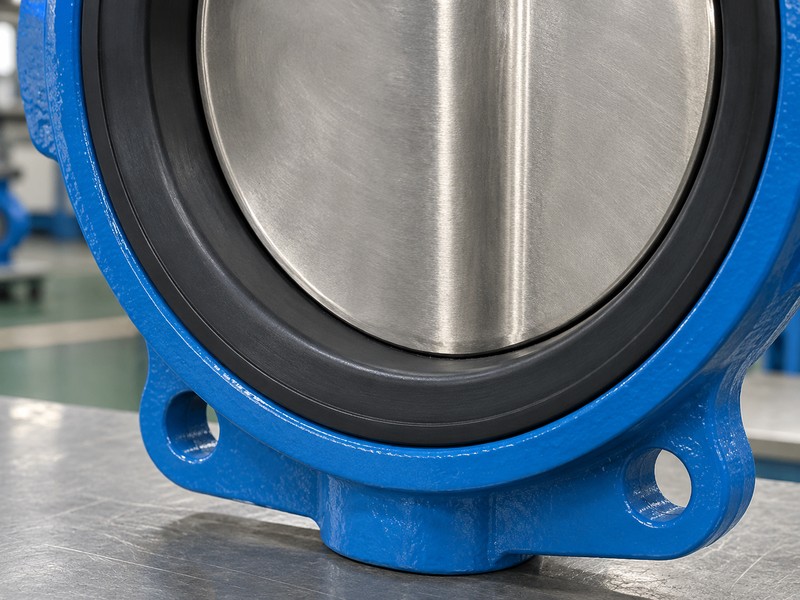
Send RUITO the identified valve request, reported condition, applicable seat and assembly records, and proposed maintenance-document scope. We can review the request and clarify which actual construction and supporting documents would be needed for evaluation. Contact us before treating a nominally matching seat or generic procedure as an accepted replacement plan.
FAQ
Q1: Can I assume every valve leak needs a new seat?
No. Identify the observed path and actual defect; shutoff, shaft and pipe-interface leakage need separate assessment.
Q2: What’s the best information to provide for replacement identity?
Provide the actual assembly record. Include model, size, body and seat construction, available product identification, applicable parts list and relevant service findings.
Q3: How do I know if the seat can be serviced in place?
Use the selected model’s instructions. Permitted access, retention, isolation and restraint must support the actual work arrangement.
Q4: Can I use a generic grease during the work?
Only use materials permitted for the actual model and service. The selected procedure governs any lubricant, cleaner or other consumable requirement.
Q5: How do I know when replacement is accepted?
Check the approved maintenance scope. Required assembly, functional and sealing results must be recorded and accepted by the responsible parties.