
Choose metal seated butterfly valves through their actual sealing pair and model-specific acceptance requirements. Identify contact materials, sealing geometry, retention and required closing conditions before comparing performance claims. The metal-seat label alone cannot establish offset count, pressure direction, fire qualification or permitted leakage.
A quotation marked metal-seated can name the body alloy yet leave the actual sealing edge, seat arrangement or leakage criterion undefined. Those omissions prevent engineering from identifying which closing conditions and acceptance result the supplier offers. Request the sealing definition and supporting records before treating the description as a complete valve specification.
1. What defines metal seated butterfly valves?
For metal seated butterfly valves, identify which surfaces make the selected metal sealing contact and which components support that arrangement. The valve can still contain gaskets, packing or other nonmetallic materials. A metal seating description does not define every wetted component or prove that the complete assembly has one universal construction.
Which sealing details should the supplier identify?
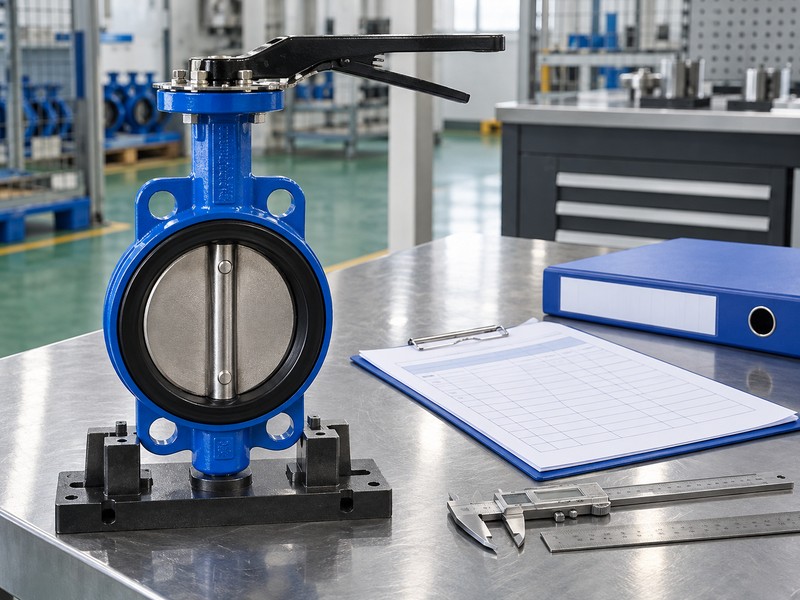
Request the actual sealing definition. Retain model, body style, seat construction and applicable component records, including the mating disc region and associated seals. Keep concentric or offset geometry separately identified rather than deriving it from the seat material. A generic metallic contact illustration cannot establish contact pressure, internal geometry, material identity or actual supplier availability.
- Identify the selected metal contact and mating components.
- Retain associated gaskets and shaft-sealing definitions.
- Keep geometry and body connection separately identified.
Key takeaway: Define the actual sealing arrangement before assigning performance to the metal-seat label.
| Check | What you should confirm |
|---|---|
| Contact | Selected surfaces form the documented sealing pair |
| Assembly | Supporting seals and components remain identified |
| Configuration | Model, body and geometry have their own definitions |
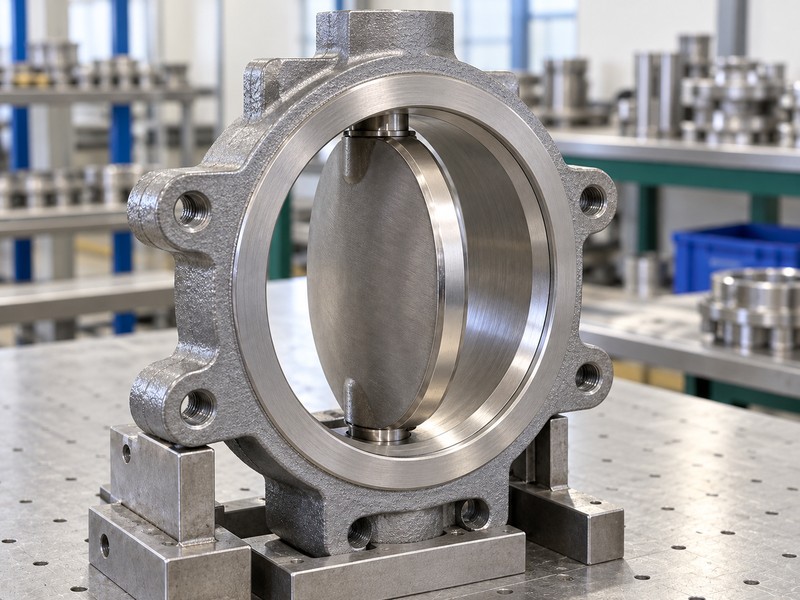
2. What sealing pairs suit metal seated butterfly valves?
The sealing pair in metal seated butterfly valves needs identified materials and surface definitions for the actual seat and disc contact region. The body alloy cannot establish those details. Retain any specified coating, overlay or treatment as part of the selected pair rather than relying on metallic appearance.
How should the mating components be documented?
Identify both sides of contact. The Bray McCannalok manual separates standard and metal-seat component arrangements, illustrating why the exact construction matters. Match the selected seat, disc and associated component identities with their material records and revision. Keep any required pairing or surface-condition criteria within the actual model’s documentation instead of assuming parts with similar names are interchangeable.
- Identify seat and disc-contact material specifications.
- Retain specified coatings, overlays or surface treatments.
- Check actual pairing and surface-condition requirements.
Key takeaway: Review the two mating surfaces as one identified sealing pair.
| Check | What you should confirm |
|---|---|
| Seat side | Actual material and contact definition are documented |
| Disc side | Mating region and specified surface treatment are identified |
| Pairing | Selected records define the applicable component relationship |
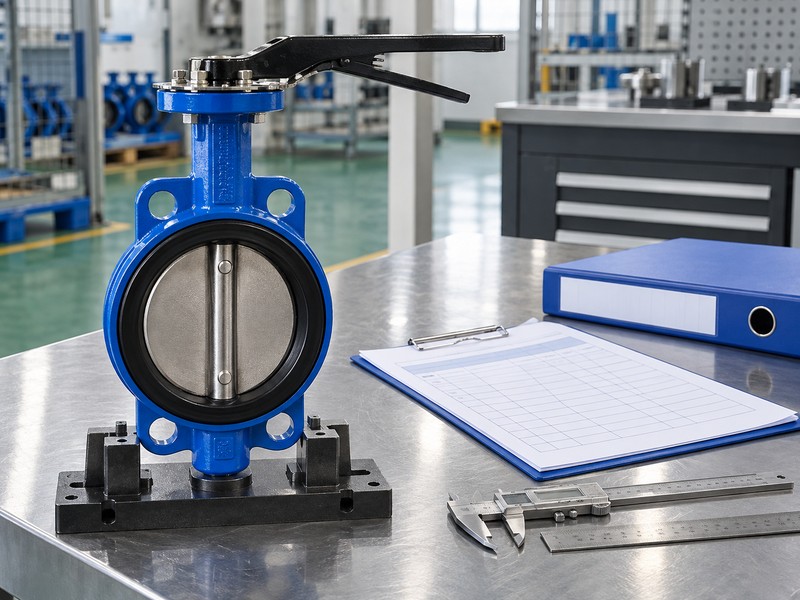
3. What geometry seals metal seated butterfly valves?
Sealing geometry in metal seated butterfly valves must come from the selected section and component definitions. Seat profile, mating disc region and accepted closing relationship need their actual references. The material label cannot establish whether the valve is concentric or offset, or identify a universal contact shape.
Which contact relationships need selected-model evidence?
Read the defined sealing relationship. Locate the intended contact region and its relationship with shaft position and accepted travel through the selected documents. Keep geometric definitions separate from a visual impression of two touching metal bands. An illustration cannot establish tolerances, operating interference, accepted alignment or a permissible closing adjustment, and its proportions cannot supply missing engineering dimensions.
- Identify the contact region through selected sections and details.
- Retain accepted travel and position references with the geometry.
- Request controlled dimensions instead of measuring an illustration.
Key takeaway: Use controlled sealing references to interpret geometry without inferring a design from material alone.
| Check | What you should confirm |
|---|---|
| Profile | Selected details define the mating sealing surfaces |
| Relationship | Contact references connect with the actual drive position |
| Evidence | Applicable dimensions and criteria support the reviewed construction |
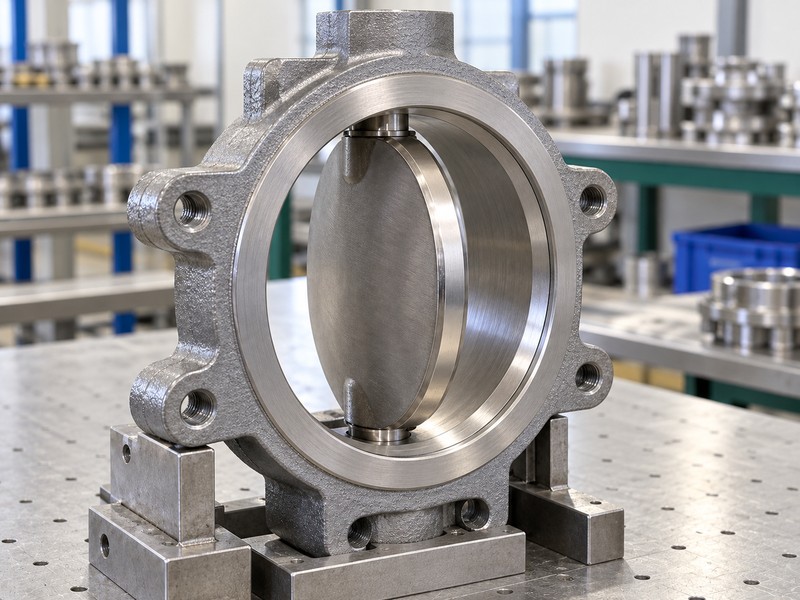
4. What retains seats in metal seated butterfly valves?
Seat retention in metal seated butterfly valves depends on the actual construction and its permitted loading conditions. Identify whether the seat is integral, retained or attached through another documented arrangement. A removable-looking ring does not establish independent replaceability, universal service access or end-of-line capability.
Which retaining interfaces must remain distinct?
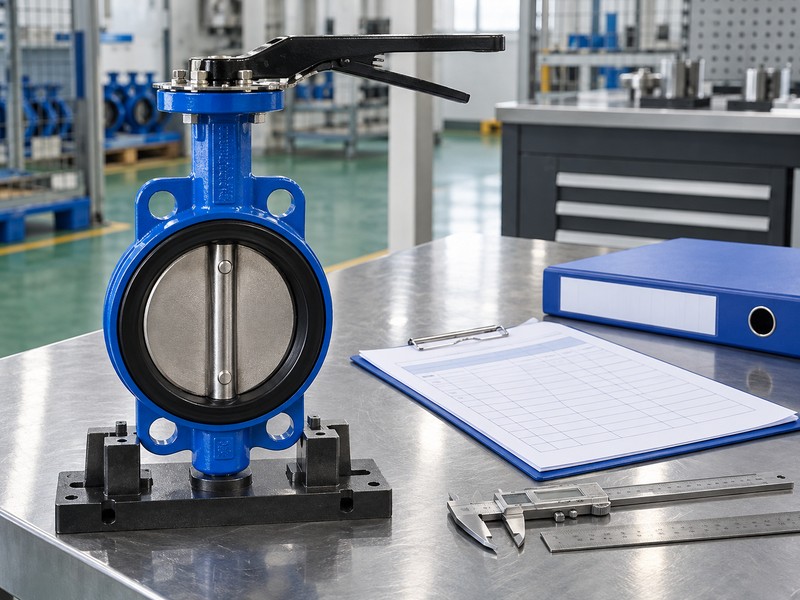
Follow the selected attachment definition. Identify actual retaining parts, associated gaskets and body connections, then review the stated pressure directions and end restraints for that configuration. Keep seat-retainer hardware distinct from external pipe-flange bolting rather than assuming either can substitute for the other. A generic stationary body fixture demonstrates no retainer dimensions, fastening result or completed manufacturing operation.
- Identify the actual seat attachment and associated seals.
- Retain pressure-direction and end-restraint requirements.
- Separate internal retention from external pipe-connection hardware.
Key takeaway: Review retention as a documented attachment and loading arrangement.
| Check | What you should confirm |
|---|---|
| Attachment | Selected construction defines how the seat is secured |
| Loading | Permitted conditions match the actual retaining arrangement |
| Service scope | Replaceability and access follow selected instructions |
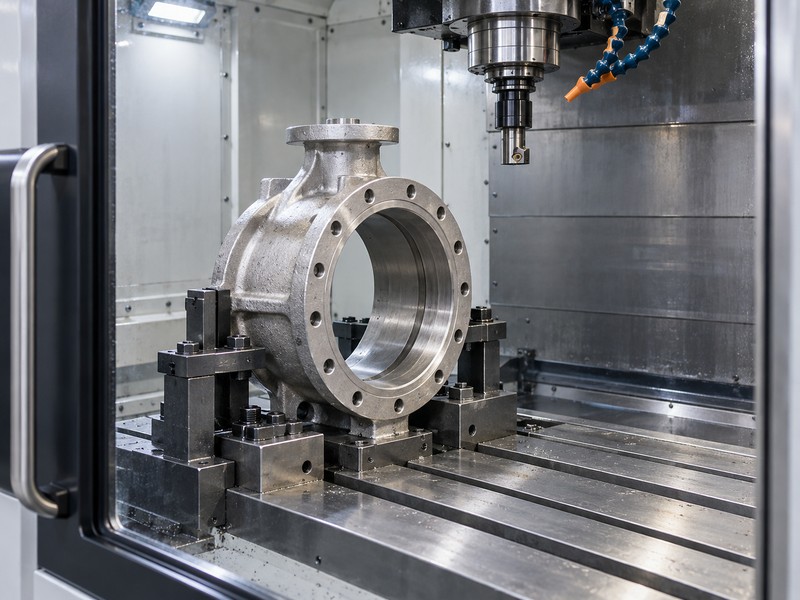
5. What loads close metal seated butterfly valves?
Closing requirements for metal seated butterfly valves need the selected valve’s accepted position and operating-load basis. Request seating, unseating, running and relevant fluid-torque information for actual service. The disc, seat, shaft and operator must preserve their permitted relationships rather than rely on extra operator force to imply tighter sealing.
How should seating demand and drive limits be compared?
Establish the accepted closing conditions. Retain the selected seat arrangement, differential pressure, direction, temperature and required operator behavior with the torque data. Compare available output with demand while respecting shaft, coupling and other connected-part limits. A nominal operator rating cannot establish the accepted seating load, and metal contact does not justify an unexplained sizing allowance or additional travel.
- Obtain selected seating and movement demands for actual duty.
- Check available output against connected-component limits.
- Retain accepted travel and operator-setting information.
Key takeaway: Use documented closing conditions and drive limits to establish the sealing-load basis.
| Check | What you should confirm |
|---|---|
| Demand | Selected valve data defines required operating loads |
| Capacity | Actual operator output covers the accepted duty |
| Limit | Shaft, drive and travel bounds remain respected |
6. What service suits metal seated butterfly valves?
Select metal seated butterfly valves for the actual medium, temperature, pressure and mechanical duty supported by their configuration. Metal seating alone cannot establish universal chemical or abrasion suitability. Include solids, contaminants, cleaning conditions and operating cycles where these affect the application review.
Which service claims need separate confirmation?
Review the complete material and duty set. Use the Bray Materials Selection guide within its published screening scope, then confirm actual seat, disc, packing, gasket and other relevant materials with the selected supplier. Keep body, sealing and directional limits within the same configuration. Fire qualification and special-service claims require their own applicable evidence; metal contact cannot establish them for every model or supplier.
- State actual fluid, solids and exposure conditions.
- Review all relevant wetted and sealing materials.
- Confirm configuration limits and required special-service evidence separately.
Key takeaway: Accept service suitability through the selected configuration and actual application evidence.
| Check | What you should confirm |
|---|---|
| Medium | Actual composition and relevant solids are described |
| Configuration | Selected materials and operating limits support the duty |
| Qualification | Required special-service claims have matching evidence |
7. What leakage suits metal seated butterfly valves?
Leakage acceptance for metal seated butterfly valves must state the selected test method, criterion and relevant conditions. Metal seating does not by itself mean zero leakage, permitted leakage or a particular tightness class. Specify the required result before comparing supplier descriptions such as tight shutoff.
Which test conditions belong beside the criterion?
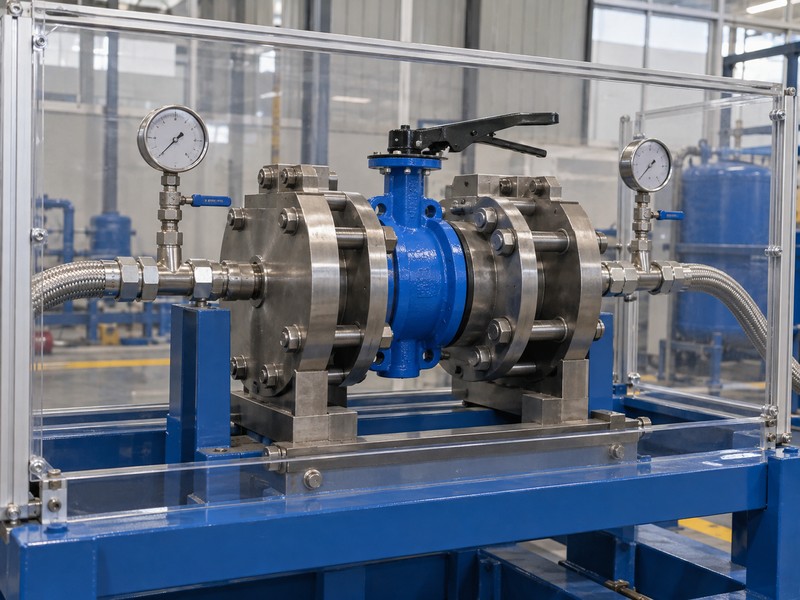
Define the measurable acceptance. Retain the actual seat construction, test medium, direction, pressure and other required conditions under the selected method. Separate flow across the closed sealing pair from external shaft, body or flange leakage, and keep inspection pressure distinct from allowable service pressure. A generic hydraulic fixture cannot prove the medium, test result or accepted leakage performance for the offered assembly.
- State the required selected-method leakage criterion.
- Retain relevant medium, pressure and directional conditions.
- Keep internal shutoff and external sealing evidence separate.
Key takeaway: Compare leakage performance through matching criteria and recorded conditions.
| Check | What you should confirm |
|---|---|
| Criterion | Required leakage acceptance is explicitly defined |
| Conditions | Recorded test basis matches the selected construction |
| Result | Actual evidence identifies the tested assembly and outcome |
8. What flow passes metal seated butterfly valves?
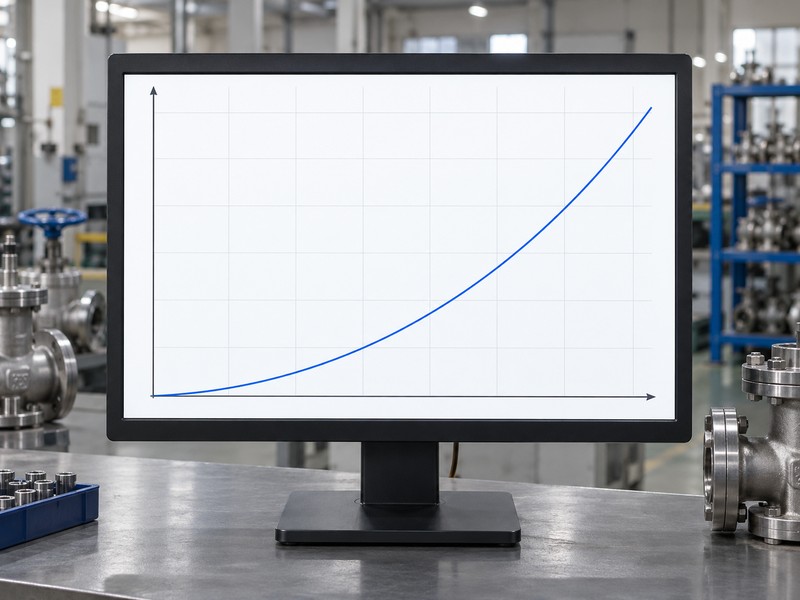
Open metal seated butterfly valves still place the disc and relevant shaft or support features in the flow passage. Their flow behavior requires selected model data and the actual opening and fluid basis. A metallic seat description cannot establish a universal coefficient, zero pressure loss or a permitted control range.
Why is a pressure-loss curve separate from shutoff evidence?
Identify the curve’s actual purpose. The conceptual illustration shows pressure loss increasing with flow at fixed opening, flow coefficient (Cv) and liquid density. It supplies no model data, leakage curve or proof of sealing contact under load. Use the selected valve’s applicable flow information for hydraulic review and retain the closed-seat acceptance as its own defined test scope.
- Retain actual valve, opening and fluid definitions with flow data.
- Recognize the disc and support features within the passage.
- Keep hydraulic sizing separate from closed-seat leakage acceptance.
Key takeaway: Review flow performance and shutoff leakage through their separate data and acceptance records.
| Check | What you should confirm |
|---|---|
| Passage | Selected disc and support features affect available flow space |
| Hydraulics | Actual model and fluid basis support the flow review |
| Shutoff | Separate selected test evidence addresses closed-seat leakage |
9. What inspection supports metal seated butterfly valves?
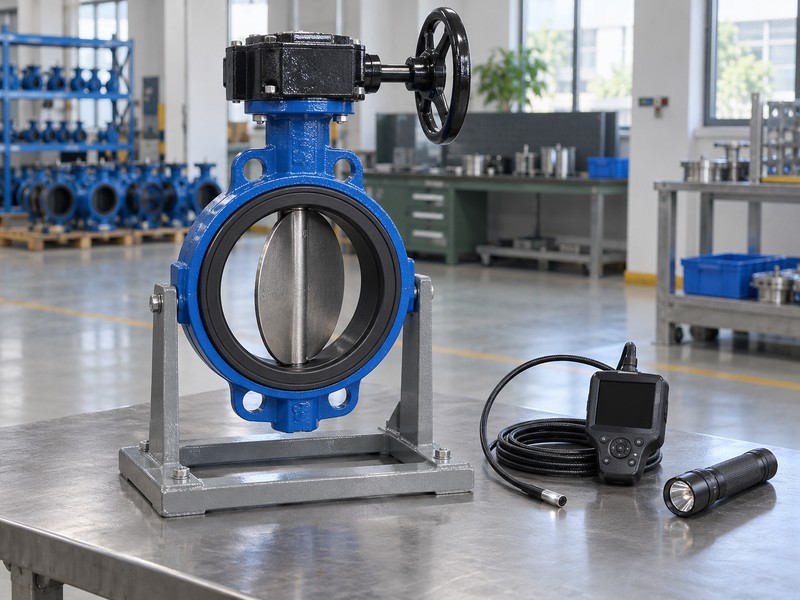
Inspection of metal seated butterfly valves should use the selected model’s criteria for contact surfaces, component identity and required functional or sealing checks. Record visible condition as an observation. A smooth-looking metallic band cannot establish accepted alignment, remaining service life or leakage performance.
What must remain within selected service instructions?
Separate observations from acceptance. Retain actual material and component records alongside the applicable surface, dimensional and test evidence rather than inventing a universal wear limit or repair method. The inspection-bench image is generic preparation and does not identify the selected metal trim. Physical service follows the selected manual and authorized isolation, depressurization, draining or decontamination and energy lockout, including applicable actuator or stored-energy controls.
- Use actual model criteria for surface and component review.
- Retain observations separately from required acceptance results.
- Keep service work within selected instructions and authorized controls.
Key takeaway: Use model-specific criteria and records to evaluate the actual sealing components.
| Check | What you should confirm |
|---|---|
| Observation | Visible features are recorded within their evidence limits |
| Criterion | Selected model information defines required acceptance |
| Service | Authorized work follows the actual product procedure |
10. What records define metal seated butterfly valves?
An enquiry for metal seated butterfly valves should connect the actual sealing pair with model, body style, service duty and required acceptance. Retain seat and disc identities, attachment details, operator limits and relevant material records. A generic metal-seat line item cannot communicate the complete supplied and tested configuration.
Which records should remain with the quotation and handover?
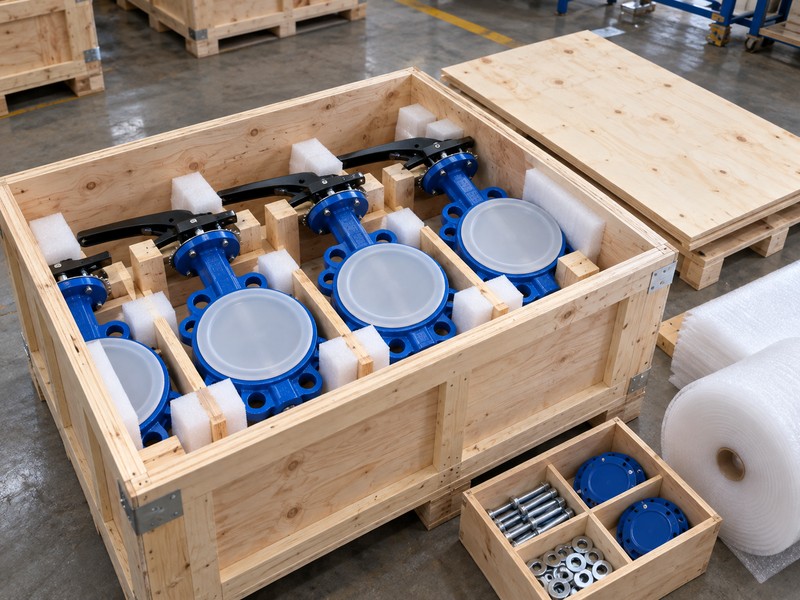
Release an identified sealing specification. Keep the selected assembly and parts definition, operating-load basis, directional limits, agreed test requirements and actual acceptance records linked with supplied identity. Review changes to contact materials, seat construction or operator arrangements for their affected duties and evidence. RUITO can review the application and proposed configuration; actual supply, qualification and delivery scope require confirmation rather than inference from a generic packing image.
- Link sealing construction and service duty with supplied identity.
- Retain agreed inspection requirements and actual results.
- Review substitutions for affected load, compatibility and acceptance limits.
Key takeaway: Purchase an identified sealing configuration with a clear duty and acceptance record.
| Check | What you should confirm |
|---|---|
| Enquiry | Selected sealing pair and required service are identified |
| Offer | Supplied configuration and document scope are confirmed |
| Handover | Applicable load, material and acceptance records remain traceable |
Send RUITO the required valve construction, actual medium and operating conditions, available seat and disc information, operator duty and leakage requirement. We can review the proposed application and identify outstanding configuration or acceptance questions. Contact us before treating a metal-seat description as a complete service or qualification statement.
FAQ
Q1: Does metal seating identify the valve’s offset count?
No. Confirm the actual geometry through the selected model and controlled section; the material label does not establish it.
Q2: Do all metal seats permit some leakage?
No universal result follows. Specify the actual model’s agreed test method, conditions and leakage criterion.
Q3: Does a metal seat automatically establish fire qualification?
No. Required fire or special-service qualification needs evidence covering the actual supplied configuration.
Q4: Can extra operator force guarantee tighter sealing?
No. Follow selected closing conditions and respect shaft, drive, operator and travel limits rather than assuming extra load improves acceptance.
Q5: Does metal seating prove suitability for abrasive media?
No. Submit actual solids, fluid, movement and exposure conditions for review of the selected sealing pair and complete configuration.