
Fix export handover mistakes by asking butterfly valve with positioner exporters to connect the shipped assembly with its accepted configuration, inspection evidence and receiving plan. Preserve the valve, actuator, positioner and accessory identities together. Your commissioning team needs the actual drawings, selected manuals and accepted settings before it applies utilities or moves the valve.
If a crate arrives with a bent bracket or an unidentified positioner variant, a passed factory report may no longer describe the assembly in front of your installer. Reconnecting air or restoring a remembered setting can then create another mismatch. Define the document, protection and receiving checks before dispatch, with a named person responsible for closing any discrepancy.
1. What must butterfly valve with positioner exporters identify?
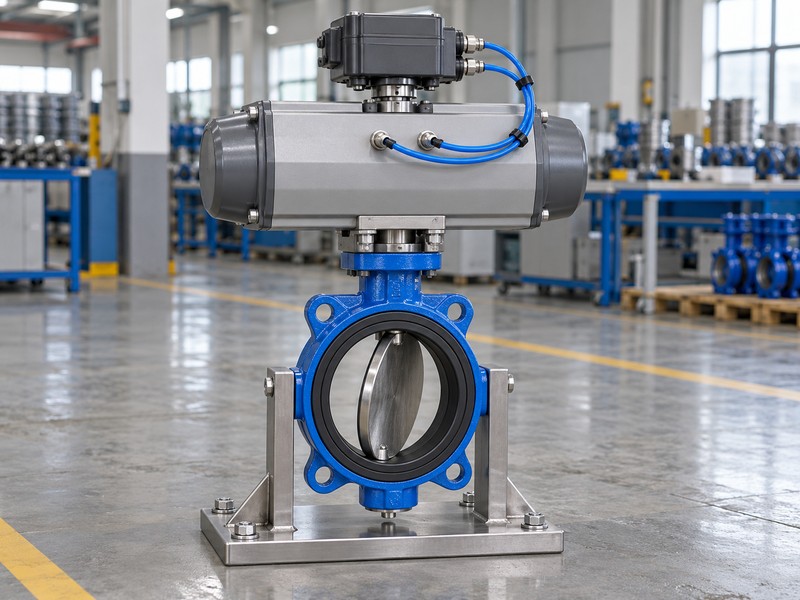
Require butterfly valve with positioner exporters to identify the complete valve-actuator-positioner package and every supplied accessory. Match the assembly ID with its accepted drawing and component list, including bracket, coupling and pneumatic variant. A valve description and nominal size cannot establish which feedback connection, air circuit or configured function the exporter shipped.
Which identity belongs in the handover file?
RUITO’s valve records connect product IDs with controlled drawings, materials and inspection results. Extend that connection to the selected instruments. Record their actual identities and associated manuals, then distinguish supplied parts from items your installer will add. If transportation requires an approved component removal, retain its identification and documented reassembly requirements with the same package.
- Identify the assembly and all supplied component variants.
- Connect drawings and manuals with the accepted revision.
- List removed parts and documented reassembly requirements.
Key takeaway: A useful handover identifies the exact assembled package and preserves the information needed to recognize it after transport.
| Check | What you should confirm |
|---|---|
| Assembly | ID matches the approved drawing and component list |
| Instruments | Selected variants and their documents are identified |
| Boundary | Supplied and installer-added parts are distinguished |
2. What docs must butterfly valve with positioner exporters retain?
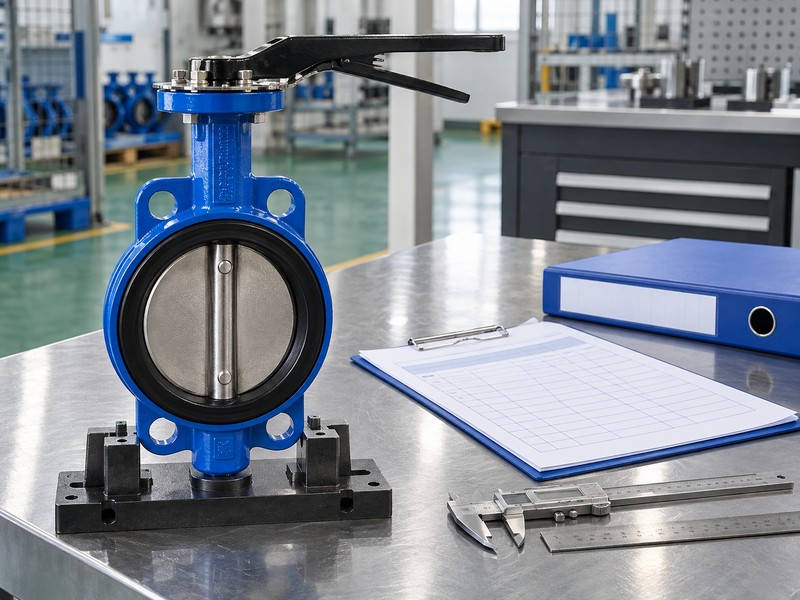
Ask butterfly valve with positioner exporters to retain the accepted configuration, calibration record, drawings and component manuals with the shipment identity. Keep the command mapping, travel direction and supported output functions identifiable. The records should identify the shipped assembly’s approved baseline.
What makes a configuration backup usable?
Agree the record format and revision before factory release. Check the restore boundary. Where the selected device supports a configuration export, preserve the applicable file and device identification; otherwise retain the agreed settings report and procedure. A backup records an accepted configuration, but the selected manual and responsible engineering team still govern whether it can be applied after a component, mounting or feedback change.
- Retain accepted settings with assembly and device identities.
- Use supported files or an agreed settings report.
- Identify revisions and conditions for any later restoration.
Key takeaway: Configuration records should preserve what the factory accepted and the limits on applying those settings to the received equipment.
| Check | What you should confirm |
|---|---|
| Baseline | Accepted configuration and calibration revision are retained |
| Format | Supported file or agreed report is accessible |
| Reuse | Device identity and restoration conditions are defined |
3. How do butterfly valve with positioner exporters record response?
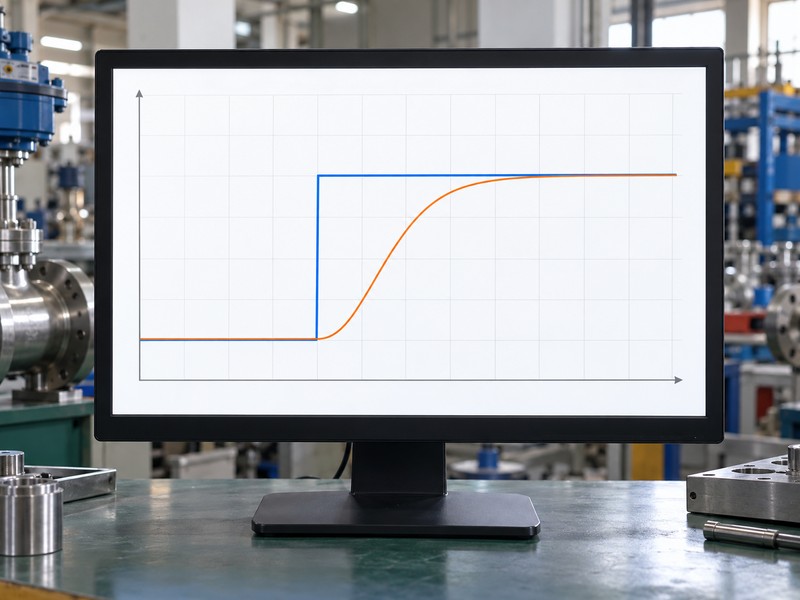
For handover, butterfly valve with positioner exporters should retain command and measured shaft-response records under the agreed assembly test conditions. Identify the unit, configuration revision, supply conditions, measurement method and applicable load. Keep bench travel evidence distinct from loaded movement and process performance, so your commissioning team knows which behaviour the factory verified.
Which test conditions should survive shipping?
Preserve the agreed response measures, command sequence and original acceptance record. Read the conditions with the trace. Valve demand and actuator output depend on the actual duty and minimum available air supply through the stroke, including applicable spring-return conditions. The conceptual graph illustrates shaft-position response only: the positioner measures travel, while flow verification needs the relevant process measurement and approved hydraulic data.
- Link command and travel records with the shipped unit.
- Retain supply, load and measurement conditions.
- Separate shaft response from actual process-flow evidence.
Key takeaway: A retained response record gives the commissioning team a defined comparison basis without extending the factory test beyond its conditions.
| Check | What you should confirm |
|---|---|
| Identity | Response record matches the assembly and revision |
| Conditions | Supply, stroke, load and method remain available |
| Scope | Bench, loaded and process results are distinguished |
4. How do butterfly valve with positioner exporters define faults?
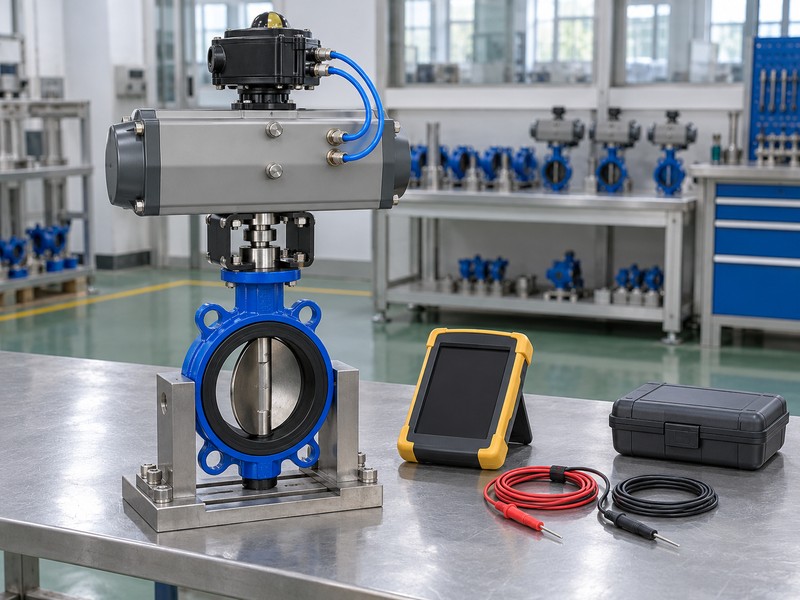
Ask butterfly valve with positioner exporters to define air loss, signal loss and electrical-power loss as separate handover events. Record which utilities remain and the accepted action for each event. The supplied actuator, pneumatic ports and accessories determine that response; a general fail-safe description cannot establish a common endpoint for every loss condition.
What should the receiving engineer review?
Include the accepted event matrix and any required verification records in the package. Follow each utility independently. On a 4–20 mA command, 4 mA normally represents the configured low command, rather than an inherent signal fault. A springless double-acting actuator has no universal guaranteed endpoint or indefinite hold, so any specified lockup, reservoir or other accessory function needs its own identified circuit and conditions.
- Separate air, signal and electrical-power loss events.
- Identify remaining supplies and any stored energy.
- Retain accepted actions with the actual pneumatic circuit.
Key takeaway: The fault-action handover should describe the received assembly’s defined response for each agreed event and its supporting conditions.
| Check | What you should confirm |
|---|---|
| Event | Failed utility and remaining supplies are identified |
| Hardware | Ports, springs and relevant accessories match |
| Evidence | Required action and tested conditions remain available |
5. How do butterfly valve with positioner exporters protect parts?
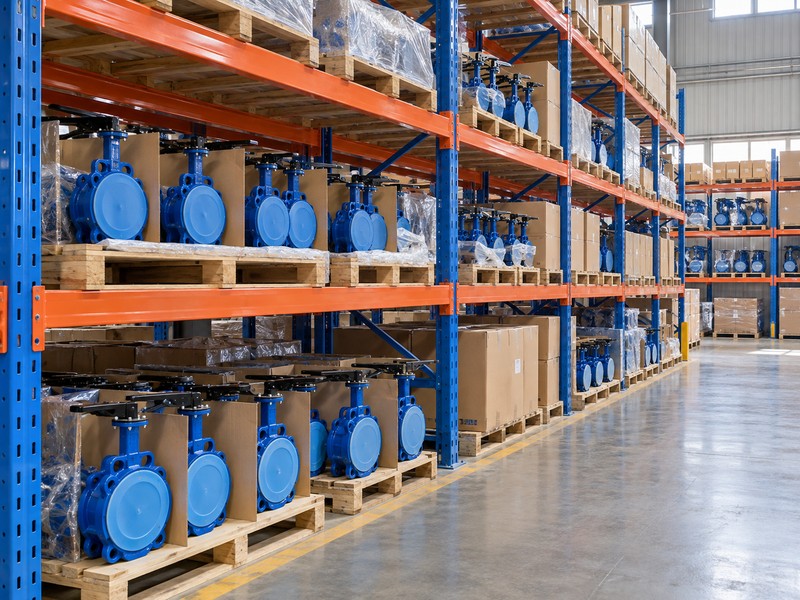
Require butterfly valve with positioner exporters to protect the bracket, coupling, feedback connection and instrument housing from transport contact and movement. Use an agreed restraint and support arrangement suited to the complete assembly. Packing should preserve alignment and keep transport loads off vulnerable mounting parts and air connections.
Which vulnerable areas need packing evidence?
Inspect protection before closing the crate and record the assembly ID with clear photographs. Follow the load path. Keep the valve’s sealing faces and any exposed lining lips protected, while preventing packing material from displacing the feedback connection or loading the positioner. The selected instructions should govern the prescribed valve position and any approved disassembly; avoid changing mounting or travel settings merely to fit a crate.
- Protect brackets, instruments and feedback components from contact.
- Restrain the assembly at the agreed support locations.
- Photograph protection and identity before crate closure.
Key takeaway: Mechanical protection should preserve the configuration that inspection accepted, including the components responsible for accurate travel feedback.
| Check | What you should confirm |
|---|---|
| Support | Transport loads avoid vulnerable mounting components |
| Protection | Feedback, instruments and sealing faces are covered |
| Condition | Alignment and prescribed transport position are preserved |
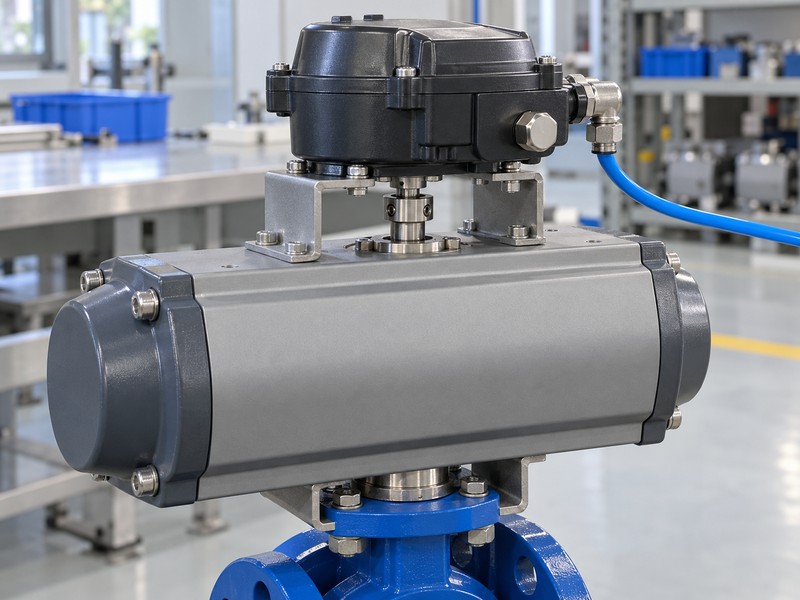
6. How do butterfly valve with positioner exporters pack tubing?
Ask butterfly valve with positioner exporters to pack tubing and air-preparation parts so transport cannot bend fittings, loosen connections or introduce contamination. Identify any connections removed under the agreed packing procedure. Preserve the approved port map and air requirements with the product, so reassembly follows the actual pneumatic variant rather than a remembered arrangement.
What should remain available after unpacking?
Retain the pneumatic diagram, selected air-quality requirements and identified accessory list. Check the protection method. Use the component instructions for openings, moisture protection and storage, with packing restraints that support tubing without forcing a connection. At reassembly, your authorized team should verify the diagram and required checks before applying air; process-fluid pressure and instrument-air supply remain separate specifications.
- Protect tubing, fittings and air-preparation components.
- Identify approved removals and their reconnection references.
- Retain the port diagram and component air requirements.
Key takeaway: Air-circuit packing should prevent physical damage and leave the installer with a documented path to the accepted connections.
| Check | What you should confirm |
|---|---|
| Tubing | Packing avoids bending and fitting loads |
| Openings | Protection follows the selected component instructions |
| Reassembly | Port mapping and required checks remain available |
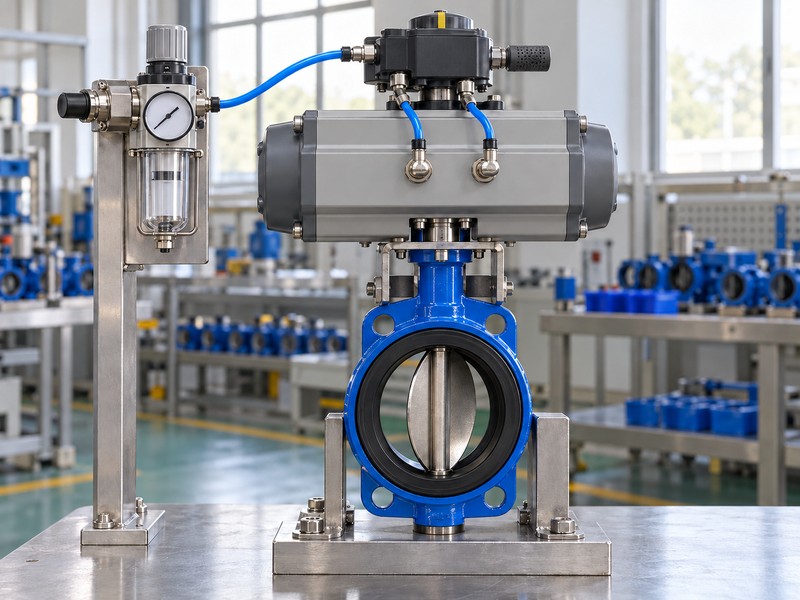
7. How do butterfly valve with positioner exporters label boxes?
Your butterfly valve with positioner exporters should label boxes with numbers that map to assembly IDs, order lines and actual contents. Include loose brackets, instruments, spare parts and accessories in that mapping where supplied separately. A total valve quantity cannot tell your warehouse which crate contains the matching components or which inspection record belongs to the received unit.
How should packing and shipping files agree?
Compare the final physical contents with the packing list before dispatch. Select one complete package. Match its assembly IDs, descriptions, quantities and applicable weight or dimension records across the agreed shipping files, with buyer-confirmed delivery details. Keep project tags and commercial order lines connected in the document index so both teams can locate the same product.
- Map each box to its actual assembly IDs.
- List loose accessories and their package locations.
- Match final quantities and descriptions across shipping files.
Key takeaway: A consistent box-to-assembly map lets receiving staff identify the product, its components and its accepted records together.
| Check | What you should confirm |
|---|---|
| Package | Box number maps to the actual contents |
| Product | Order line, assembly ID and project tag connect |
| Files | Final packing and shipping information agree |
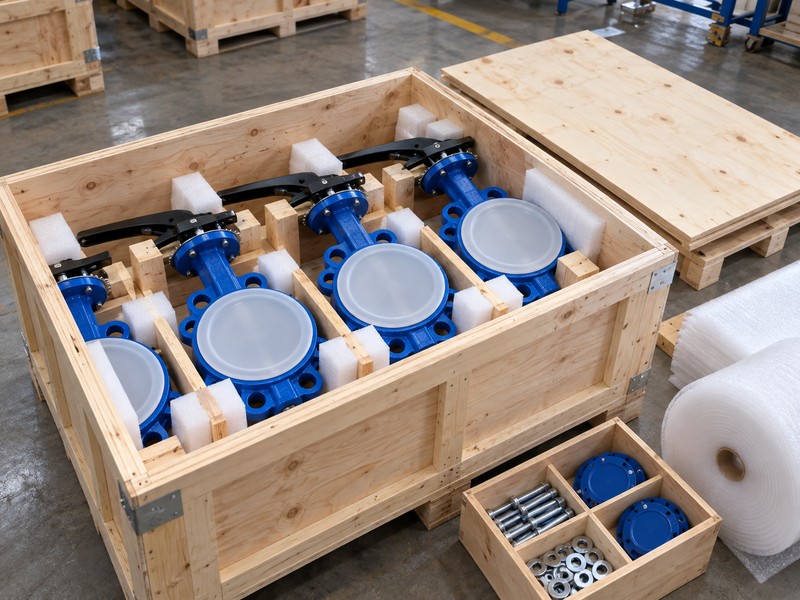
8. What scope can butterfly valve with positioner exporters approve?
The approval scope offered by butterfly valve with positioner exporters must match the exact product, accessories and requirements accepted for your destination project. Match any required approval with the exact model, materials, sizes and intended use. A management certificate or earlier export shipment cannot establish that every valve-actuator-positioner combination has approval for every market or installation environment.
Which evidence belongs in separate categories?
RUITO manages valve duties through their actual materials, interfaces and operating limits. Review the applicable files separately. A pressure report under an agreed method such as ISO 5208 addresses its specified integrity and closure checks, rather than position-control accuracy. accessory qualification cannot extend valve duty, and a positioner cannot qualify an isolation construction for unrestricted throttling; your project team must verify the accepted destination document scope.
- Verify exact product and accessory approval coverage.
- Keep management, pressure and control evidence separate.
- Confirm destination requirements with the responsible project team.
Key takeaway: The handover should provide the specific evidence your project accepted without expanding a certificate or test report’s coverage.
| Check | What you should confirm |
|---|---|
| Product | Model, materials, sizes and application scope match |
| Accessories | Required coverage fits the supplied components |
| Records | Each document answers its own acceptance question |
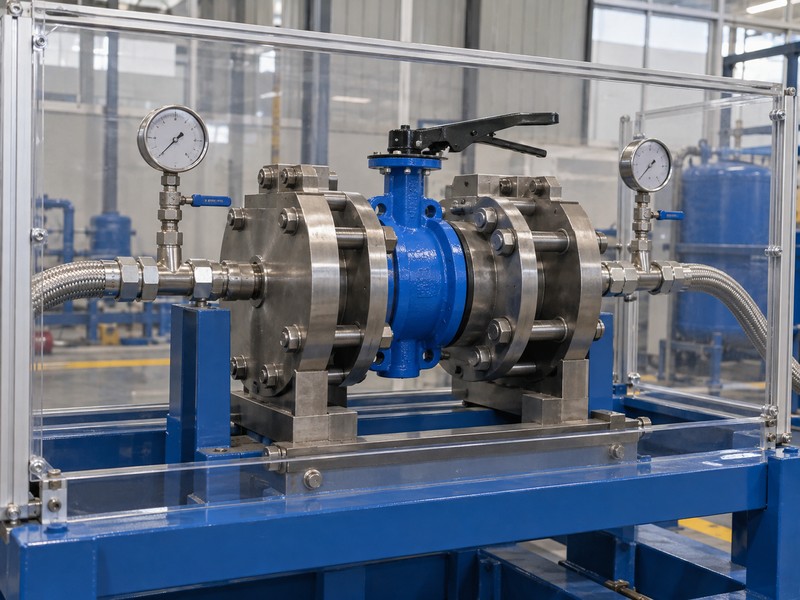
9. What dates must butterfly valve with positioner exporters separate?
For scheduling, butterfly valve with positioner exporters must separate factory release, carrier handover, international transit and destination receiving dates. Factory release depends on completed technical, commercial and inspection conditions. A released base valve may still need assembly work, agreed instrument checks or packing before the complete package can move into the transport schedule.
How should the delivery plan show dependencies?
List component readiness, configuration approval, required witness checks and packing alongside the factory release conditions. Assign a responsible owner. Then track transport and destination events separately, distinguishing plans from confirmed handovers and arrivals. If a document or component delay changes release readiness, update the affected milestones with your buyer and logistics team.
- Track readiness for the complete assembled package.
- Separate factory and international transport milestones.
- Update dependent dates when release conditions change.
Key takeaway: Schedule the accepted assembly through release and transport as separate stages, with dependencies visible to the teams planning installation.
| Check | What you should confirm |
|---|---|
| Readiness | Components, inspections and packing are complete |
| Release | Technical and commercial conditions have closed |
| Arrival | Transit and destination events are tracked separately |
10. How do butterfly valve with positioner exporters support restart?
Ask butterfly valve with positioner exporters to support restart with an agreed receiving and recommissioning plan for the identified assembly. Inspect crate condition, quantities, brackets, tubing and feedback parts before releasing it for installation. Hold damage or an unexplained configuration difference for review, with photographs and IDs that connect the discrepancy to the shipped package.
What should happen before automatic adjustment?
Your authorized team should compare the received assembly with its accepted drawings and records, then follow the selected manuals. Confirm isolation and movement permission. Automatic calibration can move the valve, so review mechanical engagement, utility conditions and the approved procedure before starting it or restoring settings. Preserve any required receiving and recommissioning results with the assembly ID, then resolve discrepancies before accepting the unit for operation.
- Inspect condition and identity before installation release.
- Authorize isolation and movement before calibration routines.
- Retain recommissioning results and close identified discrepancies.
Key takeaway: Receiving and recommissioning should verify the delivered configuration and its condition before the project team authorizes operation.
| Check | What you should confirm |
|---|---|
| Receipt | Package identity and component condition are checked |
| Preparation | Manuals, utilities and movement authorization are reviewed |
| Acceptance | Required checks and discrepancy decisions are retained |
Send RUITO your assembly requirements, destination document checklist and receiving plan. We can identify the valve records, component information and packing or release questions that need agreement. Contact us before dispatch to connect your accepted package with the installation team’s handover needs.
FAQ
Q1: Can I restore settings from an earlier shipment?
Only after checking compatibility. Confirm the actual device, variant, mounting and approved revision, then follow the selected manual and authorized configuration procedure.
Q2: What’s the best evidence of the package’s condition before shipping?
Identifiable packing records. Connect photographs of the assembly and protection with product IDs, box numbers and the final packing list.
Q3: How do I know if the arrival date includes inspection?
Check the agreed milestones. Factory release, transport, destination receiving and installation acceptance should have separate conditions and responsibilities.
Q4: Can I run automatic calibration as soon as I unpack?
No. Review the received assembly and selected manuals before adjustment; the responsible team must authorize isolation and valve movement before adjustment.
Q5: What should I send if the feedback bracket arrives bent?
Send traceable evidence. Include assembly ID, box number and photos of the crate, bracket and affected coupling before changing the assembly.