
Fix quote comparison mistakes among butterfly valve with positioner suppliers by sending the same assembly requirements and recording every difference against that baseline. Separate the compliant offer from optional alternatives, then close technical exceptions before comparing totals.
You receive offers for the same valve size, yet one includes a fitted positioner and tested feedback while another covers loose components with optional integration. Their totals cannot answer which package meets your request until you identify the missing work. Keep each required item on a shared comparison sheet. Ask bidders to confirm their response to the same revision before purchasing ranks the offers.
1. How do you brief butterfly valve with positioner suppliers?
Brief butterfly valve with positioner suppliers with one controlled request for quotation that defines quantities, duty, interfaces, utilities and acceptance requirements. Give every bidder the same revision and response format. When you clarify a shared requirement, update the baseline so later answers can be compared without assuming all suppliers received the same information.
What should the comparison sheet follow?
Ask bidders to respond beside each requirement with compliance, exclusion or a clearly described alternative, then record the supporting document revision. Keep customer responsibilities visible alongside supplier obligations. A short total-price table cannot reveal whether one bidder assumed a different utility condition, mounting task or test scope unless the technical and commercial answers follow the same requirement list.
- Issue the same requirement revision and order-line quantities.
- Use one response format for compliance and alternatives.
- Record supporting documents beside each bidder’s answer.
Key takeaway: A shared RFQ baseline lets you compare actual answers to the same requirements instead of inferring equivalence from similar product descriptions.
| Check | What you should confirm |
|---|---|
| Baseline | One controlled assembly and duty requirement set |
| Response | Compliance, exclusion or identified alternative |
| Revision | The enquiry and evidence versions each bidder accepted |
2. What must butterfly valve with positioner suppliers price?
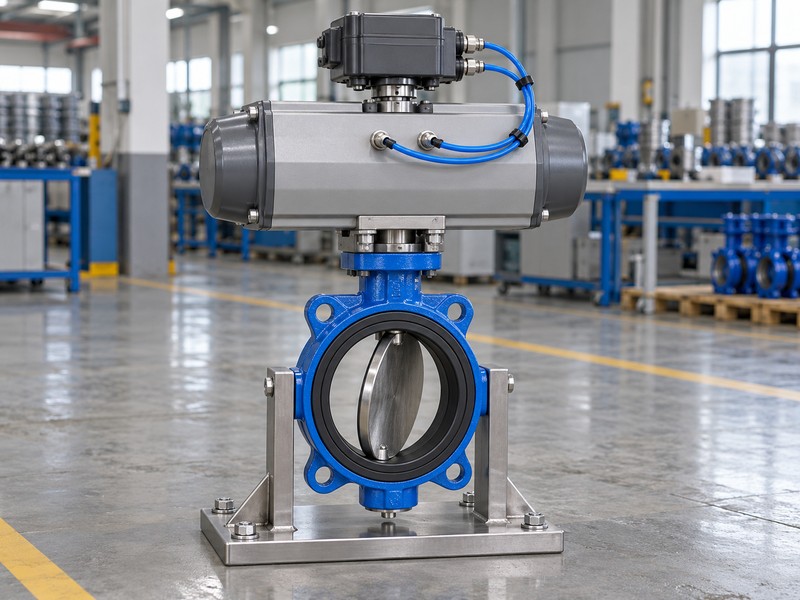
Your butterfly valve with positioner suppliers should price the same required valve, actuator, positioner, mounting, accessories and assembly work. Separate options from the compliant base offer. If one quote includes a regulator or feedback option and another excludes it, resolve the scope or obtain the missing price before using the totals to rank the packages.
How do you expose missing integration work?
Check fitted versus loose supply, bracket and coupling provision, pneumatic tubing, electrical accessories and the required inspection documents. Ask which party will complete any excluded connection and what evidence that party must provide. Record the cost and owner beside each excluded integration task.
- Compare identical required components and accessory functions.
- Separate fitted assemblies, loose supply and optional items.
- Identify the cost and owner of every excluded integration task.
Key takeaway: Complete the scope comparison before ranking prices so the base offers represent the same purchased assembly and required integration work.
| Check | What you should confirm |
|---|---|
| Equipment | The same required valve, drive and controls package |
| Integration | Included mounting, connections and assembled checks |
| Options | Separately identified additions and alternatives |
3. How do butterfly valve with positioner suppliers qualify duty?
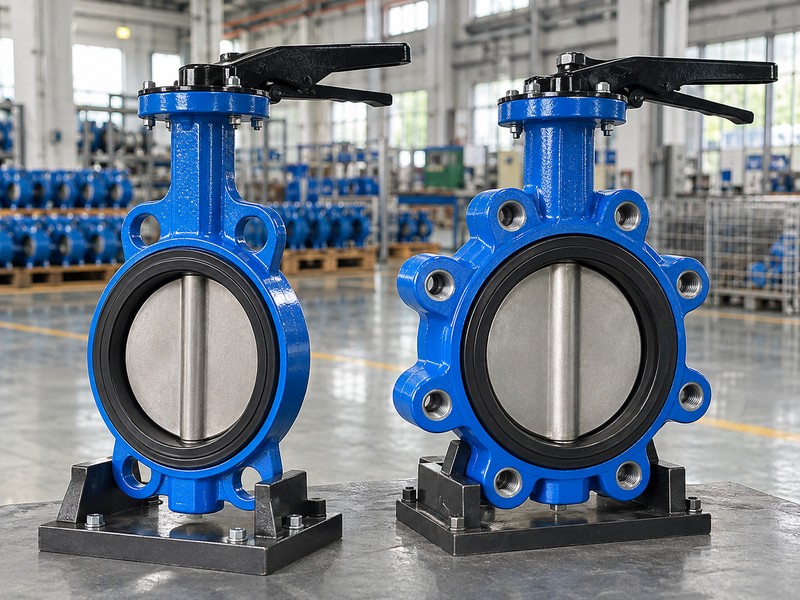
Your butterfly valve with positioner suppliers should qualify their proposed configurations against the same fluid and operating cases. Compare temperature, working pressure, closing differential and hydraulic limits together. A matching DN and pressure designation leaves material exposure, permitted operating positions and special service evidence unresolved when bidders propose different seats, bodies or valve constructions.
Which differences need an engineering decision?
Identify fluid composition, cleaning exposure, flow extremes and any reduced-pressure or special-approval requirement on the baseline. Review the accepted coefficient and operating-position envelope for each proposal, then assess cavitation and minimum controllable flow separately. A positioner cannot confer unrestricted throttling duty, and a bidder’s material name or broad temperature statement cannot establish a configuration that meets your conditions together.
- Compare all proposals against the same fluid and operating cases.
- Review model coefficient data and permitted operating positions.
- Close material, rating and special-service deviations explicitly.
Key takeaway: Qualify duty before commercial comparison so an alternative valve construction cannot enter the shortlist through nominal size and rating alone.
| Check | What you should confirm |
|---|---|
| Fluid | Accepted composition and cleaning exposure |
| Limits | Pressure, temperature and differential applying together |
| Hydraulics | Operating envelope and separately reviewed control range |
4. How do butterfly valve with positioner suppliers compare drives?
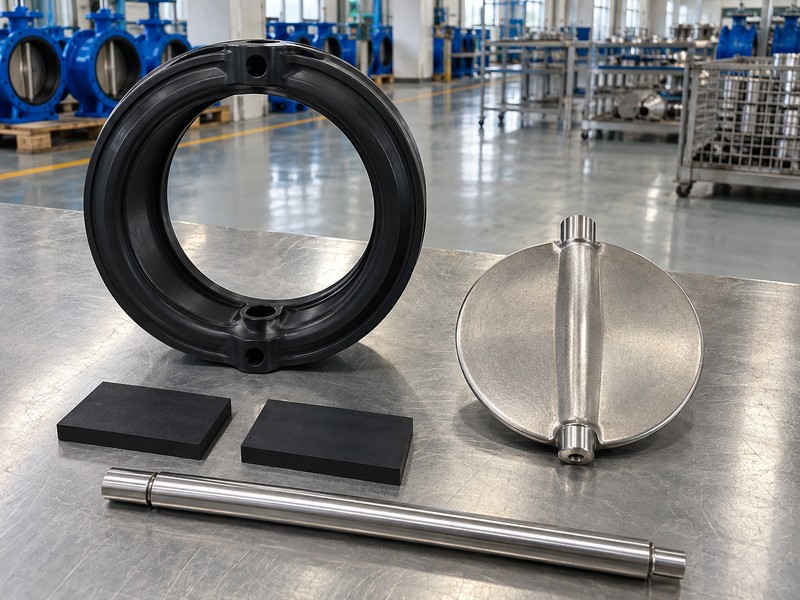
Your butterfly valve with positioner suppliers should compare drive selections at the same declared minimum supply, closing differential and required travel. Ask for valve demand and available actuator output at matching conditions. Different actuator actions or regulator assumptions create different packages, even when the quoted actuator dimensions or nominal mounting interface look similar.
What should the torque and utility comparison show?
Compare breakaway, running and closing torque with the proposed output through the stroke, including return torque where a spring is fitted. Use the same utility boundary and require each selected manual’s permitted pressure and air-quality conditions. Record shaft, coupling and mounting limits with the agreed sizing margin. A positioner cannot create missing actuator capacity, and an unrelated project’s supply setting cannot make different selections technically equivalent.
- Use the same minimum available supply and duty assumptions.
- Compare demanded and available torque throughout travel.
- Review return action and drive-component loads where applicable.
Key takeaway: A common drive-selection basis exposes differences in capability and utility assumptions before a smaller or differently configured package appears preferable on price.
| Check | What you should confirm |
|---|---|
| Duty basis | The same differential, temperature and required stroke |
| Drive evidence | Matched demand and output at accepted supply |
| Utility boundary | Pressure, quality and air-treatment responsibilities |

5. Which signals must butterfly valve with positioner suppliers match?
Your butterfly valve with positioner suppliers should match the baseline command interface, required position output and electrical supply arrangement. Compare configured travel direction and included output functions separately from the signal-range label. A valid low-end command such as 4 mA is distinct from signal-fault detection and cannot establish the same operating response across different configurations.
How do you compare control functions fairly?
Place each bidder’s input, power and feedback schedule beside the baseline. Identify whether a quoted output reports position and whether any process-controller or measurement function is an additional option. The conceptual chart below concerns command and shaft position only; request actual assembly records for any required response check. Travel percentage cannot prove measured flow, and a current-feedback option should not be priced or accepted as if it supplied a process sensor.
- Match command type and the accepted travel direction.
- Compare purchased feedback and power functions individually.
- Separate position control from any added process-control scope.
Key takeaway: Compare functions behind the signal labels so an optional output or process controller cannot distort the price of the required position package.
| Check | What you should confirm |
|---|---|
| Command | Compatible input and accepted endpoint mapping |
| Position output | The required feedback function and receiving interface |
| Process option | Separately defined measurement and controller functions |

6. Which faults do butterfly valve with positioner suppliers test?
Your butterfly valve with positioner suppliers should test the same specified air-loss, command-loss and electrical-power-loss events. State which utilities remain available in each check. A springless double-acting actuator has no universal assured endpoint or indefinite hold, so compare the actual arrangement and evidence rather than accepting a shared fail-safe description across unlike packages.
What makes two failure claims equivalent?
Compare event conditions, pneumatic variants, porting, settings and any dependent solenoid, lockup or stored-energy arrangement. Ask each bidder to identify the complete configuration behind its result and whether the required accessories are included. Electrical holding and signal-fault fallback do not establish air-loss response. If your project requires a combined failure, keep that event on the baseline and obtain its own evidence instead of combining results from separate utility-loss checks.
- Use identical event definitions and remaining-utility conditions.
- Compare accessory dependencies with their included supply scope.
- Require separate evidence for any specified combined failure.
Key takeaway: Equivalent failure claims require matched events and complete arrangements, allowing you to compare what each offered package has actually verified.
| Check | What you should confirm |
|---|---|
| Event | The same lost utility and remaining energy |
| Arrangement | Actual pneumatic paths, action and fault settings |
| Verification | Configuration-linked results under matched conditions |
7. What tests must butterfly valve with positioner suppliers include?
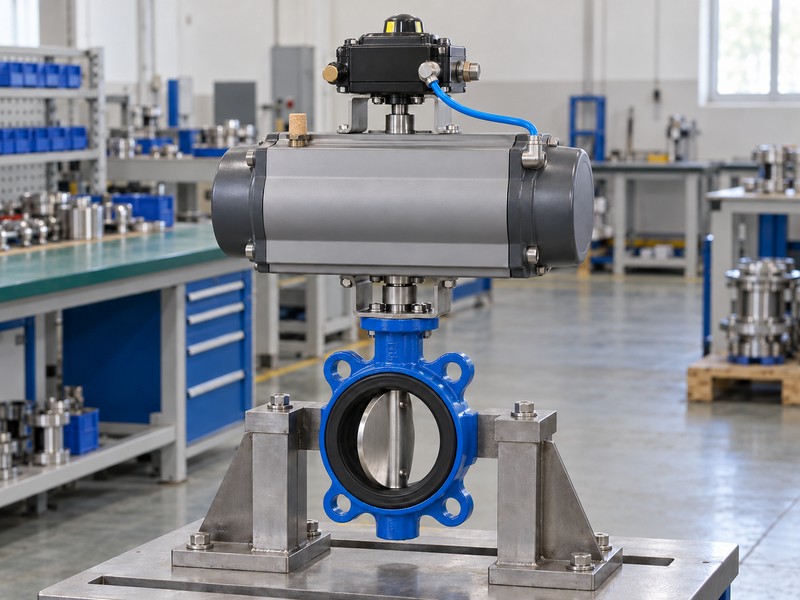
Your butterfly valve with positioner suppliers should include the baseline valve, assembly and document checks under the same agreed acceptance conditions. Compare witnessing, record delivery and any special verification alongside the test names. A quoted travel calibration cannot replace a missing valve leakage test or establish process performance that your project plans to verify later on site.
How do you compare inspection exclusions?
Identify the method, conditions and acceptance criterion for each required check. Where the baseline selects ISO 5208, use it for valve pressure-test comparison, without treating it as position precision or a Class VI designation. Keep calibration under the selected manuals and authorized isolation procedures because it can move the valve. Price excluded witness points or records explicitly, then close the acceptance gap before treating the offer as compliant.
- Match valve integrity, travel and failure-event acceptance scope.
- Identify methods, conditions, witnessing and required records.
- Price and close inspection exclusions before final comparison.
Key takeaway: Compare inspection obligations with their methods and records so a shorter test allowance cannot conceal an incomplete acceptance package.
| Check | What you should confirm |
|---|---|
| Valve checks | The agreed pressure and leakage acceptance basis |
| Assembly checks | Defined travel and failure-event verification |
| Document scope | Required witnessing and configuration-linked records |
8. Can butterfly valve with positioner suppliers substitute parts?
Your butterfly valve with positioner suppliers can propose substitute parts when they identify the changes and obtain the required engineering approval. Keep the alternative separate from the baseline until its interfaces and performance scope are accepted. A matching signal range, nominal mounting size or seat family cannot prove that the complete revised assembly remains equivalent.
What should an alternative submission contain?
Include revised mounting and feedback drawings, selected manuals, torque and utility assumptions, signal mapping and failure-event requirements affected by the substitute. State which verification must be repeated and which existing evidence still applies. Record the accepted revision before pricing it as a compliant alternative, then require notice before the same substitution appears on repeat supply or a later shipment.
- Identify each changed component and affected requirement.
- Review revised interfaces, utilities and failure arrangements.
- Approve the verification scope before accepting equivalence.
Key takeaway: A controlled alternative review lets you compare substitutes without silently changing the package that engineering approved for the original enquiry.
| Check | What you should confirm |
|---|---|
| Change identity | The exact difference from the baseline assembly |
| Engineering review | Affected interfaces and selection or control assumptions |
| Acceptance | Approved revision and required verification evidence |

9. What costs should butterfly valve with positioner suppliers list?
Your butterfly valve with positioner suppliers should list the complete price basis, required packing, documents, inspection and delivery obligations for the same destination. Compare currency, validity, payment conditions and separately charged items explicitly. A factory release date and a delivered arrival date describe different milestones, so keep them distinct when assessing quoted schedule and transport scope.
How do you put totals on one commercial basis?
Ask for confirmed charges for required exclusions and identify any customer-procured integration or inspection work. Keep optional enhancements outside the compliant base total, with their own scope and price. Review packing and loose-accessory requirements against the same receiving plan, then compare approval, inspection release and transport milestones without assuming the bidder’s shortest stated lead time covers the entire journey.
- Use the same destination and delivery responsibility split.
- Confirm required excluded charges and customer-procured work.
- Compare release and arrival milestones on the same basis.
Key takeaway: A normalized commercial basis shows the cost of the required delivered scope while keeping optional equipment and unmatched schedule assumptions visible.
| Check | What you should confirm |
|---|---|
| Price basis | Currency, validity and included obligations |
| Required additions | Confirmed costs for accepted excluded scope |
| Delivery | Matching packing, transport and schedule responsibilities |
10. How do you choose butterfly valve with positioner suppliers?
Choose butterfly valve with positioner suppliers by closing technical exceptions and comparing complete commercial offers against the accepted baseline. Record why each proposal qualifies, remains conditional or requires further evidence. The selected offer should become the purchase definition, with its approved assembly revision, acceptance requirements and delivery responsibilities carried into the supplier’s acknowledgement.
What should the award file preserve?
Keep the enquiry revision, bidder responses, approved alternatives, normalized scope and decision record together. Attach the accepted component schedule, interface documents and inspection obligations to the order, then check the acknowledgement against them. RUITO can review the valve duty and proposed interface requirements when preparing an offer; your purchasing team should preserve the accepted record. Require approved changes on repeat orders.
- Close critical deviations before ranking compliant offers.
- Preserve accepted alternatives and confirmed scope adjustments.
- Carry the chosen configuration and checks into repeat supply.
Key takeaway: The award file should preserve the same package definition used for comparison, giving receiving and future purchasing teams a consistent acceptance basis.
| Check | What you should confirm |
|---|---|
| Qualification | Closed technical differences and accepted evidence |
| Comparison | Complete scope and documented commercial adjustments |
| Purchase control | Approved revisions and matching acknowledgement |
Send RUITO the same duty sheet, component requirements, utility boundary and inspection scope used for your other RFQs. We can review the valve configuration and identify the interface documents and exceptions relevant to a comparable offer. Contact us before approving unmatched package totals or an alternative with unresolved verification requirements.
FAQ
Q1: Can I compare package quotes from DN and PN alone?
No. Compare duty, components, interfaces, utilities, controls, acceptance and delivery obligations against one requirement set.
Q2: What’s the best way to handle a cheaper alternative?
Keep it separate. Review the changed requirements and required evidence before accepting it as a compliant substitute.
Q3: How do I know whether two failure claims match?
Compare the exact event, remaining utilities, complete arrangement and recorded conditions, including every dependent accessory.
Q4: Can I count position feedback as an included flow sensor?
No. Position feedback reports travel. Any required process measurement needs its own defined sensor and control scope.
Q5: Can I rank totals while required tests remain excluded?
Complete the purchasing scope. Obtain confirmed charges and close the acceptance exclusions before comparing compliant delivered offers.