
How to Avoid Supervisory Butterfly Valve Manufacturer Mistakes
A butterfly valve with supervisory switch manufacturer should demonstrate responsibility for the offered assembly, its production configuration, and the records linked to supplied products. An accepted sample gives an OEM little protection against an unreviewed gear or switch change in a later batch. Review who controls those parts, who approves changes, and what evidence will accompany each release.
1. Who is a butterfly valve with supervisory switch manufacturer?
A butterfly valve with supervisory switch manufacturer is the party responsible for manufacturing a defined valve assembly within its documented scope. Establish that scope before judging workshop size or catalogue breadth. The company selling the package, the organization named in product approval evidence, and the parties making individual components may have different roles.
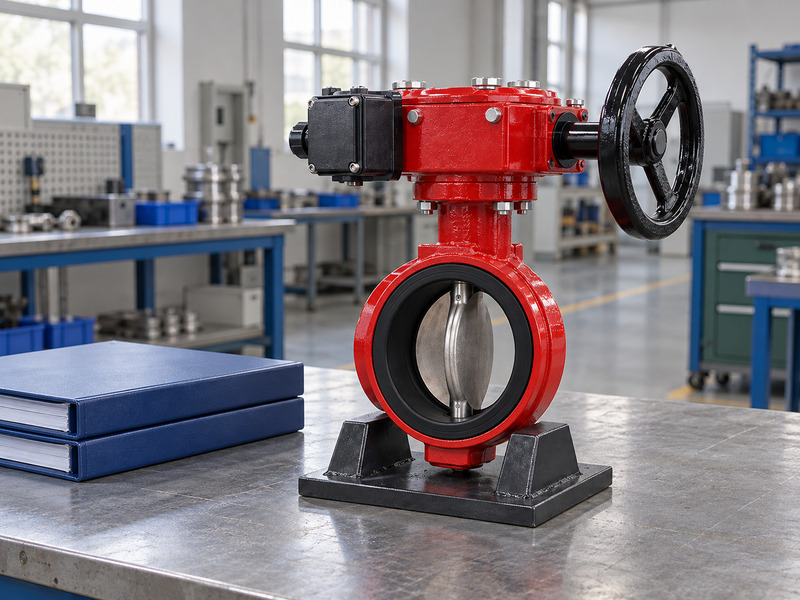
The buyer needs one accountable source for the proposed configuration and its technical response. That source should identify any boundaries between valve manufacture, gear assembly, switch supply, and final package inspection. A mixed production route can be reviewed if responsibility and evidence remain clear.
Start with the exact product and the responsible entity
Ask the candidate to name the offered product, legal manufacturing entity, assembly location, and documentation owner. Then compare these names with the quotation, drawings, inspection plan, and applicable approval evidence. Escalate a mismatch before sample acceptance becomes a basis for production release.
- Identify the manufacturer separately from the seller and brand owner.
- State who owns the complete assembly’s technical response.
- Request a written explanation of different names across the documents.
| Identity | Evidence to compare | Question to settle |
|---|---|---|
| Seller | Offer and contract | Who accepts commercial responsibility? |
| Manufacturer | Product and production documents | Who controls the supplied configuration? |
| Approval holder | Applicable issuing record | What product and scope does it cover? |
Different names require a documented relationship that the project reviewer can assess.
2. How do you verify the claimed production source?
Verify the production source of a butterfly valve with supervisory switch manufacturer through product-linked records and a review of the actual relevant work area. Ask where the proposed product will be assembled, inspected, and released. A general factory presentation can introduce a company, but it cannot connect the offered configuration with its production source.
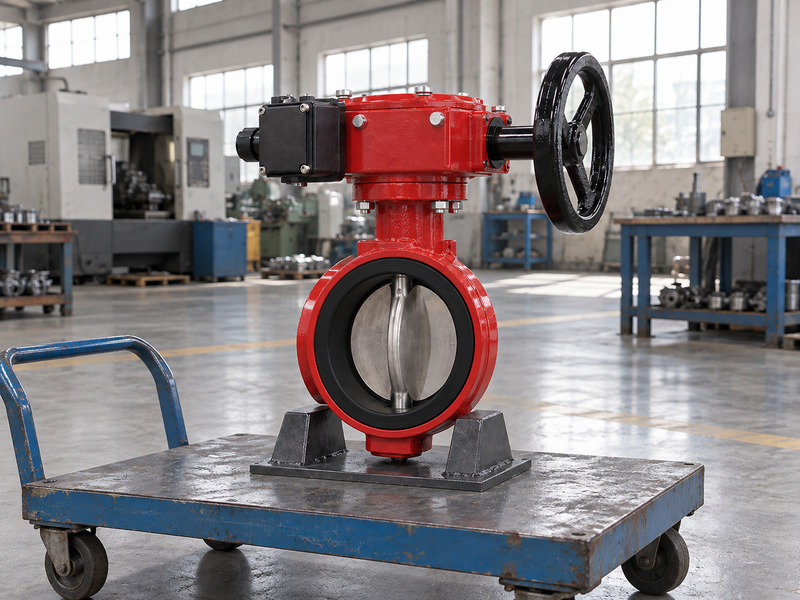
Where UL certification is claimed, UL’s Follow-Up Services guidance describes ongoing inspections at identified manufacturing locations to check continued conformity with the original certification requirements. Use the applicable product and manufacturing evidence for that claim. Do not assume every approval organization uses an identical document or location-authorization format.
Follow the proposed product through the stated location
Request a review route tied to a representative product or work order, subject to the supplier’s confidentiality arrangements. The route should connect incoming parts, controlled assembly, inspection, and release documentation. If another location performs a stage, have the manufacturer identify it and explain how the product records return to the final package owner.
- Confirm which location performs final assembly and inspection.
- Match the proposed production source with the applicable approval claim.
- Record outsourced or remote stages and their document interfaces.
| Source claim | Review evidence |
|---|---|
| Final assembly at the stated factory | Relevant work area and linked production record |
| Inspection by a separate party | Agreed inspection scope and report ownership |
| Product certification claim | Applicable product and manufacturing scope |
Keep the source-review item open when the offered product cannot be followed through the stated route.
3. Which processes does the manufacturer control?
Your butterfly valve with supervisory switch manufacturer should identify who controls casting, machining, coating, assembly, purchased accessories, and final inspection for the proposed product. Review the processes that determine its fit and function. The number of machines in a video does not establish whether the supplier controls the gear-switch configuration you intend to buy.
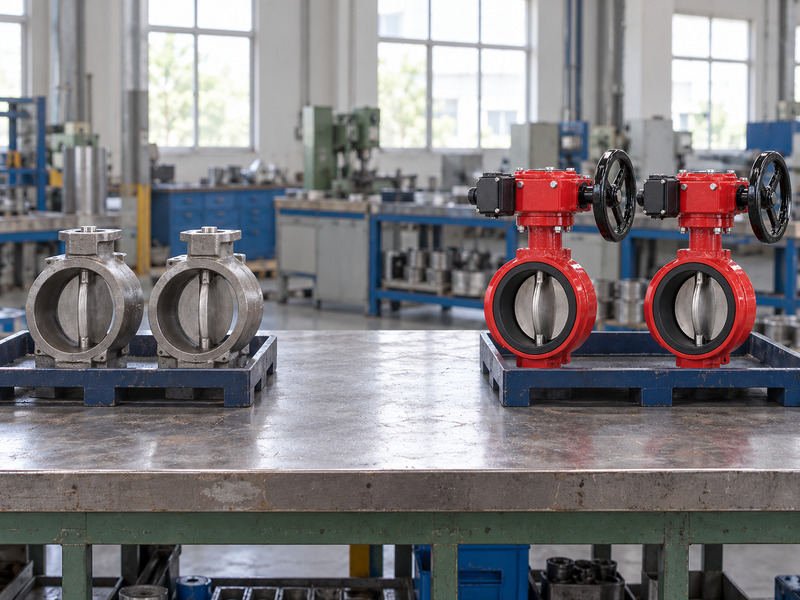
Body styles can require different drawings and manufacturing arrangements. A flanged butterfly valve has integral connection flanges; its route should correspond to that actual structure. Evidence for another body style provides limited support unless the manufacturer explains its relevance to the proposed product.
Put outsourced work inside the quality agreement
Ask how the manufacturer specifies outsourced items, accepts them, and deals with deviations before assembly. Give special attention to interfaces between the valve shaft, gear, mounting hardware, and supervisory mechanism. The final package owner should retain the accepted component identities and the records needed to investigate a later mismatch.
- List in-house and outsourced stages for the offered structure.
- Identify incoming acceptance requirements for purchased accessories.
- Assign responsibility for correcting an interface mismatch.
| Production stage | Ask the manufacturer to identify |
|---|---|
| Body and shaft manufacture | Drawing, material, and inspection control |
| Gear and switch sourcing | Approved component identity and acceptance route |
| Final assembly | Applicable instructions and responsible organization |
| Release | Reviewer, criteria, and linked records |
A process map becomes useful when each stage points to a controlled requirement and an accountable owner.
4. What freezes the valve, gear, and switch configuration?
Freeze the accepted assembly drawing, component identities, and relevant revisions before batch production. A butterfly valve with supervisory switch manufacturer should connect that baseline with the approved sample or qualification evidence where applicable. The baseline must describe what will be supplied closely enough for both sides to identify a change.
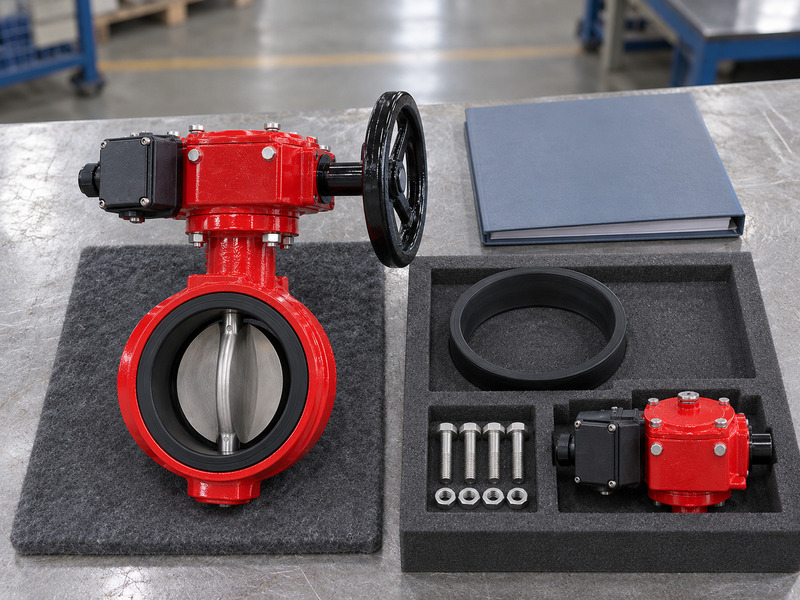
For a grooved end butterfly valve, include the actual valve connection and its mating requirements alongside the operator and supervision arrangement. A product-family name alone leaves room for different parts. Its public product page also cannot establish that a particular supervisory combination has the required fire-service approval.
Freeze functional interfaces alongside the bill of materials
Define a bill of materials that identifies the relevant valve components, gear, switch, mounting pieces, and enclosure details. Record the permitted normal-position arrangement and the exact instructions that apply. Agree which supplier changes require notice, technical review, or renewed acceptance before they enter an order.
- Link the accepted sample to drawings and component revisions.
- Identify function-relevant accessories rather than naming only the valve body.
- Record the effective batch or order for every accepted revision.
| Baseline element | What must stay identifiable |
|---|---|
| Valve construction | Body, shaft, disc, seat, and connection configuration |
| Operator package | Gear identity, mounting, and orientation requirements |
| Supervisory arrangement | Switch identity, sensing mechanism, and normal-position basis |
| Accepted version | Drawings, instructions, and effective order or batch |
Production release should reference this baseline so a familiar product name cannot conceal a component change.
5. How should purchased components stay traceable?
Track purchased gear and switch components through the manufacturer’s accepted identification and receiving system. Ask your butterfly valve with supervisory switch manufacturer how it links incoming accessories with the assembly and release record. The method may use part identity, lot information, individual identification, or a documented combination appropriate to the product.
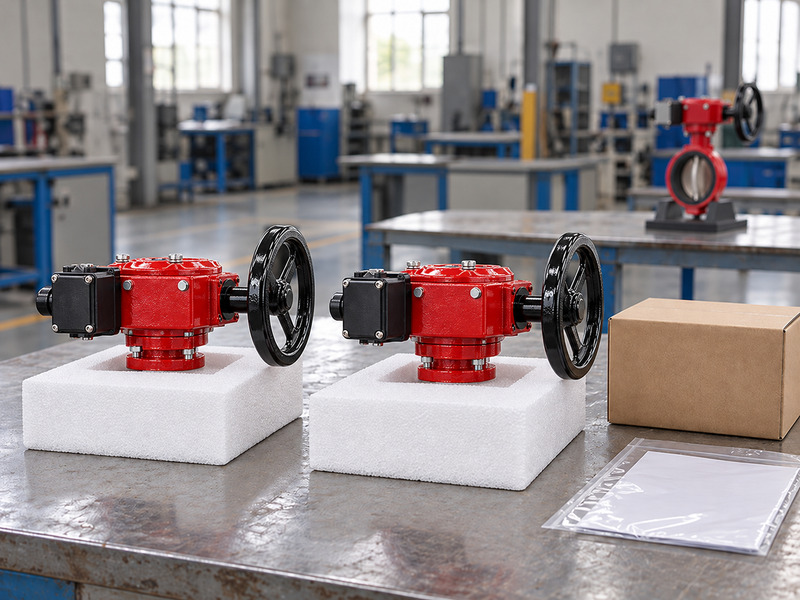
Different housings can look similar while containing different mechanisms or contact arrangements. Require written confirmation of the supplied component identity and its permitted role. A spare from the same supplier still needs a configuration check before it can be accepted for an existing supervised assembly.
Ask for a demonstrable component-to-assembly link
During a supplier review, choose an available product record and ask the manufacturer to demonstrate its actual traceability method. It should identify the accepted gear and switch configuration without relying on an employee’s memory. Avoid prescribing a universal serial-number system that the product does not use; specify the traceability result you need.
- Obtain the actual accessory identification method before placing the order.
- Check that receiving acceptance records remain retrievable.
- Define the evidence required for a proposed replacement component.
| Component record | Question it should answer |
|---|---|
| Purchase specification | What accessory was ordered? |
| Receiving record | What identity was accepted into production? |
| Assembly record | Which accepted component configuration entered this product? |
| Replacement request | Does the proposed item match the permitted arrangement? |
The manufacturer should explain any gap that prevents an accessory from being associated with its supplied assembly.
6. Who approves mechanical and electrical interfaces?
The butterfly valve with supervisory switch manufacturer should own the interfaces within its supplied assembly and identify which project specialists review external interfaces. Define these responsibilities in the technical agreement. A supplier’s approval of mechanical fit does not settle compatibility with a project’s monitoring input or panel configuration.
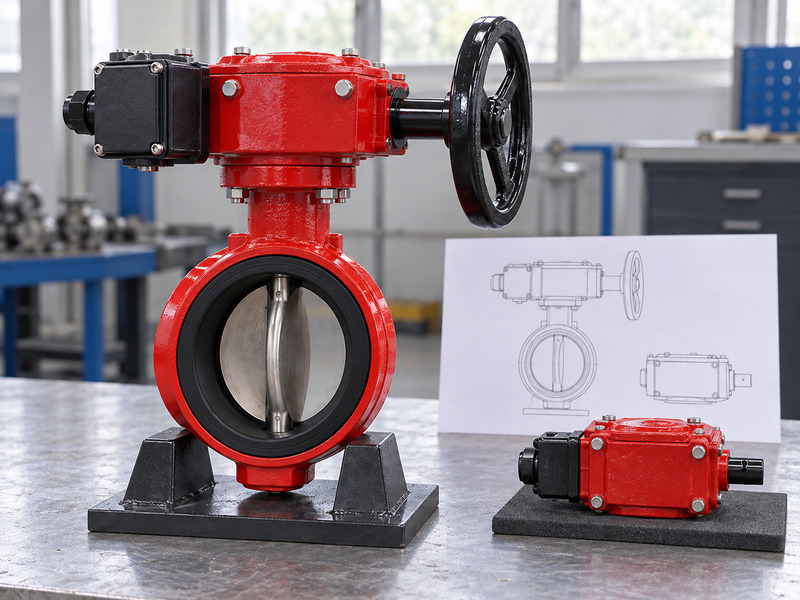
A wafer butterfly valve needs its own companion-flange and disc-clearance review, while the operator and enclosure add an access envelope. The manufacturer should supply the relevant assembly drawing and electrical requirements. The qualified project team should confirm the piping connection and monitoring interface against the actual installation design.
Require an interface owner for every unresolved item
Have the manufacturer identify the permitted valve-gear-switch relationship, relevant operating limits, intended supervisory output, and applicable instructions. Assign external coupling or flange selection, input compatibility, point naming, and site acceptance to the appropriate project reviewers. Keep electrical values and connection details within the exact equipment documentation and approved design.
- Identify internal assembly interfaces covered by the supplier’s proposal.
- Name the reviewer for piping and electrical system interfaces.
- Obtain accepted responses to interface conflicts before production release.
| Interface | Manufacturer’s submittal | Project review |
|---|---|---|
| Valve and operator | Assembly fit and operating basis | Required mechanical duty |
| Switch mechanism | Intended output and permitted arrangement | Required supervision function |
| External piping | Connection dimensions and restrictions | Mating system and layout |
| Monitoring input | Electrical requirements and instructions | Selected input and panel compatibility |
An unassigned interface should remain a recorded open item instead of becoming an assumption passed to site personnel.
7. What separates qualification from factory release?
Qualification establishes the suitability of a documented design within its stated scope; factory release records show the agreed checks on supplied products. A butterfly valve with supervisory switch manufacturer should distinguish those evidence types in its document index. Neither a sample test nor a routine inspection report can automatically answer every design and production question.
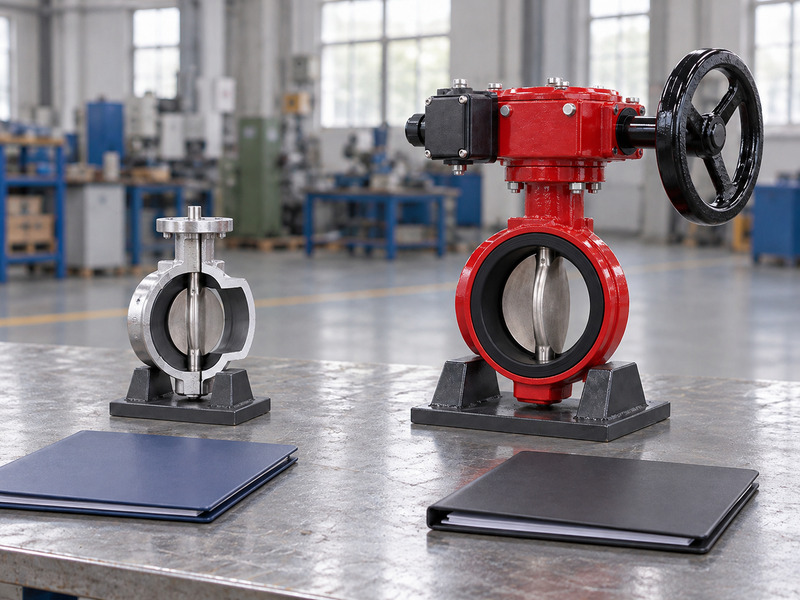
UL’s explanation of third-party certification distinguishes representative product evaluation and ongoing factory surveillance from testing limited to particular samples. That description concerns UL’s program. Review the applicable scheme and actual product documents rather than treating every test report as a product listing.
Give each required result a defined scope
Agree the inspection and test plan before production, including product identification, acceptance criteria, records, and any witnessing. Keep pressure-boundary results separate from mechanical function and supervision records. The installed monitoring response remains a project acceptance task; a factory contact observation does not establish how the final panel will represent an event.
- Identify the design or qualification evidence supporting the offered version.
- Define agreed inspections and records for the supplied batch or product.
- State where project acceptance begins and who owns it.
| Evidence | Scope to establish | Limit to preserve |
|---|---|---|
| Design or qualification | Evaluated configuration and conditions | Applies within documented coverage |
| Factory release | Identified supplied product and agreed checks | Covers recorded inspections |
| Project acceptance | Installed asset and approved monitoring arrangement | Requires authorized project verification |
Document gaps by evidence type so an available report cannot silently replace a different required result.
8. Can a product identity lead you back to its records?
Yes, if the butterfly valve with supervisory switch manufacturer has a documented identification system connecting the supplied item with its accepted configuration and production evidence. Test that connection during supplier approval. Choose a record-based check that the manufacturer can repeat when an OEM later reports a mismatch or requests a replacement.
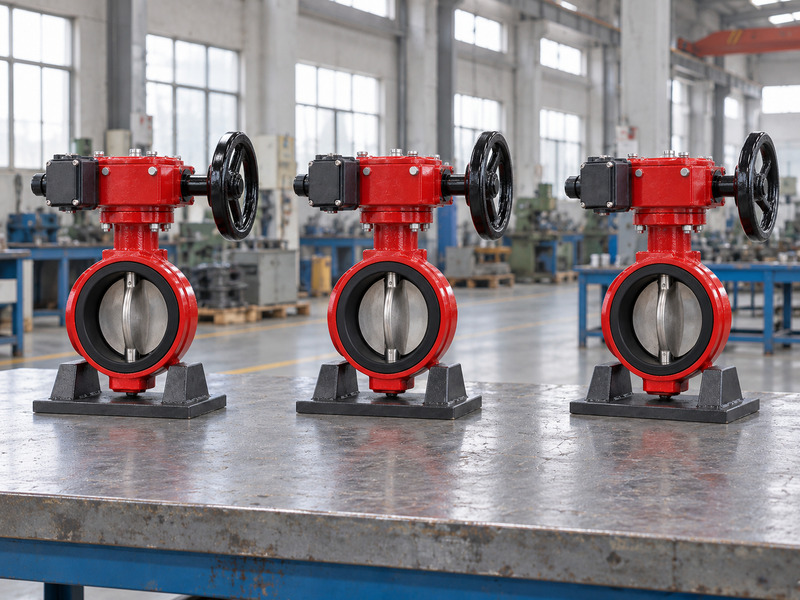
Ask the supplier to work back from an actual product identity to the relevant assembly revision, accessory identity, inspection results, and shipment reference. The available level of identification should be stated in the quality agreement. Individual and batch records have different boundaries; the buyer needs to know what can be traced in each case.
Review the retrieval result before approving repeat supply
Examine whether the retrieved records describe the same configuration as the product and order. Check how the manufacturer records rework, rejected parts, accepted deviations, and any replacement accessories before release. These questions test the record chain without requiring the buyer to prescribe the supplier’s entire production system.
- Agree what the product’s actual identification method can resolve.
- Check the revision and accessory information in retrieved records.
- Record retrieval gaps and the corrective action before approval.
| Retrieval starting point | Expected record connection |
|---|---|
| Product or batch identity | Applicable order and accepted configuration |
| Configuration revision | Component identities and relevant instructions |
| Release record | Inspection results and accepted deviations |
| Shipment reference | Packing allocation and document package |
A successful retrieval should let the reviewer explain which supplied items the evidence covers.
9. How should repeat orders and changes be controlled?
Control repeat orders against an identified accepted configuration and review changes before they affect supply. A butterfly valve with supervisory switch manufacturer should state its notification and approval responsibilities in the quality agreement. A repeat part description cannot establish that the gear, switch, manufacturing source, or relevant documents remain unchanged.
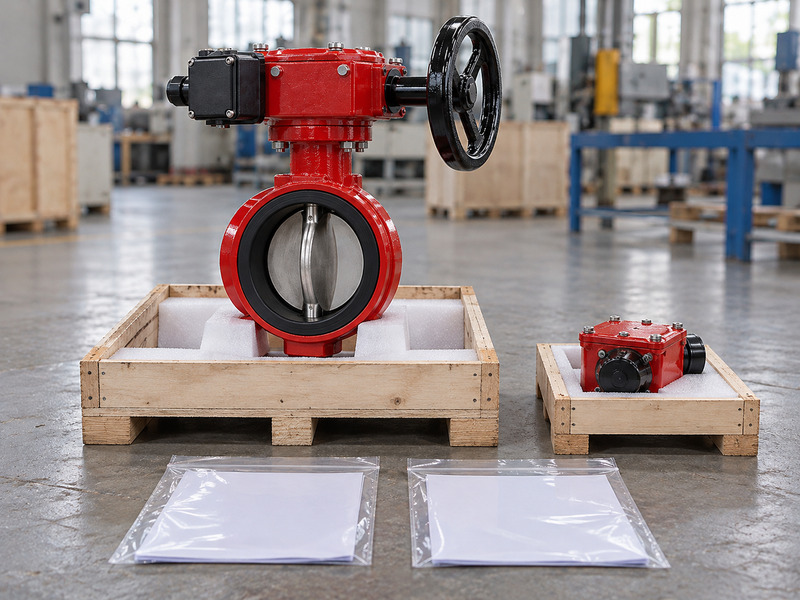
For products bearing UL marks, UL’s guidance on construction changes describes submitting changes for acceptance before implementation and revising the applicable procedure when authorized. That is a scheme-specific example. The manufacturer must determine the applicable approval obligations for its actual proposed change.
Give each change a decision and an effective release
Require a change notice describing the affected parts, reason, technical impact, approval impact, and proposed effective orders or batches. Retain the accepted decision with revised documents and any required verification. At shipment, supply the agreed configuration index, product-linked records, current instructions, accepted deviations, and packing references.
- Require notification of relevant component, source, and document changes.
- Define who reviews technical and approval impacts before acceptance.
- Link revised records and spare-part information with the affected release.
| Proposed change | Review before acceptance |
|---|---|
| Gear or switch | Fit, mechanism, output role, and approval scope |
| Manufacturing source | Process responsibility and applicable approval obligations |
| Valve construction | Materials, ratings, interfaces, and supporting evidence |
| Document revision | Technical effect and affected product releases |
Release the repeat order against the accepted revision and retain the change decision with its delivery records.
10. Which manufacturer questions remain before an order?
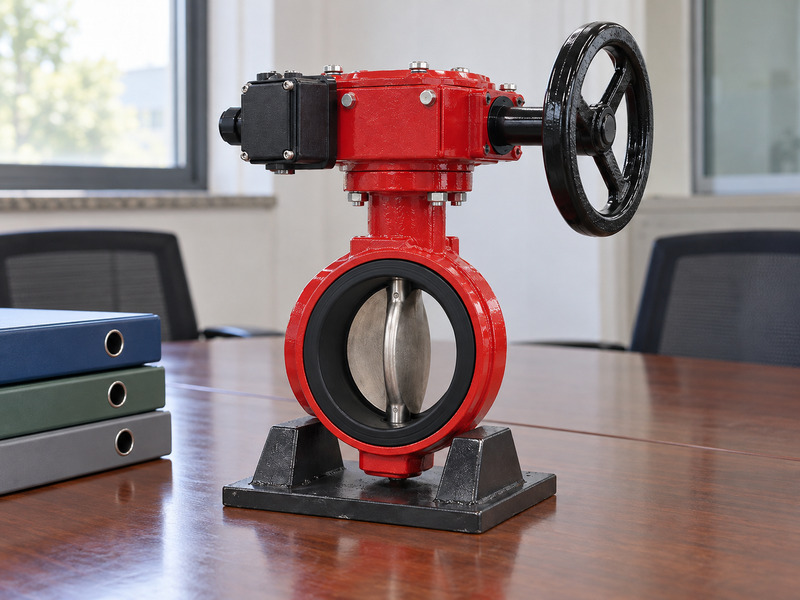
Before ordering, ask a butterfly valve with supervisory switch manufacturer to close gaps in product identity, production responsibility, configuration control, evidence, and change ownership. Keep the answers with the technical agreement so later releases can be compared with the accepted basis.
Q1. Can I approve a manufacturer from its certificate folder?
No. Review the exact product evidence alongside the production route, component control, and release records. Certificates have defined subjects and scopes; their presence alone does not identify the assembly that will be delivered.
Q2. Can a manufacturer outsource the gear or switch?
It can use an accepted production route where the proposed configuration and applicable approval arrangements permit it. Confirm incoming component identity, assembly responsibility, and traceability. Outsourcing still needs a named owner for the complete supplied package.
Q3. How do I know whether the sample matches production?
Link the accepted sample to the configuration baseline and require production records to reference the effective version. Review changes to the valve, operator, switch, mounting, and relevant instructions before accepting a later release.
Q4. Can a normal supervisory signal prove valve performance?
No. It represents the defined condition of the documented supervision arrangement and selected input. It does not establish water availability, flow, a clear passage, or seat tightness. Request separate evidence for each required performance claim.
Q5. What can I ask RUITO to review?
Ask RUITO to review the valve requirement, manufacturing and document scope, and proposed configuration questions. Provide the required supervisory assembly identity and approval expectations. Availability of a specific switch package and its applicable product evidence must be confirmed for the proposal.
To request that review, contact us with the valve schedule, required configuration, target-market documents, and supplier-quality requirements. Ask for an identified document owner and written exceptions before authorizing production.