
How to Check Butterfly Valve Supplier Records Without Mistakes
A butterfly valve with supervisory switch supplier should deliver identifiable hardware with the applicable technical documents, source evidence, accepted exceptions, and receiving information agreed for the order. A supplier stock code is difficult to review when nobody can connect it with the original assembly. Establish that connection before purchase and preserve it through delivery, receipt, and later parts enquiries.
1. What can a butterfly valve with supervisory switch supplier trace?
A butterfly valve with supervisory switch supplier should trace each ordered line from the accepted proposal to the supplied assembly and its supporting documents. Define that relationship in the order record. A commercial description such as “supervised valve” leaves too much uncertainty when several body styles, operators, or switch arrangements share a supplier’s catalogue.

Ask for a cross-reference between your enquiry line, the seller’s stock code, the manufacturer’s product identity, the relevant accessory configuration, and the accepted document revisions. Use the supplier’s actual product or batch identification method. The buyer should be able to explain which delivered item satisfies each accepted order line.
Keep the commercial code and manufacturer identity together
A supplier SKU can support ordering and stock control without replacing the manufacturer’s assembly description. Require a documented mapping when names or codes differ across the offer, packing list, product information, and technical records. Resolve an ambiguous cross-reference before it becomes a receiving problem.
- Link the enquiry and purchase-order lines with the offered configuration.
- Preserve the manufacturer identity alongside the seller’s code.
- Identify accepted options and exceptions within the same mapping.
| Order reference | Relationship to preserve |
|---|---|
| Buyer line or tag | Required service and accepted scope |
| Supplier SKU | Commercial item being supplied |
| Manufacturer identity | Actual valve and accessory configuration |
| Document reference | Applicable technical basis for that supply |
Keep a line open when the supplier can name a stock code but cannot identify the assembly behind it.
2. Who owns the package across the supply chain?
Identify who owns the complete supply response when a butterfly valve with supervisory switch supplier uses another manufacturer or third-party accessories. The seller, valve maker, operator source, and switch manufacturer can have different responsibilities. Procurement needs a named contact who can assemble their responses into one reviewable package.
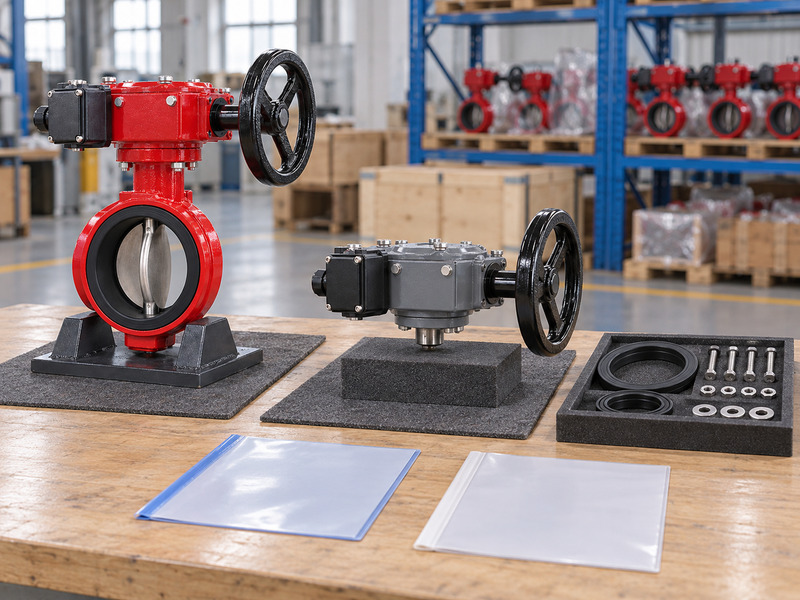
A grooved end butterfly valve order may include valve hardware, mating components, supervision accessories, and project documents with different sources. Define which items are supplied and who confirms each interface. The product connection category alone cannot establish that the seller supplies or approves every accessory.
Assign questions to the party that can answer them
Ask the seller to identify the manufacturer responsible for the proposed valve assembly and the origin of separately supplied parts. Record who provides application confirmation, product evidence, instructions, replacement support, and delivery corrections. A referral to another company should include a clear route for returning the answer to the accepted order record.
- Name the accountable seller for the contracted delivery.
- Identify technical responsibility for the complete proposed package.
- Record the source and support owner for separate accessories.
| Supply responsibility | Owner to identify |
|---|---|
| Ordered scope and delivery | Contracted seller |
| Valve and operator information | Responsible equipment manufacturer |
| Separate accessory evidence | Identified component source |
| Consolidated technical response | Agreed package contact |
An unresolved interface still needs an owner even when all individual items have named suppliers.
3. Where should the technical documents come from?
Obtain applicable original-manufacturer documents through the butterfly valve with supervisory switch supplier and identify any seller-created schedules separately. The reviewer needs to know who issued each document, which product it covers, and which revision applies. A supplier’s combined catalogue sheet can introduce an offer but may leave the underlying technical basis unclear.

Request the relevant valve and operator data, switch instructions, permitted accessory information, agreed inspection records, and required product evidence. Ask the supplier to identify the source of manufacturer documents and preserve their original technical content. A newer download should be checked for applicability to the offered product version before replacing an older order document.
Use a document index that survives forwarding
Record the issuer, title or document identifier, revision, product applicability, and delivery status in an index tied to the order. Keep seller translations or summaries identifiable and refer technical discrepancies to the issuing source. The index should let the receiving and project teams find the applicable instructions without reconstructing the email history.
- Distinguish original technical documents from seller cross-reference schedules.
- Check the revision against the actual offered configuration.
- Record missing documents and the party responsible for obtaining them.
| Document field | What it lets the buyer verify |
|---|---|
| Issuer | The source responsible for the technical content |
| Identifier and revision | The version used for the order |
| Product applicability | The assembly or component covered |
| Delivery status | What is available and what remains outstanding |
An unexplained change of document source or revision should return to the technical reviewer before acceptance.
4. Does source evidence establish product approval?
Source evidence from a butterfly valve with supervisory switch supplier establishes only the commercial or supply relationship it actually describes. Product approval still needs evidence for the exact valve, operator, switch, and permitted assembly scope. A seller’s authorization letter or purchasing record cannot expand the conditions in a product listing.

UL’s certification database guidance describes using identifiers to locate product or component certification information. Compare the actual product record with the offered identity and stated coverage. Keep this review separate from confirming who sold, stocked, or forwarded the equipment.
Review the subject of each piece of evidence
If the supplier claims a manufacturer relationship or brand authorization, ask for evidence from the identified issuing party and check its relevant scope. Then obtain the separate product evidence required by the project. Record any difference in manufacturer, model, rating, size, operator, switch, or accessory arrangement for the responsible reviewer.
- Identify what the source document establishes about the seller.
- Verify product evidence against the exact offered configuration.
- Keep product and project acceptance conditions visible in the technical response.
| Evidence type | Question it addresses |
|---|---|
| Supply or authorization record | What relationship is documented? |
| Product certification record | What identified product and conditions are covered? |
| Assembly instructions | What configuration and use are permitted? |
| Project acceptance | Does the actual proposal meet the adopted requirements? |
Do not close the product-evidence item with a document that describes only the seller’s commercial relationship.
5. How should substitutions and missing documents be handled?
Require a butterfly valve with supervisory switch supplier to identify proposed substitutions and missing documents as exceptions requiring a decision. Silence should not become acceptance of a changed assembly. Define who reviews the difference, what evidence is needed, and whether the affected order line can advance under the project’s agreed process.

A substituted gear, switch, mounting arrangement, enclosure, or document version can change more than appearance. Ask the supplier to describe the actual difference and its effect on the accepted configuration. Keep a missing instruction or approval record distinct from a missing physical accessory so each issue reaches the right owner.
Make the exception specific enough to resolve
The exception record should identify the affected order line, required item, proposed alternative or missing evidence, responsible supplier contact, and requested decision. Refer technical and approval implications to the appropriate project reviewers. Retain the accepted response with the order rather than leaving it in an isolated commercial email.
- Require advance identification of changes to the accepted supply.
- Separate hardware exceptions from document-delivery exceptions.
- Record the responsible reviewer and the accepted treatment of each difference.
| Exception | Clarification needed |
|---|---|
| Different component | Identity, function, and permitted assembly relationship |
| Different document | Issuer, revision, and applicability |
| Missing evidence | Required content and responsible source |
| Partial shipment | Affected line and remaining scope |
An available replacement item should remain a proposal until its relevant differences have been accepted.
6. What must transport and storage preserve?
Transport and storage arranged by the butterfly valve with supervisory switch supplier should preserve the supplied configuration, its identification, and the condition required by the applicable instructions. Agree packaging and document protection alongside the delivery scope. Identify who will obtain the correct storage requirements if goods will wait before installation.
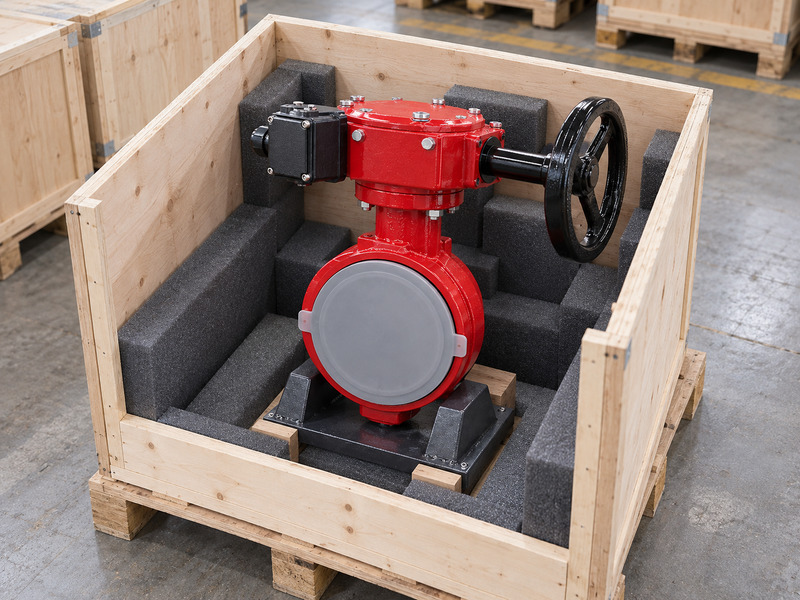
For example, the Series W719 manufacturer manual addresses receipt against the packing list and purchase order and gives storage requirements for that named double-eccentric valve. Obtain the corresponding instructions for the actual supervisory assembly. Its permitted storage and transport conditions must come from its own documents.
Separate protection requirements from condition claims
Request a packaging description that covers the valve, operator, switch enclosure, separate accessories, and protected documents. Ask how product identity remains associated with the packing references through any intermediate warehouse. If damage, exposure, or a storage condition is uncertain, obtain a documented review before the receiving team assumes the equipment remains acceptable.
- Obtain assembly-specific transport and storage instructions.
- Identify the protection and packing allocation for separate items.
- Preserve records of relevant delivery-condition questions and their disposition.
| Delivery element | Information to preserve |
|---|---|
| Complete assembly | Identity and applicable protection requirements |
| Separate accessories | Packing location and ordered configuration |
| Documents | Readable, retrievable copies tied to the supply |
| Intermediate storage | Applicable instructions and responsible custodian |
Keep unexplained condition changes associated with the affected item through receiving review.
7. What should receiving compare with the order?
Receiving should compare the butterfly valve with supervisory switch supplier’s delivered hardware, packing information, and documents with the accepted order and exceptions. Record what arrived without assuming that delivery itself completes technical acceptance. The receiving process should preserve the identity needed for the project team’s later review.
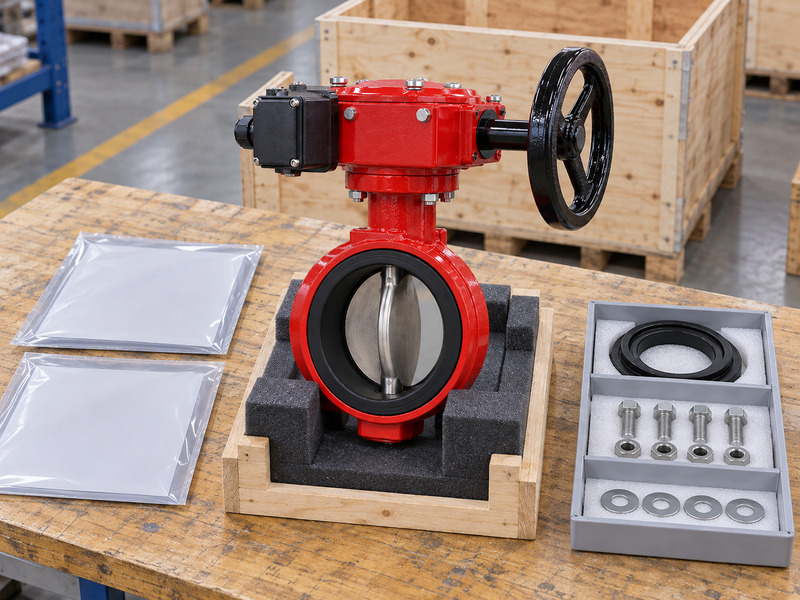
For a wafer butterfly valve or a flanged butterfly valve, compare the actual ordered body style and accessory arrangement rather than relying on a general valve description. Check separate parts and instruction packages against the agreed allocation. Record visible delivery discrepancies under the project’s receiving process.
Keep hardware receipt and document completeness distinct
The receiving record should identify the order line, delivered product reference, package contents, apparent condition, document status, and any exception. Have the designated reviewer decide whether an unresolved difference prevents technical acceptance or requires another agreed treatment. Receiving personnel should not infer interface compatibility or product approval from external appearance.
- Compare the delivered identity with the accepted order mapping.
- Record hardware and document discrepancies separately.
- Assign open technical questions to the named reviewer.
| Receiving comparison | Record outcome |
|---|---|
| Ordered identity versus delivered identity | Match or specific difference |
| Packing list versus contents | Items received and items outstanding |
| Required documents versus package | Applicable records available or missing |
| Apparent condition | Observations and required review |
Receipt records should leave the project team able to identify exactly what remains unaccepted or unresolved.
8. Who resolves a delivery discrepancy?
Name a butterfly valve with supervisory switch supplier contact who owns delivery discrepancies and coordinates responses from the relevant technical sources. The buyer also needs an internal reviewer for each issue. A warehouse question, a missing manual, and a proposed switch substitution may require different decisions even when they concern the same shipment.

Agree how unresolved items are identified and kept from being mistaken for accepted project material. Record the supplier’s proposed response, supporting evidence, and the person who can approve its treatment. Keep the affected asset or order reference intact when items move between receiving, storage, and the project team.
Close the issue with a decision and supporting evidence
Ask for a discrepancy record linking the original requirement, delivered condition, response owner, proposed action, and accepted outcome. Have technical differences reviewed by qualified project parties using the applicable manufacturer documents. Preserve any remaining restrictions when the issue is closed or transferred to another responsible team.
- Assign the supplier coordinator and buyer decision owner.
- Retain the actual requirement and delivered observation.
- Record the accepted action and evidence needed to complete it.
| Discrepancy type | Decision owner to identify |
|---|---|
| Quantity or packing difference | Supply and receiving coordinator |
| Missing original documentation | Supplier document source and technical reviewer |
| Configuration difference | Manufacturer and qualified project reviewer |
| Condition concern | Relevant technical source and accepting party |
A supplier’s response closes the issue only when the responsible reviewer has accepted its scope and evidence.
9. How should after-sales parts retain their identity?
After-sales support from a butterfly valve with supervisory switch supplier should connect the requested part with the original supplied assembly and its accepted records. Keep the commercial order reference available for future enquiries. A later stock code or similar accessory may describe a different product version from the one installed.
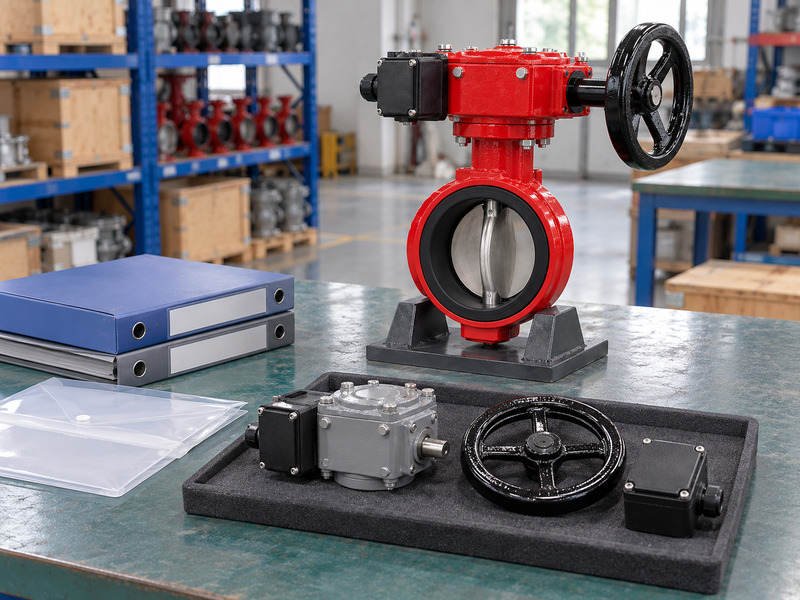
Ask the supplier to identify the technical source for replacement recommendations, applicable instructions, and any revised configuration. Record a change in parts source or product identity instead of treating it as an administrative update. The project’s accepting parties must review relevant effects on mounting, supervision, electrical compatibility, environment, and product evidence.
Request a replacement response that refers to the installed asset
Provide the original order mapping, available product identification, accepted changes, and current requirement when requesting support. Ask the seller to state the proposed part’s relationship with that record and any unresolved differences. Retain the accepted recommendation so another buyer can repeat the enquiry without relying on an individual salesperson’s memory.
- Preserve the original supply mapping for later parts requests.
- Identify the manufacturer or technical source behind the recommendation.
- Record accepted changes and affected instructions with the asset.
| Support record | Relationship to retain |
|---|---|
| Original order | Supplied assembly and accepted exceptions |
| Parts enquiry | Actual asset and replacement need |
| Supplier response | Candidate identity and technical source |
| Accepted change | Reviewed differences and current records |
Leave a candidate unaccepted when its relationship with the original assembly cannot be established.
10. What should buyers settle before accepting supply?
Before accepting supply, ask the butterfly valve with supervisory switch supplier to close identity, document-source, approval-evidence, substitution, receiving, and support questions. Assign remaining project decisions explicitly. The installed monitoring response still requires the qualified project team’s approved verification and acceptance process.

Q1. Can the supplier’s stock code replace the original model identity?
No. Keep a documented relationship between the commercial code and the actual assembly. The original product and accessory identity remain necessary for technical review, approval evidence, receiving, and later replacement enquiries.
Q2. Does a brand-authorization document prove the whole assembly is approved?
No. Review the relationship that the document covers, then obtain separate product evidence for the actual configuration. Any required project acceptance remains with the responsible accepting parties.
Q3. Can I treat a missing manual as a minor receiving issue?
Refer it to the designated technical reviewer. The relevant instructions can define configuration, restrictions, and the evidence needed for acceptance. Record the missing document and its responsible source before assuming the item can advance.
Q4. Does confirming receipt mean the installed supervision works?
No. Receipt establishes the recorded delivery observations. The installed physical position, selected input, event interpretation, and restoration require the applicable authorized project verification. A normal indication also cannot establish water availability, flow, passage clearance, or seat tightness.
Q5. What can I send RUITO for a supply-document enquiry?
Provide the required assembly description, order-line mapping, target-market evidence, delivery scope, and receiving-document requirements. Ask RUITO to state the proposed valve and documentation boundary, identify unresolved supervisory-accessory questions, and confirm any specific supply and evidence before treating it as included.
To establish that package, contact us with the enquiry schedule and document index. Request a written scope, named response owners, and explicit exceptions for the project’s technical review.