
Fix selection mistakes by defining the complete assembly, its normal valve position, permitted service and accepted supervision arrangement before ordering. A butterfly valve with tamper switch reports departure from its intended position through a mechanical switch arrangement. Waterflow detection and automatic shutoff require separate specified equipment.
A replacement valve arrives with matching pipe size and an enclosed operator, yet its normal position or switch arrangement differs from your schedule. Installation stops while purchasing seeks missing documents and a revised offer. Give bidders one assembly schedule covering mechanical duty, supervision, identification and acceptance evidence before comparing prices.
1. What should a butterfly valve with tamper switch include?
A butterfly valve with tamper switch purchase should identify the valve, operator, switch arrangement and required connection with the fire alarm system. State which parts each supplier provides. A valve-only price can leave mounting hardware, compatible monitoring equipment or commissioning responsibility outside your order.
Where should the purchasing boundary stop?
Define the package before comparing offers. Request an itemized assembly description showing supplied hardware, electrical interfaces and documents, with site work listed separately. A generic photograph cannot identify concealed switches, approved circuit duties or included accessories. RUITO can review application and assembly information; actual tamper-switch availability and fire-product approvals need confirmation for the proposed configuration.
- Identify every supplied valve and supervision component.
- Assign installation and commissioning responsibilities by party.
- List exclusions beside the quoted assembly description.
Key takeaway: Compare offers against one defined assembly and installation scope, with every exclusion visible.
| Check | What you should confirm |
|---|---|
| Valve package | Valve, operator and switch arrangement identified |
| System interface | Monitoring equipment and site wiring scope assigned |
| Handover | Documents and acceptance responsibilities agreed |
2. Which state suits a butterfly valve with tamper switch?
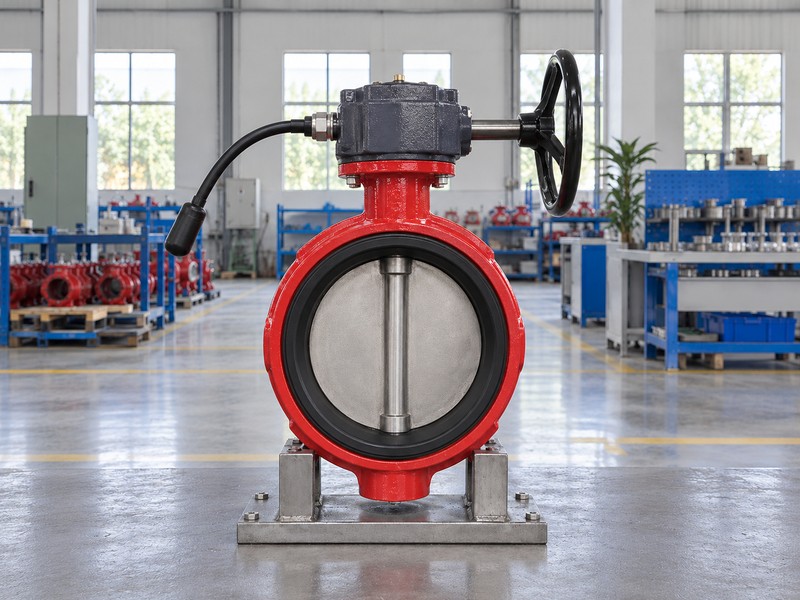
Choose a butterfly valve with tamper switch for the normal position required at its actual location. An open supply-control valve and a valve intended to remain closed need different selection reviews. Specify that mechanical position before discussing normally open or normally closed electrical contacts.
Can electrical contacts change the supervised position?
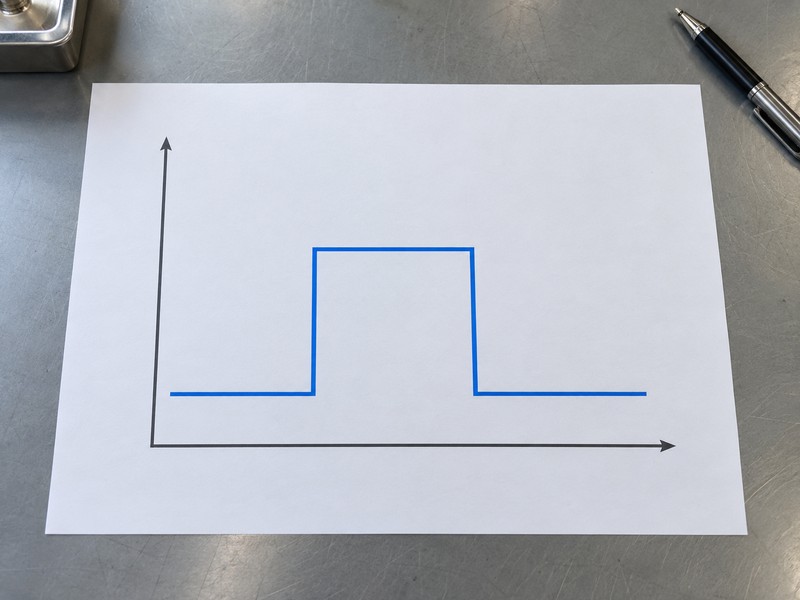
Choose the documented mechanical arrangement. Victaulic Series 705 product information states that this model supervises the fully open position and cannot supervise the closed position; other specific models serve closed-position duties. Swapping contact leads does not convert that mechanism. The sequence illustration shows an initial state, a changed state and restoration only; it contains no trip angle, contact polarity or measured response data.
- State normal valve position on each tagged schedule.
- Match that position with documented model capability.
- Keep mechanical position separate from contact terminology.
Key takeaway: Purchase a model designed for the intended supervised position at that valve location.
| Check | What you should confirm |
|---|---|
| Normal position | Project schedule states open or closed |
| Selected model | Manufacturer documents the supervised position |
| Contact state | Selected diagram defines electrical operation |
3. Which ends fit a butterfly valve with tamper switch?
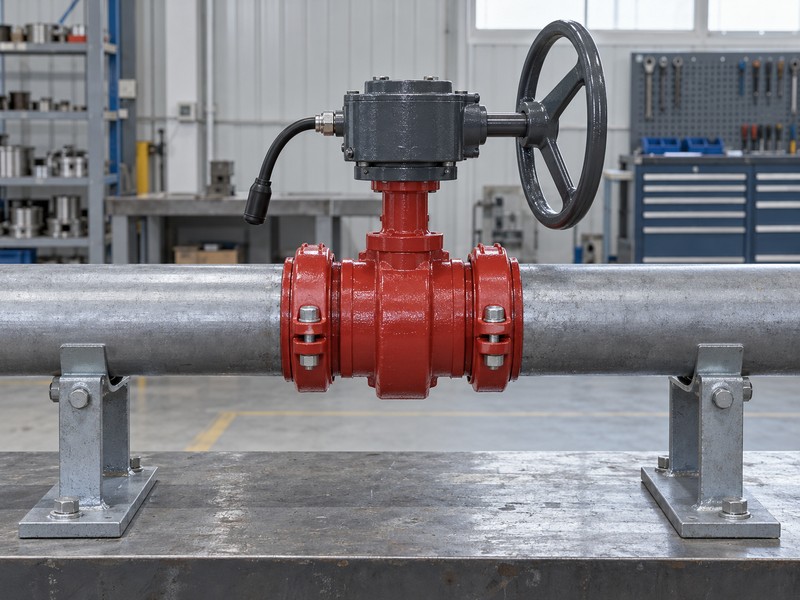
Mechanical fit for a butterfly valve with tamper switch depends on the actual pipe and coupling interface, beyond nominal diameter. For grooved ends, identify pipe outside diameter, groove profile, coupling model and gasket. Check installation length, disc clearance and operator access against the proposed pipe arrangement.
What belongs on the installation drawing?
Measure the installed connection. Record adjacent fittings, available removal space and any support needed to prevent assembly movement during handwheel operation. Coupling ratings and permitted pipe materials follow their selected instructions; one manufacturer’s approved combination cannot establish another assembly’s suitability. The straight installation illustration shows a generic arrangement, while your accepted drawing must identify actual connections and supports.
- Match outside diameter, groove profile and coupling.
- Check disc movement and handwheel clearance.
- Confirm pipe supports and accessible removal space.
Key takeaway: Approve the complete mechanical connection using its drawing and selected coupling instructions.
| Check | What you should confirm |
|---|---|
| Pipe interface | Outside diameter and groove geometry match |
| Joint | Coupling and gasket suit selected service |
| Installed space | Disc, operator and maintenance access clear |
4. What materials suit a butterfly valve with tamper switch?
Select a butterfly valve with tamper switch with materials suited to its water service and external exposure. Identify body, disc, shaft, seat, coating and any wetted accessories within one configuration. A material name alone leaves seal formulation, coating coverage and permitted service unresolved.
How should water service and exposure be separated?
Describe both sides of the valve. Supply water composition and temperature for wetted-part review, then describe outdoor weather, condensation, corrosion or possible washing around the operator. An enclosure described as weatherproof can still have restrictions on immersion or washdown. RUITO’s water-service material choices require application review, and any proposed fire-service assembly needs its own configuration and approval checks.
- Identify wetted materials and selected seal formulation.
- Describe external moisture and corrosion exposure.
- Check enclosure limits for the installed location.
Key takeaway: Review fluid compatibility and external protection against the same proposed assembly.
| Check | What you should confirm |
|---|---|
| Waterway | Materials suit actual water and temperature |
| Exterior | Coating and hardware suit local exposure |
| Operator | Enclosure restrictions match installation conditions |
5. What switch fits a butterfly valve with tamper switch?
For a butterfly valve with tamper switch, factory-installed internal supervision and external switch arrangements require configuration-specific review. Select the arrangement covered by applicable manufacturer information and project acceptance. Attaching a separate switch to an available bracket does not establish an approved assembly.
When can an external arrangement be accepted?
Request the actual accessory combination. The valve version, switch model, bracket, operating linkage and mounting position must follow the permitted arrangement, with approval coverage checked separately. Some product families restrict external accessories to versions supplied without internal switches. Retain access for inspection and maintenance, and obtain selected replacement-part instructions before allowing a different switch or mounting kit into the order.
- Identify integral or external supervision in writing.
- Match accessories with the permitted valve version.
- Review substitution effects on function and approvals.
Key takeaway: Approve a documented valve-and-switch combination before treating an accessory as interchangeable.
| Check | What you should confirm |
|---|---|
| Integral | Factory configuration and circuit duties documented |
| External | Valve, switch and mounting combination identified |
| Replacement | Permitted parts and adjustment instructions retained |
6. What input suits a butterfly valve with tamper switch?
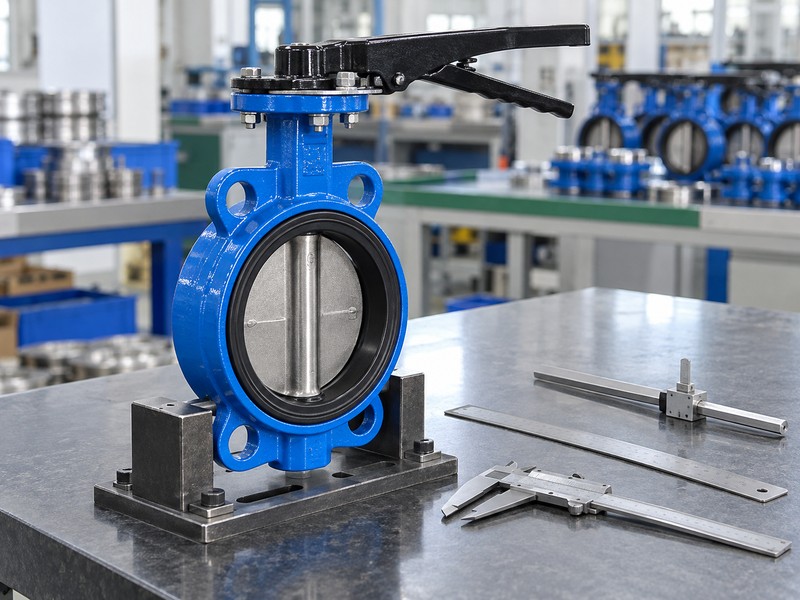
Connect a butterfly valve with tamper switch through a compatible fire alarm input arrangement for its assigned supervisory duty. Ask the responsible system designer to identify the control panel and selected monitoring module or input circuit. Procurement should retain that interface requirement in the assembly schedule.
Which interface decisions need project approval?
Keep circuit duties explicit. The designated supervisory contact and any auxiliary contact can have different permitted uses, even within one operator housing. Input-module compatibility, programming, circuit supervision and end-of-line topology follow the selected panel equipment and approved project documents. Specify who supplies those items and records the valve location, so a compatible contact arrangement reaches the correct identified input during commissioning.
- Record panel identity and selected monitoring input.
- Assign supervisory and auxiliary duties separately.
- Retain approved interface and programming requirements.
Key takeaway: Close compatibility with the responsible alarm-system designer before releasing the complete package.
| Check | What you should confirm |
|---|---|
| Contact duty | Manufacturer permits the assigned circuit use |
| Panel interface | Selected input accepts the proposed arrangement |
| Programming | Project identifies point location and event type |
7. What ratings apply to a butterfly valve with tamper switch?
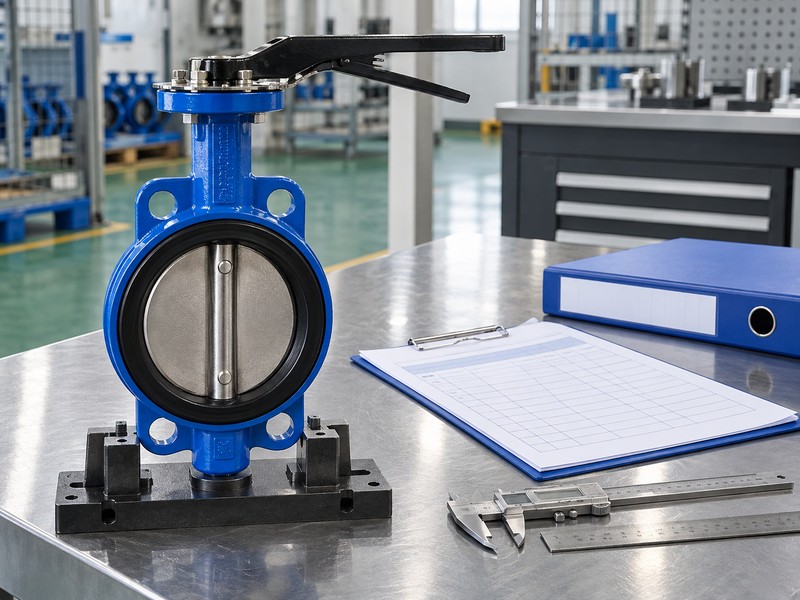
Separate hydraulic, mechanical and electrical limits when reviewing a butterfly valve with tamper switch. Working pressure belongs to the permitted valve-and-joint configuration, while switch contact ratings govern their stated electrical duty. Neither a pressure-test value nor a contact voltage rating defines the complete assembly’s operating conditions.
How should buyers compare catalogue ratings?
Compare ratings at their stated conditions. Check pressure and temperature within the same valve material, size and connection, including restrictions from the coupling and gasket. Read contact ratings as allowable switching duties rather than a required power supply or assumed current draw. Request clarification where an offer gives one voltage without identifying its purpose, and retain separate limits for the selected input equipment.
- Check working limits for the complete joint.
- Keep test pressure separate from service pressure.
- Read contact ratings within their stated duty.
Key takeaway: Compare equivalent operating conditions without combining unrelated maximum values from different components.
| Check | What you should confirm |
|---|---|
| Hydraulic | Pressure and temperature apply to one configuration |
| Electrical | Contact duty differs from circuit supply needs |
| Evidence | Rating definitions match selected component documents |
8. What records prove a butterfly valve with tamper switch?
Keep records for a butterfly valve with tamper switch that identify its actual model, size, materials and supervision arrangement. Check required fire-product listings or approvals against that exact scope and destination. A general quality certificate or unrelated pressure report cannot establish approval for the ordered assembly.
Which identifiers should purchasing retain?
Connect each document with the supplied item. Retain manufacturer identity, model and part number, applicable drawing revision, installation instructions and a traceable approval record where required. Verify claimed coverage through the issuing organization’s available records rather than a logo pasted into an offer. For a proposed RUITO supply package, confirm tamper-switch availability and any required UL/FM coverage against the exact configuration.
- Match model and part number across records.
- Check approval scope for size and configuration.
- Retain accepted drawings and current installation instructions.
Key takeaway: Release the order against a verifiable configuration and its matching documents.
| Check | What you should confirm |
|---|---|
| Identity | Quote, marking and documents describe one item |
| Approval | Required coverage matches exact supplied configuration |
| Revision | Accepted instructions and drawings remain traceable |
9. What tests accept a butterfly valve with tamper switch?
Plan mechanical acceptance and installed supervision checks for a butterfly valve with tamper switch against the selected equipment. Define those records before delivery. A successful water pressure test supports its stated pressure or leakage acceptance; it cannot demonstrate an electrical signal at the fire alarm input.
What should the acceptance record capture?
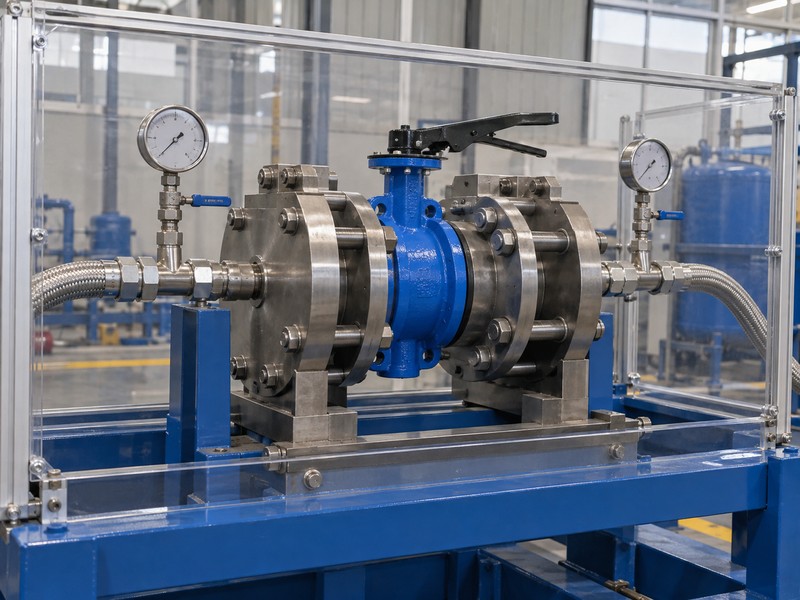
Assign checks to the responsible parties. Record valve identity, intended normal position, permitted operating movement and observed supervisory event at the identified panel input, followed by restoration. Circuit-fault checks follow the selected panel and project procedure, while hydraulic checks retain their own scope. The pressure-test image illustrates a generic hydraulic fixture only; it provides no evidence about switch operation or installed supervision.
- Link mechanical records with the delivered valve.
- Record position change and restoration at the panel.
- Keep circuit-fault and hydraulic acceptance evidence distinct.
Key takeaway: Request acceptance evidence for both the physical valve and its installed supervisory interface.
| Check | What you should confirm |
|---|---|
| Mechanical | Fit, operation and identification meet accepted scope |
| Supervision | Installed input reports the required event |
| Restoration | Valve and panel return to accepted states |
10. What quote covers a butterfly valve with tamper switch?
Ask for a butterfly valve with tamper switch quotation that states its selected configuration, supplied items, exclusions, documents and acceptance support. Replacement enquiries also need original markings, connection dimensions and the existing supervision arrangement. A similar-looking operator can conceal a different mechanical position or circuit duty.
How should replacements and delivery be controlled?
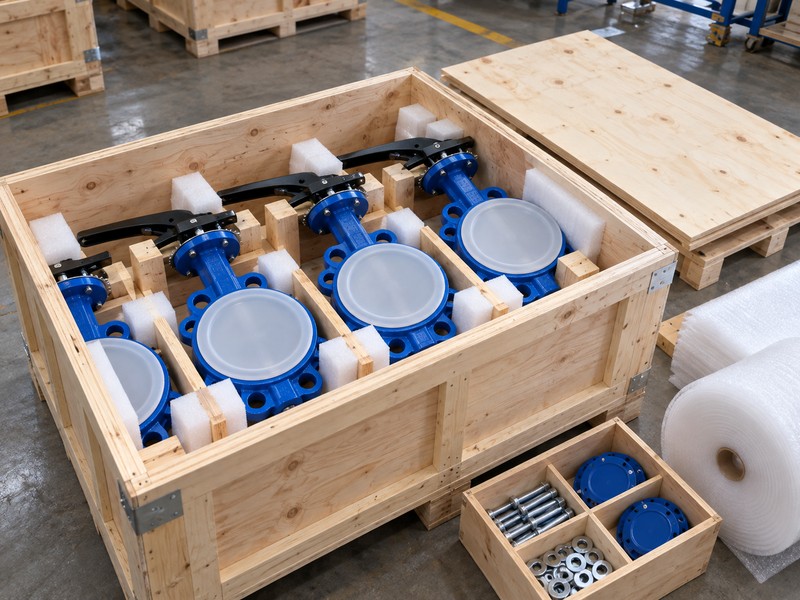
Send bidders an identified package. Include valve tags, drawings, normal position, service conditions, panel interface and required approvals, then request a written list of deviations. Separate component replacement from full assembly replacement and follow manufacturer restrictions on permitted parts. Confirm actual availability, cost, packing protection and delivery after technical review; require renewed review when a substitute changes approved scope or acceptance requirements.
- Supply original identity and actual interface dimensions.
- Request itemized scope and written technical deviations.
- Control substitutions before packing and shipment release.
Key takeaway: Purchase an identified assembly with an agreed replacement scope and documented handling of deviations.
| Check | What you should confirm |
|---|---|
| Enquiry | Tagged duty and interfaces describe the replacement |
| Quotation | Items, documents and exclusions are explicit |
| Delivery | Accepted identity and protected accessories remain traceable |
Send RUITO the valve tag, normal position, service conditions, connection drawing and required approval documents. We can review application and assembly information, then confirm the proposed supply scope and outstanding checks. Contact us with those details for a configuration-specific enquiry.
FAQ
Q1: Does a tamper switch prove water is flowing?
No. It supervises mechanical valve position. Waterflow detection requires its own specified device and acceptance checks.
Q2: Can swapping contact leads change open supervision to closed?
No. Select a valve and switch arrangement documented for the intended normal position; changing leads does not convert its mechanism.
Q3: Can any external switch make a valve fire approved?
No. Check the exact valve, switch, mounting arrangement and applicable approval coverage before accepting the proposed combination.
Q4: Does the switch contact rating specify its power supply?
No. Contact ratings define stated electrical switching duties. Circuit supply and input compatibility follow the selected alarm equipment.
Q5: What should I send for a replacement quotation?
Provide original model and markings, normal position, service conditions, connection dimensions, existing supervision arrangement and required project approvals.