
How to Avoid Butt Weld Butterfly Valve Buying Mistakes
Choose a BW type metal to metal seated butterfly valve manufacturer after confirming the end construction and the responsibilities for welding and acceptance. BW can identify a product series or describe a butt-weld connection, so the approved drawing must resolve its meaning. For a confirmed butt-weld proposal, review the valve, pipe ends, fabrication procedure, manufacturer restrictions, and post-weld checks as one purchasing package.
1. Which BW type metal to metal seated butterfly valve manufacturer?
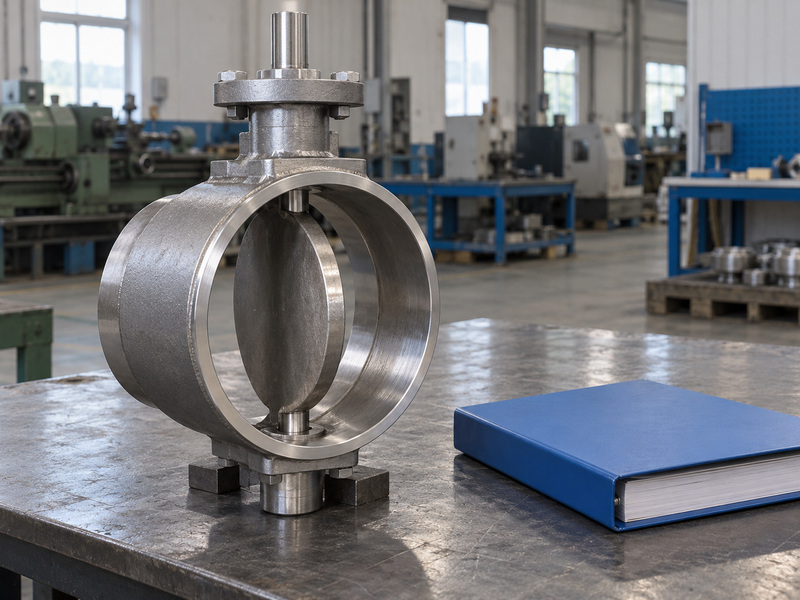
Choose a manufacturer that can define the proposed construction and support the required fabrication handover. Your BW type metal to metal seated butterfly valve manufacturer should confirm whether BW describes a series name, a connection, or another internal designation. Require a drawing that explicitly identifies butt-weld ends before planning a welded installation.
Confirm the connection before comparing manufacturing offers
Separate the series name from its available body options. A series can include several connection forms, so two letters on an offer cannot settle the interface. State the requested end construction in full on the enquiry and supplier acknowledgement. If the offer conflicts with the drawing, resolve that discrepancy before the fabricator allocates pipe, tooling, or inspection resources.
RUITO’s butterfly valve range provides context for its published product families, including soft-seat and lined constructions. It does not confirm an all-metal-seated butt-weld range. Ask for written confirmation of the proposed configuration and supporting documents instead of treating the search phrase as an existing RUITO model description.
- Write the required end construction in full.
- Identify the drawing and revision behind the offer.
- Resolve conflicting catalogue, quotation, and drawing descriptions.
| Description | Required clarification |
|---|---|
| BW designation | Series name, connection, or internal code |
| Butt-weld proposal | Explicit end construction on approved drawing |
| Manufacturer offer | Confirmed scope and available supporting records |
2. What must the weld-end drawing show?
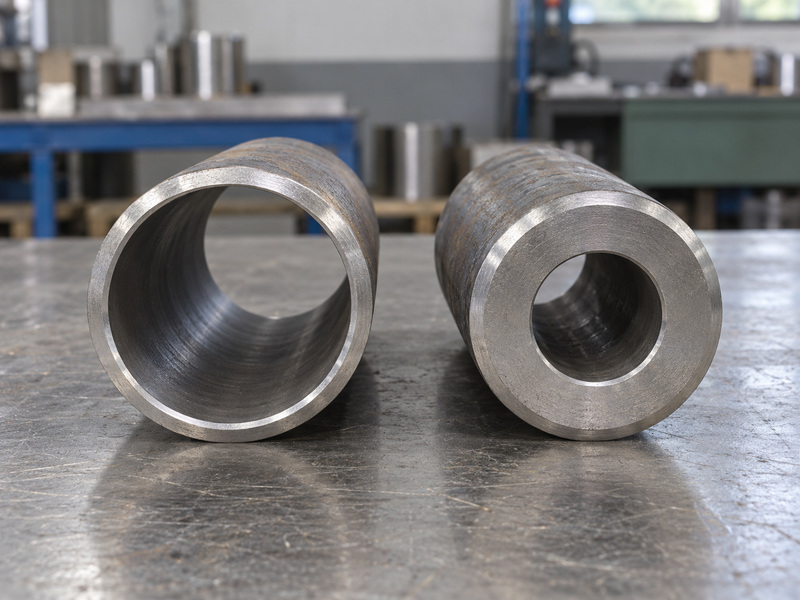
It must define the valve-to-pipe joint geometry and its applicable dimensions and tolerances. Ask your BW type metal to metal seated butterfly valve manufacturer for the end preparation, outside diameter, bore, wall thickness, transition details, and installation length. Nominal pipe size alone cannot establish that the valve end matches the specified pipe.
Match both sides of the joint on a controlled drawing
ASME B16.25 addresses preparation of buttwelding ends, including bevels and internal or external shaping within its scope. If the project invokes it, state the contract edition and the applicable preparation on the drawing. Have the responsible piping and welding engineers resolve mismatched thicknesses or bores through an approved joint design.
An interface comparison with RUITO’s flanged butterfly valve arrangements can clarify whether the project actually wants a removable bolted connection. Keep that alternative separate from the butt-weld drawing. The two arrangements create different installation and maintenance work, so a generic valve outline cannot serve as the fabrication drawing for either one.
- Compare valve-end and pipe dimensions together.
- Identify tolerances and any required transition.
- Approve the joint detail before end machining or fabrication.
| Drawing item | Review purpose |
|---|---|
| End preparation | Define the intended joint geometry |
| Bore and thickness | Resolve the valve-to-pipe match |
| Length and access | Confirm fit and fabrication space |
3. Which material details belong at the welding interface?
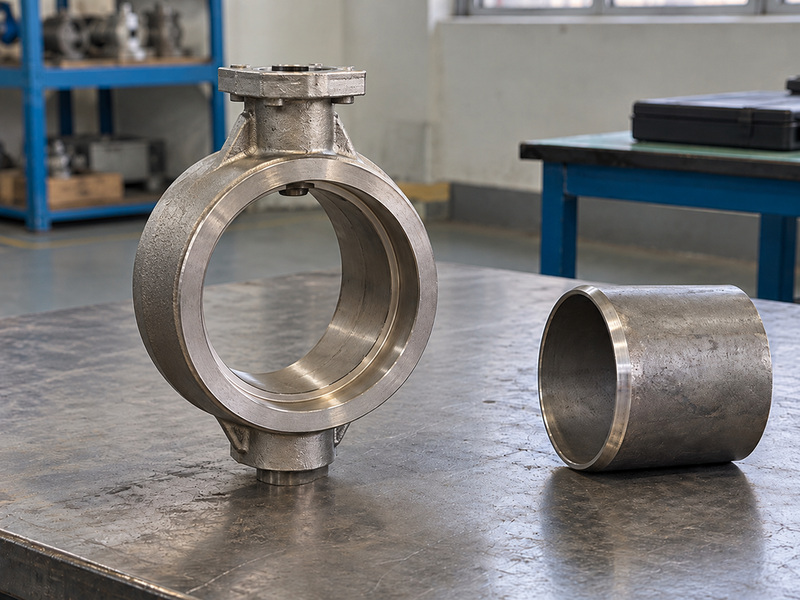
Identify the valve-end and pipe materials, product forms, and delivery conditions that the joining review requires. Your BW type metal to metal seated butterfly valve manufacturer should supply the relevant end-material information and traceability. The fabricator must connect that information with the actual pipe and proposed joint rather than relying on a broad body-material description.
Describe the actual end materials and supply condition
Ask whether the weld end belongs to the main casting, an integral forging, or an attached extension. Record any existing fabrication joint that affects the supplied end and its documentation. Keep the valve-end material record linked with the component identity and approved drawing. Where the two sides differ, refer the combination to the project’s welding engineer for procedure review.
Agree on what the manufacturer delivers before shipment and what the fabricator verifies on receipt. Protect the identification through machining, storage, and any authorized rework. A change in end material or geometry should return to engineering review before welding. This interface record supports the joint decision without turning the article into a generic stainless-grade comparison.
- Identify both sides of the planned joint.
- Link valve-end records with the supplied component.
- Approve material or geometry substitutions before fabrication.
| Interface record | Information needed |
|---|---|
| Valve end | Material, product form, and identity |
| Pipe end | Specified material and actual joint dimensions |
| Proposed change | Engineering disposition and revised documents |
4. Who confirms welding procedures and personnel qualifications?
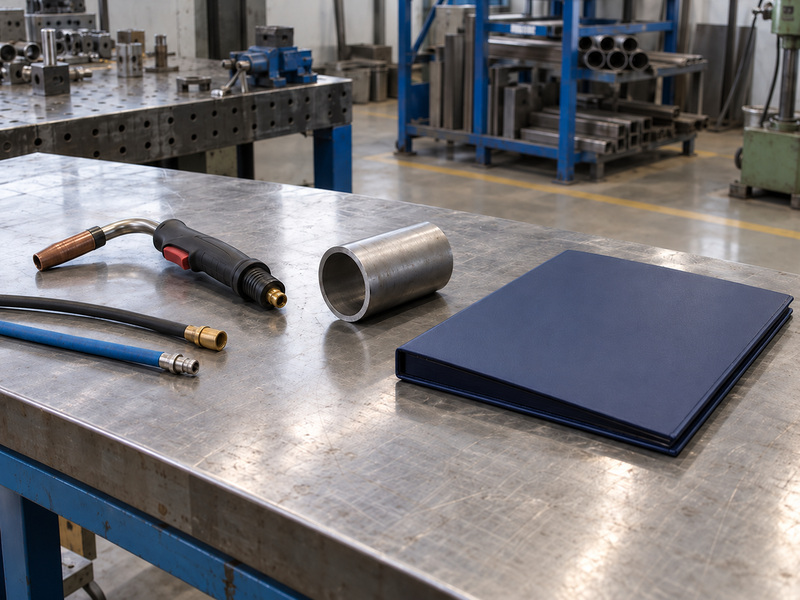
The purchase and fabrication plan should name the responsible party and the applicable qualification basis. A BW type metal to metal seated butterfly valve manufacturer must provide relevant product restrictions, while the assigned fabricator prepares the project’s welding documents. Require the responsible welding engineer to confirm that the proposed procedure and personnel qualifications cover the planned work.
Align the fabrication procedure with product restrictions
ASME BPVC Section IX concerns welding, brazing, and fusing qualifications. When the contract invokes it, identify the required edition and applicable records. A welding procedure specification, commonly called a WPS, needs the supporting qualification basis required by the project. Keep that review separate from a general claim that a company employs qualified welders.
Agree on who reviews the documents before fabrication starts and which inspection points require attendance or release. The valve maker’s installation instructions and the project’s approved procedure must be compatible. Refer conflicts to the responsible engineers and manufacturer for written resolution. This article supplies purchasing review questions; actual welding parameters and execution remain in the approved procedure.
- Identify procedure and personnel qualification records.
- Check the proposed joint against the qualification scope.
- Close instruction conflicts before fabrication release.
| Responsibility | Expected record |
|---|---|
| Valve manufacturer | Applicable installation restrictions |
| Fabricator | Proposed procedure and qualification evidence |
| Project reviewer | Documented acceptance and hold-point release |
5. How should welding heat and heat treatment be reviewed?
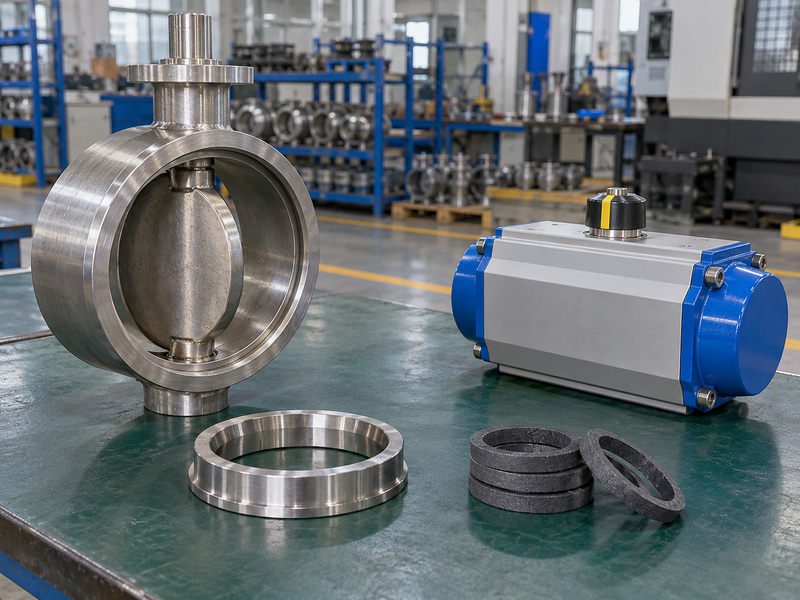
Review them against both the joint requirements and the limits of the complete valve assembly. Your BW type metal to metal seated butterfly valve manufacturer should provide written restrictions for the seat, shaft seals, gaskets, bearings, coatings, and operating package. A normal service-temperature rating does not define permitted exposure during installation welding or heat treatment.
Resolve joint treatment and component limits together
Ask the project’s welding engineer whether post-weld heat treatment is required and how the proposed arrangement can comply with the manufacturer’s limits. Resolve any conflict before ordering or fabrication. Request the required monitoring locations, acceptance records, and component-removal decisions from the approved documents. Do not borrow a welding temperature or heat-treatment method from another valve or material combination.
A separately proposed RUITO PTFE-lined butterfly valve needs its own lining-sensitive installation instructions and does not establish permission for direct butt welding. Keep alternative constructions on separate review sheets. For the metal-seat proposal, include actuator and accessory exposure in the manufacturer’s response, including any approved removal, protection, and reinstatement requirements.
- Obtain product-specific heat-exposure restrictions.
- Agree on the disposition of required heat treatment.
- Include the actuator and accessories in the installation review.
| Review item | Written confirmation needed |
|---|---|
| Welding exposure | Applicable component limits and monitoring basis |
| Heat treatment | Project requirement and manufacturer-compatible plan |
| Operating package | Removal, protection, and reinstatement scope |
6. Can the internals remain installed during fabrication?
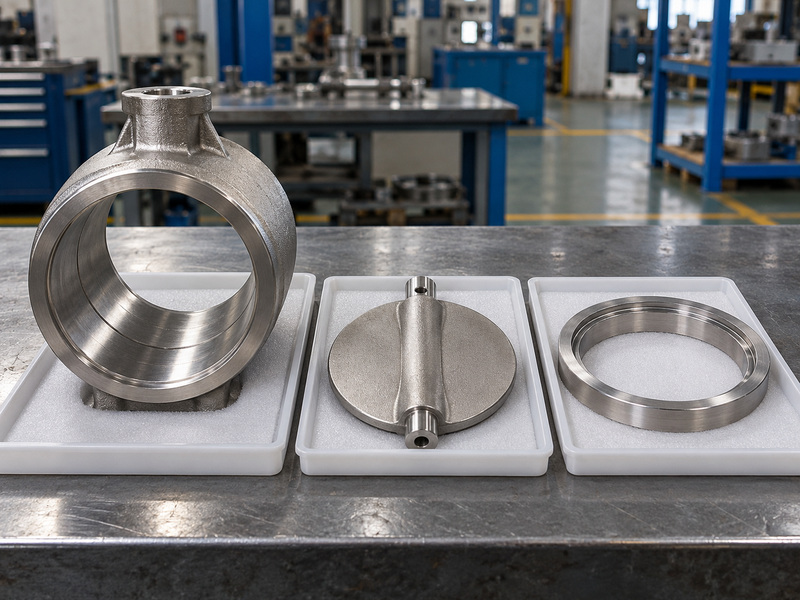
Follow the instructions approved for the exact valve and fabrication plan. A BW type metal to metal seated butterfly valve manufacturer should state whether sealing parts, packing, or the actuator may remain fitted and whether removal is required or permitted. Neither a replaceable seat nor a metal contact surface answers that installation question.
Define authorized removal and reinstatement work
Request instructions for protecting critical surfaces and preserving the identity of any removed parts. Define who may disassemble and reassemble the valve, which consumables need replacement, and how final settings will be verified. Confirm that the installation provides the required access before promising in-line removal. A serviceability statement must describe the actual job and its acceptance requirements.
If planned outages require removal of the complete valve, compare that need with alternatives such as RUITO’s wafer butterfly valve or lug butterfly valve arrangements. These links provide connection context, not metal-seat or welded-service ratings. Ask the piping designer to approve the chosen maintenance interface before the construction method is fixed.
- Obtain explicit instructions for the offered configuration.
- Assign custody of removed sealing and drive components.
- Agree on reassembly, settings, and verification responsibilities.
| Installation decision | Supporting instruction |
|---|---|
| Parts remain installed | Approved exposure and protection requirements |
| Parts are removed | Authorized method, preservation, and reassembly |
| Complete valve removal needed | Approved piping and maintenance arrangement |
7. What should cleanliness and examination planning cover?
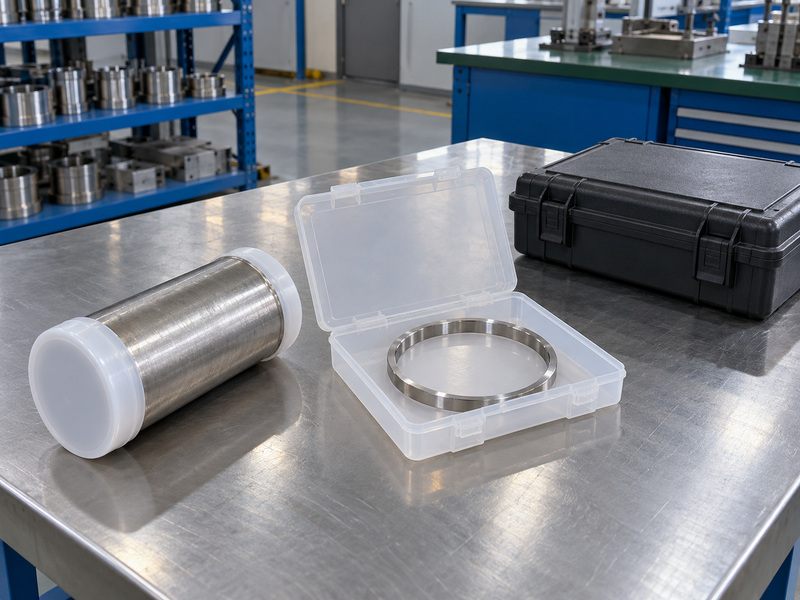
Plan foreign-material control and the required joint examination before fabrication closes access. Your BW type metal to metal seated butterfly valve manufacturer should identify protection requirements for the closure and sealing surfaces. The fabrication inspection plan should separately define the required non-destructive examination, or NDE, methods, extent, timing, acceptance basis, and records.
Separate foreign-material control from weld examination
Protecting a finished seat from debris and examining a welded joint answer different questions. Assign responsibility for storage protection, internal cleanliness, and inspection before movement or testing could carry contamination into the contact area. Use the manufacturer’s approved instructions for the actual cleaning and inspection work. Record any condition requiring technical disposition rather than improvising surface treatment.
For a project invoking ASME B31.3, its scope includes piping fabrication, examination, inspection, and testing. Identify the contract’s applicable requirements without assuming one NDE method or percentage suits every joint. Confirm that the planned examination remains accessible after assembly and that any repair and re-examination follow the approved project process.
- Assign protection and internal-cleanliness responsibilities.
- Approve NDE scope, timing, and acceptance requirements.
- Keep examination access and repair disposition in the plan.
| Inspection activity | Purpose |
|---|---|
| Foreign-material control | Protect internal surfaces and moving parts |
| Joint examination | Evaluate the weld under agreed requirements |
| Repair review | Record disposition and required re-examination |
8. Which checks belong after welding and reinstatement?
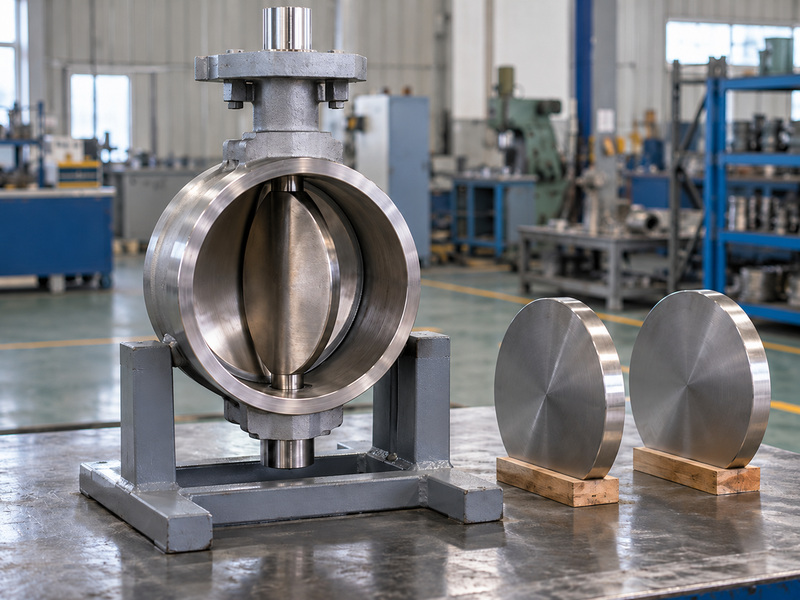
Agree on checks that address the completed joint and the reinstated valve assembly. A BW type metal to metal seated butterfly valve manufacturer should help define the relevant post-installation valve checks. Keep them separate from the fabricator’s joint examination and the project’s piping-system test so each record answers its intended acceptance question.
Keep joint acceptance and valve acceptance identifiable
The agreed plan may call for inspection, operating checks, settings verification, external containment checks, and closure testing under stated conditions. Define which checks apply, who performs them, and which results authorize the next stage. Obtain the manufacturer’s requirements before selecting test conditions. A factory acceptance result describes the pre-installation valve and leaves subsequent fabrication effects to be addressed.
Record any disassembly, packing replacement, actuator removal, or adjustment made during the work. Link the final assembly identity and settings with the post-work results. If operation or leakage differs from the accepted baseline, preserve the findings and request technical disposition. Do not attempt to resolve an unexplained change through increased drive output or unapproved sealing-surface work.
- Define applicable post-work checks before fabrication.
- Record interventions and final settings.
- Resolve deviations before return-to-service approval.
| Acceptance record | What it addresses |
|---|---|
| Weld examination | Completed joint requirements |
| Valve verification | Reinstated assembly and operating condition |
| System test | Project piping-system acceptance scope |
9. Which records close the manufacturer–fabricator handover?
Close the handover with an approved interface package and named responsibilities for remaining work. Your BW type metal to metal seated butterfly valve manufacturer should confirm supplied end details, product restrictions, and required valve records. The fabricator and project team should acknowledge the joining, examination, reinstatement, and final acceptance tasks assigned to them.
Make the handover responsibilities part of the purchase
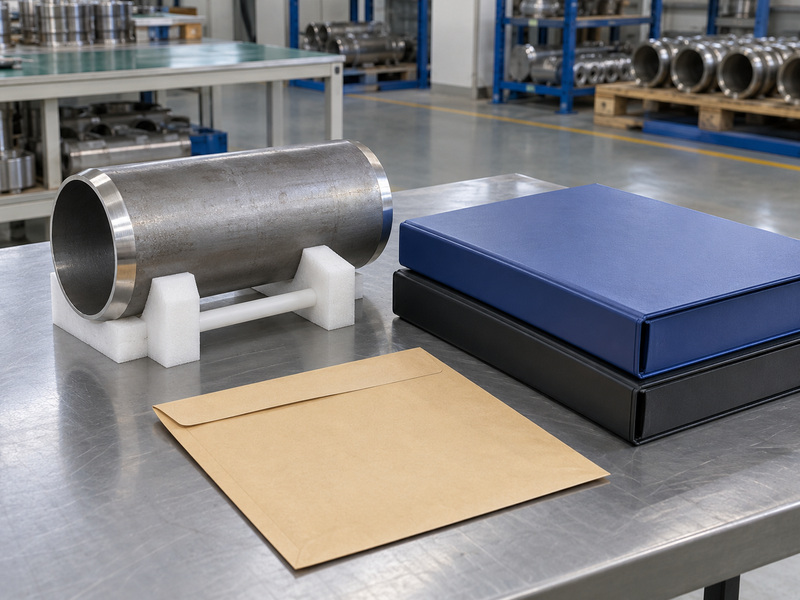
Keep the approved drawings, end-material records, procedure references, qualification evidence, heat-treatment disposition, examination plan, and post-work acceptance requirements together. Identify who owns each document and which revision authorizes fabrication. Record deviations and accepted substitutions before work proceeds. Include the final fabrication and valve verification records in the handover package rather than leaving them in separate subcontractor files.
Contact us with the explicit end construction, joint drawing, service conditions, and fabrication requirements for a scoped RUITO response. Its supplied documentation does not confirm an all-metal-seated butt-weld butterfly range or associated welding qualifications. Obtain written confirmation of the proposed supply scope and available supporting records before accepting a manufacturing commitment.
- Identify the approved drawing and instruction revisions.
- Assign fabrication, inspection, and reinstatement tasks.
- Agree on final records and technical-exception closure.
| Handover party | Confirmation needed |
|---|---|
| Manufacturer | End details and product-specific restrictions |
| Fabricator | Joining, protection, examination, and work records |
| Project team | Accepted interface and final release basis |
10. Which butt-weld purchasing FAQs need answers?
Resolve abbreviation, fabrication, and acceptance questions before placing the order. A BW type metal to metal seated butterfly valve manufacturer enquiry needs a drawing-confirmed construction and a documented handover plan that connects the valve maker, fabricator, and responsible project reviewers.
Q1. Does BW always mean butt-weld ends?
No. It can be a series designation or another supplier code. Require the end construction in full on the approved drawing and offer before planning a welded installation.
Q2. Can nominal pipe size establish the weld-end match?
No. Compare the valve-end and pipe geometry, including bore, wall thickness, preparation, and any approved transition. Use the controlled joint drawing for the fabrication decision.
Q3. Can I use a universal welding-temperature limit?
No. Obtain restrictions for the actual valve and approved procedure. Normal service ratings or another model’s installation limit cannot define permissible fabrication exposure.
Q4. Can the seat and actuator remain fitted during welding?
Only when the manufacturer’s approved instructions and fabrication plan permit it. Confirm removal, protection, reinstatement, and verification requirements for the specific assembly.
Q5. Does factory testing remove the need for post-work checks?
No. Agree on the joint, valve, and system checks required after fabrication and reinstatement. Assign responsibilities and retain the results with the final assembly record.