
How to Avoid Fire Safe Butterfly Valve Buying Mistakes
Check a flame safe metal seat butterfly valve claim against a defined fire-test standard, the actual report, and evidence that covers the proposed configuration. A metal seat or a high-temperature label leaves that qualification unresolved. Before approving an offer, separate normal service ratings, fire-test results, actuator requirements, and any firewater-system approvals so each purchase requirement has evidence of its own.
1. What supports a flame safe metal seat butterfly valve claim?
A traceable test report and documented qualification scope support the claim. A flame safe metal seat butterfly valve description should lead to an identified manufacturer, design, standard, edition, and tested configuration. Request those records before using the description in a purchase specification or accepting it as a characteristic of an entire product range.
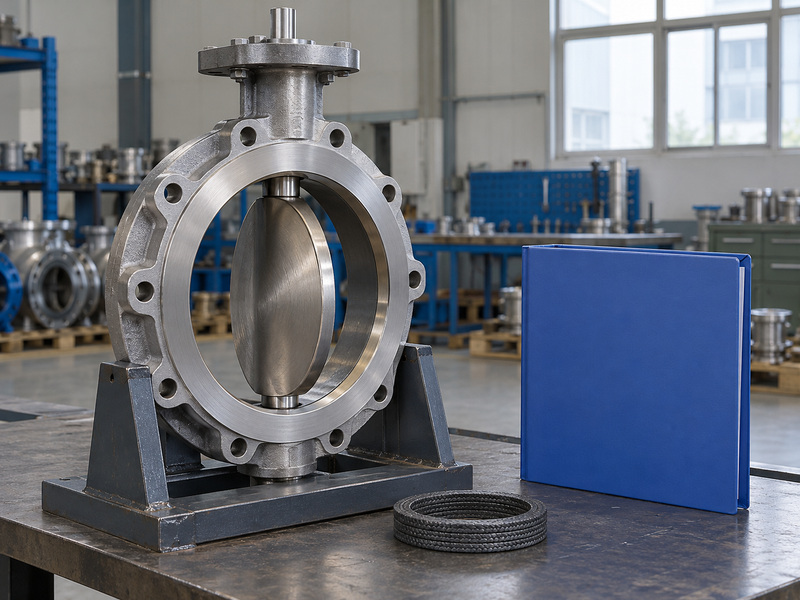
Ask for the record behind the wording
Ask what the supplier means by the words on the quotation. The answer should distinguish a tested design from a design intention, a material description, or an option that still requires qualification. Record which document supports the offered valve and which details remain open. A brochure statement cannot resolve a missing connection between the tested specimen and your ordered assembly.
RUITO’s butterfly valve range provides context for its published product families, which primarily include soft-seat and lined constructions. It does not establish fire-qualified metal-seated models. Ask for written confirmation of the proposed supply scope and available qualification evidence before treating this enquiry as an accepted product offering.
- Identify the design and configuration being offered.
- Request the test report and any associated certificate.
- Keep unsupported qualification statements open for resolution.
| Supplier statement | Evidence needed |
|---|---|
| Fire-tested design | Identified report and qualification scope |
| Metal-seat construction | Actual sealing and auxiliary-part details |
| Offered valve | Written connection to the supporting records |
2. Which standard and edition should the enquiry name?
Name the standard and edition selected for the project’s valve and qualification requirement. A flame safe metal seat butterfly valve enquiry should not accept API 607, API 6FA, and ISO 10497 as interchangeable labels. Ask the responsible project engineer to confirm the applicable scope and approve any proposed alternative before technical acceptance.
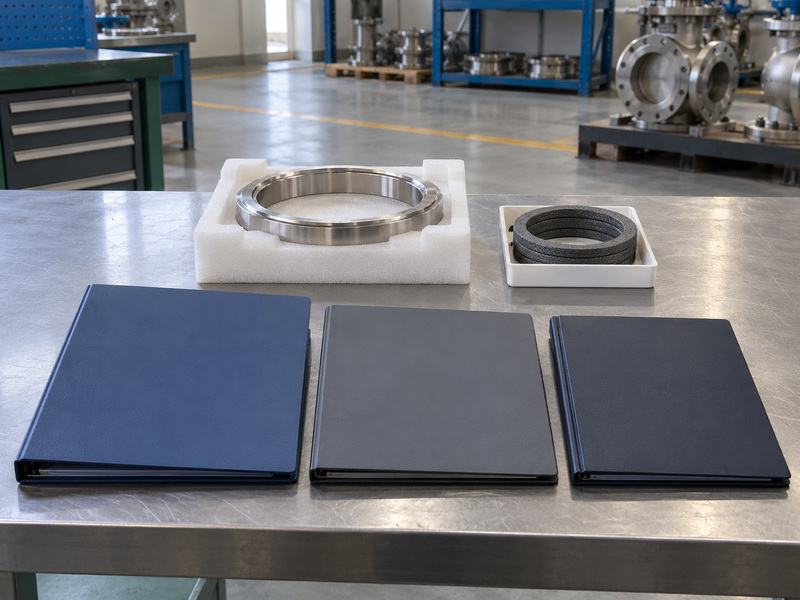
Resolve alternative standards before accepting the offer
ISO 10497:2022 covers fire type-testing of soft- and metal-seated isolation valves. Its scope includes assessment of through-seat leakage, external leakage, and operability, with qualification-extension rules for the same basic design type. Use the selected document’s requirements when reviewing the report rather than combining fragments from several standards into a new acceptance method.
Check the publisher’s current description when preparing the enquiry, then state the edition that the contract requires. An older report needs an explicit review against the purchase requirement; its date alone does not resolve acceptance. Avoid a universal table of fire temperature, exposure time, or test pressure. Those details belong to the applicable controlled standard and the actual laboratory report.
- Record the exact designation and edition.
- Ask why the cited standard applies to this design.
- Obtain written disposition of older or alternative evidence.
| Question | Documented answer |
|---|---|
| Which requirement applies? | Project standard and edition |
| What was tested? | Report standard, edition, and specimen |
| Is an alternative proposed? | Approved comparison and disposition |
3. How should the tested configuration be identified?
Identify the tested valve through its drawing, materials, sealing construction, packing, gaskets, and operating arrangement. A flame safe metal seat butterfly valve report should describe enough of the specimen for you to compare it with the offer. A shared product name or nominal size cannot establish that the assemblies have the same construction.
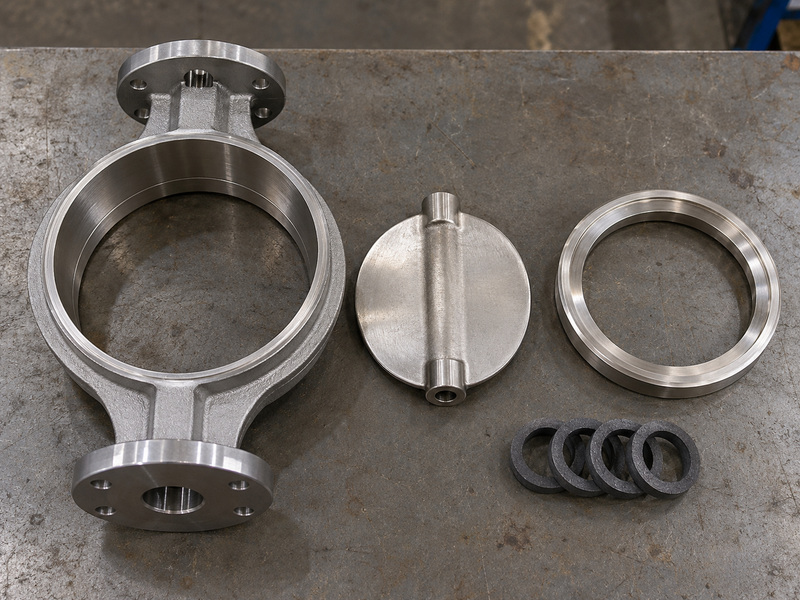
Compare the specimen with a complete offered parts list
Request a specimen description and drawing-linked material schedule. Identify both sealing contact surfaces and any other sealing components, including parts outside the primary seat contact. Record the shaft-seal construction and pressure-boundary joints. When a report uses a manufacturer’s internal configuration code, ask for a controlled cross-reference that explains which offered materials and parts it covers.
Connection form also belongs in the comparison. RUITO’s flanged butterfly valve arrangements provide interface context, while the proposed assembly needs its own qualification evidence. Check whether the offered body style and operating arrangement match the report or require a documented extension review. Keep drawings and material revisions together so later changes remain visible.
- Identify seat contacts and auxiliary sealing components.
- Match packing, gaskets, and operating arrangement.
- Request explanations for internal configuration codes.
| Configuration item | Comparison record |
|---|---|
| Body and closure parts | Drawing, materials, and revisions |
| Sealing system | Contact surfaces, packing, and gaskets |
| Operation and connections | Tested arrangement versus offered assembly |
4. How can a report cover an untested size or material?
Coverage needs a documented assessment under the applicable standard’s qualification rules. A flame safe metal seat butterfly valve offer may rely on a representative tested design, but the supplier should explain how that evidence covers the ordered size, rating, materials, and construction. Request that assessment instead of assuming a certificate covers every catalogue option.
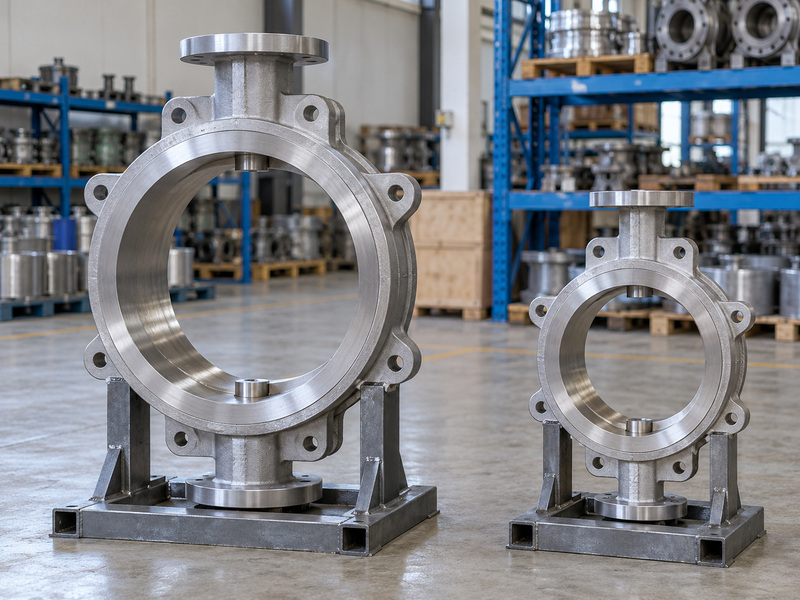
Require a reasoned connection from test to order
Compare the report’s specimen identity with the proposed valve data sheet. List differences and ask the supplier to identify the rule or supporting assessment used for each one. Keep the relevant design drawings available to the reviewer. A statement such as “same series” leaves the decision incomplete when the sealing system, body construction, or operating arrangement differs.
Check report identity and completeness too. Obtain the issuing organization, report number, date, scope, and referenced attachments through the supplier’s document process. If access restrictions prevent delivery of the full report, agree on a controlled review route and record what remains unverified. An abbreviated certificate may identify a test while omitting details needed for your coverage decision.
- List differences between tested and offered configurations.
- Request the applicable basis for extending coverage.
- Resolve missing report details before approval.
| Proposed difference | Buyer should receive |
|---|---|
| Size or pressure rating | Applicable coverage assessment |
| Materials or sealing details | Design comparison and qualification basis |
| Incomplete report access | Agreed review route and remaining exceptions |
5. Which leakage and operating results need review?
Review the required internal leakage, external leakage, and operating results separately. A flame safe metal seat butterfly valve claim needs the measured outcomes and acceptance basis recorded for the relevant test stages. Keep those results attached to their test conditions rather than replacing them with words such as “tight shutoff” or “minimal leakage.”
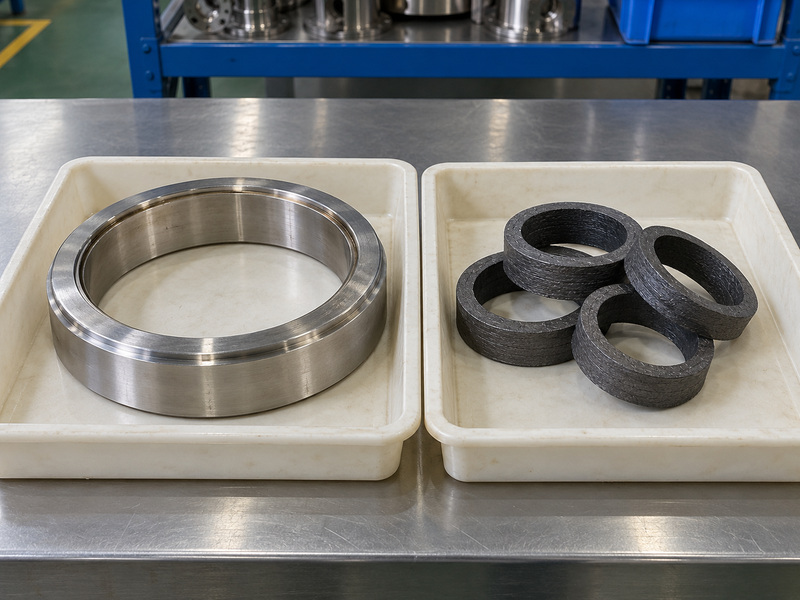
Keep each result attached to its acceptance basis
Internal leakage concerns flow past the closure; external leakage concerns escape outside the pressure boundary. Ask the report reviewer to identify the recorded measurements, units, acceptance criteria, and any noted deviations. Check the operating result under the specified test sequence as a separate item. A successful seat-leakage result alone leaves other required acceptance questions unresolved.
Keep routine cold shutoff acceptance in the purchase file as its own requirement. Its medium, differential, direction, duration, and criterion can differ from the fire-type-test basis. Do not convert either result into a promise of indefinite performance during a plant fire. Record any missing result and obtain a written technical disposition before using an overall pass statement for approval.
- Distinguish internal and external leakage records.
- Review the required operating result separately.
- Retain conditions, deviations, and disposition with the results.
| Evidence category | Review focus |
|---|---|
| Internal leakage | Measured closure leakage and criterion |
| External leakage | Recorded containment result and criterion |
| Operability | Required action and recorded outcome |
6. Does valve qualification cover the automated package?
Check the stated qualification boundary and assess the automation package separately where required. A flame safe metal seat butterfly valve report cannot establish every actuator, accessory, energy supply, and control function in the installed system. Define the required valve action and the conditions under which the project expects it to occur.
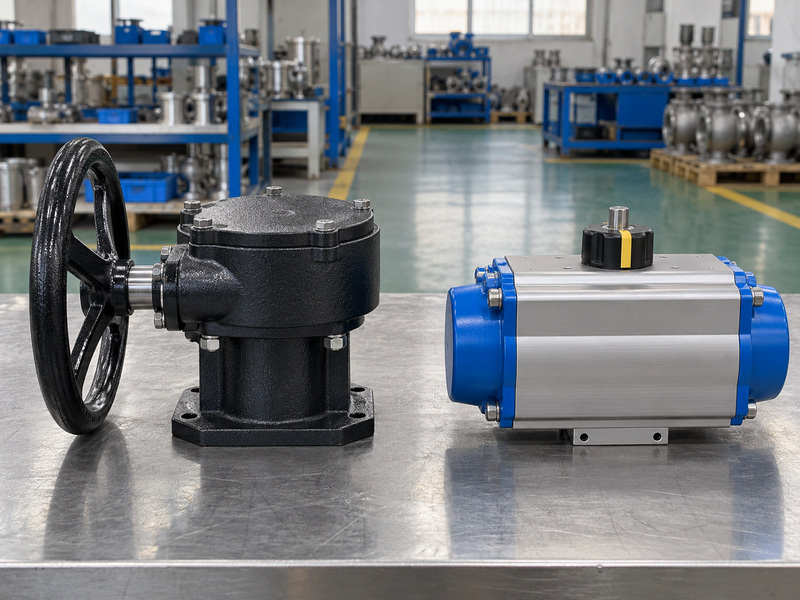
Define the required action and the complete package
The publisher’s API 607 description excludes fire testing of electrical, pneumatic, and hydraulic actuators from its scope and notes that such equipment can need special protection. Review the actual report’s operating arrangement. A manual gearbox in a tested assembly does not establish the performance of an added powered actuator and its accessories.
Ask the project’s responsible control and fire-protection specialists to assess exposure, required action, available energy, controls, and any protective arrangement. Include switches, positioners, solenoids, tubing, cables, mounting parts, and protection details in the package scope. Obtain documented equipment limits and the basis for the required function. Carry approved arrangements into installation drawings and inspection requirements.
- State the required position or movement during the event.
- Identify energy and control dependencies.
- Document the approved protection and installation arrangement.
| Package question | Evidence requested |
|---|---|
| Can the valve perform its required action? | Applicable valve and drive assessment |
| What supports powered operation? | Energy, controls, and accessory review |
| How is exposure addressed? | Documented protection and installation basis |
7. How do hot-service and firewater approvals differ?
They address different service and approval questions that need separate records. A flame safe metal seat butterfly valve claim concerns a defined fire qualification, while ordinary high-temperature capability needs its own operating envelope. Firewater-system approvals concern the applicable water-system service and cannot, by themselves, establish the proposed valve’s thermal fire-type qualification.
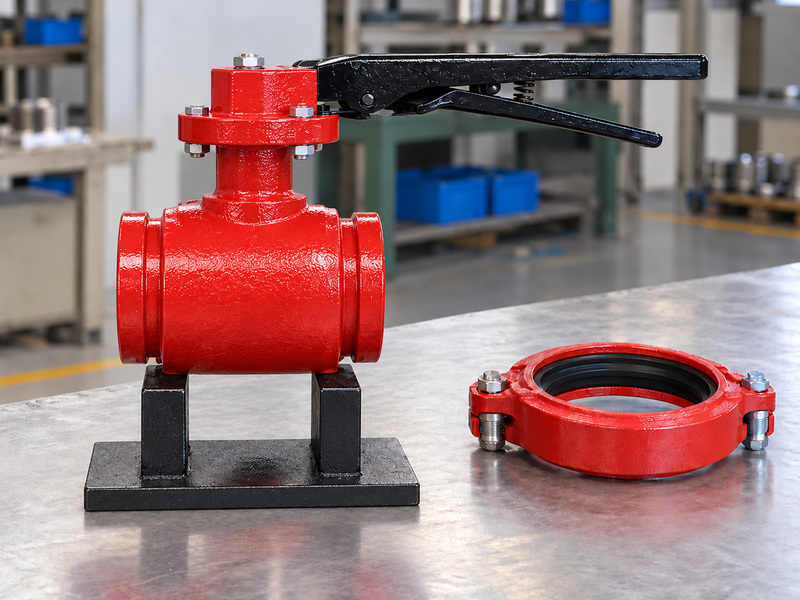
Keep a separate evidence line for each requirement
The official UL fire-suppression valve service description identifies testing and certification for valves used in suppression systems under applicable standards. If a project calls for UL listing or FM approval, verify the exact model and approval scope. Treat any separate thermal-fire qualification as another evidence request, and check drinking-water contact approval independently where relevant.
RUITO’s grooved-end butterfly valve provides water-system connection context. A grooved connection or a product’s water-service description does not establish either an approval or a fire-type-test result. Ask the supplier to confirm the exact service, connection, materials, and required records for the intended water application without transferring those conclusions to a metal-seated process valve.
- Review normal operating pressure and temperature independently.
- Check exact model coverage of required water-system approvals.
- Separate drinking-water suitability from fire qualification.
| Requirement | Separate supporting record |
|---|---|
| Normal hot service | Configuration-specific operating envelope |
| Thermal fire qualification | Applicable type-test report and coverage |
| Firewater or drinking water | Exact service approval or suitability evidence |
8. Which changes should reopen the qualification review?
Reopen the review when a proposed change affects the configuration or the basis used for approval. A flame safe metal seat butterfly valve order should control changes in sealing parts, packing, gaskets, materials, body construction, and operating arrangement. Ask the manufacturer to assess the change against the applicable evidence before accepting it.
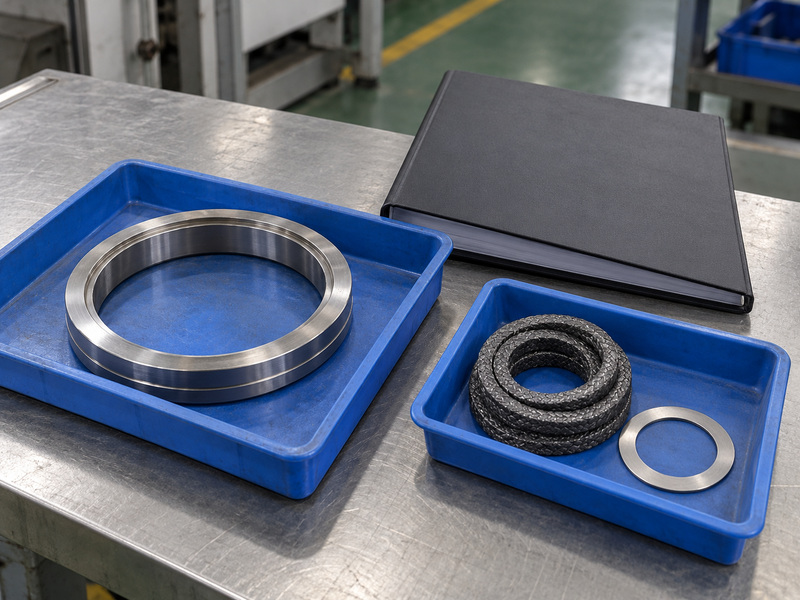
Preserve the approved construction through substitutions
Create a change record that identifies the original construction, proposed replacement, reason, and affected documents. Request a written qualification disposition rather than assuming a part is equivalent because it fits. The same discipline applies to supplied spare kits and later maintenance substitutions. Keep the approved parts list and instructions available so replacements can be checked against the accepted configuration.
Body-style comparisons such as RUITO’s wafer butterfly valve and lug butterfly valve help frame interface questions. They do not authorize transferring a report between unconfirmed models. Review any changed connection or operating arrangement in the actual proposal and record whether further evidence or approval is needed.
- Identify changes before manufacture or replacement.
- Obtain the manufacturer’s qualification disposition.
- Update drawings, parts lists, and handover records.
| Change | Review record |
|---|---|
| Seal, packing, or gasket | Material and construction comparison |
| Body or connection | Effect on approved configuration |
| Drive or protection | Revised operating and package assessment |
9. What should release the purchase for manufacture?
Release the purchase after the proposed configuration, qualification evidence, and technical exceptions have been reviewed and accepted. A flame safe metal seat butterfly valve enquiry should produce a coordinated data sheet, drawing, material schedule, report reference, coverage assessment, and acceptance plan. Name the document revisions that authorize manufacture and inspection.
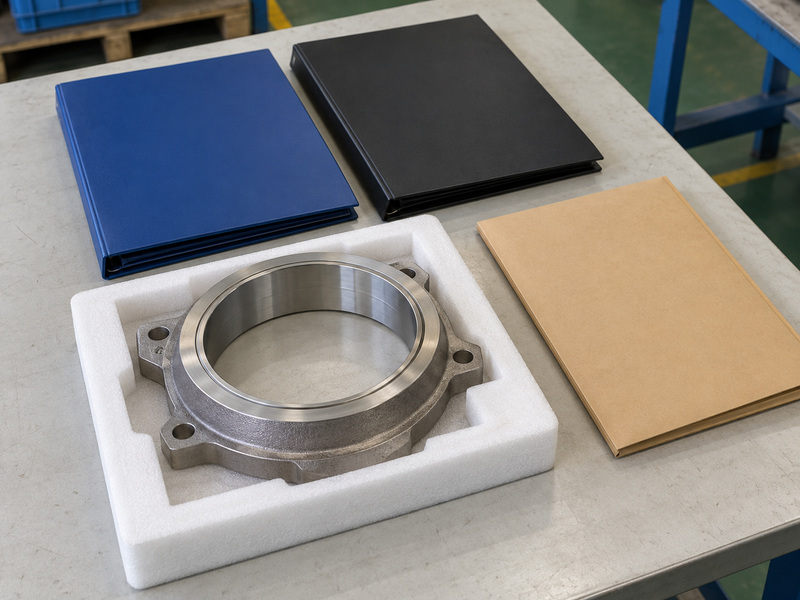
Close the evidence gaps and assign document responsibility
Record who reviewed the fire qualification and who owns the separate process, automation, and water-system decisions. Agree on report delivery or controlled access, inspection points, supplied identification, and the final document package. Keep unresolved items visible in an exception register. If the available evidence does not cover the required configuration, obtain an approved alternative or additional evidence before release.
Contact us with the required standard and edition, service conditions, configuration, and evidence expectations for a scoped RUITO response. Those published product descriptions do not establish fire-safe metal-seated model availability or approvals. Obtain written confirmation of the proposed supply scope and available records before treating this requirement as an accepted capability.
- Link the accepted offer with controlled document revisions.
- Record decisions on alternative or incomplete evidence.
- Include change control and spare identification in handover.
| Release item | Required outcome |
|---|---|
| Qualification review | Applicable report and coverage accepted |
| Assembly and package | Offered construction and duties confirmed |
| Exceptions and handover | Open items resolved and documents assigned |
10. Which fire-qualification FAQs need clarification?
Resolve the remaining qualification questions against the actual offer and supporting records. A flame safe metal seat butterfly valve description needs enough detail for the purchaser to identify the accepted construction, evidence, operating boundaries, and responsibilities.
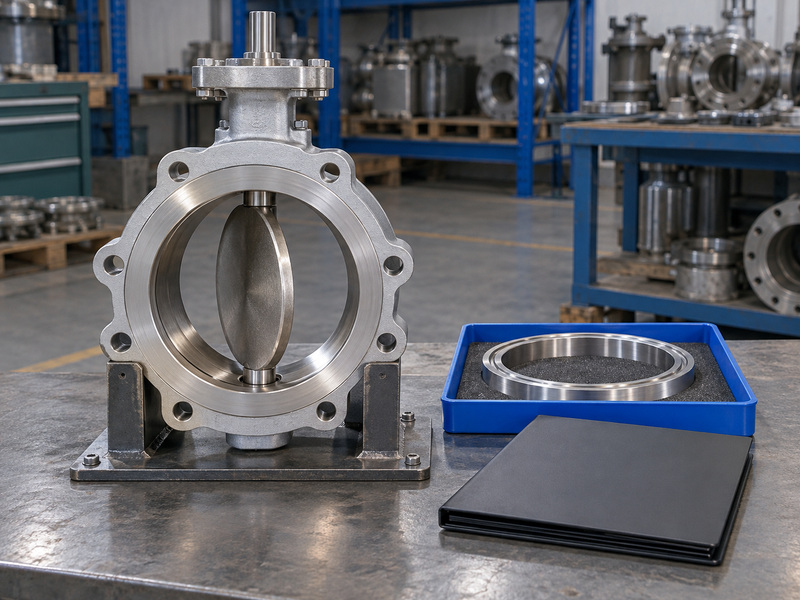
Q1. Does an all-metal seat prove fire qualification?
No. Request the applicable test report and evidence that covers the proposed construction, including packing and gaskets. Material wording alone leaves the qualification requirement unresolved.
Q2. Can a high-temperature rating replace a fire-test report?
No. Ordinary hot-service capability and fire qualification have different evidence requirements. Keep the normal operating envelope and the applicable fire-type-test record separately identifiable.
Q3. Does UL or FM firewater approval prove thermal fire performance?
Approval scope must be checked separately. A firewater-system listing or approval alone does not establish qualification to the fire-type-test requirement selected for a process valve.
Q4. Is a certificate enough without the underlying report?
Only if the agreed review process resolves the required details. Request the report or controlled access needed to check specimen identity, results, coverage, and any exceptions before acceptance.
Q5. Can I assume the powered actuator is covered?
No. Check the qualification boundary and obtain the required package assessment. Define the expected action, exposure, energy supply, controls, and protection rather than inferring them from a valve report.