
How to Avoid CF3 Butterfly Valve Material Mistakes
Specify a CF3 metal to metal seated butterfly valve by assigning CF3 to the identified cast component and listing the remaining materials separately. A quotation that says only “CF3 valve” can leave the disc, shaft, contact surfaces, and auxiliary seals unresolved. Use a part-by-part material schedule with traceable records, then review the proposed assembly’s ratings and acceptance evidence before approving the order.
1. What defines a CF3 metal to metal seated butterfly valve?
The description combines a cast-material designation with a seating description that needs its own specification. A CF3 metal to metal seated butterfly valve may use CF3 for the body, another cast component, or several identified parts. Ask the supplier to name those parts explicitly and identify the material on each side of the actual sealing contact.
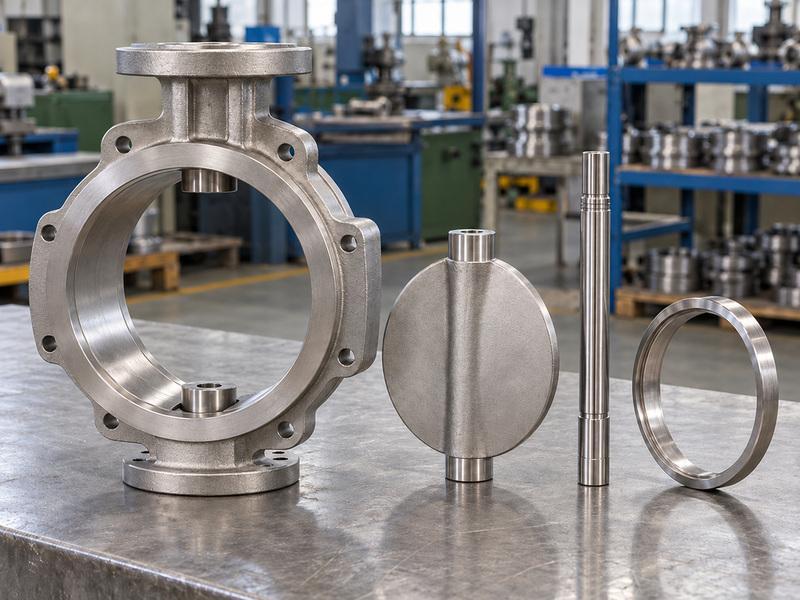
Assign every material description to an identified part
Begin the review with a drawing-linked parts list. Use separate lines for the body, disc, shaft, seat components, contact overlays, packing, gaskets, and bearings. Record whether each line describes base material, a deposited surface, or a nonmetallic seal. If a quotation leaves a line blank, request clarification before comparing its price with an offer that defines the complete assembly.
RUITO’s butterfly valve range provides context for its published product families. RUITO’s published product information primarily describes soft-seat and lined constructions, so a CF3 metal-seat proposal needs separate written configuration confirmation. Keep that enquiry attached to the material schedule instead of treating a broad product-category page as proof of the requested construction.
- Link each material line with a drawing item.
- Identify both sides of the sealing contact.
- Resolve blank or generic material descriptions before comparison.
| Description | What the supplier must identify |
|---|---|
| CF3 | The specific cast component and material specification |
| Metal-to-metal seating | The actual contacting surfaces and materials |
| Complete valve | Remaining parts, ratings, and acceptance basis |
2. Which casting specification belongs on the order?
Name the applicable material specification, contract edition, grade, and required delivery condition for the casting. A CF3 metal to metal seated butterfly valve order needs more than a grade abbreviation on a catalogue page. The drawing, purchasing specification, supplier acknowledgement, and material record should agree on the component being supplied.
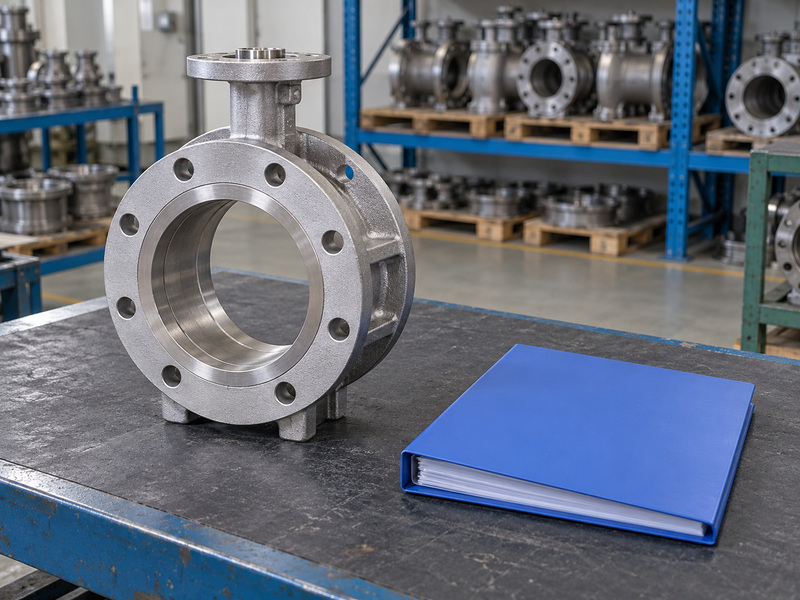
Keep grade, specification, and delivery condition together
ASTM A351/A351M addresses austenitic castings for pressure-containing parts. Where that specification applies, state it with the agreed edition and CF3 grade rather than writing only “stainless steel.” Ask which chemical, mechanical, heat-treatment, and inspection records the purchase requirements call for. Any optional requirements should be agreed before the foundry plans production and inspection.
A material specification does not define the valve’s dimensions, flange drilling, pressure class, or leakage acceptance. Keep those requirements in their own drawing and data-sheet fields. If a supplier proposes another casting specification, require a documented comparison and purchaser approval. Similar grade wording can conceal a different purchasing scope, especially when a general material description replaces an identified pressure-part requirement.
- State the standard edition selected by the contract.
- Define required records and inspection hold points.
- Approve proposed specification changes before manufacture.
| Order field | Purpose |
|---|---|
| Specification and edition | Define the agreed material requirements |
| Grade and component | Identify what must meet those requirements |
| Delivery and inspection scope | Define evidence needed for release |
3. How should CF3 and CF3M be compared?
Compare their specified chemistry and service suitability before approving either grade. In a CF3 metal to metal seated butterfly valve enquiry, CF3M should be treated as a proposed material change with its own supporting review. Both are low-carbon cast stainless grades; the molybdenum-bearing CF3M composition differs from CF3, as documented in cast-stainless research.
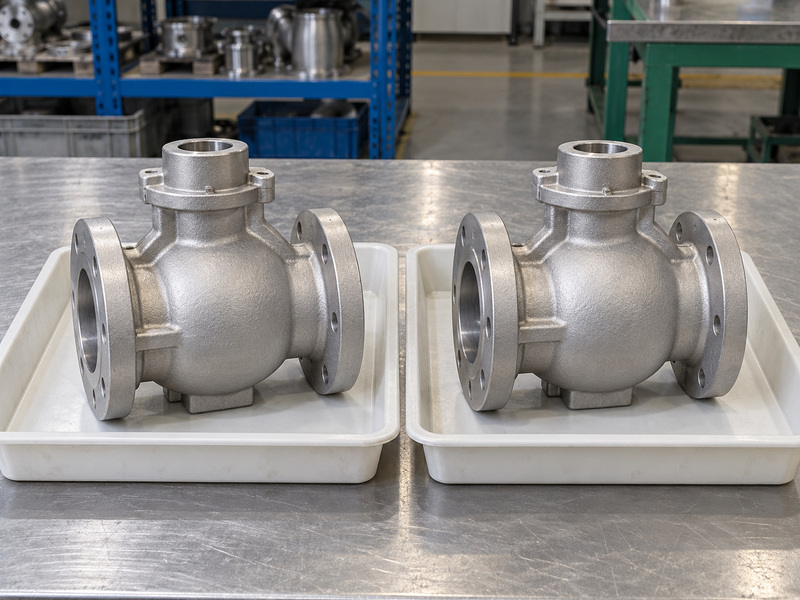
Review a grade change against the actual medium
Provide the medium composition, concentration, operating temperature, contaminants, and cleaning chemistry for the material review. Avoid accepting a grade from a single chloride concentration or a general claim of acid resistance. Ask the responsible materials engineer to state the basis for suitability and any operating restrictions. Keep the body decision separate from the disc, stem, and sealing-surface decisions.
For an alternative chemical-isolation approach, RUITO’s PTFE-lined butterfly valve requires review of its complete lining, backing, and shaft-seal arrangement. That comparison concerns a separately specified construction, not proof that a CF3 body suits the same medium. Request written approval for any change in material or wetted-path construction before it enters the order.
- Use the agreed specification’s chemistry requirements.
- Submit contaminants and cleaning conditions with the process data.
- Record the decision and any restrictions on substitution.
| Comparison | Decision basis |
|---|---|
| CF3 versus CF3M | Specified chemistry and service review |
| Body versus trim | Each part’s exposure and function |
| Metallic versus lined proposal | Complete separately approved construction |
4. Why do cast and wrought designations stay separate?
They identify different product forms and purchasing requirements, even when alloy families are comparable. A CF3 metal to metal seated butterfly valve can combine a cast body with a shaft made from wrought stock. Specify each part under the appropriate material document instead of transferring the body’s casting designation onto every stainless component.
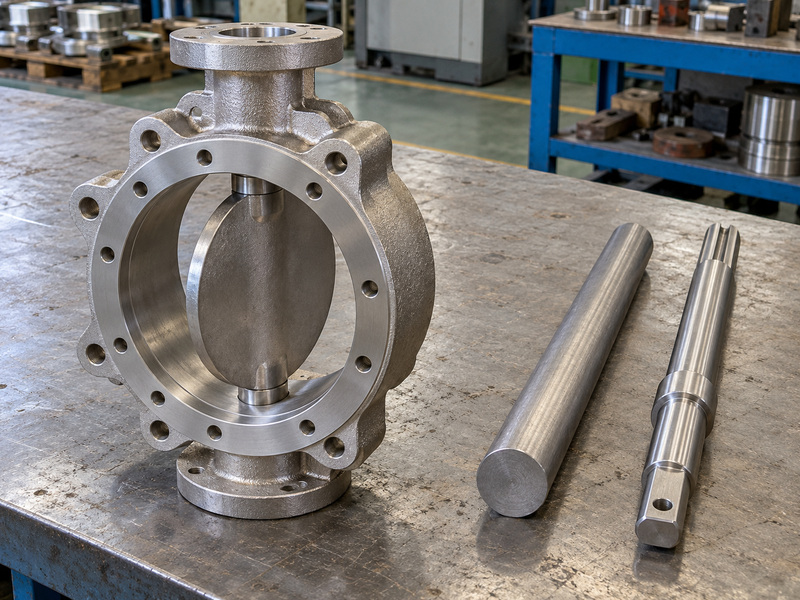
Check the product form stated on each material record
Published alloy comparisons can help you recognize a family relationship. They cannot establish that a wrought-material certificate satisfies an order for a casting. Review the applicable specification, grade, manufacturing route, delivery condition, and required test records for the actual part. A certificate describing bar stock leaves a cast body’s identity unresolved, even when both descriptions refer to a similar stainless family.
Connection style answers another question. RUITO’s flanged butterfly valve arrangements provide interface context, while the proposed body still needs its own material and manufacturing description. Match that information with the approved drawing and maintain separate records for the body and shaft. Require approval if a supplier changes the product form or manufacturing route after technical acceptance.
- Identify casting, bar, forging, or other proposed product form.
- Match the certificate with the part it supports.
- Treat cross-grade comparisons as review aids, not substitution approvals.
| Record describes | Buyer should verify |
|---|---|
| Cast body | Casting specification, grade, and heat identity |
| Shaft stock | Applicable stock specification and delivery condition |
| Proposed substitute | Written engineering and purchasing approval |
5. How should the disc, shaft, and auxiliary parts be listed?
List their materials and required conditions independently of the body grade. A CF3 metal to metal seated butterfly valve needs a disc description that includes any contact surface, a shaft description suited to its design loads, and identified packing, gaskets, bearings, and fasteners. Use the approved assembly drawing to check that the schedule covers every relevant part.
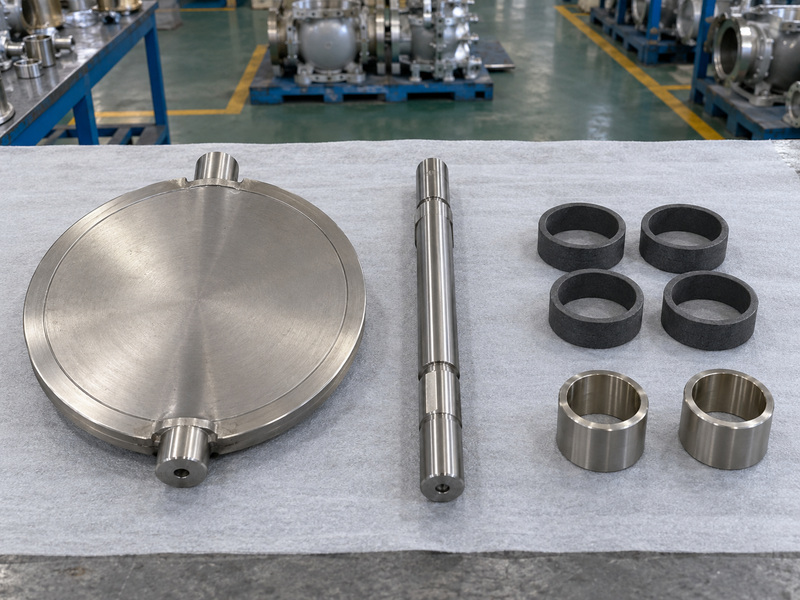
Separate material identity from the part’s design function
Ask the supplier to distinguish wetted components from parts exposed externally or through heat conduction. A shaft material line may also need a specified heat-treatment condition, while packing requires its own construction and service limits. Record those details where the contract requires them. Avoid filling missing lines with the body grade merely because the offer calls the valve stainless.
RUITO’s wafer butterfly valve and lug butterfly valve pages help frame connection and installation comparisons. Those body styles do not establish the materials of an unconfirmed CF3 metal-seat assembly. Use the proposed configuration’s own drawing for shaft interfaces, component identification, and applicable installation restrictions before accepting a shared product description.
- Record disc base material and contact treatment separately.
- Identify shaft grade and specified delivery condition.
- Include auxiliary seals, bearings, and relevant fasteners.
| Part | Material detail to request |
|---|---|
| Disc | Base grade and any surface treatment |
| Shaft | Grade, product form, and required condition |
| Auxiliary parts | Individual materials and service restrictions |
6. What must the seating-material description contain?
Identify the base material and final contact material on both sealing surfaces. A CF3 metal to metal seated butterfly valve body designation cannot define the mating pair. Ask whether each surface is integral base metal, a separate metallic component, or an applied metallic layer, then tie that answer to drawing items and material records.
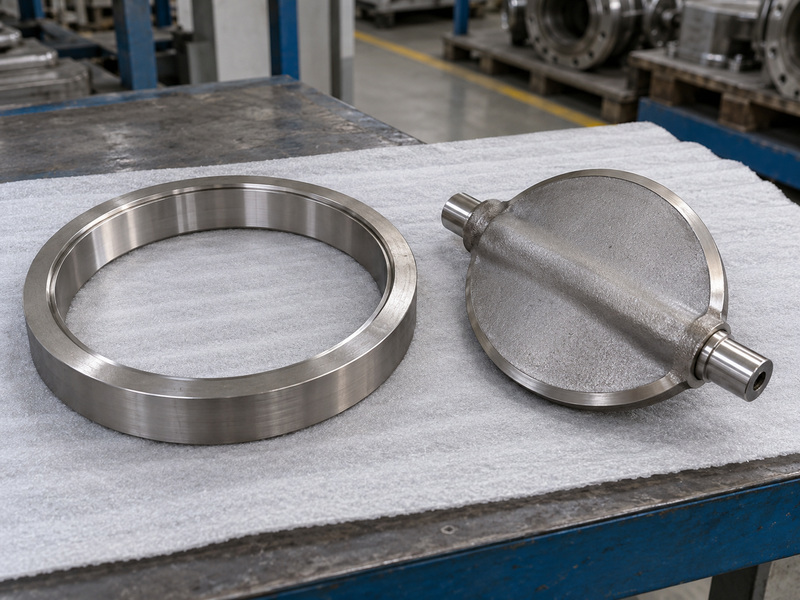
Identify substrates and contact layers independently
For any hardfacing or deposited layer, request the specified material designation and the manufacturer’s controlled process and inspection requirements. Separate the substrate record from the deposited-material record. Where thickness, hardness, finish, or examination criteria form part of acceptance, agree on the actual requirements and measurement records. Do not invent limits from the appearance of a polished ring or a generic hardfacing name.
Identify any other material present in the sealing assembly, including gaskets or backing components outside the primary contact. If a quotation uses “all metal” or “metal-to-metal” loosely, ask for a marked drawing that resolves the description. Keep the purchasing decision on the documented construction rather than expanding it into claims of unlimited temperature, corrosion resistance, or zero leakage.
- Name the material on each side of primary contact.
- Distinguish a solid component from an applied layer.
- Agree on process and inspection records for specified treatments.
| Material line | Supporting detail |
|---|---|
| Substrate | Base grade and component identity |
| Contact surface | Final material and construction description |
| Applied layer | Controlled process and agreed inspection evidence |
7. How should heat traceability and PMI be checked?
Connect the supplied component with its heat records and use a verification method suited to the element being checked. A CF3 metal to metal seated butterfly valve needs traceability that survives the path from casting through machining and assembly. Positive material identification, or PMI, can support that record when its scope and limitations are defined.
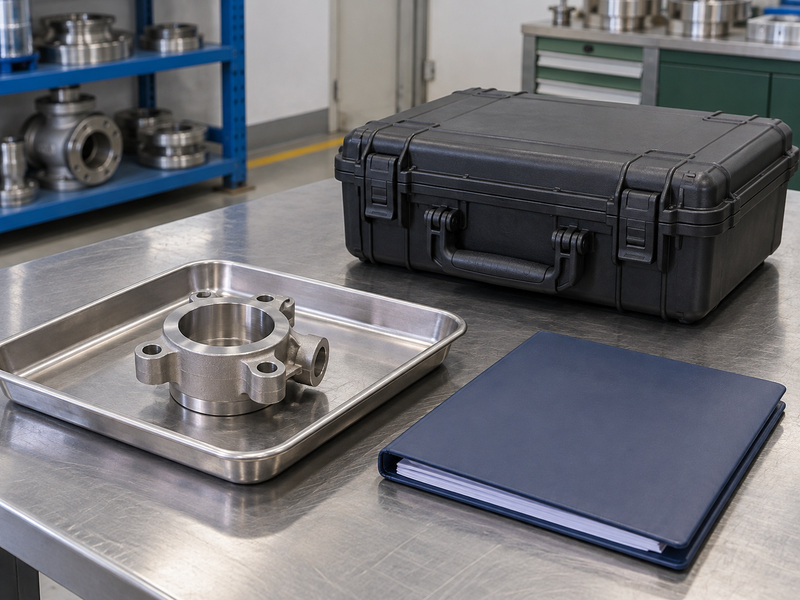
Choose the evidence for the material question being asked
Handheld X-ray fluorescence cannot measure carbon, according to the instrument manufacturer’s PMI technology guidance. A displayed stainless-family match alone cannot verify the low-carbon distinction in CF3. Specify suitable carbon-analysis evidence where verification of that requirement is needed, and ask the testing provider to confirm method capability for the material and acceptance range.
Keep the heat number, material report, drawing item, and valve identity linked in the inspection file. Request measured values and the examination scope rather than a photograph of an instrument’s grade label. Define how the supplier controls transferred identification after machining or surface treatment. Resolve any mismatch before assembly records make the origin of individual parts harder to establish.
- Link reports with physical component and heat identities.
- Check which elements the selected method can measure.
- Retain measured results and disposition of discrepancies.
| Question | Evidence needed |
|---|---|
| Which heat supplied the part? | Traceable identification and material report |
| Does the carbon requirement match? | Applicable carbon-analysis evidence |
| Was material verification performed? | Method, scope, measured results, and identity |
8. Which performance records remain separate from the grade?
Pressure-temperature ratings, closure capability, operating loads, and acceptance results remain separate from material identity. A CF3 metal to metal seated butterfly valve can have correct body chemistry while an incomplete assembly specification leaves its intended service unconfirmed. Require the supplier to address the actual medium, temperature, pressure, differential, direction, and operating duty.
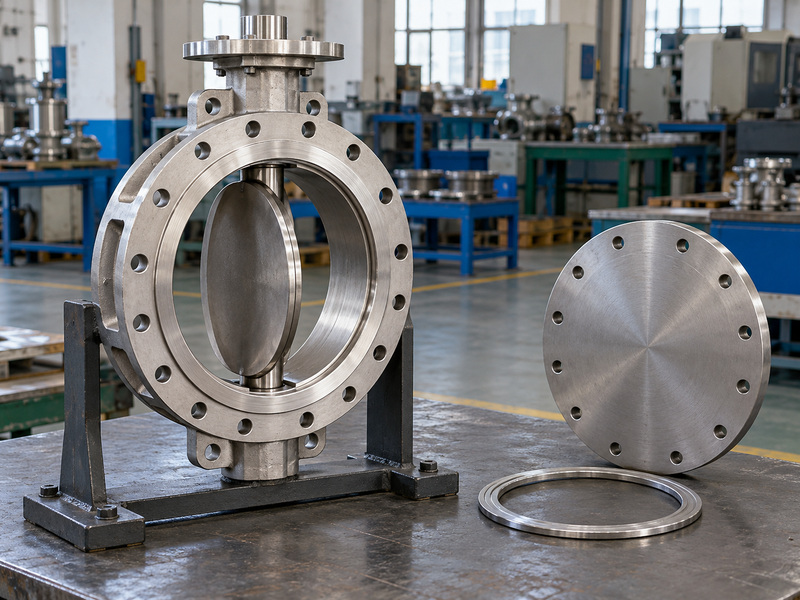
Require both material conformity and assembly acceptance
Obtain the rating basis for the exact body, size, connection, sealing construction, and auxiliary parts proposed. Review it alongside the material schedule without treating either document as a substitute for the other. A grade certificate cannot establish the valve’s permitted closing differential or actuator suitability. Ask for written disposition when an offer gives only a pressure class or a maximum temperature without the applicable conditions.
Set the closure-test medium, temperature, differential, duration, direction, measurement method, and acceptance criterion in the agreed test plan. Keep external containment checks separate from seat leakage. ISO 5208:2015 addresses metallic-valve pressure-boundary and closure testing; use the contract’s applicable standard and edition without importing a leakage assumption from the CF3 designation.
- Match ratings with the proposed configuration.
- State closure acceptance with its complete test conditions.
- Keep material reports and valve test reports separately identifiable.
| Evidence | Question it addresses |
|---|---|
| Material record | Does the identified part meet its material requirement? |
| Configuration rating | Does the assembly cover the operating conditions? |
| Acceptance report | Did the identified valve meet the agreed test criteria? |
9. What should the approved purchasing file contain?
Keep a coordinated file of service conditions, approved parts, material requirements, traceability, and assembly acceptance. A CF3 metal to metal seated butterfly valve purchase should identify unresolved exceptions before manufacturing release. Use document revisions so procurement, inspection, and site teams can distinguish the accepted construction from an earlier quotation or an unapproved substitute.
Close the material schedule before releasing the order
Require the supplier to acknowledge each material line and identify the records delivered with it. Define who approves a change in body grade, shaft condition, contact layer, packing, or manufacturing route. Retain the reason and approval for each accepted deviation. Include replacement-part identification in the handover scope so a later spare order preserves the agreed material requirements.
Contact us with your part-by-part material schedule, service conditions, and inspection requirements for a scoped RUITO review. Its supplied documentation does not confirm a CF3 metal-seated butterfly valve offering or associated approvals. Obtain written confirmation of the proposed configuration, supply scope, and available evidence before treating the enquiry as an accepted product commitment.
- Record the approved drawing and material-schedule revisions.
- Name required reports and their delivery stages.
- Control substitutions and preserve spare-part identification.
| File item | Release condition |
|---|---|
| Material schedule | Every relevant part and surface identified |
| Verification plan | Traceability and test scope agreed |
| Supplier acknowledgement | Capability, exceptions, and documents confirmed |
10. Which CF3 valve FAQs should buyers resolve?
Resolve material identity, substitutions, and evidence gaps before approving the offer. A CF3 metal to metal seated butterfly valve description needs enough detail for purchasing and inspection teams to check the same construction against the same requirements.
Q1. Can I infer the seating pair from a CF3 body?
No. Request the final contact material on both mating surfaces, including any applied layer. The body designation identifies only the component assigned that material.
Q2. Is CF3M an automatic upgrade from CF3?
No. Treat it as a proposed grade change requiring review of chemistry, medium, temperature, and the contract requirements. Obtain approval before accepting the substitution.
Q3. Can handheld XRF prove the low-carbon grade?
No. Handheld XRF cannot measure carbon. Request suitable carbon-analysis evidence when the inspection requirement calls for verification of the low-carbon distinction, with results linked to the component.
Q4. Can a wrought-alloy certificate cover a cast body?
A family comparison cannot approve that substitution. Match the certificate’s specification, grade, product form, and traceability with the casting actually ordered, then resolve any discrepancy before acceptance.
Q5. What should I send for a RUITO material review?
Send the service data, approved drawing or parts list, component material requirements, and acceptance plan. Request written confirmation of the proposed supply scope and available evidence for this specific enquiry.