
Fix soft seat lug butterfly valve quotes by defining the flange interface, fastening arrangement and required service conditions before comparing prices. Lug connections need their own drawing and acceptance evidence. They do not establish permission to leave one side unsupported under pressure.
You request a valve for a branch that your maintenance team plans to dismantle later, and receive a lug offer marked PN16. The quote never states whether the valve can hold the proposed differential with the downstream pipe removed. That gap can force a redesign after ordering. Put normal line service and any intended end service into separate requirements, then compare the supplied hardware and verification against each one.
1. What should soft seat lug butterfly valve quotes include?
Your soft seat lug butterfly valve quotes should include the defined valve, drive, interface drawing, supplied fasteners and required inspection records. Each offer should state whether it covers ordinary service between two flanges or an independently verified end-service configuration requested by your project.
How do you describe the purchased package?
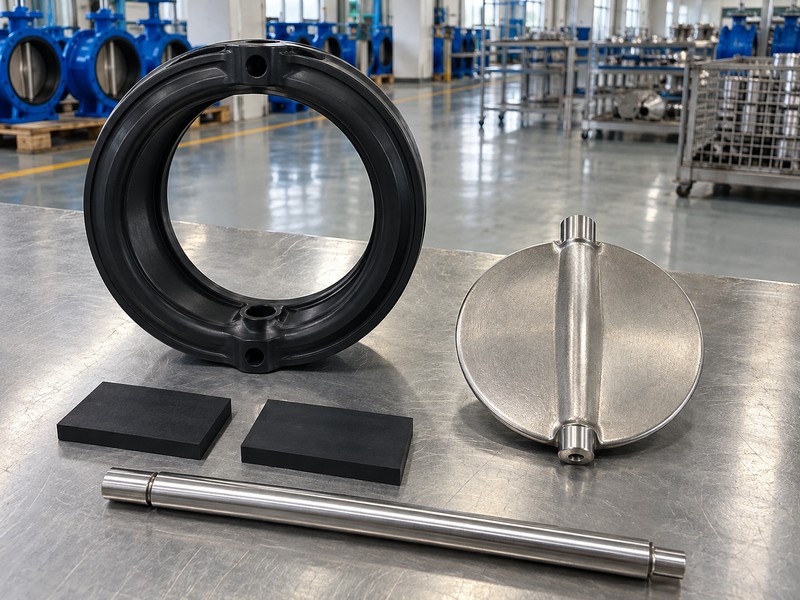
Describe what your installer will receive. Identify the body, disc, shaft, seat compound and operator, then list mounting hardware, feedback accessories and spares where required. Ask whether bolts belong to the supplier’s scope or your site’s procurement package. Record priced exclusions so your receiving team knows which items to procure separately.
- Identify materials, operator and required accessories.
- State which fasteners each party will supply.
- Separate normal line service from requested end service.
Key takeaway: A complete package definition lets you compare the equipment and evidence behind each lug offer before ranking its total.
| Check | What you should confirm |
|---|---|
| Assembly | Named valve materials, drive and accessories |
| Interface | Approved drawing and hardware supply split |
| Verification | Tests and records for the declared service |
2. How do soft seat lug butterfly valve quotes differ from wafer?
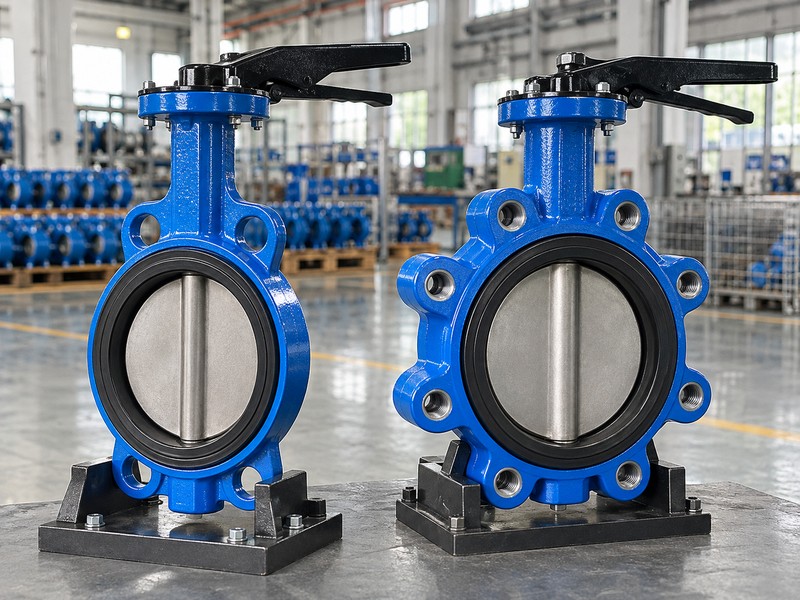
Unlike a typical wafer offer, soft seat lug butterfly valve quotes define threaded body connections for fastening to the mating flanges. A wafer valve is clamped between the flanges through its specified bolt arrangement. Compare the supplied drawings because the body connection changes the hardware and dismantling procedure, even when the nominal pipe size matches.
What changes in the installation plan?
The lug drawing should identify threads, usable engagement and the approved bolt arrangement on each side; the wafer drawing should identify centering and through-bolt requirements. Both need correct pipe support and disc opening clearance. Do not infer a thermal advantage, easier installation or permission for end service from the connection label; assess those requirements against the actual product and site arrangement.
- Compare the approved fastening arrangements for both bodies.
- Confirm centering and disc clearance at the actual flanges.
- Review dismantling steps with the maintenance team.
Key takeaway: Lug and wafer offers need different interface checks, while each assembly still requires approval for your actual service conditions.
| Check | What you should confirm |
|---|---|
| Wafer | Specified clamping and centering arrangement |
| Lug | Defined body threads and bolt engagement |
| Site plan | Pipe support, access and approved dismantling steps |
3. What flange data do soft seat lug butterfly valve quotes need?
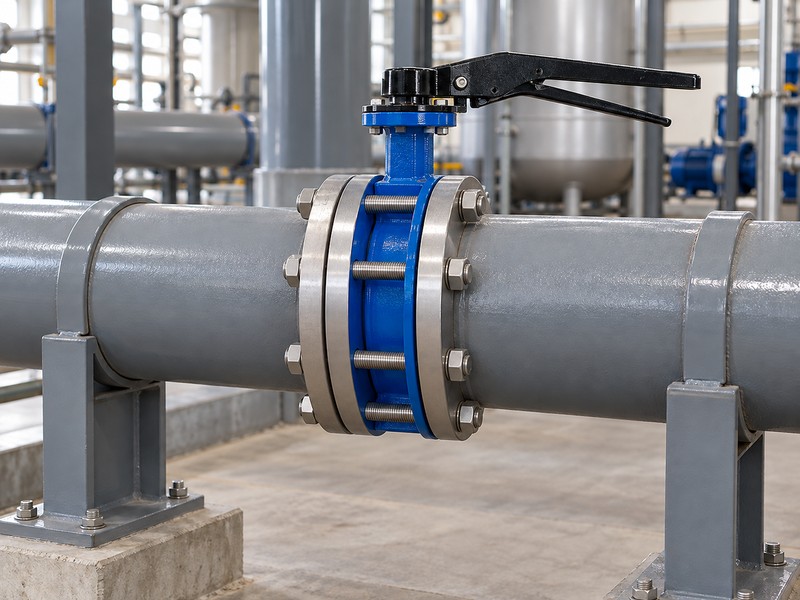
Your soft seat lug butterfly valve quotes need the mating flange standard, size, pressure designation, facing and actual bore dimensions. Include nearby reducers or lined pipe that may restrict disc movement. A supplier can match a bolt pattern while leaving bore clearance or the sealing-face arrangement unresolved, so review the complete joint geometry.
Which dimensions require drawing approval?
Check face-to-face length, flange thickness, bolt circle, hole size and the disc opening envelope against the project drawing. Ask for the installation instructions on gaskets and liner compression. If an offer describes compatibility with a Class flange, keep that interface statement separate from the valve’s own working rating; a flange drilling description does not assign the whole valve an ASME Class rating.
- Provide the flange standard, facing and actual bore.
- Check adjacent fittings through the disc’s full travel.
- Keep connection compatibility separate from valve rating.
Key takeaway: Approve the entire joint geometry so a matching bolt circle does not conceal disc interference or an unsuitable sealing arrangement.
| Check | What you should confirm |
|---|---|
| Flange | The exact standard, facing and dimensions |
| Disc space | Clearance through pipe and adjacent fittings |
| Rating | Declared valve pressure–temperature limits |
4. What bolts do soft seat lug butterfly valve quotes need?
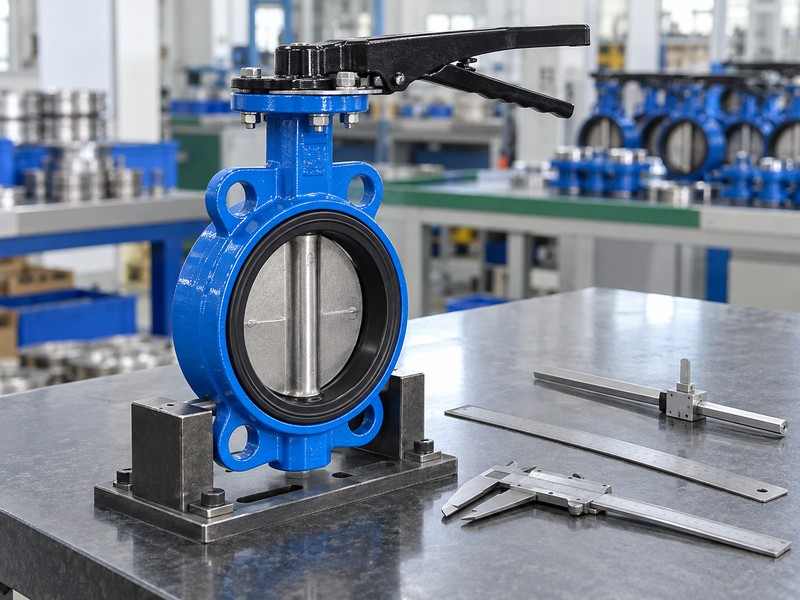
Your soft seat lug butterfly valve quotes need bolts that match the approved thread, engagement length, material and joint arrangement for each size. Choose length from the actual flange stack and body drawing. A bolt can bottom out before it clamps the flange or engage too little thread, even when its diameter fits the hole.
How do you check usable engagement?
Ask for a fastener schedule. It should identify the thread specification, permitted engagement, hole depth where relevant and required assembly instructions. Account for flange thickness, washers and the prescribed gasket arrangement when checking length. Do not publish one bolt length or tightening value for the whole lug range; the approved joint, fastener grade and installation procedure determine what your team should buy and apply.
- Match thread form and size with the supplied drawing.
- Check engagement and bottoming against the flange stack.
- Use the approved fastener grade and assembly procedure.
Key takeaway: A controlled bolt schedule prevents a nominally correct fastener from leaving the joint loose or loading the lug threads incorrectly.
| Check | What you should confirm |
|---|---|
| Thread | Specified form, size and usable body engagement |
| Length | Actual flange stack and clearance from bottoming |
| Assembly | Approved grade and tightening instructions |
5. Can soft seat lug butterfly valve quotes cover end service?
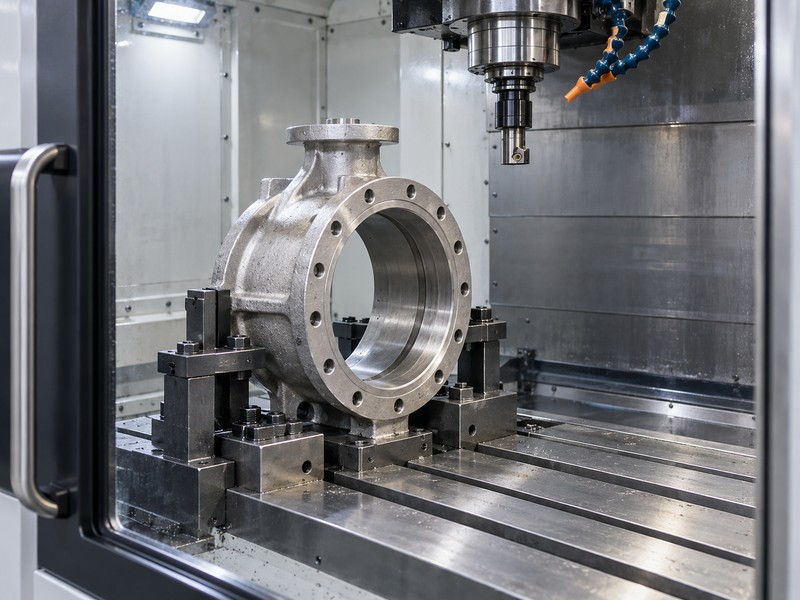
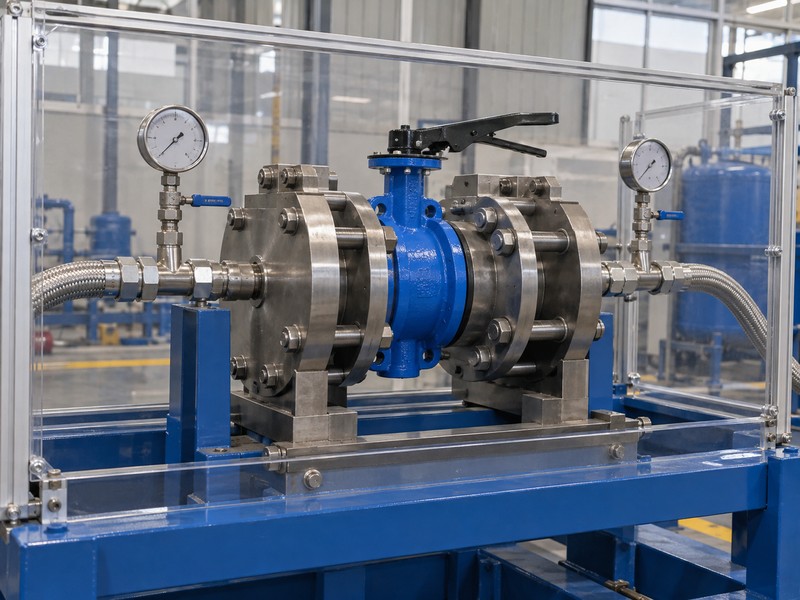
Yes, soft seat lug butterfly valve quotes can cover end service when the supplier declares and independently verifies the exact configuration. RUITO’s option is restricted to a special clean-water DN50–200 assembly at 5–40°C, with declared closing differential no greater than 10 bar. Ordinary lug shape or a normal PN marking does not establish this qualification.
What must the end-service evidence cover?
Define the removed-side condition. State which side may be disconnected, the remaining fastening arrangement, pressure direction, differential and expected external loads. Ask for the independent end-service verification and installation limits for that assembly. Keep this review separate from a conventional test between two supported flanges; your maintenance procedure must follow the accepted configuration before anyone loosens a pipe joint or exposes the closed disc.
- Declare the disconnected side and pressure direction.
- Obtain configuration-specific end-service verification.
- Follow the accepted fastening, support and maintenance procedure.
Key takeaway: Buy end service as an explicitly accepted configuration with its own evidence, rather than assuming all threaded lug bodies provide it.
| Check | What you should confirm |
|---|---|
| Eligible option | Special clean-water assembly, DN50–200 |
| Duty window | 5–40°C and declared differential up to 10 bar |
| Evidence | Independent verification of the actual end condition |
6. What duty limits shape soft seat lug butterfly valve quotes?
Fluid, temperature, pressure and closing differential shape soft seat lug butterfly valve quotes by determining the seat and assembly you can approve. RUITO’s ordinary clean-water lug range is DN50–300 for PN10/16, with working duty at 5–60°C governed by the actual pressure–temperature rating. Its end-service option has narrower, separately verified limits.
Which material assumptions should you check?
Check the complete liquid description. The approved NBR lug configuration for compatible high-flash-point mineral oil covers DN50–300, 5–70°C and no more than 10 barg, with additives and compound compatibility reviewed. A water configuration does not become oil-ready by changing the enquiry description. Drinking-water, fire and gas uses require their own applicable evidence, and reduced-pressure duty needs a declared minimum absolute pressure and independent configuration review.
- Provide the fluid composition and any cleaning liquids.
- Use working pressure and temperature limits together.
- Request separate approval for each special service.
Key takeaway: Keep the fluid and duty limits tied to one approved assembly; a seat material name cannot establish every service qualification.
| Check | What you should confirm |
|---|---|
| Clean water | The selected PN10/16 pressure–temperature rating |
| Mineral oil | Approved NBR configuration and actual oil review |
| Special service | Specific materials, limits and qualification evidence |
7. How do soft seat lug butterfly valve quotes address torque?
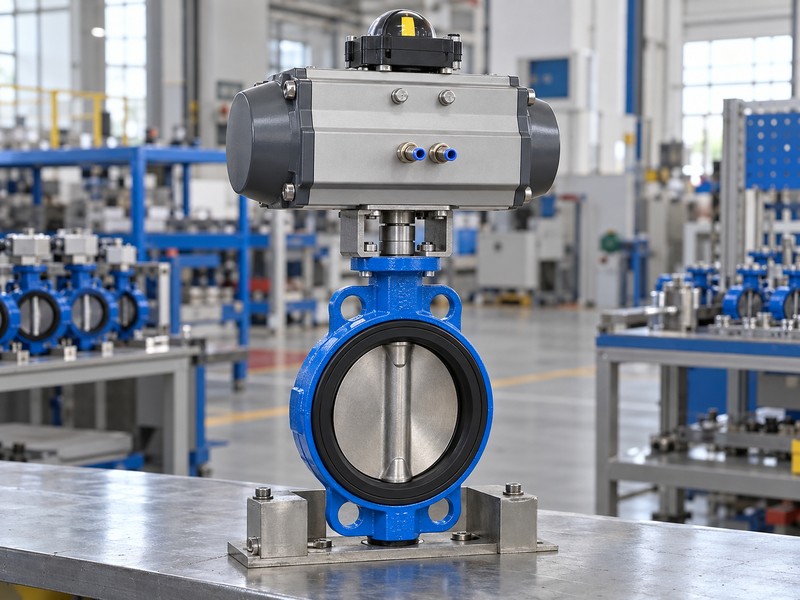
Your soft seat lug butterfly valve quotes should address torque by matching the operator to the valve’s declared duty and minimum available drive supply. Closing differential, seat contact and installation conditions affect the demand. Define the required manual or automated operation so suppliers price comparable assemblies and supply a model-specific selection basis.
What should the actuator review confirm?
Check the complete stroke. Compare breakaway, running and closing demand with the selected actuator’s output at the stated supply conditions, then verify feedback, indexing and travel stops. Include mounting hardware and any specified override in the priced scope. If flange tightening makes the disc bind, investigate alignment and seat compression before increasing actuator output; a larger drive cannot approve an incorrectly assembled pipe joint.
- Provide maximum closing differential and minimum supply.
- Confirm operator, mounting and control accessory scope.
- Verify assembled travel and the approved torque basis.
Key takeaway: The drive price becomes comparable when every supplier accepts the same duty, supply limits and required operating functions.
| Check | What you should confirm |
|---|---|
| Demand | Actual model torque at the declared duty |
| Output | Drive capability throughout the required travel |
| Assembly | Correct mounting, stops and feedback settings |
8. What flow data do soft seat lug butterfly valve quotes need?
Your soft seat lug butterfly valve quotes need the flow range, allowable pressure loss and model coefficient data for the intended openings. Lug fastening does not establish hydraulic performance. Ask the supplier to use your fluid properties and the offered disc and seat configuration when assessing whether the valve meets the system’s pressure-drop budget.
How do you compare hydraulic alternatives?
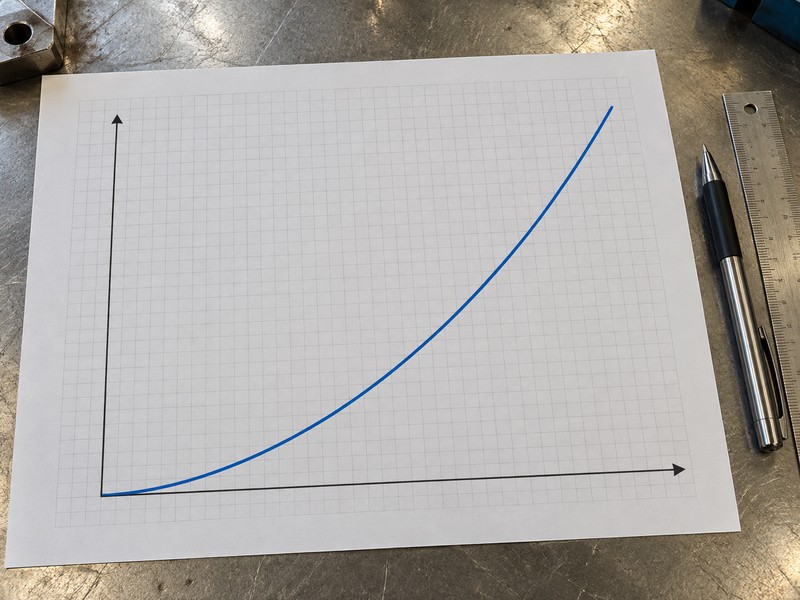
Provide density and viscosity at operating temperature, minimum and maximum flow, and the available pressure conditions. Identify whether the valve will isolate or operate at intermediate positions, then ask for the accepted operating range and any additional hydraulic review. The illustrated curve below is conceptual; it gives you no guaranteed Kv, throttling limit or pressure-drop result for the quoted lug valve.
- Provide flow and fluid properties at operating temperature.
- State the allowable pressure drop across the valve.
- Request approved data for the model and openings.
Key takeaway: Compare lug alternatives using the same hydraulic inputs and identified model data instead of inferring performance from DN or connection style.
| Check | What you should confirm |
|---|---|
| Inputs | Actual flow, density, viscosity and pressure |
| Coefficient | Identified model and opening data |
| Acceptance | Permitted duty and agreed hydraulic requirements |
9. Which tests support soft seat lug butterfly valve quotes?
Your soft seat lug butterfly valve quotes should include shell, closure, external-leakage and function tests for the exact assembly, plus independent end-service verification when requested. Agree pressure direction, conditions and acceptance before award. A general water-pressure report does not prove that the valve can remain at a disconnected pipe end under your proposed load.
What should you see in the records?
Tie evidence to the delivered valve. Request the product identity, drawing revision, test method, instrument details, direction, duration and result in the agreed inspection package. Where specified, ISO 5208 supplies a pressure-test method, not a Class VI designation. Keep routine inspection, independent end-service qualification and any project witnessing identifiable so the receiving inspector can check which requirement each record supports.
- Define the governing method and leakage acceptance.
- Link records to the supplied valve and revision.
- Include separate end-service evidence when the duty requires it.
Key takeaway: Approve inspection scope by requirement, keeping ordinary pressure tests and end-service qualification distinct in the order file.
| Check | What you should confirm |
|---|---|
| Routine tests | Specified pressure, leakage and function checks |
| End service | Independent evidence for the accepted assembly |
| Traceability | Valve identity, conditions and recorded results |
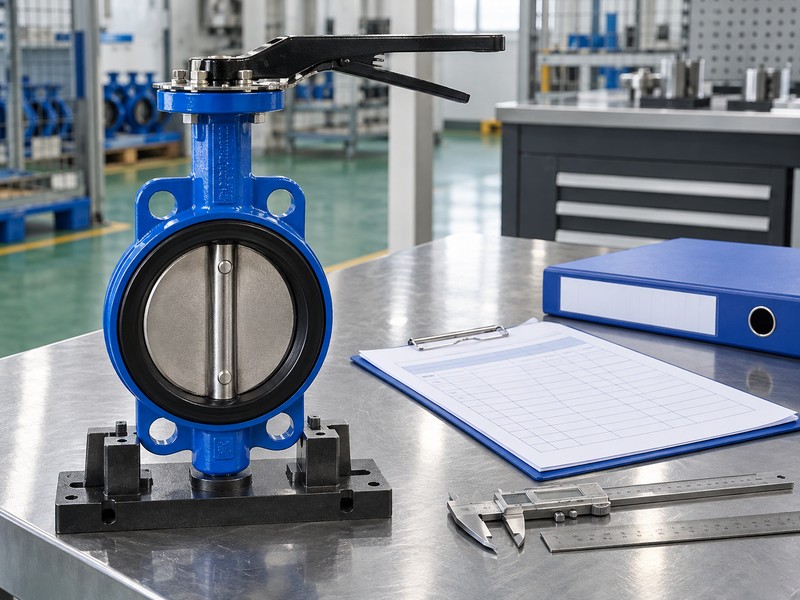
10. How do you award soft seat lug butterfly valve quotes?
Award soft seat lug butterfly valve quotes after engineering accepts the interface and service scope, then compare complete prices and delivery obligations. Record fastener responsibility, documents, inspection and packing in the order. Keep any unapproved end-service claim open on the deviation list rather than allowing it to disappear during commercial negotiation.
How should you control repeat supply?
Retain the approved drawings, materials, bolt schedule, duty limits and inspection plan with the commercial terms and required delivery date. Require approval before changes to the body threads, seat, drive or end-service arrangement on repeat orders. RUITO can review the enquiry and supply configuration-specific documents; your receiving and maintenance teams need those accepted revisions to identify the assembly they are handling.
- Close interface and service deviations before ranking prices.
- Confirm packing, release and transport responsibilities.
- Control revisions and substitutions on repeat supply.
Key takeaway: The accepted quote should become a controlled purchase package that lets installation and maintenance teams check the same approved assembly.
| Check | What you should confirm |
|---|---|
| Technical award | Accepted interface, duty and verification |
| Commercial award | Complete price and delivery responsibility split |
| Repeat order | Frozen revisions and approved change requirements |
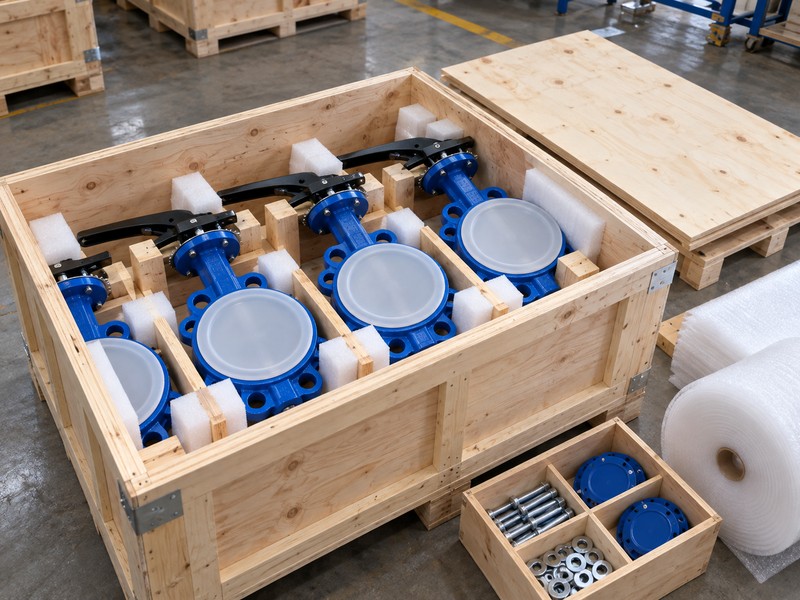
Send RUITO your mating flange drawing, fluid conditions, closing differential, operator requirements and intended dismantling arrangement. We can review the lug configuration, identify the correct interface documents and clarify the verification and supply scope. Contact us before you order a valve for end service or approve a change from wafer to lug.
FAQ
Q1: Can I use any lug valve at the end of a pipe?
No. Obtain independent verification for the exact configuration, duty, fastening and disconnected-side condition.
Q2: What’s the best way to compare lug and wafer prices?
Compare complete packages. Use the same duty and include their different fasteners, installation requirements and accepted service scope.
Q3: How do I know if my bolts are long enough?
Check the approved schedule against the actual flange stack. Correct engagement and clearance from bottoming both matter.
Q4: Can I use the PN marking as the end-service rating?
No. End service needs its own declared differential, temperature, size range and independent configuration-specific evidence.
Q5: Can I approve vacuum from a positive-pressure test?
No. Provide the minimum absolute pressure and request the actual assembly’s reduced-pressure qualification.