
Source a "China spring return butterfly valve" by defining the assembly, technical approvals, inspection, and export handover before placing the order. A product description translated between teams can lose pressure references, fail direction, or accessory scope. Use one approved configuration and document schedule so the factory and receiving site can check the same package.
1. What should a China spring return butterfly valve order define?
A China spring return butterfly valve order should define the actual valve, operator, mounting kit, controls, service limits, tests, documents, and delivery boundary. Country of sourcing does not establish a product's configuration or suitability. Ask the supplier to identify its role, component sources, assembly location where relevant, and responsibility for the complete package. Keep the offered equipment and required acceptance evidence on one technical schedule rather than relying on a short catalogue description or a translated product name.
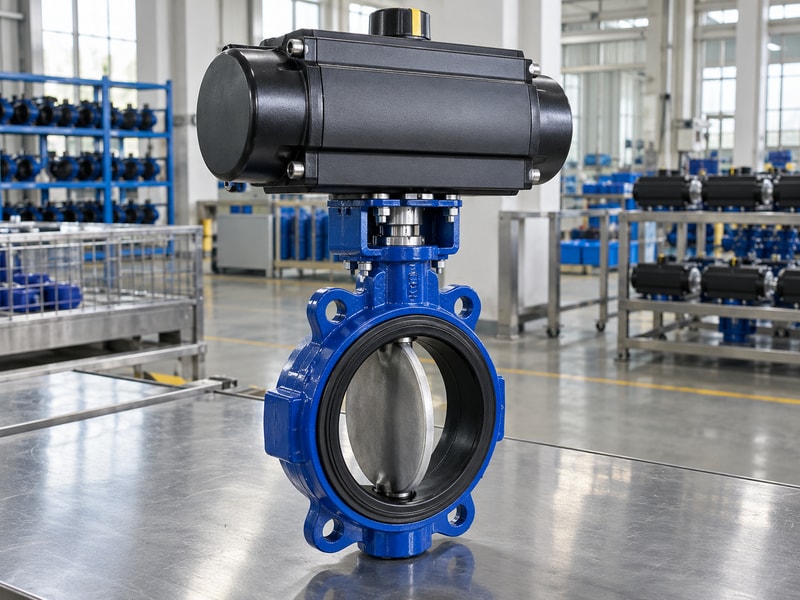
Identify the complete supply package
Confirm whether the offer includes a tested assembly or loose parts. List the actuator, bracket, coupling, solenoid, feedback, air preparation, tubing, and manual override where required. A wafer butterfly valve assembly needs the same matching review whether its components come from one source or several. Request an itemized configuration record and identify who approves the valve torque, actuator output, mounting design, control sequence, and final functional test before manufacturing or assembly starts.
- Identify the supplier's manufacturing and integration role.
- Put the complete assembly boundary on the order.
| Order area | Required definition |
|---|---|
| Equipment | Valve, drive, mounting parts, and controls |
| Integration | Sizing, assembly, adjustment, and testing |
| Export handover | Documents, protection, packing, and delivery boundary |
2. How do you prevent unit and specification errors?
A China spring return butterfly valve inquiry should state units, pressure references, standard editions, and operating cases clearly. Keep nominal size distinct from actual pipe or valve bore. Separate working pressure, closing differential pressure, test pressure, and absolute pressure where relevant. State temperature and pressure together for each operating case.
A translated table containing only size and PN can leave the connection, seat duty, actuator load, and test conditions unresolved.
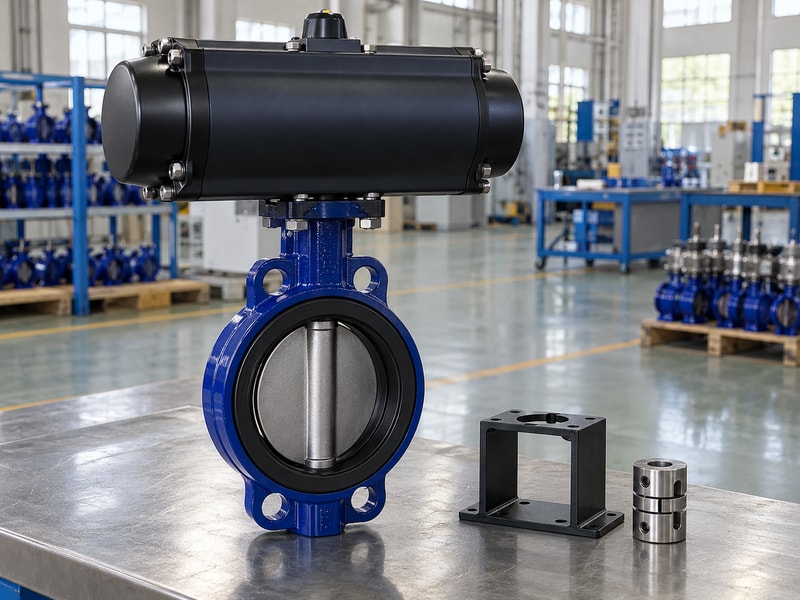
Approve one technical language and revision
Use a shared technical schedule with defined terms for normal operation, failure events, spring-driven direction, and required endpoints. Identify the authoritative drawing and revision when translated documents differ. Confirm flange drilling, face, bore, and face-to-face requirements from the actual connection drawing. Do not assume that changing a drilling pattern gives a valve another pressure-rating basis.
Record the offered materials, seal compounds, temperature limits, and closing direction for the exact assembly being purchased.
- Label units and pressure references on every duty table.
- Identify the authoritative specification and drawing revision.
| Term | Clarification |
|---|---|
| Nominal size | Actual mating bore and disc clearance still need review |
| Pressure | Working, differential, test, or absolute reference |
| Configuration | Materials, seals, connection, operator, and revision |
3. How should you qualify the offered manufacturing route?
Qualify a China spring return butterfly valve manufacturing route by following the offered configuration from its drawing through component control, assembly, and acceptance. Ask which parts are made by the supplier and which are purchased. Identify how bought-in actuators, seals, and controls are qualified and traced. A supplier can integrate a suitable package from several sources, but the order still needs a clear owner for matching, technical changes, and the complete assembly test.
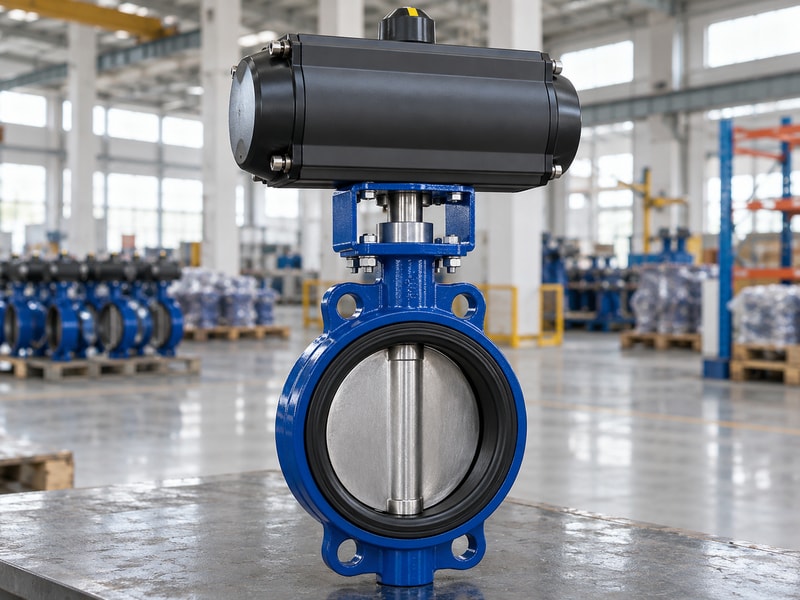
Use the order as the assessment sample
During a factory review, select an offered size and ask to see the relevant drawing, inspection plan, component identification, assembly steps, and test records. Focus on features affecting your package rather than unrelated equipment elsewhere in the workshop. For a lug butterfly valve package, that includes thread and fastening details, shaft engagement, mounting alignment, and the approved actuation. Ask how nonconforming components and post-inspection changes are controlled before the unit is released for export.
- Follow one relevant configuration through the actual controls.
- Check how purchased parts and technical changes are approved.
| Supply step | Evidence to review |
|---|---|
| Components | Approved sources, drawings, and material identification |
| Assembly | Matching, alignment, adjustment, and configuration control |
| Release | Inspection, tests, deviations, and authorized disposition |
4. Which drawings and calculations should be approved?
Approve the China spring return butterfly valve assembly drawing, valve torque basis, actuator output comparison, mounting-kit design, and required control diagrams before release. The sizing review needs the actual seat, fluid, temperature, closing differential pressure, and minimum moving supply condition. Check air-driven and spring-driven strokes separately. Include the permitted torque of the shaft, coupling, bracket, and attachment so a proposed actuator substitution can be assessed against the complete interface.
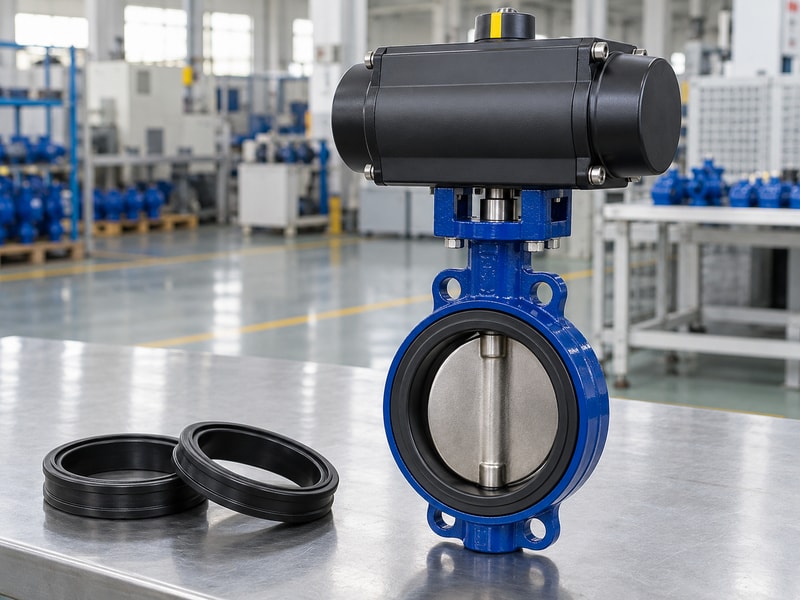
Keep dimensional and functional approval together
Review the ISO 5211 attachment scope where the offered drive interface uses it, with the standard edition agreed for the order. The complete mounting and valve connection still need their own approved drawings. Check disc clearance, actuator envelope, control accessories, lifting, and maintenance access. Confirm the failure response for loss of air, power, and signal where applicable, including reset after restoration.
A correct external dimension cannot establish an acceptable return curve or control sequence.
- Approve matching data with the complete assembly drawing.
- Resolve failure and restart behavior before production release.
| Approval item | Required content |
|---|---|
| Mechanical drawing | Connections, envelope, engagement, and mounting |
| Torque comparison | Valve load and actuator output through both strokes |
| Control sequence | Commands, failures, feedback, timing, and reset |
5. How should materials and identification follow the shipment?
Materials supplied with a China spring return butterfly valve should remain identifiable through the required manufacturing, inspection, and delivery records. Specify the metal grades, exact seal compounds, coatings, liners, and auxiliary materials relevant to the duty. Agree the heat, batch, or unit traceability required for the order. A report covering one metal component cannot identify every wetted part or approve the complete assembly for a different fluid or operating temperature.
Match documents with the actual configuration
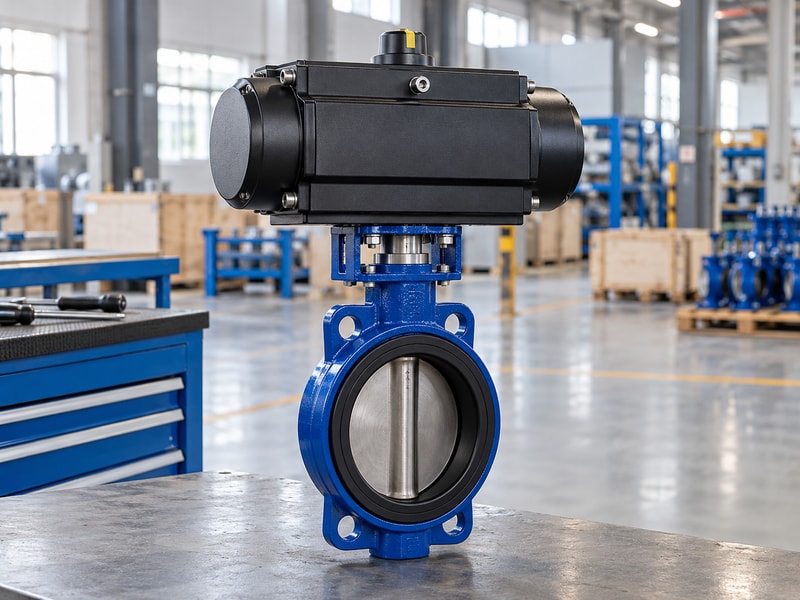
Check the supplied size, material, process, and revision against the approved assembly record. For a lined butterfly valve, review the continuous wetted barrier, backing, shaft seals, and specified lining inspection as one configuration. Define the approval process for alternative materials or component sources. A substitution that appears commercially equivalent can change compatibility, operating torque, or test coverage.
Require the revised technical review before the changed configuration is incorporated into the export order.
- Tie required material records to the ordered configuration.
- Review substitutions before they enter the released assembly.
| Identification | Purpose |
|---|---|
| Metal and component records | Connect required grades and batches with supplied parts |
| Seal and liner records | Identify actual compounds and construction |
| Assembly record | Connect parts, revisions, tests, and delivered unit |
6. What inspection points belong before export packing?
Agree inspection points for the China spring return butterfly valve before manufacture so required witnesses, documents, and tests can be scheduled. Separate dimensional and material checks from valve pressure tests and assembled return-function tests. State the methods, conditions, criteria, identification, and records required. A last-minute request for a witness or a different leakage procedure can affect release because the original inspection plan may not cover the requested work.
Define the factory and site boundaries
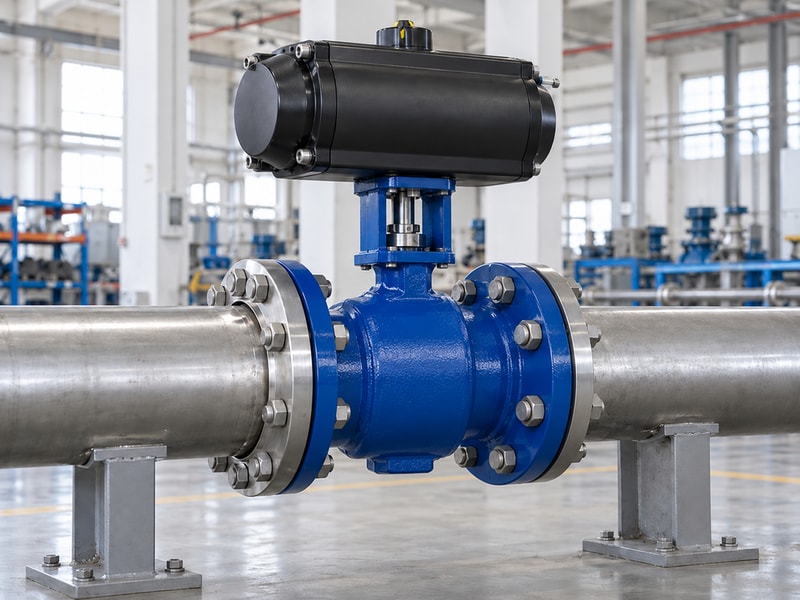
Request normal travel, specified failure-event return, endpoint, timing, and feedback checks for the offered assembly. Keep shutoff leakage acceptance separate from position indication. Identify which installed conditions, utilities, and control-system responses must be verified at the receiving site. If components change after acceptance testing, assess the effect and repeat the relevant checks before packing.
The release package should identify what was tested, under which conditions, and what remains for commissioning after delivery.
- Agree witness and hold points before production.
- Record the exact assembly and conditions covered by each test.
| Inspection stage | Release evidence |
|---|---|
| Material and dimensions | Required identification and drawing checks |
| Valve and actuation tests | Separate sealing and functional results |
| Final review | Accepted configuration, deviations, and remaining site checks |
7. Which export documents and protections should be checked?
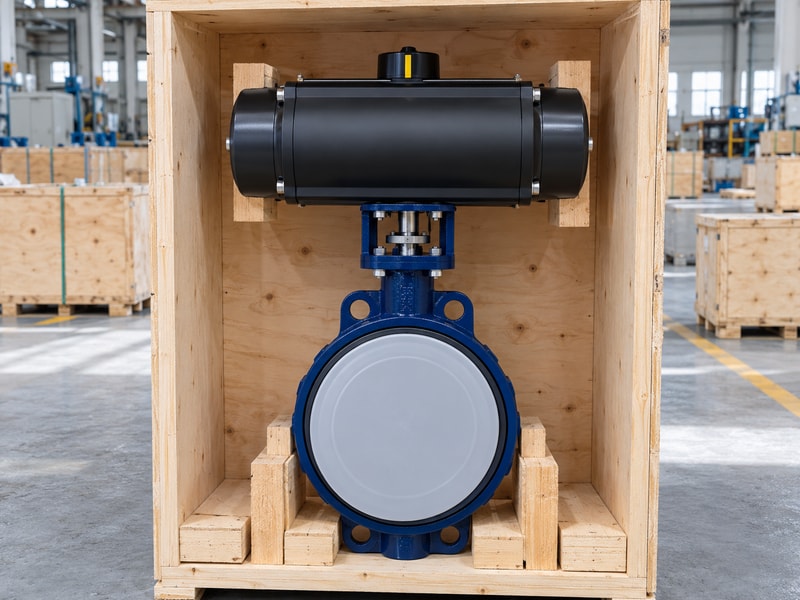
A China spring return butterfly valve shipment needs the documents and protection agreed for its destination, transport boundary, and receiving process. Confirm the packing list, unit identification, required commercial or shipment documents, technical handover, and any project-specific origin or approval evidence. Protect ports, sealing faces, operator accessories, and exposed connections using the approved packing arrangement. The valve body and operator should be supported so transport does not load the shaft connection or vulnerable controls.
Review the packed assembly before dispatch
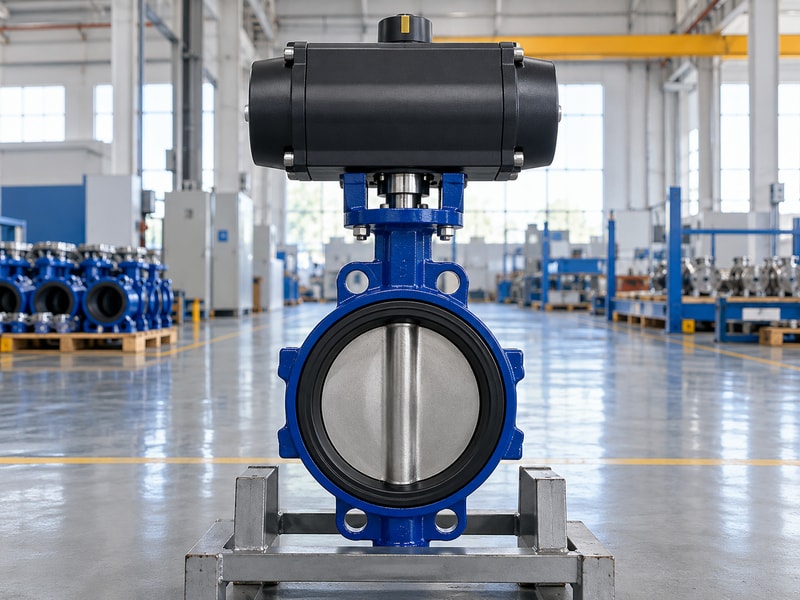
Check that loose accessories are identified, protected, and listed. Include lifting and storage instructions appropriate to the actual package. Confirm crate dimensions and mass from the packed unit where needed for transport planning. Keep technical records accessible without requiring the receiving team to unpack unprotected equipment merely to find instructions.
Any destination-specific document requirement should be agreed with the responsible project and logistics teams before dispatch; a generic export file may not cover the order's actual acceptance needs.
- Match unit and loose-part identification to the packing list.
- Check port protection and independent support of vulnerable components.
| Packing item | Check |
|---|---|
| Valve and operator | Support, restraint, clearance, and protection |
| Loose accessories | Identity, quantity, protection, and list match |
| Documents | Required shipment and technical records available |
8. How should lead time and shipping milestones be separated?
A China spring return butterfly valve lead-time statement should identify the inputs and approvals needed before the manufacturing or assembly period starts. Technical release, commercial conditions, material availability, and inspection requirements can affect readiness. Separate factory release, dispatch, transport, customs handling, and site receipt. A production completion date is useful only when everyone understands which work and documents must be complete at that milestone and which delivery steps still follow.
Track the approval path as well as production
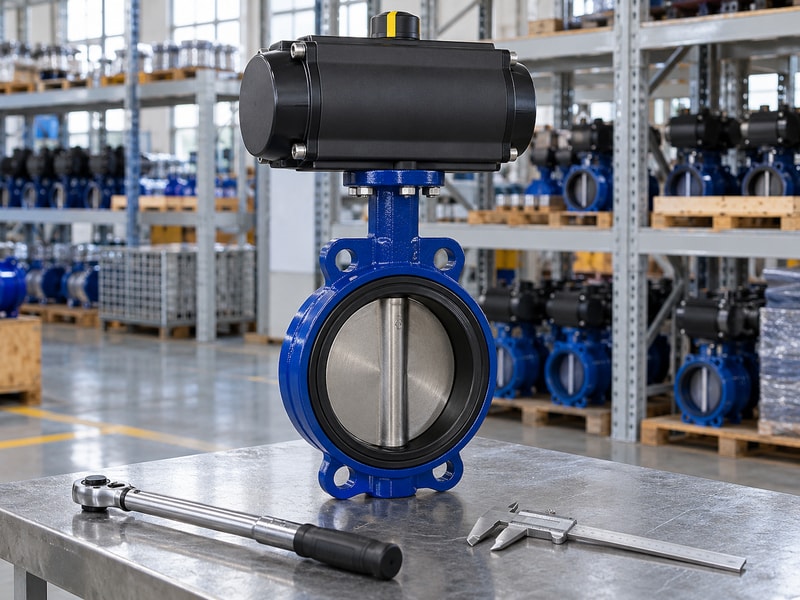
Agree drawing submissions, technical responses, production release, witness dates, document review, packing, and dispatch milestones. Identify who reports delays and how schedule changes are approved. Confirm the agreed delivery location and transport boundary without assuming that every supplier quotation includes the same logistics scope. RUITO's factory release planning depends on the technical, commercial, and required inspection conditions for the order being complete.
Keep the transport and destination receipt plan as a separate part of the overall schedule.
- State the event that starts the manufacturing period.
- Separate factory completion from destination receipt.
| Milestone | Basis |
|---|---|
| Production release | Required technical and commercial approvals complete |
| Factory release | Agreed assembly, tests, documents, and packing complete |
| Site receipt | Transport and destination handling completed within the agreed scope |
9. How do you keep later replacements and orders consistent?
Keep a China spring return butterfly valve replacement or repeat order tied to the approved assembly record and current duty. Retain valve and actuator identification, drawings, sizing, controls, materials, settings, tests, and accepted deviations. Identify any change in process fluid, temperature, pressure, utilities, installation, or required failure response. A previous purchase description may be too short to reproduce the original package, especially when components or sources have changed between orders.
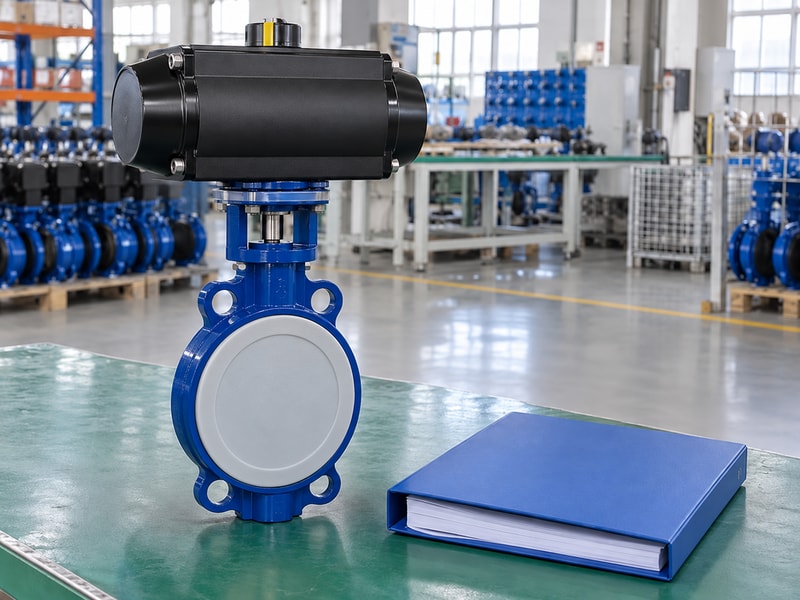
Require a documented change review
Ask the supplier to list revisions, discontinued components, alternative sources, and proposed substitutions before release. Review their effects on torque, compatibility, interfaces, control behavior, and acceptance evidence. Keep the final spare-parts identification and maintenance instructions with the receiving site's records. RUITO can review a sourcing inquiry against a stated duty and assembly boundary, with the proposed configuration and unresolved items identified.
Use that written basis when comparing a replacement or repeat shipment with the original approved order.
- Identify the approved configuration and any changed duty.
- Request revised matching and tests where a substitution affects them.
| Repeat-order check | Required record |
|---|---|
| Original configuration | Assembly identity, drawings, materials, and controls |
| Proposed changes | Technical difference and approval |
| Acceptance | Revised documents and affected repeat tests |
10. What should overseas buyers resolve before dispatch?
Q1. Can country of origin establish valve suitability?
No. Suitability depends on the exact configuration, service limits, matching, interfaces, controls, and required evidence. Identify the offered supply route and assembly owner.
Q2. How do I avoid mistakes between translated specifications?
Agree one authoritative technical schedule and drawing revision. Define units, pressure references, materials, return direction, controls, tests, and document terminology explicitly.
Q3. Can a different flange pattern give the valve another rating?
No. The complete valve needs its own applicable rating basis and configuration review. Check the connection drawing and service limits together.
Q4. What is the best time to agree witness inspection?
Agree it before manufacture. Include the procedure, conditions, acceptance criterion, witness or hold points, document requirements, and any remaining site checks.
Q5. Does factory release include transport and customs time?
Only if the quoted scope explicitly includes those steps. Separate production release, factory completion, dispatch, transport, destination handling, and site receipt in the schedule.
Send the technical schedule, required documents, and delivery boundary when you contact us. RUITO can review the proposed configuration and release conditions before an export order proceeds.