
Choose a "spring return butterfly valve supplier" that takes clear responsibility for the offered package and its documents. A competitive valve price can leave controls, mounting, testing, or delivery work outside the offer. Compare a defined supply boundary and approval process so purchasing, installation, and receiving teams know what the order includes.
1. How should a spring return butterfly valve supplier define scope?
A spring return butterfly valve supplier should identify the valve, operator, mounting kit, controls, assembly work, tests, and documents included in its offer. It should also state exclusions and the work expected from the installer. A distributor, manufacturer, or integrator can provide different supply boundaries. Ask who answers technical questions, approves matching, controls substitutions, and resolves discrepancies.
The buyer needs one clear route for the complete package rather than separate unresolved promises from several component sources.
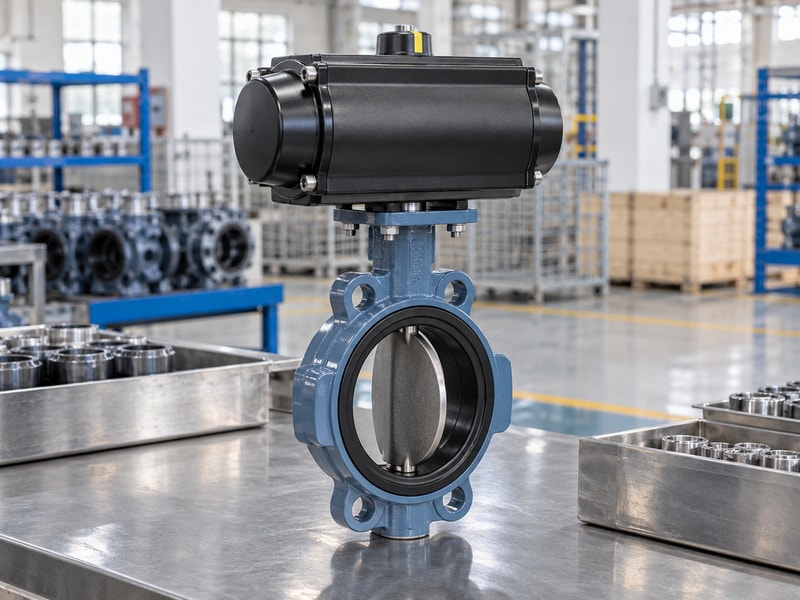
List what arrives assembled
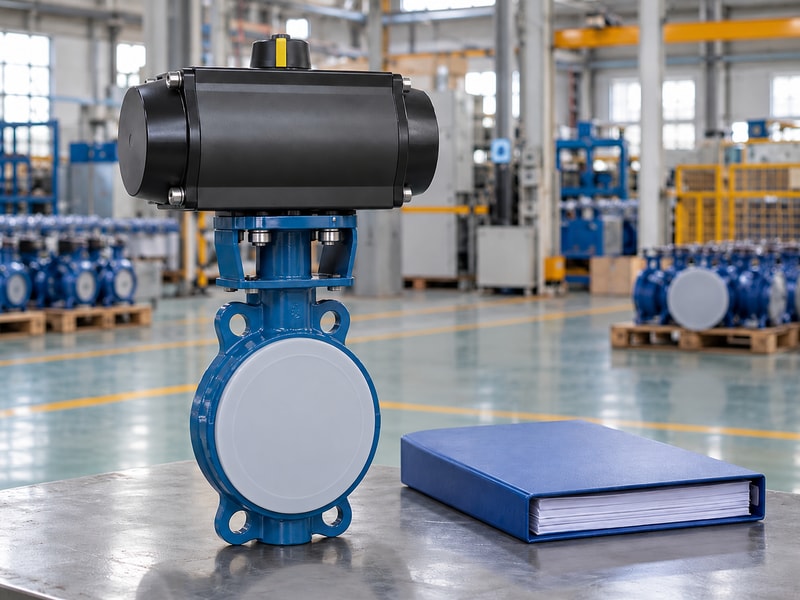
Confirm whether the supplier delivers a tested valve-actuator assembly or loose components requiring site work. Include feedback, solenoid, tubing, air preparation, manual override, and mounting fasteners where specified. A lug butterfly valve package also needs its actual connection and fastening details. Ask the supplier to identify every component on one assembly record and explain who sets travel, checks indication, and verifies the required return action.
Keep that scope with the quotation before discussing delivery dates.
- Separate supplied components from installation work.
- Assign one technical owner for the assembly boundary.
| Scope area | Question to settle |
|---|---|
| Equipment | Which valve, drive, mounting parts, and controls are included? |
| Integration | Who assembles, adjusts, and tests them? |
| Responsibility | Who approves changes and resolves technical discrepancies? |
2. Which inquiry details make offers comparable?
Give each spring return butterfly valve supplier the same duty, connection information, operating cases, utilities, failure sequence, and acceptance requirements. State actual fluid composition, size, temperature, working pressure, maximum closing differential, cycle pattern, and environment. Include the required documents and any witness points. Without a common inquiry, suppliers can price different materials, operators, accessories, and test boundaries.
The resulting price comparison may describe different products rather than different offers for the same requirement.
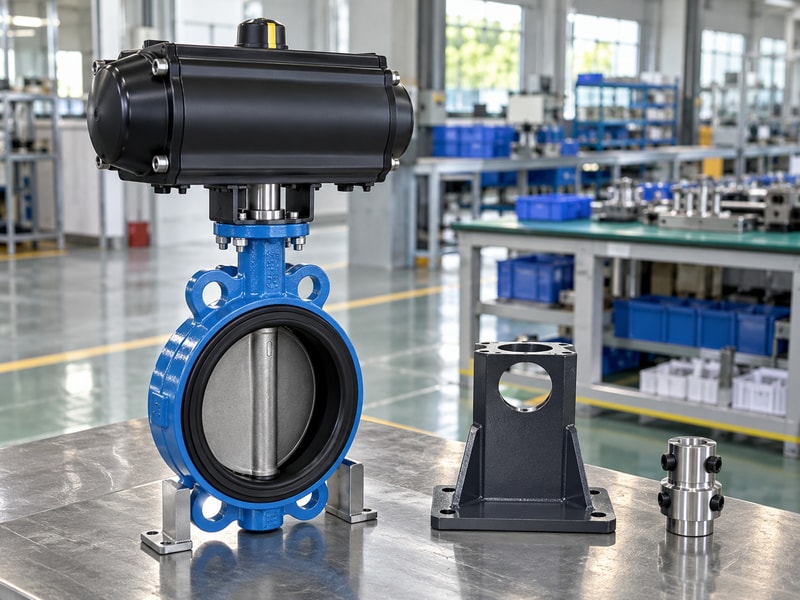
Expose assumptions before approval
Ask suppliers to list missing inputs and the assumptions used for selection. Keep pressure and temperature associated with their actual operating cases instead of combining unrelated maxima. Specify the required return endpoint for air loss, electrical loss, and signal loss where relevant. Identify reset behavior after utilities return.
If a supplier proposes an alternative configuration, request a separate technical comparison so the alternative's limits, tests, and installation consequences can be reviewed before it replaces the original request.
- Use one common duty and acceptance schedule.
- Require assumptions and alternatives to be identified.
| Inquiry item | Purpose |
|---|---|
| Process and interfaces | Define the actual valve duty and connection |
| Utilities and sequence | Define required operation and failure response |
| Acceptance and documents | Define what the offer must demonstrate and deliver |
3. How do you compare quotations beyond unit price?
Compare a spring return butterfly valve supplier quotation by its complete scope, technical coverage, exclusions, approval conditions, and delivery basis alongside price. Check whether the offered materials, actuator, controls, mounting parts, tests, and documents match the inquiry. A low price can omit air preparation or a required functional test. A higher price can include work the site would otherwise have to perform.
Record those differences explicitly rather than treating every valve line item as equivalent.
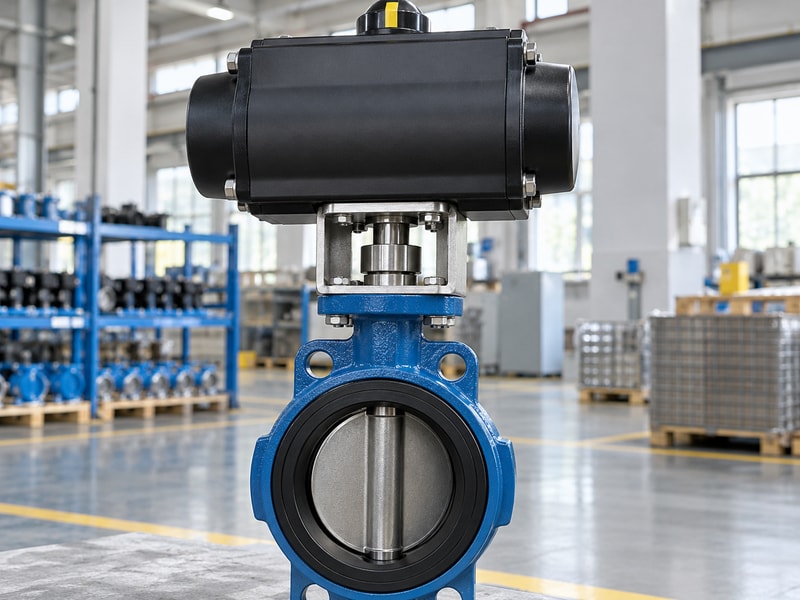
Make the comparison actionable
Use a short deviation schedule with a supplier response for each requirement. Mark accepted alternatives, unresolved items, and conditions that must be cleared before release. Review an offered wafer butterfly valve assembly with its actual torque matching and connection data, not only its nominal size. Ask which quoted items are optional and which are already included.
Preserve the final accepted schedule with the order so later commercial or technical discussions use the same agreed supply boundary.
- Compare equivalent assembly and acceptance scopes.
- Keep accepted deviations separate from unresolved requirements.
| Comparison item | Record |
|---|---|
| Technical coverage | Offered configuration and any deviation |
| Included work | Assembly, controls, tests, and documents |
| Commercial basis | Quantity, delivery boundary, validity, and stated exclusions |
4. Which technical approvals should precede release?
A spring return butterfly valve supplier should obtain the required technical approvals before releasing a configuration for manufacture or assembly. Review the valve service limits, torque comparison, mounting drawing, control diagrams, failure sequence, and material identification. Name the person or organization authorized to approve each item. A quotation approval does not necessarily resolve every technical assumption.
Define the release conditions so production cannot silently proceed with an unreviewed actuator, seat, or control option.
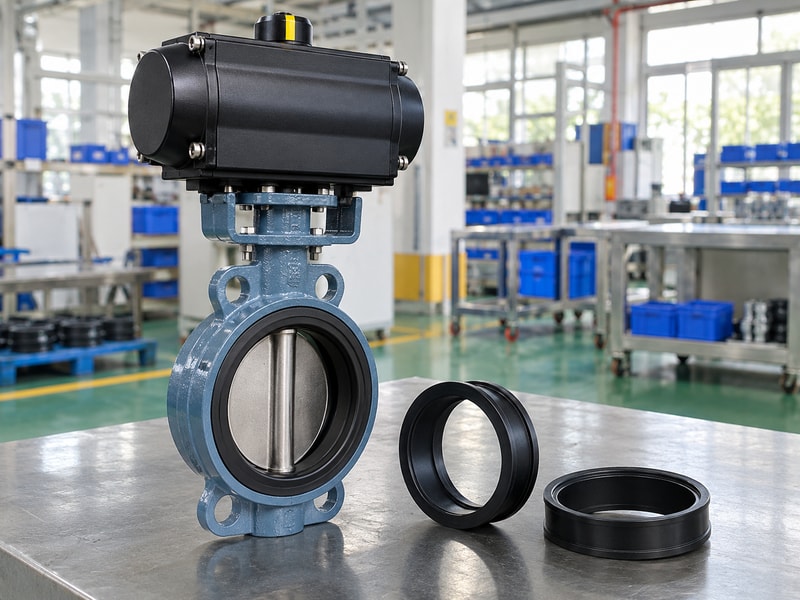
Keep interface and matching evidence together
Check the drive geometry, shaft engagement, alignment, fasteners, and mechanical load limits with the actuator output curves. Review the ISO 5211 attachment scope where applicable to the offered interface and agreed edition. Keep the complete mounting-kit design and assembly calculation in the approval record. If a supplier sources the actuator separately, request the exact configuration's operating instructions and output data.
Dimensional compatibility alone does not establish the required return torque or control behavior.
- Define the technical release documents and approval owner.
- Recheck matching after an actuator or seat substitution.
| Approval | Required basis |
|---|---|
| Valve duty | Actual service cases and configuration limits |
| Assembly matching | Torque, interfaces, mounting, and travel |
| Controls | Utility conditions, sequence, feedback, and reset |
5. How should delivery dates and transport scope be stated?
A spring return butterfly valve supplier should state what starts the manufacturing or assembly lead time and what milestone the quoted date represents. Technical approval, commercial release, material availability, and inspection conditions can affect readiness. Separate factory release from transport, customs, and site receipt. A statement that a valve is available does not necessarily mean the complete reviewed package, documents, and tests are ready for dispatch under the required order conditions.
Track the milestones that can change receipt
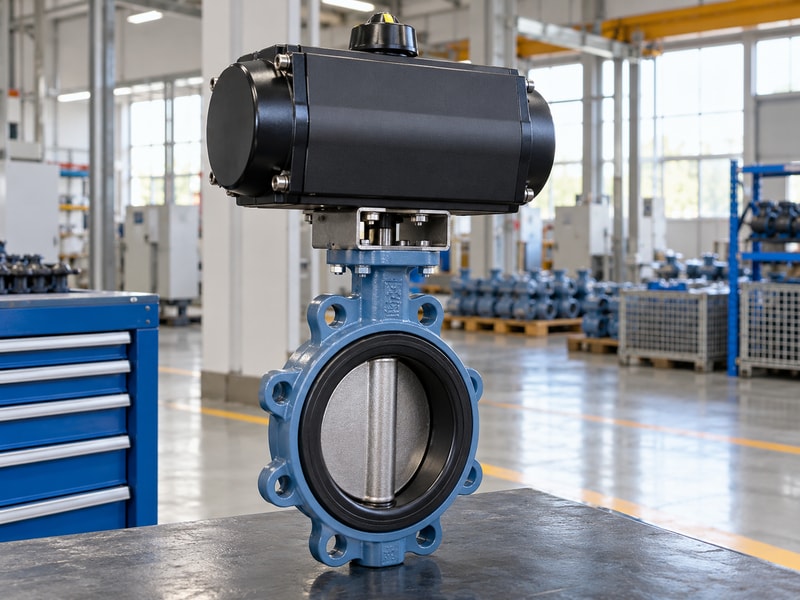
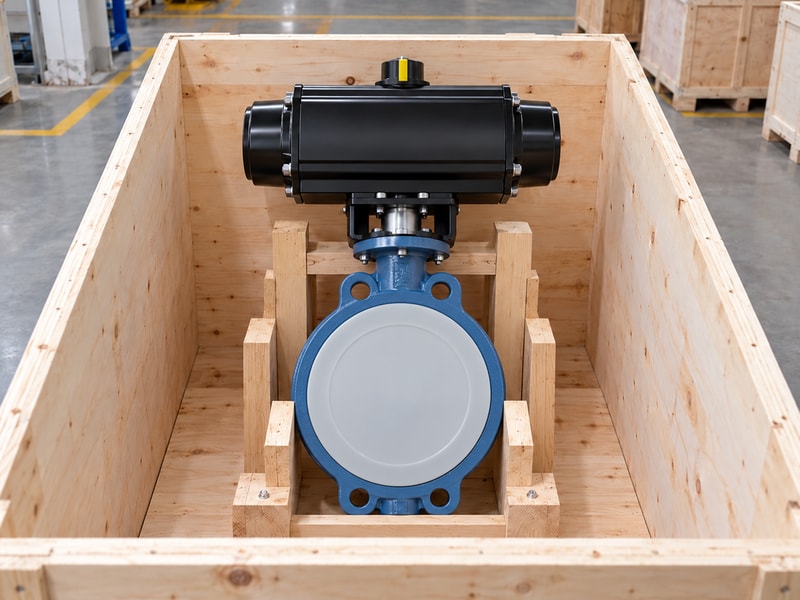
Agree the drawing submission, approval, production, inspection, document review, packing, and dispatch milestones relevant to the order. Confirm the transport boundary, delivery location, packing requirements, and required shipment documents. Identify who reports a change and how the revised schedule is approved. A flanged butterfly valve package can need specific support and protection because the operator and controls add weight and an installation envelope.
Check those details before choosing a transport method or promising the site a receipt date.
- Name the event that starts the quoted lead time.
- Separate manufacturing release, dispatch, and site receipt.
| Milestone | Meaning to agree |
|---|---|
| Technical release | Approved inputs required to proceed |
| Ready for dispatch | Assembly, inspection, documents, and packing complete |
| Delivery | Agreed location and transport boundary |
6. What inspection and document work belongs before shipment?
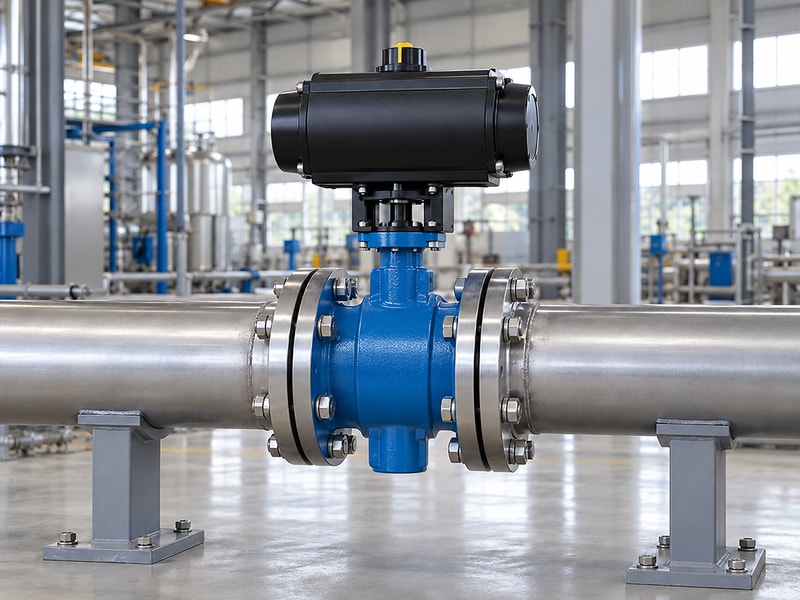
Before shipment, a spring return butterfly valve supplier should complete the agreed inspection, tests, configuration checks, and document review. Identify the valve pressure and leakage requirements separately from normal travel, spring return, feedback, and control-sequence tests. Define witness or hold points early enough to plan them. A general inspection certificate can leave the actuator behavior unverified, and a movement video can leave the valve's shutoff criterion or tested conditions unclear.
Match records to the released assembly
Check unit identification, configuration, method, test conditions, result, and any agreed measuring-equipment information. Confirm the supplied controls and mounting parts match the tested arrangement. Identify the checks that remain for site commissioning, including actual utilities and control integration. The supplier should assess any change made after testing and repeat affected checks where required.
Keep the accepted document package with the release record so receiving staff can identify the assembly and the limits of its factory evidence.
- Agree witness points and document timing before production.
- Review post-test changes against affected acceptance evidence.
| Pre-shipment item | Evidence |
|---|---|
| Valve tests | Specified pressure and leakage results |
| Assembly function | Travel, return, timing, feedback, and control records |
| Release documents | Configuration, instructions, drawings, and accepted changes |
7. What should receiving staff check on arrival?
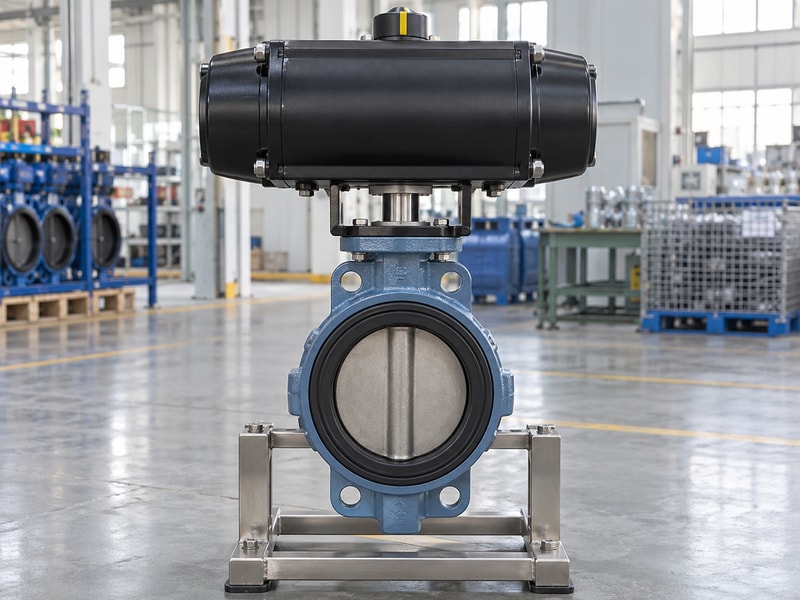
Receiving staff should check a spring return butterfly valve supplier delivery against the order, assembly identification, packing list, approved configuration, and release documents. Inspect packaging, port protection, visible damage, supports, accessories, and loose components before installation. Record discrepancies with the unit identification and clear photographs. Appearance cannot establish internal seal material or return torque, but it can reveal missing accessories, damaged interfaces, or a configuration that differs from the approved drawing.
Keep receipt inspection separate from commissioning
Confirm that the documents and identified parts correspond to the delivered unit. Follow the storage and handling instructions while technical questions are resolved. Do not energize or stroke equipment merely to settle an unidentified packing discrepancy. Commissioning requires the site's isolation, stored-energy controls, utilities, and operating procedure.
If shipping damage or missing components affects the assembly, ask the supplier for a documented disposition before installation and identify any acceptance tests that must be repeated after correction.
- Identify discrepancies before installing the package.
- Retain photographs and records tied to the unit.
| Receipt check | Record |
|---|---|
| Identity and quantity | Order, unit, component, and packing-list match |
| Condition | Protection, damage, supports, and visible interfaces |
| Documentation | Approved configuration and release package available |
8. Which support and replacement conditions should be agreed?
Agree how the spring return butterfly valve supplier handles technical support, discrepancies, maintenance questions, spare parts, and the applicable warranty process for the offered package. Ask what identification and operating information are needed to investigate a problem. Record the actual supplied configuration and approved service conditions. A general service promise does not define which replacement part is compatible or what information the supplier needs to review a reported failure.
Make replacement requests specific
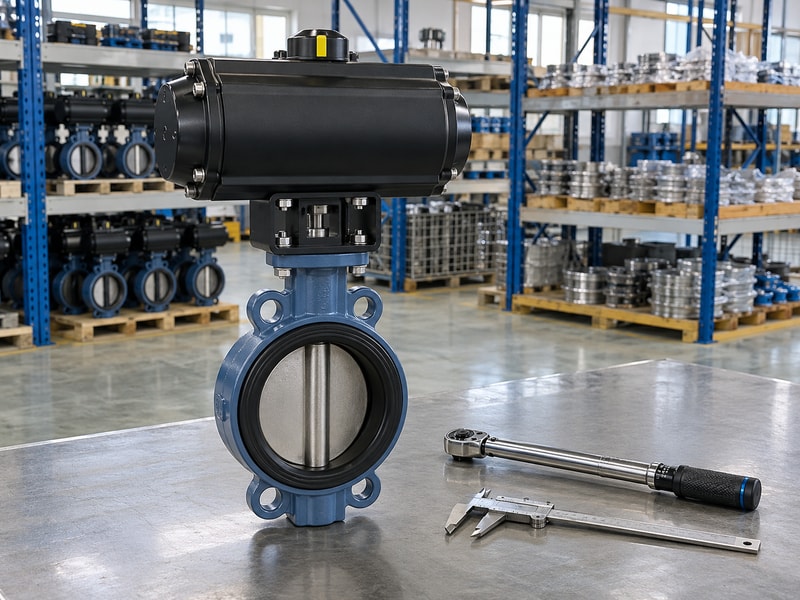
Provide the unit identification, configuration, operating conditions, symptoms, and relevant inspection history. A seat, actuator, solenoid, or coupling change can affect the original matching or failure sequence. Request the manufacturer's review of the proposed replacement and the tests needed after installation. Keep maintenance instructions available, including the procedure for stored spring energy.
Confirm the stated warranty and support terms for the order without assuming that a generic website statement resolves every service condition or component boundary.
- Keep assembly identification with every support request.
- Review replacement effects on matching, controls, and tests.
| Support item | Information to agree |
|---|---|
| Technical query | Contact route and required unit information |
| Spare parts | Configuration, revision, and compatibility review |
| Reported discrepancy | Evidence, disposition, and affected repeat checks |
9. How do you keep repeat orders consistent?
Repeat orders from a spring return butterfly valve supplier should refer to an approved configuration and revision, with any changed service conditions identified. A previous invoice description may omit the seat compound, actuator configuration, spring return direction, controls, or testing scope. Ask the supplier to confirm the complete repeated assembly and list changes. Keep the same review process when a component is discontinued, a replacement source is proposed, or the installation duty changes.
Use the approval record as the reorder basis
Retain the final assembly list, drawings, sizing basis, control diagrams, operating instructions, accepted deviations, and required test scope. State which items must remain equivalent and which may be reviewed as alternatives. RUITO can review a repeat inquiry against the stated duty and available assembly information, with changes identified before supply. That record gives purchasing a practical way to compare revisions and gives the receiving team a clear configuration to check when the next shipment arrives.
- Identify the approved configuration and revision on reorders.
- Request a written change list before accepting replacements.
| Reorder item | Required confirmation |
|---|---|
| Configuration | Valve, actuator, mounting, seals, and controls |
| Duty | Any changed process, utility, or installation condition |
| Acceptance | Required records, tests, documents, and approved deviations |
10. What should buyers ask before placing the supply order?
Q1. Can a distributor supply a complete tested assembly?
Yes, if its offered scope includes the required matching, integration, adjustment, tests, and records. Identify the technical owner and component sources before approval.
Q2. How do I know whether the lowest price covers the same package?
Compare the itemized scope and deviation schedule against one common inquiry. Check controls, mounting parts, assembly work, tests, documents, and delivery exclusions.
Q3. Does a factory-ready date mean the valve has reached my site?
No. Factory release, dispatch, transport, customs, and site receipt are different milestones. Agree which one the quotation's date represents.
Q4. Can receiving inspection replace commissioning?
No. Receiving checks identity, quantity, condition, and documents. Commissioning checks the installed assembly, actual utilities, controls, and required operating sequence.
Q5. What should I include in a repeat order?
Identify the approved assembly and revision, current duty, required tests and documents, and permitted deviations. Ask the supplier to list proposed changes before release.
Send the duty sheet, supply boundary, and document requirements when you contact us. RUITO can review a complete offer with its technical assumptions and delivery conditions identified.