
To define a butterfly valve as an actual device, confirm that the identified item uses a shaft-positioned, disc-shaped closure within its body passage. Match that closure evidence with the valve’s tag and manufacturer records. Keep construction details and accepted service separate from the category identification.
Two valves can share a body color and handwheel style while using different closure elements. A cropped photograph or short maintenance label can carry the wrong category into an equipment record. Follow the actual tag, closure evidence and matched product documents before treating the item as an identified butterfly valve.
1. How do you define a butterfly valve as one actual device?
To define a butterfly valve as one device, establish the closure form of that item rather than identify a broad application or familiar operator. The relevant category uses a disc-shaped member positioned by shaft rotation within the passage. That functional description needs evidence tied to the valve under review.
What observation or document supports the classification?
Identify the actual closure member. The Emerson Control Valve Handbook describes the butterfly disk within its rotary-valve terminology. Use a matched section, manufacturer model record or authorized inspection evidence to connect that description with the item. A generic complete-valve illustration supplies no actual asset identity, material evidence or service acceptance.
- Identify the selected item’s disc-shaped closure and rotary positioning.
- Tie category evidence to the actual asset or supplied item.
- Keep generic illustrations outside the item’s factual identification record.
Key takeaway: Classify the actual item through closure evidence linked with its identity.
| Check | What you should confirm |
|---|---|
| Criterion | Selected item has the documented rotary-disc closure |
| Evidence | Actual model or authorized observation supports that description |
| Boundary | Category identity leaves service and material questions separate |
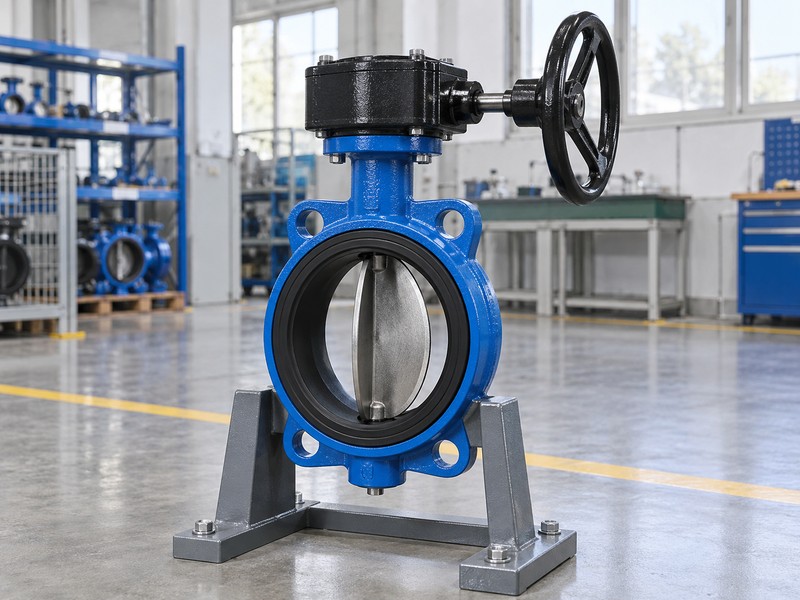
2. Which tag records help you define a butterfly valve?
Tag records help you define a butterfly valve only when they connect the physical item with applicable product information. A project tag locates an asset, while manufacturer model and product identifiers describe the supplied construction. Record both without treating them as interchangeable.
How should asset and manufacturer identities be linked?
Record the identifiers as found. Retain the asset tag, location, readable manufacturer markings and available model or product reference, with their source noted. Match them against the accepted equipment or delivery records rather than guessing missing characters from a nearby valve. Keep missing or conflicting identifiers explicit during the document search.
- Separate project location tags from manufacturer product identities.
- Retain readable markings and the source of each recorded identifier.
- Keep missing or conflicting identity information visible.
Key takeaway: Link the actual tag with manufacturer identity before selecting supporting documents.
| Check | What you should confirm |
|---|---|
| Asset reference | Tag and location identify the item being reviewed |
| Product reference | Manufacturer records identify the supplied model or configuration |
| Link | Accepted records connect the physical item with that product information |
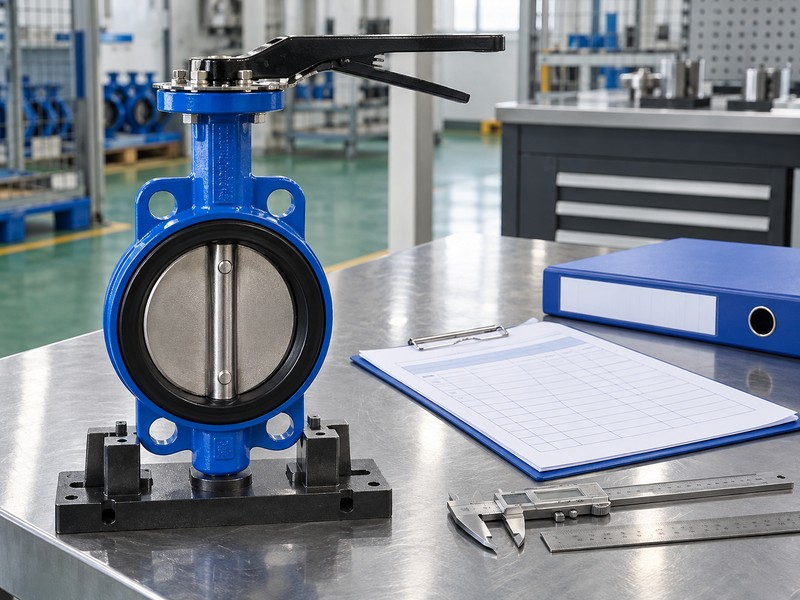
3. Can external clues define a butterfly valve reliably?
External clues can help you define a butterfly valve provisionally, but they do not always reveal its closure member. Body shape, connection features, operator location and visible markings help direct the document search. A short body or familiar handwheel cannot independently establish concealed disc geometry or the actual valve category.
Which exterior observations are useful without overclaiming?
Record visible clues within their scope. Note the body and operator arrangement, readable markings and photographed view without converting appearance into an unverified internal description. Use existing records and authorized observations to resolve the closure type. Any required physical access follows the selected manual and site authorization, including applicable isolation, depressurization, draining or decontamination and energy controls; identification does not justify improvised movement or opening.
- Record visible connection, operator and marking clues.
- Use those clues to locate applicable manufacturer information.
- Keep physical access within authorized selected-product procedures.
Key takeaway: Use external appearance to guide identification while preserving uncertainty about hidden construction.
| Check | What you should confirm |
|---|---|
| Observation | Visible exterior features are recorded without hidden assumptions |
| Search value | Clues help locate the actual model and relevant records |
| Limit | Concealed closure and geometry still need matching evidence |
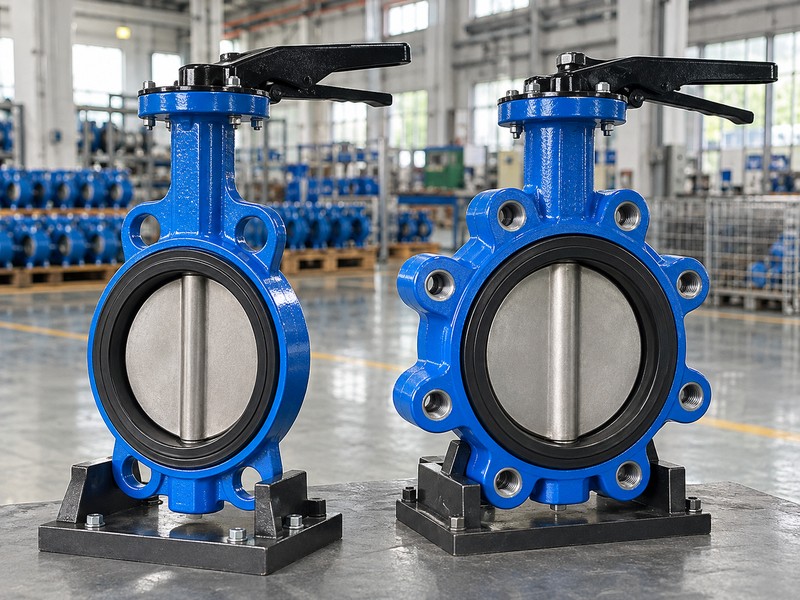
4. How do you define a butterfly valve apart from a ball valve?
To define a butterfly valve apart from a ball valve, identify the actual closure member rather than rotary movement alone. A butterfly valve uses its disc-shaped closure, while a ball valve uses a spherical closure with its defined passage. Similar lever or powered operation can leave that internal distinction concealed.
What evidence resolves a rotary-valve ambiguity?
Compare the selected closure definitions. Read the manufacturer model description and applicable section for the item, then record whether the identified member is a disc or a ball. A partial picture of a curved surface or stem connection cannot settle the distinction without its view and product context. Generic parts imagery cannot establish the installed device’s construction.
- Distinguish the closure form from the shared rotary motion class.
- Use the applicable model description and selected section.
- Keep ambiguous cropped views separate from confirmed classification.
Key takeaway: Use the actual closure form to resolve a butterfly-versus-ball identification question.
| Check | What you should confirm |
|---|---|
| Shared clue | Rotary input alone does not identify the closure form |
| Butterfly criterion | Actual records identify the disc-shaped closure |
| Ball criterion | Actual records identify the spherical closure and its passage |
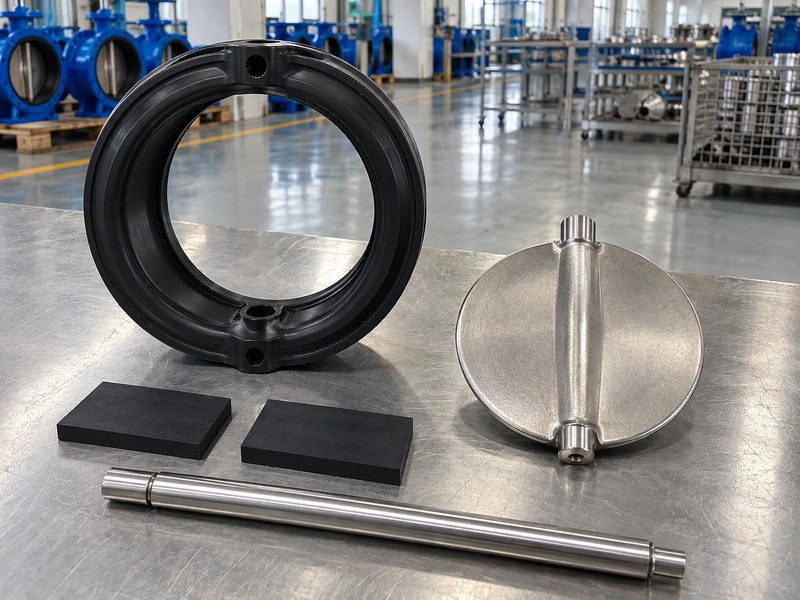
5. How do you define a butterfly valve apart from a gate valve?
To define a butterfly valve apart from a gate valve, check the documented closure movement rather than count handwheel turns. A butterfly disc rotates, while a gate construction moves its gate through the selected travel arrangement. A gearbox can change the operating input without changing the closure category.
Why can the handwheel mislead identification?
Separate input movement from closure travel. Read the actual operator and valve records so a multi-turn handwheel is not mistaken for proof of a translating closure. Retain the selected motion description and its matched product identity. Generic open-and-closed views establish no actual turn count, travel limit or nearby valve identity.
- Identify whether the actual closure rotates or translates.
- Keep gearbox input separate from closure movement.
- Retain the matching valve and operator descriptions.
Key takeaway: Classify the closure movement rather than infer valve type from handwheel turns.
| Check | What you should confirm |
|---|---|
| Operating input | Handwheel movement belongs to the selected drive arrangement |
| Closure movement | Actual records distinguish disc rotation from gate travel |
| Identity | The movement description remains linked with the reviewed item |
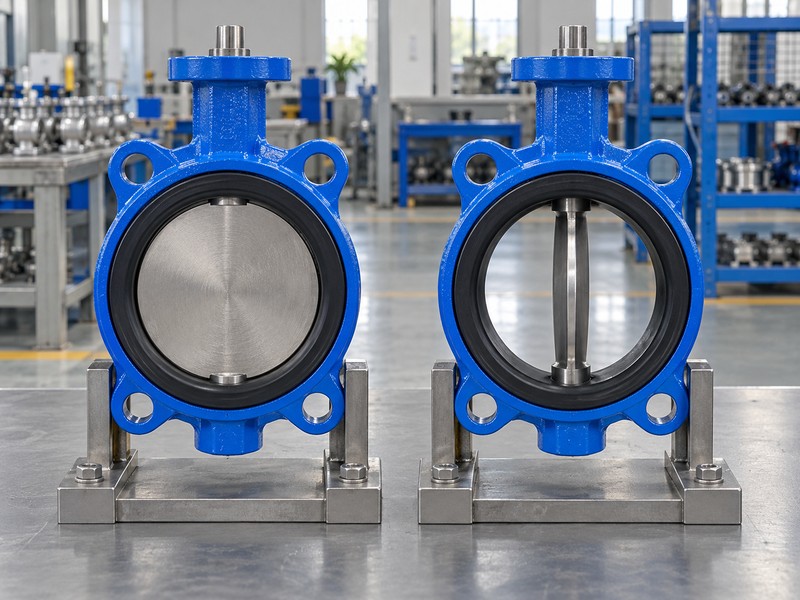
6. How do you define a butterfly valve without assuming check action?
To define a butterfly valve without assuming check action, distinguish the identified disc closure from any separately required automatic non-return function. A disc shape or flow arrow cannot by itself establish automatic prevention of reverse flow. Record the actual function and operating arrangement described for the selected device.
What must support an automatic-function claim?
Verify the intended action through product records. Identify whether the selected device’s design and documentation provide the required automatic function, instead of assigning it from a photograph or the word valve. Keep external operating arrangements and any specifically intended automatic function separately described. A metallic sealing-interface illustration proves neither non-return behavior nor an approved shutdown or safety function.
- Separate closure shape from required automatic action.
- Read the selected device’s stated function and operating arrangement.
- Retain actual evidence for any non-return or automatic-function claim.
Key takeaway: Confirm automatic functions independently of a disc-shaped closure or a generic category name.
| Check | What you should confirm |
|---|---|
| Closure category | Actual geometry identifies the rotary-disc valve |
| Required function | Application states any automatic non-return requirement |
| Evidence | Selected design and records establish the claimed action |
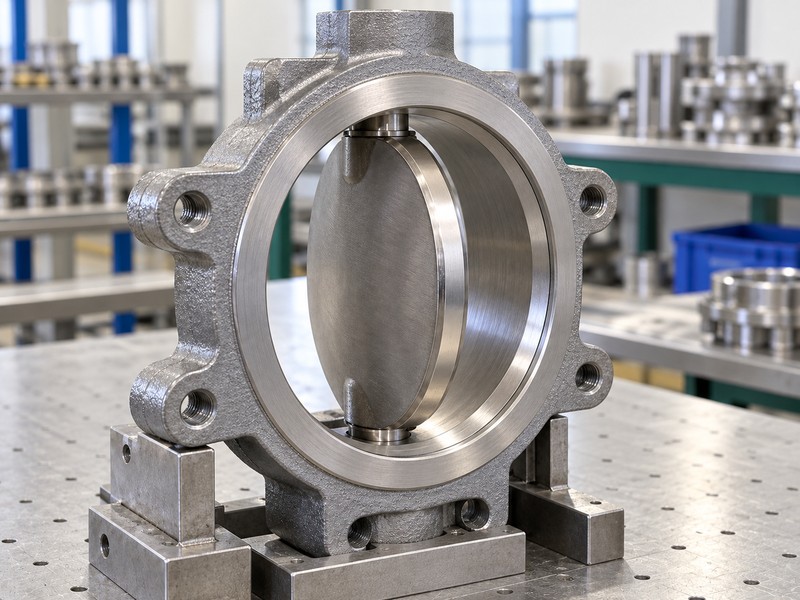
7. Which drawings help you define a butterfly valve?
Matched drawings help you define a butterfly valve when they identify the actual model, body construction and closure arrangement. Use the applicable section or assembly view for concealed features. An exterior arrangement may help locate the item while leaving the closure or attachment details outside its stated scope.
How do you avoid matching the wrong product family?
Check the document-to-item match. The Bray resilient-valve manual distinguishes component arrangements within named model families. Match model, construction and applicable revision before interpreting its closure evidence. Read exploded spacing as illustration layout rather than assembled clearance, observed position or an authorized disassembly sequence.
- Match model, construction and applicable drawing revision.
- Use the correct view for concealed closure evidence.
- Keep illustration layout separate from actual assembled dimensions.
Key takeaway: Use an applicable drawing as evidence for the actual item, within that view’s scope.
| Check | What you should confirm |
|---|---|
| Applicability | Selected drawing describes the actual reviewed model |
| View scope | Section or assembly establishes the required closure relationship |
| Interpretation | Illustrated separation does not define actual operating gaps |
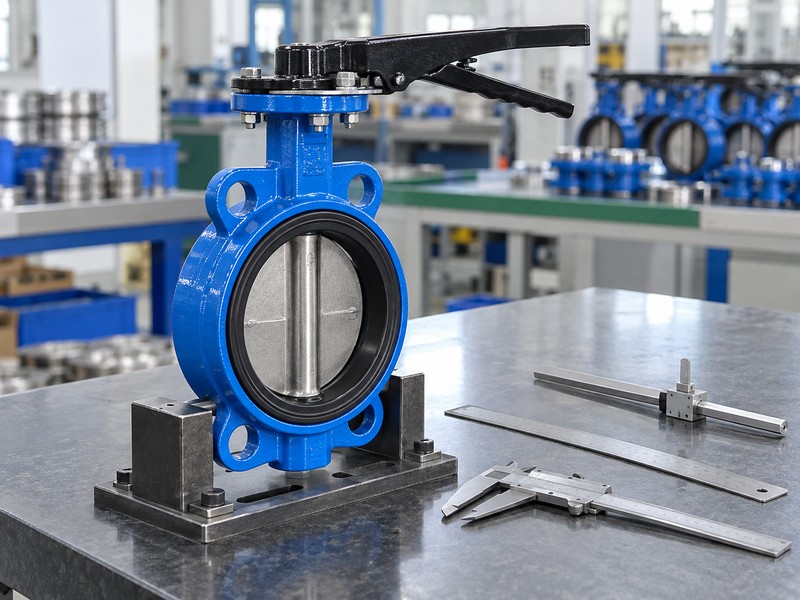
8. Which details qualify how you define a butterfly valve?
Construction details qualify how you define a butterfly valve after the closure category is supported. Record the actual connection, geometry, seat and drive as separate facts. A visible body interface may support one descriptor while materials, concealed offsets or complete sealing arrangements still need their own records.
Which facts should remain explicitly unconfirmed?
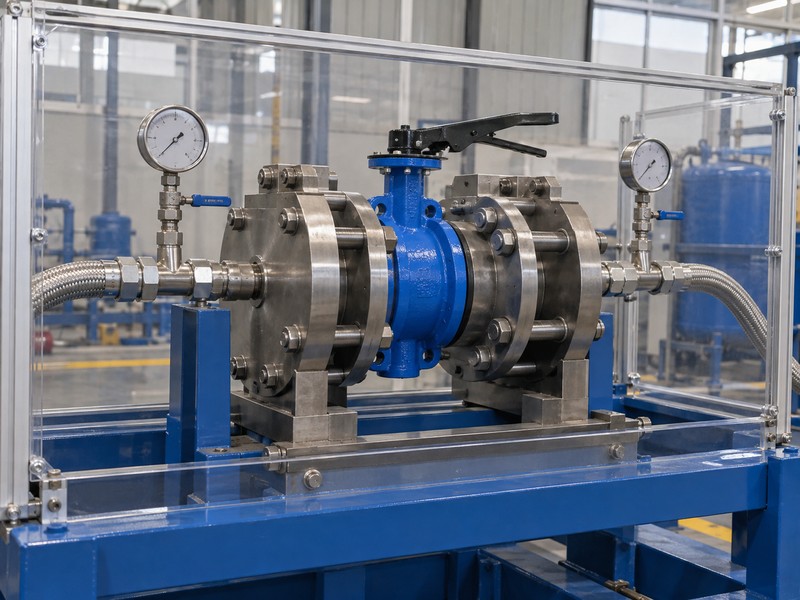
Separate confirmed and unresolved attributes. Keep each descriptor beside its supporting item record instead of allowing one known feature to fill every blank. A metal seat cannot establish offset count, and a body connection name cannot supply gasket, end-condition or pressure limits. A generic hydraulic-test scene provides no missing construction identity, material confirmation or passed acceptance result for the device.
- Record connection, geometry, seat and drive independently.
- Link confirmed attributes with their actual supporting records.
- Keep hidden or unsupported construction details unresolved.
Key takeaway: An identified category can coexist with unresolved construction or service details.
| Check | What you should confirm |
|---|---|
| Confirmed fact | Evidence establishes that specific descriptor for the item |
| Open attribute | Missing support remains visible rather than inferred |
| Acceptance | Condition or performance needs separate selected evidence |
9. Can performance data define a butterfly valve?
Performance data can support a request to define a butterfly valve for service, but it does not replace closure identification. Flow, differential, operating torque and leakage results belong to an identified configuration and stated conditions. A similar rating or coefficient cannot prove that an unknown device belongs to the butterfly category.
What must stay separate from the identification decision?
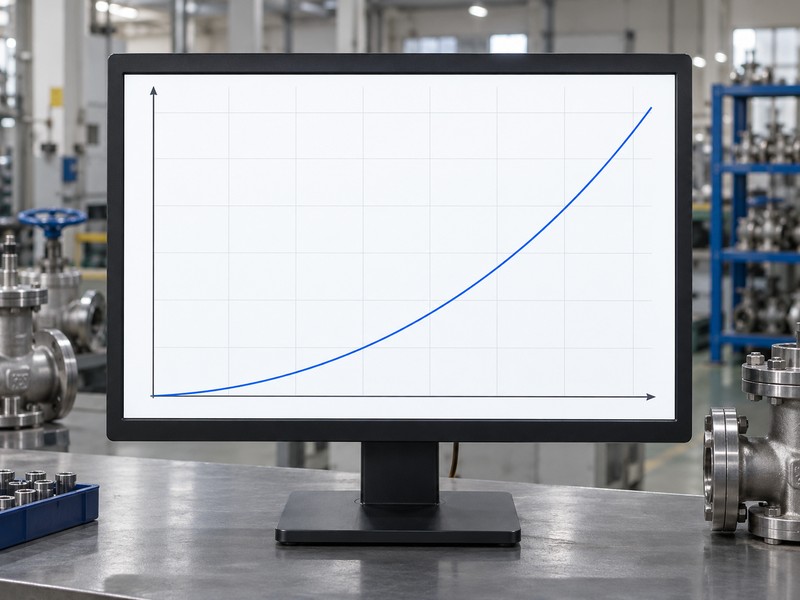
Keep capability evidence within its scope. The disc and relevant shaft features remain in the open flow passage, while actual hydraulic behavior follows selected model data. The conceptual chart shows pressure loss versus flow at fixed opening, flow coefficient and liquid density; it is neither a leakage curve nor actual item sizing data. Record category identity separately from required duty, condition and acceptance results.
- Link performance records with the actual configuration identity.
- Keep hydraulic sizing and shutoff acceptance separately defined.
- Avoid identifying an unknown device from a familiar rating alone.
Key takeaway: Use performance evidence for the identified valve without letting it substitute for identification.
| Check | What you should confirm |
|---|---|
| Identity | Closure and matched records establish the device category |
| Capability | Selected data defines supported operating performance |
| Acceptance | Actual results address their stated inspection or test scope |
10. How should records define a butterfly valve after review?
Records should define a butterfly valve after review by stating the supported category and the evidence tied to that single item. Retain tag, manufacturer identity, applicable model documents and confirmed construction descriptors. Mark any unresolved attributes separately so later purchasing or maintenance work does not inherit an unverified assumption.
What should the completed identification entry contain?
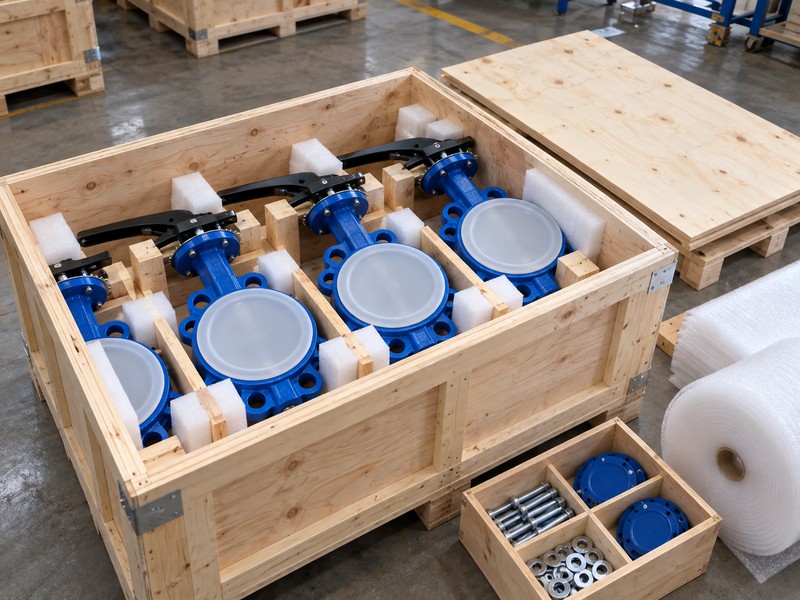
Release a bounded identification record. State that the item is identified as a rotary-disc butterfly valve where the evidence supports it, then reference the records used and the remaining questions. Link later approved changes or replacement identities with that same asset history. A packing photograph or generic product image cannot establish that the actual item matches its label or has passed service acceptance.
- State the supported category and matched item identifiers.
- Retain the documents and observations used for identification.
- Carry unresolved facts and later accepted changes in the asset history.
Key takeaway: Leave one traceable device identification with clear limits on what has been established.
| Check | What you should confirm |
|---|---|
| Identification | Actual tag and product evidence support the category |
| Configuration | Confirmed descriptors and unresolved attributes remain distinct |
| History | Applicable records and accepted changes stay linked with the item |
Send RUITO the actual valve tag, readable markings, available model documents and existing photographs, with the service question you need resolved. We can review the supplied application and identity information and identify which configuration details still need confirmation. Contact us before converting an uncertain device label into a supply or replacement requirement.
FAQ
Q1: Can a familiar handwheel prove the valve type?
No. Identify the actual closure member through matched model records or authorized inspection evidence; the operator alone is insufficient.
Q2: Can a rotary valve be assumed to be a butterfly valve?
No. Confirm whether the selected closure is a disc, a ball or another identified construction.
Q3: Does a flow arrow prove automatic check action?
No. Any required automatic non-return behavior needs support from the selected device’s actual design and documentation.
Q4: Can a similar exploded drawing identify my installed valve?
Only when its model, construction and applicable revision match the actual item. Similar appearance cannot establish that relationship.
Q5: Does identifying the category establish service suitability?
No. Actual materials, operating limits, required functions and acceptance records remain separate configuration-specific questions.