
To define gas butterfly valve duty, name a rotating-disc valve selected for a specified gas stream and operating conditions. State process medium separately from drive supply. Composition, materials, pressure states, flow basis, leakage requirements and actual product evidence complete the technical definition.
A quotation can state actuator air pressure while leaving process gas and leakage criteria undefined. The package looks specified, yet fluid suitability and closure acceptance remain unresolved. Separate process duty, drive conditions and required evidence before treating a familiar valve description as an accepted gas-service offer.
1. How should you define gas butterfly valve duty?
To define gas butterfly valve duty, identify the rotary-disc closure type and the actual gas service selected for the proposed model. Keep those statements separate. The closure description explains the valve category; accepted medium, construction and operating conditions establish the service being requested.
What should the definition establish before model selection?
Name the actual process duty. The Emerson Control Valve Handbook describes butterfly closure members within rotary-valve terminology. Add gas identity, required isolation or regulation duty and acceptance scope. The category cannot establish gas approval, complete wetted materials or automatic shutdown qualification for the offered product.
- Identify the rotating-disc closure category briefly.
- State the actual process gas and required operating task.
- Keep accepted product scope separate from the general definition.
Key takeaway: Define the valve category and selected gas duty as connected statements with different evidence needs.
| Check | What you should confirm |
|---|---|
| Category | Rotating-disc closure defines the valve type |
| Duty | Identified gas and intended task define the application request |
| Evidence | Actual model records support the accepted service scope |
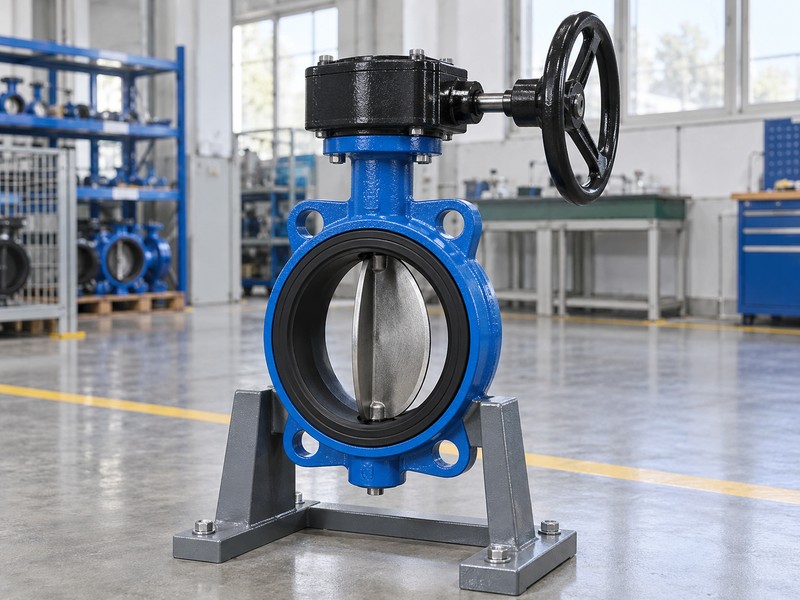
2. What gas facts help you define gas butterfly valve?
State composition and exposure when you define gas butterfly valve service for a project. Identify the actual gas or mixture, relevant constituents, moisture, condensate and contaminants. Clean air or nitrogen, natural gas, oxygen, hydrogen and cryogenic service are separate application questions rather than interchangeable meanings of gas.
Which medium boundaries belong in the enquiry?
Record the actual gas definition. Retain the available composition and relevant exposure information with normal and other specified service states. Include any required cleanliness, material-compatibility or handling review through the selected project process. For a RUITO enquiry, keep documented clean-air/nitrogen butterfly configurations separate from its dedicated natural-gas ball-valve scope; the general word gas cannot extend either product’s coverage.
- Identify the actual gas or mixture and relevant composition.
- Record moisture, contaminants and other required exposure conditions.
- Keep manufacturer product scope tied to the identified medium.
Key takeaway: Use actual gas identity and exposure to define the service rather than a broad media label.
| Check | What you should confirm |
|---|---|
| Identity | Actual gas or mixture is stated explicitly |
| Exposure | Relevant composition and service conditions accompany the request |
| Coverage | Selected product evidence addresses that medium and duty |
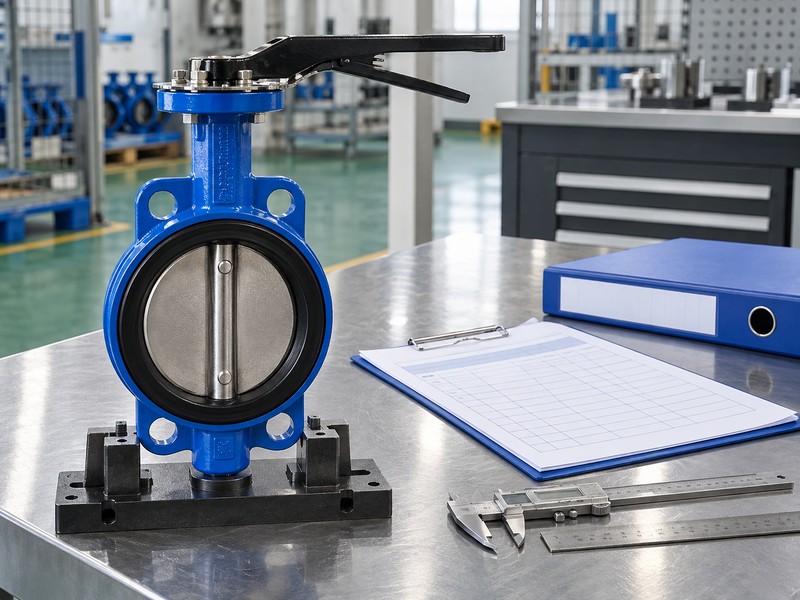
3. What materials help you define gas butterfly valve?
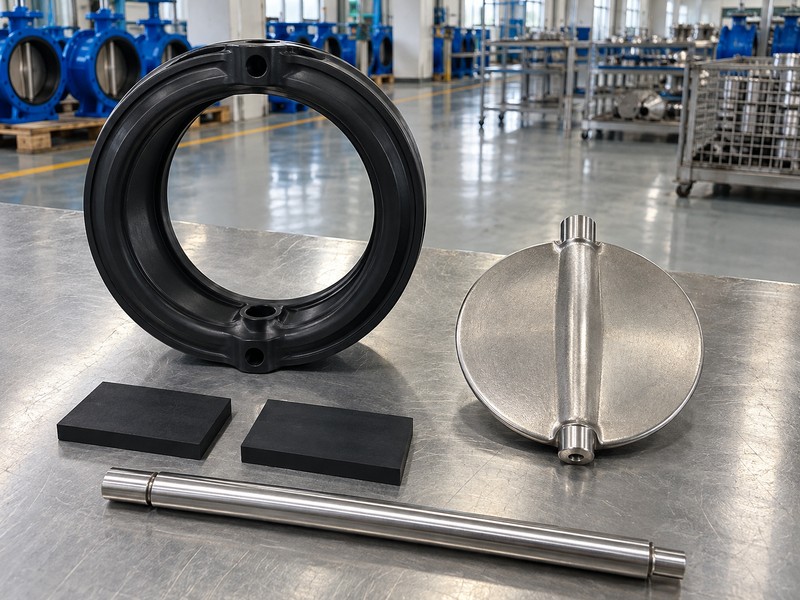
Use the actual wetted and sealing materials to define gas butterfly valve suitability for the specified medium. Identify body, disc, shaft, seat and relevant seals through the selected configuration. A visible metallic surface, coating color or broad polymer name cannot establish the complete material definition.
What should the material review include beyond the seat?
Trace the complete exposed assembly. Bray’s Materials Selection guide provides conditional screening within its stated material, model and exposure context. Match results with actual formulations, supports and seals, retaining application review. Pressure containment, shaft retention and required cleanliness or permeation assessment remain separate from general chemical-resistance claims.
- Identify actual fluid-contacting and relevant sealing materials.
- Retain compound, support and complete assembly definitions.
- Use screening within its conditions and required application review.
Key takeaway: Define suitability through the actual exposed and sealing assembly instead of one material label.
| Check | What you should confirm |
|---|---|
| Materials | Actual components have selected material definitions |
| Sealing assembly | Seat and relevant supports or seals remain within scope |
| Review | Exposure and complete-product requirements receive separate assessment |
4. What pressure states help you define gas butterfly valve?
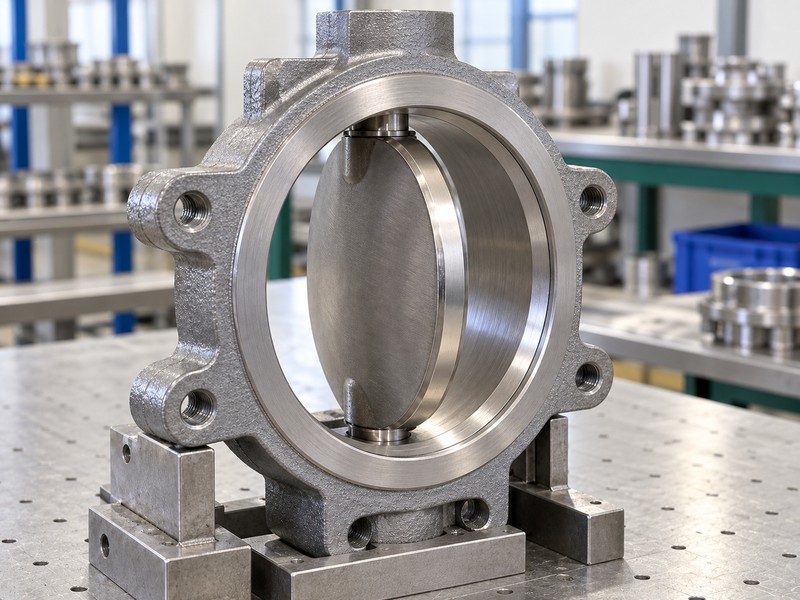
State pressure and temperature conditions explicitly when you define gas butterfly valve operating duty. Identify required inlet, outlet, shutdown and other specified states, with the pressure reference and units clear. Review body limits and seat differential through the same selected size, seat and material configuration.
Which pressure definitions should remain separate?
Record each required operating state. Keep service pressure-temperature limits, closing differential and directional duty in separate fields. Gas sizing uses absolute pressures; gauge-pressure entries need their stated reference. A body class, inspection pressure or unrelated family maximum cannot establish the selected seat and direction limits.
- Define actual service states with clear units and pressure references.
- Review seat differential and direction separately from body limits.
- Keep service ratings and inspection conditions distinct.
Key takeaway: Use a complete operating-state definition before judging rating or differential suitability.
| Check | What you should confirm |
|---|---|
| State | Required pressure and temperature combinations are identified |
| Reference | Absolute or gauge basis is explicit where used |
| Limit | Actual component and directional limits cover the stated duty |
5. What flow data helps you define gas butterfly valve?
Use gas-appropriate flow inputs to define gas butterfly valve capacity or regulation duty. State whether the rate is mass flow or volume flow at identified conditions. A standard-volume rate and a volume at actual line conditions cannot be silently treated as the same input.
Which reference conditions belong with the gas rate?
Specify the flow reference. The Emerson handbook’s compressible-sizing discussion uses actual fluid properties, upstream and downstream absolute pressure, absolute inlet temperature and an identified flow basis. Retain required gas properties, model/opening coefficients and applicable fitting, compressibility and choked-flow treatment through the selected method. No fixed-angle flow guarantee or universal choking threshold follows from a butterfly-valve definition.
- State mass or volumetric flow with its actual reference conditions.
- Retain the required gas properties and pressure-temperature inputs.
- Use applicable model, opening and installed-sizing factors.
Key takeaway: Define gas flow through its stated reference and selected sizing basis rather than a liquid-flow analogy.
| Check | What you should confirm |
|---|---|
| Rate | Mass or referenced volume basis is explicitly stated |
| Gas state | Actual properties and required absolute conditions are available |
| Method | Selected sizing covers applicable valve and installation factors |
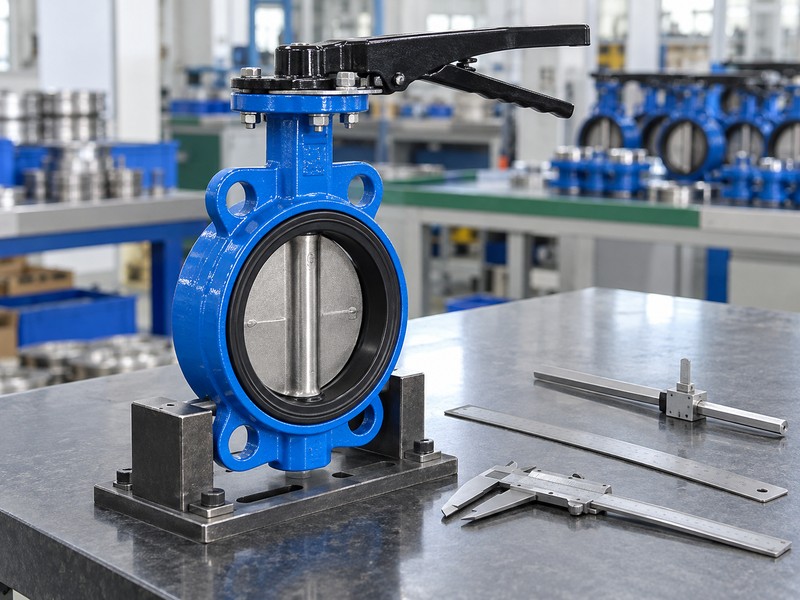
6. What leakage terms help you define gas butterfly valve?
Separate shutoff leakage, external tightness and pressure-boundary testing when you define gas butterfly valve acceptance requirements. Seat leakage concerns passage across the closed sealing pair under specified conditions. External shaft or body-interface leakage and shell-test acceptance have their own defined methods and criteria.
What should the leakage schedule identify?
Name each required verification. Record method, medium, pressure or differential, direction, temperature and criterion with product identity. A water-pressure result cannot establish gas-leakage acceptance or gas-product approval. Keep process medium separate from test-medium definition, with physical testing governed by its selected authorized procedure.
- Identify seat, external and pressure-boundary requirements separately.
- Retain actual methods, conditions and acceptance criteria.
- Use traceable results for the selected model and configuration.
Key takeaway: Define the required leakage and pressure tests separately instead of treating one passed result as complete gas approval.
| Check | What you should confirm |
|---|---|
| Seat | Closed sealing-pair leakage has defined conditions and criteria |
| External | Applicable shaft and body-interface tightness is separately addressed |
| Shell | Pressure-boundary test scope retains its own acceptance basis |
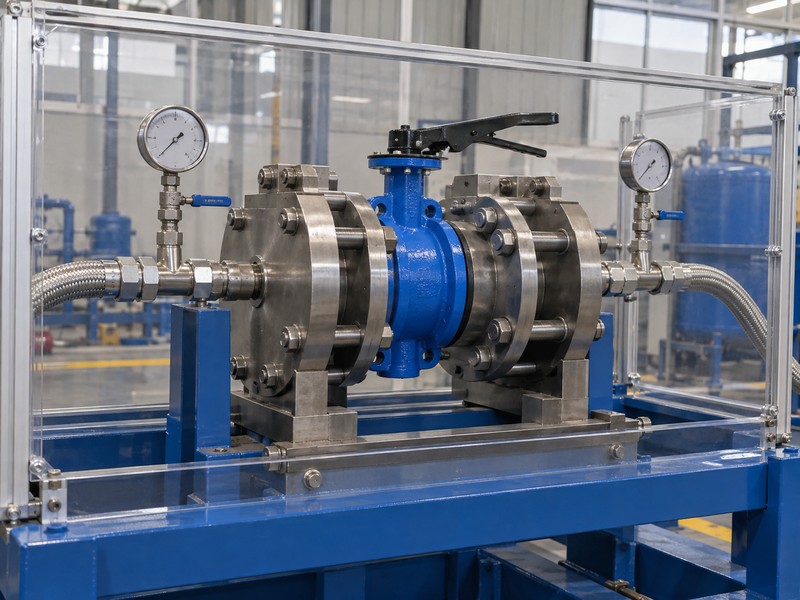
7. What duty limits help you define gas butterfly valve?
Distinguish isolation, regulation and any separately requested system function when you define gas butterfly valve duty. Each needs the selected model’s applicable travel, flow, differential and operating limits. A disc shape or pressure-direction arrow cannot establish automatic non-return action or a qualified shutdown function.
What should an isolation or regulation description retain?
Define the actual operating task. Record closure conditions or regulation range with selected valve data and sizing basis. Define preferred installation direction, reverse differential and permitted intermediate positions explicitly. Emergency or protective functions need their own product and system evidence; drive choice cannot supply that qualification.
- State actual isolation or regulation requirements.
- Retain applicable directional, travel and operating limits.
- Review any protective function through its own selected evidence.
Key takeaway: Define the required task within actual limits instead of extending the valve category into an automatic function.
| Check | What you should confirm |
|---|---|
| Task | Required isolation or regulation duty is identified |
| Limits | Selected model data covers the intended operating conditions |
| Special function | Separate system or protective claims have actual supporting evidence |
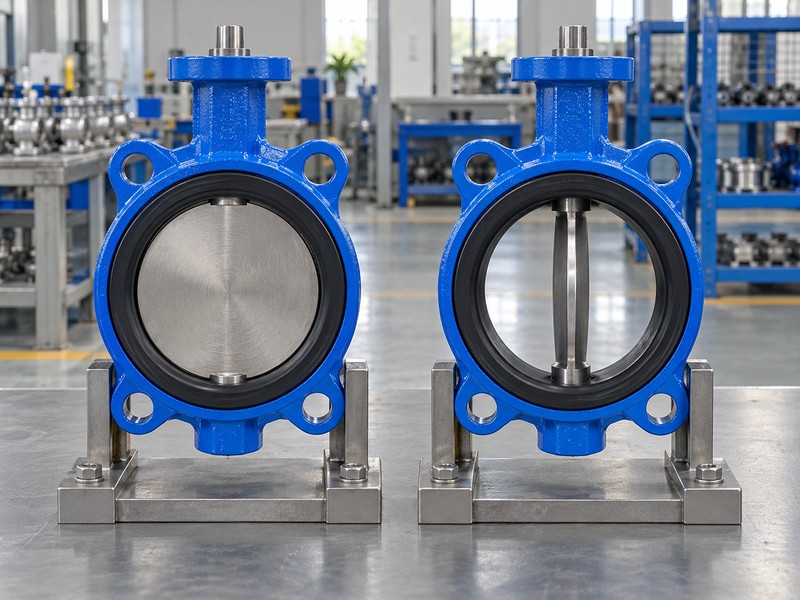
8. What drive terms help you define gas butterfly valve?
Drive terms help you define gas butterfly valve by naming how the closure is positioned while leaving the process medium separately identified. Pneumatic air supplies an actuator; it does not name the gas passing through the valve. Manual lever, gearbox, electric and pneumatic arrangements need their actual selected interfaces and operating requirements.
What does the handwheel chart explain about the drive?
Identify the selected drive arrangement. Record operator identity, required torque, permitted drive loads and any specified command, feedback or energy-loss response. The conceptual chart uses handwheel input turns horizontally and valve-shaft angle vertically for an ideal fixed ratio. It supplies no gas-flow, leakage, torque or performance result; actual turns and permitted travel follow selected operator data.
- Keep process gas identity separate from pneumatic supply air.
- Match actual operator output and interfaces with valve demand and limits.
- Define required commanded and energy-loss states through the package.
Key takeaway: Use drive terminology for the actual operating package while retaining a separate process-gas definition.
| Check | What you should confirm |
|---|---|
| Process | Medium inside the valve has its own gas-service definition |
| Drive | Actual operator and supply meet the selected assembly requirements |
| Chart | Ideal input-to-angle relationship explains motion only |

9. What acceptance facts help you define gas butterfly valve?
Use identified product and acceptance records to define gas butterfly valve as an actual selected service package. Link materials, rated duty, interfaces, drive requirements and required results with the same configuration. A company certificate, interface designation or generic picture cannot establish complete gas-valve suitability.
Which verification responsibilities belong in the accepted scope?
Match evidence with the actual assembly. Retain manufacturing, functional, leakage and required approval records with drawings and product identity. Assign supplier verification, installed acceptance and unresolved deviations explicitly. Physical work follows selected instructions and authorized isolation, depressurization, decontamination and energy controls; a duty definition supplies no maintenance or test recipe.
- Link actual product identity with required evidence.
- Assign supplier and project verification responsibilities explicitly.
- Keep approvals, installed acceptance and physical-work authorization distinct.
Key takeaway: Accept gas duty through identified product evidence and assigned verification responsibilities.
| Check | What you should confirm |
|---|---|
| Product | Actual construction matches the accepted document package |
| Verification | Required results address the specified gas duty |
| Responsibility | Supplier, project and approval decisions have identified owners |
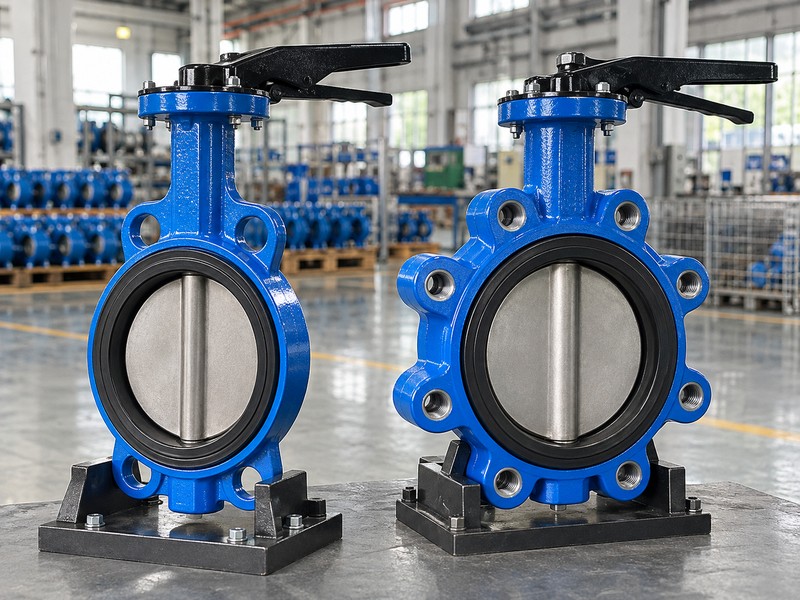
10. What RFQ facts help you define gas butterfly valve?
An RFQ helps you define gas butterfly valve completely by collecting the actual medium, duty and evidence requirements in one reviewable request. Include the selected or proposed construction and installation interfaces. Leave unresolved gas composition, flow reference or leakage criteria visible rather than filling them with generic assumptions.
What should the supplier receive before confirming scope?
Retain the complete duty record. Provide gas identity, exposure, pressure-temperature states, flow basis, differential, materials, leakage criteria and required drive or control function. Attach drawings and required destination or project documents. RUITO can review an identified request and available records, with actual construction and service coverage confirmed before any supply commitment.
- State actual gas, rated conditions and required flow reference.
- Identify leakage, interface, actuation and requested approval requirements.
- Assign missing data and retain accepted scope decisions.
Key takeaway: Turn the definition into a traceable gas-duty request before accepting a proposed product or package.
| Check | What you should confirm |
|---|---|
| Inputs | Actual process and operating conditions are defined |
| Evidence | Required construction and acceptance records have stated scope |
| Confirmation | Proposed product coverage and unresolved items remain explicit |
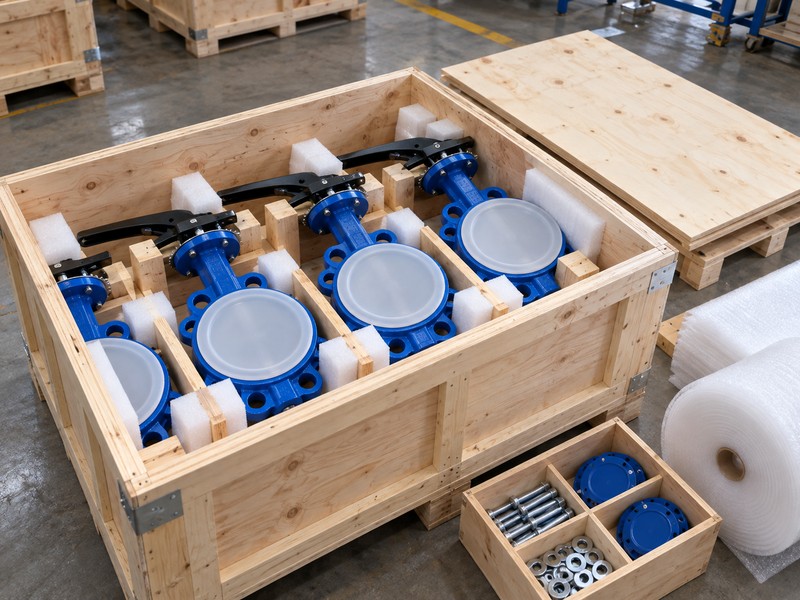
Send RUITO your identified valve request, exact gas information, pressure-temperature states, flow reference, leakage criteria and required drive or project documents. We can review the request and clarify which actual construction and supporting evidence would be needed for evaluation. Contact us before treating a pneumatic label or general valve definition as confirmation of the process-gas duty you need.
FAQ
Q1: Can a pneumatic actuator prove the valve is rated for gas?
No. Actuator air defines the drive supply; process-gas suitability needs the actual medium, construction, rated duty and acceptance evidence.
Q2: What’s the best way to state a gas-flow requirement?
Identify the rate and its basis. State mass flow or referenced volume flow with the actual gas properties and required pressure-temperature conditions.
Q3: How do I know if a water-pressure report proves gas tightness?
Check the actual required test. A water-pressure result cannot replace the selected gas-leakage method, conditions and acceptance record.
Q4: Can I infer gas flow from the handwheel-turn chart?
No. The chart shows ideal fixed-ratio input turns and shaft angle, with no gas-flow, leakage or torque result.
Q5: How do I know whether RUITO supports the requested gas duty?
Request exact scope confirmation. Documented clean-air/nitrogen butterfly configurations and dedicated natural-gas ball-valve constructions have separate product boundaries.