
Fix errors in the manufacturing process of butterfly valve orders with an inspection plan that links each stage to an acceptance criterion. Buyers need a way to verify material acceptance, component production, assembly, testing, and release before shipment. Connect each stage with a responsible person and a record identifying the supplied valves.
Consider a project inspector arriving after the valves have been painted and packed. A casting condition is harder to examine, a seat batch is harder to identify, and a missed witness point can delay release. Agree on the inspection sequence before production starts. This guide shows where evidence should enter the order file and what to review at each stage.
1. How do you audit the manufacturing process of butterfly valve?
Audit the manufacturing process of butterfly valve orders by turning the approved specification into a sequence of verifiable checks. Begin with the valve configuration and list the records needed before each stage can proceed. A factory tour can show available equipment, but order-specific evidence tells you what happened to the valves you purchased.
What should the inspection plan contain?
Define the acceptance point before the visit. Name the operation, drawing or procedure, acceptance criterion, inspection extent, required report, and approval responsibility. Distinguish a hold point from a witness opportunity and a document review. If a witness cannot attend, follow the agreed notice and waiver procedure.
A useful plan also explains how nonconforming parts are identified and released after correction. Without that process, a signed checklist may hide unresolved deviations. Put the customer’s equipment tag or purchase-item reference beside the manufacturer’s identifier so both teams can follow the same order. Key takeaway: A usable inspection plan makes acceptance observable before components become inaccessible.
- List hold, witness, review, and routine inspection points.
- Assign responsibility for deviations and final release.
| Control | Acceptance evidence |
|---|---|
| Inspection point | Defined criterion and inspection extent |
| Responsibility | Named approval and record owner |
2. Which material records should you review?
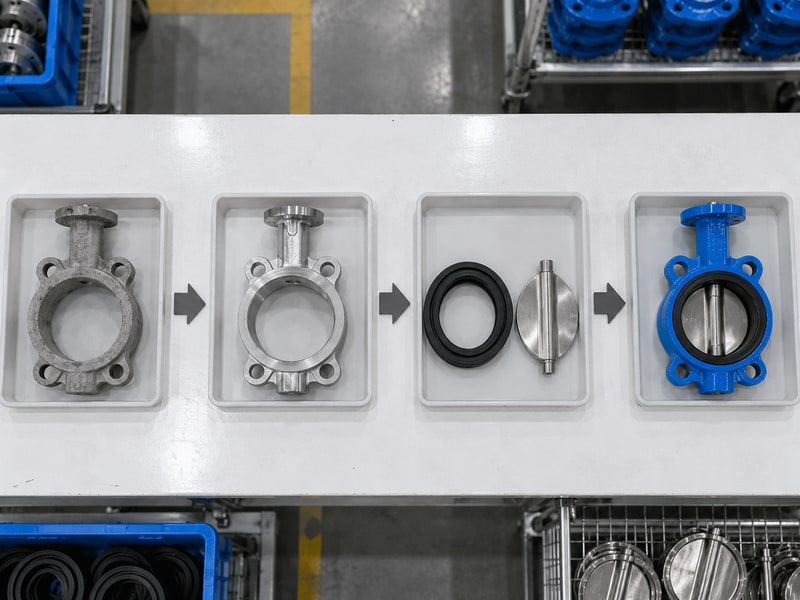
Material review in the manufacturing process of butterfly valve orders should connect each controlled material with its approved specification and production batch. Review the body, disc, shaft, seat, auxiliary seals, and coating as applicable. A material name on a quotation needs supporting identity and acceptance records when the contract calls for them.
How do you follow material identity through production?
Track the parts after labels disappear. A machining operation may remove a temporary casting mark, and assembly may conceal a seat label. The production record needs another controlled link before that happens. Specify the required material document type at purchase rather than asking for a different certificate after shipment.
For a seawater duty, review every exposed wetted component and the corrosion assessment. A stainless disc in a rubber-lined body does not, by itself, establish suitability for the complete liquid composition or operating temperature. Key takeaway: Material evidence remains useful only while you can connect it with the finished assembly.
- Check the document type required by the contract.
- Maintain batch links through machining and assembly.
| Control | Acceptance evidence |
|---|---|
| Identity | Grade, compound, or resin designation |
| Traceability | Batch-to-product link after processing |
3. When should you inspect body machining?
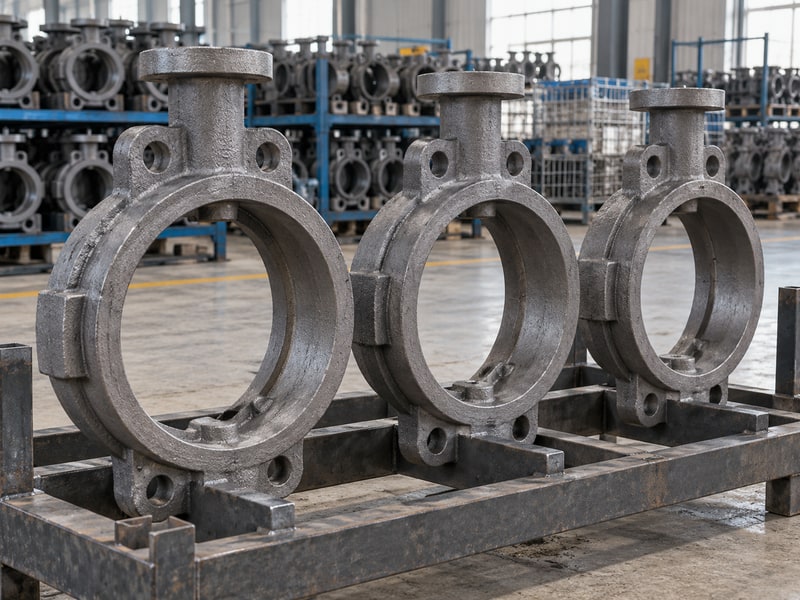
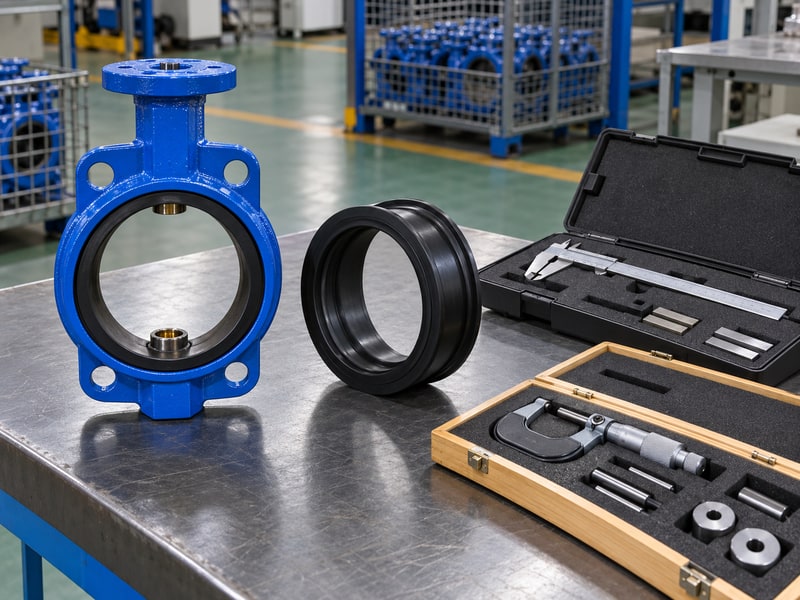
Inspect body machining in the manufacturing process of butterfly valve orders after the critical features are accessible and before assembly conceals them. Review seat-pocket dimensions, shaft-bore location, connection geometry, and the operator interface. The approved drawing defines their tolerances and the measurement references that make the results meaningful.
Which changes justify another initial inspection?
Review the setup after a change. A new fixture, revised program, replacement tool, or drawing issue can change the relationship between machined surfaces. Use the inspection plan to decide which features need rechecking before production continues. For a wafer valve, compare face-to-face dimensions and disc clearance with the intended mating flange.
A lug valve adds thread engagement and connection requirements. An inspector should record the measured value where the plan requires it, rather than using one unqualified tick for every feature. Keep the measuring-equipment identifier with that record. Key takeaway: Measure critical interfaces before assembly makes an incorrect setup expensive to correct.
- Use the drawing’s datum system for measurements.
- Recheck affected features after approved production changes.
| Control | Acceptance evidence |
|---|---|
| Feature | Actual measurement against drawing tolerance |
| Equipment | Suitable range and current calibration status |
4. How should you approve the disc and shaft?
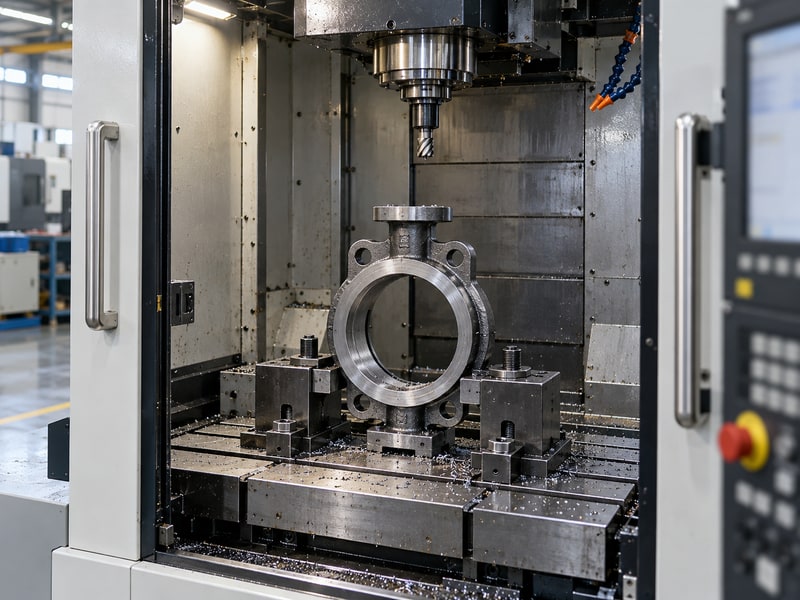
Disc and shaft approval in the manufacturing process of butterfly valve orders covers geometry, material identity, sealing-contact condition, and the drive connection. Check them as related components. A disc that meets its outside diameter can still be wrong for a seat profile or a shaft-retention arrangement.
What can a component inspection establish?
Separate dimension checks from functional proof. Inspect the shaft journals, seal-contact surfaces, shoulders, drive engagement, and retention features against the approved drawings. Review the disc edge for the specified profile and finish. Protective coatings or polymer encapsulation need their own acceptance criteria.
These checks prepare the parts for assembly; the operating test then evaluates their combined behavior. If components come from different batches or suppliers, the approved specification must still govern the matched assembly. Keep repairs and substitutions visible in the order file instead of treating them as routine workshop adjustments. Key takeaway: Approve the component pair and its interfaces before relying on final travel results.
- Inspect contact surfaces before handling damage is concealed.
- Document approved substitutions and any accepted rework.
| Control | Acceptance evidence |
|---|---|
| Disc edge | Accepted contact profile and surface condition |
| Shaft interface | Fit, engagement, and retention acceptance |
5. Which seat-production controls belong in the plan?
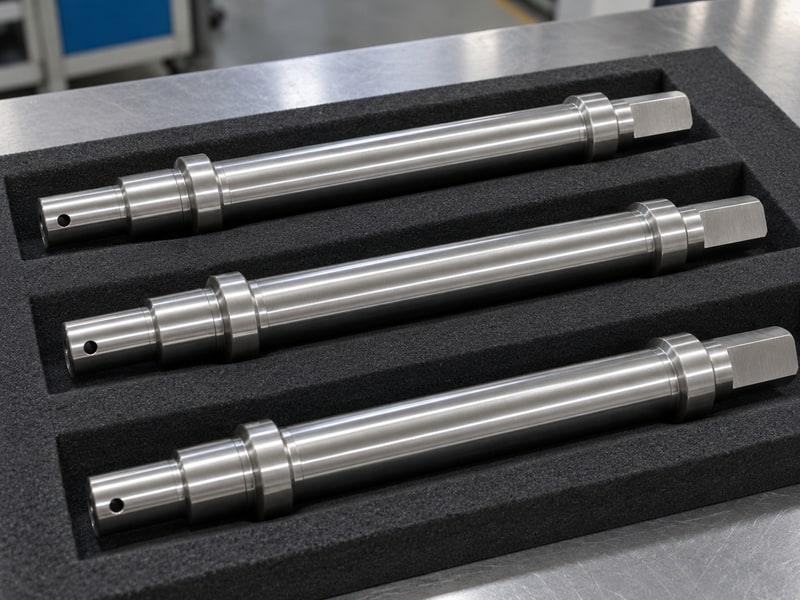
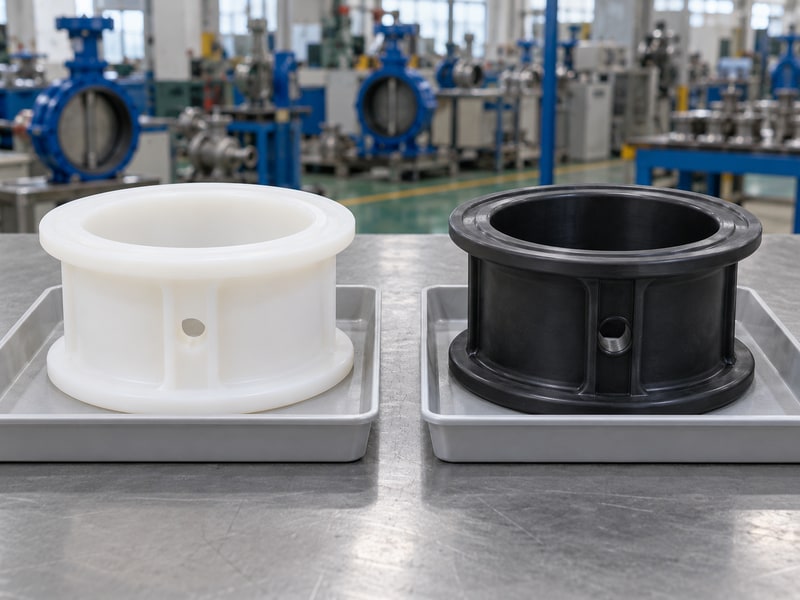
Seat controls in the manufacturing process of butterfly valve orders depend on whether the valve uses a molded elastomer, a PTFE component, or another approved construction. State the material identity and required forming records. Then define the dimensions, surface condition, and finished-assembly examinations needed for that design.
Why should a lining have a separate inspection route?
Check the material and the protection boundary. A lined butterfly valve needs the specified wetted coverage across the body, disc, shaft passages, and sealing interfaces. RUITO’s PTFE and PFA constructions have different resin and thickness requirements in the approved product documents. Inspection voltage for an electrical integrity check follows the material, thickness, and qualified procedure.
It is not a universal setting for every white polymer surface. The resin processing information also distinguishes PFA melt processing from conventional PTFE routes. Review any chemical or thermal qualification separately from routine pressure inspection. Key takeaway: Seat and lining acceptance should follow the exact construction ordered.
- Identify the resin, compound, backing, and auxiliary seals.
- Specify lining thickness and integrity checks where applicable.
| Control | Acceptance evidence |
|---|---|
| Production route | Applicable material and process records |
| Finished lining | Coverage, thickness, and integrity acceptance |
6. What should an assembly inspection witness?
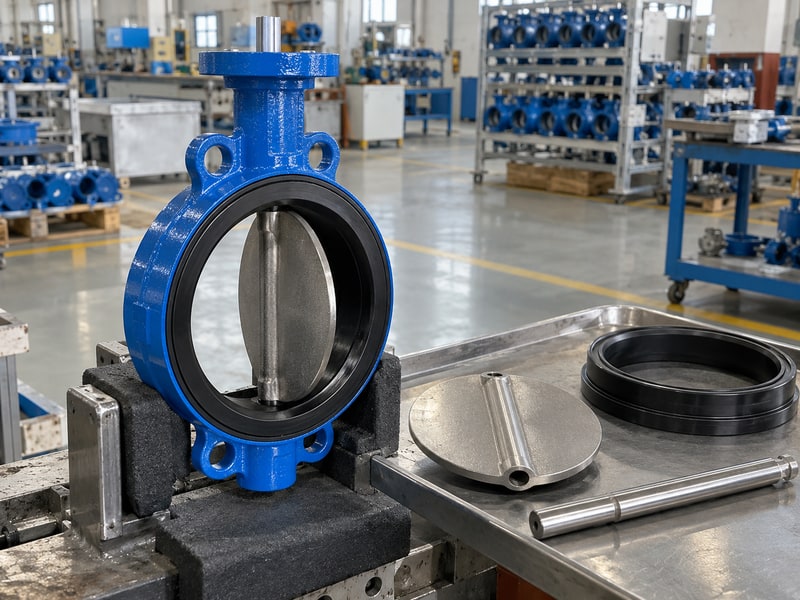
Assembly inspection in the manufacturing process of butterfly valve orders should witness the checks that later testing cannot fully reconstruct. These may include part identity, seat position, shaft retention, lubricant control, and the operator connection. Select the inspection extent in advance so an assembler knows when work must pause.
How do you handle an assembly deviation?
Record the condition before correction. Describe the fault, affected identifiers, proposed action, and approval responsibility. Replacing a damaged seat may require another material check, assembly inspection, and relevant tests. Adjusting a stop can affect closure performance and position indication.
The reinspection route should follow the work performed. For repeated orders, retain the approved work-instruction revision so a later batch does not inherit an undocumented workshop change. Photographs can support the record, but their framing must show the relevant component and identifier when those details are needed for acceptance. Key takeaway: Inspect the concealed work while its condition can still be observed.
- Witness concealed retention or sealing features when specified.
- Define reinspection after a correction or component replacement.
| Control | Acceptance evidence |
|---|---|
| Assembly point | Accepted part identity and installed condition |
| Correction | Approved action and completed reinspection |
7. How do you check torque and travel evidence?
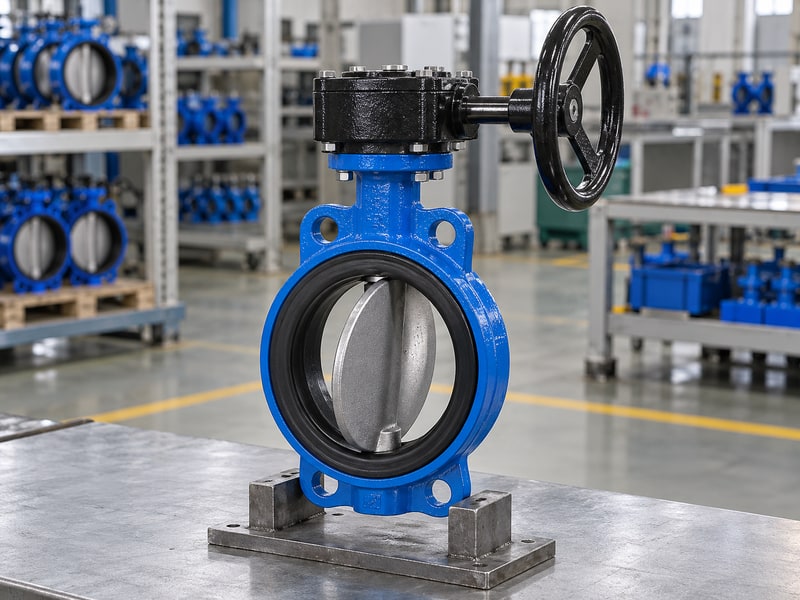
Torque review in the manufacturing process of butterfly valve orders compares the selected valve’s operating demand with its shaft and operator limits. The record should state the relevant valve configuration and test conditions. A smooth hand-operated stroke on an unpressurized bench does not establish actuator performance at the maximum closing differential.
What conditions should accompany a torque value?
Ask how the number was obtained. Distinguish measured production checks from calculations or qualified model data. State the seat, nominal size, opening position, differential pressure, and any temperature or service assumptions relevant to the value. For a pneumatic actuator, use output at the minimum available supply pressure and the required failure action.
For an electric drive, check travel limits and applicable settings. A project may also require cycle or feedback verification. Keep those results with the exact assembly rather than attaching a generic actuator catalogue to every valve identifier. Key takeaway: Torque evidence needs conditions and limits before it can support operator selection.
- Identify the basis for break, running, and closing torque.
- Compare available output and allowable valve-shaft load.
| Control | Acceptance evidence |
|---|---|
| Valve demand | Configuration and stated duty basis |
| Operator | Output, limits, and accepted travel settings |
8. How should pressure and leakage tests be witnessed?
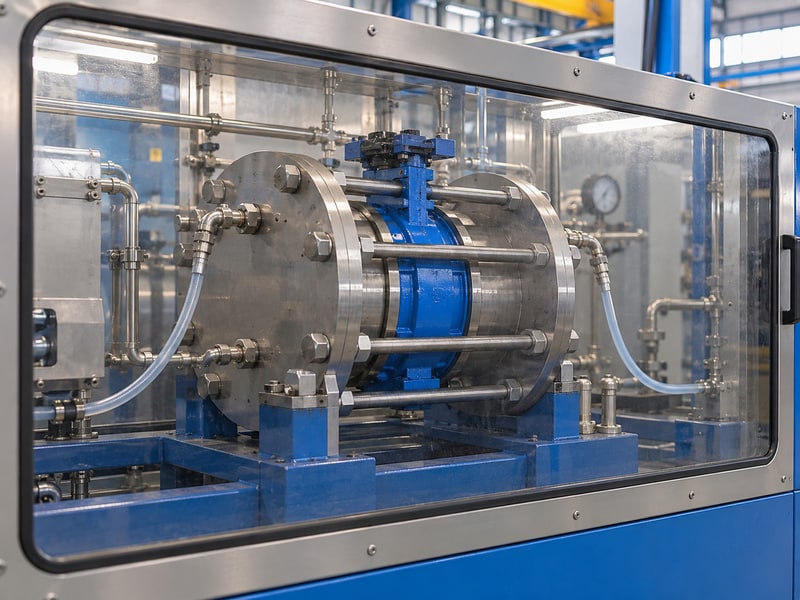
Witness pressure testing in the manufacturing process of butterfly valve orders against the accepted procedure and inspection plan. Confirm the valve identifier, equipment, test medium, pressure, hold duration, direction, and acceptance criterion. Shell integrity, closure leakage, and external leakage need clearly identified results.
Which omissions can make a passed report unusable?
Check what passed actually means. A report without the applicable leakage criterion cannot show whether the closure met your order. Reverse-direction acceptance may differ from forward acceptance on an offset design. RUITO’s applicable PN16 room-temperature shell and soft-seat closure procedures use 24 and 17.6 bar respectively; a lower declared reverse closure rating needs its own accepted test condition.
Duration follows the selected standard and procedure. Gas-service and lining examinations remain separate where required. Confirm that instruments are suitable and current, and that the product identifier appears on the signed result. Key takeaway: Witness the specified acceptance condition rather than pressure application alone.
- Check the complete test conditions before witnessing.
- Record individual results and any required repeat tests.
| Control | Acceptance evidence |
|---|---|
| Test setup | Correct medium, restraint, and instruments |
| Result | Direction, duration, and leakage criterion |
9. Which final checks prevent installation mismatches?
Final inspection in the manufacturing process of butterfly valve orders compares the complete assembly with the approved installation requirements. Verify connection standard, face-to-face length, operator orientation, disc travel, marking, and accessory configuration. Review any change made after the original dimensional inspection or pressure test.
What should the installation team receive?
Prepare for the real mating connection. A correct bolt pattern can coexist with insufficient pipe-bore clearance for the open disc. Include the approved assembly drawing and installation instructions so the site can check both. Confirm whether the supplied valve permits the requested end-of-line duty; connection style alone does not grant that rating.
A buyer ordering a replacement should also compare handwheel access, actuator removal space, and support requirements with the existing layout. Use a documented installation example or customer drawing to settle those interfaces before final packing. Key takeaway: Inspect installation interfaces as a complete assembly before the site receives it.
- Check the full disc-opening envelope and mating bore.
- Review operator access and any stated end-of-line limitations.
| Control | Acceptance evidence |
|---|---|
| Mechanical fit | Accepted mating dimensions and clearance |
| Site use | Approved orientation, access, and operating limits |
10. What evidence authorizes shipment release?
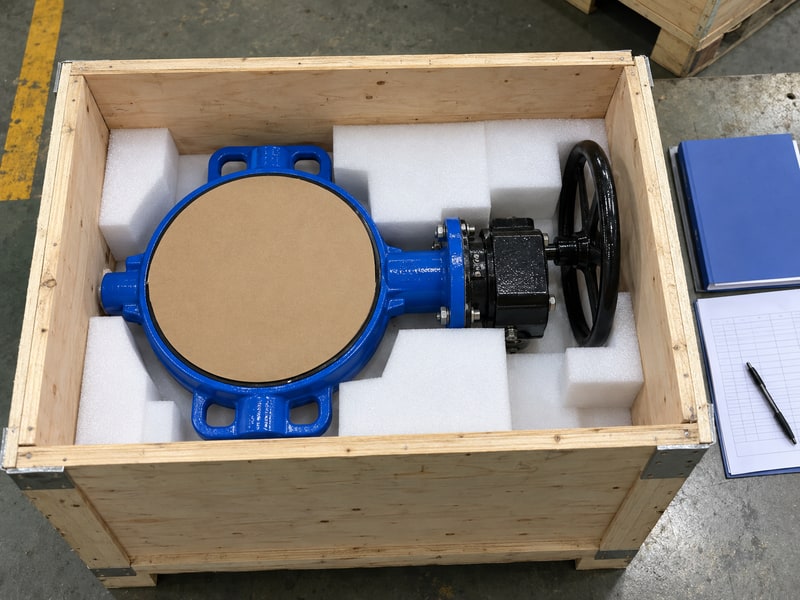
Shipment release closes the manufacturing process of butterfly valve orders when the accepted product and its records meet the contract. The release index should show completed inspections, approved deviations, test reports, and required installation documents. Match product identifiers with the packing list and the protected hardware inside each crate.
How should you manage repeated supply?
Preserve the approved version for the next batch. Retain the drawing issue, bill of materials, inspection plan, and accepted changes as the repeat-order baseline. New resin grades, seat compounds, machining changes, or operator substitutions need review before they enter production. A recurring supply agreement can define which changes require customer approval and how the first affected batch is identified.
This makes a later field complaint easier to investigate because the team can locate the relevant material, process, and release records. Packaging photographs should show supports and sealing-face protection before dispatch. Key takeaway: An order-specific release file provides a practical baseline for installation and repeat supply.
- Release the product and record package together.
- Control changes and identify the first affected batch.
| Control | Acceptance evidence |
|---|---|
| Dispatch | Closed inspections and matching packing identifiers |
| Repeat order | Retained baseline and approved changes |
Share your inspection specification, valve list, and project schedule with RUITO. We can identify the configuration-specific checks and proposed witness points before production starts. Contact us to review the drawings, acceptance route, and manufacturing records your installation and quality teams need.
FAQ
Q1: Can I add a witness point after production starts?
Ask before the relevant operation occurs. A completed concealed operation may require disassembly or repeat work, subject to an agreed inspection plan and schedule.
Q2: How do I know if a report identifies my valves?
Follow its product or batch reference into the manufacturing traceability and packing records. The inspection extent should match the method accepted for the order.
Q3: What is the best way to handle a missed hold point?
Record the deviation and agree on a disposition before release. The authorized parties should define whether evidence review, repeat inspection, or other action is required.
Q4: Can a factory certificate replace product testing?
No. A management-system certificate describes its stated scope. Product acceptance still follows the contract, exact configuration, and required inspection and test records.
Q5: Can I reuse the same documents for a repeat order?
Use the approved version as a baseline, then review changes. New materials, revisions, and operating duties may require different records or validation.