
Avoid dn80 butterfly valve price mistakes by comparing the same valve assembly, acceptance requirements, quantity, and delivery basis. A current supplier quotation is needed for an actual purchase price. A nominal size alone cannot tell you what materials, operator, documents, or transport costs an offer includes.
You may receive two offers for a replacement valve, only to find that one includes a lever and test reports while the other covers a bare shaft assembly. Add the missing items after approval and your purchasing comparison changes. Build one quotation schedule before asking suppliers to commit their prices.
1. What should a DN80 butterfly valve price include?
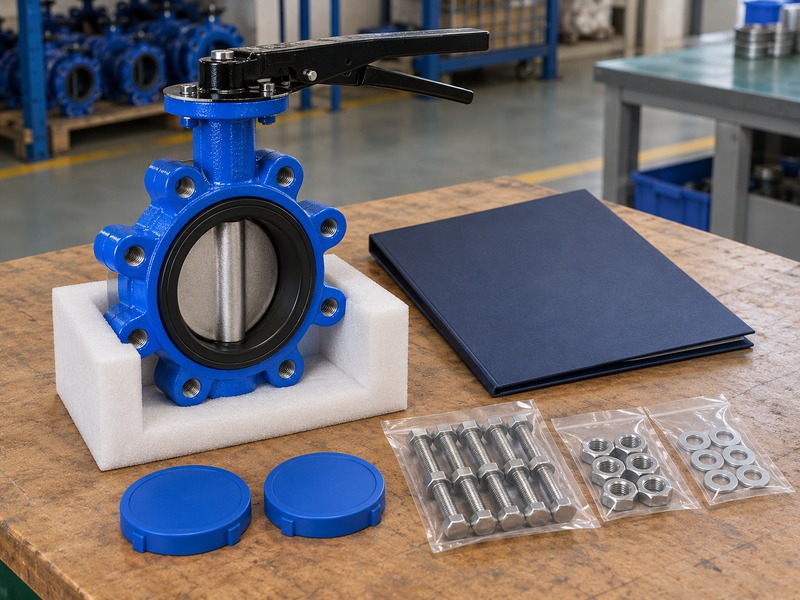
A useful dn80 butterfly valve price covers an identified valve assembly and states its exclusions. Ask for the body, disc, shaft, seat, operator, standard inspection, packaging, and document scope on one offer so you can compare the supplied units line by line.
How do you make two offers comparable?
Start with the assembly boundary. A bare shaft valve, a lever-operated valve, and an automated package need separate descriptions, including which mounting, installation, and inspection items the supplier has agreed to provide. Ask each supplier to mark every requirement as included, excluded, or offered as an option, then carry each missing item into your comparison sheet. Keep the accepted quotation revision with the drawing and purchase order so a later clarification does not silently replace the configuration you evaluated, and use that record when checking the delivered goods.
Key takeaway: A complete scope makes the quoted unit price useful for purchasing.
- Identify the complete assembly and every optional accessory.
- Record exclusions against the same request for quotation.
| Item | Review |
|---|---|
| Quoted unit | Identified valve and operator |
| Extra scope | Options and exclusions listed |
2. How do body and disc materials change the quoted cost?
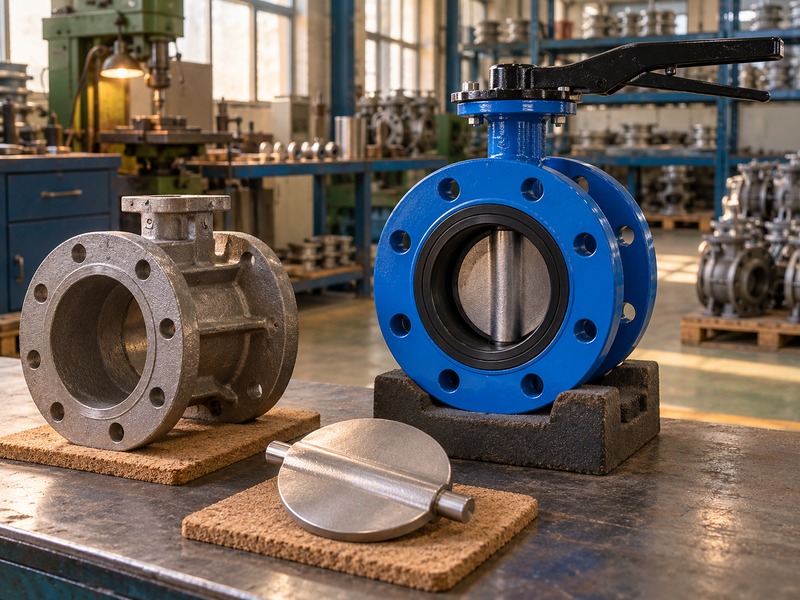
Body, disc, and shaft specifications change the dn80 butterfly valve price through the required materials and manufacturing work. State each component separately; a stainless disc inside a ductile iron body does not make the complete valve a stainless steel assembly.
Which material details belong on the comparison sheet?
Name the grade before comparing the premium. Ask suppliers to quote the same body grade, disc grade, shaft specification, coating, and material records, including any permitted alternatives as separate lines with a clear technical description. Changing CF8 to CF8M can change the offer, but the grade name alone does not establish suitability for your fluid, additives, cleaning liquids, or external exposure. Review those conditions with the engineer responsible for the duty, retain the accepted material list, and require written approval before a supplier changes a grade, coating system, or exposed component on repeat orders.
Key takeaway: Material premiums need an approved service requirement and an identified component.
- Separate body, disc, shaft, coating, and sealing materials.
- Compare proposed substitutions against the actual fluid.
| Item | Review |
|---|---|
| Material basis | Exact grades and wetted surfaces |
| Alternative | Separate price and technical deviation |
3. Does a PTFE seat justify a higher quotation?
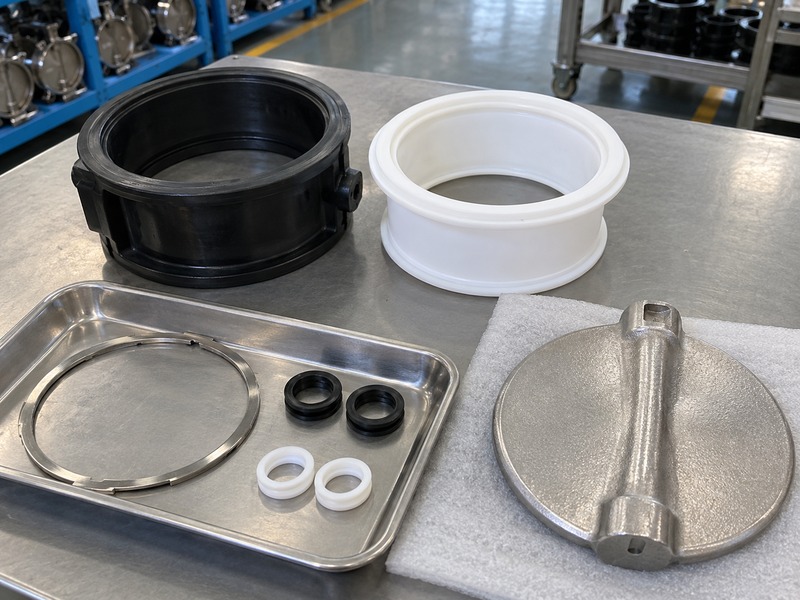
A PTFE seat can change the dn80 butterfly valve price, but its value depends on the required sealing construction and service. Ask for a section drawing because a PTFE seat does not establish that the body, disc, shaft area, and other wetted surfaces have continuous PTFE protection.
How should you compare seat and lining options?
Price the complete wetted construction. List the seat material, backing, disc surface, shaft seals, and any continuous lining, together with operating temperature, cleaning conditions, and minimum absolute pressure where relevant. Ordinary EPDM water-service seats should not be carried into a mineral oil enquiry, and an NBR alternative still needs compatibility confirmation for the actual oil and additives before you accept its price. If the offer changes from a resilient seat to a lined design, review the complete configuration and required inspection rather than treating the polymer name as a simple upgrade with the same acceptance requirements.
Key takeaway: The service requirement determines which sealing construction deserves comparison.
- Distinguish a PTFE seat from a continuously lined assembly.
- Approve the compound or resin for the stated duty.
| Item | Review |
|---|---|
| Seat option | Material and supporting construction |
| Lined option | Complete wetted coverage and inspection |
4. How do connection styles affect the purchase total?
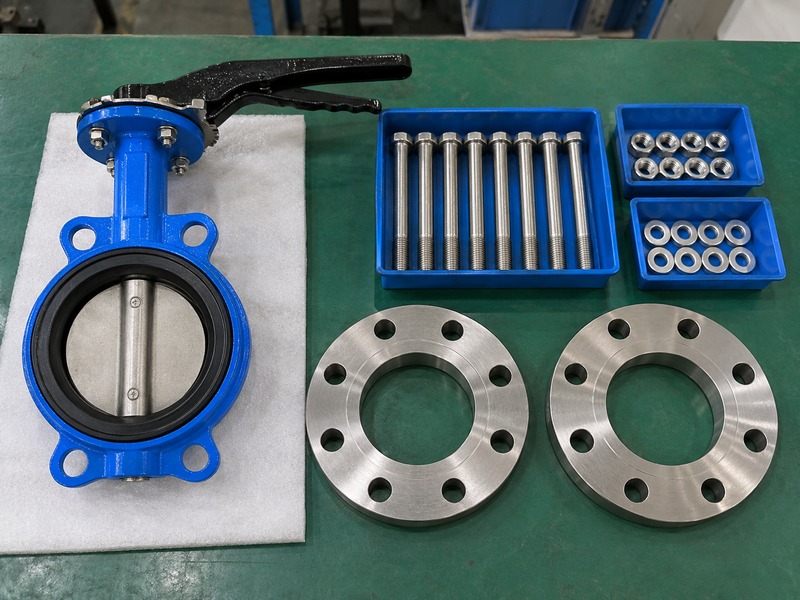
Wafer, lug, and flanged construction affect the dn80 butterfly valve price and the hardware needed to install the assembly. Compare the valve offer with its specified bolts, mating parts, and handling scope, because the cheapest valve line can leave different installation items for you to purchase.
Which connection costs should you add to the order?
Count the installation items once. A wafer installation and a threaded lug installation can require different bolt arrangements, while a flanged valve has its own connection faces and assembly requirements. Use the approved drawing to identify the bolt scope, permissible gasket arrangement, and required clearance; any end-of-line requirement needs an explicitly suitable design and rating because lug construction alone does not establish it. Ask whether replacement bolts, gaskets where specified, protective covers, and installation instructions are included, then allocate each item to either the supplier’s order or your site purchasing list so it appears once in the comparison.
Key takeaway: Connection costs extend beyond the valve body on the quotation.
- Separate valve cost from specified installation hardware.
- Confirm which party supplies each mating item.
| Item | Review |
|---|---|
| Valve scope | Connection style on approved drawing |
| Site scope | Required hardware and mating items |
5. How do rating and interface requirements change cost?
Rating and interface requirements change the dn80 butterfly valve price when they require a different approved configuration, drawing, or verification scope. DN80 is a nominal designation rather than a guaranteed 80 mm bore, and a PN designation does not establish ASME Class 150 equivalence.
What should you freeze before requesting a firm offer?
Quote against the required drawing. Give the supplier the mating flange standard, nominal size, pressure designation, face-to-face requirement, and available operating space, then request its proposed assembly drawing with deviations marked. The permissible working pressure depends on the complete valve and temperature, while closing differential and installation loads need their own review against the stated duty. If you accept a different interface or rating route, obtain a revised offer and drawing together so the purchasing team can identify whether new hardware, engineering approval, or a different test scope changes the order total before committing the budget.
Key takeaway: A frozen specification prevents interface changes from becoming unplanned purchases.
- Define the interface and operating conditions together.
- Link every priced deviation to a drawing revision.
| Item | Review |
|---|---|
| Rating basis | Model-specific pressure and temperature |
| Interface basis | Named standard and accepted drawing |
6. What does an actuator add to the quotation?
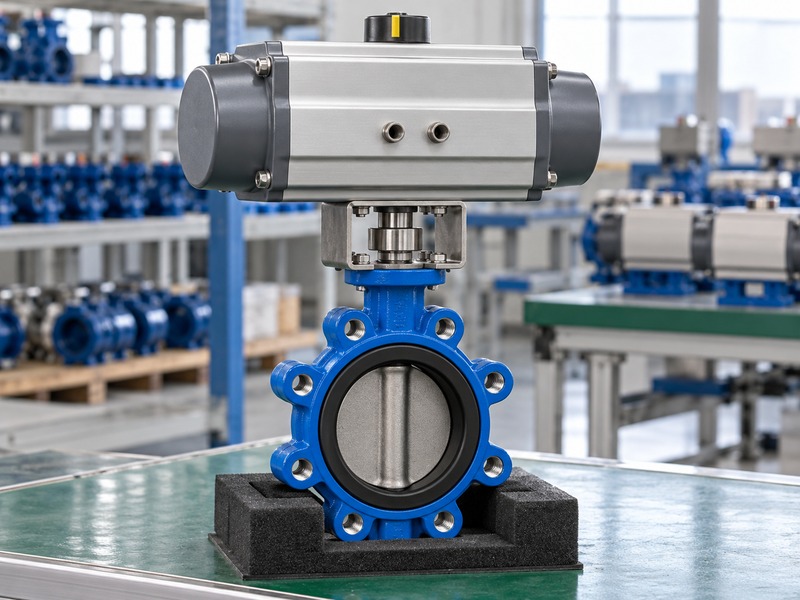
An actuator adds drive, mounting, accessory, and assembly costs to the dn80 butterfly valve price. Compare an automated package using the same valve duty, minimum available power or air supply, fail action, control signals, and environmental requirements so the quoted packages perform the same job.
Which automation items are easy to leave unpriced?
Check the package accessories. A pneumatic actuator may require a solenoid valve, limit switches, air preparation, tubing, and a manual override, while an electric package needs its own supply and control specification. Identify the bracket, coupling, position indication, adjustment, and assembled functional test on the quotation, and require a sizing basis using the specified closing differential, valve torque, operating frequency, and minimum supply conditions. For replacement projects, compare the complete mounted envelope with the available space before approving the package, because a larger actuator can create a separate installation expense for mounting changes or relocation of nearby equipment.
Key takeaway: Comparable automation offers include the parts needed to operate the valve.
- List mounting parts, controls, and agreed functional checks.
- Confirm minimum supply conditions and required fail position.
| Item | Review |
|---|---|
| Drive | Sized actuator and mounting assembly |
| Controls | Signals, accessories, and functional test |
7. Which inspection costs should appear separately?
Inspection costs in a dn80 butterfly valve price should separate included production checks from additional documentation, witnessing, or project testing. Agree the acceptance plan before ordering; adding a witness point after production can change both the quoted cost and the release date.
How do you buy the evidence your project needs?
Write the acceptance plan into the enquiry. State the test standard, applicable leakage criterion, directions, required reports, material traceability, and any third-party attendance so suppliers can price the same obligation. A shell test pressure is an inspection condition rather than allowable working pressure; chemical lining inspection or clean-gas leak testing also requires a suitable configuration and procedure rather than a relabelled water test report. Ask the supplier to identify included records and quote any extra examination, laboratory work, inspector attendance, or repeat test separately, with responsibility for cancellation or rescheduling costs agreed before the visit and recorded in the order.
Key takeaway: Inspection spending should purchase identifiable checks and traceable acceptance records.
- Define acceptance criteria and required product identifiers.
- Separate standard records from optional third-party attendance.
| Item | Review |
|---|---|
| Included checks | Named procedure and standard reports |
| Additional work | Agreed scope, attendance, and fees |
8. How do quantity and delivery timing affect the offer?
Order quantity and delivery timing affect the dn80 butterfly valve price through batch preparation, available materials, inspection scheduling, and shipment arrangements. Request separate offers for a sample, a production batch, and planned releases when those are different purchasing options; do not assume a sample price predicts the batch price.
What should you ask about stock and repeat orders?
Confirm the exact stock configuration. A warehouse quantity helps only when its materials, seat, connection, operator, and records match the accepted specification, so ask the supplier to identify the available units before promising your customer a date. For scheduled releases, state the batch sizes, forecast period, packaging, storage responsibility, and conditions for price review, and request a schedule that identifies technical approval and inspection milestones. RUITO confirms stock availability separately from new manufacture and starts release timing after the required technical, commercial, and inspection conditions are ready, so obtain the current written schedule and add transport time before committing an arrival date.
Key takeaway: A usable delivery offer connects the price with an achievable release plan.
- Price sample approval and batch releases separately.
- Identify stock by configuration and document availability.
| Item | Review |
|---|---|
| Quantity | Sample, batch, or scheduled release |
| Timing | Approval, factory release, and transport dates |
9. How do you calculate the landed order cost?
Calculate landed order cost by adding the quoted assemblies, required extras, transport, and destination charges on one consistent basis. The dn80 butterfly valve price is only one input, so use the same currency, delivery location, quantity, and commercial terms when comparing suppliers.
Which variables belong in a landed-cost worksheet?
Assign each cost to a responsible party. Build the worksheet from the supplier’s itemized offer and current freight and destination estimates, then mark any unconfirmed charge rather than replacing it with an invented allowance. Include packaging, inspection extras, origin handling, freight, insurance where required, destination handling, customs services, applicable duties or taxes, and local delivery according to the agreed scope, with classification and destination treatment confirmed by your broker. Divide the resulting order total by the accepted quantity only after checking which costs are fixed for the shipment and which change with every valve or package, using the same assumptions for each supplier.
Key takeaway: A consistent delivered total supports a defensible supplier comparison.
- Use current written offers for freight and destination charges.
- Remove duplicated charges already included in delivery terms.
| Item | Review |
|---|---|
| Supply subtotal | Assemblies, extras, inspection, packaging |
| Delivered total | Supply plus assigned logistics and destination costs |
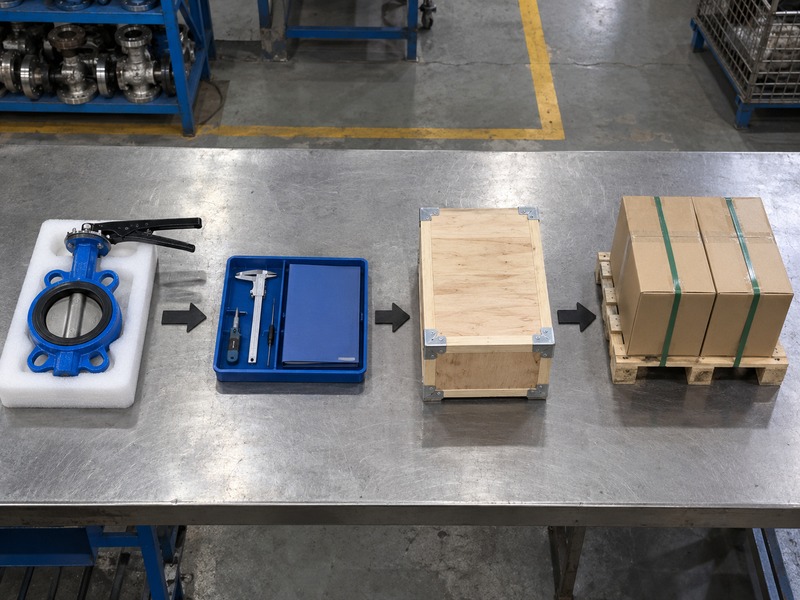
10. What should you send for a firm DN80 quotation?
Send a complete duty sheet, approved connection requirements, assembly scope, quantity, acceptance plan, and delivery destination to obtain a firm dn80 butterfly valve price. Include the required response date and ask suppliers to return a technical deviation list alongside the itemized commercial offer.
How do you turn the accepted offer into an order?
Freeze the accepted revision. Return the approved drawing, material list, operator description, inspection plan, packaging requirements, and quotation number with your purchase order so both teams work from the same agreement. State the currency, validity, payment milestones, delivery basis, document submission dates, and process for approving substitutions or changes, settling open requirements before you release the order for production. RUITO can review the duty and proposed configuration with your purchasing and engineering teams and link product records to the supplied order, so your team has an identified configuration to check when it approves documents and receives the finished assemblies.
Key takeaway: An agreed order package keeps the purchased assembly aligned with the accepted offer.
- Attach the accepted technical and commercial revisions.
- Name the person who can approve a substitution.
| Item | Review |
|---|---|
| RFQ package | Duty, configuration, quantity, and destination |
| Order package | Accepted revisions and closed deviations |
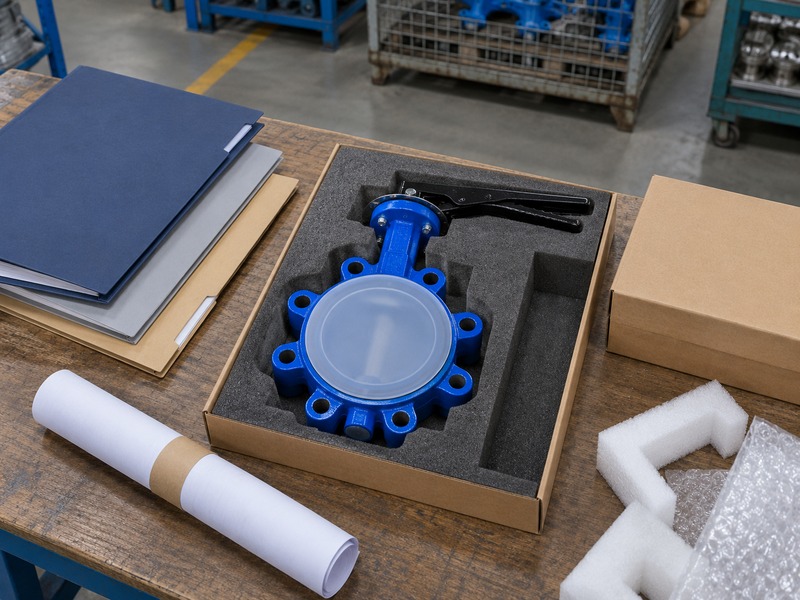
Send RUITO your duty sheet, connection drawing, required operator, quantity, inspection scope, and delivery destination. We can review the configuration and prepare an itemized offer for your comparison. Contact us with the accepted specification and any open technical questions.
FAQ
Q1: Can I buy a DN80 valve from an advertised starting price?
Use it only as an enquiry prompt. Obtain a current quotation for your materials, seat, operator, quantity, inspection, and delivery scope before issuing an order.
Q2: What is the best way to compare a sample and batch offer?
Compare them separately. Ask which preparation or verification charges apply once and which repeat with each valve, then confirm the accepted batch configuration.
Q3: How do I know if the actuator is included?
Check the itemized scope. It should identify the actuator, mounting parts, accessories, supply conditions, and assembled functional checks rather than relying on a product photograph.
Q4: Can I replace EPDM with PTFE to cover every chemical?
No. Review the complete wetted construction, concentration, temperature, pressure, backing, and shaft seals; a PTFE seat alone does not provide continuous lining protection.
Q5: Can I use the last order’s price for a repeat purchase?
Request confirmation. The configuration, quantity, material costs, currency, validity, and delivery scope may have changed, even when the nominal size remains DN80.