
Fix selection mistakes in a double offset vs triple offset butterfly valve comparison by checking actual seat geometry and documented duty at the same operating conditions. Compare leakage criteria, pressure-temperature limits, direction and actuation requirements before ranking either construction. The offset count cannot establish a complete material specification or a universal performance advantage.
Two bids can quote the same nominal size and pressure class while using different seats, leakage criteria and actuator assumptions. A comparison based on offset labels can conceal those differences until an interface or acceptance requirement remains unmet. Put both proposed assemblies against one service schedule before purchasing treats their headline descriptions as equivalent technical offers.
1. What guides double offset vs triple offset butterfly valve choice?
The double offset vs triple offset butterfly valve choice starts with the required service and the actual sealing geometry of each proposed model. Double offset defines two shaft-axis displacements; triple-offset construction adds an angular sealing-geometry relationship. Review the selected sections before assigning benefits to either arrangement.
Which geometric difference should the reviewer confirm?
Compare the selected sections. Emerson’s triple-offset explanation identifies inclined seat and seal cone centerlines relative to the valve centerline for its Vanessa construction with torque-seated metal sealing. Compare that geometry with the selected double-offset shaft displacements through actual sections and datums. Service suitability still needs configuration-specific evidence beyond that geometry definition.
- Identify both proposed models and section drawings.
- Read shaft displacements and angular sealing geometry separately.
- Keep performance claims tied to the actual constructions.
Key takeaway: Establish the geometry difference before comparing the selected products’ performance evidence.
| Check | What you should confirm |
|---|---|
| Double offset | Selected section defines the two shaft-axis displacements |
| Triple offset | Selected section defines the additional angular sealing relationship |
| Decision | Required service is compared with both actual constructions |
2. What seats fit double offset vs triple offset butterfly valve?
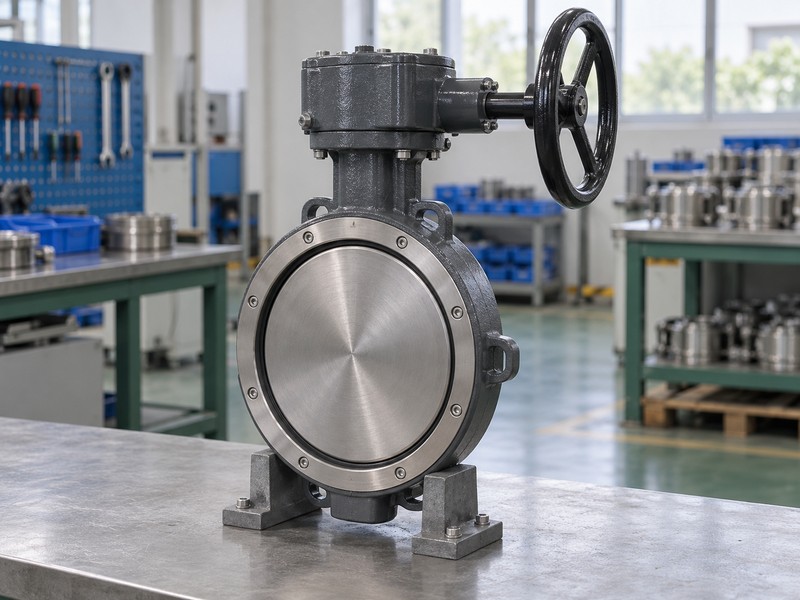
Seat selection in a double offset vs triple offset butterfly valve comparison depends on the actual seal construction, fluid and operating conditions. Record the seat and mating sealing surface for each proposed assembly. Geometry names cannot define every component material or establish identical contact behavior across different products.
What should the material comparison include?
Request the complete sealing definition. The Keystone K-LOK technical sheet distinguishes polymer, elastomer, metal and combined seat options within its identified double-offset family. Compare the selected triple-offset seal, seat, retainers and packing through its own component records. Include fluid composition, contaminants and cleaning conditions rather than treating a metal-seat description as a complete compatibility assessment.
- Identify actual seat and mating sealing-surface materials.
- Retain seal, retainer and packing configuration details.
- Compare material suitability at the stated fluid conditions.
Key takeaway: Compare complete sealing constructions instead of equating offset categories with a fixed material list.
| Check | What you should confirm |
|---|---|
| Construction | Each proposed sealing assembly has identified components |
| Materials | Actual fluid and cleaning conditions have an accepted basis |
| Contact | Sealing behavior follows the selected seat arrangement |
3. What rates double offset vs triple offset butterfly valve?
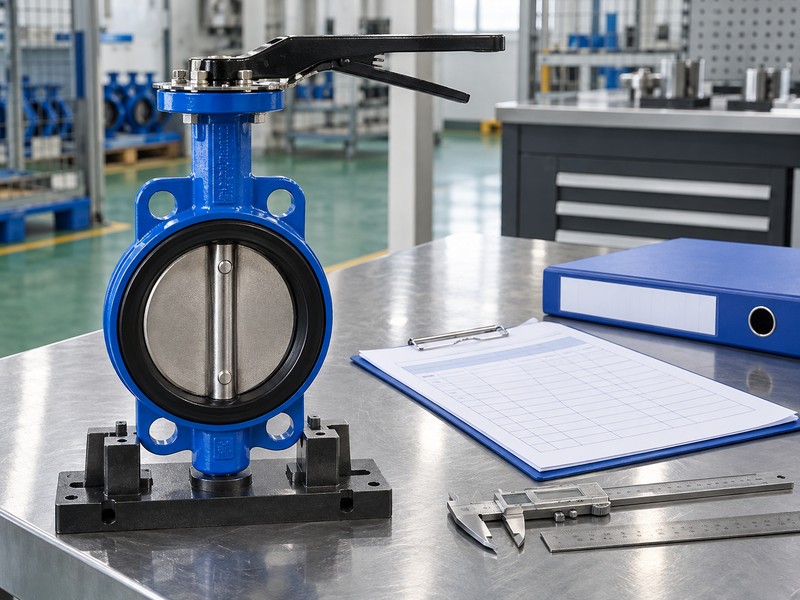
A double offset vs triple offset butterfly valve rating comparison needs the pressure-temperature limits of each exact size and material configuration. Use the same specified operating states for both candidates. Neither a family maximum nor a body pressure class can establish the selected seat’s permitted differential at service temperature.
How should the operating-envelope comparison work?
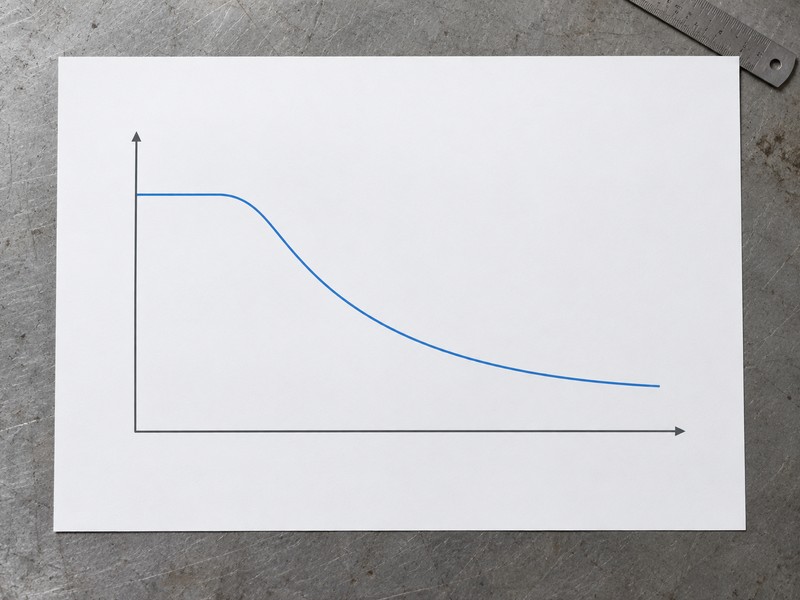
Compare like operating conditions. Check normal, shutdown and other required states against each model’s body, disc, shaft, seat and packing limits. Keep service ratings separate from test pressures and retain any construction-specific restrictions. The conceptual chart supplies no numerical rating or universal crossover point where a project must change from one geometry to the other.
- Use actual model and material-specific pressure-temperature data.
- Review the same required operating states for both candidates.
- Check seat differential separately from body pressure limits.
Key takeaway: Choose from documented operating envelopes without inventing a pressure-class cutoff between geometry families.
| Check | What you should confirm |
|---|---|
| Configuration | Rating data belongs to the actual selected assembly |
| Operating state | Each required temperature and pressure combination is reviewed |
| Differential | Seat and direction limits cover the intended shutoff duty |
4. What leakage fits double offset vs triple offset butterfly valve?
Leakage acceptance in a double offset vs triple offset butterfly valve comparison follows the selected seat and specified test criteria. A geometry label cannot establish zero leakage under every fluid, pressure or temperature condition. Compare the actual acceptance requirement and evidence offered for each proposed construction.
Which details make leakage claims comparable?
Match the acceptance basis. Record the specified standard and edition, medium, differential, direction, temperature and applicable test conditions beside the leakage criterion. A named class or tight-shutoff description needs that context before it can support an equivalent comparison. Keep any fire-tested condition or special option within its actual evidence scope rather than extending its result to every seat variant.
- Identify the exact leakage criterion and controlling method.
- Compare applicable test conditions and pressure direction.
- Retain evidence for the selected seat and special options.
Key takeaway: Compare leakage claims through their methods and conditions before treating their wording as equivalent.
| Check | What you should confirm |
|---|---|
| Criterion | Each offer states a defined leakage acceptance requirement |
| Conditions | Applicable methods and test states are comparable |
| Evidence | Records cover the proposed construction and claimed duty |
5. Which way fits double offset vs triple offset butterfly valve?
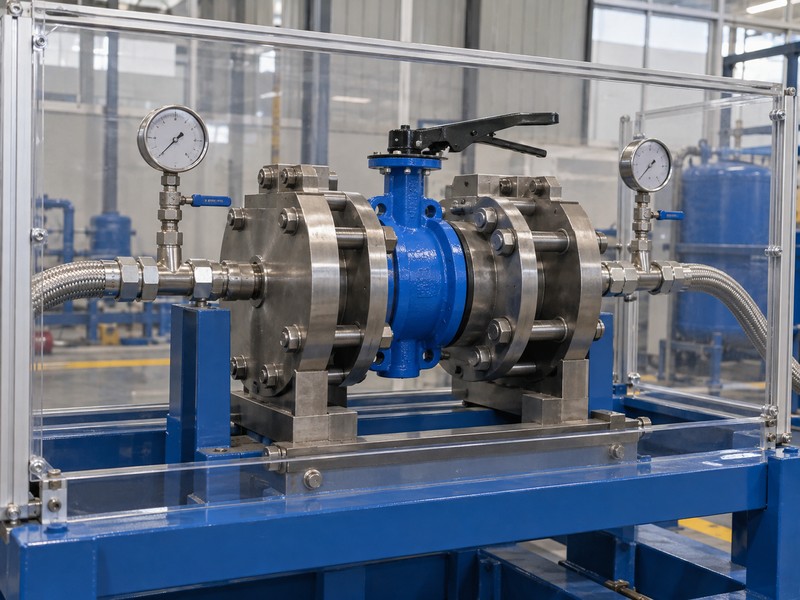
Direction in a double offset vs triple offset butterfly valve comparison must follow each selected model’s installation and differential-pressure limits. Preferred orientation, reverse sealing capability and permitted throttling direction need separate entries. A bidirectional statement cannot establish equal duty in every direction or remove a preferred installation arrangement.
Which end conditions also affect the decision?
Record the actual pressure directions. Compare forward and reverse differential limits at the required conditions with the selected instructions and seat construction. Confirm the proposed body connection and any end-of-line duty separately, including required restraint, bolting and retention. Neither offset classification can authorize removal of a downstream flange or transfer an end-condition rating from another body style.
- Record preferred installation and required pressure directions.
- Compare forward and reverse differential capability separately.
- Confirm body-specific support for any proposed end-of-line duty.
Key takeaway: Compare direction and end conditions through the actual models instead of their offset count.
| Check | What you should confirm |
|---|---|
| Orientation | Selected instructions define the applicable mounting preference |
| Reverse duty | Actual seat and differential limits support the required condition |
| End condition | Body restraint and retention have explicit supporting evidence |
6. What drives double offset vs triple offset butterfly valve?
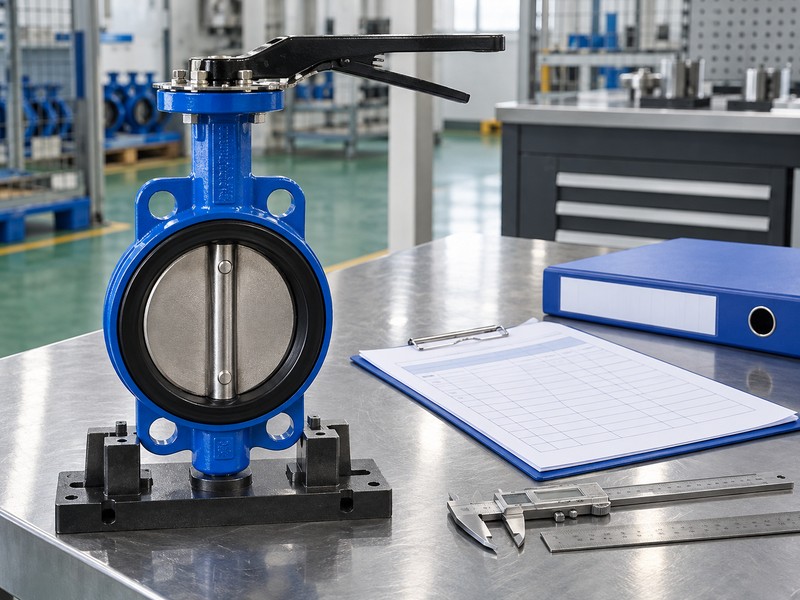
Actuation in a double offset vs triple offset butterfly valve comparison depends on each valve’s torque profile and permitted drive limits. Compare seating, unseating, running and relevant fluid torque under the same specified service. A low-torque description cannot establish a smaller actuator without the actual demand and output records.
How should the buyer compare the drive packages?
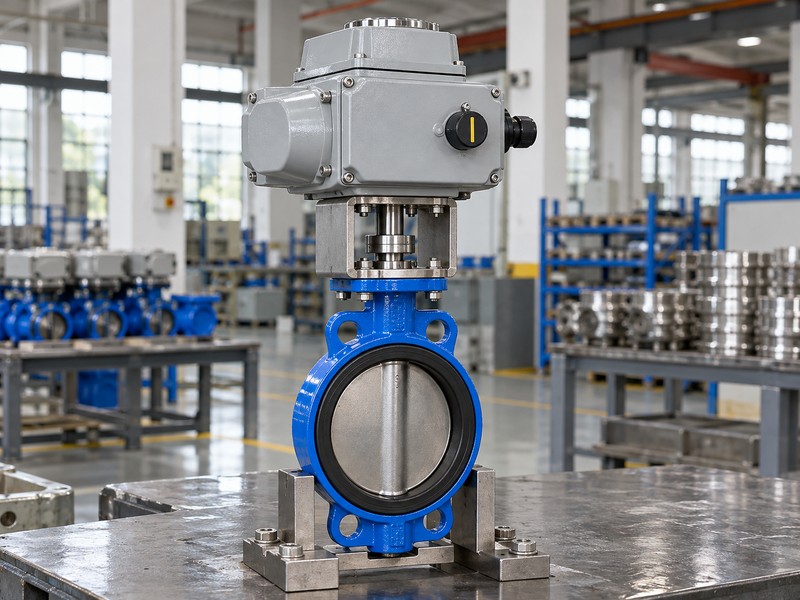
Trace the complete load path. Compare required valve torque with actual operator output at the available supply or specified manual input. Check allowable stem, coupling, mounting and other drive-component loads, retaining the basis for any selection allowance. A common mounting pattern or nominal actuator size cannot establish adequate output or acceptable maximum torque across both proposed assemblies.
- Request actual torque profiles for the selected seat and duty.
- Compare operator output at the stated supply or input.
- Review allowable loads through the complete drive arrangement.
Key takeaway: Accept the valve and operator as a documented drive package rather than ranking generic torque claims.
| Check | What you should confirm |
|---|---|
| Demand | Torque basis matches actual valve and service conditions |
| Output | Selected operator covers required movement and seating duties |
| Limits | Drive components remain within their permitted loads |
7. Can double offset vs triple offset butterfly valve control?
Control use in a double offset vs triple offset butterfly valve comparison needs the selected model’s flow and operating data. A valve suitable for isolation cannot acquire a defined control range from its offset label alone. Compare intended modulation, fluid behavior and permitted operating positions against the actual model and system conditions.
Which flow data belongs in the comparison?
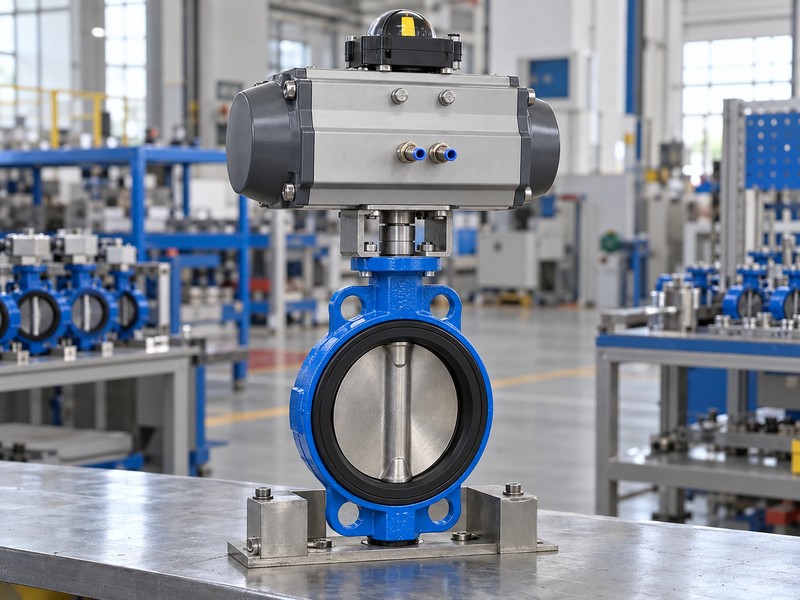
Request the selected flow basis. Obtain applicable capacity versus opening data, fluid assumptions and any required limits on control duty. Review relevant differential, cavitation, flashing or noise concerns through the manufacturer and project sizing process. A capacity table or smooth animation cannot establish installed controllability, while a sealing claim does not define behavior at intermediate openings.
- Identify isolation or modulation duty before comparing options.
- Request actual capacity and permitted-opening data.
- Review fluid and system effects through the required sizing process.
Key takeaway: Evaluate control performance through actual model and system data independently of shutoff geometry.
| Check | What you should confirm |
|---|---|
| Duty | Selected model supports the intended operating mode |
| Flow data | Capacity records have an identified size, opening and fluid basis |
| System | Required operating effects and limits receive project review |
8. What upkeep fits double offset vs triple offset butterfly valve?
Maintenance in a double offset vs triple offset butterfly valve comparison follows each selected construction, service and manufacturer’s instructions. Compare access, replacement arrangements and available technical records beside the required operating duty. Offset geometry cannot establish maintenance-free service or a universal inspection interval.
What should the maintenance-access review compare?
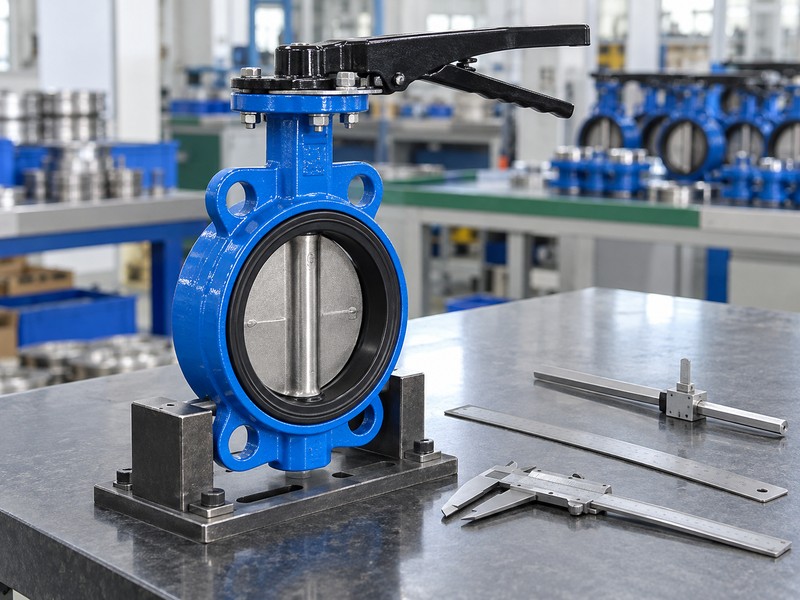
Review the actual service arrangement. Identify permitted inspection and replacement methods, clearance and handling conditions for the selected components. The Bray McCannalok manual separates instructions for its construction options. Apply each candidate’s own procedures, spare-part identities and authorized isolation requirements, with no assumed transfer of another model’s service method.
- Review access and component-removal space through actual drawings.
- Identify approved replacement parts and selected service instructions.
- Include planned handling and downtime in the project evaluation.
Key takeaway: Compare maintainability through the actual access and replacement arrangements rather than a geometry-based guarantee.
| Check | What you should confirm |
|---|---|
| Access | Actual installation permits the required service method |
| Parts | Replacement identities match the selected construction |
| Planning | Handling and maintenance arrangements suit project constraints |
9. What fits double offset vs triple offset butterfly valve?
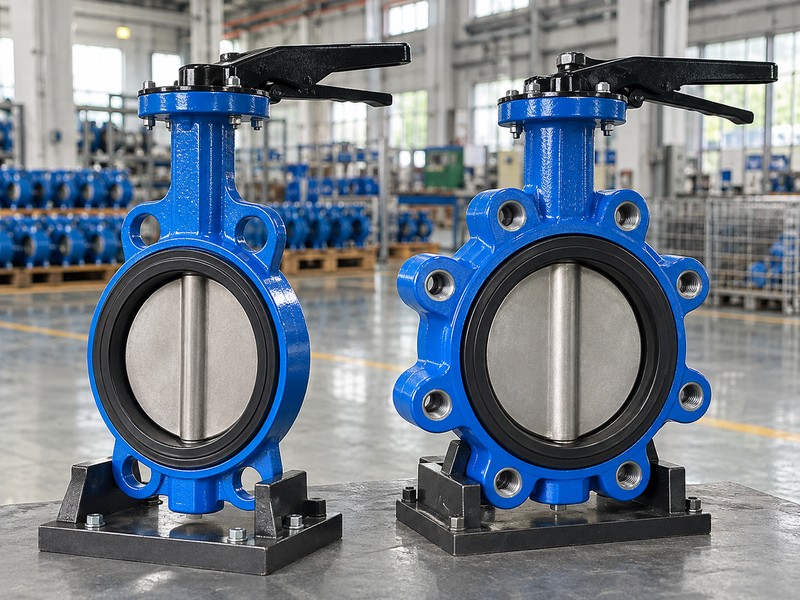
Project fit in a double offset vs triple offset butterfly valve comparison requires the actual body interfaces, disc envelope and operator package for both candidates. Nominal size and pressure class cannot establish interchangeability. Review face-to-face length, flange details, gasket arrangement and mating pipe bore beside installed access and support.
Which mechanical differences can change the installed package?
Compare the complete assemblies. Check disc projection against pipe linings and adjacent fittings, with actual bolting and retention requirements defined. Include operator envelope, support and the approved installation orientation in the same layout review. Body style remains independent of offset classification, so a wafer, lug or double-flanged offer needs its own accepted interface definition.
- Compare actual flange and face-to-face interfaces.
- Check disc sweep against the real adjoining bore.
- Review operator access, support and required installation orientation.
Key takeaway: Compare installed assemblies through their drawings rather than treating offset names as interchangeable packages.
| Check | What you should confirm |
|---|---|
| Connection | Selected interfaces suit the actual mating components |
| Movement | Full disc envelope clears adjacent restrictions |
| Layout | Operator and service access fit the installation constraints |
10. What proves double offset vs triple offset butterfly valve?
A defensible double offset vs triple offset butterfly valve selection rests on accepted service, interface and verification records for the actual proposed products. Retain material definitions, rated data, torque basis, required test criteria and applicable approval evidence. A family brochure or certificate for another construction cannot close missing model-specific requirements.
What should the final selection record retain?
Close the identified requirements. Record accepted differences, unresolved deviations and the evidence supporting the chosen assembly. Compare required approval scope, inspection and test plans, spare-part records and delivery documentation without transferring another manufacturer’s certification or promises. RUITO can review an identified request and available documents; the actual proposed construction and supporting evidence need confirmation before a supply commitment.
- Retain the accepted comparison at common service conditions.
- Verify exact-model evidence for required tests and approvals.
- Record deviations, configuration confirmation and handover responsibilities.
Key takeaway: Select the construction whose documented package meets the project requirements and accepted tradeoffs.
| Check | What you should confirm |
|---|---|
| Selection | Accepted differences relate to actual project requirements |
| Evidence | Required records cover the proposed configuration |
| Commitment | Actual construction and document scope are confirmed |
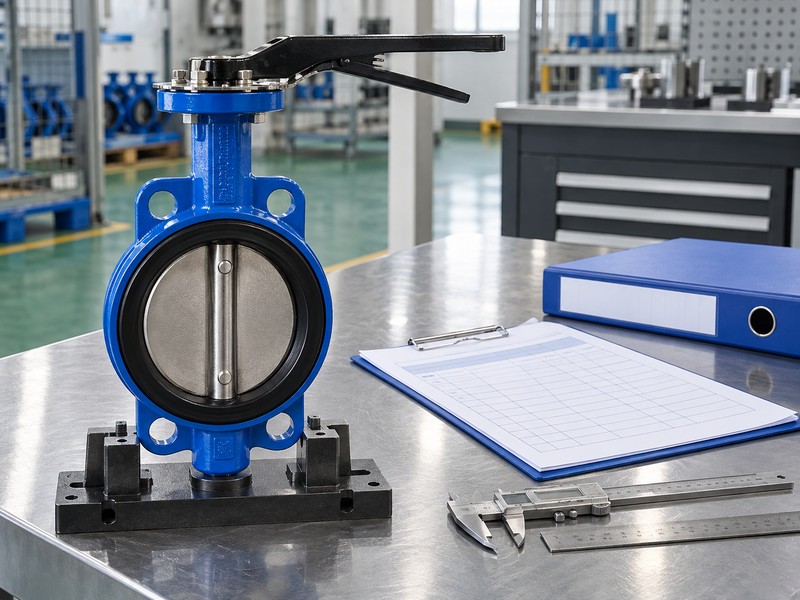
Send RUITO the identified valve request, required service conditions, seat and leakage criteria, mating interfaces and competing technical schedules. We can review the request and clarify which actual configuration and supporting documents would be needed for evaluation. Contact us before treating offset count as proof of product availability, operating capability or project acceptance.
FAQ
Q1: Can I assume triple offset always means zero leakage?
No. Require the actual seat, leakage criterion, method and applicable conditions for the selected model.
Q2: What’s the best way to compare actuator sizes?
Compare complete sizing records. Use actual valve demand, available operator output and permitted drive limits at the same specified service conditions.
Q3: How do I know which option suits the required temperature?
Check actual rated data. Each size, material, seat and packing configuration needs an applicable pressure-temperature and differential-pressure basis.
Q4: Can I choose by nominal size and pressure class alone?
No. Confirm actual flange interfaces, face-to-face length, gasket and retainer arrangement, disc clearance and operator access.
Q5: How do I know whether either construction is available from RUITO?
Request configuration confirmation. The identified construction and required supporting records need review before any supply commitment.