
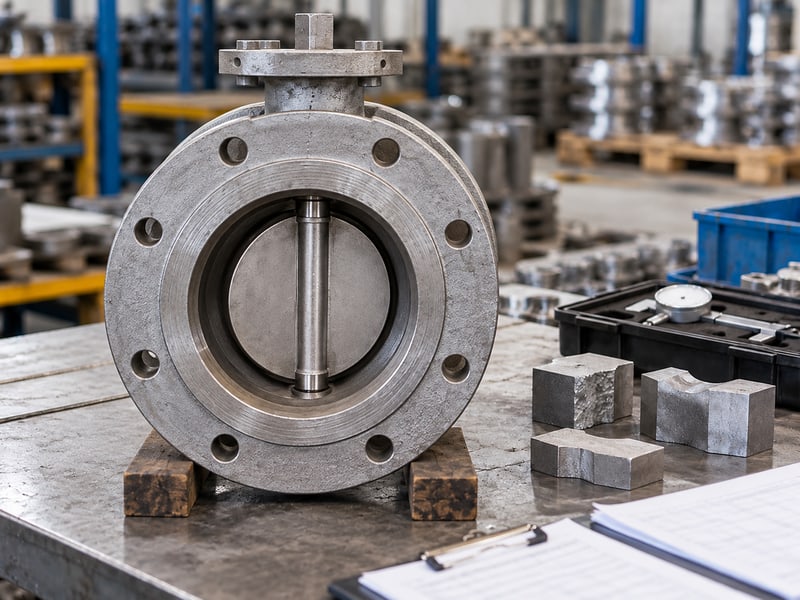
Fix ductile u-section butterfly valve mistakes by specifying the exact body grade, complete material configuration, and traceable release records. A repeat shipment can match your requested size yet contain a changed seal compound or undocumented casting batch. Freeze those details before production and connect them with the supplied valves' inspection records.
1. What grade defines a ductile u-section butterfly valve?
The accepted material specification defines the body grade for a ductile u-section butterfly valve. Ductile iron names a material family, while U-section describes a body form. Neither description identifies a complete grade, material standard, or accepted manufacturing condition.
What should the material line contain?
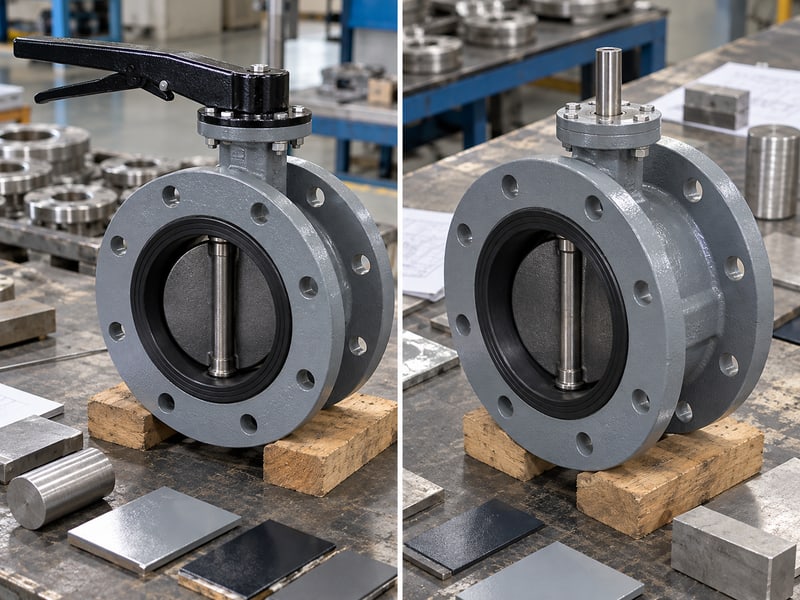
Write the exact grade into the order. A quotation reading ductile iron, stainless disc, and rubber seat leaves several purchasing decisions unresolved. Record the complete body designation, governing material standard and edition, and any additional requirements the project places on that casting.
- Identify the proposed body grade and standard.
- Separate specified materials from offered alternatives.
- Match the material line with the approved drawing.
Use RUITO's butterfly valve range to compare body and connection options, then retain the exact U-type documents for this purchase. A photograph or general product name cannot replace a supplier's confirmed material schedule for the offered configuration.
What makes the grade requirement reviewable?
Key takeaway: Accept a documented grade and manufacturing basis for the specified body. Record exceptions explicitly so a purchasing description cannot silently broaden the accepted material choice.
| Material detail | Required record |
|---|---|
| Grade | Complete accepted designation |
| Standard | Governing document and edition |
| Offered difference | Reviewed exception or confirmation |
Return an incomplete material line for clarification. Freeze the accepted description before casting procurement or production release.
2. What properties must a ductile u-section butterfly valve meet?
A ductile u-section butterfly valve body must meet the material and mechanical requirements adopted for its accepted grade and manufacturing basis. Request property evidence and sampling information for that specification rather than borrowing another grade’s values.
Which requirements need supporting information?
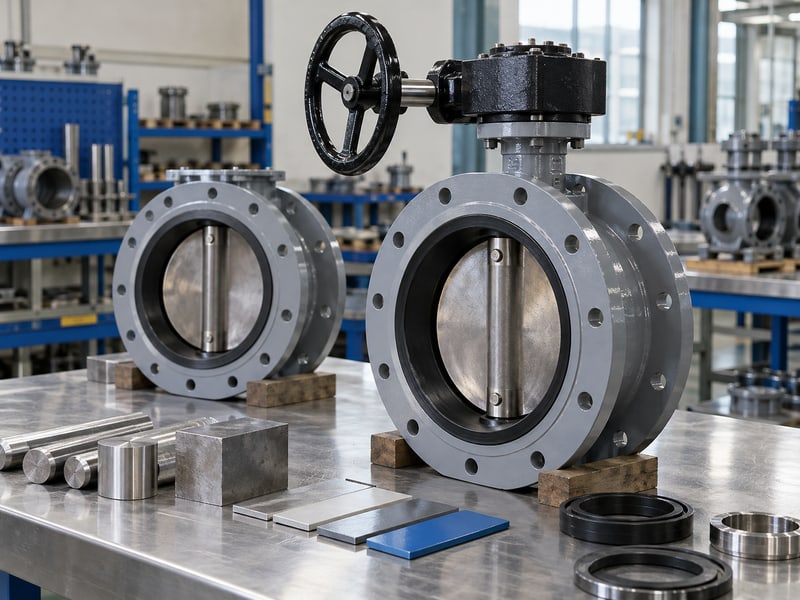
Check the test basis with the reported result. Compare required tensile properties and any additional agreed hardness or structural checks with the applicable material specification. The accepted standard or inspection plan determines the sampling route and how results apply to the supplied castings.
- Identify each required property and acceptance criterion.
- Confirm specimen and sampling information where required.
- Match results with the relevant production identification.
A chemical analysis and a mechanical-property report answer different questions. Check their required coverage separately, and ask the supplier to explain any omitted information; an alloy description alone cannot demonstrate the accepted mechanical properties of the body material.
How should the buyer accept property evidence?
Key takeaway: Review the agreed requirements, test method, sampling basis, and material identity together. A result from an unidentified sample cannot establish which delivered bodies its report covers.
| Evidence detail | Buyer check |
|---|---|
| Property requirement | Accepted material specification |
| Test and sample basis | Agreed method and coverage |
| Production reference | Link with supplied castings |
Agree the evidence scope before manufacture. Close mismatched or missing property information before accepting the material records.
3. How is a ductile u-section butterfly valve body traced?
A ductile u-section butterfly valve body is traced when its heat or production-batch identity connects with material, manufacturing, and finished-product records. A material report without that connection cannot identify which delivered valves it covers. Define the required identification chain in the order.
What should a traceability review follow?
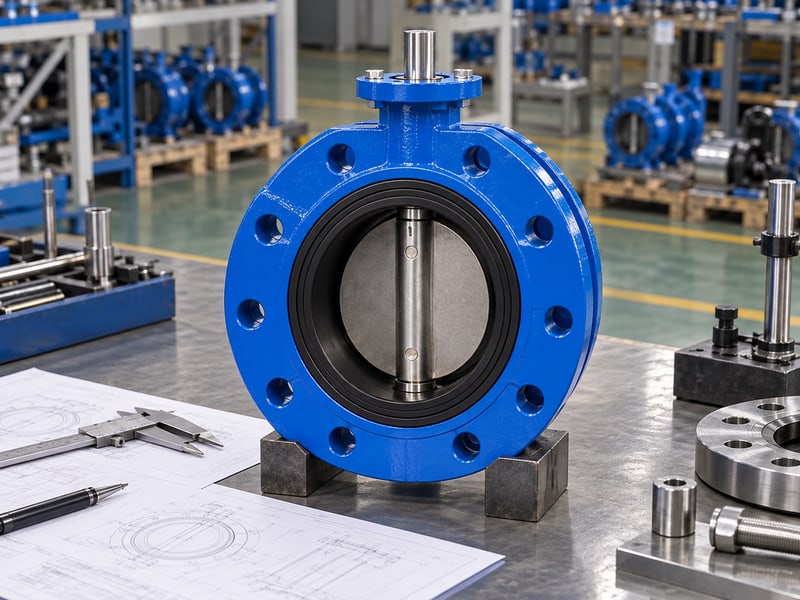
Follow one body through the document chain. Select an identified finished valve and trace its body back to the applicable material record. Continue through machining, assembly, inspection, and shipment allocation so the document package can support an investigation after delivery.
- Check heat or batch references against material records.
- Confirm the link from body to finished valve.
- Retain packing links for mixed shipments.
Ask how identification survives surface preparation and coating, including any controlled transfer of markings. RUITO's company information provides supplier context; request order-specific evidence for the traceability links your quality team needs to accept.
What should happen if a link is missing?
Key takeaway: Traceability needs a continuous record relationship, not an isolated certificate. Reconcile gaps against identified units before accepting the affected document package.
| Traceability link | Evidence to compare |
|---|---|
| Casting to material | Heat or batch reference |
| Body to valve | Controlled product identification |
| Valve to shipment | Packing allocation |
Check a representative record chain during supplier review. Keep the accepted identification method with the receiving-inspection instructions.
4. What finish checks suit a ductile u-section butterfly valve?
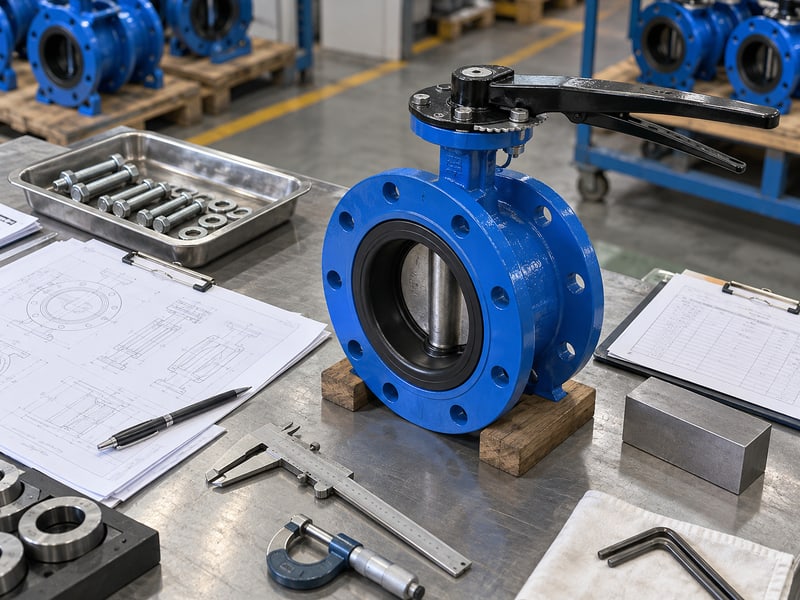
Finish checks for a ductile u-section butterfly valve compare the casting and machined body with its approved requirements before coating or assembly conceals relevant surfaces. Material identity, casting condition, machining, and dimensional acceptance need separate checks under the agreed inspection plan.
Which features should remain controlled?
Check the approved drawing before machining. Identify the body dimensions and surfaces that the project or product requirements classify for inspection. Face-to-face length, flange interfaces, and shaft-related features must follow the offered U-type drawing rather than a generic wafer-body assumption.
- Identify specified casting and surface acceptance checks.
- Verify the agreed critical machined dimensions.
- Retain identification through finishing operations.
Any repair affecting the accepted body must follow the applicable material and product rules and required approval. Ask the supplier to identify permitted repair methods, records, and reinspection where the order requires them; surface finishing should not make a rejected condition disappear from the record.
What should the finishing record establish?
Key takeaway: Body grade and finished geometry need distinct evidence. A material-identical replacement still requires confirmation that its interfaces match the accepted assembly drawing.
| Finishing stage | Review reference |
|---|---|
| Casting acceptance | Agreed condition criteria |
| Machining | Approved dimensions and surfaces |
| Repair or correction | Permitted procedure and recheck |
Retain the drawing revision with the inspection results. Resolve a material or dimensional discrepancy before the next manufacturing stage.
5. What coating evidence supports a ductile u-section butterfly valve?
Coating evidence for a ductile u-section butterfly valve identifies the approved coating system and the inspection records required for the specified exposure. Colour alone cannot establish surface preparation, thickness, curing, or suitability for fluid contact and the external environment.

How should coating acceptance be defined?
Agree the coating criteria before manufacture. Specify the system, relevant surface preparation, thickness requirements, and inspection method through the order or accepted coating specification. Where cure, adhesion, discontinuity, or repair checks are required, define their procedures and acceptance basis separately.
- Match the coating system and batch with the order.
- Define inspection locations and permitted repairs.
- Check protection before packing and after receipt.
Inspect accessible coated surfaces, edges, and handling areas according to the agreed plan. A repaired area needs the permitted repair method and record where specified; shipping protection should preserve the condition accepted during final inspection.
What does a coating record demonstrate?
Key takeaway: Review the system identity and recorded results against their agreed criteria. A coating report does not replace the underlying body-material record or automatically establish a product contact approval.
| Coating evidence | Acceptance check |
|---|---|
| System and batch | Approved material used |
| Inspection results | Agreed limits and locations |
| Repair record | Permitted method and recheck |
Use project-specific criteria for the actual system. Refer damage found at receipt for disposition before installation acceptance.
6. What fluids suit a ductile u-section butterfly valve?
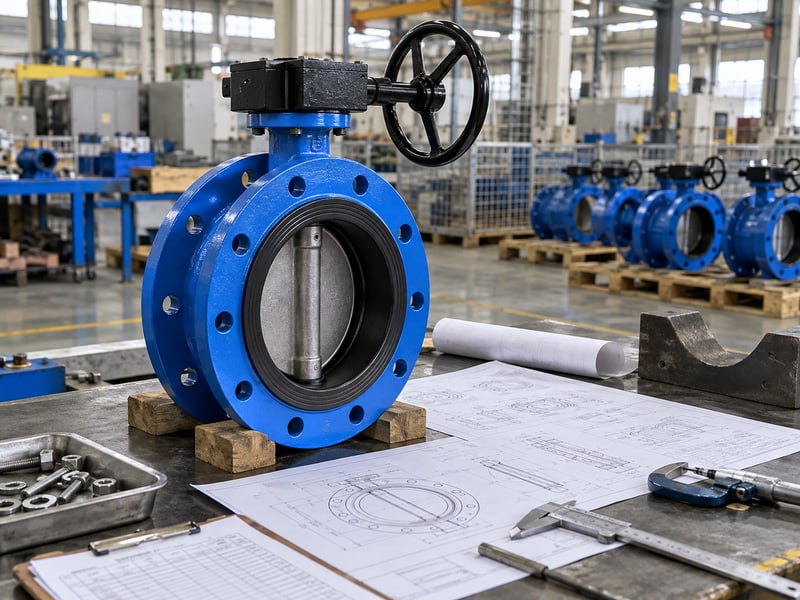
A ductile u-section butterfly valve suits a fluid only when its complete wetted and sealing configuration has been reviewed against the actual service. The body grade alone cannot establish compatibility of the disc, exposed shaft parts, seat compound, auxiliary seals, lining, or contact coatings.
Which fluid details should the buyer supply?
Describe the complete fluid. Include composition, temperature, concentration where relevant, treatment additives, and cleaning exposure. If an EPDM seat or another seal material is offered, confirm the exact compound and its approved conditions rather than accepting the material family name as a service rating.
- Identify every relevant fluid-contact component.
- Include treatment and cleaning conditions.
- Request compatibility confirmation for the proposed combination.
For water and wastewater treatment projects, identify the actual stream rather than using the industry name as the service description. A departure from an accepted clean-water duty needs review even when the body grade remains unchanged.
What should a service approval cover?
Key takeaway: Accept the complete material combination for the stated duty. Where a contact approval is required, verify its exact product and material coverage independently of the metal-grade evidence.
| Material group | Review condition |
|---|---|
| Disc and shaft | Actual fluid exposure |
| Seat and auxiliary seals | Compound and operating conditions |
| Coating or lining | Contact and integrity requirements |
Resolve missing service data before material acceptance. Retain the accepted fluid description with the order.
7. What pressure limits apply to a ductile u-section butterfly valve?
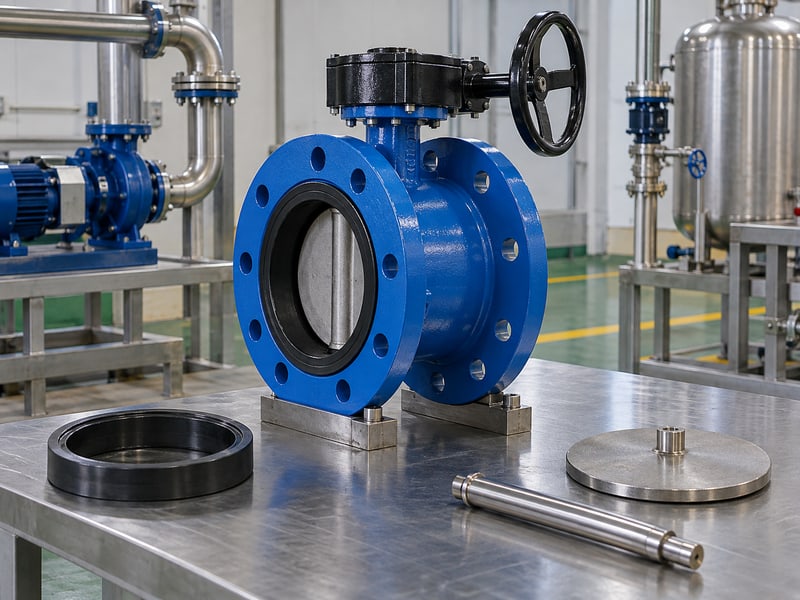
Pressure limits for a ductile u-section butterfly valve follow the approved complete construction and its pressure-temperature information. A body grade or nominal pressure designation cannot independently establish closing differential, permitted pressure direction, connection limits, or the selected seal's service boundary.
Which operating limits should remain together?
Read the ratings for one identified configuration. Compare pressure and temperature under the same material, size, seat, and connection arrangement. Keep process transients and maximum closing differential visible in the review so unrelated catalogue maxima cannot become an assumed working envelope.
- Confirm the applicable pressure-temperature basis.
- Identify closing differential and directional limits.
- Review connection and seal constraints together.
Read pressure-test records as evidence of specified inspection conditions rather than allowable operating pressure. A passing shell or seat result applies to its identified configuration and procedure; it cannot expand the service limits or establish compatibility with a changed fluid.
What should the acceptance file distinguish?
Key takeaway: Keep material properties, working ratings, and proof-test conditions separate. Each supports a different part of the selection and acceptance decision.
| Evidence | Question answered |
|---|---|
| Material requirements | What body properties are specified? |
| Operating information | What service is permitted? |
| Test record | What inspection was performed? |
Ask for the applicable model limits with the quotation. Review changed service conditions before treating an earlier approval as transferable.
8. How do ductile u-section butterfly valve materials stay controlled?
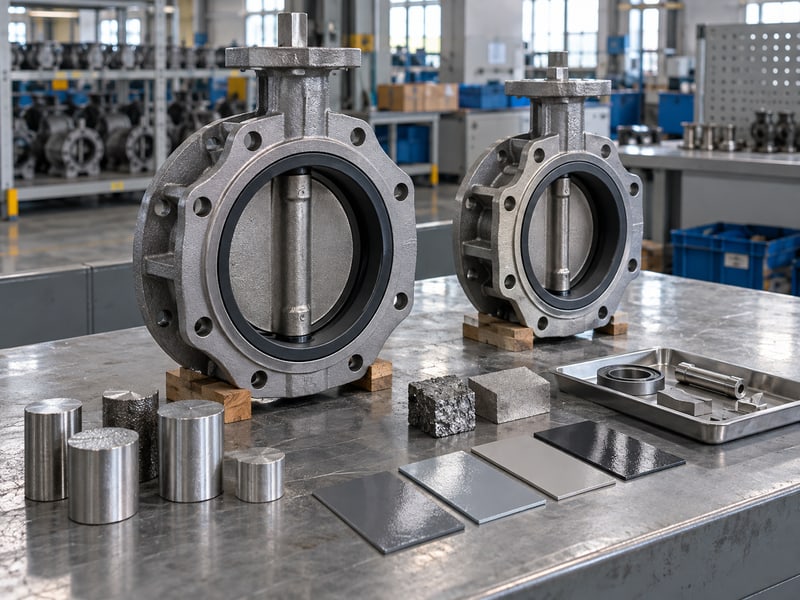
Materials for a ductile u-section butterfly valve stay controlled through accepted material schedules, drawing revisions, and documented change approval. Reusing a commercial product name leaves too much undefined. Carry forward the body grade, disc, shaft, seat compound, coating, and related assembly requirements.
Which substitutions need a recorded review?
Keep the accepted sample and its records together. A sample provides a physical reference when its drawing, material schedule, and inspection information remain identifiable. Use those same accepted references for subsequent releases and receiving checks rather than relying on similarity to a previous photograph.
- Reference the accepted grade and document revisions.
- Define changes requiring notification or approval.
- Identify affected units, stock, and production batches.
Review the consequences of a substitution across mechanical properties, compatibility, fit, contact approvals where relevant, and inspection requirements. Include auxiliary seals and coating products so an unchanged body grade does not conceal another configuration change.
How should an approved change enter production?
Key takeaway: Identify when the change takes effect and which units receive it. Revised and earlier configurations need clear records wherever both remain in stock or supply.
| Proposed change | Required review |
|---|---|
| Body grade or manufacturing basis | Properties and rated construction |
| Seat or coating | Compatibility and applicable approval |
| Drawing or interface | Fit and inspection requirements |
Retain the approved change with affected order records. Inspect the next release against its accepted revision.
9. What ITP records cover a ductile u-section butterfly valve?
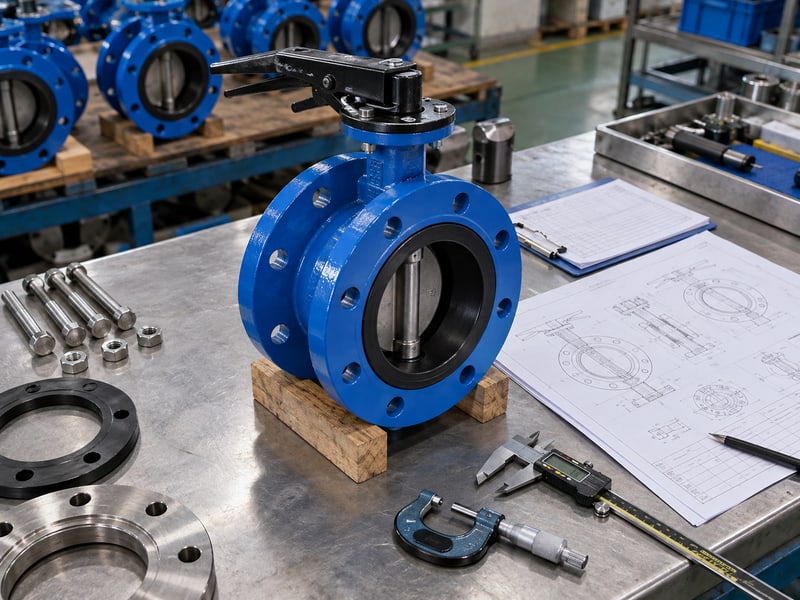
An inspection and test plan, or ITP, for a ductile u-section butterfly valve defines the required checks, criteria, records, and release responsibilities. It should connect material acceptance, traceability, finishing, coating, dimensions, and valve verification to the offered configuration.
What makes an inspection result reviewable?
Agree the acceptance conditions in advance. Identify the procedure and required evidence for each check, including witness or hold points where the contract specifies them. Pressure or leakage checks need their applicable conditions and criteria, while material and coating checks need their own acceptance basis.
- Match each check with its governing requirement.
- Identify the unit or material batch inspected.
- Define corrective work, reinspection, and release decisions.
A report marked passed cannot establish conformity when its scope or identification is unclear. Ask for the required material, dimensional, coating, and functional records without assuming that one certificate or pressure report covers every contractual requirement.
What should the release review confirm?
Key takeaway: Accept evidence against the agreed ITP and actual supply. Close missing links, failed checks, and approved corrections before releasing the affected units.
| Inspection stage | Required evidence |
|---|---|
| Material and identity | Applicable records and traceability |
| Finishing and coating | Accepted inspection findings |
| Valve verification | Specified results and release status |
Complete the document index before shipment acceptance. Retain unresolved items and their owners until the agreed closure conditions are met.
10. What should a ductile u-section butterfly valve RFQ include?
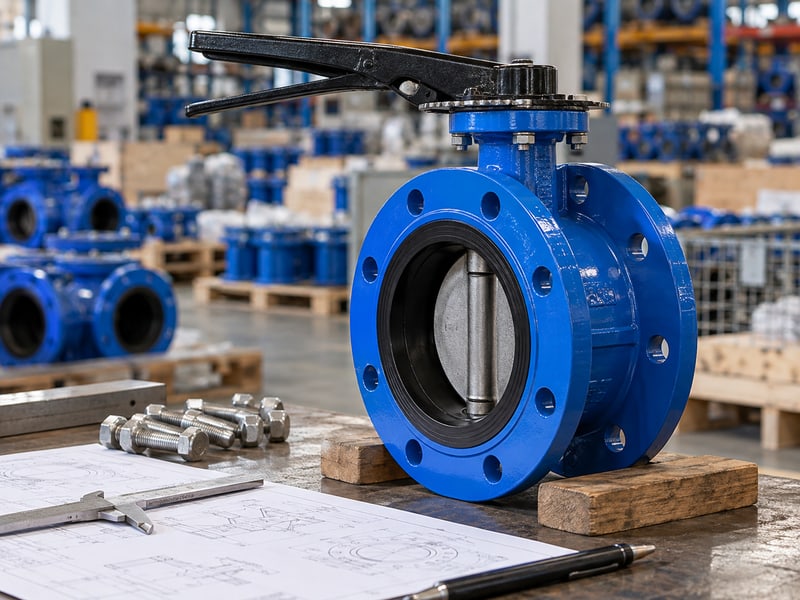
A ductile u-section butterfly valve RFQ should request a defined body grade and material combination, service limits, interfaces, and release evidence. Supply the required duty and documents together so the supplier can confirm its offered configuration or identify an exception before production.
What should your supplier confirm?
Send the accepted requirements as one package. Include the grade and standard, fluid description, concurrent pressure-temperature cases, closing differential, and relevant drawings. Request the offered material schedule, supporting model data, and proposed inspection records without filling unknown values from a different valve's specification.
- State body grade, standard, and material-document requirements.
- Identify the complete service and component configuration.
- Define traceability, inspection, and change-approval expectations.
Mark requirements, offers, and accepted exceptions separately. Reference the accepted configuration and reviewed changes on repeat orders.
What should the next review deliver?
Key takeaway: Accept a quotation with an identifiable material configuration and evidence scope. Record missing information and reviewed exceptions before the order becomes the production instruction.
| RFQ input | Requested response |
|---|---|
| Grade and service | Confirmed configuration and limits |
| Material and identity requirements | Traceability and record proposal |
| Acceptance scope | ITP and stated exceptions |
Send RUITO your material requirements, service data, and accepted drawing references; contact us today to review the proposed supply. Request the model-specific material and inspection information needed for your acceptance decision.
Frequently asked questions
Q1: Can I identify the exact body grade from the U-section name?
No. Confirm the complete grade designation and material standard in the offered documents; body shape does not establish that material requirement.
Q2: What's the best way to check a casting material report?
Follow its identification link. Match the heat or batch and required test information with the supplied body and finished-valve records.
Q3: Does a ductile-iron grade establish suitable seal service?
No. Review the complete wetted materials, exact seal compound, fluid composition, and operating conditions together before accepting the configuration.
Q4: Can a pressure-test value replace the working-pressure limit?
No. Test conditions document an inspection; service follows the selected construction's approved pressure-temperature and other applicable limits.
Q5: How do I preserve materials on a repeat order?
Reference the accepted configuration and revisions. Require reviewed substitutions, identified effective units, and the agreed traceability and release records.