
How to Avoid Butterfly Valve Durability Mistakes
Check a durable metal seated butterfly valve by asking how long it must retain specified performance, under which duty, and what evidence supports that expectation. A hard seat or a delivery photograph cannot answer those questions. Build the enquiry around process data, potential damage mechanisms, controlled manufacture, representative tests, and maintenance records so the word durable becomes a reviewable purchase requirement.
1. What makes a durable metal seated butterfly valve?
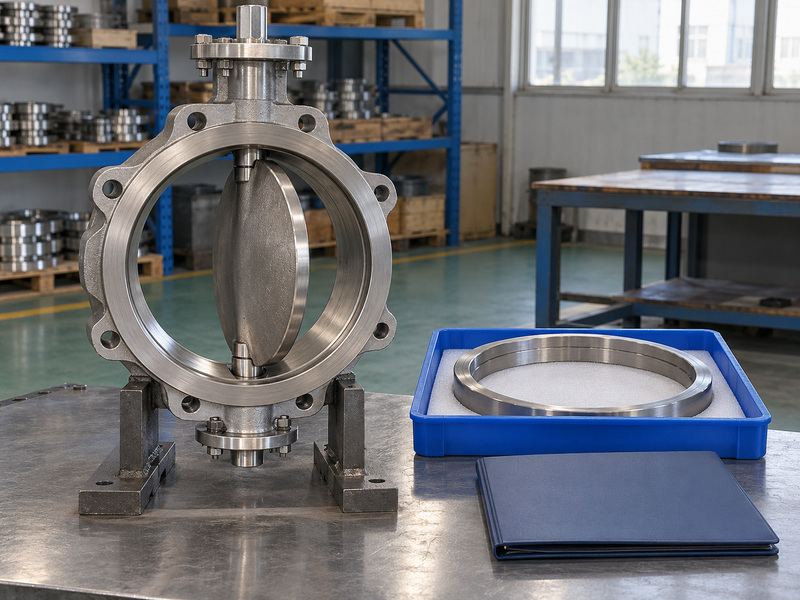
Durability means retaining the agreed performance and condition under a defined operating duty. A durable metal seated butterfly valve needs acceptance criteria for closure, operation, and relevant components, together with the intended service interval or operating exposure. State what would trigger inspection, repair, or replacement instead of accepting an unqualified long-life claim.
Define the retained performance before comparing offers
Define the task before discussing a material upgrade. A valve that moves frequently under differential and one that remains closed for extended periods need different evidence. Identify whether the purchase concerns isolation, modulation, or a required shutdown action. Keep the desired maintenance interval distinct from a test result, a warranty term, or a supplier’s estimate of service life.
RUITO’s butterfly valve range provides context for its published product families, primarily soft-seat and lined constructions in the supplied documentation. It does not establish a universal metal-seat durability offering. Request written confirmation of the proposed construction and available evidence before treating a durability requirement as an accepted RUITO capability.
- State the intended duty and operating exposure.
- Agree on closure and operating acceptance criteria.
- Identify inspection, repair, and replacement triggers.
| Durability requirement | What to define |
|---|---|
| Retained performance | Closure, operation, and condition criteria |
| Operating exposure | Duty and intended service interval |
| Action threshold | Conditions requiring review or intervention |
2. Which duty data should the supplier receive?
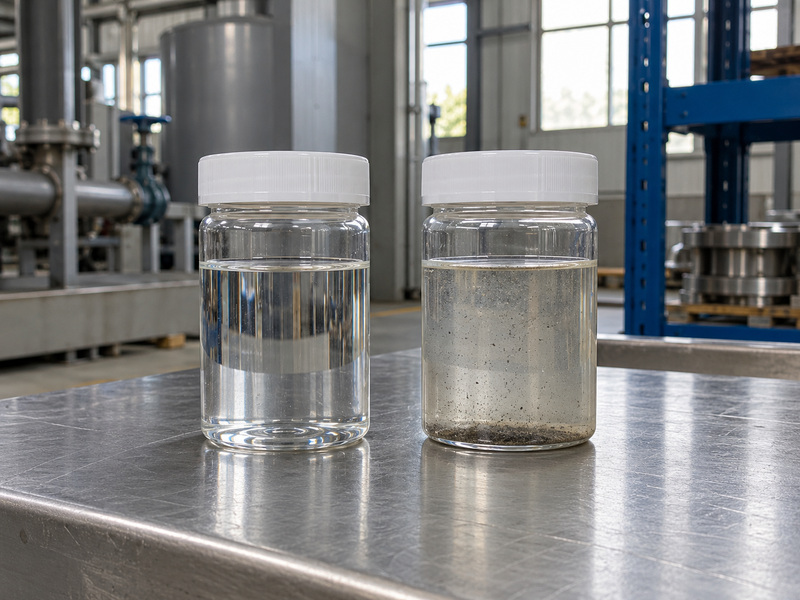
Provide the medium, particles, flow cases, pressure differential, temperature, and movement history expected in service. A durable metal seated butterfly valve proposal needs more than nominal size and pressure class. Include normal operation, changes in operating position, cleaning, and credible abnormal conditions so the supplier can review the actual exposure.
Submit the conditions that occur together
For particles, provide available information on concentration, size distribution, shape, and material rather than writing only “dirty fluid.” Identify inlet and outlet conditions with the relevant flow cases. A manufacturer’s flow-control manual discusses erosion and flow velocity as linked concerns. Its general guidance supports requesting a duty assessment, not a universal velocity limit or a life prediction for your valve.
If chemical compatibility drives a different construction choice, review RUITO’s PTFE-lined butterfly valve or PFA-lined butterfly valve under their own medium and particle restrictions. Those alternatives do not establish wear resistance for a metal-seat proposal. Keep assumptions and missing process information visible until the responsible project engineer and supplier resolve them.
- Separate normal, limiting, and abnormal flow cases.
- Describe particles and cleaning conditions where relevant.
- Record expected positions, movement frequency, and closed dwell.
| Duty input | Question it supports |
|---|---|
| Medium and particles | What can contact or damage the components? |
| Flow and differential | Which operating loads and flow effects need review? |
| Movement and dwell | What exposure should evidence represent? |
3. How should damage mechanisms be connected to parts?
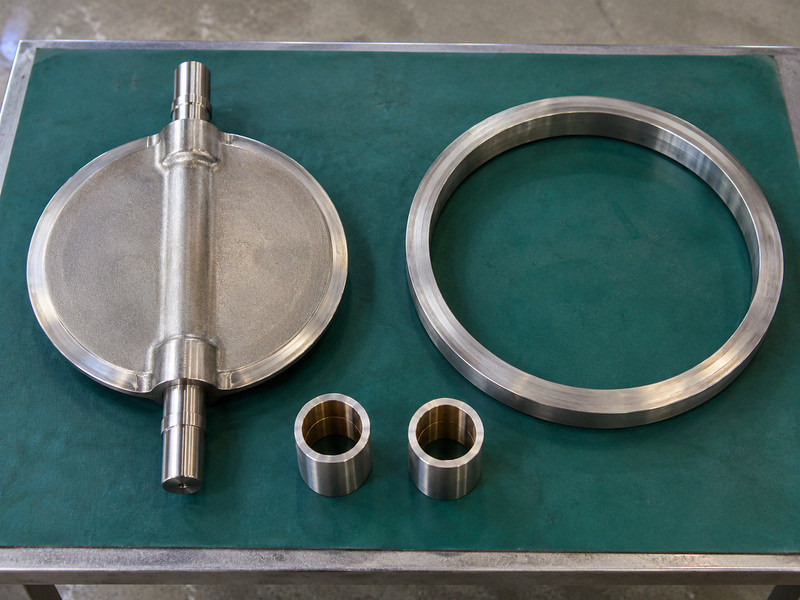
Connect each credible mechanism with the component it can affect and the evidence needed to evaluate it. A durable metal seated butterfly valve review should distinguish sealing-contact damage, flow-path material loss, corrosion, deposits, bearing resistance, and shaft-seal deterioration. Ask the supplier which concerns apply to the proposed construction and duty.
Ask which part and function the evidence addresses
Use a component-condition review rather than assuming every leakage change means seat wear. Record where an observed mark, deposit, or damaged surface occurs and how it relates to the valve’s function. Compare findings with the manufacturer’s inspection criteria. Photographs can preserve location, while measurements and the approved acceptance basis determine the disposition of a suspected defect.
Keep potential causes separate until inspection supports a diagnosis. A change in operating effort can involve packing, bearings, deposits, alignment, or the closure contact. Ask which checks will distinguish those possibilities under the approved maintenance instructions. A mechanism-to-component record helps you request relevant manufacturing and test evidence without prescribing an unsupported material upgrade.
- Identify the location and form of the observed condition.
- Preserve process and maintenance history with findings.
- Use approved inspection limits for technical disposition.
| Observed concern | Review focus |
|---|---|
| Closure leakage change | Contact condition, cleanliness, and settings |
| Flow-path material loss | Location and applicable operating exposure |
| Operating resistance change | Drive, packing, bearings, deposits, and contact |
4. What manufacturing evidence supports wear resistance?
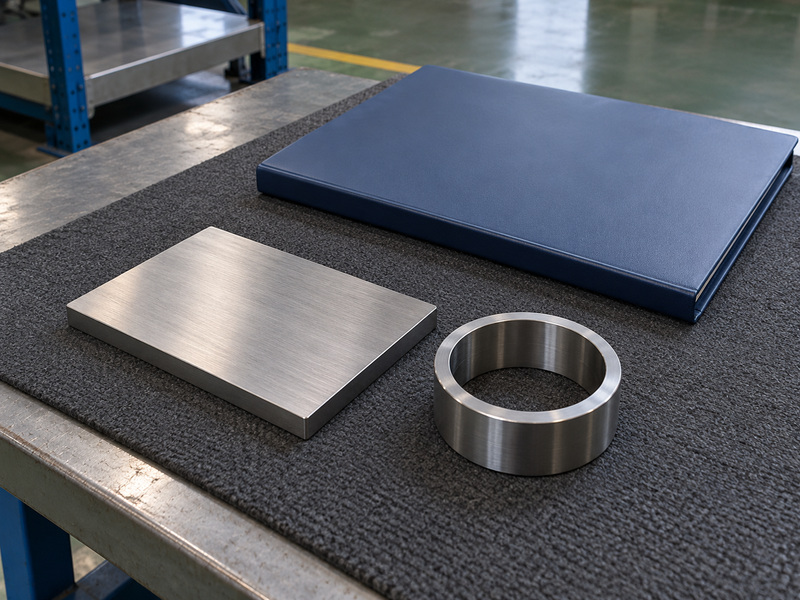
Require traceable materials and controlled surface-process records for the relevant components. A durable metal seated butterfly valve claim should identify the substrate, final contact material, specified treatment, and applicable inspection requirements. A hardness value by itself leaves the manufacturing route, surface integrity, dimensions, and suitability for the intended duty unresolved.
Connect the finished surface with its controlled process
Surface-treatment review needs more than the highest available hardness. The coating manufacturer’s technical guidance identifies properties including thickness, structure, chemical and temperature resistance, and adhesion. Use that as a reason to request the complete controlled specification. It does not establish that one advertised coating or treatment suits an unreviewed butterfly-valve contact.
Ask which records demonstrate conformity to the proposed process and how they connect with the supplied part. Where the specification calls for witness samples or examination, agree on the scope and acceptance basis before manufacture. Record approved suppliers and process changes where required by the purchase. Do not convert a coating name or an attractive finish into a wear-life guarantee.
- Identify substrate, contact material, and process specification.
- Agree on applicable inspection and witness records.
- Control changes affecting the approved finished component.
| Manufacturing item | Evidence to request |
|---|---|
| Base and contact materials | Traceable component material records |
| Surface process | Controlled specification and production records |
| Finished component | Agreed dimensional and condition acceptance |
5. What makes cycle-test evidence representative?
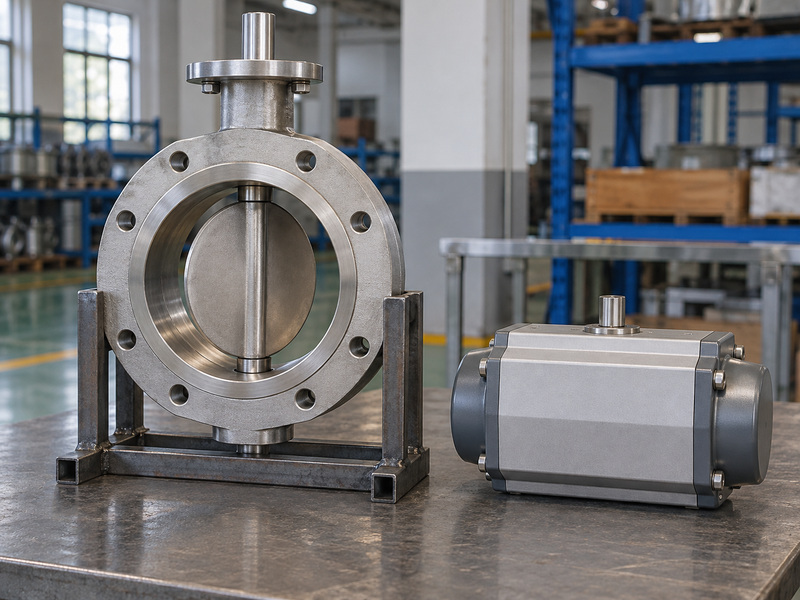
A representative test addresses the proposed construction and the operating exposures relevant to the requirement. A durable metal seated butterfly valve report needs more than a completed cycle count. Identify the tested assembly, medium, differential, temperature, stroke or position sequence, timing, and acceptance checks before deciding what the result can support.
Compare the specimen, duty, and acceptance sequence
Compare the test specimen with the ordered configuration. Record differences in size, materials, contact treatment, packing, bearings, and operating package, then request the supplier’s coverage assessment. Explain whether the proposed evidence represents clean cycling, particulate exposure, hot operation, or another defined condition. Passing a test in one condition cannot establish performance under every condition omitted from that test.
Agree on how adjustments, maintenance, and replaced parts will be recorded during the program. Ask for the actual sequence and results rather than an unsupported statement of high-cycle capability. Keep qualification evidence distinct from routine production acceptance. The purchaser should record which requirement the evidence supports and which uncertainty still needs a technical disposition.
- Identify the tested construction and any differences.
- Retain the actual cycle conditions and sequence.
- Record intervention and the limits of claimed coverage.
| Test record | Buyer’s question |
|---|---|
| Specimen identity | Does it represent the ordered construction? |
| Operating sequence | Which required exposures are represented? |
| Results and intervention | What acceptance was achieved under which conditions? |
6. How should leakage and torque trends be recorded?
Record an agreed baseline and subsequent measurements under comparable stated conditions. A durable metal seated butterfly valve review should preserve leakage and operating-torque results at defined stages of the test or inspection program. A final pass statement leaves the development of those results and any intermediate intervention invisible.
Keep conditions and intervention attached to each result
For leakage, retain the medium, temperature, differential, direction, duration, measurement method, and acceptance criterion. ISO 5208:2015 addresses metallic-valve pressure-boundary and closure testing within its scope. Name the applicable contract standard and edition, then agree on any additional durability measurements. Keep closure leakage separate from shaft and joint leakage to the atmosphere.
For operating effort, define which part of the stroke is measured and how the valve and drive conditions are recorded. Compare results with the manufacturer’s requirements and allowable loads. A torque increase can justify investigation, but cannot identify wear by itself. Preserve settings and any packing adjustment with the measurement record so later comparisons do not mix different assembly conditions.
- Agree on baseline and later measurement stages.
- Record closure and external leakage separately.
- Retain settings, adjustments, and operating-load context.
| Trend | Comparable record needed |
|---|---|
| Closure leakage | Same stated basis or documented differences |
| Operating torque | Stroke point, conditions, settings, and method |
| Intervention | Adjustment, maintenance, or replaced-part record |
7. Which field records can support maintenance decisions?
Use operating history and comparable condition observations to support the manufacturer’s maintenance guidance. A durable metal seated butterfly valve needs records that connect process changes, movement, leakage, operating effort, and interventions with the actual valve identity. Define who reviews those records and which changes require a technical assessment.
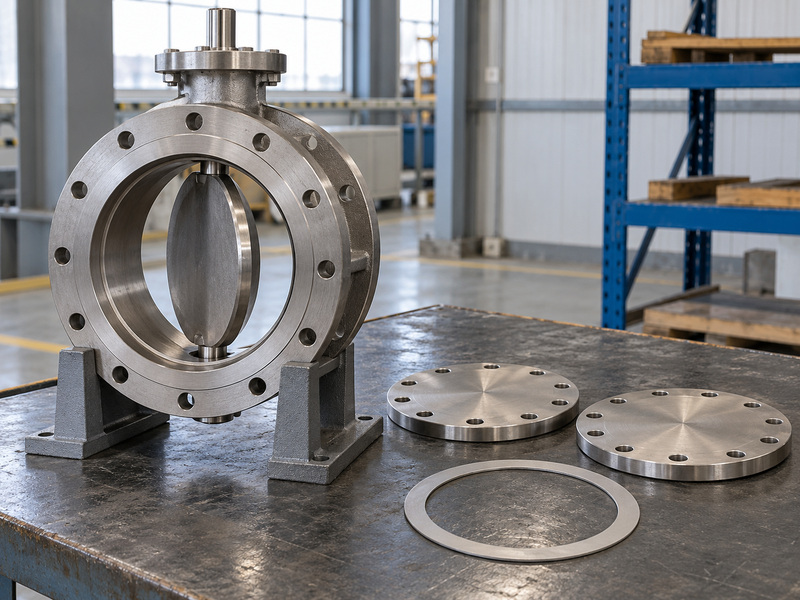
Review trends with process and configuration history
Preserve abnormal events and changes in the medium or operating range alongside routine observations. Avoid comparing readings taken under different process conditions without explaining the difference. Use the site’s approved monitoring methods and the supplier’s instructions for inspection. An unexplained trend should trigger diagnosis rather than an automatic increase in actuator output or a fabricated remaining-life estimate.
Installation context can also help an investigation. A category example such as RUITO’s wafer butterfly valve identifies an interface arrangement, while your operating record must refer to the installed model and its own requirements. Keep installation changes, maintenance settings, and replacement components in the history so the reviewer can assess the valve’s actual configuration.
- Keep the valve identity attached to observations.
- Record abnormal events and changed operating conditions.
- Refer unexplained deterioration for an approved diagnosis.
| Field record | Maintenance use |
|---|---|
| Duty history | Explain changes in exposure |
| Condition trend | Identify a need for technical review |
| Intervention history | Preserve the as-maintained configuration |
8. How should spares and outage access be planned?
Plan for identified replacement parts, practical access, and agreed return-to-service verification. A durable metal seated butterfly valve purchase should define what can be serviced and what the complete repair requires. A replaceable component can still require valve removal, special tools, controlled assembly, and a suitable acceptance arrangement.
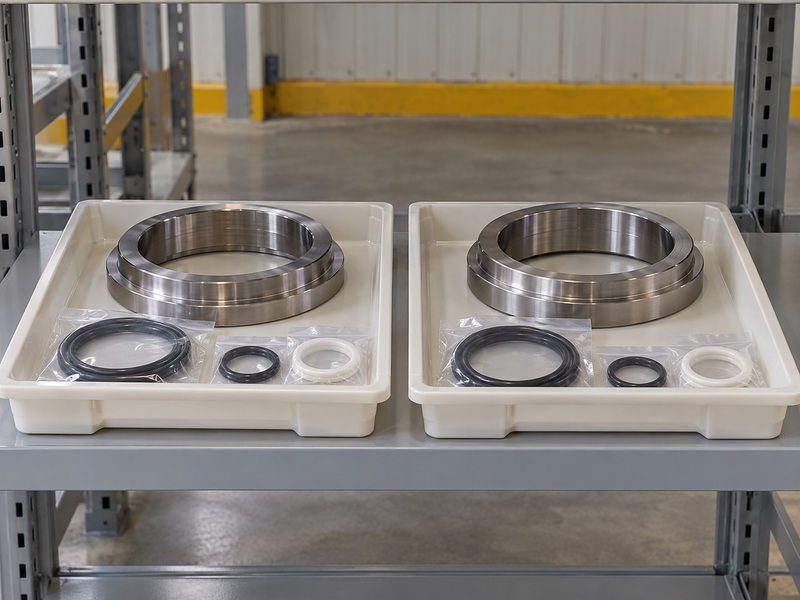
Make serviceability a complete maintenance scope
Request the approved spare list, storage requirements, required consumables, and the limits of interchangeability. Match the kit with the actual construction and revision. Agree on supplier support and lead-time assumptions without inventing availability commitments. A lower expected intervention frequency leaves the outage plan unresolved if nobody has confirmed the access or replacement route.
Use connection context such as RUITO’s flanged butterfly valve arrangement when discussing removal space with the piping designer. The proposed model’s maintenance drawing must settle the access decision. Include preservation and identity checks for stored spares, then define the required post-work records before the valve returns to the site’s release process.
- Identify the correct kit and controlled part revisions.
- Confirm access, tools, and removal requirements.
- Agree on preservation and post-work verification.
| Outage item | Confirmation needed |
|---|---|
| Replacement parts | Identity, conformity, and preservation |
| Physical access | Removal route, tools, and working space |
| Return to service | Approved assembly and verification records |
9. Which evidence should close the durability requirement?
Close it with a documented connection from operating duty to the accepted construction and supporting evidence. A durable metal seated butterfly valve offer should identify the performance requirement, manufacturing controls, test coverage, maintenance assumptions, and unresolved exceptions. State what the purchaser accepts without expanding the evidence into an unconditional lifetime promise.
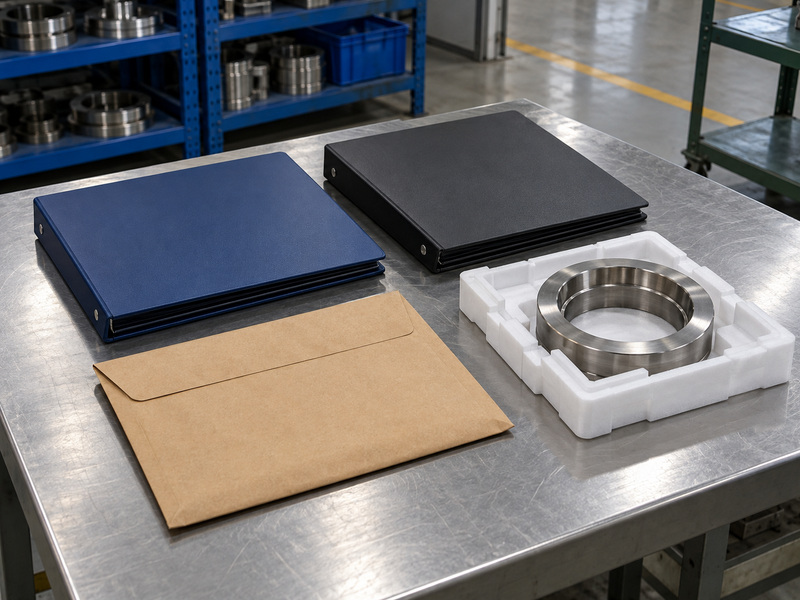
Approve a stated evidence basis and its practical limits
Keep a requirement-to-evidence record with approved revisions. Distinguish measured results from supplier estimates and commercial warranties. Identify where process data or representative testing remains incomplete, then obtain an agreed disposition or additional evidence. Retain change control for materials, surface processes, component sources, and the operating package so repeat orders preserve the accepted basis.
Contact us with the medium, particle information, flow cases, cycle duty, acceptance criteria, and maintenance constraints for a scoped RUITO review. Its supplied documentation does not confirm a universal durable metal-seat butterfly range or wear-life guarantee. Obtain written confirmation of the proposed configuration and available evidence before accepting the offer.
- Map each durability requirement to its supporting record.
- Resolve gaps and distinguish estimates from measured results.
- Preserve the approved manufacturing and maintenance basis.
| Acceptance item | Documented basis |
|---|---|
| Required duty | Agreed operating and maintenance assumptions |
| Construction and tests | Controlled manufacture and applicable evidence |
| Exceptions and changes | Written disposition and reapproval requirements |
10. Which durability FAQs should buyers resolve?
Resolve life claims against the duty, accepted construction, and available evidence. A durable metal seated butterfly valve enquiry needs enough detail to distinguish a measured result from an estimate and to plan what happens if performance changes.
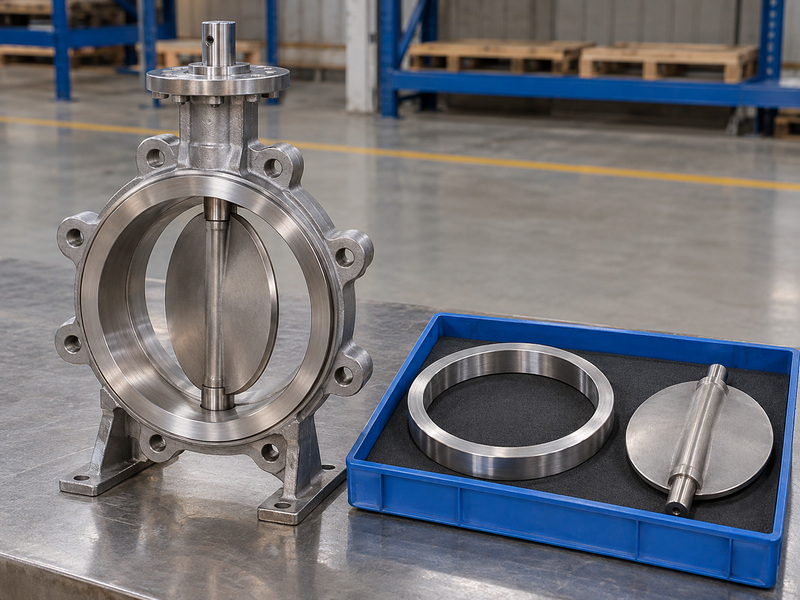
Q1. Can I specify a universal number of service years?
Only as a project requirement that still needs an agreed supporting basis. Do not treat a generic metal-seat description or an unrelated operating example as proof of that interval.
Q2. Does higher hardness always mean longer wear life?
No. Review the complete material and surface-process specification against the mechanism and duty, including relevant integrity, dimensional, chemical, and temperature requirements.
Q3. Does a high cycle count prove the valve suits my medium?
No. Check the tested medium, differential, temperature, operating sequence, specimen construction, and acceptance results. The report must explain which required exposures it represents.
Q4. Can rising torque be treated as proof of seat wear?
No. Packing, bearings, deposits, alignment, settings, and contact condition can require investigation. Preserve comparable measurements and follow the approved diagnostic process.
Q5. Does an all-metal seat establish fire qualification?
No. Fire qualification needs separate applicable evidence for the proposed configuration. Keep it distinct from durability testing, normal service ratings, and routine closure acceptance.