
Avoid export order mistakes by asking an electric operated butterfly valve exporter to define the assembly, inspection records, packing and delivery boundary. A low unit price can leave actuator testing, export packing or final drawings outside the offer. Set those boundaries before ordering so a shipment arrives as an approved assembly with a usable document pack.
1. What should an electric operated butterfly valve exporter supply?
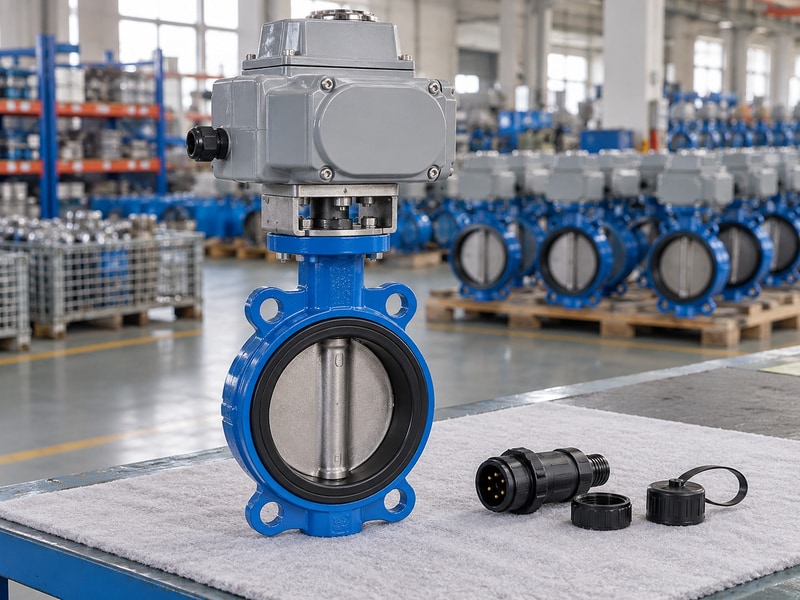
An electric operated butterfly valve exporter should state whether the offer covers a bare valve, an actuator or a complete tested assembly. Include brackets, couplings, controls, identification and documents in that definition. A description such as ‘electric butterfly valve’ leaves several integration tasks unassigned unless the quotation explains the scope.
Put the assembly boundary in the purchase order
Ask who selects the drive, checks required torque and approves the mechanical interface. Confirm who wires any supplied accessories and performs integrated function testing. If the buyer will add an actuator later, the bare valve needs the agreed mounting and drive information. If the exporter supplies the complete unit, the inspection scope should cover its assembled travel and indication.
Identify items supplied loose, including cables, connectors, gaskets and spare parts where applicable. State any exclusions in a deviation list rather than relying on catalog images. RUITO’s butterfly valve product information establishes available body arrangements; the written proposal must define the particular assembly included in your order.
- Define the assembled and loose-supplied items.
- Assign torque and interface review responsibility.
- Record exclusions before comparing prices.
| Scope item | Clarify | Order attachment |
|---|---|---|
| Valve | Construction and materials | Data sheet and material list |
| Actuator integration | Bracket, coupling and settings | Approved assembly drawing |
| Delivery pack | Accessories and records | Packing and document index |
2. How do you freeze the technical configuration?
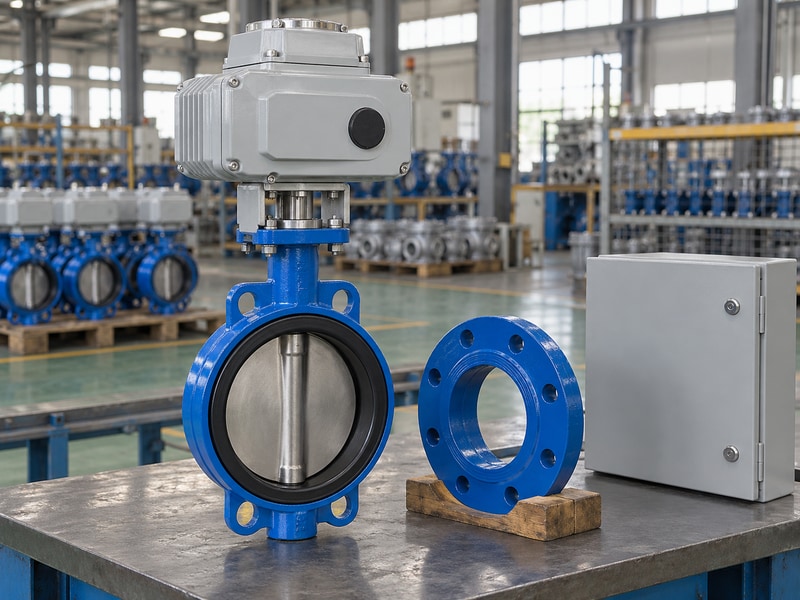
Give an electric operated butterfly valve exporter one approved configuration covering duty, materials, connections and controls. Freeze the design before manufacture rather than letting technical questions remain inside an informal price agreement. Changes after production begins can affect parts, test requirements and the shipment schedule.
Keep drawings and data sheets consistent
Start with medium composition, pressure and temperature together, flow, closing differential and operating frequency. Confirm the exact connection standard and installation envelope. Then specify supply, commands, feedback and required loss responses. Ask the supplier to list assumptions so blank fields do not silently become standard catalog options that your site cannot use.
Compare the data sheet, assembly drawing, material list and terminal diagram for agreement. A changed actuator may alter clearance or signals even if the valve body stays the same. Keep the approved revisions with the purchasing record. For compact installations, compare the wafer construction against the actual flange bore and available space.
- Freeze one duty and interface baseline.
- Close assumptions and technical deviations.
- Use matching approved document revisions.
| Baseline | Define | Cross-check |
|---|---|---|
| Duty | Fluid and operating envelope | Material and rating suitability |
| Mechanical fit | Connection and clearance | Assembly drawing |
| Electrical function | Power, command and feedback | Exact actuator option |
3. Which destination requirements need early review?
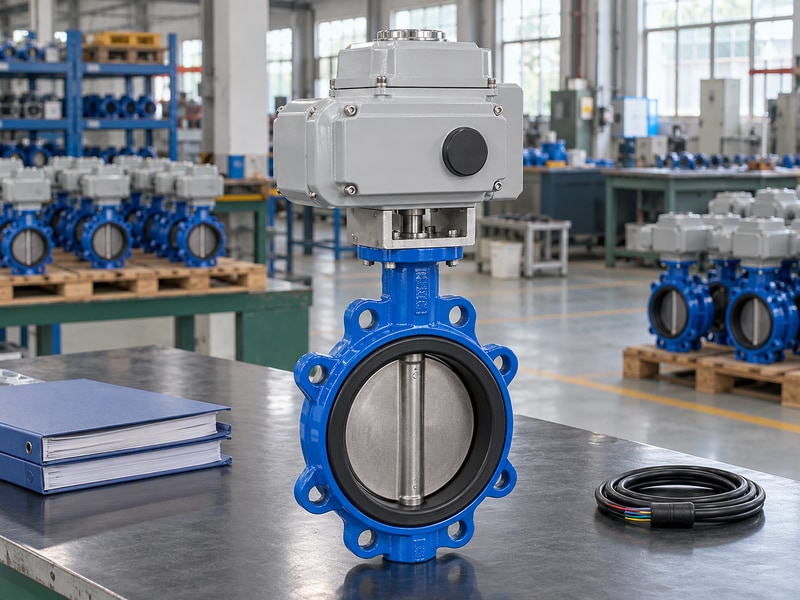
An electric operated butterfly valve exporter needs the destination and intended service before confirming applicable documents or approvals. A general quality-system certificate does not establish every product’s market access. Drinking-water, fire-service and hazardous-area requirements depend on the exact configuration and project, not merely the export country.
Ask for evidence within its actual scope
State the project’s product, installation and document requirements in the enquiry. Identify which party determines local acceptance and which records the supplier must provide. Review certificate scope against the model, materials, size range and supplied accessories. Do not assume that a manual valve’s approval automatically covers a changed motorized assembly or a different wetted material.
If additional qualification is needed, settle its cost, timing and acceptance authority before committing to shipment. RUITO reviews product and destination documents for the exact configuration. Keep that approach in the order: name the requested evidence and confirm its coverage, rather than accepting a broad statement that the company exports to the region.
- Identify destination and intended service.
- Check exact product and accessory coverage.
- Agree on additional qualification before manufacture.
| Requirement | Scope to verify | Responsible decision |
|---|---|---|
| Quality system | Site and activities covered | Supplier qualification |
| Product approval | Exact supplied configuration | Project acceptance |
| Installation rules | Site and system conditions | Project design authority |
4. What should the export inspection plan include?
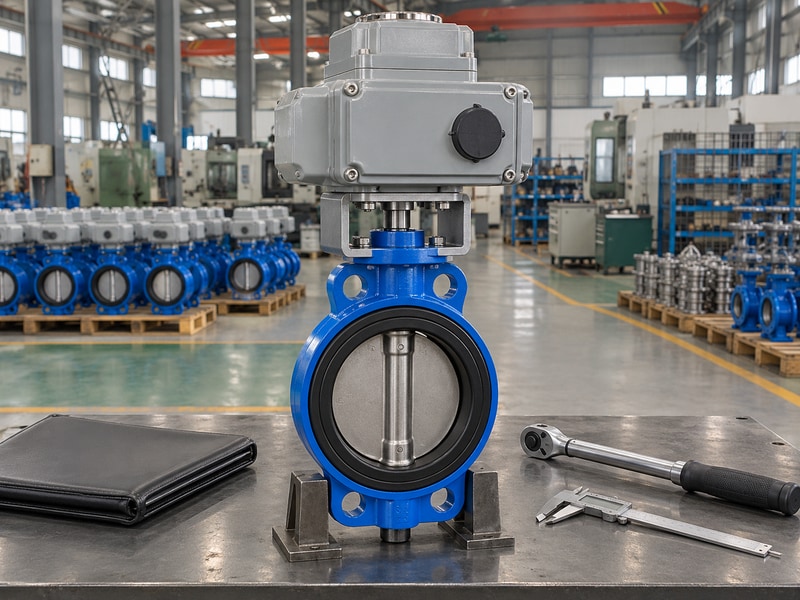
Agree with an electric operated butterfly valve exporter on inspection before production starts. Define the selected test standard, applicable valve criteria, integrated functional checks and required records. A witness visit becomes difficult to arrange if the finished batch has already been packed or the required instruments are unavailable.
Separate valve tests from package function tests
Pressure tests address defined shell and seat conditions. Integrated checks address actuator travel, command direction, indication and any agreed control functions. Identify which tests apply to every unit and which use another agreed basis. Record test direction, medium, instruments and acceptance criteria where required. Do not substitute a dry actuator stroke for a valve sealing test.
Define hold points, witness notice and who may release a missed witness point. Ask how failed units are segregated and retested after authorized correction. The final reports should identify the supplied units and relevant revisions. A report from a previous order may illustrate the format, but it does not establish the result for the goods being exported.
- Agree on tests and record formats.
- Set witness notices and release authority.
- Link results to the actual shipment.
| Inspection area | Evidence | Shipment link |
|---|---|---|
| Materials and dimensions | Specified checks | Product or batch identification |
| Pressure performance | Approved method and result | Actual tested valve |
| Integrated function | Travel and control observations | Delivered valve-actuator unit |
5. Which documents should travel with the order?
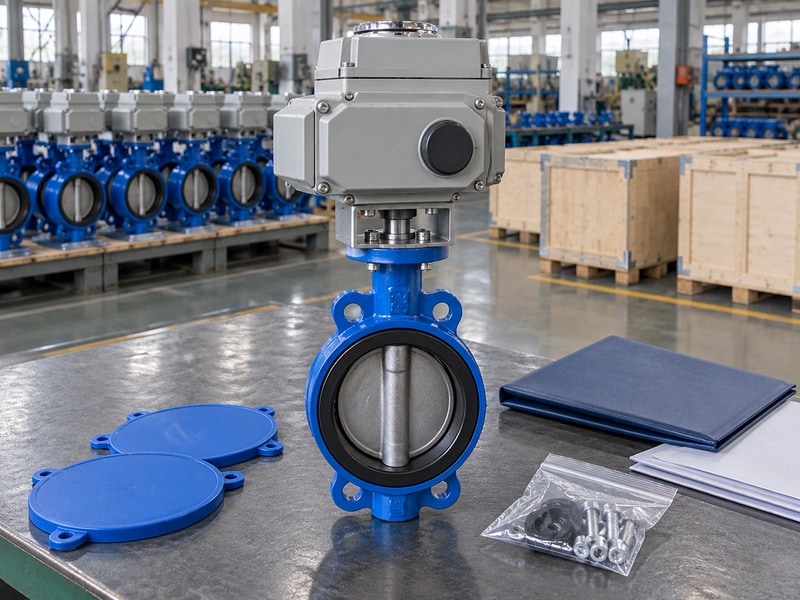
An electric operated butterfly valve exporter should supply the agreed final documents in a form your receiving and maintenance teams can use. Include identification, drawings, instructions and test results linked to the goods. A folder of generic brochures leaves the installed package’s materials, settings and wiring unresolved.
Use one document index for the shipment
List the required data sheet, assembly and connection drawings, material list, actuator data, terminal diagram and installation instructions. Add the inspection records and spare-part information agreed in the contract. Mark final revisions and remove superseded versions from the handover pack. Electronic files and paper copies should refer to the same supplied configuration.
Link product identification to packing positions and test reports. That connection helps receiving staff find the right record without opening every crate. RUITO can supply an order-linked manufacturing record pack. Confirm which records your particular purchase needs and when each will be submitted for approval or final handover.
- Agree on a final document index.
- Match identification across records and crates.
- Separate final from superseded revisions.
| Document | Purpose | Check before release |
|---|---|---|
| Drawing and data sheet | Defines installed assembly | Approved final revision |
| Test report | Records acceptance result | Correct unit identification |
| Instructions and spares | Supports safe maintenance | Matches supplied configuration |
6. How should export packing protect the assembly?
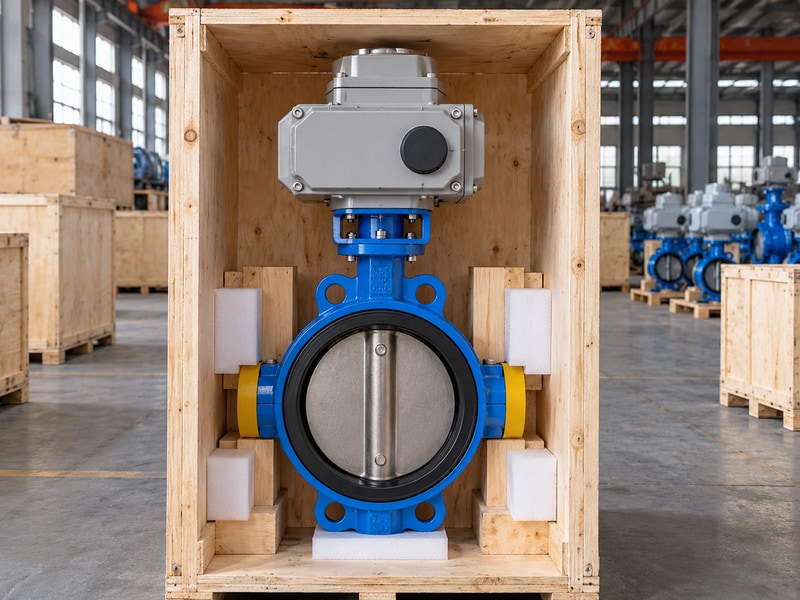
Ask an electric operated butterfly valve exporter to protect the valve body, sealing surfaces, actuator and loose items against the agreed transport and storage conditions. Packing must support the assembly’s mass without using fragile accessories as load-bearing points. A crate around an unsecured valve does not prevent movement damage.
Specify supports, protection and receiving access
Protect bore openings and machined faces using the approved packing method. Restrain the valve at suitable structural points and support the actuator where the assembly instructions require it. Keep loose hardware from striking the disc or enclosure. Confirm moisture protection and storage provisions for the expected route without assuming a wooden crate alone controls humidity.
Agree on crate identification, lifting information and packing photographs. Do not add a lifting method based only on what is convenient in the warehouse. The packing record should show support and protection before closure. At receipt, inspect the crate condition and compare the contents with the packing list before the goods move into long-term storage.
- Restrain the assembly at approved support points.
- Protect bores, faces and electrical entries.
- Document packing before the crate closes.
| Packing element | Protects | Receiving check |
|---|---|---|
| Internal supports | Body and assembly stability | No shifted or broken supports |
| Opening covers | Disc, seat and flange faces | Covers intact |
| Loose-item packaging | Accessories and spares | Items match packing list |
7. How do shipment terms change the quoted scope?
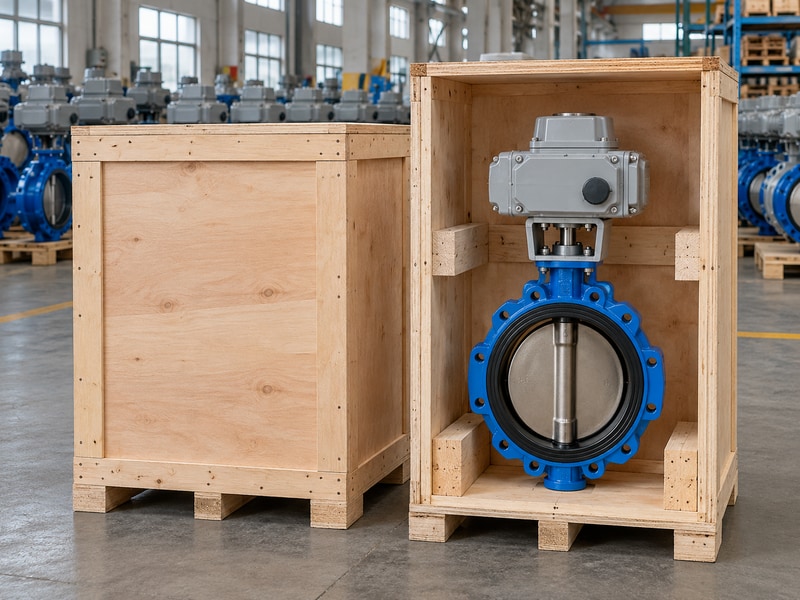
An electric operated butterfly valve exporter should identify the agreed shipment term and named place so transport responsibility can be compared. A factory-release price and a delivered-site price include different services. Ask for the actual quoted boundary instead of comparing totals that assign freight, insurance or import work differently.
Compare the same route and cost boundary
Have purchasing and logistics confirm what the proposal includes, then list charges outside that scope. Separate goods, packing, inspection, transport and other agreed services in the comparison. Confirm the proposed shipment documents and who checks them before dispatch. Do not infer tax, duty or clearance requirements from a generic valve description; the import team should verify the applicable transaction details.
State currency, quotation validity, payment milestones and any conditions that may trigger a revised price. Confirm RUITO’s quoted terms in the accepted order so the configuration and delivery conditions govern the transaction. Keep the technical configuration unchanged while comparing commercial offers so a cheaper alternative does not quietly remove tests or accessories.
- Compare the same named delivery boundary.
- Separate included and excluded services.
- Keep technical scope fixed during price review.
| Commercial item | Clarify | Comparison use |
|---|---|---|
| Shipment boundary | Term and named place | Assigns logistics scope |
| Price basis | Currency and validity | Defines comparable offer |
| Payment milestone | Required release evidence | Aligns payment and progress |
8. What can delay factory release?
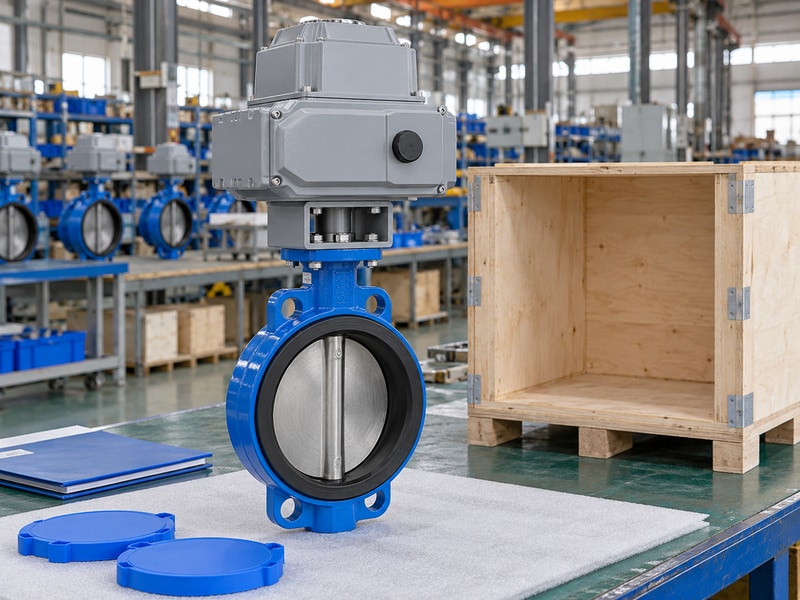
Factory release by an electric operated butterfly valve exporter can depend on technical approval, component availability, inspection and agreed commercial conditions. Treat those dependencies as schedule items. A finished valve body does not mean the complete motorized package or its final records are ready for shipment.
Track the order against visible milestones
Ask for dates tied to engineering freeze, major components, assembly, testing, document completion and packing. Name buyer approvals that can stop progress. If the actuator or special seat has a longer lead time, include that component in progress reporting. Avoid using photographs of unrelated stock as evidence that your order has reached an assembly milestone.
Agree on how changes and nonconformances affect the plan. A revised actuator may require another interface review and test, while a missed witness point may require rescheduling. Keep transport time separate from factory release. For a project deadline, work backward from the required arrival and include the parties controlling each remaining step.
- Track configuration-specific components.
- Name approval and inspection dependencies.
- Separate release from site arrival.
| Milestone | Needed before completion | Evidence |
|---|---|---|
| Assembly | Approved parts and drawings | Order-linked assembly record |
| Acceptance | Required tests and deviations closed | Inspection status |
| Release | Documents, packing and conditions met | Authorized shipment release |
9. How should support work after delivery?
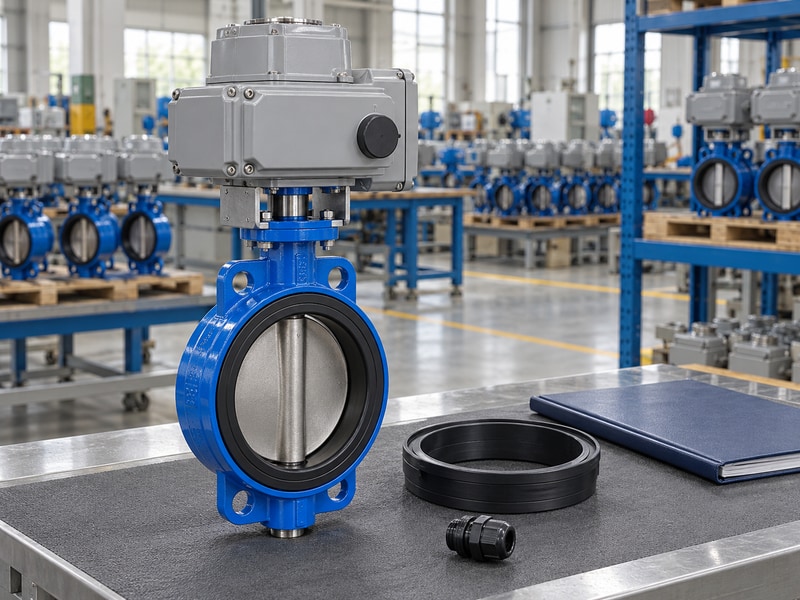
An electric operated butterfly valve exporter should define the support route, required fault information and agreed remedy process before shipment. The receiving team needs to know whom to contact and which records to preserve. A warranty statement is more useful when it is connected to identification, operating conditions and the approved configuration.
Keep a usable record for replacement and claims
At receipt, record damage, missing items and any mismatch against the order. Preserve packing evidence when transport damage is suspected. For an operating fault, record the unit identification, medium, pressure, temperature, installation and command sequence. Isolate and make equipment safe before inspection or return; do not dismantle a failed assembly merely to obtain photographs.
Keep spare parts tied to the approved material version. A visually similar actuator or seat may have a different interface or duty limit. Use the RUITO support contact with the order-linked records so the review can start from the delivered configuration. Agree on corrective action and any replacement approval before reinstalling changed parts.
- Inspect and record receipt discrepancies.
- Preserve fault and packing evidence.
- Approve replacement parts against the baseline.
| Support event | Send | Preserve |
|---|---|---|
| Receipt discrepancy | Order and packing identification | Crate and contents evidence |
| Operating fault | Conditions and observed sequence | Settings and failed parts |
| Replacement | Approved configuration details | Revision and test records |
RUITO can review the technical configuration and export deliverables against your enquiry. Send the duty sheet, required documents, delivery destination and proposed shipment terms. Contact us to resolve open scope items before you approve the order or shipment release.
10. What else should you check before ordering?
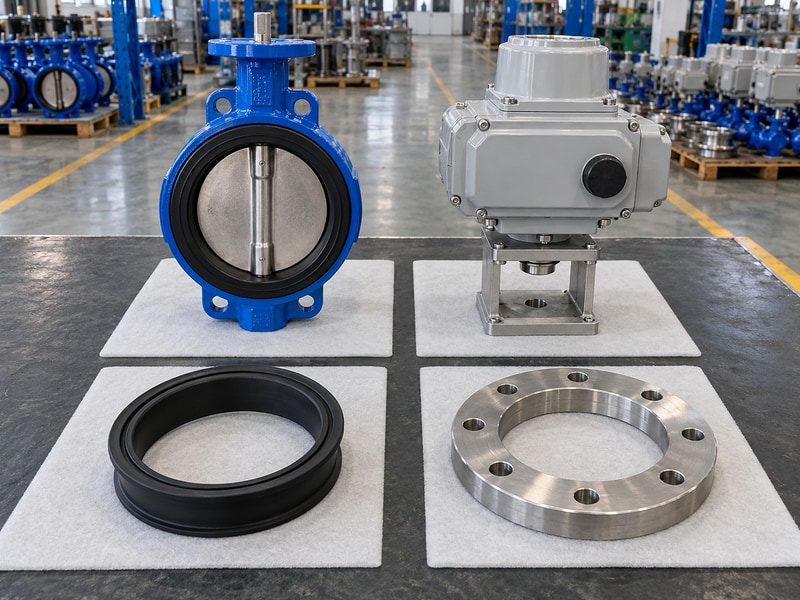
For electric operated butterfly valve exporter, resolve these remaining questions against the approved package and site conditions.
Q1. Can I compare an exporter's price with a local delivered price?
Yes, after putting both offers on the same technical and delivery basis. Add the services and costs outside each quoted boundary using verified transaction inputs rather than a guessed percentage.
Q2. What's the best packing evidence to request?
Request photographs before crate closure showing the identified assembly, supports, opening protection and loose items. Check them against the agreed packing method and packing list.
Q3. How do I know whether the final documents match the goods?
Match product identification across the packing list, drawings and inspection records. Check revision status and the actuator option, then retain one final index for receiving and maintenance.
Q4. Can a standard factory report replace witnessed testing?
Only if the agreed inspection plan permits it. Set witness points and release authority before manufacture. A report from an earlier order does not prove the shipped batch’s result.
Q5. What should I do if shipping damage is found?
Record the crate and contents safely, preserve packing evidence and notify the agreed parties using the order and shipment identification. Follow the contract’s claims process before altering the damaged assembly.