
Fix an "electric spring return butterfly valve" selection by confirming mechanical spring return, both torque curves, electrical failure logic, and reset behavior. A general electric fail-safe description can leave the energy-storage arrangement unresolved. Specify the return mechanism, operating sequence, and valve load before approving the assembly.
1. What is an electric spring return butterfly valve?
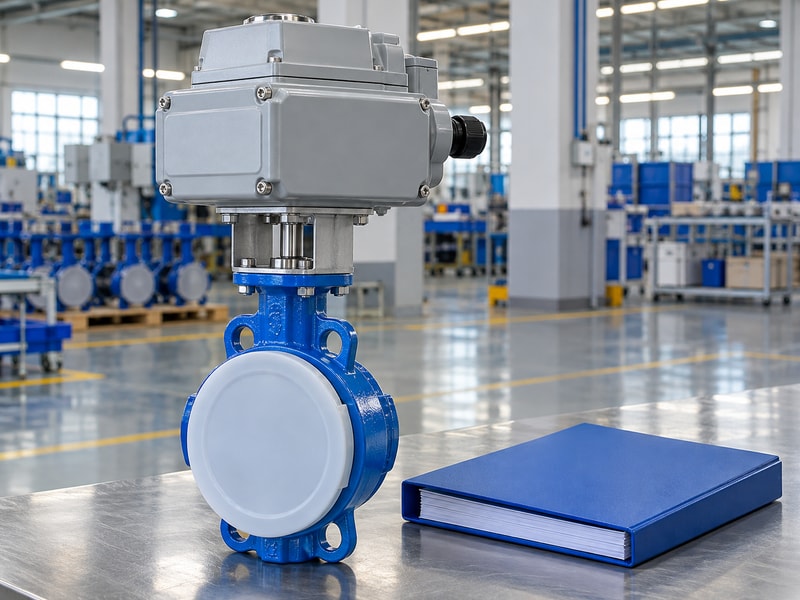
An electric spring return butterfly valve combines a butterfly valve with a motor-driven operator that stores return energy in a mechanical spring. The actuator's release and transmission arrangement determines how that spring moves the shaft after the specified event. The motor, gearbox, spring, release mechanism, controls, and valve must work as an assembly. Ask for the operating sequence and approved drawing rather than identifying the mechanism from a general product photograph or the word fail-safe.
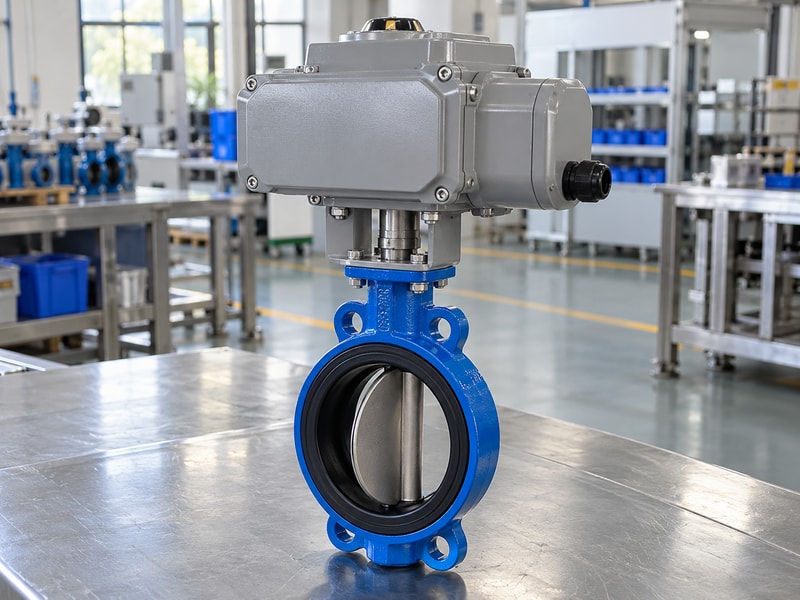
State the energy-storage mechanism
An electric actuator can also use a battery or capacitor to power a return movement. Those arrangements have different readiness checks, maintenance needs, and recovery behavior. If mechanical spring return is required, put that requirement on the order and confirm the offered model's documentation. For an electric spring return butterfly valve, request the conditions that release the spring and any restrictions on returning from intermediate positions.
Do not assume every electrically driven valve has stored return energy.
- Name mechanical spring return explicitly where required.
- Identify the release condition and return direction.
| Stored energy | Return principle |
|---|---|
| Mechanical spring | Stored mechanical energy drives the return |
| Battery | Stored electrical energy powers a drive |
| Capacitor | Stored electrical charge powers a drive |
2. How should power loss and signal loss be separated?
An electric spring return butterfly valve needs a specified response for power loss and a separate response for control-signal loss. A missing command can occur while electrical power remains available. A supply interruption can remove both the normal drive and parts of the control circuit. Define the disc endpoint, permitted movement time, feedback behavior, and reset requirements for each event.
The actuator's internal logic and wiring must support that agreed sequence.
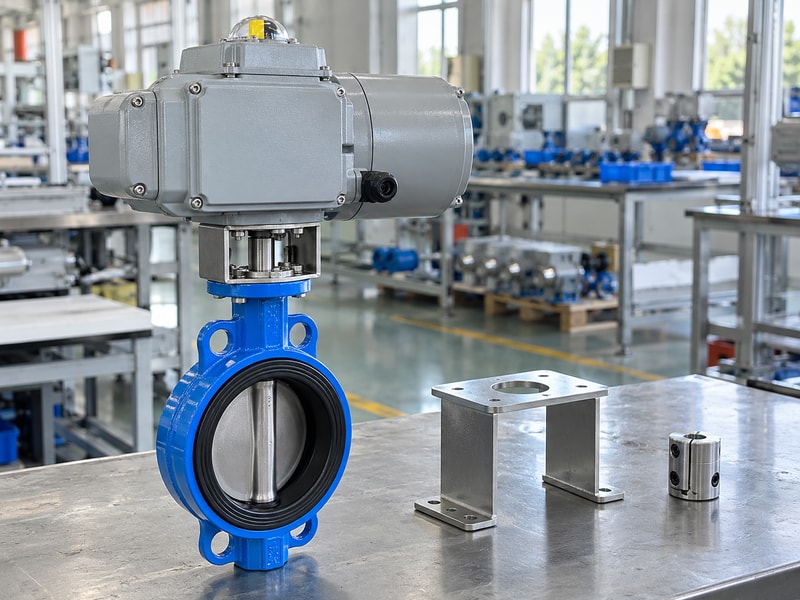
Include the return of electrical power
Restoring power can restart equipment unless the control arrangement requires a deliberate reset. State whether the valve should hold its return position, accept a new command, or wait for an operator action. Include local controls, remote commands, interlocks, and any manual override state in that review. A motor returning successfully during one demonstration does not establish every failure response.
Test the relevant events individually and record the initial operating position and control conditions for each one.
- Write distinct power-loss and signal-loss responses.
- Specify whether restoration permits automatic movement.
| Event | Required definition |
|---|---|
| Supply interruption | Spring release, endpoint, and return time |
| Command signal lost | Response with supply still present |
| Power restored | Reset and command priority |
3. How do you match motor and spring torque?
Match an electric spring return butterfly valve by checking the motor-driven and spring-driven output against the valve's torque demand over travel. Include breakaway, running, and seating loads for the actual seat, fluid, temperature, and closing differential pressure. The motor may need to move the valve while storing energy in the spring. The return movement has its own available output.
One peak torque number cannot establish the capability of both operations.
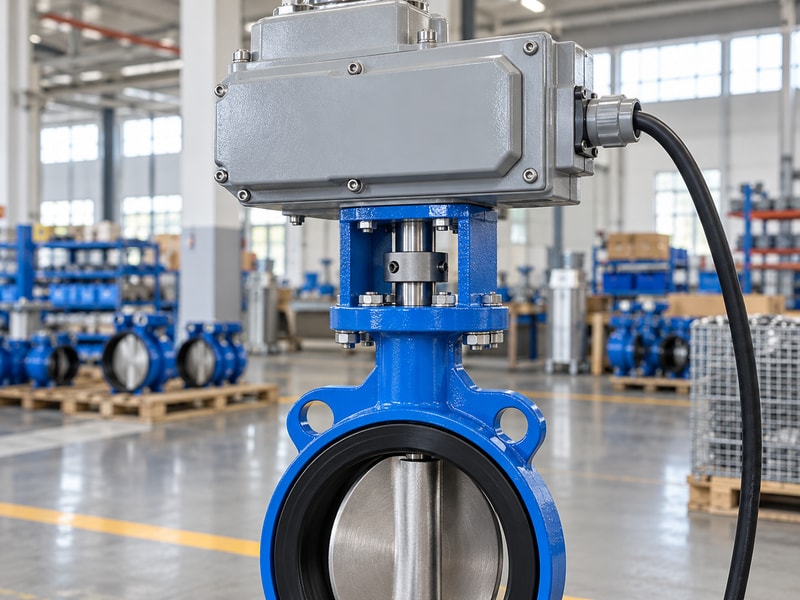
Check the complete transmission path
Request output data at the drive interface and identify how the gearbox, release mechanism, coupling, bracket, and shaft are rated. An actuator with adequate initial spring torque can still fall short near the required endpoint. A larger drive can also exceed a valve shaft or mounting limit. Keep the electric spring return butterfly valve sizing calculation with its assembly drawing, including the stated allowance and operating cases.
Recheck it when the valve seat or actuator configuration changes. Check the ISO 5211 attachment scope against the offered interface and agreed standard edition.
- Compare both movement directions throughout travel.
- Retain mechanical interface limits with the sizing data.
| Load check | Data required |
|---|---|
| Normal movement | Motor output and spring-charging load |
| Return movement | Spring output through the required travel |
| Interface | Permitted shaft, coupling, bracket, and gearbox torque |
4. Which electrical details must be fixed before ordering?
An electric spring return butterfly valve order needs the actual supply specification, command method, feedback requirements, wiring boundary, and environmental conditions. Identify voltage, frequency where applicable, supply tolerance, protection, cable entries, and terminal requirements from the offered actuator's documentation. State how local and remote controls interact. A control-system signal type alone does not define the actuator's supply or its loss-of-power behavior, and an enclosure rating does not settle the wiring design.
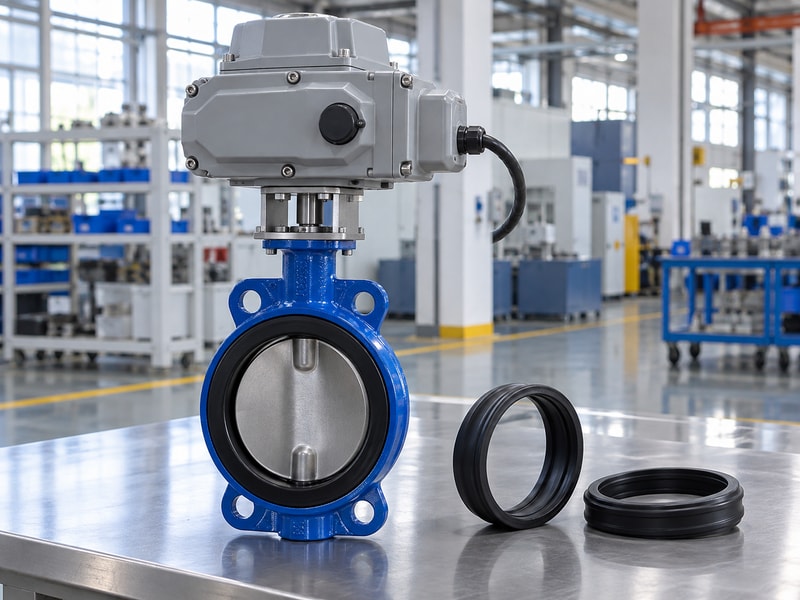
Review the offered circuit
Ask for the wiring diagram that corresponds to the exact actuator and options on the quotation. Confirm contact states, signal isolation where specified, protective connections, and the indication available after power loss. Installation and electrical work must follow the applicable site procedure and the manufacturer's instructions. If the location has hazardous-area requirements, verify the exact certification and conditions for the offered assembly.
Do not infer hazardous-area suitability from a heavy enclosure, a coating, or another model's certificate.
- Match the wiring diagram to the ordered options.
- Define power, command, indication, and protective connections.
| Electrical input | Approval evidence |
|---|---|
| Power supply | Actuator rating and permitted supply conditions |
| Command and feedback | Signal types, contacts, and circuit diagram |
| Environment | Applicable enclosure and location-specific documentation |
5. How do duty and temperature affect the drive?
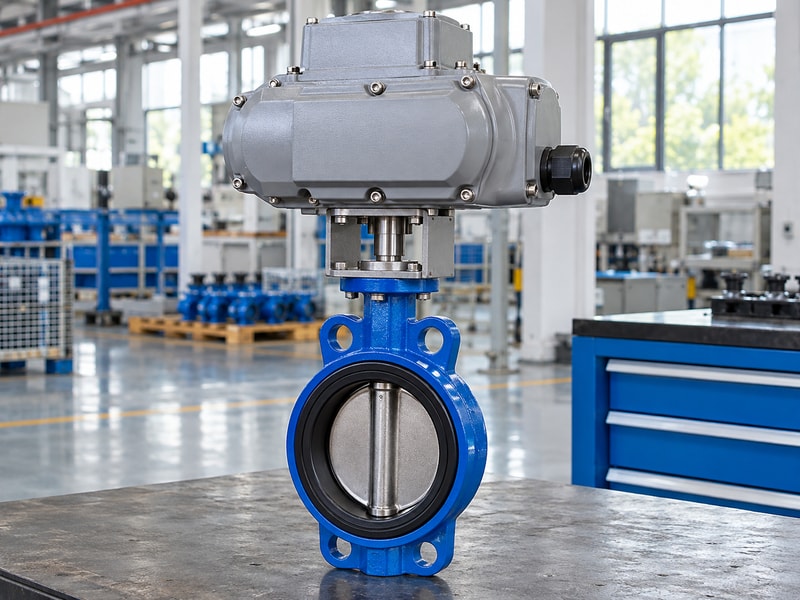
An electric spring return butterfly valve must suit the required operating frequency, motor duty, ambient temperature, and process-related heat exposure. On-off service and repeated positioning can place different demands on the drive. Ask how the offered actuator is rated for the actual movement schedule and whether spring charging adds restrictions. Keep ambient limits separate from the valve's fluid-temperature limits because the actuator and wetted components operate under different conditions.
Review the whole thermal arrangement
Insulation, nearby hot equipment, solar exposure, and enclosure ventilation can change actuator conditions. Check the mounting arrangement against the supplier's instructions instead of extending a process insulation system over the operator. The butterfly valve body and seat still need their own pressure-temperature review. An actuator selected for the ambient environment does not approve the valve for a hotter fluid.
Record the operating schedule and both temperature boundaries so replacements retain the intended duty.
- Specify operating frequency and positioning duty.
- Keep actuator ambient and process fluid limits separate.
| Condition | Review |
|---|---|
| Repeated movement | Motor duty and spring-charging limits |
| Ambient exposure | Actuator temperature and enclosure requirements |
| Process heat | Valve rating and heat transfer to the drive |
6. What timing checks protect the process?
The return time of an electric spring return butterfly valve must meet the process requirement without creating an unacceptable transient. Normal motor travel and spring-driven return can have different speeds. State the required times and the operating conditions under which they apply. A rapid closing action can disturb a liquid system, while a slow response can miss the required isolation sequence.
Select the timing with the piping and process designers rather than choosing the fastest catalogue value.
Measure travel from the relevant starting positions
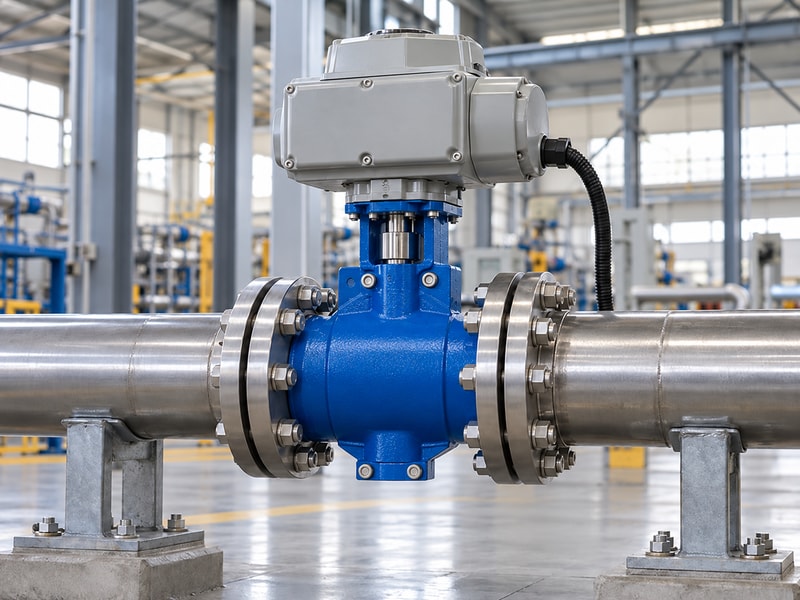
Where the valve normally operates at intermediate positions, confirm the permitted return movement from those positions. Identify any restrictions imposed by the release mechanism or control arrangement. During acceptance, record starting position, command or failure event, supply state, final position, and elapsed time. If timing adjustment is available, retain its approved setting and method of control.
A position contact changing at one endpoint does not show the complete movement profile or establish acceptable piping pressure behavior.
- Specify normal and return travel times separately.
- Include relevant intermediate starting positions.
| Movement | Acceptance detail |
|---|---|
| Powered travel | Command, starting position, and normal time |
| Spring return | Failure event, release, endpoint, and elapsed time |
| Recovery | Reset sequence and permitted subsequent movement |
7. Can manual override prevent the required return?
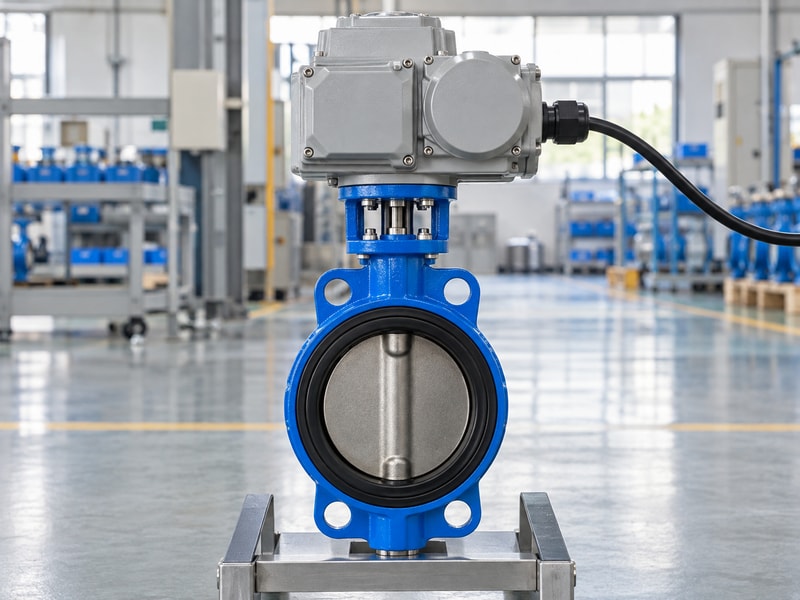
Manual override can affect an electric spring return butterfly valve if its engagement, locking, or reset condition changes the transmission path. The effect depends on the actuator design. Ask when manual operation is allowed, how stored energy is controlled, and what restores automatic service. A handwheel or lever visible on an actuator does not prove that manual operation is available under every supply state or that the valve will still return automatically afterward.
Follow the actuator's operating procedure
Use the manufacturer's procedure for isolating the drive, engaging an override, and controlling spring energy. Do not improvise a method based on a different actuator. Include any override indication or interlock in the control-system review. During commissioning, verify that the assembly returns to its approved automatic state after manual use.
Record the required reset steps in the operating instructions and handover training so a temporary maintenance condition is not left active when the process restarts.
- Confirm override engagement and release conditions.
- Verify automatic readiness after manual operation.
| Override issue | Question |
|---|---|
| Engagement | Which supply and isolation state permits manual use? |
| Stored energy | How is spring movement controlled? |
| Return to service | Which reset and readiness checks are required? |
8. Which acceptance tests establish the offered behavior?
Acceptance of an electric spring return butterfly valve should cover the assembled movement, defined failure events, reset behavior, feedback, and the specified valve leakage criteria. Agree the test conditions before manufacture. A powered open-close demonstration can omit the spring return function. A component certificate can omit the assembled valve load or offered control options.
Identify what the factory verifies and which installed conditions require site commissioning.
Keep test results traceable to the configuration
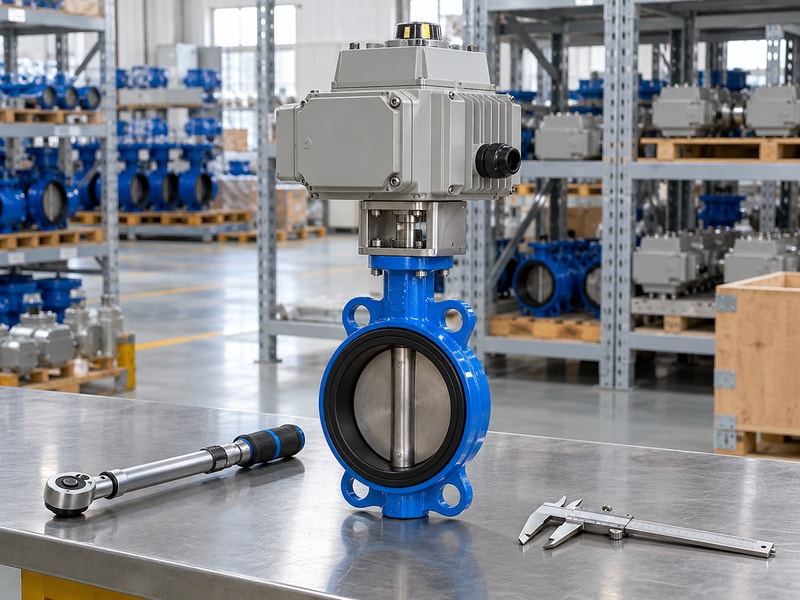
Record the valve and actuator identification, mounting arrangement, control options, initial state, event applied, travel time, and observed result. Test leakage separately under the selected method and criterion. Where a safety function is required, its assessment and proof-test requirements concern the complete specified function. A spring mechanism or an individual product certificate alone does not establish that system-level performance.
Reassess affected tests after changes to the actuator, spring, controls, coupling, or valve seat.
- Test power loss, signal loss, and restoration as specified.
- Separate return-function evidence from shutoff leakage.
| Test | Result to record |
|---|---|
| Normal control | Command response and feedback |
| Failure and reset | Return endpoint, timing, indication, and restoration |
| Valve sealing | Specified direction, conditions, and leakage criterion |
9. What should the supplier confirm before release?
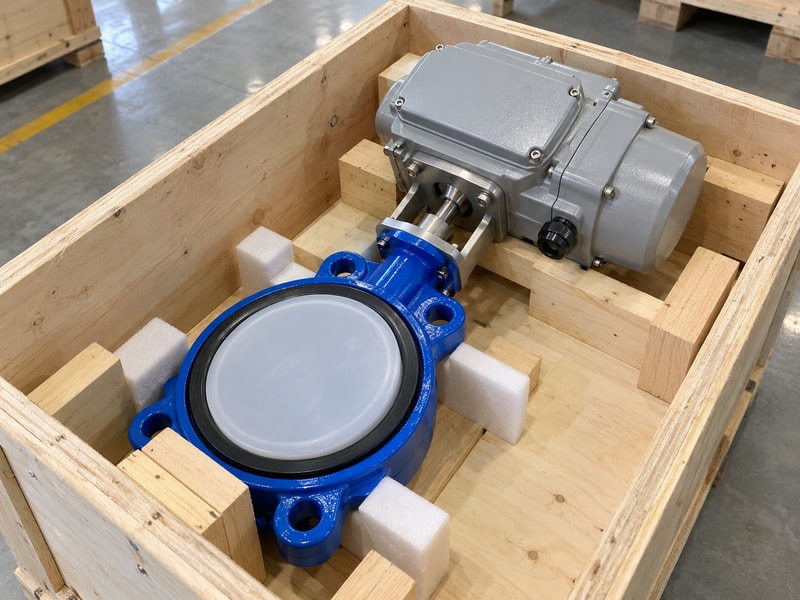
Before release, the electric spring return butterfly valve supplier should confirm the actual configuration, service boundaries, sizing basis, electrical interfaces, return sequence, and agreed test coverage. Ask for the assembly drawing, wiring diagram, operating instructions, material identification, and test records required by the order. Confirm availability for the exact duty rather than assuming every butterfly valve can accept every electric return operator. Resolve exclusions before manufacturing or dispatch.
Link supply scope with handover requirements
The order should identify who assembles and adjusts the package, who approves substitutions, and which documents accompany the unit. Keep configuration-specific spare parts and maintenance instructions with the acceptance record. If mechanical spring return is a mandatory project requirement, do not accept battery or capacitor return as an undocumented substitution. Send RUITO the process duty and required electrical failure sequence for a configuration review, including any supply, enclosure, or certification requirements that need separate confirmation.
- Approve the exact return mechanism and options.
- Keep revised drawings and test records with any change.
| Release item | Required confirmation |
|---|---|
| Assembly | Valve, operator, interface, and materials |
| Electrical behavior | Supply, command, failure, and reset sequence |
| Handover | Instructions, drawings, acceptance records, and spares |
10. What should you ask before choosing electric return?
Q1. Can I treat battery return as mechanical spring return?
No. They store energy differently and have different readiness and maintenance requirements. Specify the required mechanism and review the offered actuator's documentation.
Q2. Does signal loss always release the spring?
No. That depends on the actuator logic and wiring. Define the required signal-loss response separately from complete loss of electrical supply.
Q3. How do I know whether manual override affects fail action?
Check the exact actuator's procedure and transmission arrangement. Confirm engagement, stored-energy control, release, reset, and automatic readiness after manual use.
Q4. Can I use the motor travel time as the return time?
No. Motor travel and spring-driven return can differ. Specify and test both movements under their stated conditions, including relevant starting positions.
Q5. Does spring return certify the valve for a safety function?
No. A required safety function needs its own defined boundary, assessment, documentation, and testing. Product certificates must be checked for their exact scope and conditions.
Provide the duty, electrical supply, required return action, and reset sequence when you contact us. RUITO can review the proposed configuration and identify items requiring confirmation.