
Switch to a geared valve when the required manual effort, access or operating control makes a direct lever unsuitable. Valve size is a useful starting point, but torque and the installed layout decide the choice. Compare rim effort, stroke time and complete supplied scope before changing an existing operating arrangement.
Images are AI-generated illustrations of generic equipment configurations.
1. When should you switch to a geared valve?
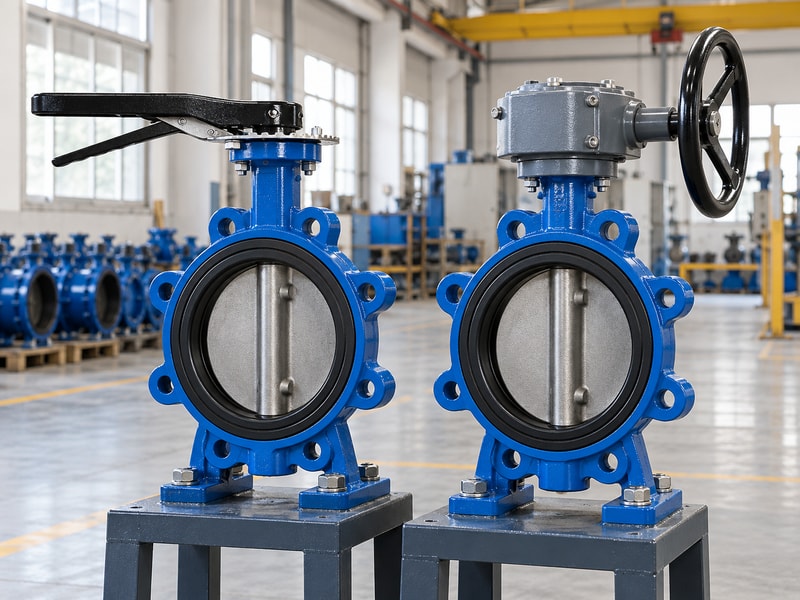
A geared valve is worth considering when a lever demands too much effort, its sweep interferes with nearby equipment or controlled multi-turn input better suits the task. Confirm the actual torque duty and access conditions. Gear reduction can reduce manual force, but it also adds turns, components and a larger purchase scope.
What is the trigger for a change?
Record the problem in measurable terms: required input effort, available sweep, operating position or permitted stroke time. If an existing valve has suddenly become hard to move, investigate its condition before selecting a gearbox. A damaged seat, obstruction or misaligned assembly may need repair rather than extra mechanical advantage. Once the cause and duty are clear, compare a suitable lever arrangement with a complete geared package under the same conditions.
- Describe the operating or access problem.
- Investigate any unexplained rise in torque.
- Compare both options at the same valve duty.
Key takeaway: Use a gearbox to address an identified operating requirement rather than conceal an unresolved valve fault.
| Check | What to confirm |
|---|---|
| Selection problem | Effort, sweep, access or operating sequence. |
| Maintenance problem | A change in condition that needs investigation. |
2. What can a lever-operated valve do well?
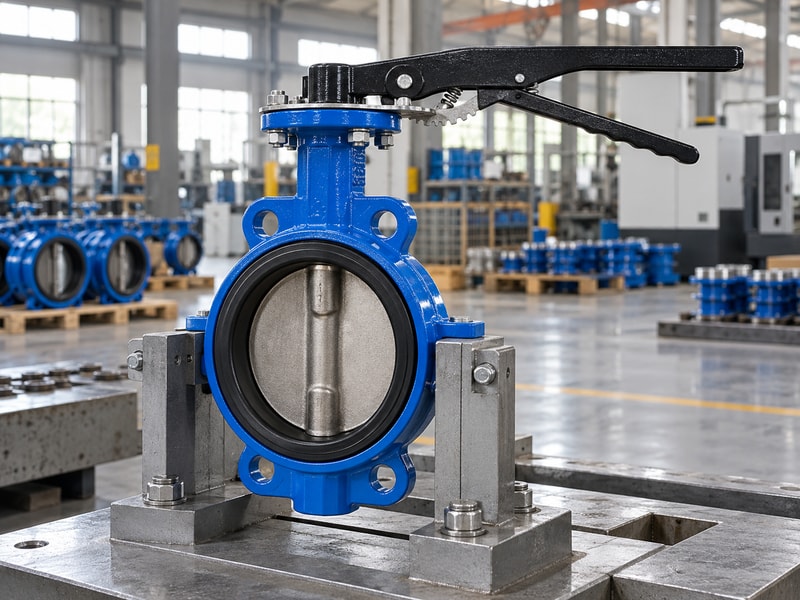
A direct lever can suit a valve that operates within acceptable manual effort and has enough sweep clearance. A geared valve may add little where the lever already meets the duty. Compare the practical operating task, including position retention and access, rather than assuming the more complex drive is always preferable.
Where does the lever keep an advantage?
A short direct operating path can make a valve easy to inspect and move through its required angle. There are fewer drive components to identify during routine maintenance, and a full stroke may be quick. Those benefits depend on adequate clearance and a manageable operating load. Check the exact handle length, locking or retention arrangement and surrounding equipment on the final layout; the same valve may be convenient in one location and awkward in another.
- Verify effort under the required operating condition.
- Check the full lever sweep.
- Include any locking or position-retention requirement.
Key takeaway: Retain lever operation where the actual duty and installed access support it.
| Check | What to confirm |
|---|---|
| Direct operation | Short input path and limited drive components. |
| Required checks | Effort, sweep, access and position retention. |
3. How does a geared valve reduce handwheel effort?
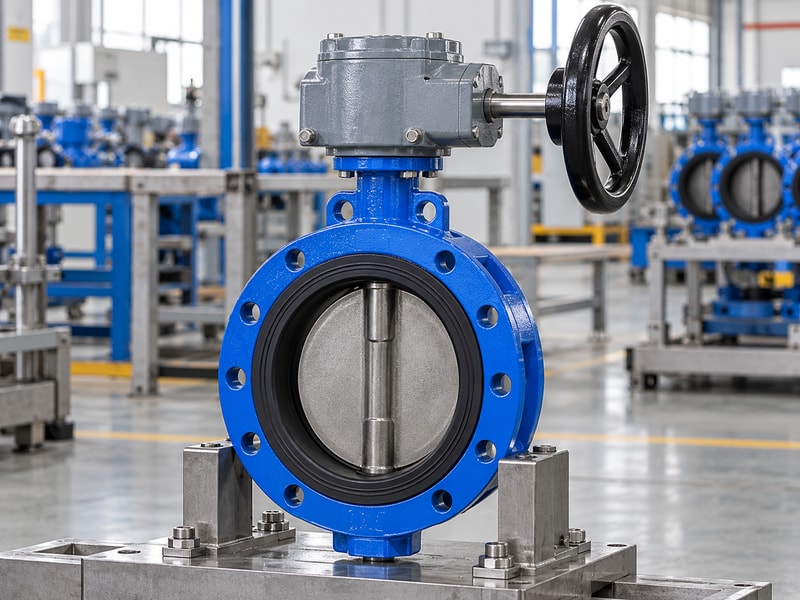
A geared valve reduces handwheel effort through the gear train’s mechanical advantage, with friction lowering the usable torque multiplication. Wheel radius also affects rim force. The selection must account for both effects, then check permitted input torque and the loads that the valve shaft and mounting connection can safely carry.
How does a calculation clarify the comparison?
For an illustrative 50 N·m valve torque, a direct lever with a 0.25 m effective radius requires 200 N of tangential force before other effects. With an assumed 40:1 reduction and 0.40 efficiency, a geared drive needs 3.125 N·m input torque for the same output. A 0.15 m wheel radius would imply about 20.8 N rim force under those assumptions; supplier ratings and actual duty data must replace the assumptions before approval.
- Use effective radius rather than overall handle length.
- Include gear efficiency in the estimate.
- Check required effort against approved package limits.
Key takeaway: Compare complete operating arrangements with stated assumptions and consistent units.
| Check | What to confirm |
|---|---|
| Illustrative lever | 50 N·m ÷ 0.25 m = 200 N. |
| Illustrative geared input | 50 ÷ (40 × 0.40) = 3.125 N·m. |
4. Does valve size decide when to use a geared valve?
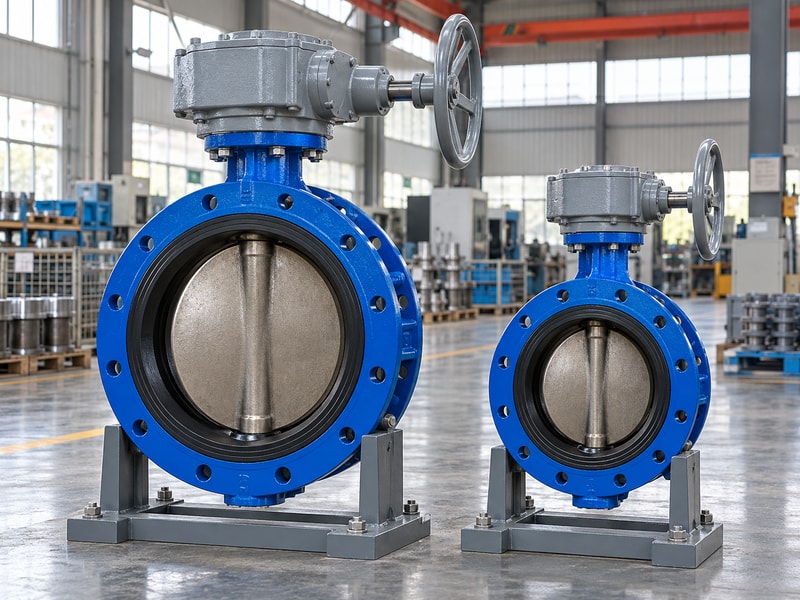
Valve size does not decide by itself whether a geared valve is required. Size affects the equipment envelope, but operating torque also depends on valve construction, seat, differential pressure and service conditions. Use the supplier’s torque data for the exact configuration rather than applying a universal diameter threshold to every installation.
Why can similar sizes need different operators?
Two butterfly valves with the same nominal size can use different seat arrangements, materials or closing duties. Their shaft and mounting limits may differ as well. A catalogue’s normal operator selection is a starting configuration, not evidence that any valve at that size will operate with the same effort. Compare the duty-specific torque and the permitted manual input, then check access and stroke time before deciding whether lever operation remains practical.
- Use exact construction and material information.
- Check duty-specific torque and shaft limits.
- Treat catalogue defaults as configuration-specific.
Key takeaway: Choose the operator from the valve’s actual torque requirement, not a size-only rule.
| Check | What to confirm |
|---|---|
| Nominal size | Identifies the valve’s pipe-size designation. |
| Operator selection | Needs torque, limits and access information. |
5. How does differential pressure affect the choice?
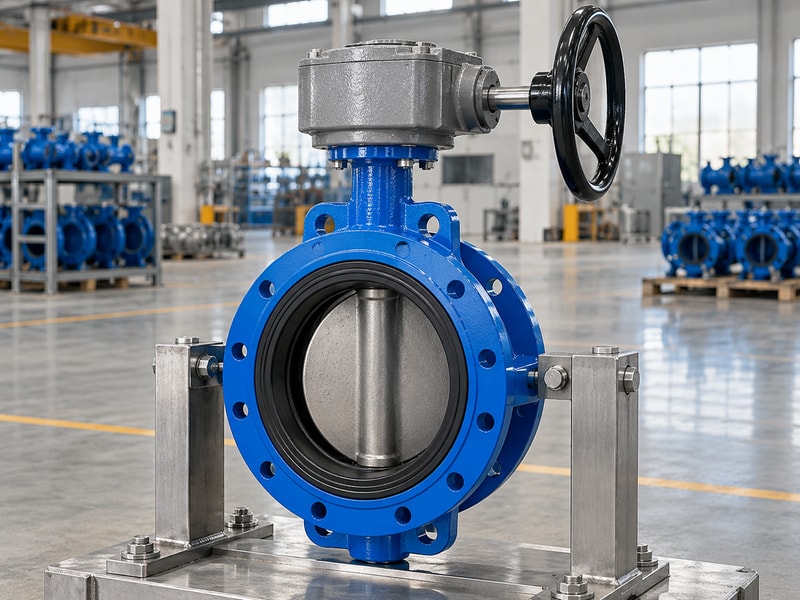
The differential pressure across a geared valve is part of the operating duty used to establish required torque. It differs from the pressure rating of the valve body. Ask for the maximum closing differential pressure and any directional limits, then use the torque data that apply to those conditions.
Which pressure descriptions can cause confusion?
A valve installed in a pressurized line may see a different pressure on each side during closure, and that difference can change through the operating sequence. The shell’s pressure rating does not tell you the operating torque or prove the seat’s permitted differential pressure in both directions. Keep these values separately identified on the enquiry. For a retrofit, verify that the intended duty remains within the valve’s limits before choosing a gearbox with more available output torque.
- Record pressures on both sides where required.
- Identify maximum closing differential pressure.
- Check any direction-dependent valve limits.
Key takeaway: Use the valve’s permitted operating duty and torque data together when comparing operators.
| Check | What to confirm |
|---|---|
| Body pressure rating | Applies to the defined pressure-temperature configuration. |
| Closing differential pressure | Forms part of the seating and operating duty. |
6. What should you check for manual operation?
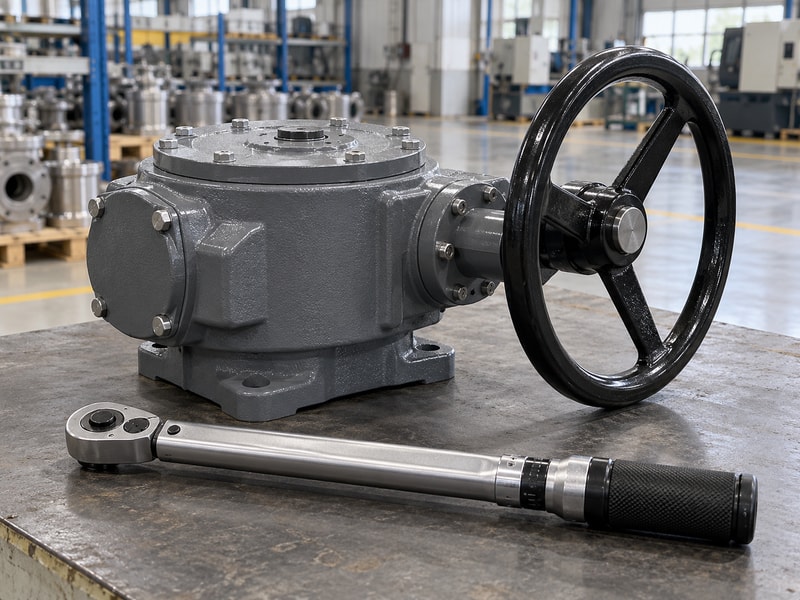
Manual operation of a geared valve should be checked for effort, reach, repeated turns and the installed operating position. A low calculated rim force does not make an awkward location convenient. Define project requirements for manual input and access, then verify them with the chosen wheel and assembled valve.
What should the person operating it be able to do?
Consider where the operator stands, whether the wheel can be reached comfortably and how long a full stroke takes. Include guarding, platform arrangements and maintenance access in the layout review. Avoid treating an arbitrary force limit as universal across projects; obtain the applicable requirement from the owner or design specification. If the valve is above reach, review an approved chainwheel or extension arrangement rather than assuming a larger wheel resolves the access problem.
- Confirm project requirements for effort and access.
- Review reach and complete-stroke turns.
- Include remote manual accessories in the layout.
Key takeaway: Verify usability at the installed position, with the required effort and operating sequence identified.
| Check | What to confirm |
|---|---|
| Effort review | Rim force, repeated turns and input limits. |
| Access review | Reach, operating position and service provisions. |
7. Does slower operation prevent water hammer?
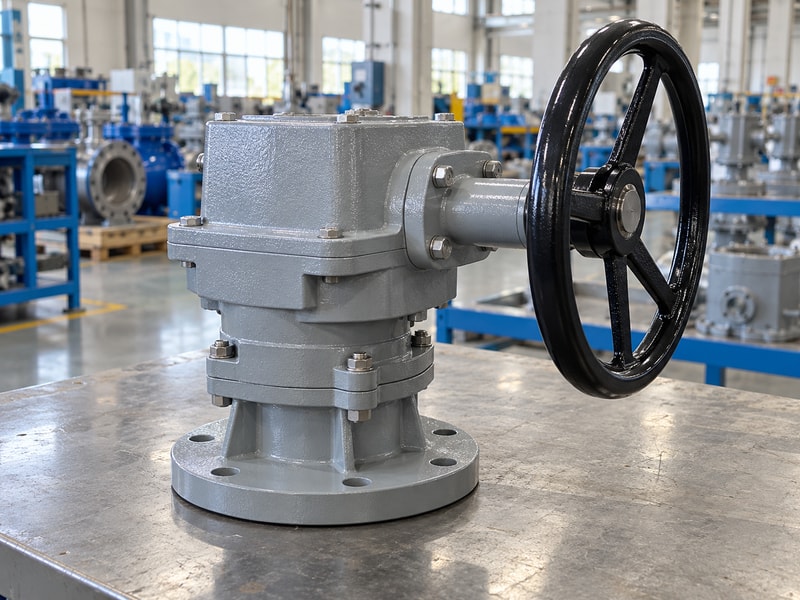
Slower operation of a geared valve may influence a transient event, but a gearbox does not by itself prevent water hammer. The pressure response depends on the pipeline, fluid, valve characteristics and the actual closure sequence. Treat closure-time requirements as a system-design input rather than a guarantee attached to the operator type.
Why does handwheel time need context?
The relationship between handwheel movement and effective flow area is not necessarily uniform throughout valve travel. A long total stroke time can still include a portion that changes flow rapidly. Ask the system designer to define the required closure behavior where transients are a concern, then determine whether manual gearing can deliver it consistently. Keep any resulting operating instructions with the equipment record, and do not replace a transient assessment with a general claim that more turns eliminate pressure surges.
- Obtain the required closure behavior from the system design.
- Consider the complete valve travel characteristic.
- Record any operating sequence needed at site.
Key takeaway: Use gearing within a defined transient-control strategy rather than as a stand-alone assurance.
| Check | What to confirm |
|---|---|
| Operator influence | Changes input travel and practical operating speed. |
| System response | Depends on pipeline and valve closure behavior. |
8. Which layout fits the available space?
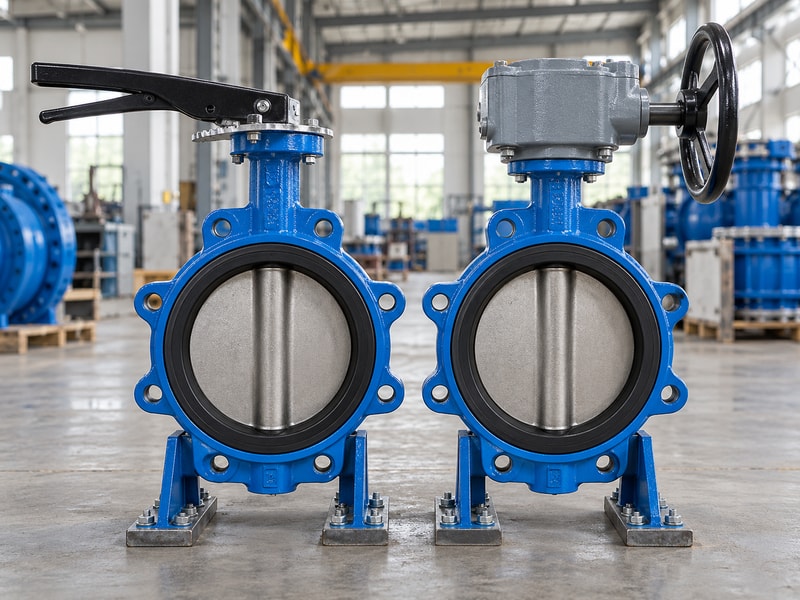
A geared valve and a lever-operated valve occupy different operating envelopes. A lever needs sweep clearance, while a wheel needs room for repeated rotation and access to its rim. Compare the complete installed arrangement, including the gearbox housing, bracket, neighboring pipework and the space needed for maintenance.
Which clearance should be drawn?
Show the valve in its actual pipe orientation and add the full movement envelope of the proposed input. Include insulation, supports and adjacent equipment rather than checking an isolated valve outline. A side-mounted wheel can help in one layout while creating interference in another. If the gearbox needs reorientation, confirm the permitted arrangement with the supplier and verify that travel indication and the coupling relationship remain correct after the change.
- Draw both static and moving envelopes.
- Include nearby installed equipment.
- Confirm permitted gearbox and wheel orientation.
Key takeaway: Compare operator layouts in the plant drawing before approving a conversion.
| Check | What to confirm |
|---|---|
| Lever envelope | Full sweep and access to the handle. |
| Geared envelope | Housing, wheel rotation, bracket and service access. |
9. Can you convert an existing valve?
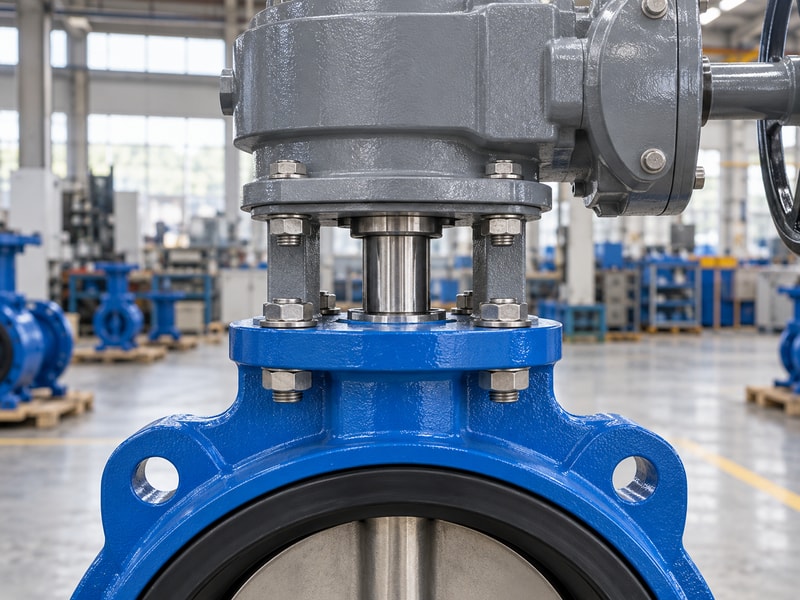
An existing valve can be converted to a geared valve only when its topworks and load limits support the selected gearbox and mounting kit. Confirm the valve identity, torque duty, shaft form and mounting details first. A new operator must not impose an unapproved torque or modify the valve’s permitted seating behavior.
What should be included in the conversion scope?
Survey the existing arrangement and identify whether a coupling, bracket, fasteners or other adapters are required. Approve the complete interface drawing, then plan checks for fit, physical travel, indication and input effort. If the old lever was bent or operation became difficult, resolve that condition before the conversion. Retain the final drawing and parts list so future service personnel can distinguish the converted assembly from the valve’s original catalogue configuration.
- Survey the valve and investigate existing problems.
- Approve the complete mounting and coupling arrangement.
- Record the converted configuration and acceptance results.
Key takeaway: Treat a conversion as an engineered assembly change with traceable parts and tests.
| Check | What to confirm |
|---|---|
| Before conversion | Duty, topworks, condition and load limits. |
| After conversion | Fit, travel, indication and controlled records. |
10. How should you compare the two quotations?
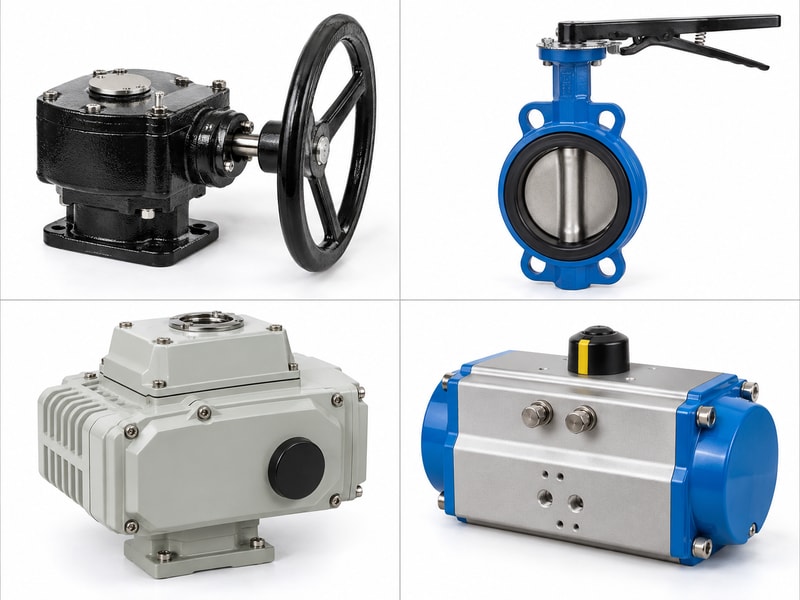
Compare a geared valve quotation with a lever-operated alternative using the same valve configuration, service duty and acceptance scope. RUITO can review the operator arrangement alongside the requested valve. A lower price is useful only when you can see which drive parts, mounting items, tests and documents each offer includes.
What belongs in the comparison table?
List valve materials and interfaces separately from the operator configuration. Add torque basis, wheel or lever dimensions, required effort, stroke turns, environmental protection and any feedback or locking option. Identify installation work and maintenance provisions that remain with the buyer. If both proposals meet the same duty, purchasing can then compare cost and delivery with the operating tradeoffs visible, rather than choosing between two assemblies described only as manual valves.
- Use the same valve and duty basis.
- Compare complete operator and mounting scope.
- Record operating tradeoffs and buyer-supplied work.
Key takeaway: Select between comparable packages whose effort, access and supplied scope are clear.
| Check | What to confirm |
|---|---|
| Technical comparison | Duty, materials, torque and operating layout. |
| Commercial comparison | Complete scope, documents, delivery and remaining work. |
Send the valve duty and available operating space when you contact us. RUITO can review lever and geared arrangements against the requested valve configuration and installation requirements.
Frequently asked questions
Q1. Is there one valve size above which gearing is mandatory?
No universal size rule covers every valve. Use the exact configuration, torque duty and project requirements.
Q2. Will a larger lever always be an acceptable alternative?
No. Check available clearance and the permitted input and shaft loads before changing handle length.
Q3. Does a gearbox guarantee slower closure at every point?
No. The actual sequence and valve characteristic determine how flow changes through travel.
Q4. Can I convert a valve that has become hard to operate?
Investigate the cause first. Extra mechanical advantage can conceal an obstruction, wear or misalignment.
Q5. What should I compare besides purchase price?
Compare effort, access, stroke turns, mounting scope, protection, maintenance needs and acceptance documents.