
Avoid butterfly valve supplier mistakes by comparing the exact construction, accepted duty, inspection evidence and included supply scope before price. heavy duty butterfly valve manufacturers may quote similar-looking valves with different seats, pressure limits or documents. A project can lose its installation window when those differences emerge after delivery. Use an order-specific review to shortlist suppliers and give RUITO a clear basis for a technical offer.
Images are AI-generated illustrations of configurations and review tasks.
1. What should manufacturers prove about the offered valve?
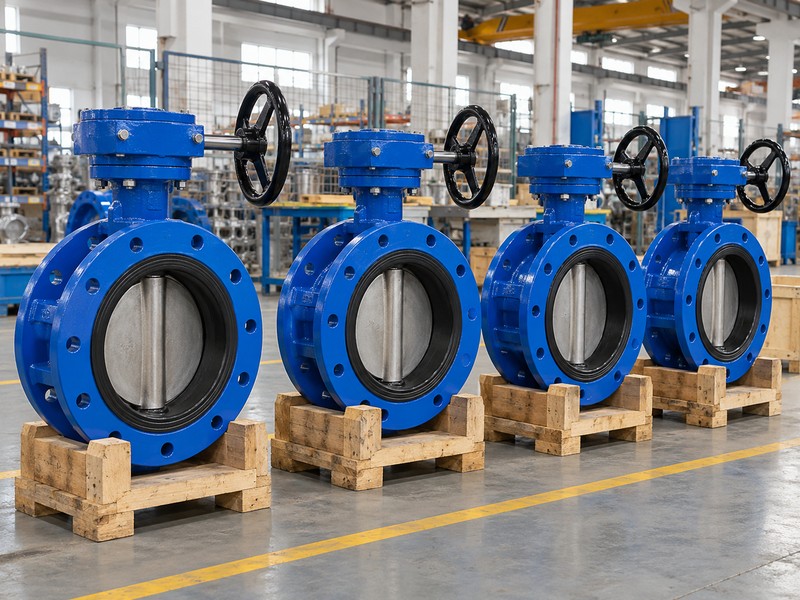
Ask heavy duty butterfly valve manufacturers to identify the valve construction and demonstrate that its declared limits cover your actual duty. Heavy duty alone gives no usable pressure-temperature envelope or acceptance criterion. Your shortlist needs an offered material package, interface drawing, shutoff rating and explanation of any deviation from the inquiry.
Define the construction and operating duty
A heavy duty butterfly valve manufacturer should answer the same duty sheet used by your engineering team. State whether the valve isolates, adjusts occasionally or operates in a defined control range. Include the medium, concentration, normal temperatures and maximum closure differential. RUITO separates concentric water-service constructions, double-offset double-flanged configurations and lined chemical-liquid options, so an offer can be checked against a named construction instead of a broad catalogue description.
- Provide one duty sheet for all suppliers being compared.
- Identify the offered construction, material package and drawing revision.
- Require a declared deviation list with the quotation.
| Check | Required evidence |
|---|---|
| Application | Medium, temperature, function and closure differential |
| Offer | Exact construction and accepted operating limits |
Reject unresolved technical assumptions before creating the price comparison.
2. How should material quality be verified?
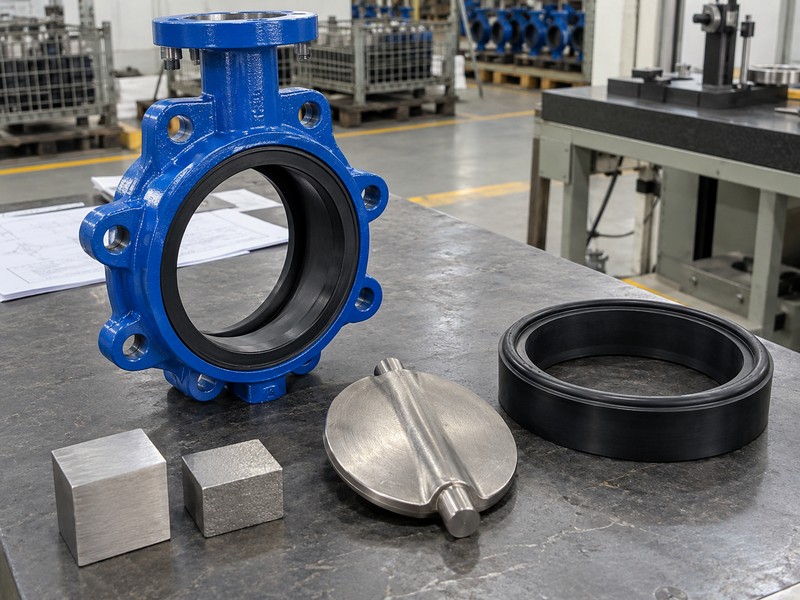
Evaluate heavy duty butterfly valve manufacturers through the material records for the actual pressure-retaining and wetted parts. Body grade, disc, shaft, seat and coating can each affect suitability. A general stainless steel description or a photograph of a black seat cannot establish a complete material specification or its traceability.
Trace the parts that determine service suitability
Ask how each accepted material remains linked to the order through manufacture and inspection. For water duty, RUITO’s stated configuration uses a specified ductile iron body, stainless steel disc and compatible EPDM seat. Mineral oil, seawater and chemical-liquid services use separately reviewed packages. If a supplier proposes a substitute, request the technical basis and approval before production, then verify that the revised material list appears in the delivery documentation.
- List the accepted grades for all relevant wetted components.
- Link material records with product identity and the order.
- Require written approval before a material or coating substitution.
| Check | Required evidence |
|---|---|
| Specification | Body, disc, shaft, seat and coating |
| Traceability | Order-linked material and manufacturing records |
Make the accepted material list part of the purchase record.
3. What manufacturing capability should you inspect?
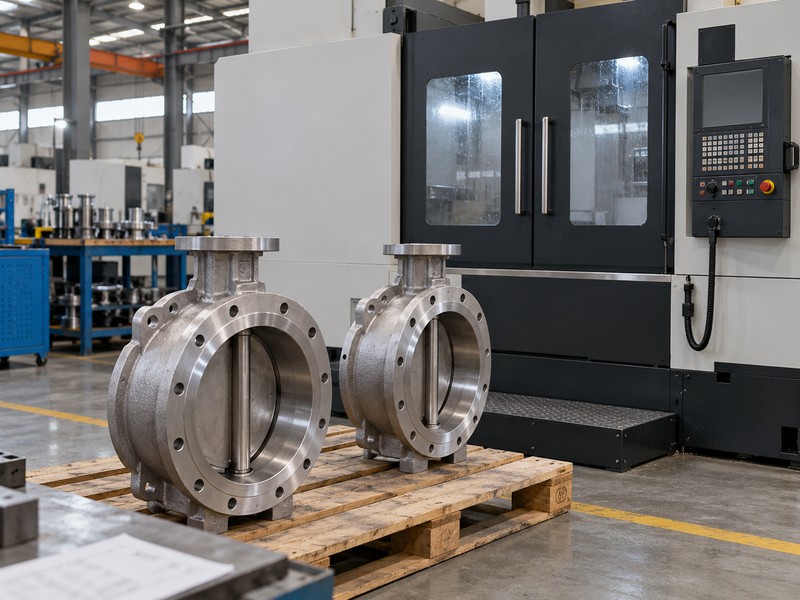
Assess heavy duty butterfly valve manufacturers against the processes needed for the offered construction, including machining, coating or lining, assembly and inspection. Factory size alone cannot show whether those processes are controlled for your order. Ask which steps are performed in-house, which are subcontracted and who approves their inspection records.
Follow the offered product through its process
When comparing heavy duty butterfly valve factories, use an order-relevant process review. A heavy duty butterfly valve factory producing a resilient-seated water valve needs different evidence from a supplier offering a continuous chemical-resistant lining. Request representative dimensional checks, controlled work instructions and the treatment of nonconforming parts. A video can help locate equipment, but the accepted drawing, inspection plan and traceable records show what will govern the delivered product.
- Map the required manufacturing and inspection steps for the offer.
- Identify subcontracted work and the responsible acceptance authority.
- Review how deviations and nonconforming parts are controlled.
| Check | Required evidence |
|---|---|
| Process capability | Relevant operations and controlled instructions |
| Order control | Inspection points and deviation approval |
Inspect capability against the actual product you intend to purchase.
4. How should certificates and approvals be checked?
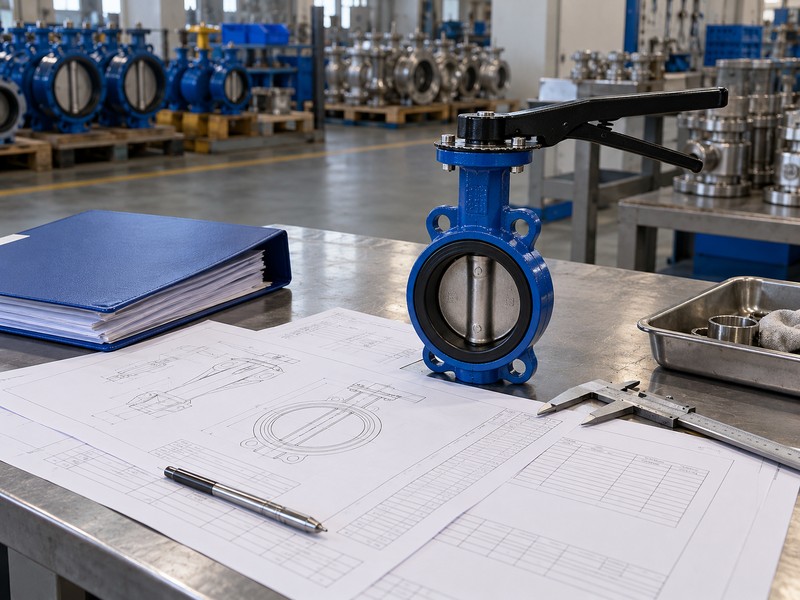
Check heavy duty butterfly valve manufacturers approvals against the actual model, materials, size range and destination requirement. A management-system certificate and a product approval establish different things. Neither should be treated as blanket evidence that every offered valve is accepted for drinking water, fire service or another specified application.
Verify scope against the exact configuration
A China heavy duty butterfly valve quotation should identify any approval needed by the destination project and state the supplied configuration covered by that approval. RUITO treats drinking-water and fire-related acceptance as configuration-specific requirements. Ask for a verifiable document, its scope and any limitations before placing it on the approved vendor record. If an approval is absent or outside scope, obtain a clear deviation instead of assuming a similar-looking product qualifies.
- State the destination and project approval requirements in the inquiry.
- Match document scope with size, materials and construction.
- Record any approval gap before commercial acceptance.
| Check | Required evidence |
|---|---|
| Document identity | Issuer, validity and verification route |
| Product scope | Covered model, materials, sizes and conditions |
Keep the verified approval scope beside the accepted configuration.
5. What inspection records should accompany the order?
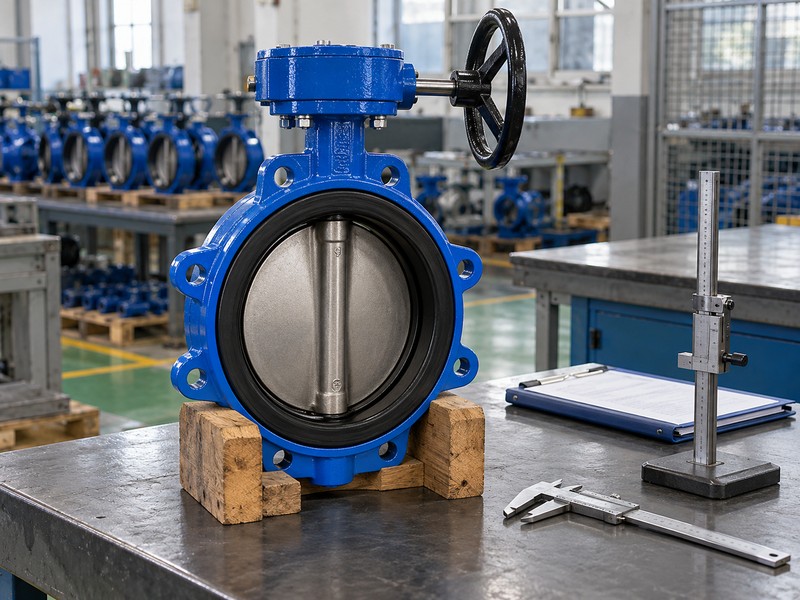
Require heavy duty butterfly valve manufacturers to propose an inspection plan that covers dimensions, pressure integrity, closure performance and operation as applicable. Define the test basis, conditions and acceptance criteria before manufacture. A generic certificate stating that valves passed inspection leaves too much uncertainty about the exact delivered items.
Agree the acceptance criteria before production
For applicable RUITO constructions, EN 12266-1 or a contract-selected ISO 5208 method forms the main pressure-test basis. The approved plan must still identify shell and closure conditions, permitted differential and required directions. Lined products need their own relevant lining checks, and gas service needs the agreed gas-tightness evidence. Link the records with product identity, material revision and any witnessed inspection points so the document package can be reconciled before dispatch.
- Agree dimensional, shell, closure and functional acceptance separately.
- State required witness or review points in the inspection plan.
- Resolve deviations and reconcile records before packing.
| Check | Required evidence |
|---|---|
| Procedure | Method, conditions and acceptance criteria |
| Record package | Product identity and completed inspection points |
Use the inspection plan as a release requirement for the order.
6. How should actuation and accessories be compared?
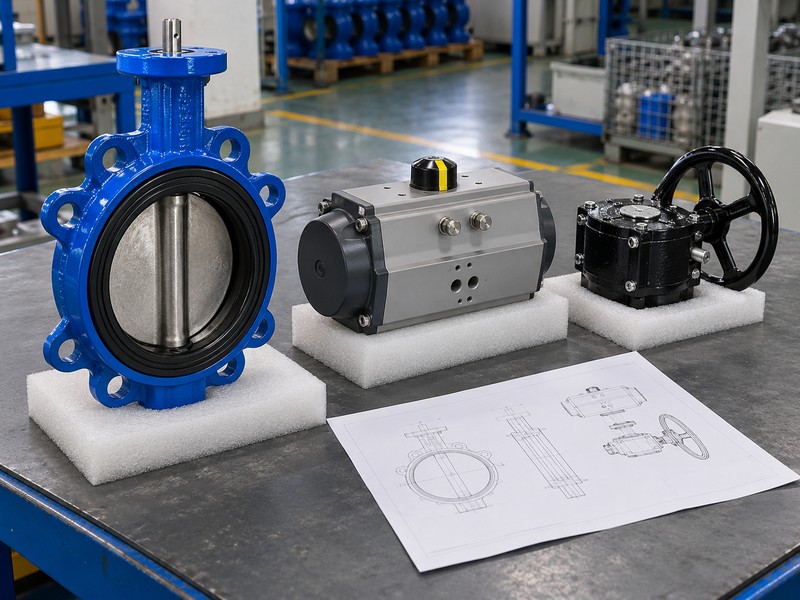
Compare heavy duty butterfly valve manufacturers actuation offers using the required valve torque, available drive output, mounting arrangement and included controls. A valve body price and a complete automated package price cover different scope. List the gearbox or actuator, coupling, bracket, feedback and inspection documents explicitly before evaluating the total.
Compare complete assemblies on the same basis
For pneumatic duty, request selection at minimum delivered air pressure and review the required fail response. For manual duty, check operating force, access and support. A heavy duty butterfly valve exporter coordinating separate component sources should still provide one reviewable assembly drawing and clear responsibility for interface checks. Confirm who verifies complete travel and control behaviour so a missing accessory or incompatible coupling does not appear during site assembly.
- List each operator, mounting part and control accessory included.
- Request the torque-selection basis and assembly drawing.
- Assign responsibility for interface and functional acceptance.
| Check | Required evidence |
|---|---|
| Mechanical scope | Valve, operator, bracket and coupling |
| Control scope | Signals, accessories and functional checks |
Compare the complete accepted package before comparing supplier totals.
7. Which delivery and packing details need confirmation?
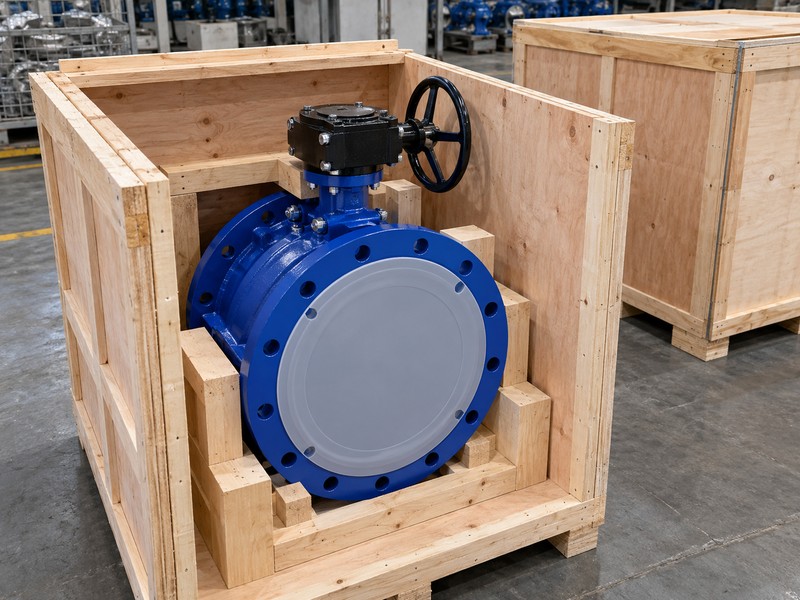
Assess heavy duty butterfly valve manufacturers delivery offers by separating technical approval, factory release, transport and site arrival. Each date depends on different conditions. A short manufacturing estimate cannot establish a destination arrival date when inspection, document approval, freight booking or customs clearance remains outside the stated schedule.
Separate manufacturing release from arrival commitments
Ask a heavy duty butterfly valve supplier to identify the starting conditions for its production plan. Confirm when drawings and materials must be approved and when your inspector needs notice. Packing should support the valve body, protect sealing faces and leave operators clear of damaging loads. Match the packing list and document package with product identity so receiving staff can reconcile delivered items without opening every crate during a time-sensitive installation.
- State the conditions that start the factory delivery period.
- Schedule inspection and document review before dispatch.
- Agree body support, face protection and shipment identification.
| Check | Required evidence |
|---|---|
| Schedule | Approval, inspection, release and transport milestones |
| Packing | Supports, protection and traceable item list |
Record who owns each delivery milestone and its required inputs.
8. How can quotations be compared without hidden gaps?

Rank heavy duty butterfly valve manufacturers quotations only after aligning construction, materials, working limits, included tests and delivery scope. A lower total may exclude the operator, special documentation or witnessed inspection. Keep unresolved deviations visible so purchasing can distinguish a complete offer from one that still requires engineering or commercial clarification.
Normalize scope before ranking the price
When evaluating heavy duty butterfly valve suppliers, build a comparison with one row for each required item. Record the accepted offer, any omission and the action needed to close it. Include replacement parts and the handling of future material or drawing changes where continuity matters. A repeated order should preserve the approved revision or carry an agreed change notice, rather than relying on a similar product name to maintain interchangeability.
- Normalize materials, connections, actuation and acceptance scope.
- Record omissions and deviations alongside the quoted price.
- Define replacement-part and future-change requirements.
| Check | Required evidence |
|---|---|
| Price basis | Matched materials, tests and included items |
| Open gaps | Declared deviations and required closure actions |
Complete the technical comparison before awarding on commercial terms.
9. What should the final supplier inquiry contain?
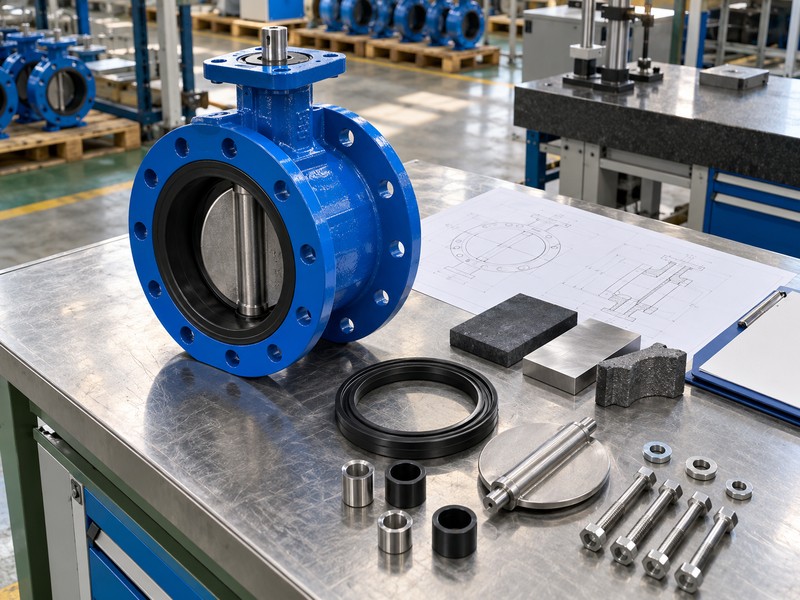
Send heavy duty butterfly valve manufacturers a consolidated inquiry containing the duty sheet, connection drawing, accepted materials, operator requirements and inspection expectations. This gives engineering and purchasing the same baseline for review. Include the required documents and destination conditions before asking a supplier to confirm price or delivery.
Freeze an order-specific technical baseline
For RUITO, attach the medium and concentration, simultaneous pressure-temperature cases, maximum shutoff differential, required direction and operating frequency. Add flange and bore details, available installation space, control signals and packing requirements. Request a named construction, drawing revision, material list and declared deviations in response. The approved documents should identify what will be built, inspected and delivered so later changes can be reviewed against a clear purchase record.
- Issue one consolidated technical and commercial inquiry package.
- Request order-linked drawings, material scope and inspection commitments.
- Approve deviations before releasing the manufacturing instruction.
| Check | Required evidence |
|---|---|
| Inquiry inputs | Duty, interfaces, approvals and included scope |
| Approval outputs | Accepted offer, revisions and inspection plan |
Contact us with your duty sheet and drawings for an order-specific supply review.
10. Which questions should you resolve before ordering?
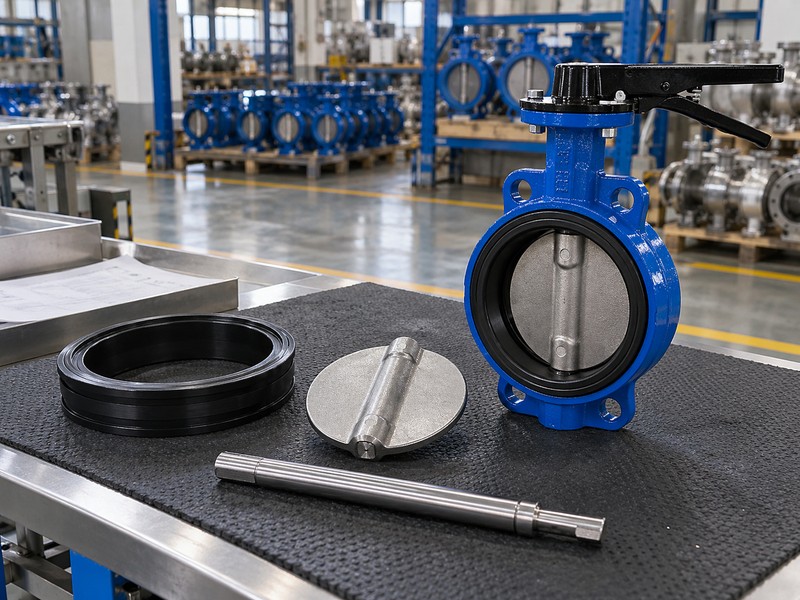
Resolve rating comparisons, certificate scope, manufacturing evidence, assembly responsibility and production approvals when reviewing heavy duty butterfly valve manufacturers. Keep the accepted offer and its supporting evidence with the order.
Q1. Can I compare suppliers using nominal size and PN alone?
No. Compare the exact construction, wetted materials, simultaneous pressure-temperature limits and closure differential. Connection dimensions, actuation and acceptance scope also need to match before the prices become directly comparable.
Q2. How do I know whether a certificate covers my valve?
Match its scope with the exact construction, materials, size and intended application. Verify the issuing route and validity, then record any limitation or gap in the order review.
Q3. What is the best evidence of manufacturing capability?
Use evidence relevant to your order: controlled drawings, material traceability, process instructions and completed inspection records. A factory tour can support that review, but it cannot establish the delivered configuration by itself.
Q4. Can an exporter supply an acceptable complete assembly?
Yes, if responsibility for materials, interfaces, controls and acceptance is clear. Require a consolidated assembly drawing and traceable records, including any subcontracted work and approved deviations.
Q5. What should I approve before manufacturing starts?
Approve the offered construction, material list, interface drawing, operating limits, actuation scope and inspection plan. Close deviations and state how later changes must be authorized.