
Fix heavy-duty concentric butterfly valve selection mistakes by checking seat compatibility, pressure at temperature, disc clearance and operating torque together. A heavy-duty concentric butterfly valve may fit your pipe and still fail its duty review. A plant replacement can stall when flange interference or swollen rubber prevents travel. Use the checks below to compare a centred design with double-offset alternatives and prepare an order-specific inquiry for RUITO.
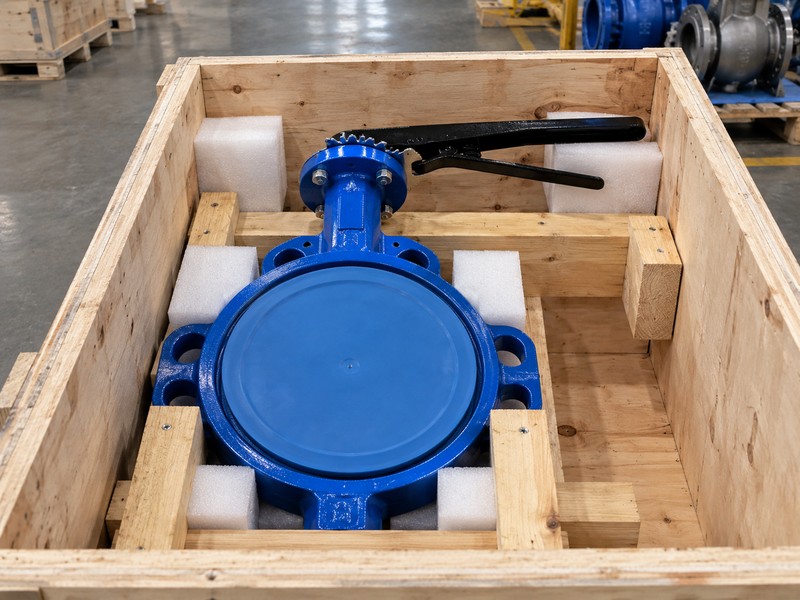
Images are AI-generated illustrations of configurations and review tasks.
1. What defines a heavy-duty concentric butterfly valve?
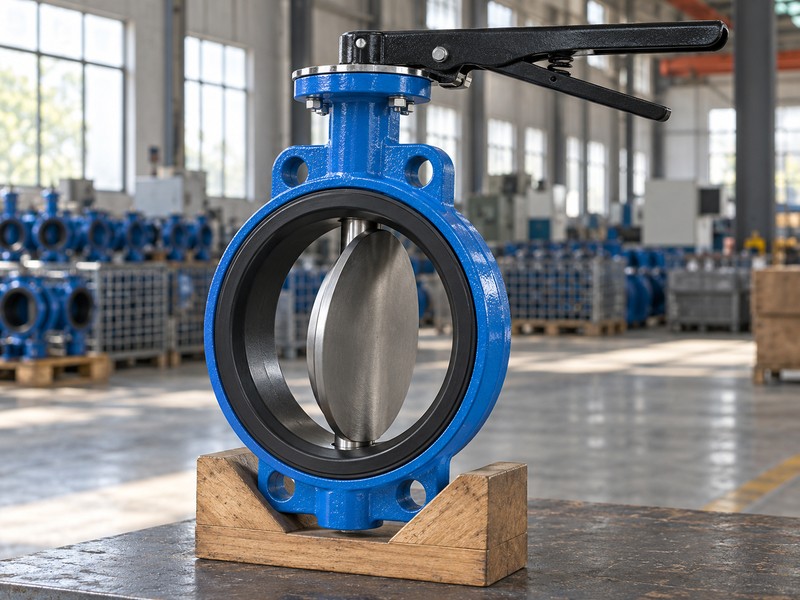
A heavy-duty concentric butterfly valve uses a centred shaft and a resilient seat to provide quarter-turn shutoff within its declared operating limits. Heavy duty describes an intended service demand; it does not establish a pressure class or acceptance standard. Your specification still needs the exact construction, wetted materials, shutoff differential and expected number of operations.
Describe the mechanism before the duty claim
Start with what the valve will do each day. A cooling-water branch that opens during maintenance places different demands on its seat from a valve that moves repeatedly during production. Disc contact with a resilient seat creates friction during movement, so cycling and deposits affect the torque review. Ask whether the offer covers isolation, occasional adjustment or a defined control duty before accepting a general product description.
- State the isolation or control function and expected operating frequency.
- List normal duty, startup conditions and credible upset conditions.
- Identify the exact drawing and material revision being offered.
| Check | Required evidence |
|---|---|
| Construction | Centred shaft and declared seat arrangement |
| Duty | Operating frequency and shutoff differential |
Put the operating duty on the inquiry before asking for a price.
2. When should you compare a double-offset valve?
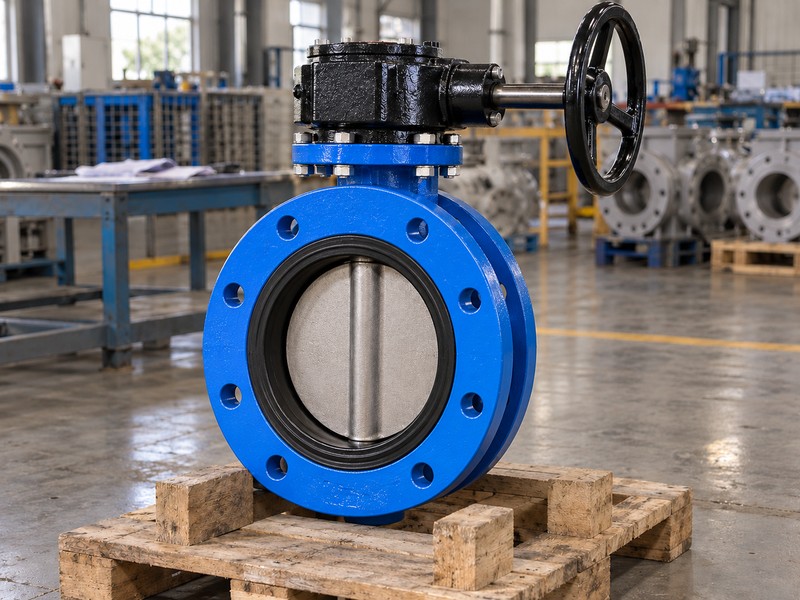
Compare a heavy-duty concentric butterfly valve with a double-offset design when seat contact, cycling or size makes the operating review difficult. Offset geometry can reduce rubbing after the disc lifts away from its seat. Actual torque, shutoff direction, materials and permitted duty remain model-specific, so an offset label alone cannot settle the comparison.
Compare contact, duty and verified ratings
For a low-cycle clean-water branch, a compatible concentric valve may remain a practical choice. A frequently operated large line deserves a closer review of movement, seat wear and drive loads. RUITO lists its double-offset double-flanged water configuration separately from its concentric range, with forward and reverse closure ratings stated individually. Compare complete offers at the same temperature and differential pressure rather than transferring one construction’s limits to another.
- Request torque data for both constructions under matching conditions.
- Check whether reverse shutoff has a separate declared limit.
- Compare service access, replacement parts and operating frequency.
| Check | Required evidence |
|---|---|
| Concentric option | Seat compatibility and operating torque |
| Offset option | Geometry, direction rating and duty evidence |
Use the comparison to resolve a stated duty requirement.
3. How should you select the seat and wetted materials?
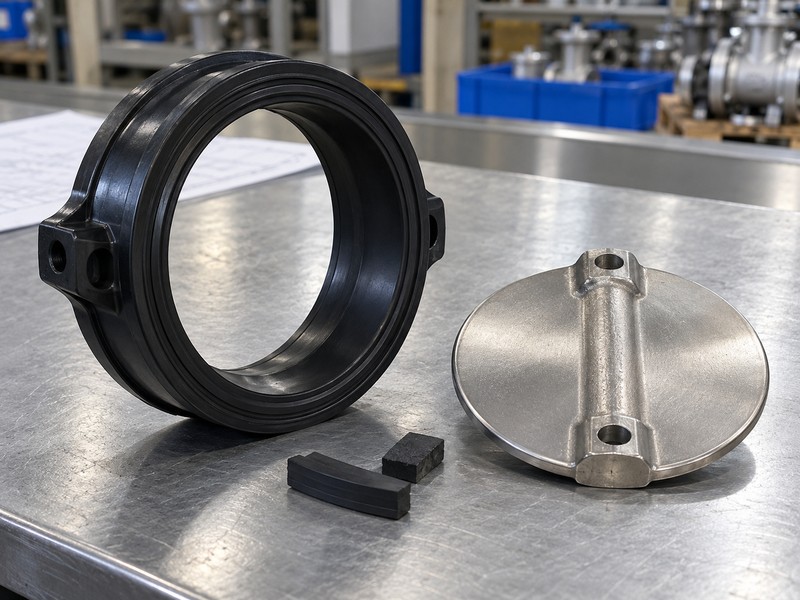
Select a heavy-duty concentric butterfly valve material package against the complete medium, concentration and temperature range. The seat, disc, shaft and any wetted coating all need review. Rubber colour and a stainless steel description cannot establish compatibility, especially when cleaning chemicals, oil additives or chlorides change the exposure.
Review the complete fluid mixture
For example, RUITO separates its EPDM water configurations from NBR mineral-oil configurations. Its stated water and glycol duties also specify concentration and temperature boundaries. Those conditions do not transfer automatically to seawater, strong chemicals or abrasive slurry. Give the supplier the cleaning liquid and exposure time as well as the normal process medium, then ask for an accepted material list tied to the quotation.
- Include chemical concentration, additives and cleaning exposure.
- List actual wetted grades rather than broad material families.
- Request approval for any proposed seat or coating substitution.
| Check | Required evidence |
|---|---|
| Fluid data | Composition and temperature during each exposure |
| Material data | Seat, disc, shaft and coating specification |
Freeze the accepted wetted materials before releasing the order.
4. How do pressure and temperature limits work together?

Rate a heavy-duty concentric butterfly valve against pressure and temperature that occur at the same time. A nominal PN designation is a starting identifier; the allowed working pressure still depends on the offered configuration. Seat shutoff differential, reverse pressure and transient loads may impose limits below the body rating.
Keep body, seat and closure ratings separate
RUITO’s stated general clean-water duty for its relevant concentric constructions is 5–60°C, subject to each model’s pressure-temperature limit. A pressure used for a shell or closure inspection is an acceptance condition rather than a continuous operating allowance. If your line can see pump trips or rapid closure, submit those conditions for system review. For hot water, assess the lowest local absolute pressure and flashing risk separately from a gauge-pressure rating.
- Provide minimum and maximum simultaneous pressure-temperature cases.
- State maximum closure differential in each required direction.
- Identify surge and vacuum conditions for separate review.
| Check | Required evidence |
|---|---|
| Working duty | Approved pressure-temperature envelope |
| Shutoff duty | Seat differential and pressure direction |
Keep operating limits and inspection pressures in separate fields.
5. Which connection checks prevent a poor fit?
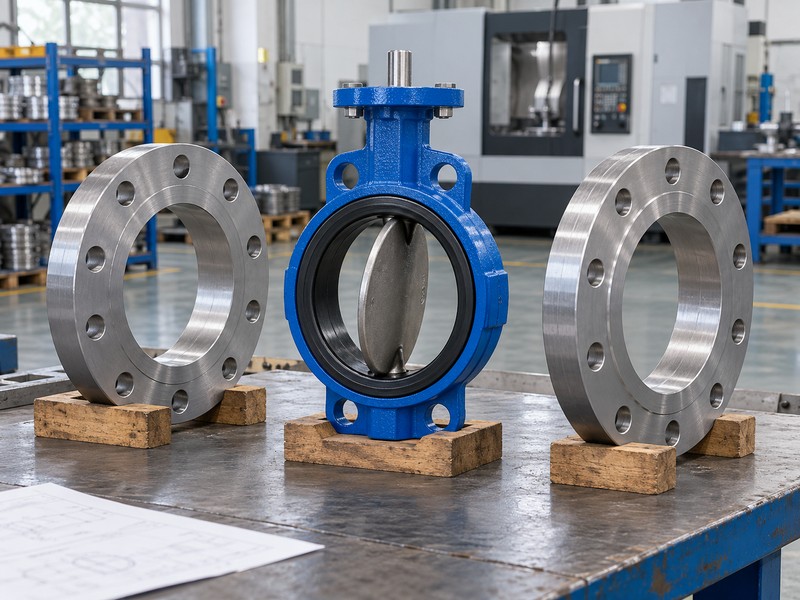
Fit a heavy-duty concentric butterfly valve by checking flange bore, drilling, face shape and disc clearance against the approved drawing. Wafer, lug and double-flanged describe connection arrangements. Each arrangement has its own fastening and load requirements, even when nominal pipe size and pressure designation appear to match.
Check the joint and the full disc sweep
An adjacent pipe bore, reducer or lining can obstruct an opening disc. A lug valve also needs the correct bolt length and thread engagement; a bolt that bottoms out can give a misleading impression of joint tightness. End-of-line service requires an explicit model-specific rating. RUITO treats its limited end-of-line lug configuration separately, so a general lug description should not be used as permission for unsupported downstream-pipe removal.
- Check the mating bore against the complete disc movement envelope.
- Confirm face-to-face length, flange drilling and gasket instructions.
- Review fastening and end-of-line duty on the exact configuration.
| Check | Required evidence |
|---|---|
| Clearance | Disc envelope and adjacent bore dimensions |
| Fastening | Bolt length, engagement and tightening instructions |
Resolve joint details before the valve reaches the installation crew.
6. How should you select the operator?
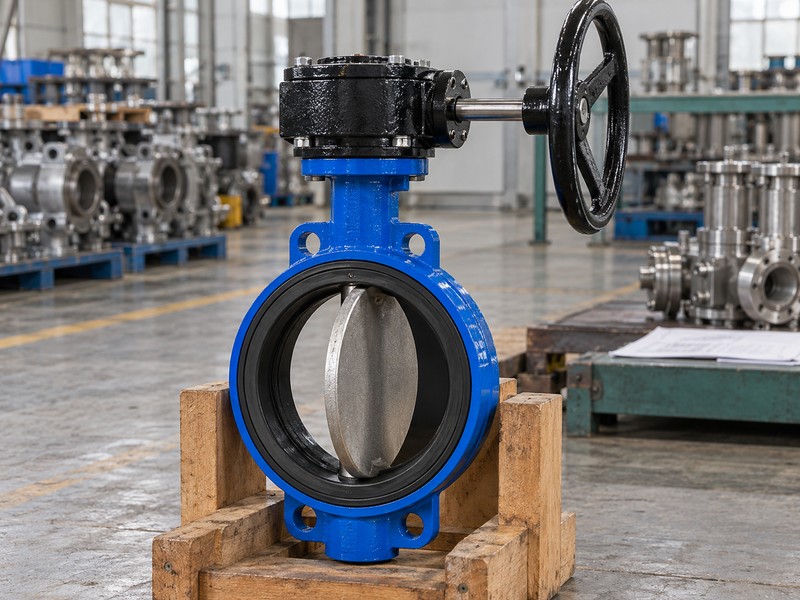
Select the operator for a heavy-duty concentric butterfly valve from breakaway, running and seating torque under the declared duty. Valve size alone cannot establish the required output. Seat interference, differential pressure, deposits and operating frequency can change the demand, while the shaft and mounting arrangement impose their own allowable loads.
Size from torque and allowable loads
For a manual assembly, review hand force, access and gearbox support. For pneumatic operation, compare the available output at minimum delivered air pressure across the stroke. A larger drive can overload a shaft or seat if output limits and stops are ignored. Obtain a documented selection from the valve and actuator suppliers, including the proposed margin and the conditions used, rather than applying one universal percentage to every installation.
- Obtain the required torque profile and its operating conditions.
- Check drive output, shaft limits and mounting loads together.
- Agree on travel stops and operating-speed requirements.
| Check | Required evidence |
|---|---|
| Valve demand | Breakaway, running and seating torque |
| Drive selection | Available output and assembly load limits |
Approve the drive and valve as a matched assembly.
7. What inspection evidence should you request?
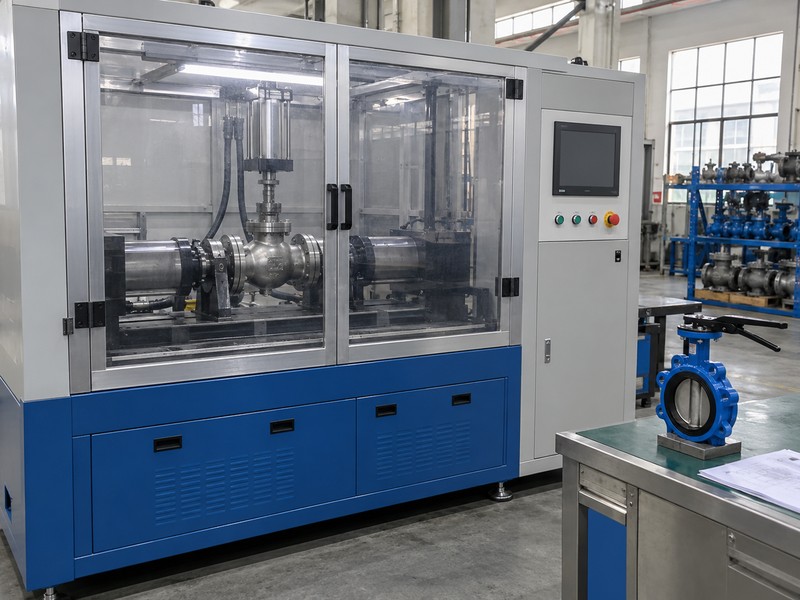
Accept a heavy-duty concentric butterfly valve against an agreed inspection plan that separates shell integrity, closure leakage and functional movement. A general passed-test statement leaves the medium, pressure, direction and acceptance criterion unclear. Require records that identify the product and the drawing or material revision used for the order.
Define acceptance before witnessing tests
RUITO’s documentation identifies EN 12266-1 or a contract-selected ISO 5208 method as the main pressure-test basis for applicable configurations. The order must still state the actual procedure and permitted closure differential. Where the selected method uses Rate A, describe it within that method’s test conditions rather than promising zero leakage for every fluid and operating state. Gas service needs its own applicable tightness review and records.
- Agree test method, pressure, duration and acceptance criteria.
- Record closure direction and the exact tested configuration.
- Include dimensional checks and complete travel verification.
| Check | Required evidence |
|---|---|
| Pressure records | Product identity and acceptance conditions |
| Functional records | Movement, stops and operator checks |
Close inspection deviations before packing and factory release.
8. How can installation damage be prevented?
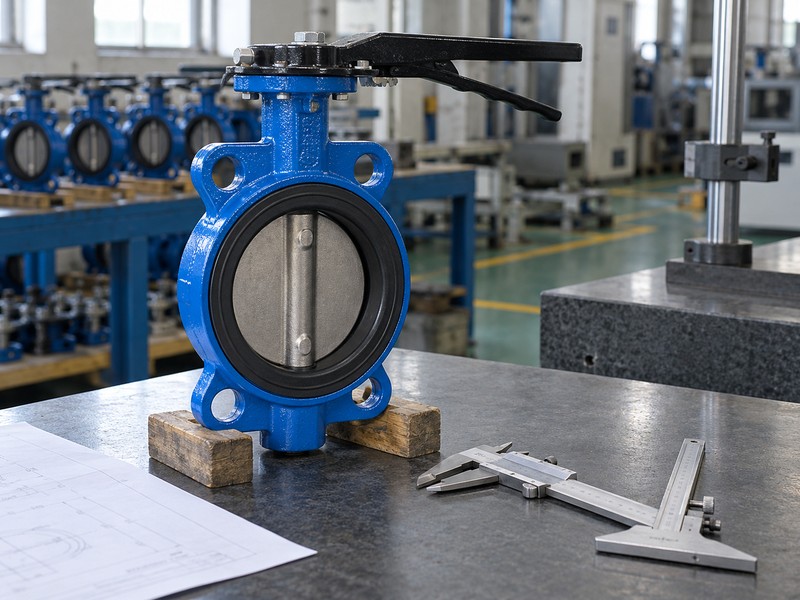
Install a heavy-duty concentric butterfly valve with aligned pipework, protected sealing surfaces and the disc position required by its installation instructions. Isolate and depressurize the line before work. Pipe supports should carry the piping load, while the valve and operator need the access and support shown on the approved assembly drawing.
Use the model-specific installation sequence
Welding debris, coating damage or a trapped gasket can stop a disc that moved freely on the bench. Follow the specified bolt sequence and tightening values, then check travel as instructed before commissioning. If resistance appears, stop and investigate alignment or interference; forcing the operator can damage the seat or drive. Record the installed orientation and keep the maintenance instructions with the asset file.
- Remove debris and protect the seat and flange contact surfaces.
- Verify clearance and alignment before final joint tightening.
- Check travel and inspect external joints during commissioning.
| Check | Required evidence |
|---|---|
| Before assembly | Cleanliness, supports and disc clearance |
| Before service | Travel, joint inspection and asset records |
Investigate unexpected resistance before applying more operating force.
9. What should you send with a selection inquiry?
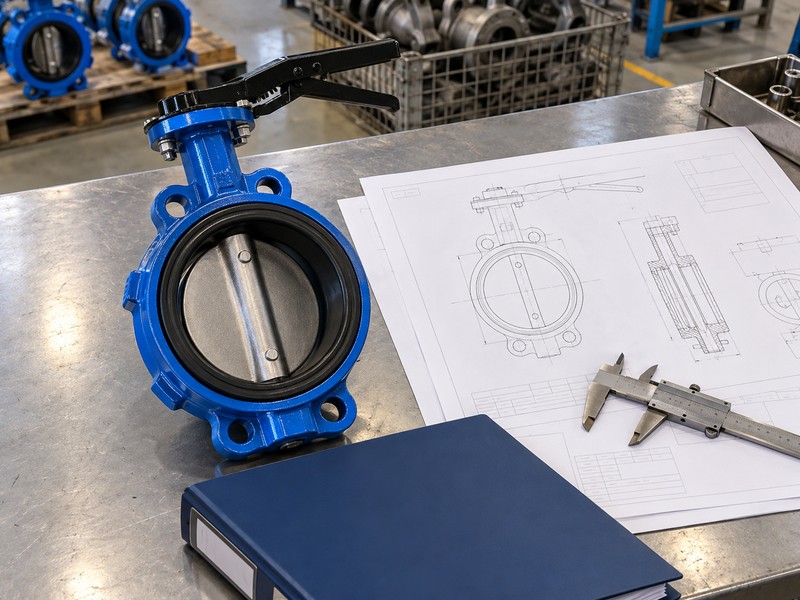
Specify a heavy-duty concentric butterfly valve by sending the operating envelope, connection details, duty and acceptance requirements in one inquiry. Include the existing installation drawing when replacing a valve. A clear request lets the supplier identify deviations before you compare prices or commit to an outage schedule.
Make the quoted configuration reviewable
Give RUITO the medium, concentration, normal and upset temperatures, maximum closure differential, flow direction and operating frequency. Add the mating flange standard, bore dimensions, face-to-face space, operator type and required documents. State whether the order needs a witnessed inspection, a particular destination approval or replacement parts. Those items affect the actual supply scope and should appear in the quotation rather than being settled after manufacturing starts.
- Attach the current installation drawing and required assembly envelope.
- Request a material list, rating basis and declared deviations.
- Separate factory release dates from transport and site arrival.
| Check | Required evidence |
|---|---|
| Technical package | Duty, interfaces and acceptance criteria |
| Commercial package | Included scope, inspection and delivery terms |
Contact us with your duty sheet and drawings for a configuration review.
10. Which questions should you resolve before ordering?
Resolve cycling duty, offset selection, oil compatibility, end-of-line approval and replacement fit before ordering a heavy-duty concentric butterfly valve. Keep the approved drawing, material list and operating limits with your purchase record.
Q1. Can I use a concentric valve for frequent cycling?
Possibly, if the exact valve and drive are qualified for that duty. Provide the operating frequency, differential pressure and medium. Compare its torque and service requirements with an offset alternative before selecting.
Q2. How do I know if I need a double-offset valve?
Review seat contact, cycling, size and the verified operating envelope. Offset geometry can change seat movement, but the model-specific torque, materials and directional shutoff ratings must still satisfy your duty.
Q3. Can I use an EPDM seat for mineral oil?
Use an accepted oil-service material package. RUITO manages its NBR mineral-oil configuration separately from EPDM water duty. Oil composition, additives and temperature still need compatibility review.
Q4. Does a lug body allow end-of-line isolation?
Only when the exact size and configuration have a declared end-of-line rating. Check the differential pressure, fasteners, support conditions and test evidence before approving that service.
Q5. What is the best way to verify replacement fit?
Compare the approved valve drawing with the actual mating bore, flange pattern, face-to-face space and disc sweep. Include the operator envelope and maintenance access, then record the accepted installation arrangement.