
A high performance vs resilient seated butterfly valve review should compare complete assemblies under the same operating conditions. The names alone cannot establish a pressure rating or an approved fluid. If two quotations appear interchangeable, check shaft geometry, seat construction, directional closure limits and installation dimensions before accepting either offer.
1. High performance vs resilient seated butterfly valve: What differs?
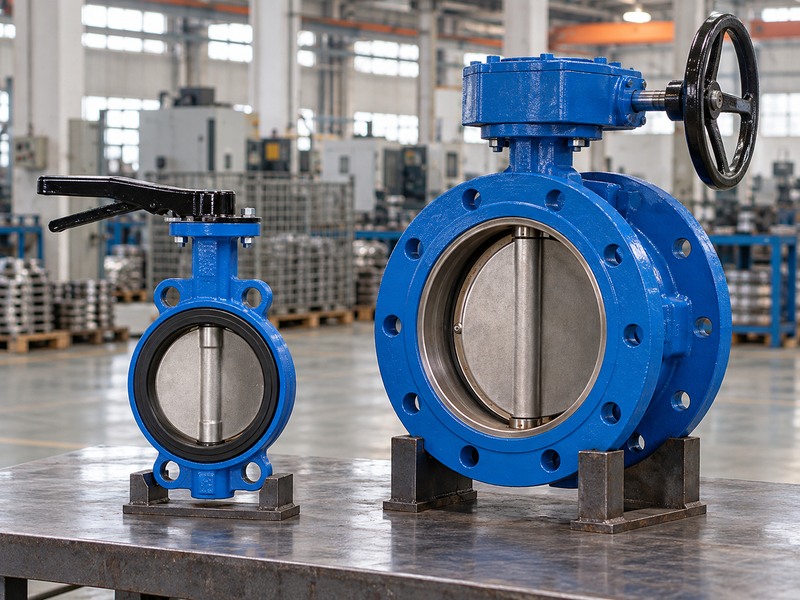
Separate geometry, sealing materials and rated duty in a high performance vs resilient seated butterfly valve comparison. “Resilient seated” identifies a deformable sealing approach, commonly using an elastomer. “High performance” often describes an offset product family, but the supplier must identify the actual construction and provide its applicable ratings.
Why can those descriptions overlap?
An offset butterfly valve can have an elastomer seal. A concentric construction can differ in seat retention, shaft sealing and wetted exposure from another concentric product. Record those fields separately instead of assuming that every valve belongs to one of two fixed material or pressure categories.
- Identify the shaft arrangement from the section drawing.
- List the seat, disc, shaft and auxiliary seal materials.
- Obtain the operating and closure limits for the offered configuration.
How should you organize a comparison sheet?
Put the same duty on both sides of the sheet. Include fluid composition, temperature, working pressure, maximum closure differential, required direction and cycling. A useful comparison shows which requirement each offer satisfies and where evidence or an approved deviation is still needed.
| Comparison field | Record for both offers |
|---|---|
| Geometry | Concentric or defined offset arrangement |
| Sealing system | Material, retention and wetted exposure |
| Duty | Same fluid, temperature and differential |
2. What changes with a double offset geometry?
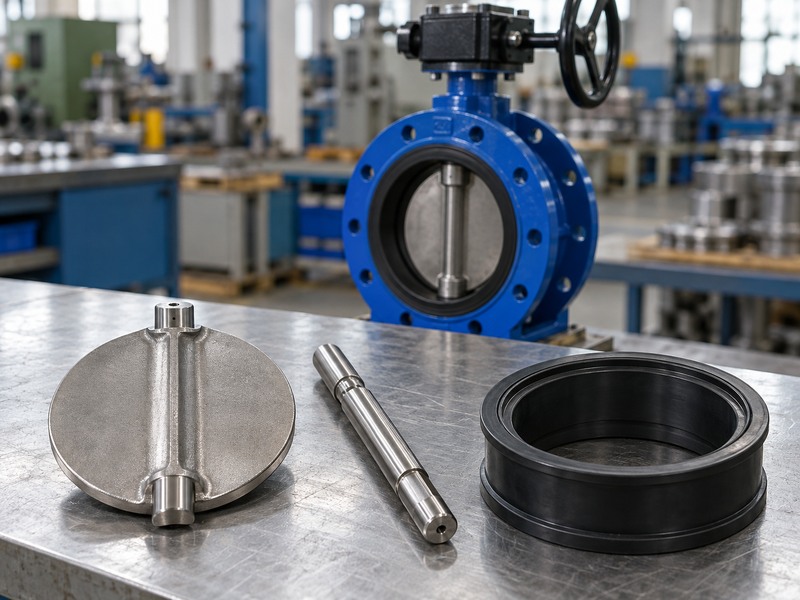
The shaft arrangement changes how the disc approaches and leaves its seat in a high performance vs resilient seated butterfly valve review. A double offset design places the shaft axis away from the sealing plane and from the bore centerline. These are two geometric offsets of one shaft arrangement, rather than evidence of two separate operating stems.
What does the motion change establish?
Offset geometry can reduce sliding contact during part of the stroke, depending on the construction. It does not establish a universal torque curve, wear life or temperature limit. Use the manufacturer’s section and operating data to assess how the offered disc and seat engage.
- Locate both offsets on the section drawing.
- Identify the contact surfaces and retention features.
- Review the applicable torque and cycle information.
Where does a triple offset design fit?
A triple offset construction adds a change in sealing geometry. It needs its own drawing, materials and qualification review. Do not transfer a double offset water valve’s data to a metal seated triple offset product, or infer fire qualification from the number of offsets.
| Description | Evidence needed |
|---|---|
| Concentric | Centered shaft and sealing arrangement |
| Double offset | Two defined geometric offsets |
| Triple offset | Additional sealing geometry and corresponding data |
3. How should you compare the seat systems?
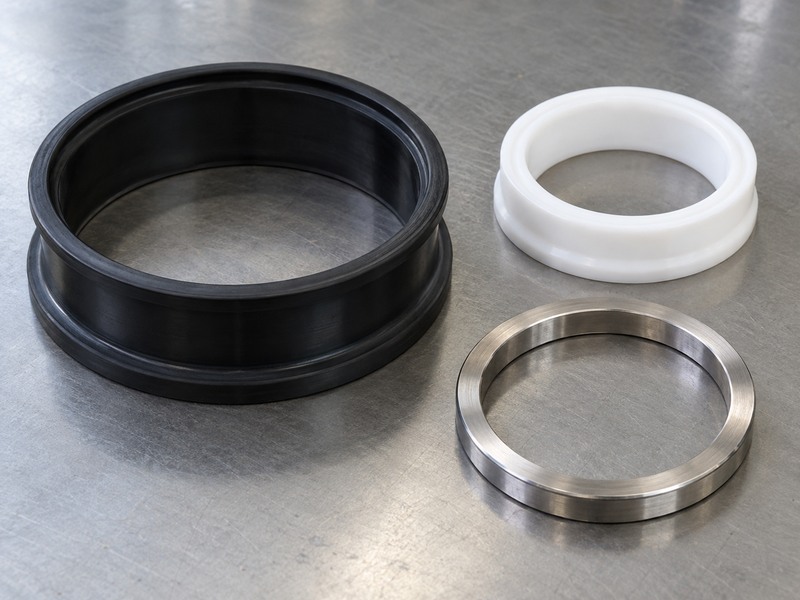
Compare the complete sealing systems in a high performance vs resilient seated butterfly valve assessment. An elastomer seat, a fluoropolymer lined construction and a metal sealing arrangement have different material and support requirements. The connection between those parts and the actual fluid matters more than a broad catalog category.
Which RUITO materials belong to separate configurations?
RUITO specifies EPDM for its defined water butterfly valve configurations and NBR for its compatible mineral oil configuration. Dedicated PTFE lined butterfly valves have their own liner, backing and shaft seal review. Those configurations cannot inherit each other’s fluid and temperature limits by changing a single description in the quotation.
- Review every wetted material, including auxiliary seals.
- Include additives and cleaning exposure.
- Confirm how the seat or seal is retained and serviced.
Does a metal seat establish fire-safe performance?
No. If the project requires fire qualification, request the actual applicable report and confirm its coverage of the proposed construction, materials and size. The presence of metal sealing parts does not establish that qualification, and an ambient pressure test does not replace it.
| Sealing approach | Question to resolve |
|---|---|
| Elastomer | Is the compound approved for the fluid? |
| Fluoropolymer lined | Are liner, backing and shaft seals compatible? |
| Metal sealing system | What leakage and qualification requirements apply? |
4. Which pressure and temperature data should you use?
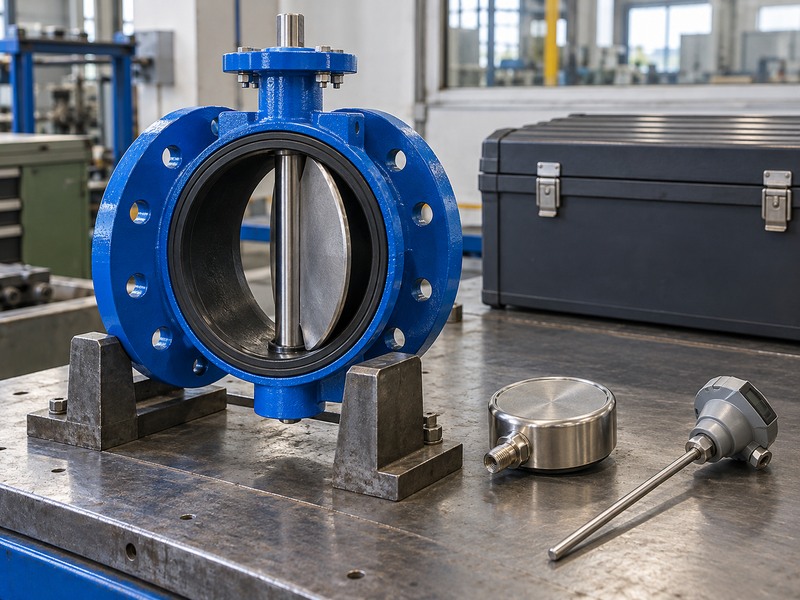
Use configuration-specific pressure-temperature data in a high performance vs resilient seated butterfly valve comparison. Do not combine a material’s maximum temperature with a valve family’s maximum pressure unless the selected assembly supports that combination. Working pressure and closure differential also need separate entries.
What can RUITO’s water range illustrate?
RUITO’s defined concentric water and double offset water constructions both include PN10 or PN16 options within their respective size ranges. The offset label does not establish a higher nominal pressure for every offered water valve. The selected model’s pressure-temperature relationship, connection and closure limits govern the application.
- Record pressure and temperature as one operating condition.
- Include transients in the project review.
- Check the permitted differential in each required direction.
Why does reverse pressure deserve its own check?
Directional limits can differ. In RUITO’s documented DN2400 double offset water project, the maximum specified closure differential was 10 bar forward and 6 bar reverse at 15–35°C. Those values describe that project configuration; they are not ratings for every double offset valve.
| Parameter | Keep separate from |
|---|---|
| Working pressure | Factory test pressure |
| Temperature limit | A different material’s temperature capability |
| Reverse closure differential | Forward closure differential |
5. How do you match the design to the fluid?
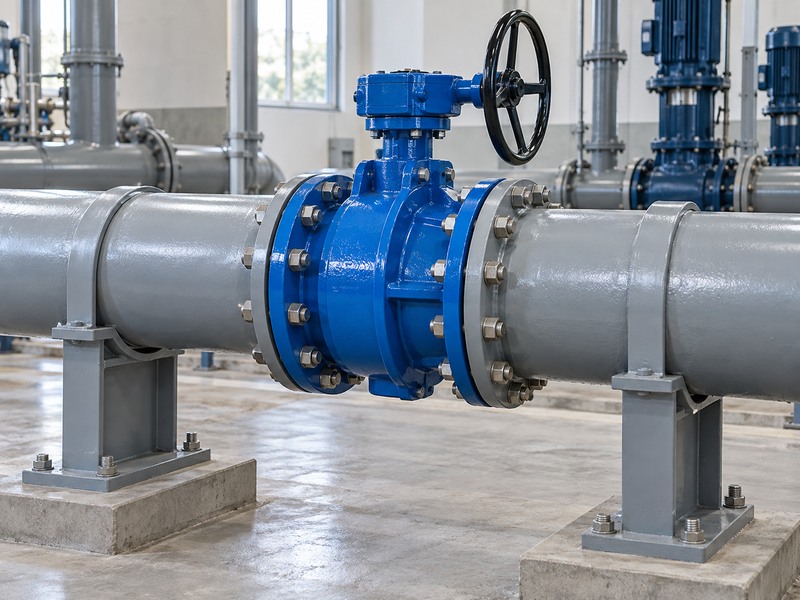
Match the complete wetted assembly to the fluid in a high performance vs resilient seated butterfly valve review. Identify the liquid or gas, additives, concentration, temperature and cleaning cycle. A higher stated pressure capability cannot compensate for an incompatible seat or an exposed component that corrodes in the actual medium.
Which duties fit the documented RUITO configurations?
RUITO’s defined clean water wafer configuration covers DN50–600 at 5–60°C, with pressure subject to the selected PN10 or PN16 model’s pressure-temperature relationship. Its circulation configuration separately covers specified inhibited glycol mixtures up to 40% by volume at 5–60°C and up to 10 barg, subject to review.
- Match the fluid to the specified configuration.
- Review internal corrosion separately from the external environment.
- Recheck the assembly when the fluid composition changes.
What should happen with a demanding or unusual duty?
Request an engineering assessment before selecting the family. Abrasive solids, strong chemicals, steam or specialized gases may require another construction or fall outside the offered scope. Neither a resilient seat nor a high performance label is an approval for every service associated with an industry name.
| Duty input | Detail to supply |
|---|---|
| Liquid mixture | Composition, concentration and cleaning exposure |
| Solids | Particle and fiber information |
| Gas | Exact composition and required qualification |
6. How do you compare flow and throttling behavior?
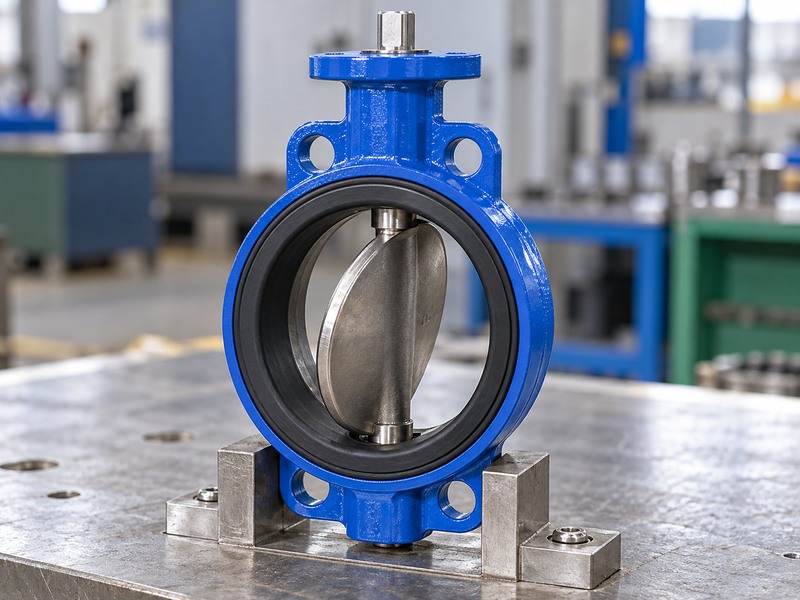
Use opening-specific flow data and the installed pressure conditions for a high performance vs resilient seated butterfly valve assessment. A full-open Kv value does not describe every partly open position. Likewise, an opening percentage on the actuator does not represent the same percentage of maximum process flow.
Which system inputs affect the review?
Provide the required flow range, available differential pressure, fluid properties and control objective. Review velocity, pressure drop and the potential for cavitation or another operating limit with the selected valve’s data. The pipe size alone cannot establish whether the valve will regulate the required range acceptably.
- Compare flow data at the required openings.
- Use the actual fluid properties.
- Check the complete operating range rather than one design point.
Does offset geometry guarantee better control?
It does not establish control performance by itself. Seat construction, disc characteristics, actuator resolution and the system pressure relationship all affect the result. Request the relevant characteristic and operating limits instead of choosing a valve because its category sounds more suitable for modulation.
| Data | Purpose |
|---|---|
| Opening characteristic | Relates travel to valve capacity |
| Pressure conditions | Establish the operating differential |
| System requirements | Define the flow range to be controlled |
7. What changes in operator and actuator selection?
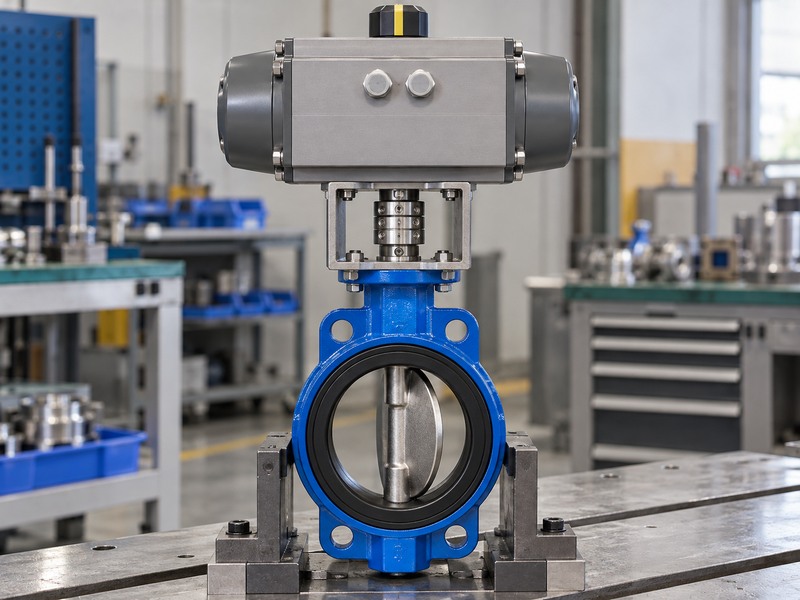
Compare torque across the stroke in a high performance vs resilient seated butterfly valve review. A reduction in seat contact during part of the travel does not guarantee that every operating or seating torque is lower. Use the offered configuration’s breakaway, running and seating requirements under the specified duty.
How should you assess the complete assembly?
Match the operator output, shaft limit, coupling engagement and mounting arrangement. For pneumatic operation, use the minimum available air supply and required fail action. For an electric drive, include supply, duty cycle and travel requirements. A compatible mounting pattern alone does not establish an adequately selected actuator.
- Obtain the valve torque requirements and their conditions.
- Check output throughout the required stroke.
- Verify the bracket, coupling and shaft limits.
What should a function check confirm?
Check physical disc travel, stops, indication and the required feedback together. An actuator tested separately from the valve does not establish the performance of the assembled unit. Retain the settings and assembly identification so future replacement parts match the accepted arrangement.
| Assembly field | Required comparison |
|---|---|
| Valve torque | Exact duty and construction |
| Operator output | Minimum supply or selected electrical duty |
| Mechanical interface | Coupling, retention and mounting |
8. What installation differences can prevent substitution?
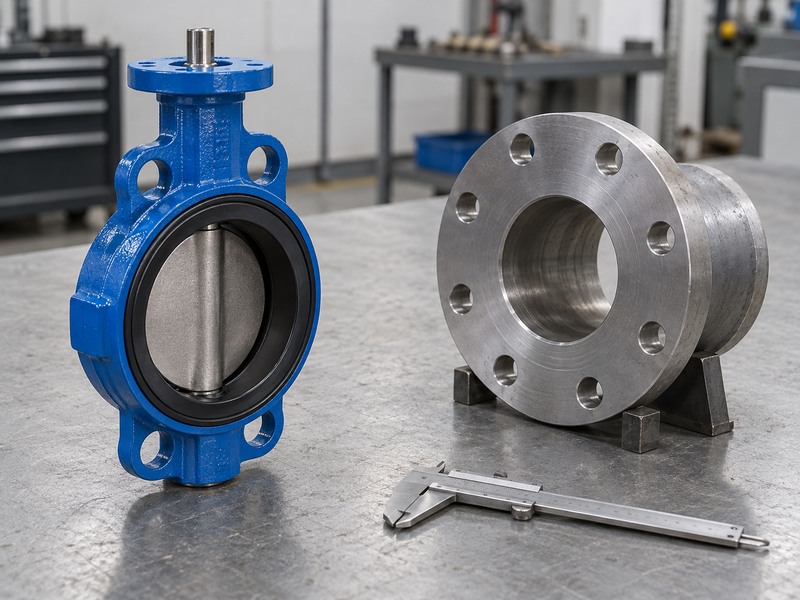
Compare face-to-face length, flange details, disc sweep and operator space before approving a high performance vs resilient seated butterfly valve substitution. Equal nominal size does not establish interchangeability. A change in body construction or operator can affect the installation even when the pipe designation remains the same.
Which interfaces need their own drawings?
A wafer butterfly valve needs a compatible companion flange bore and bolting arrangement. A lug butterfly valve needs the specified thread engagement and an explicit review of any end service requirement. Double flanged constructions require their own length, flange and support assessment.
- Compare the exact connection and face-to-face dimensions.
- Check both sides of the full disc envelope.
- Review support, lifting and maintenance access.
Can you retain the old operator and bracket?
Only after checking the mechanical and operating requirements. A new valve may have a different shaft profile, mounting orientation or torque demand. Include the operator in the replacement review instead of treating it as an automatically reusable accessory.
| Replacement detail | Check against the installation |
|---|---|
| Body and connection | Length, drilling and clear bore |
| Moving parts | Full disc sweep |
| Complete assembly | Mass, support and operator access |
9. Which test evidence makes the comparison usable?
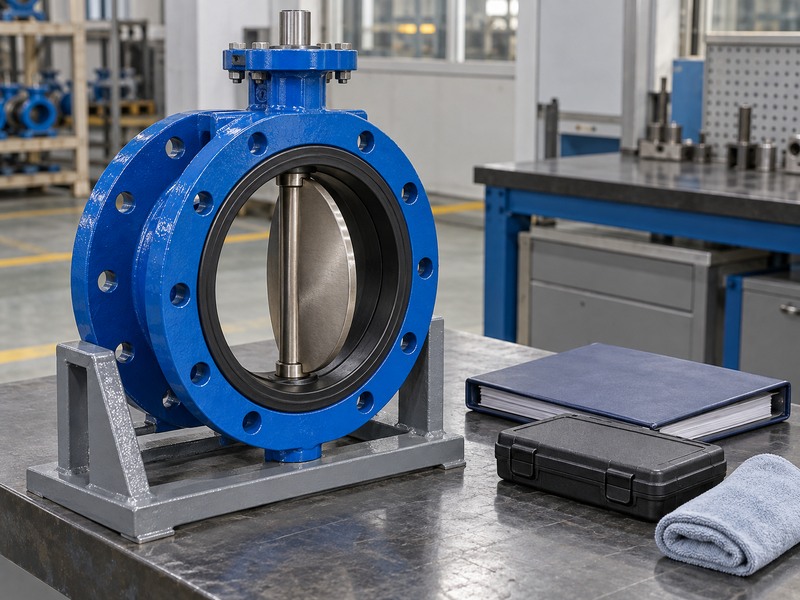
Compare the applicable test procedure and acceptance conditions in a high performance vs resilient seated butterfly valve review. Agree on shell and closure tests, leakage criteria, direction and any required qualification. An isolated pressure value or an undefined “zero leakage” statement leaves the inspection requirement incomplete.
Which test basis should the supplier identify?
Record the contract-selected product and test standards with the delivered configuration. For example, ISO5208 addresses pressure testing of metallic valves; the specified procedure still needs to correspond to the product and contract. Additional qualifications require their own applicable evidence.
- Match reports to the delivered unit or batch.
- Record the test medium, direction and acceptance conditions.
- Keep material and drawing revisions with the inspection package.
What should you send for a selection review?
Provide both proposed configurations and the same fluid, temperature, pressure, closure differential, flow range and interface data. Identify the unresolved requirements before comparing price. You can contact us with those inputs so RUITO can assess the documented configuration and the evidence needed for the enquiry.
| Evidence group | Connection to retain |
|---|---|
| Materials and drawings | Offered configuration and revision |
| Shell and closure tests | Unit, procedure and acceptance |
| Additional qualification | Exact report coverage required by the project |
10. What do buyers ask about these valve families?
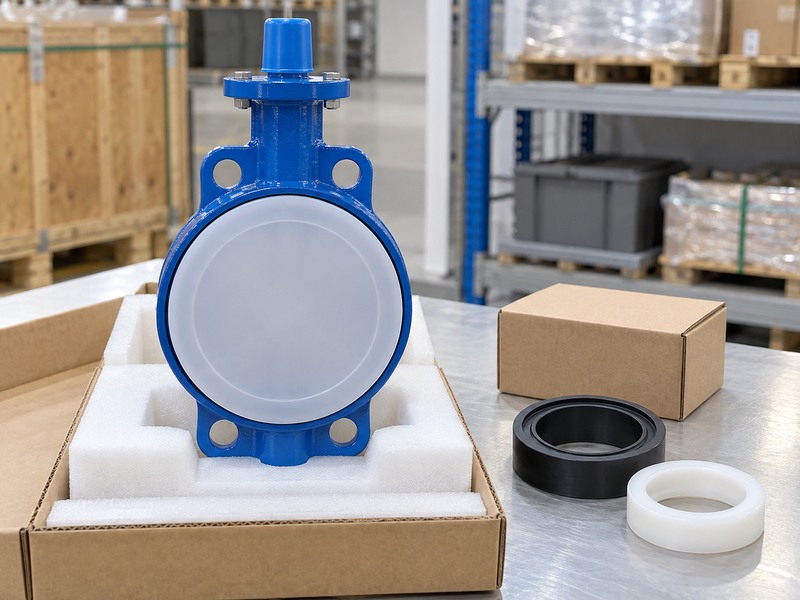
The questions in a high performance vs resilient seated butterfly valve enquiry should distinguish construction from proven capability. These checks prevent a catalog label from replacing the data needed for selection.
Q1. Is every resilient seated valve concentric?
No. An offset construction can also use an elastomer seal. Confirm the geometry and sealing materials independently on the supplied section and parts list.
Q2. Does high performance always mean a metal seat?
No. Seat systems vary by construction. Request the actual seat, backing, shaft seal and wetted material details instead of inferring them from the family name.
Q3. Can I assume the same closure rating in reverse?
No. Confirm each required direction and differential for the offered configuration. A forward pressure test or nominal pressure label does not establish an identical reverse closure limit.
Q4. Is an offset valve automatically fire qualified?
No. Request the applicable qualification report and verify its scope. Geometry and the presence of metal parts do not replace evidence for that requirement.
Q5. What’s the best way to compare price?
Compare technically equivalent offers. Align duty, materials, connection, operator, inspections and documents before assessing supply cost and delivery scope.